3.1 - Education & Leisure
Key facts and dates
Education and leisure during Elizabeth I's reign (1558–1603) reflected social hierarchies while showing growth in learning and cultural activities, influenced by Renaissance ideas and increasing prosperity. This timeline captures key developments in schooling, literacy, and entertainment that marked the era.
Timeline of key events
- 1558 – Elizabeth I ascends the throne; literacy among men estimated at around 10%.
- Mid-16th century – Expansion of grammar schools for middle-class boys, teaching Latin and arithmetic.
- 1570s – Printing press boosts availability of books, contributing to rising literacy.
- 1576 – Construction of The Theatre, England's first permanent public playhouse.
- 1580s – Rise of playwrights like Christopher Marlowe; theatres attract diverse audiences.
- 1603 – End of Elizabeth's reign; male literacy reaches approximately 25%, with female rates lower.
Educational opportunities by class and gender
Image 1 of 2: Noble children, like the young Elizabeth, were taught at home by private tutors
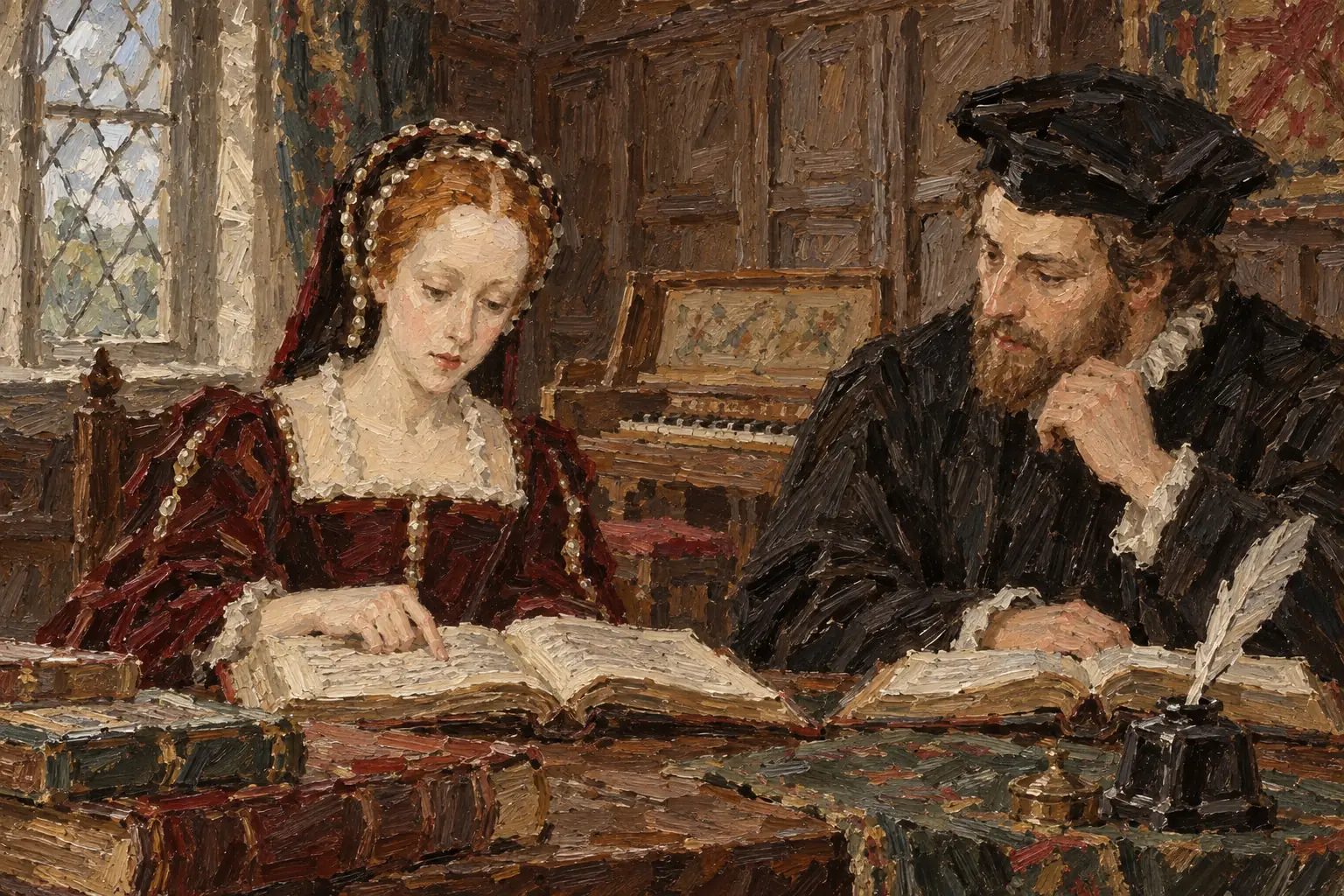
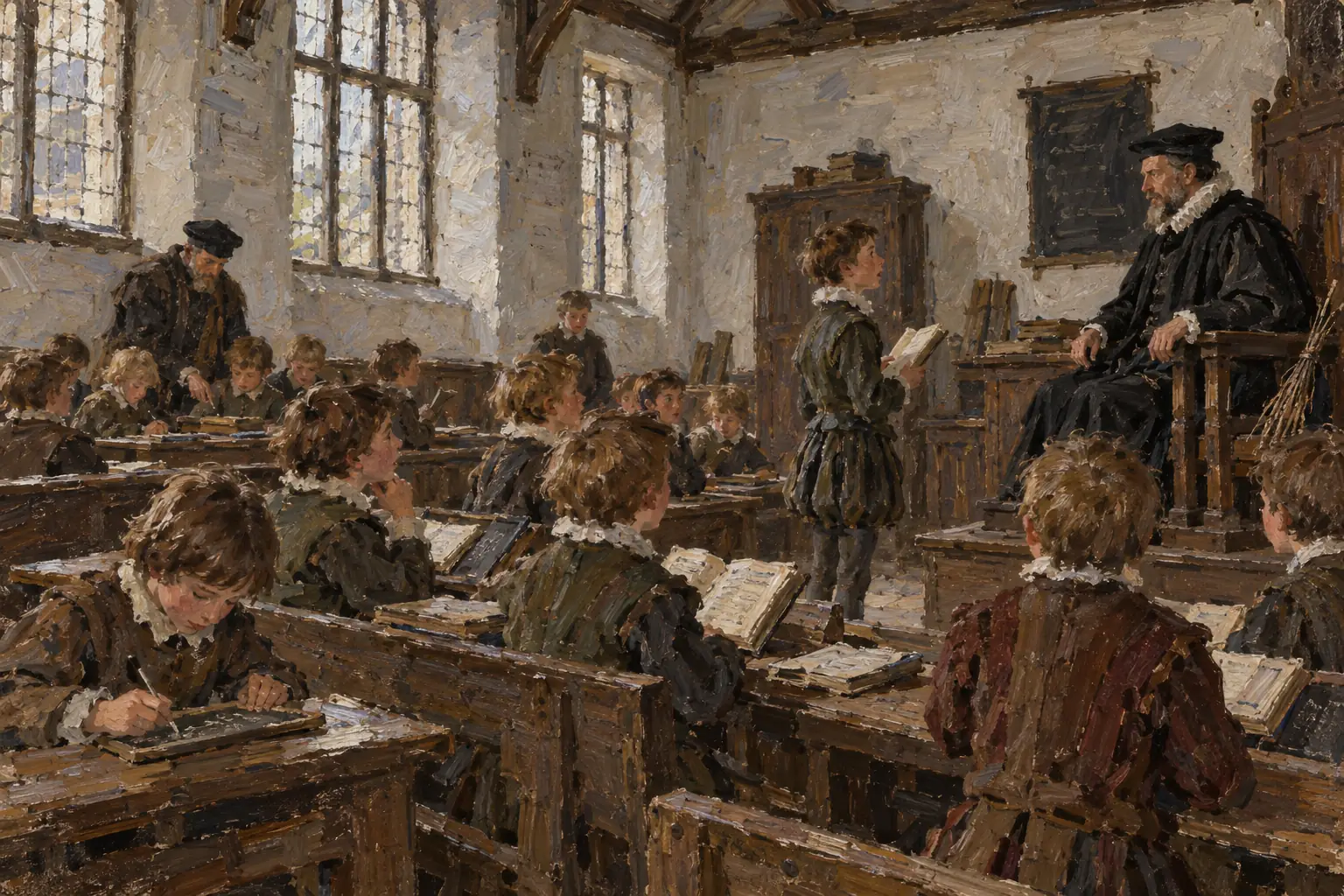
In Elizabethan England, access to education depended heavily on social class and gender, with no compulsory schooling available. Opportunities expanded during the second half of the 16th century, driven by Renaissance values that emphasised learning, but remained limited to those who could afford it.
Education for the nobility and gentry
- Noble children, including boys and some girls, often received instruction at home from private tutors or in other elite households.
- This setup allowed for personalised learning, reflecting the high status of the families involved.
Education for the middle class
- Sons of merchants and prosperous yeomen increasingly attended newly founded grammar schools in towns.
- These institutions catered to a growing educated group, preparing boys for roles in trade or administration.
Limited education for girls and lower classes
- Most girls, except those from noble backgrounds, learned only domestic skills at home, such as managing households.
- Lower-class children rarely accessed formal schooling, with education confined to basic practical knowledge.
Curriculum and the rise in literacy rates
The curriculum varied by social level, focusing on classical and practical subjects for boys, while girls' education emphasised accomplishments suitable for marriage. By the end of Elizabeth's reign, literacy had increased significantly, aided by wider access to printed materials.
Curriculum for elite boys
- Subjects included languages like Latin, Greek, and sometimes French, alongside history, philosophy, theology, rhetoric, and the arts.
- This broad education prepared them for leadership roles in society.
Education for noble girls
- Focused on music, dancing, needlework, and literature to develop skills for running households and attracting suitable marriages.
- A small number received advanced humanist studies, similar to those of their male counterparts.
Factors contributing to rising literacy
- Spread of grammar schools educated more middle-class boys in Latin, literature, and arithmetic.
- The printing press made affordable books, pamphlets, and Bible translations widely available.
- Male literacy rose from about 10% in 1558 to around 25% by 1603, though female rates remained much lower.
University education
- Only a tiny elite of men attended Oxford or Cambridge after grammar school.
- These institutions focused on advanced studies, producing scholars and professionals.
Leisure for the nobility and upper classes
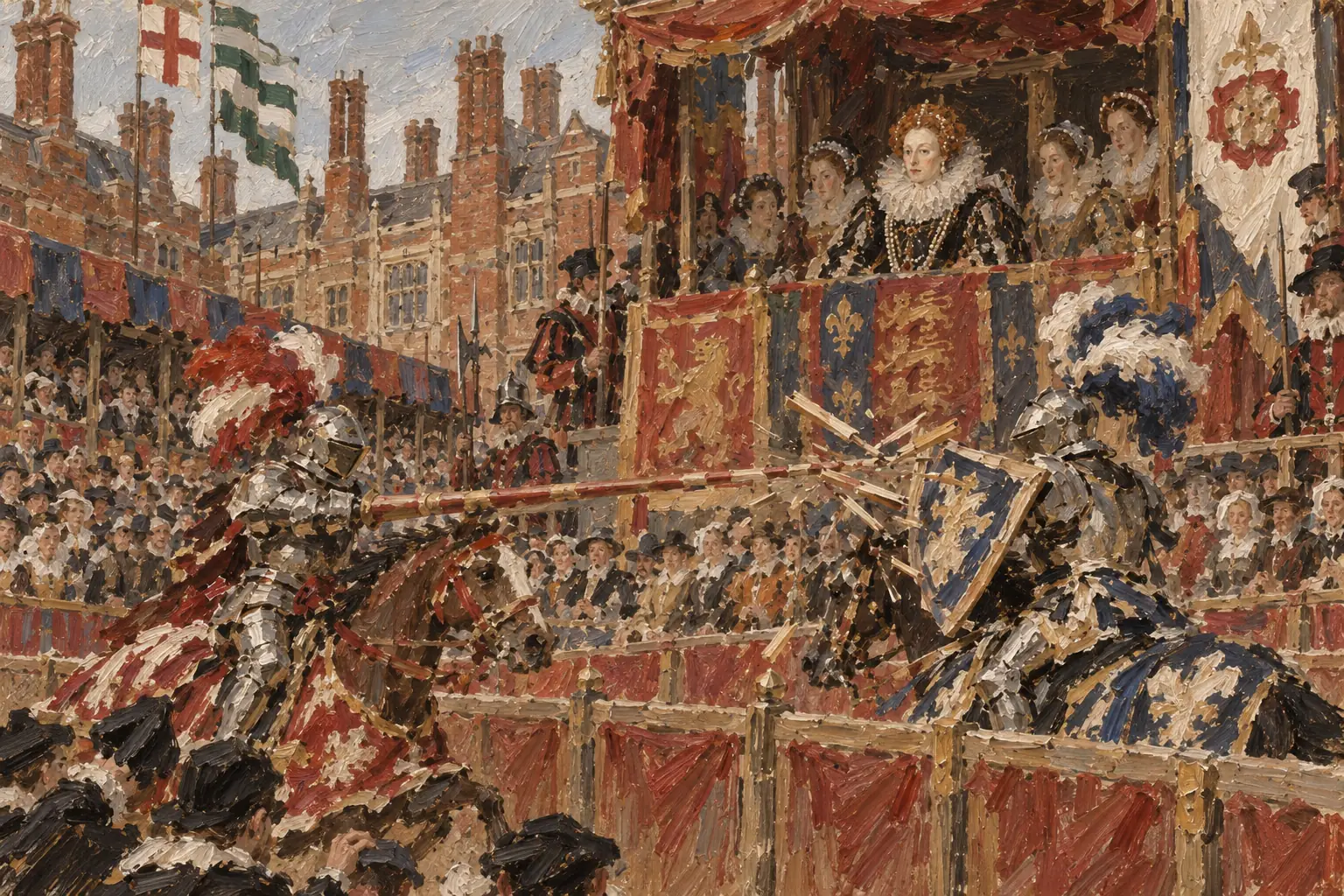
Leisure pursuits among the nobility and gentry showcased their status and provided opportunities for social interaction. These activities often involved physical skill and were exclusive to those with resources and time.
Popular pursuits among the elite
- Hunting and hawking - Involved tracking game with dogs or falcons, demonstrating prowess and allowing elite gatherings.
- Fencing and real tennis - Emphasised agility and strategy, with real tennis played in enclosed courts.
- Jousting and horseback riding - Jousting featured in tournaments early in the reign, while riding served both recreation and transport.
- Music and instruments - Wealthy individuals played items like the lute or virginals, or hired musicians for private events.
Lower-class pastimes and common entertainments
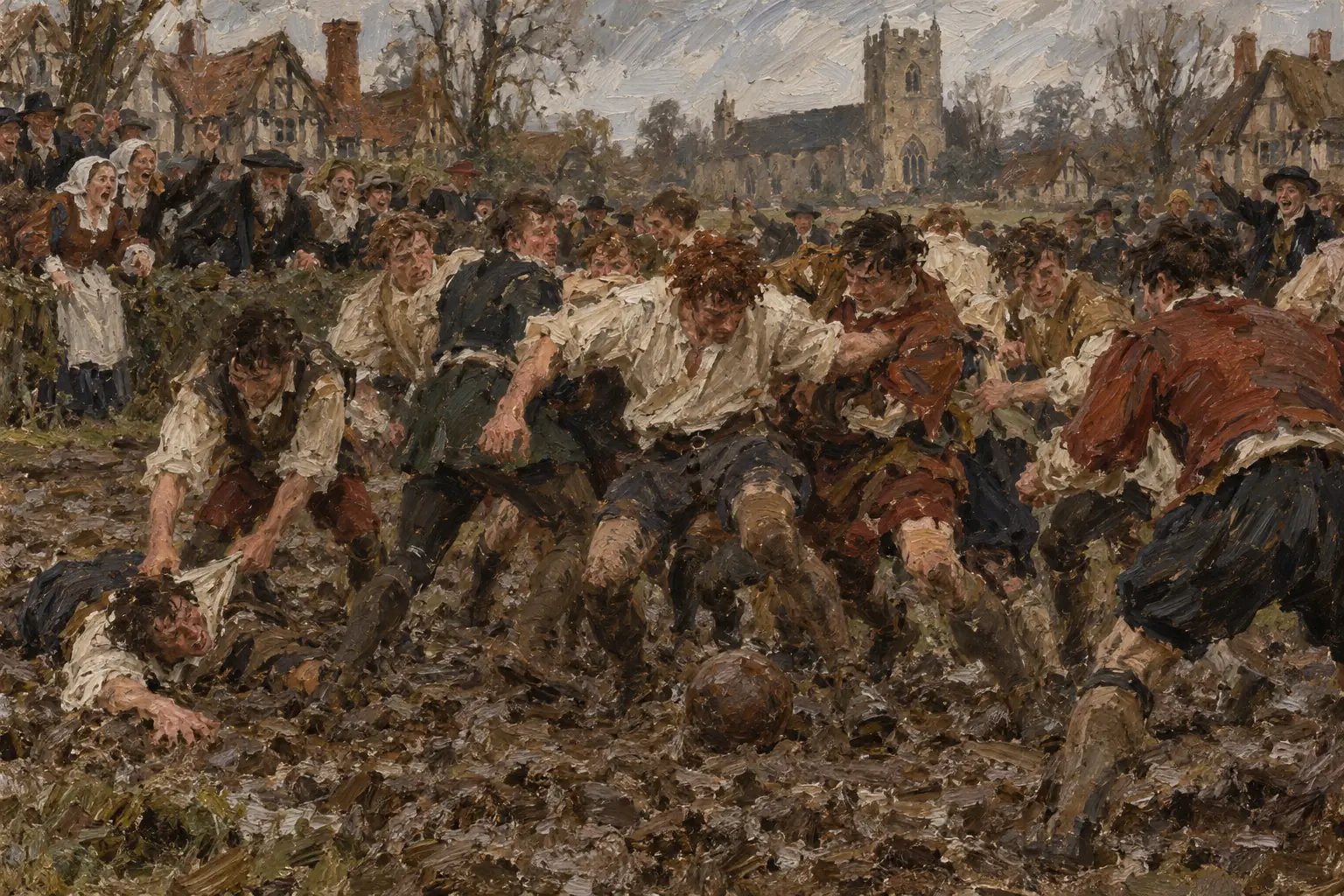
Lower-class individuals, such as farmers and craftsmen, engaged in more accessible and communal activities. Some entertainments, like music and blood sports, bridged social divides and offered excitement in daily life.
Common activities for ordinary people
- Football and wrestling - Football was rough and violent, differing from modern versions, while wrestling involved physical contests.
- Folk games - Included various traditional games played at local events or gatherings.
- Blood sports - bear-baiting and cockfighting drew crowds, providing thrilling, if cruel, spectacles.
Shared entertainments across classes
- Music and dance - People from all levels enjoyed singing ballads, dancing jigs at fairs or taverns, and listening to performers.
- These activities fostered community and cultural expression, with dances often featuring lively folk traditions.
Emergence of theatre and its cultural significance
Image 1 of 2: The Theatre, built in 1576, was England's first permanent public playhouse
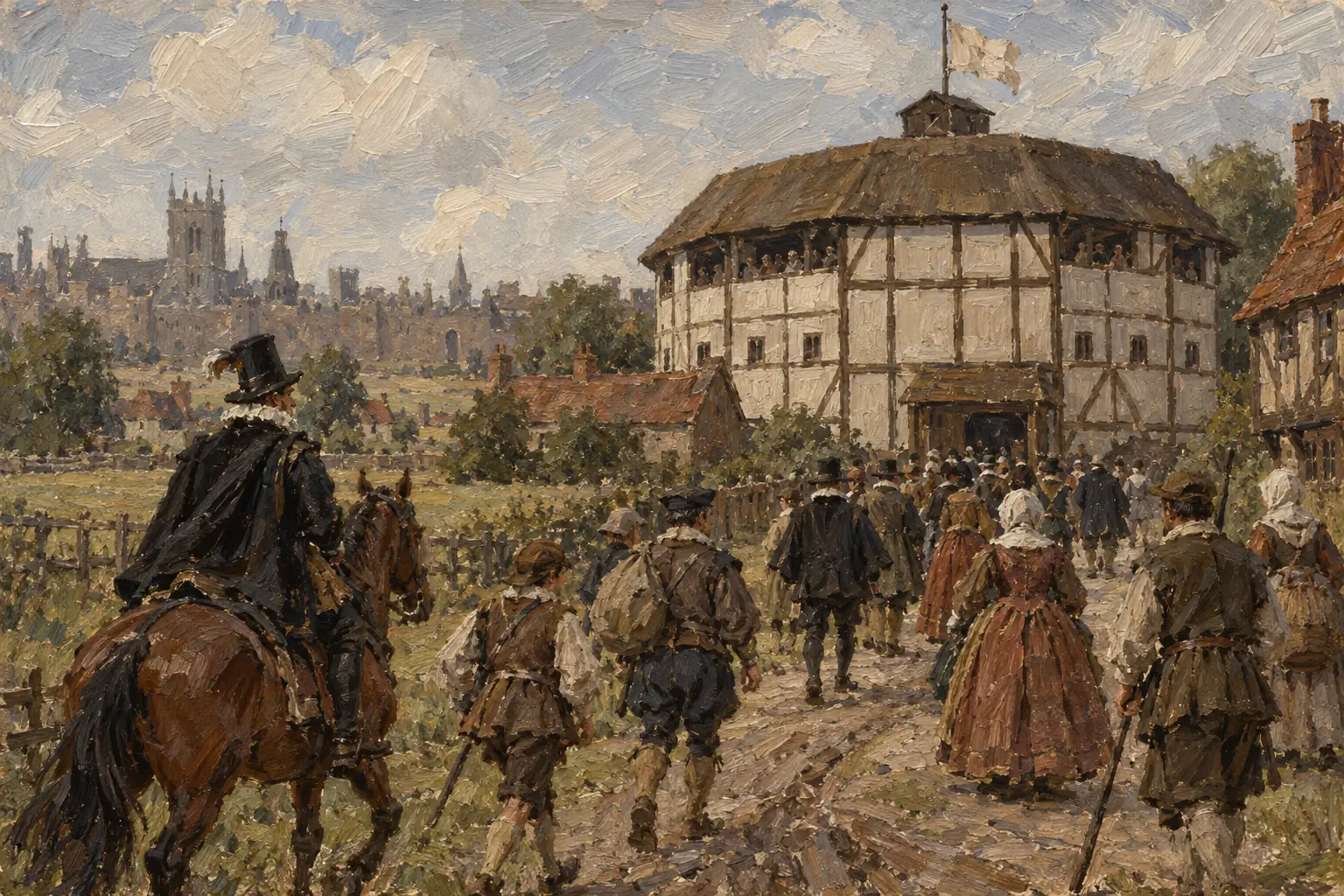
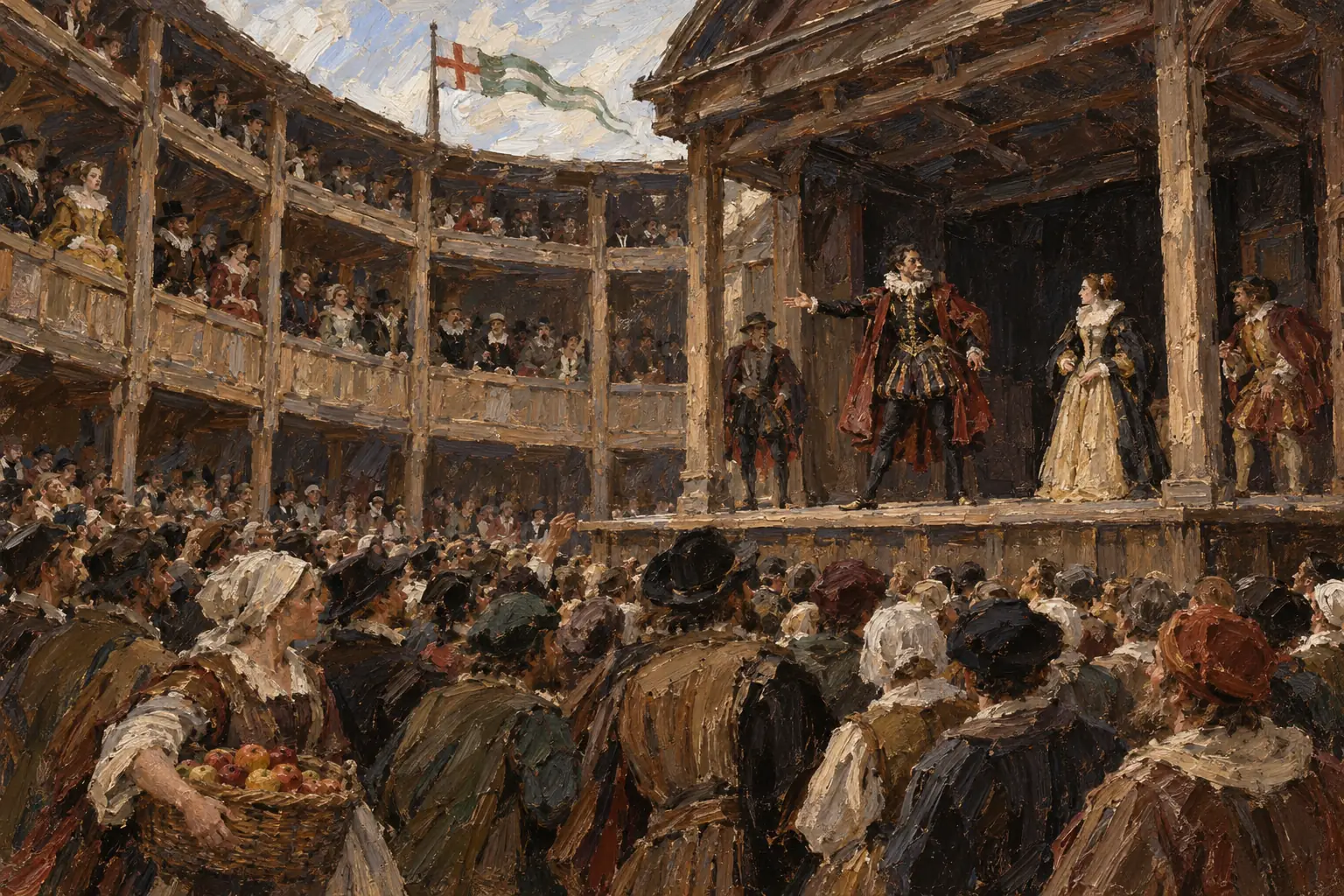
Theatre flourished as a major leisure activity, marking the Elizabethan Golden Age and attracting audiences from all social strata. It evolved from informal venues to purpose-built playhouses, blending entertainment with social and political messages.
Development of public theatres
- Permanent venues like The Theatre (1576) and the Curtain emerged in the late 1570s and 1580s, replacing performances in inn yards.
- The Globe, built in 1599, exemplified this growth, though slightly later in the period.
Audiences and playwrights
- Theatres drew nobility, who patronised companies, and common folk, who paid a penny to stand as groundlings.
- Playwrights such as Christopher Marlowe produced comedies, tragedies, and history plays in the 1580s.
- The Queen's enjoyment of court performances highlighted royal support.
Social and cultural role
- Plays served as social events, conveying patriotic or anti-Catholic themes.
- Despite popularity, Puritans opposed theatres as sinful, attempting closures without success during Elizabeth's reign.
- Theatre contributed to a vibrant cultural scene, alongside rising literacy and diverse pastimes, reflecting a prosperous era.