3.2 - The ‘Problem’ of the Poor
Key facts and dates
During Elizabeth I's reign, rapid social and economic changes led to a sharp rise in poverty and homelessness, prompting the government to view it as a significant problem. This timeline outlines the key events and developments that contributed to the growth of poverty and the evolution of responses.
Timeline of key events
- Mid-16th century – Population growth accelerates, increasing from about 3 million to nearly 4 million by the 1590s, heightening competition for jobs and resources.
- 1550s – Downturn in the woollen cloth trade, particularly after the Antwerp market collapse, causes widespread unemployment in dependent towns.
- Mid-1570s – Series of poor harvests lead to food shortages and rising prices, exacerbating hardship.
- 1572 – Act introduces harsh punishments for unlicensed beggars, including whipping and execution for repeat offences.
- 1576 – Act for the Relief of the Poor mandates job creation for the able-bodied and establishes Houses of Correction.
- 1570s–1580s – Inflation drives up food costs, while wages stagnate, pushing more people into destitution.
Causes of increased poverty and vagabondage
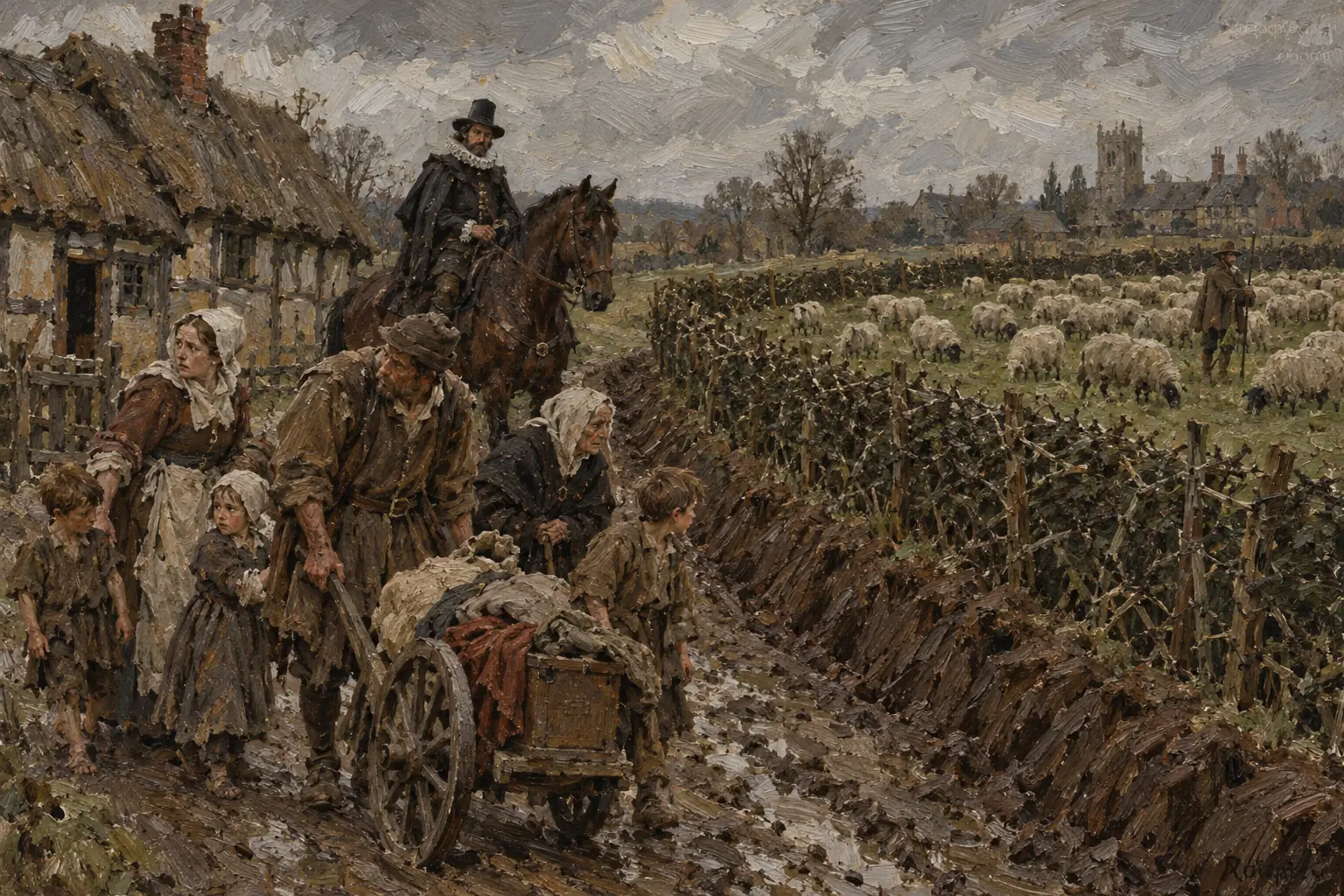
During Elizabeth I's reign, a combination of social and economic pressures led to a marked rise in poverty, defined as the inability to sustain oneself through employment, and vagabondage, involving wandering beggars. These issues became particularly evident by the 1570s and 1580s, as more individuals struggled to find work or afford basic needs.
Key reasons for rising poverty
- Population growth - England's population expanded quickly in the 16th century, reaching almost 4 million by the 1590s from around 3 million earlier. This surge created intense competition for land, food, and employment, overwhelming the economy's capacity to support everyone and leaving many without stable livelihoods.
- Inflation and rising prices - Prices for essential goods, especially food, increased significantly throughout the 1500s due to factors like the influx of precious metals from the Americas and earlier currency debasement. Although efforts were made to stabilise the coinage under Elizabeth, wages failed to match these rises, making staples like bread unaffordable for labourers and contributing to widespread hardship.
- Agricultural changes - The shift to profitable sheep grazing and the enclosure of common lands displaced tenant farmers and rural workers. Enclosure fenced off shared fields for private use, reducing the need for labour in crop farming and causing evictions, which forced many into unemployment and migration to towns in search of opportunities.
- Decline in industries - The woollen cloth trade, a major export sector, suffered a slump from the mid-16th century, worsened by the collapse of key markets like Antwerp in the 1550s. This left workers such as spinners, weavers, and traders in regions like eastern England jobless, with limited alternative employment available.
- Bad harvests and food shortages - Unreliable weather led to periodic crop failures, such as those in the mid-1570s, causing scarcity and sharp price increases. These events triggered famine-like conditions in affected areas, compelling more people to resort to begging or theft for survival.
Attitudes towards categories of the poor
Image 1 of 2: The deserving poor, such as the old, sick and disabled, were supported by parish charity
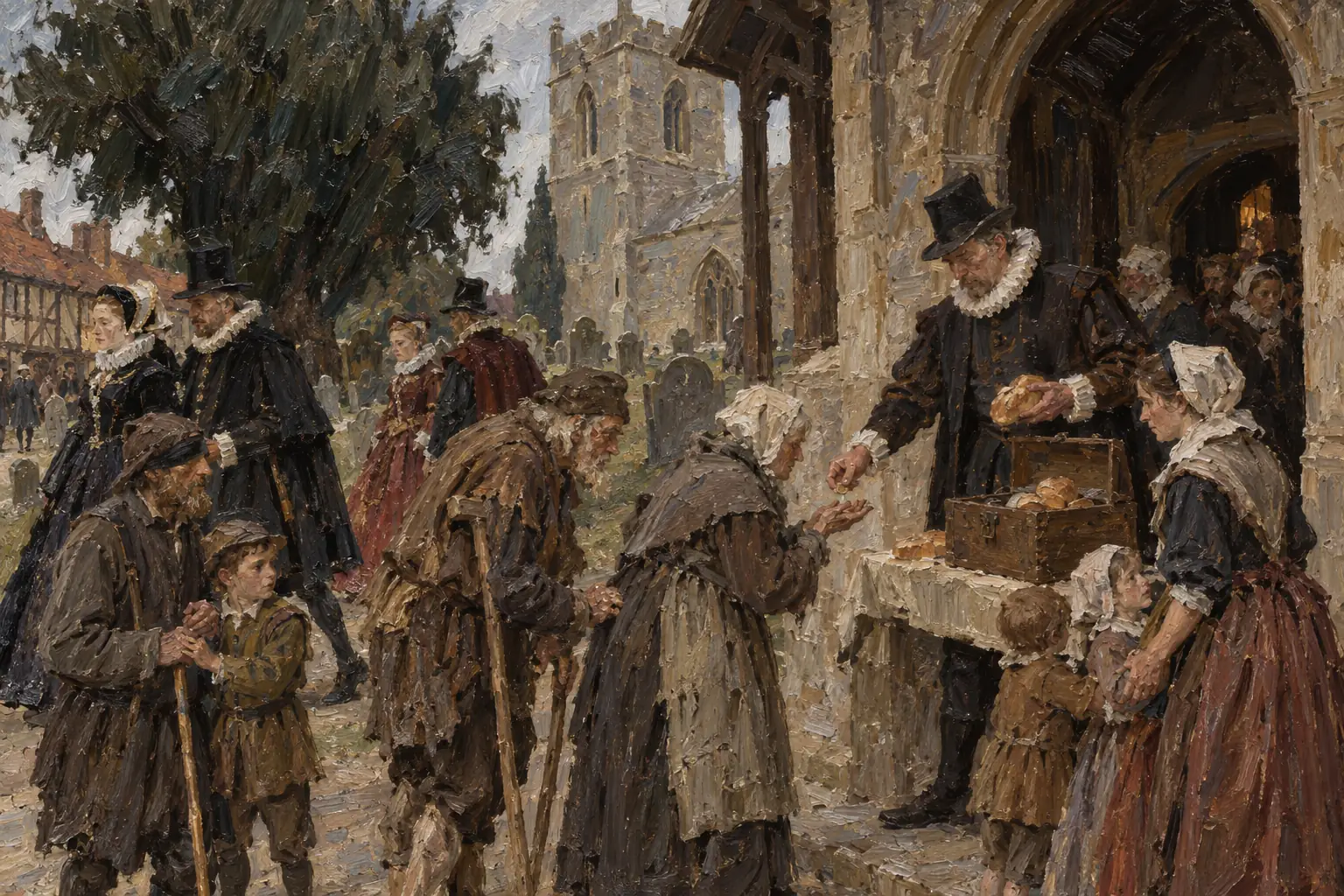
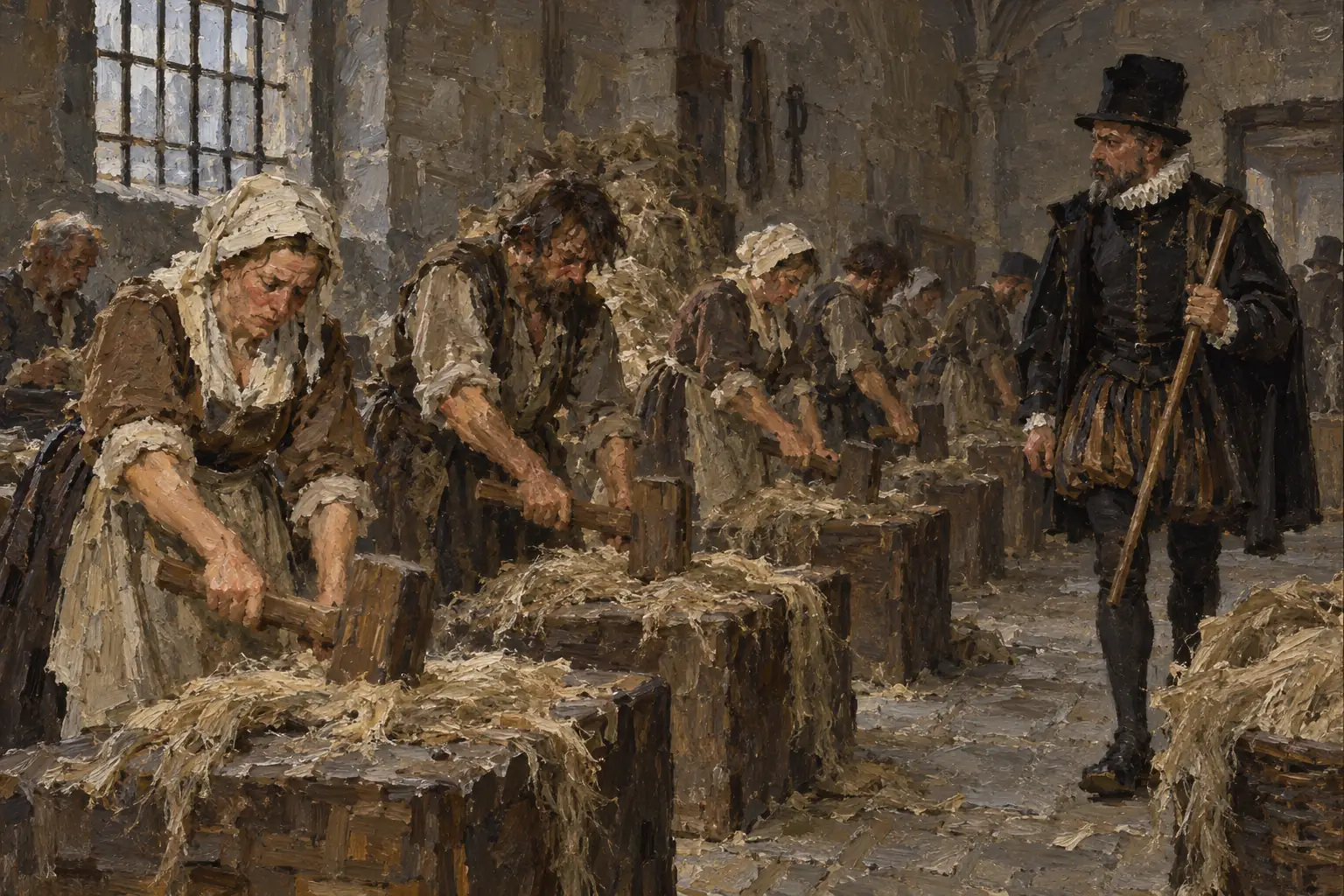
Elizabethan society held distinct views on poverty, influenced by traditional Tudor beliefs that emphasised social order and the duty to work. The poor were categorised based on their ability to labour, shaping how communities and authorities responded to them.
Categories of the poor and associated attitudes
- Deserving or impotent poor - This group included those unable to work due to circumstances beyond their control, such as the elderly, young children, or the sick and disabled. They were seen as worthy of support, often through local parish charities or almshouses, reflecting a sense of communal responsibility.
- Undeserving or able-bodied poor - Comprising those capable of employment but perceived as idle or vagrant, this category was viewed negatively as a threat to stability. Beggars and wanderers were often labelled lazy or immoral for straying from their assigned social roles, with fears that they could spark crime, riots, or unrest among the settled population.
Policies and responses to poverty
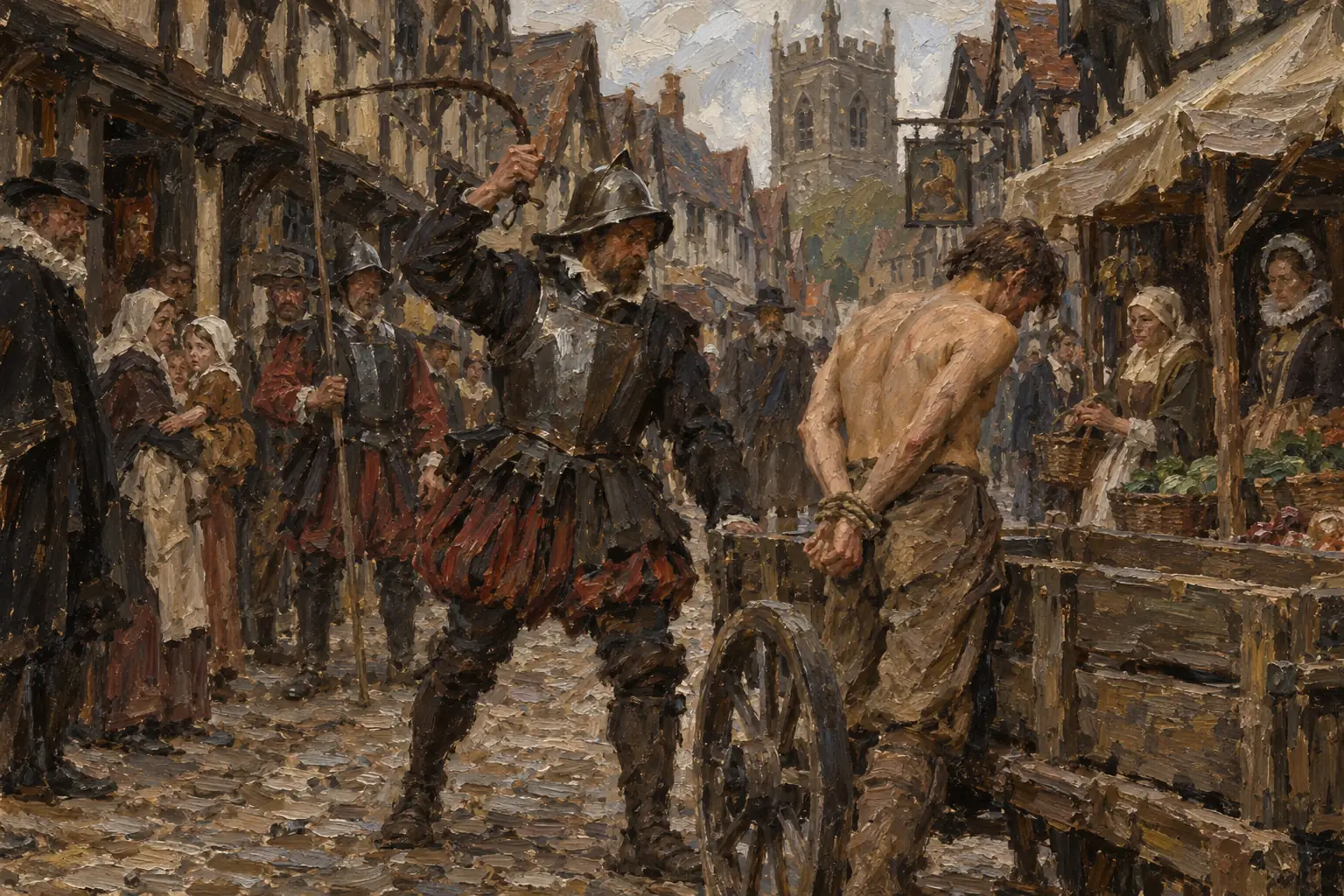
The government's approach to poverty initially focused on punishment to maintain order, but it gradually incorporated elements of relief as the scale of the problem grew. These measures were enforced locally, often by justices of the peace, and aimed to control vagabondage while addressing basic needs.
Key policies implemented
- Punitive measures - Early laws, such as the 1572 Act, imposed severe penalties on unlicensed beggars over a certain age, including whipping, ear boring for first offences, and execution for repeat violations, underscoring the view of vagrants as a societal danger.
- Provision of work and correction - The 1576 Act for the Relief of the Poor required counties to stock materials like wool or iron for employing the able-bodied unemployed, representing an initial form of organised job creation. It also introduced Houses of Correction, where those refusing work could be imprisoned and compelled to labour.
- Local support systems - Parishes were encouraged to gather voluntary contributions to aid their poor, particularly the deserving, laying the foundation for more structured relief efforts.
Evolution of approaches to poor relief by 1588
By the later years of Elizabeth's reign up to 1588, responses to poverty shifted from solely repressive tactics to a balanced system that combined deterrence with assistance. This change acknowledged the growing crisis and the need to prevent disorder through proactive measures.
Changes in attitudes and policies
- From punishment to relief - While vagabonds continued to face harsh treatment, there was increasing recognition that societal factors contributed to poverty, leading to policies that aimed to prevent starvation and unrest by supporting the unemployed.
- Role of local authorities - Justices of the peace played a central role in implementing relief, ensuring materials for work and overseeing Houses of Correction, which marked a move towards organised, community-based solutions.
- Broader implications - These developments represented a key shift in social policy, blending control of the undeserving poor with aid for the deserving, and setting the stage for more comprehensive poor laws in subsequent years.