6.3 - Evaluating Sources for Enquiries
Key facts and dates
Evaluating sources is essential for understanding medicine on the Western Front during the First World War, as it helps historians assess the reliability and relevance of evidence. This involves weighing strengths against limitations while considering how different sources contribute to specific enquiries.
Key facts to remember
- No perfect sources – All evidence has strengths and weaknesses, requiring careful analysis for any enquiry.
- Source types – Include official records, newspaper articles, personal letters/diaries, photographs, and post-war medical articles or memoirs.
- Utility depends on enquiry – A source's value varies based on the question, such as measuring treatment effectiveness versus exploring personal experiences.
- Cross-referencing – Combining multiple sources strengthens conclusions and verifies details.
- Bias and purpose – Sources may be influenced by their intent, such as informing, persuading, or recording events.
- Critical questions – Ask who created the source, when and why, whether it provides facts or opinions, and what information is missing.
Strengths and weaknesses of source types
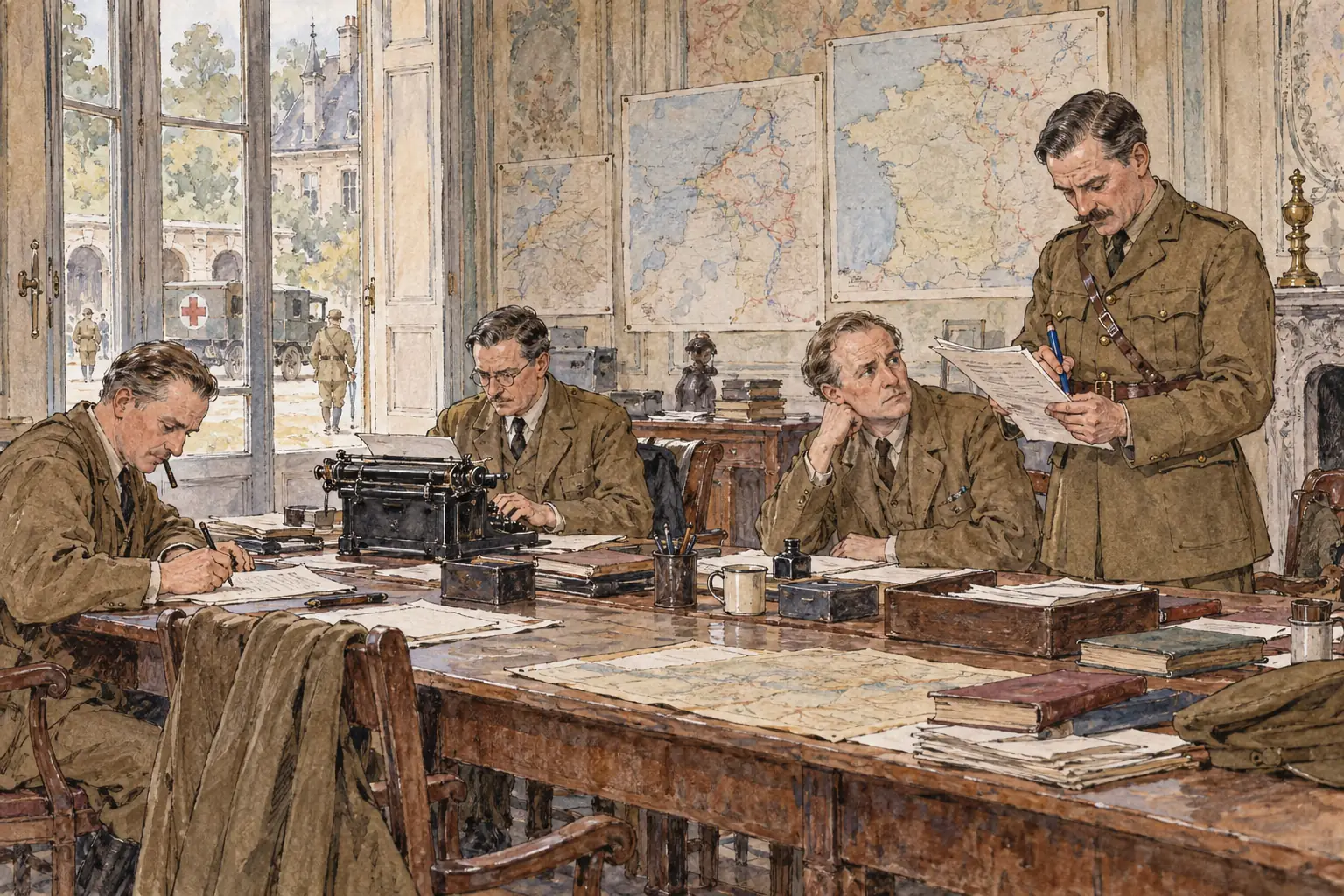
Historical enquiries into medicine on the Western Front, such as assessing the success of treatments for infected wounds, rely on various sources. Each type offers unique insights but comes with inherent limitations, making critical evaluation essential.
Official records
Official records, like reports from the Royal Army Medical Corps (RAMC), provide detailed and factual data on medical outcomes.
- Strengths - These documents offer comprehensive statistics, such as the number of soldiers who recovered from surgery versus those who succumbed to infection, allowing a clear assessment of treatment effectiveness. As internal records not meant for public consumption, they tend to be accurate and free from propaganda.
- Weaknesses - They often lack personal context, failing to explain reasons for treatment failures or soldiers' experiences. A single record might only represent one location or time frame, limiting broader applicability.
Newspaper articles
Newspaper articles from the period reflect public information and contemporary views on medical developments.
- Strengths - They convey what civilians knew about the war, often including stories, quotes from experts, or images that illustrate treatments. This can provide a semi-official perspective on medical advancements.
- Weaknesses - Censorship and the need to maintain morale led to emphasising positive outcomes, such as breakthrough cures, while ignoring failures like widespread gas gangrene cases. Articles could include biased or exaggerated content to promote patriotism.
Personal letters and diaries
Personal accounts, such as those from nurses or soldiers, capture individual experiences of medical care.
- Strengths - These sources deliver authentic details on daily realities and emotional responses, for example, a diary entry describing the failure of antiseptic methods despite their use, adding depth to evaluations of treatment impact.
- Weaknesses - They represent only one viewpoint, potentially skewed by unusual circumstances or emotional bias. Memories might be unreliable, and censorship in letters could omit harsh truths, requiring verification against other evidence.
Photographs
Photographs serve as visual documentation of medical practices on the Western Front.
- Strengths - They provide direct evidence of techniques, such as images showing wound irrigation systems in action, confirming the application of specific treatments.
- Weaknesses - Many were staged or selected for official purposes, possibly concealing the true chaos of field hospitals. Without accompanying details, interpretation can be challenging, raising questions about the photographer's intent.
Medical articles or memoirs published after the war
Post-war writings by medical professionals offer reflective analyses of Western Front medicine.
- Strengths - These benefit from hindsight and complete data, enabling thorough evaluations of treatment successes and failures over time.
- Weaknesses - Authors might present self-flattering accounts or focus on achievements to demonstrate progress, potentially minimising initial setbacks due to faulty recollections.
Concept of source utility in historical enquiries
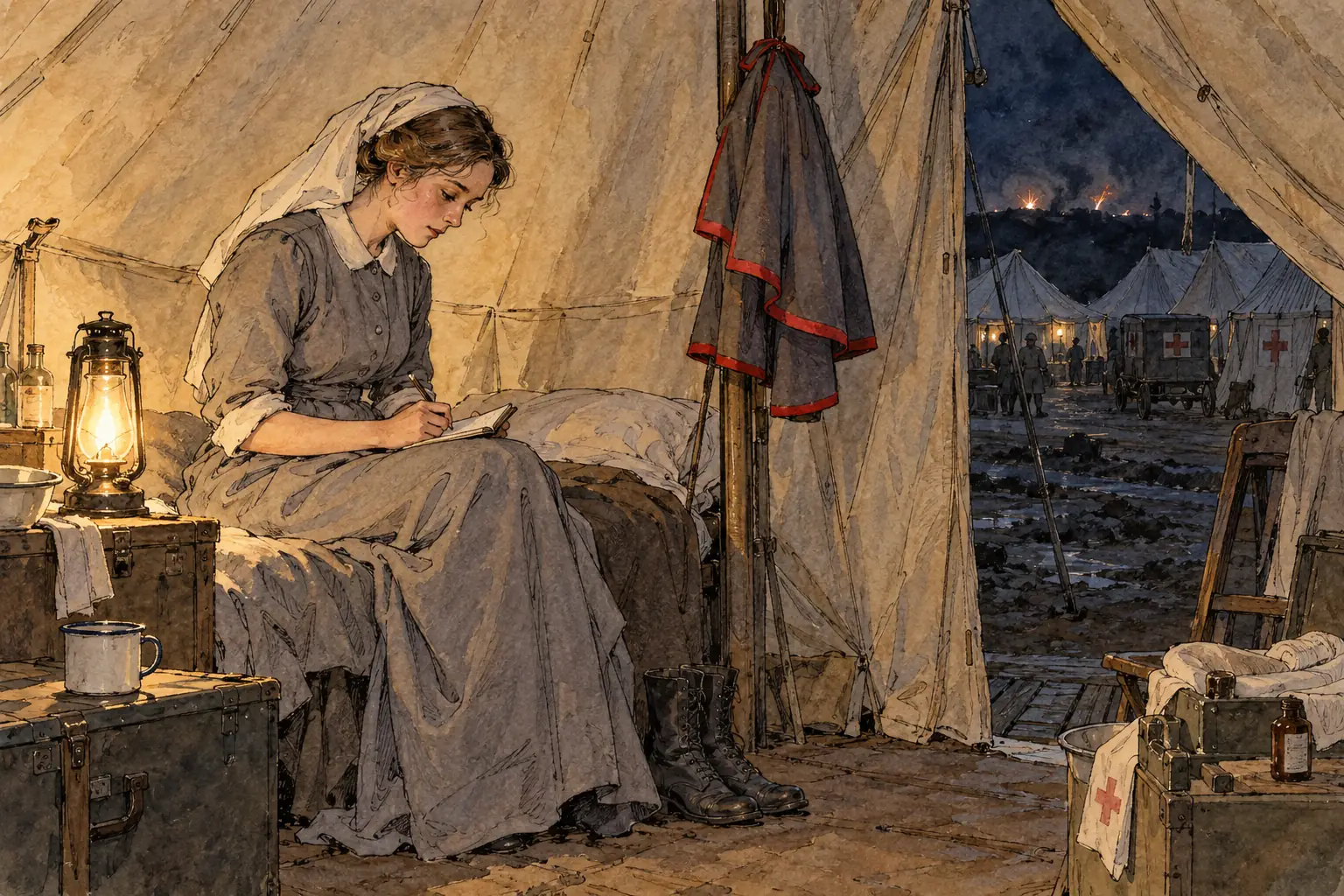
Source utility refers to how helpful a piece of evidence is for a particular historical question. This depends on the enquiry's focus, with some sources excelling in certain areas while being less relevant in others.
How utility varies by enquiry
- Statistical questions - For enquiries about survival rates from injuries like shattered bones, official tables are highly useful due to their factual data, but they offer no insight into personal sentiments.
- Experiential questions - When exploring soldiers' views on care, diaries provide valuable perceptions of treatment perceptions, such as reactions to new wound dressings, though they lack broader statistical reliability.
- Overall assessment - A source might be trustworthy for one aspect, like confirming procedures, but irrelevant for another, such as quantifying outcomes, emphasising the need to match sources to the specific enquiry.
Importance of cross-referencing sources
Cross-referencing involves comparing multiple sources to build a more reliable picture, helping to confirm details and address individual limitations.
Benefits of using sources in combination
- Verification of claims - If a personal letter describes high death rates from infections during a battle, this can be checked against hospital statistics from the same timeframe to substantiate or challenge the account.
- Filling gaps - Combining types, such as pairing a photograph's visual proof with a diary's emotional context, provides a fuller understanding of medical effectiveness.
- Reducing bias - Cross-referencing mitigates distortions, like optimistic newspaper reports, by contrasting them with neutral official data.
Bias, purpose, and critical questions
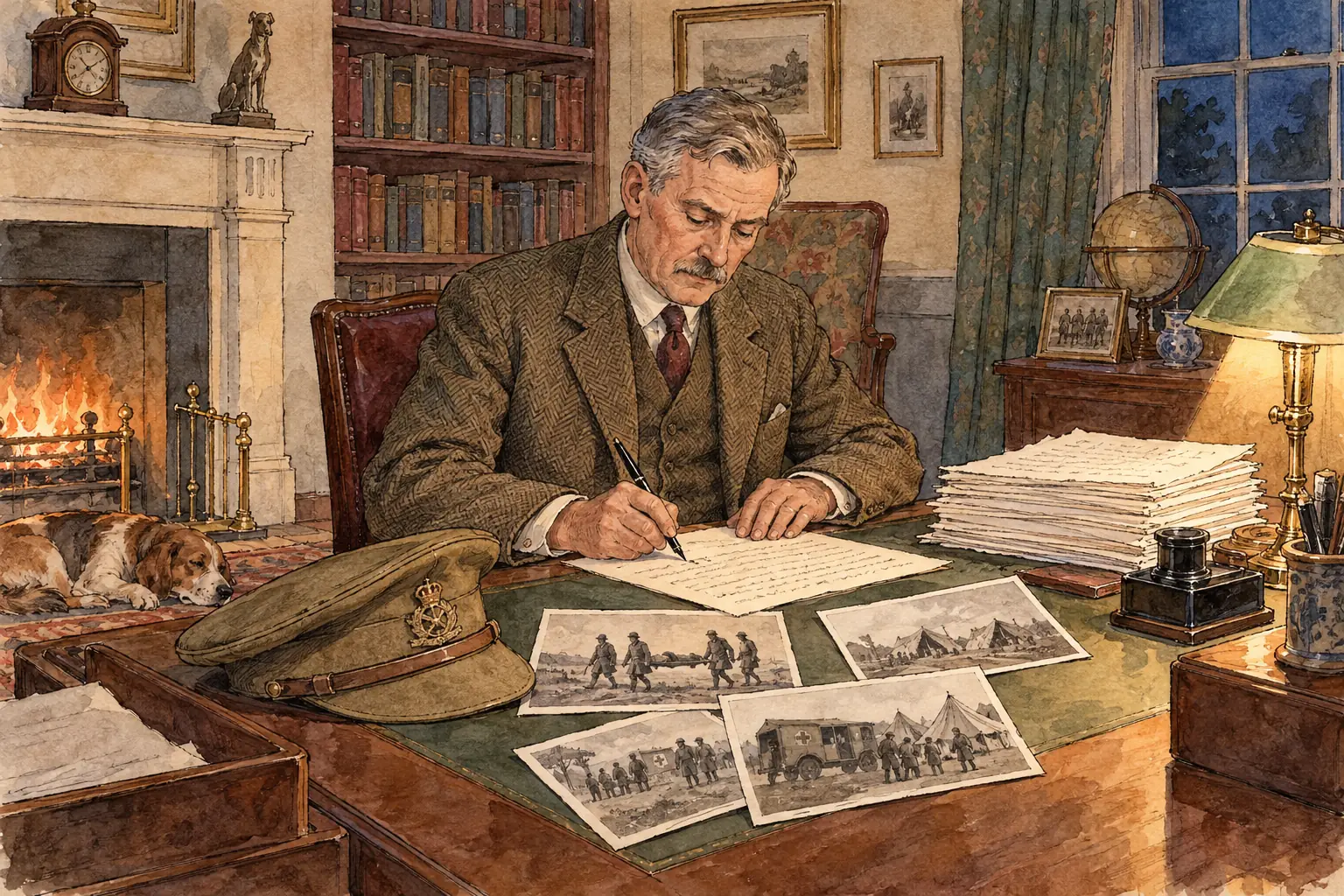
Evaluating sources requires examining their origins and intentions to detect potential biases. Sources were created for various reasons, influencing their content and reliability.
Role of bias and purpose
- Purpose analysis - Official reports aimed to document events for internal use but might soften criticisms to avoid upsetting superiors. Newspapers sought to inform while boosting spirits, often leading to heroic portrayals. Personal letters intended to communicate with loved ones, sometimes downplaying hardships to reassure.
- Inferring bias - Recognising purpose helps identify slants, such as government documents avoiding blame for medical shortcomings or media exaggerating triumphs.
Critical questions for evaluation
- Who created it? - Consider the author's position, such as a doctor versus a journalist, which affects perspective.
- When and why? - Timing and intent reveal possible influences, like wartime censorship.
- Facts or opinions? - Distinguish objective data from subjective views to assess reliability.
- What's missing? - Identify omissions, such as lack of failure details, to determine the source's overall weight in an enquiry.