3.4 - Propaganda, Censorship & Mass Spectacle
Key facts and dates
Propaganda and censorship formed central elements of Nazi control in Germany, orchestrated by Joseph Goebbels to shape public opinion and suppress dissent. Mass spectacles, including rallies and the Olympics, were used to promote an idealised image of the regime both domestically and internationally.
Key facts to remember
- Ministry of Propaganda – Established in 1933 under Goebbels to centralise control over media and culture.
- Censorship laws – From 1933, strict regulations banned anti-Nazi content in newspapers and books.
- People's receivers – Affordable radios distributed from 1933 to make Nazi broadcasts accessible to all households.
- Film industry control – Over 1,000 feature films produced between 1933 and 1945, many promoting Nazi ideology.
- Nuremberg rallies – Annual events from 1927, peaking in scale during the 1930s with elaborate choreography.
- 1936 Berlin Olympics – Hosted to showcase Nazi Germany's strength, attracting over 4 million visitors.
Goebbels' role and the Ministry of Propaganda
Joseph Goebbels served as the Reich Minister for Public Enlightenment and Propaganda, directing efforts to influence public opinion and maintain Nazi ideology across German society. The Ministry of Propaganda, established shortly after the Nazis came to power, coordinated all forms of media and cultural output to align with party goals.
Functions of the Ministry of Propaganda
- Centralised control - The ministry oversaw newspapers, radio, films, and public events, ensuring consistent messaging that glorified the Führer and promoted themes like national unity and racial purity.
- Promotion of Nazi ideals - It crafted narratives that portrayed the regime as a force for renewal, while demonising perceived enemies such as Jews and communists.
- Integration with other agencies - Worked alongside organisations like the Reich Chamber of Culture to regulate artists, writers, and performers, requiring membership for professional work.
Censorship of press and publishing
The Nazi regime implemented rigorous censorship to eliminate opposition and shape information flow. From 1933, laws required all press and publishing materials to undergo approval, effectively silencing critical voices and enforcing conformity.
Methods of press and publishing censorship
- Pre-publication reviews - Editors had to submit content for ministry approval before release, with bans on material deemed harmful to the state.
- Takeover of media outlets - Independent newspapers were shut down or absorbed into party-controlled entities, reducing diversity to a single pro-Nazi perspective.
- Book burnings and bans - Public destruction of works by Jewish, socialist, or liberal authors in 1933 symbolised the purge, with ongoing prohibitions on foreign or dissenting literature.
Use of radio for propaganda
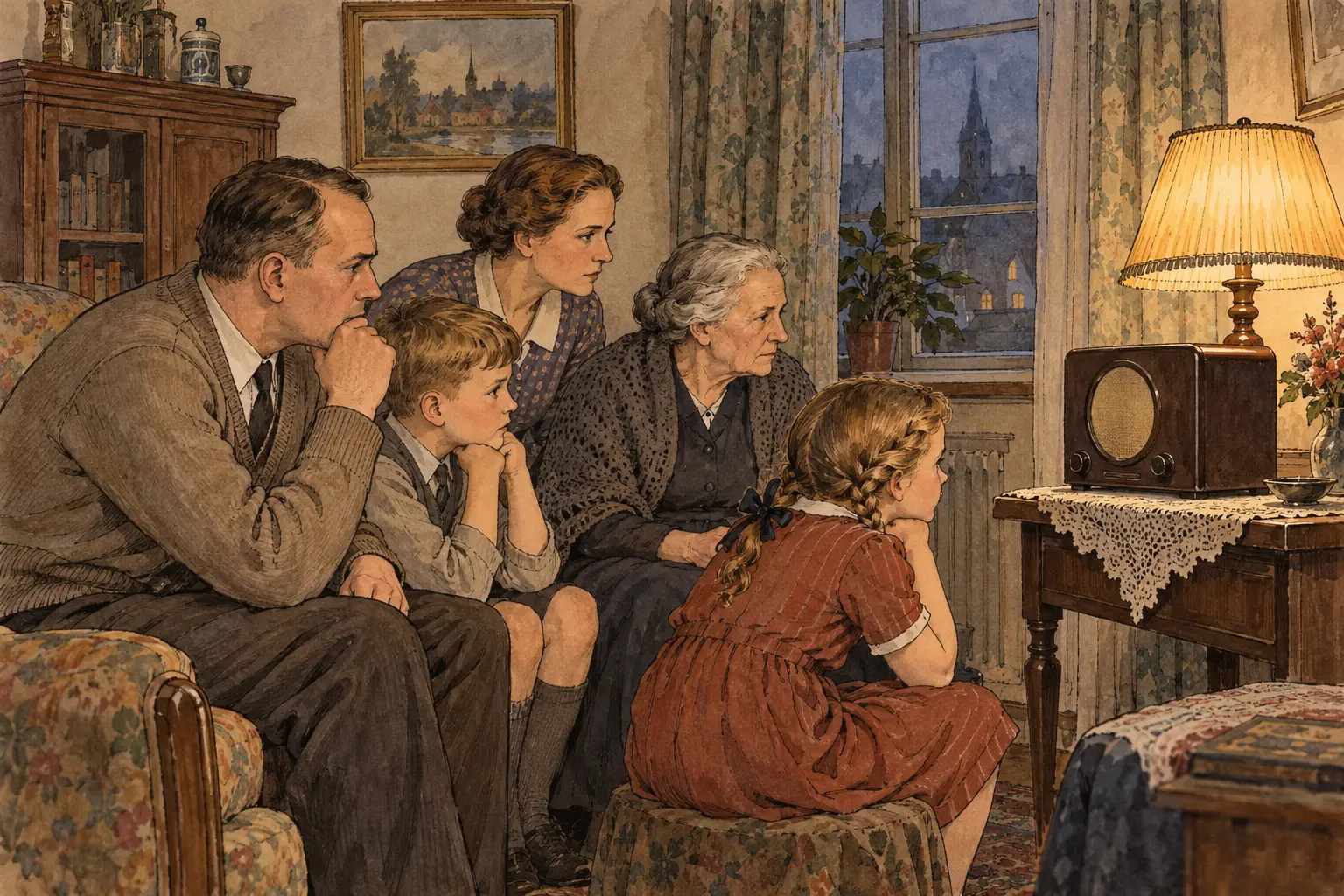
Radio emerged as a powerful tool for mass communication under the Nazis, with Goebbels recognising its potential to reach every home. The regime invested in technology and programming to broadcast ideological content directly to the population.
Strategies for radio propaganda
- Affordable access - Cheap radios, known as 'people's receivers', were mass-produced and sold at low prices from 1933, ensuring widespread ownership and exposure to state messages.
- Controlled broadcasts - Programmes featured speeches by Hitler, patriotic music, and news bulletins that reinforced Nazi achievements while omitting failures or opposition views.
- Wartime expansion - During the Second World War, radio was used for morale-boosting updates and anti-Allied propaganda, with loudspeakers in public spaces amplifying reach.
Film newsreels and features
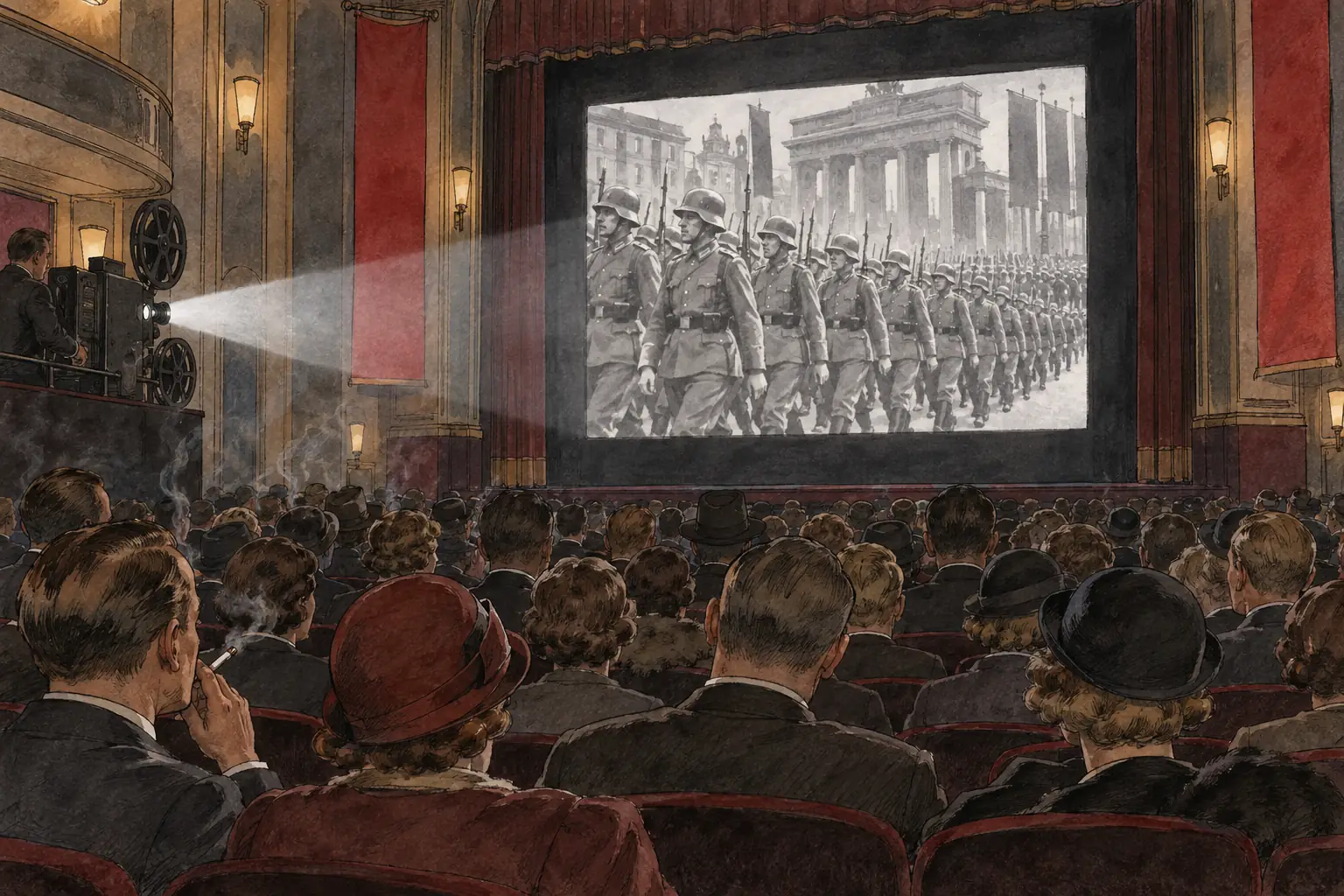
The film industry was harnessed to entertain while indoctrinating audiences, blending subtle messaging with overt propaganda. Goebbels personally oversaw productions, viewing cinema as a key medium for emotional influence.
Types of film propaganda
- Newsreels - Short films shown before main features in cinemas provided biased coverage of events, highlighting military successes and regime spectacles to build national pride.
- Feature films - Full-length movies often depicted heroic German figures or vilified enemies, with popular genres like romances and adventures embedding Nazi values such as loyalty and racial superiority.
- Production scale - The industry produced hundreds of films annually, with state subsidies ensuring alignment with propaganda goals and censorship preventing alternative narratives.
Rallies and the 1936 Berlin Olympics
Image 1 of 2: At the Nuremberg rallies searchlights and massed ranks created a sense of unity and power
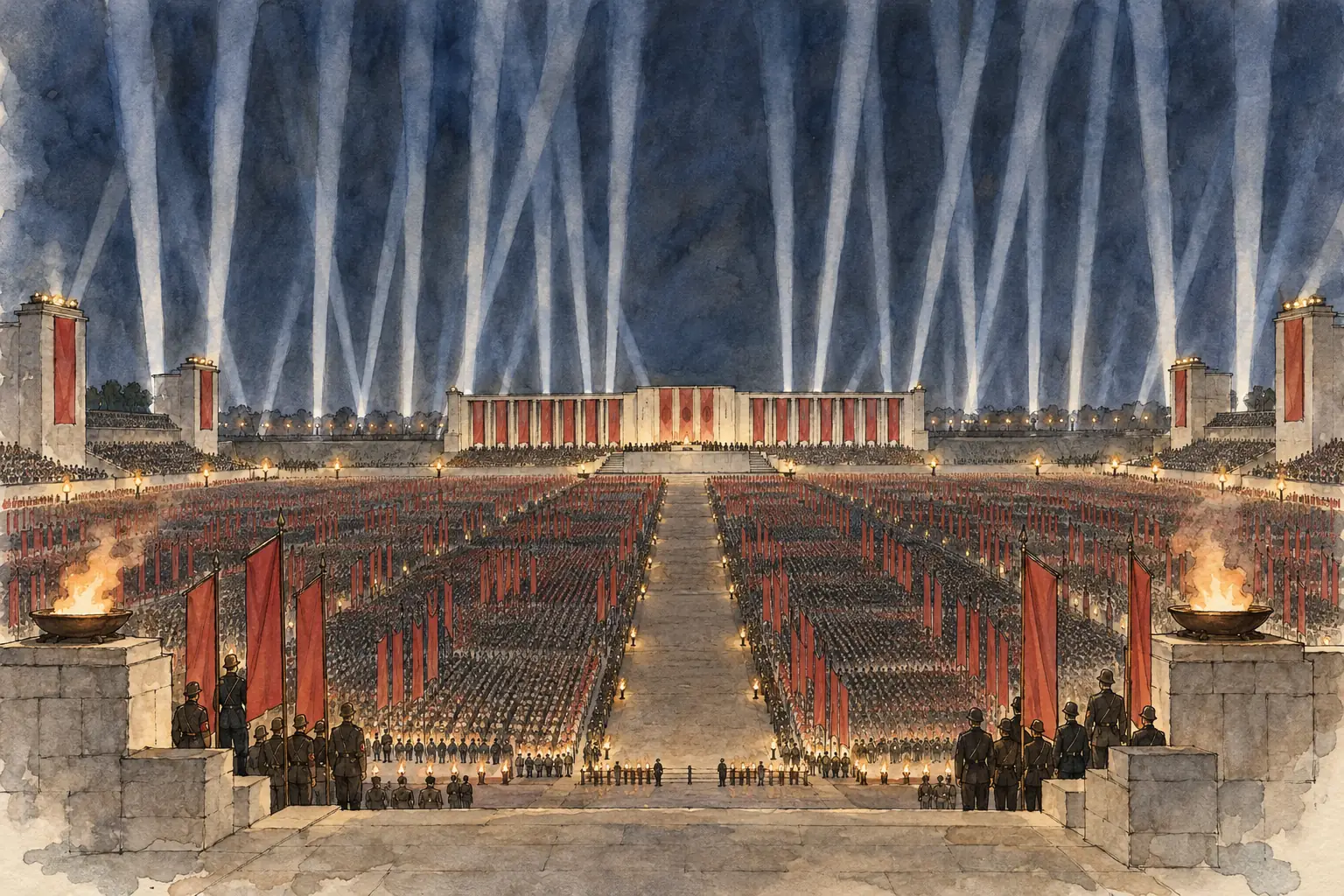
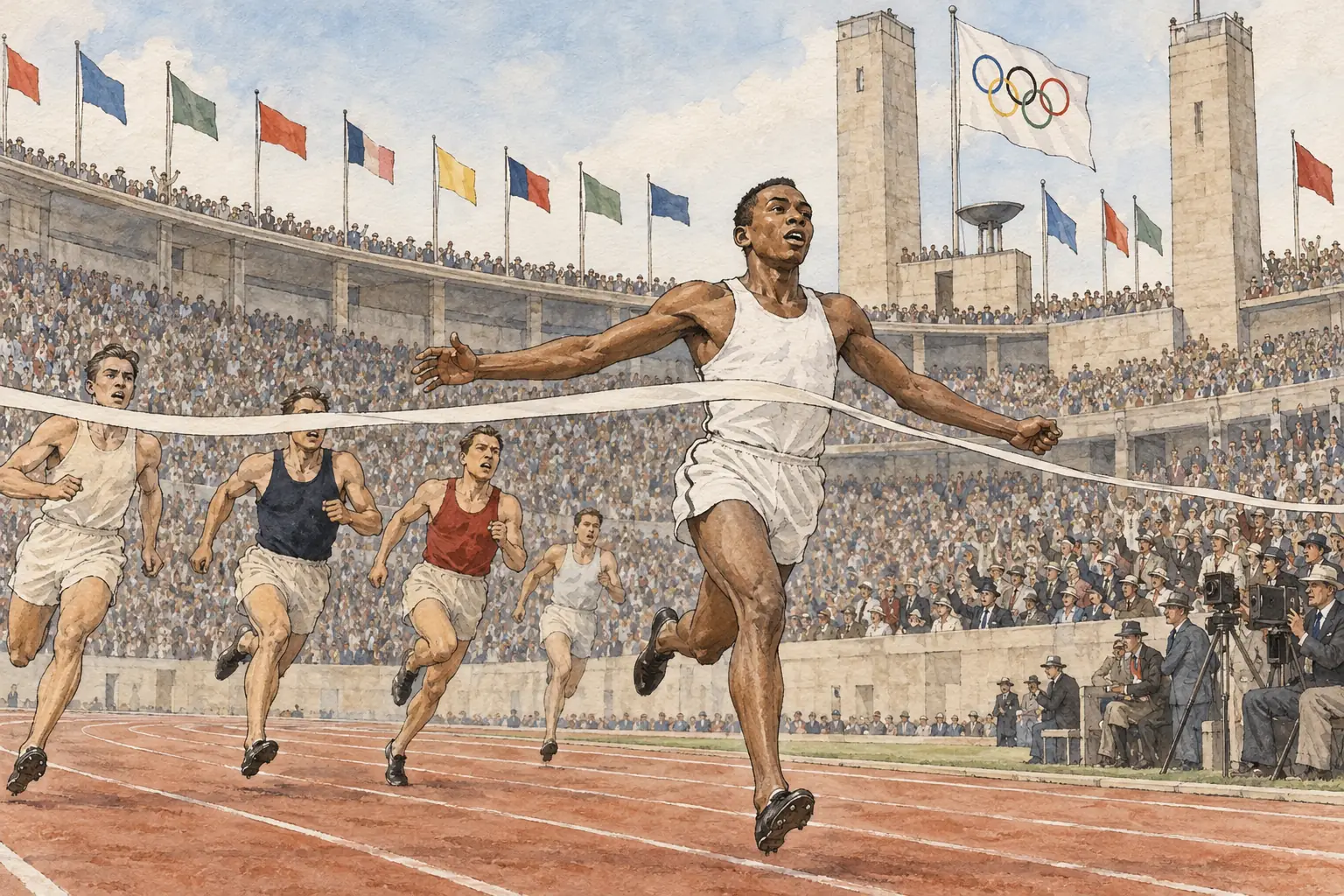
Mass rallies and spectacles were staged to demonstrate the regime's power and unity, creating an atmosphere of awe and participation. The annual Nuremberg rallies exemplified this approach, while the 1936 Olympics served as an international propaganda platform.
Features of Nuremberg rallies
- Choreography and scale - Events involved precise formations, torchlight processions, and massive crowds, designed to evoke emotional responses and loyalty to the party.
- Symbolic elements - Speeches, flags, and architecture emphasised themes of strength and rebirth, broadcast via radio and film to extend impact beyond attendees.
Evaluation of the 1936 Berlin Olympics
The Berlin Olympics were carefully orchestrated to project an image of a progressive, efficient Germany, masking underlying authoritarianism and racial policies.
- Positive showcase - Modern facilities, efficient organisation, and athletic achievements were highlighted to impress foreign visitors and media, portraying the regime as capable and welcoming.
- Concealment of repression - Anti-Semitic signs were temporarily removed, and persecution was downplayed to avoid international criticism, though discrimination against Jewish athletes persisted.
- Mixed outcomes - While the event boosted Nazi prestige globally, unexpected successes by non-Aryan athletes, such as Jesse Owens, undermined racial propaganda claims.