4.1 - Growth of Opposition to the War
Key facts and dates
Opposition to the Vietnam War grew significantly in the United States during the 1960s and early 1970s, fuelled by social, media, and political factors. This period marked a shift in public sentiment, leading to widespread protests and policy changes.
Timeline of key events
- 1965 – First teach-ins held at universities, sparking student-led discussions on the war.
- 1967 – Major anti-war march in New York City draws over 400,000 protesters.
- 1968 – Tet Offensive exposes the stalemate, widening the credibility gap.
- 1969 – Vietnam Moratorium Day sees millions protesting nationwide.
- 1970 – Kent State shootings kill four students during campus protests.
- 1971 – Publication of the Pentagon Papers reveals government deceptions.
The student movement and anti-war protests
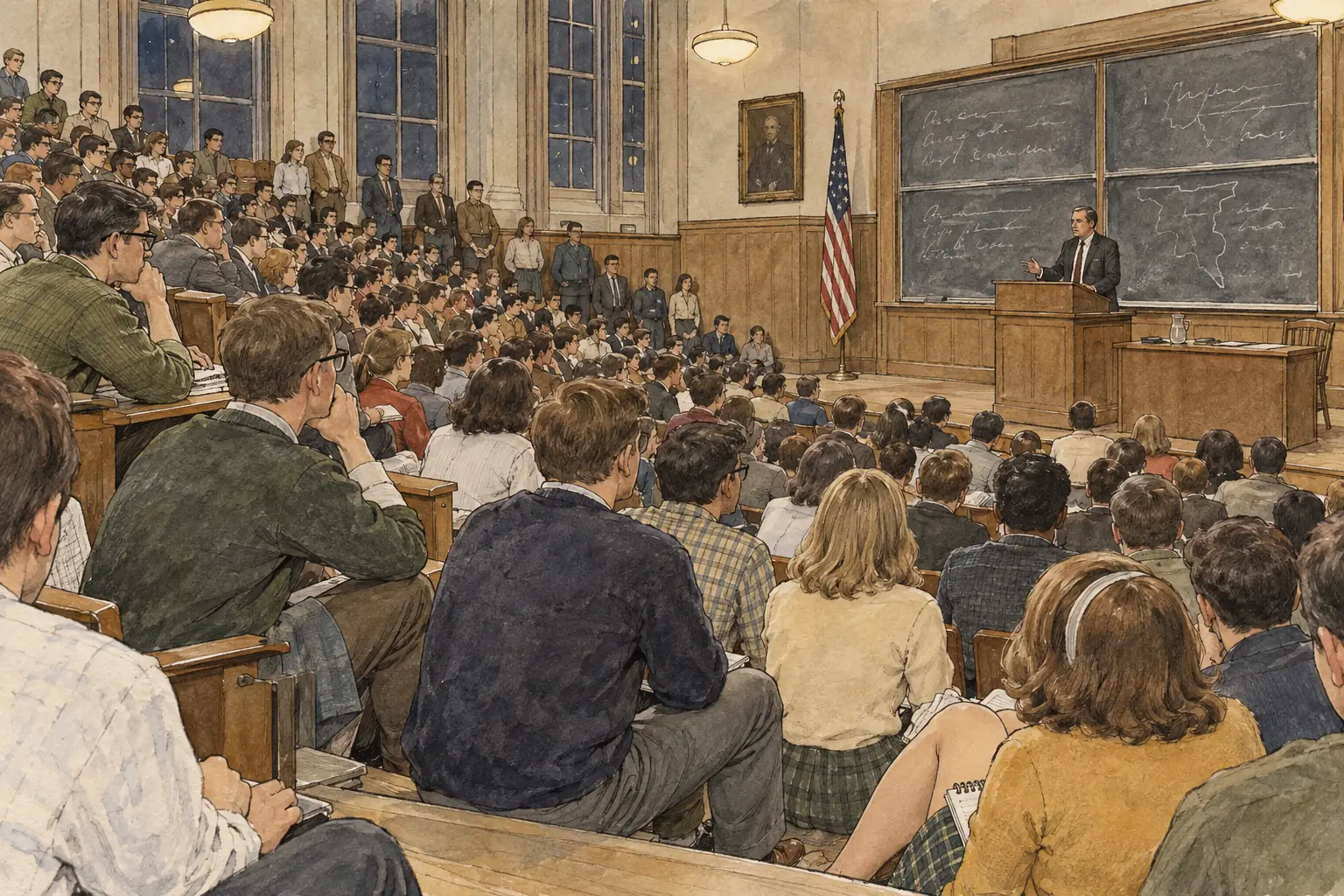
The student movement became a major driver of opposition to the Vietnam War, especially on university campuses where young people voiced their discontent. It organised various forms of activism that drew attention to the conflict's moral and political issues, influencing broader societal views.
Key elements of the student movement
- Teach-ins - These educational gatherings at universities featured debates and lectures on the war's background, impacts, and justifications, helping to inform and mobilise participants against continued involvement.
- Campus protests - Students staged rallies, occupations, and disruptions to express dissent; the 1970 Kent State tragedy, where troops shot protesters, heightened awareness and sparked further nationwide outrage.
- Wider connections - The movement linked with civil rights campaigns and cultural shifts, using tactics like petitions and boycotts to amplify demands for peace and affect government policy.
Television and media influence on public opinion
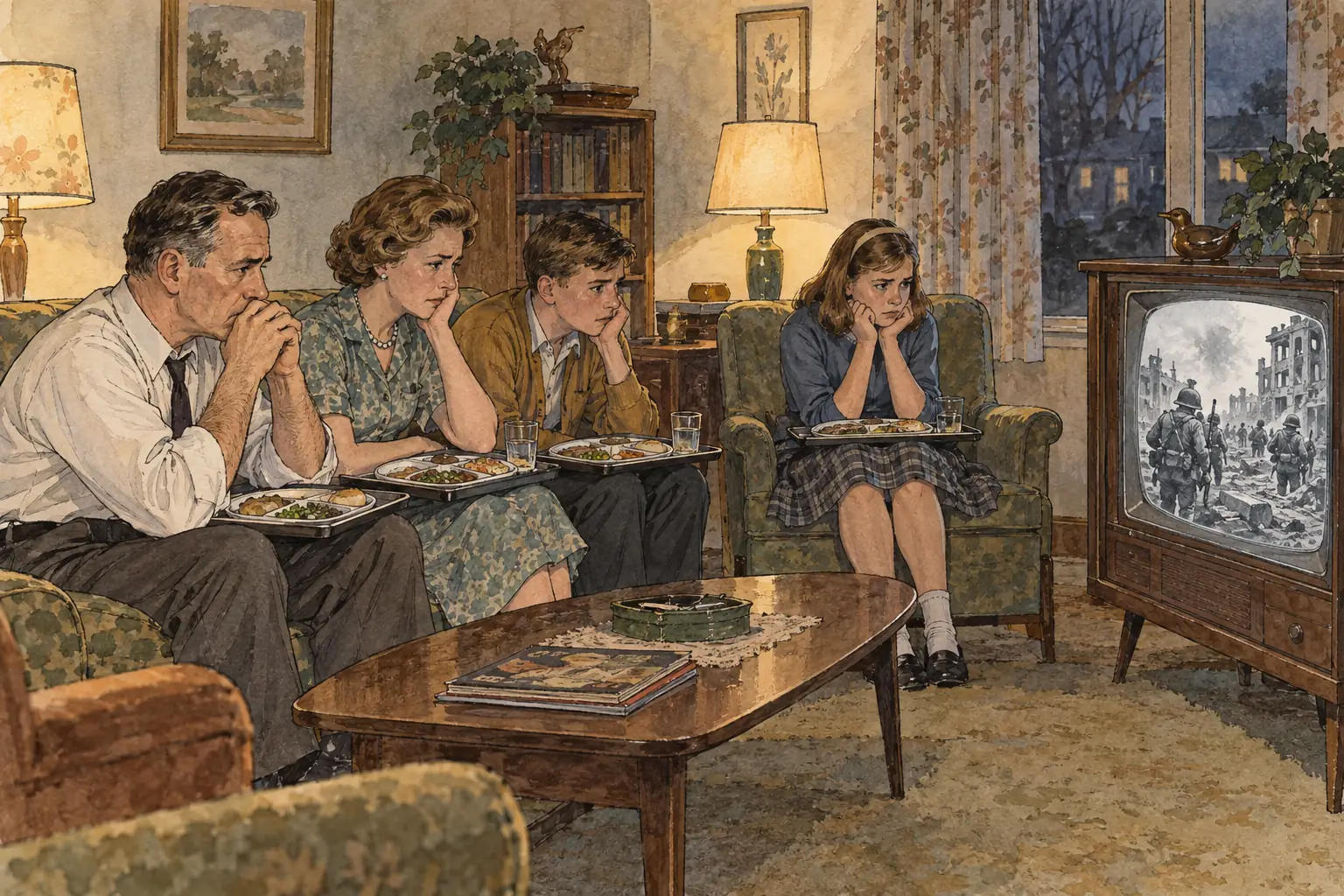
Media coverage, particularly through television, played a vital role in shifting American attitudes towards the Vietnam War by revealing its harsh truths to everyday viewers. Known as the 'living room war', this direct reporting contrasted with traditional war narratives and built public scepticism.
Ways media affected views on the war
- Graphic depictions of violence - Broadcasts showed intense combat, civilian suffering, and troop hardships, such as during the 1968 Tet Offensive, making the war's brutality feel immediate and personal.
- Highlighting lack of progress - Reports exposed ongoing deadlocks and high losses despite assurances of victory, undermining confidence in the military strategy.
- Changing public attitudes - As the first war extensively televised, it created emotional connections to the events, leading to reduced support and greater calls for withdrawal.
Inequities in the draft system and social impact
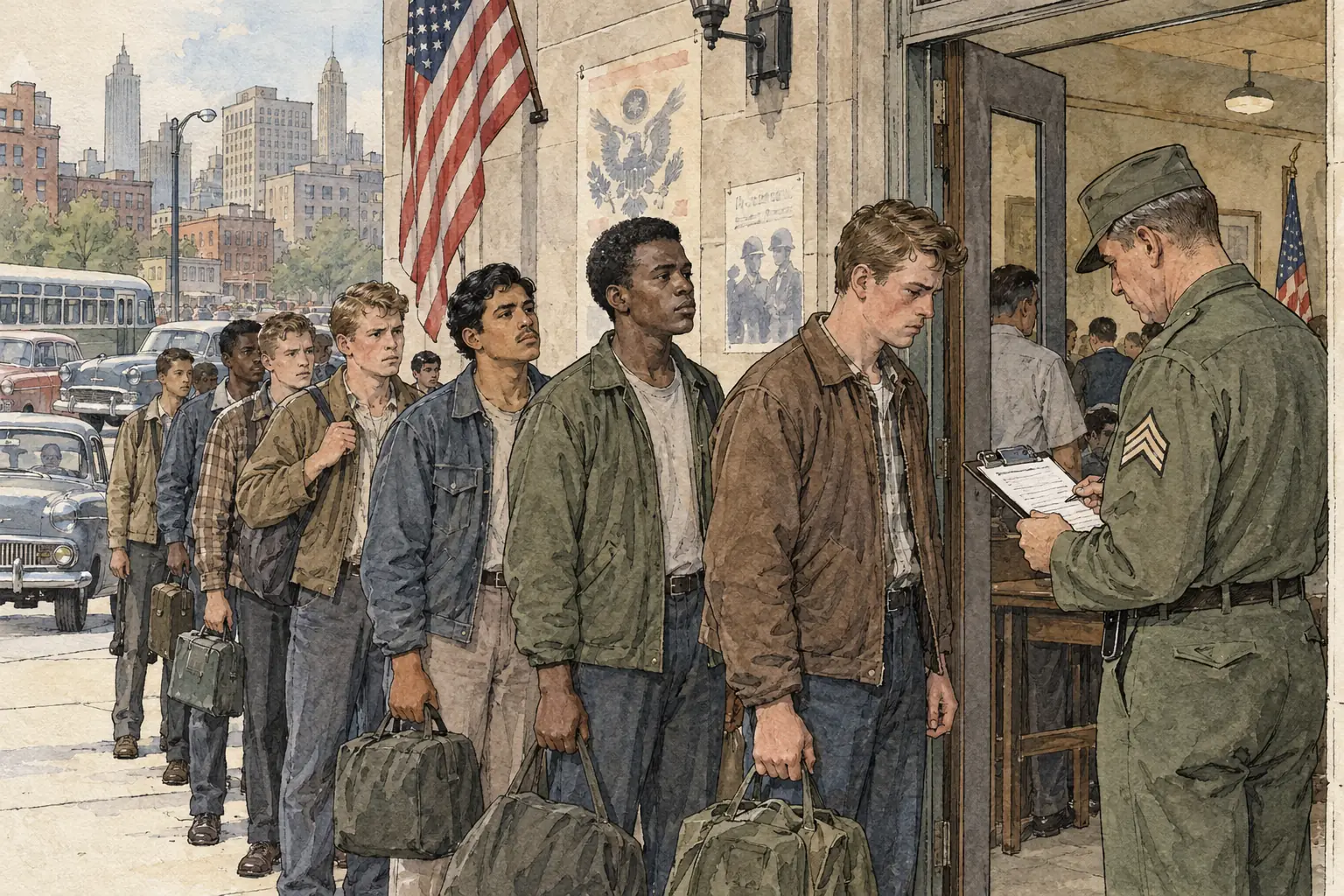
The draft system for military service during the Vietnam War faced criticism for its unfairness, which burdened specific social groups more heavily and intensified anti-war feelings. These disparities revealed underlying inequalities in American society.
Main unfair aspects of the draft
- Deferments favouring the advantaged - Students and professionals from affluent backgrounds could postpone or evade service via educational or job-related exemptions, sparing them while others were drafted.
- Burden on lower-income groups - Working-class individuals, without easy access to deferments, experienced higher conscription rates, fostering resentment over the uneven distribution of risks.
- Effects on ethnic minorities - Communities such as African Americans suffered disproportionately high draft and casualty numbers, tying the war's opposition to broader fights for equality and justice.
The credibility gap between reports and reality
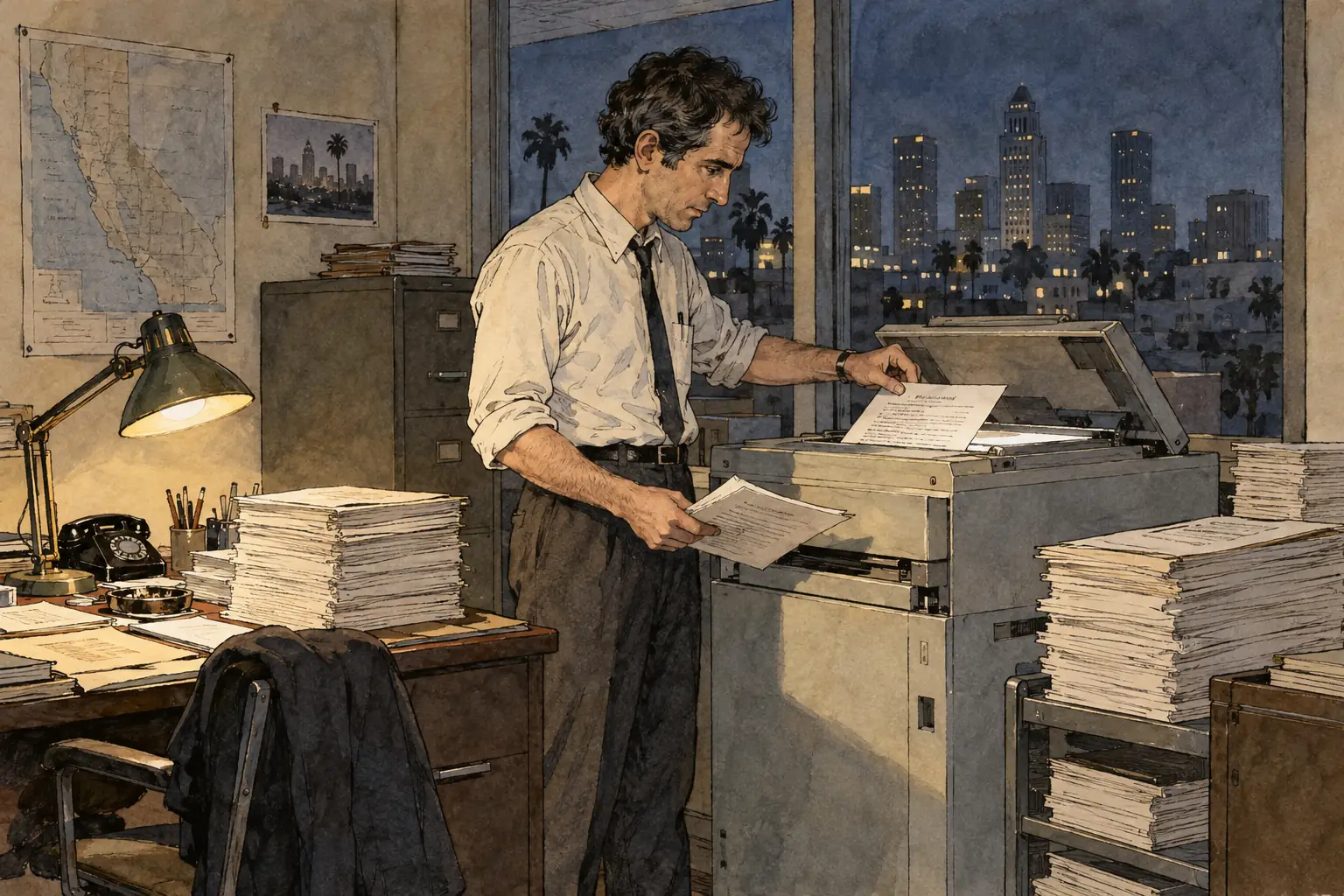
The 'credibility gap' described the increasing mistrust between the public and authorities over Vietnam War information. Official claims of success clashed with evidence of failures, eroding trust and boosting anti-war momentum.
How the credibility gap emerged
- Mismatch between claims and events - Leaders like President Johnson portrayed advancements, but incidents like the Tet Offensive in 1968 revealed persistent challenges and unfulfilled promises.
- Exposure through disclosures - Documents such as the 1971 Pentagon Papers uncovered systematic misleading, showing how facts were altered to sustain backing for the war.
- Effects on public response - This distrust encouraged greater scrutiny and activism, contributing to decisions like reducing troop numbers and seeking negotiations.