4.2 - My Lai Massacre & Lt. Calley Trial
Key facts and dates
The My Lai Massacre became a turning point in American public opinion during the Vietnam War, revealing the brutality of the conflict and eroding confidence in military leadership. The event and its aftermath highlighted ethical failures and sparked intense debate about the war's morality.
Timeline of key events
- 16 March 1968 – US troops massacre hundreds of unarmed Vietnamese civilians in My Lai village.
- March–September 1968 – Initial military cover-up conceals the atrocity from public knowledge.
- November 1969 – Investigative journalist Seymour Hersh exposes the massacre through media reports.
- September 1969–March 1971 – Court martial proceedings against Lieutenant William Calley.
- 29 March 1971 – Calley convicted of murder but receives a reduced sentence amid public outcry.
- 1971 onwards – The episode deepens anti-war sentiment and distrust in government institutions.
The My Lai Massacre and its cover-up
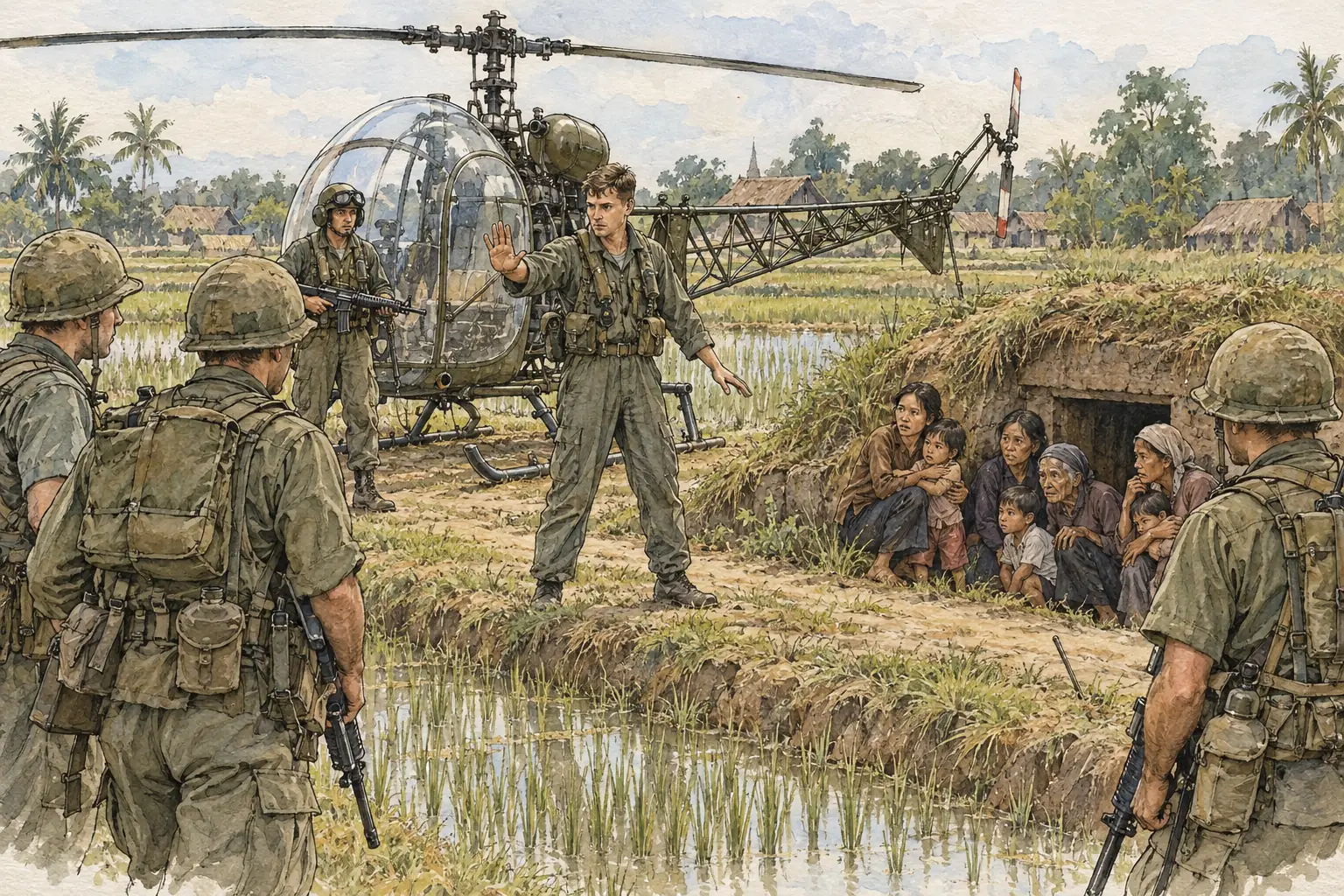
In the midst of the Vietnam War, American soldiers carried out a devastating attack on a Vietnamese village, resulting in the deaths of numerous unarmed civilians. This incident, known as the My Lai Massacre, occurred during a search-and-destroy mission but escalated into indiscriminate violence.
Details of the massacre
- Events of 16 March 1968 - Troops from Charlie Company, part of the US Army's Americal Division, entered My Lai village expecting to engage Viet Cong fighters. Instead, they encountered civilians, including women, children, and elderly people, and proceeded to kill an estimated 500 individuals through shootings, grenade attacks, and other means.
- Nature of the violence - The assault involved horrific acts such as the herding of villagers into ditches for mass executions and the destruction of homes and livestock. Some soldiers later reported feeling pressured by orders to clear the area aggressively.
Efforts to conceal the incident
- Initial military response - Commanding officers, including Lieutenant William Calley, filed false reports claiming the operation targeted enemy combatants and resulted in minimal civilian casualties. This misinformation was accepted at higher levels, preventing immediate investigation.
- Internal suppression - Witnesses within the unit were discouraged from speaking out, and helicopter pilot Hugh Thompson, who attempted to intervene and save civilians, faced resistance. The cover-up lasted over a year, shielding the perpetrators from accountability.
Exposure through investigative reporting
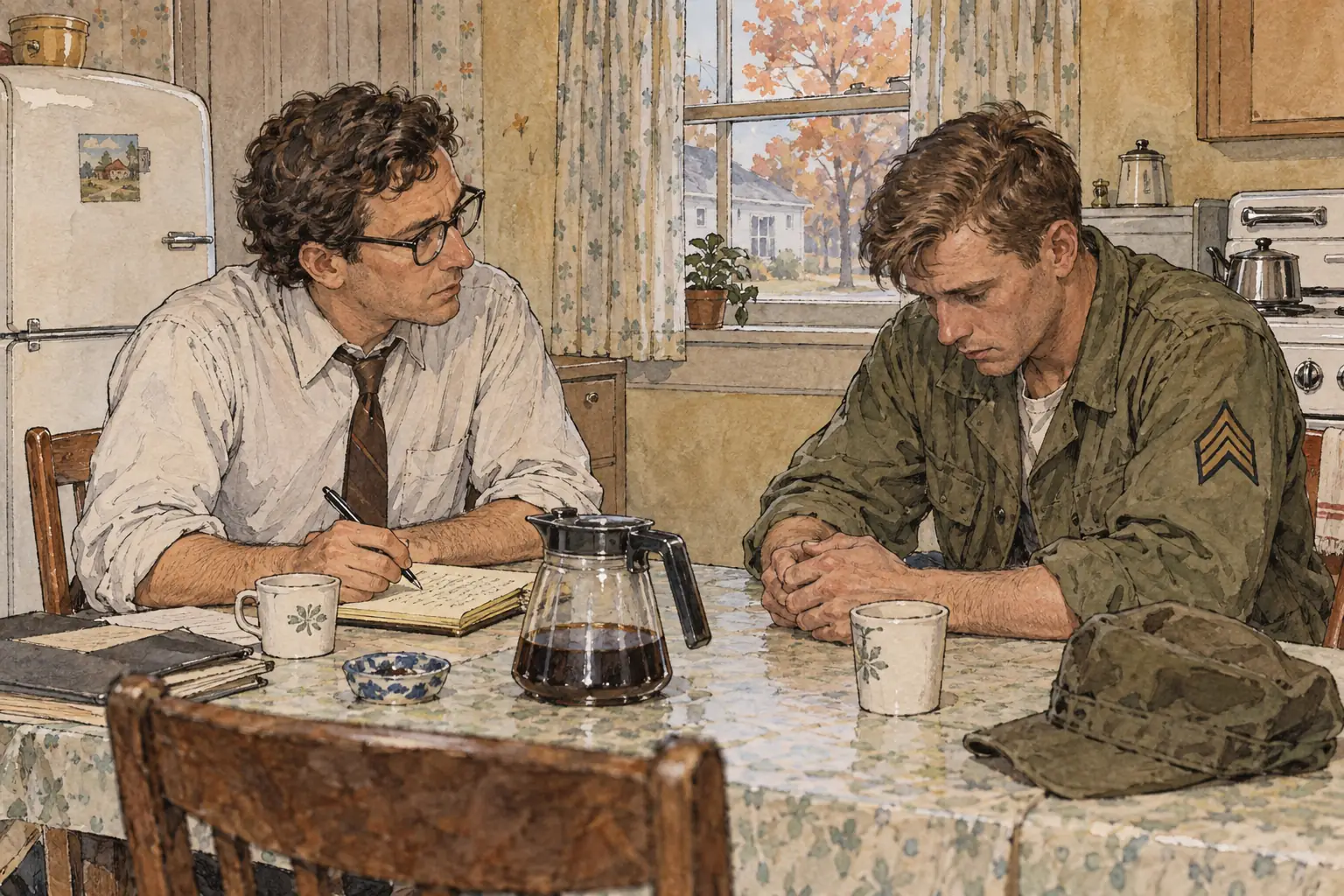
The My Lai Massacre remained hidden until persistent journalism uncovered the truth, transforming it into a major scandal. This revelation came at a time when scepticism about the war was already growing, amplifying calls for withdrawal.
Role of journalism in revealing the atrocity
- Seymour Hersh's investigation - In November 1969, freelance reporter Seymour Hersh published detailed accounts based on interviews with soldiers involved, including Ronald Ridenhour, who had gathered evidence and alerted authorities. Hersh's story appeared in various newspapers, bringing graphic details to the public.
- Media amplification - Photographs by army photographer Ronald Haeberle, showing the aftermath, were released alongside reports, providing visual proof of the killings. Television broadcasts and magazine features further spread the information, shocking audiences nationwide.
Immediate effects on public opinion
- Intensified moral opposition - The exposure highlighted the war's dehumanising impact, fuelling arguments that US involvement was ethically indefensible. It contributed to a surge in anti-war protests, with many viewing the massacre as emblematic of broader failures in Vietnam.
The trial of Lieutenant William Calley
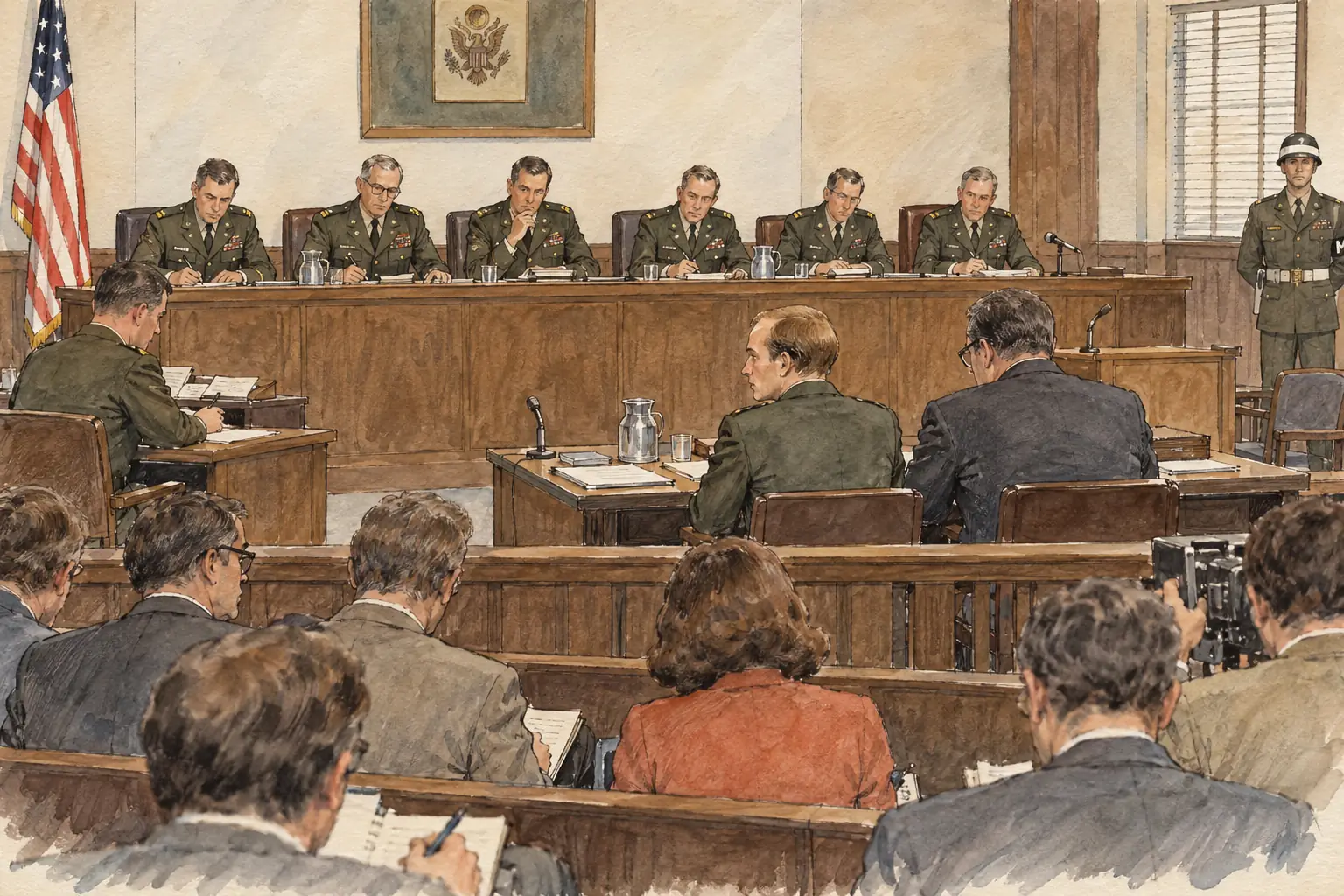
Lieutenant William Calley, who led a platoon during the massacre, became the focal point of legal proceedings. His court martial exposed divisions within the military and society regarding responsibility for wartime actions.
Proceedings of the court martial
- Charges and trial process - Beginning in September 1969, Calley was charged with premeditated murder of over 100 civilians. The trial, held at Fort Benning, Georgia, lasted until March 1971 and featured testimonies from survivors and fellow soldiers, revealing command failures and the chaotic environment.
- Verdict and sentencing - On 29 March 1971, Calley was convicted of murdering 22 villagers and initially sentenced to life imprisonment. However, President Nixon intervened, ordering his release to house arrest, and the sentence was later reduced to three years, with Calley serving only a fraction of that time.
Key issues raised during the trial
- Defence arguments - Calley's team claimed he was following orders from superiors and acting under the stress of combat, pointing to inadequate training and pressure to achieve high body counts.
- Broader implications - The case spotlighted the chain of command's role, though only Calley was convicted among numerous charged officers, raising questions about selective justice.
Divided public reactions and broader impacts
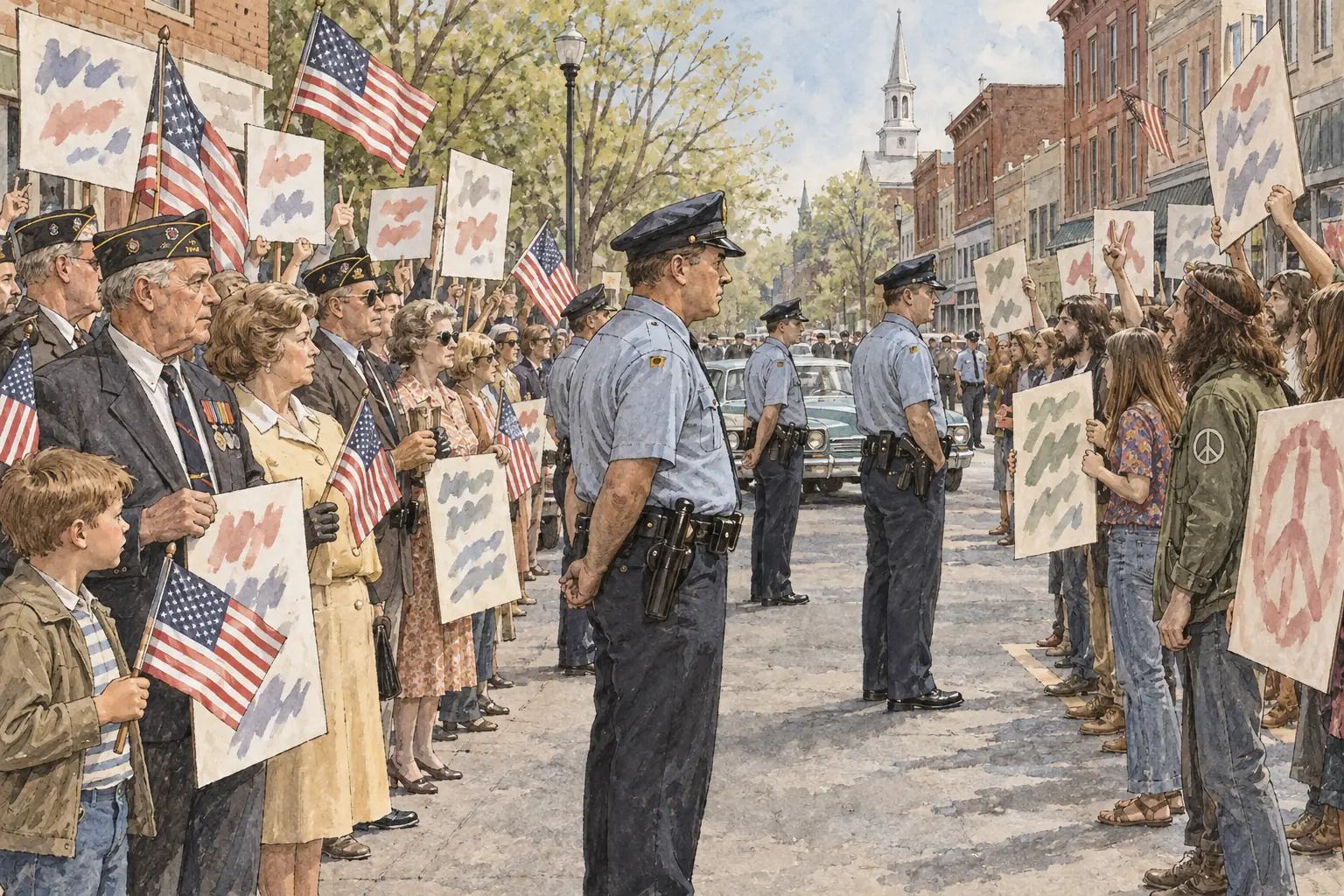
The My Lai Massacre and Calley's trial provoked polarised responses across American society, reflecting deeper conflicts over patriotism, morality, and the war itself. These reactions accelerated the erosion of support for the conflict.
Range of public responses
- Support for Calley - Many Americans, particularly veterans and conservatives, viewed him as a scapegoat for systemic issues, rallying with petitions and protests. Some saw the trial as unpatriotic, arguing that soldiers should not be judged for actions in a brutal war.
- Criticism and outrage - Anti-war activists and liberals condemned the massacre as a war crime, demanding greater accountability. The event symbolised the loss of moral high ground, intensifying demonstrations and draft resistance.
Long-term effects on trust
- Decline in confidence - Revelations damaged faith in the military's integrity and government's transparency, contributing to the 'credibility gap'. It influenced policy shifts, including accelerated troop withdrawals from Vietnam.
- Cultural and historical legacy - The massacre prompted reforms in military ethics and training, while inspiring media portrayals that shaped perceptions of the war for generations.