2.3 - Reaction to Cold War Crises
Key facts and dates
The period from 1958 to 1970 featured several Cold War crises that tested superpower relations, revealing both confrontation and reluctant acceptance of divided spheres of influence. While events like the Berlin Wall and Cuban Missile Crisis brought the world close to conflict, they also prompted measures to stabilise tensions and prevent escalation.
Timeline of key events
- 1961 – Construction of the Berlin Wall begins, halting the flow of refugees from East to West Berlin and creating a physical symbol of division.
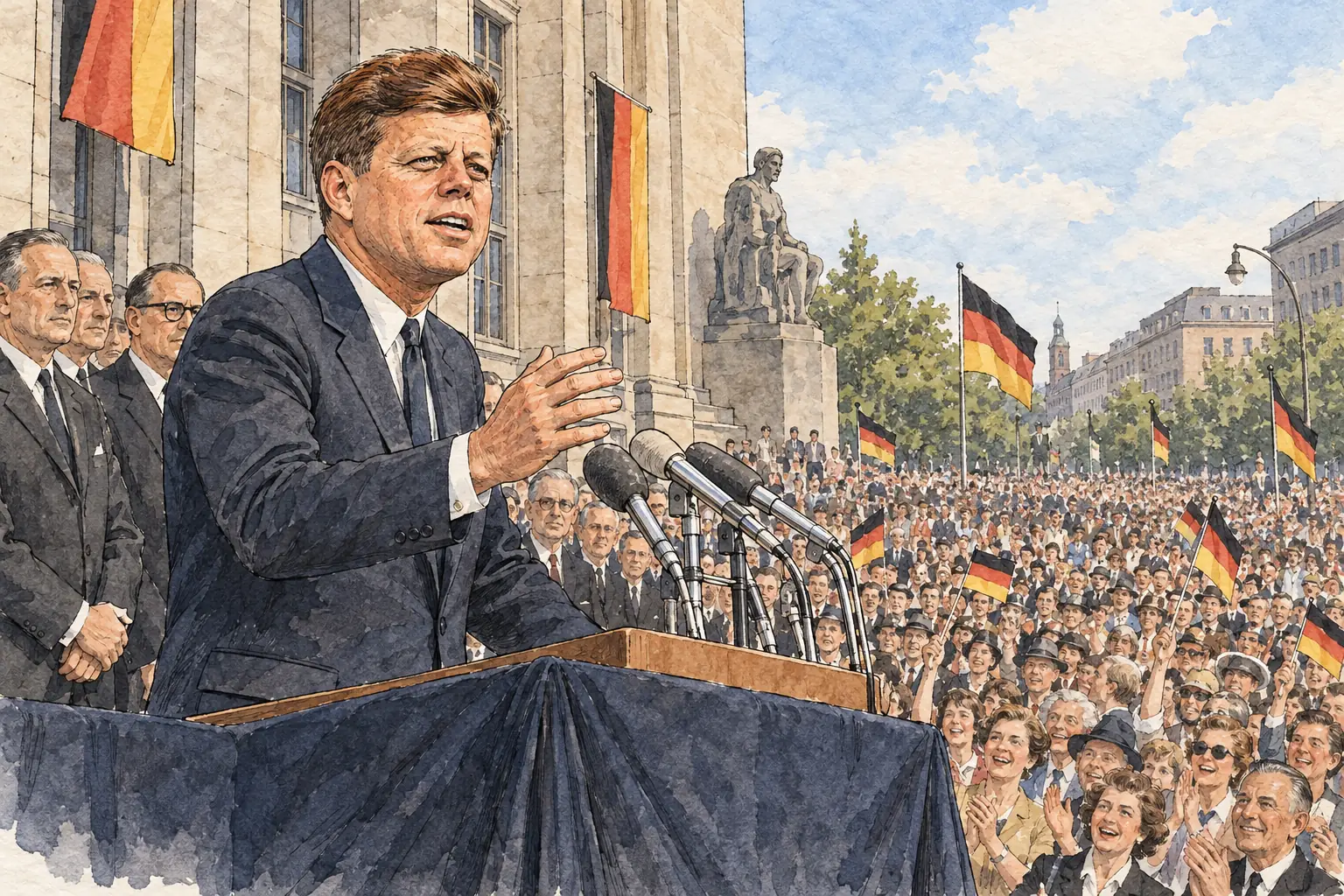
- 1963 – President Kennedy visits West Berlin and delivers his "Ich bin ein Berliner" speech, affirming Western support.
- 1963 – Establishment of the Washington-Moscow hotline and signing of the Limited Test Ban Treaty, banning nuclear tests in certain environments.
- 1967 – Outer Space Treaty signed, prohibiting nuclear weapons in space.
- 1968 – Nuclear Non-Proliferation Treaty agreed upon to limit the spread of nuclear weapons.
- 1968 – Soviet-led invasion of Czechoslovakia crushes the Prague Spring, followed by UN condemnation and the announcement of the Brezhnev Doctrine.
Impact of the Berlin Wall on superpower relations
Image 1 of 2: On Bernauer Strasse the windows of houses on the eastern side were bricked up, and West Berliners waved across the wall to relatives they could no longer visit
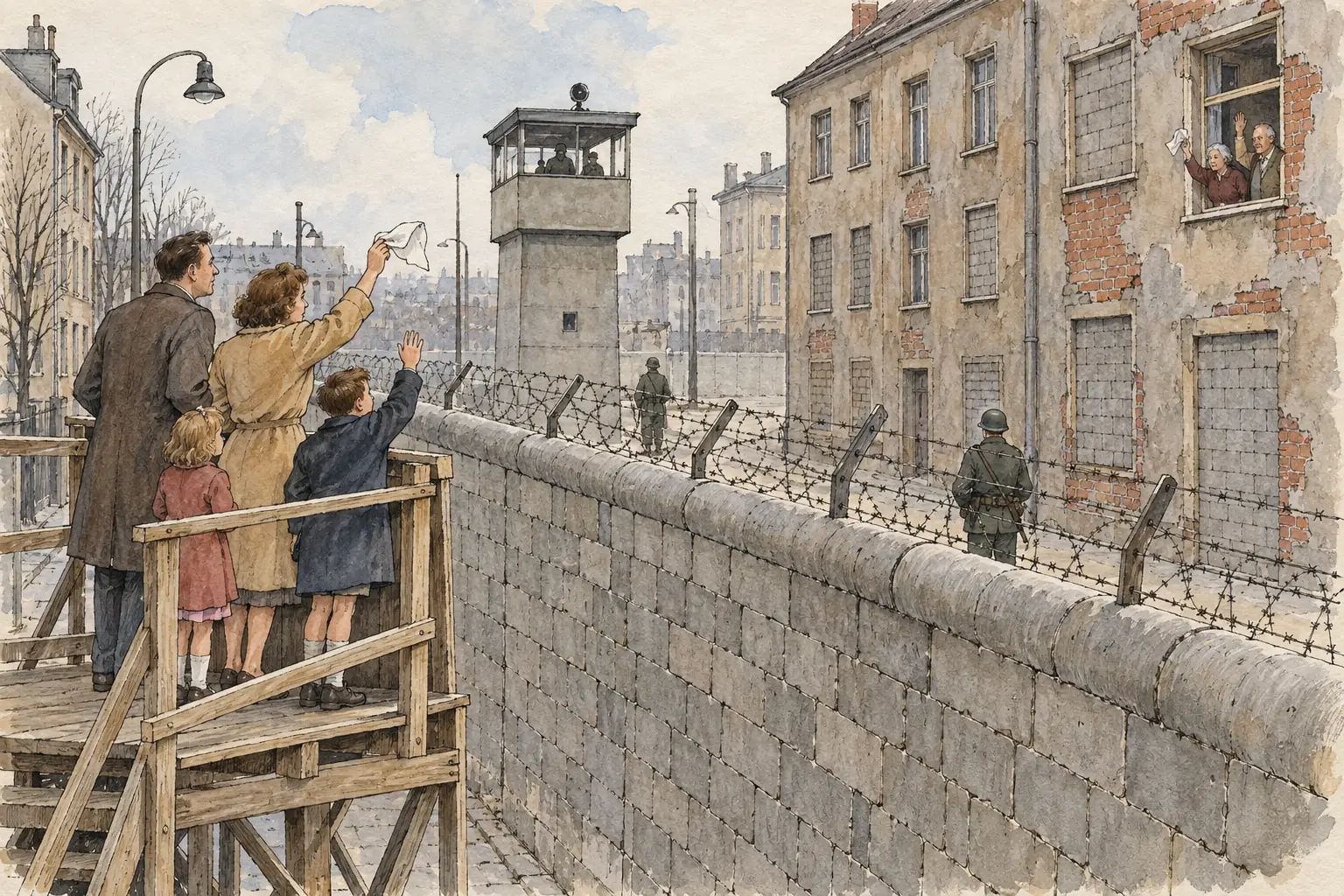
The erection of the Berlin Wall in 1961 represented a major escalation in Cold War tensions, as it physically separated East and West Berlin to stem the tide of defections from the communist East. Western leaders strongly criticised this as a sign of repressive governance, viewing it as evidence of the failures within the Soviet system.
Short-term effects on East-West dynamics
- Western condemnation - The Wall was portrayed in the West as a barrier of oppression, isolating West Berlin as a vulnerable outpost surrounded by communist territory and serving as a powerful emblem of authoritarian control.
- Stabilisation of the crisis - By blocking further refugee escapes, the Wall reduced a key source of instability, preventing immediate confrontations over border crossings and allowing both sides to avoid direct military clashes.
- Western acceptance and response - Although initially outraged, the Western Allies eventually recognised the Wall as an unavoidable fact of the divided city, choosing not to challenge it militarily to avoid broader conflict.
Kennedy's visit and its significance
President Kennedy's trip to West Berlin in 1963 played a crucial role in reassuring the local population and reinforcing alliance commitments. His speech, including the iconic phrase "Ich bin ein Berliner," expressed unity with the city's residents, lifting spirits and demonstrating that the West remained committed to defending Berlin against any threats.
Consequences of the Cuban Missile Crisis
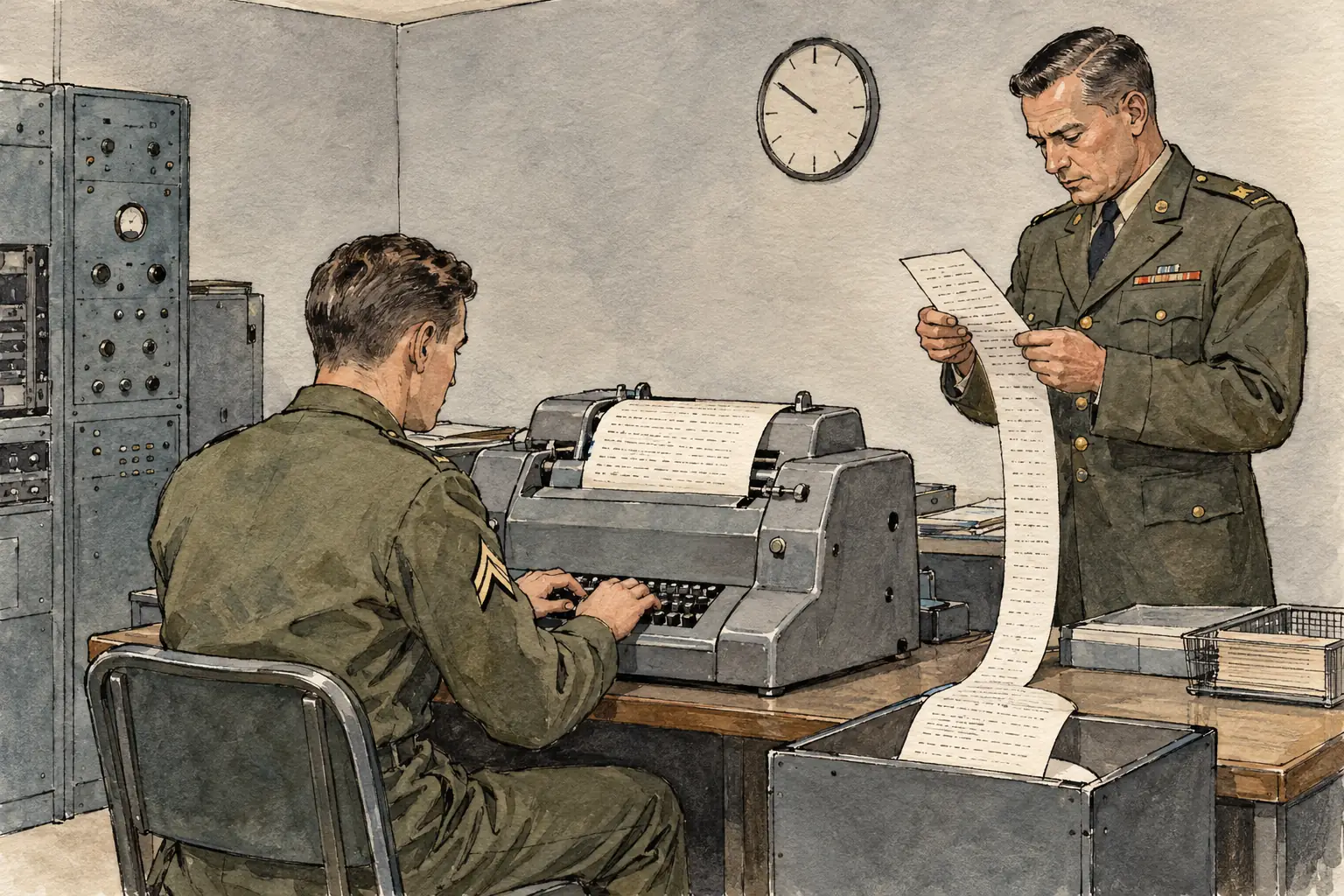
Image 1 of 2: From 1963 a hotline gave the leaders in Washington and Moscow a direct link for use in a crisis
The Cuban Missile Crisis of 1962 brought the United States and the Soviet Union perilously close to nuclear confrontation, highlighting the dangers of miscommunication and escalation. In its aftermath, both superpowers recognised the need for mechanisms to manage future risks, leading to a series of diplomatic initiatives.
Immediate steps to improve communication
- Hotline establishment - A direct telephone connection between Washington and Moscow was set up in 1963 to enable rapid dialogue between leaders during emergencies, reducing the chances of misunderstandings leading to war.
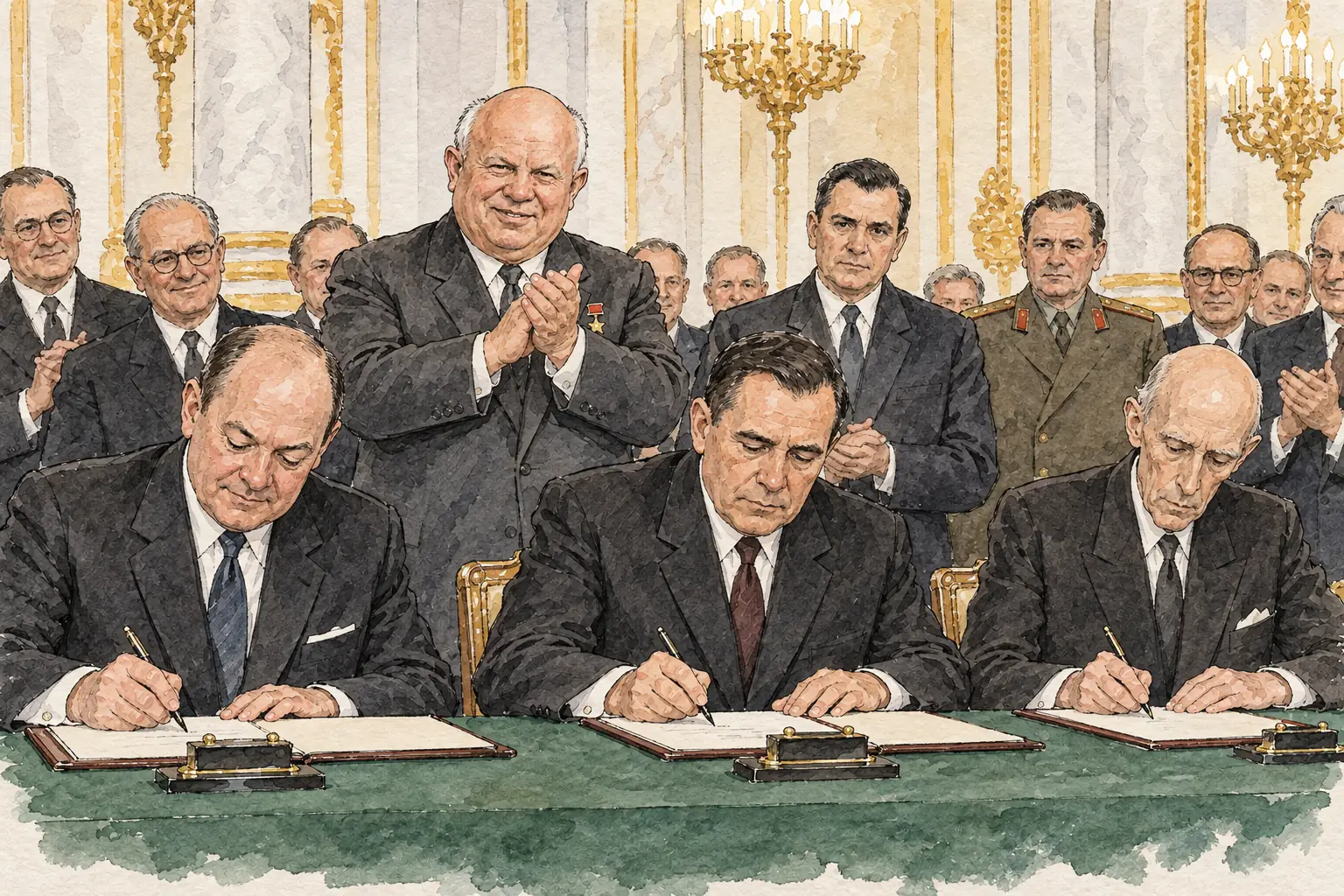
- Limited Test Ban Treaty (1963) - This agreement prohibited nuclear testing in the atmosphere, underwater, and outer space, permitting only underground explosions, as a first step towards controlling the arms race.
Longer-term arms control measures
- Outer Space Treaty (1967) - Signed by the US, USSR, and other nations, this pact ensured that space remained free from nuclear weapons, preventing the militarisation of new frontiers.
- Nuclear Non-Proliferation Treaty (1968) - Nuclear-armed states committed to not assisting others in acquiring such weapons, while non-nuclear countries agreed not to develop them, fostering cooperation to curb global proliferation. These developments indicated a shift towards limited collaboration, as the near-miss of nuclear war encouraged both sides to ease hostilities and pursue mutual interests in preventing catastrophe.
International reaction to the Prague Spring
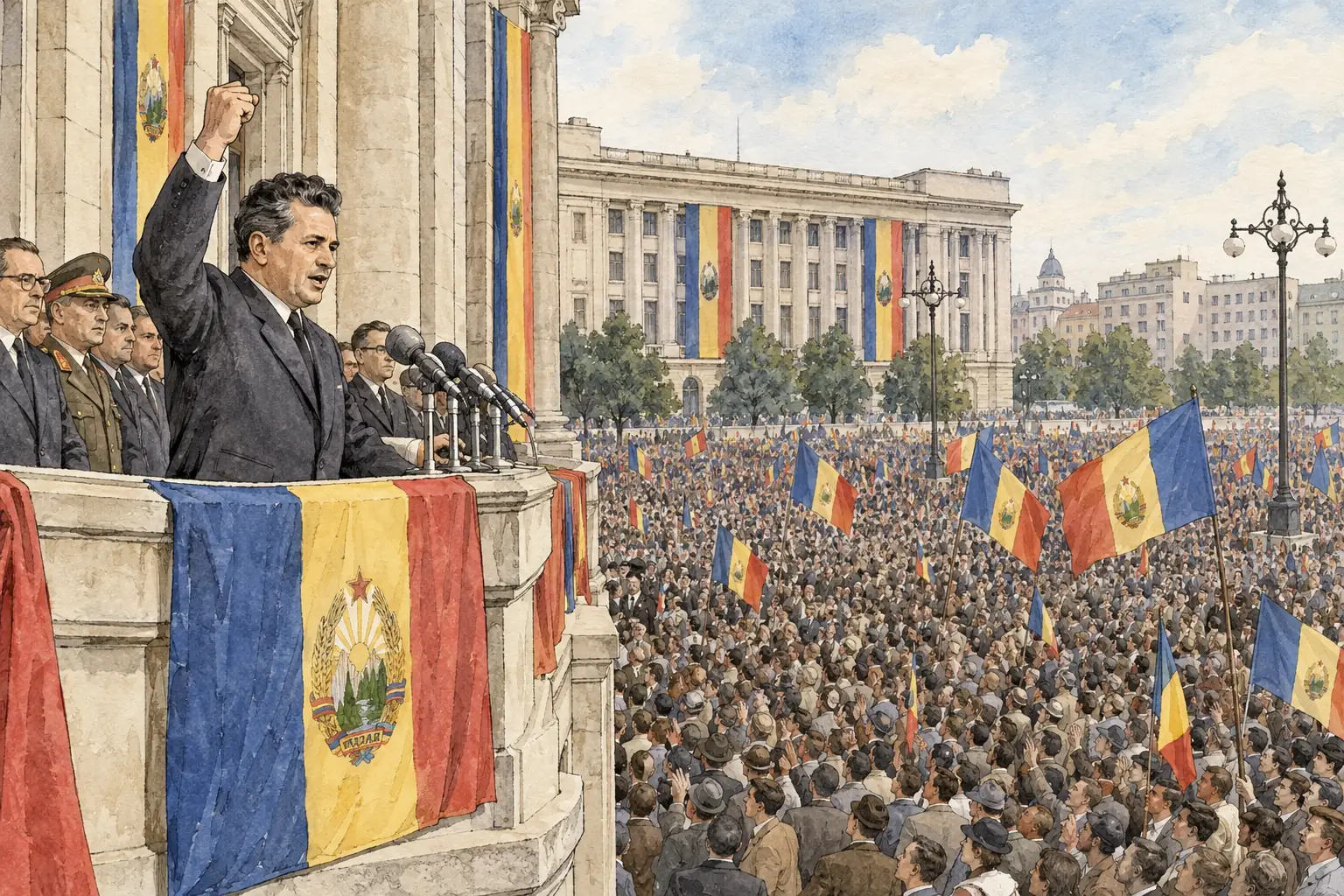
The 1968 invasion of Czechoslovakia by Soviet and Warsaw Pact forces, which ended the reformist Prague Spring movement, drew widespread criticism but limited action from the international community. This event underscored the USSR's determination to enforce conformity within its bloc.
Western and global responses
- Condemnation without intervention - Western nations and the United Nations (UN) denounced the invasion, with the UN passing a resolution against it, though the Soviets dismissed this criticism; no military support was provided to Czechoslovakia due to fears of sparking a larger war.
- Impact on East-West relations - The crackdown disrupted a phase of relative détente, reinforcing perceptions of Soviet aggression and straining diplomatic ties by confirming the use of force to preserve dominance in Eastern Europe.
- Brezhnev Doctrine's implications - This policy justified intervention in socialist states to protect communism, heightening global tensions and signalling limits to reform within the Soviet sphere.
Reactions within the communist bloc
Even among Soviet allies, the invasion caused unease; countries like Romania and China expressed discomfort, viewing it as an overreach that could destabilise the broader communist movement.
Patterns in crisis responses during 1958-70
Throughout the crises of this era, including the Berlin Wall, Cuban Missile Crisis, and Prague Spring, a pattern emerged where strong verbal and diplomatic protests were common, but direct confrontation was avoided. This reflected the underlying Cold War realities of nuclear deterrence and mutual recognition of influence zones.
Key characteristics of superpower interactions
- Rhetoric and pressure - Both sides employed propaganda, speeches, and international forums to criticise opponents, as seen in Western denunciations of the Berlin Wall and Soviet actions in Czechoslovakia.
- Avoidance of escalation - Fear of nuclear war prevented military interventions, leading to grudging acceptance of the status quo, such as the division of Berlin or Soviet control over Eastern Europe.
- Spheres of influence - The responses demonstrated that each superpower largely respected the other's territorial dominance, with events like the Hungarian uprising serving as precedents for non-interference despite public outcry.