2.5 - Freedom Summer, Selma & Legislation
Key facts and dates
The mid-1960s marked a pivotal phase in the American civil rights movement, with campaigns in Mississippi and Alabama exposing racial violence and leading to transformative federal laws. These events, amplified by media coverage, pressured the government to address segregation and voting barriers.
Timeline of key events
| Date | Event |
|---|---|
| June 1963 | President Kennedy proposes civil rights legislation to end segregation and discrimination. |
| Summer 1964 | Freedom Summer launches voter-registration drives in Mississippi, drawing over 700 volunteers. |
| 21 June 1964 | Civil rights workers James Chaney, Andrew Goodman, and Michael Schwerner are murdered in Mississippi. |
| 2 July 1964 | President Johnson signs the Civil Rights Act, banning segregation in public places. |
| 7 March 1965 | 'Bloody Sunday' march in Selma faces violent police response, injuring many protesters. |
| 6 August 1965 | Voting Rights Act is signed, eliminating literacy tests and allowing federal election oversight. |
Freedom Summer and the Mississippi murders
Image 1 of 2: Freedom Summer volunteers set up Freedom Schools for Black children and adults across Mississippi
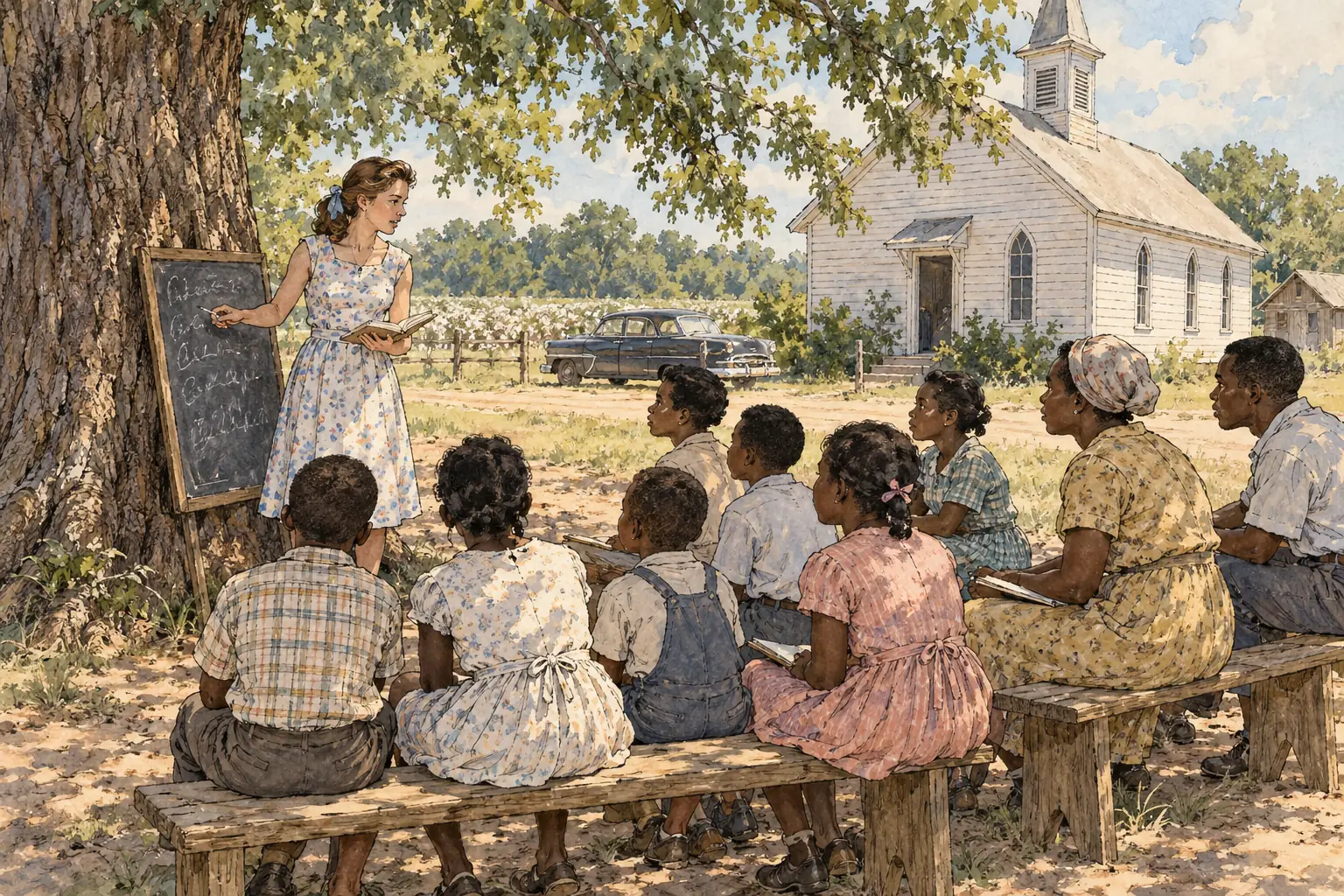
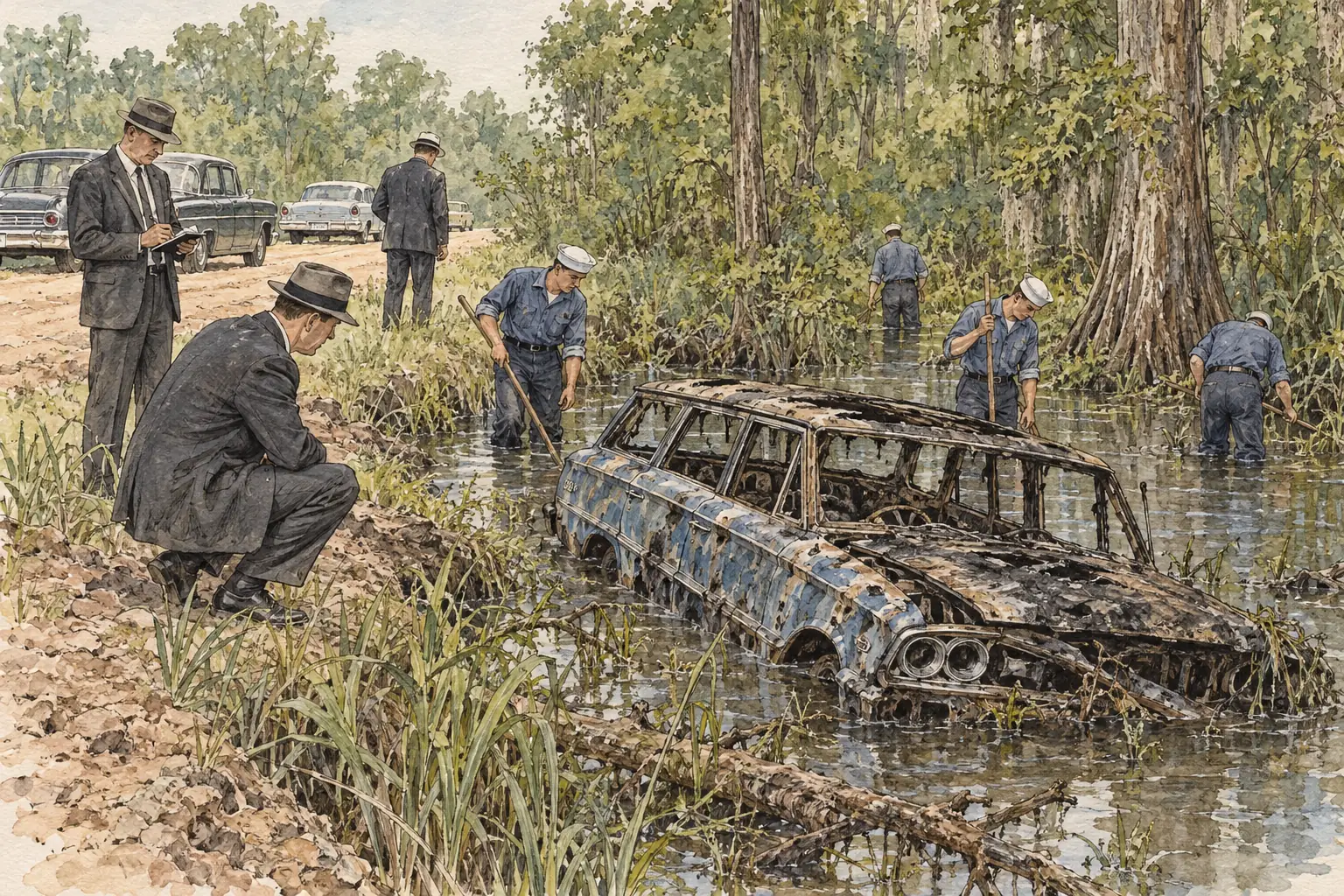
Freedom Summer was a major civil rights initiative in 1964, organised by groups like the Student Nonviolent Coordinating Committee (SNCC) and the Congress of Racial Equality (CORE). It aimed to boost Black voter registration in Mississippi, where discriminatory practices had long suppressed participation.
Key features of Freedom Summer
- Voter-registration efforts - Over 700 mostly white college students from northern states volunteered to help register Black voters, set up freedom schools for education, and establish community centres to promote civil rights awareness.
- Challenges faced - Volunteers encountered fierce resistance, including arrests, beatings, and bombings, as local authorities and white supremacist groups like the Ku Klux Klan opposed the drives.
- The Mississippi murders - On 21 June 1964, three activists—James Chaney (a Black local from Mississippi), Andrew Goodman, and Michael Schwerner (both white New Yorkers)—were arrested, released, and then abducted and killed by Klan members with police involvement. Their bodies were discovered weeks later, buried in an earthen dam.
Impact of violence and media on public opinion
Violence against civil rights activists during campaigns like Freedom Summer highlighted the brutality of racial oppression in the South. Media coverage played a crucial role in bringing these incidents to a national audience, fostering sympathy and support for reform.
How violence and media shifted attitudes
- Exposure of brutality - Attacks on peaceful protesters, including the Mississippi murders, demonstrated the extreme measures used to maintain segregation, shocking many Americans who previously ignored southern racism.
- Media amplification - Television and newspaper reports, such as footage of beaten volunteers and the search for the murdered activists, generated widespread outrage, pressuring politicians to act and increasing northern support for civil rights.
- Shift in public sentiment - This attention helped transform indifference into active backing for federal intervention, with polls showing growing approval for anti-discrimination laws as the violence underscored the need for change.
The Civil Rights Act of 1964
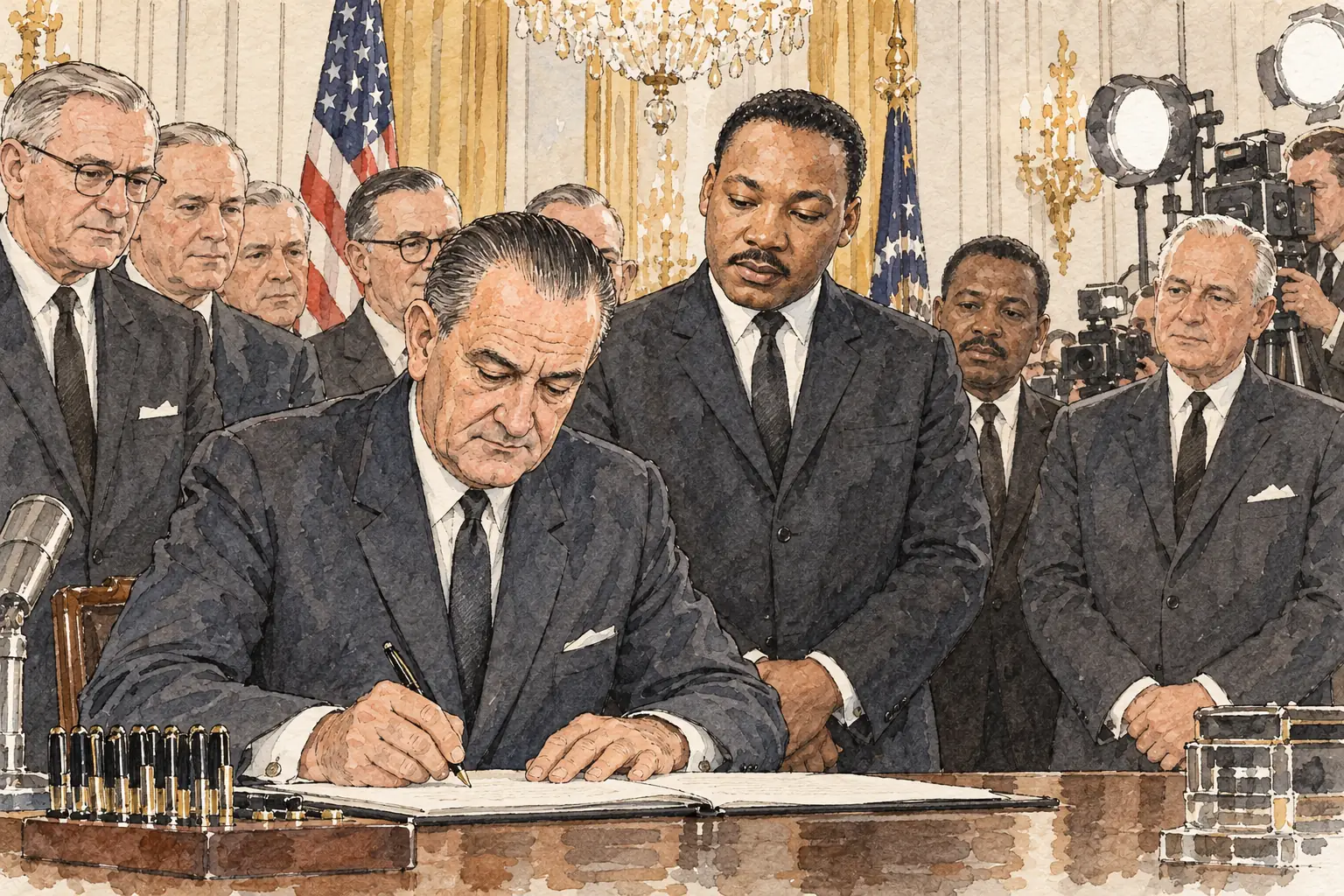
The Civil Rights Act of 1964 was a groundbreaking law that addressed systemic discrimination against Black Americans. It marked a significant victory for the movement by outlawing segregation and unfair practices in various sectors.
Main provisions of the Civil Rights Act
- Ending segregation in public places - The act prohibited discrimination in facilities like restaurants, hotels, theatres, and schools, ensuring equal access regardless of race.
- Banning employment discrimination - It made it illegal for employers to discriminate based on race, colour, religion, sex, or national origin, and established the Equal Employment Opportunity Commission to enforce these rules.
- Broader impacts - The legislation also empowered the federal government to withhold funding from programmes that practised discrimination, promoting integration in education and public services.
The Voting Rights Act of 1965 and Selma
Image 1 of 2: On Bloody Sunday, 7 March 1965, state troopers stopped the marchers at the Edmund Pettus Bridge and attacked them
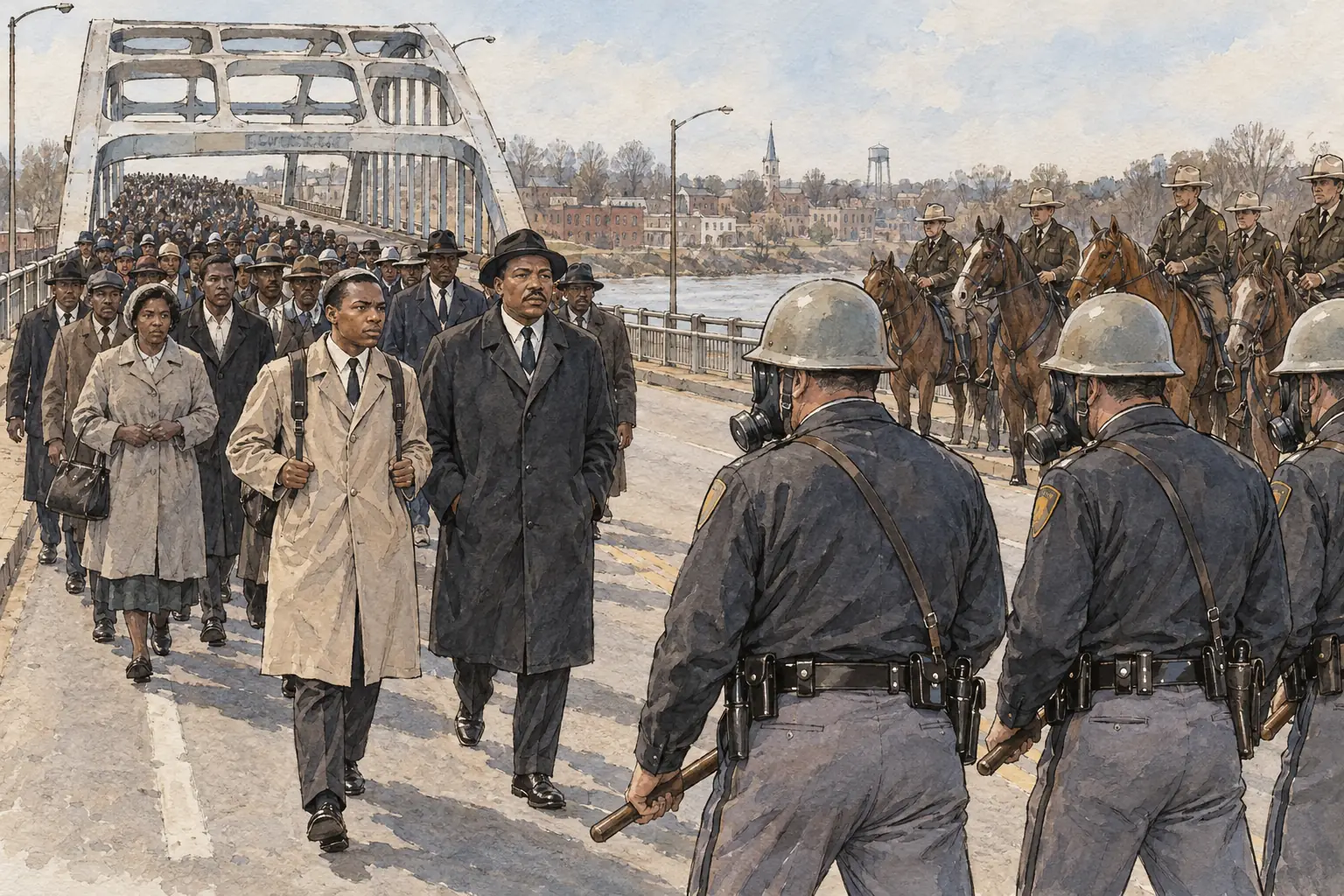
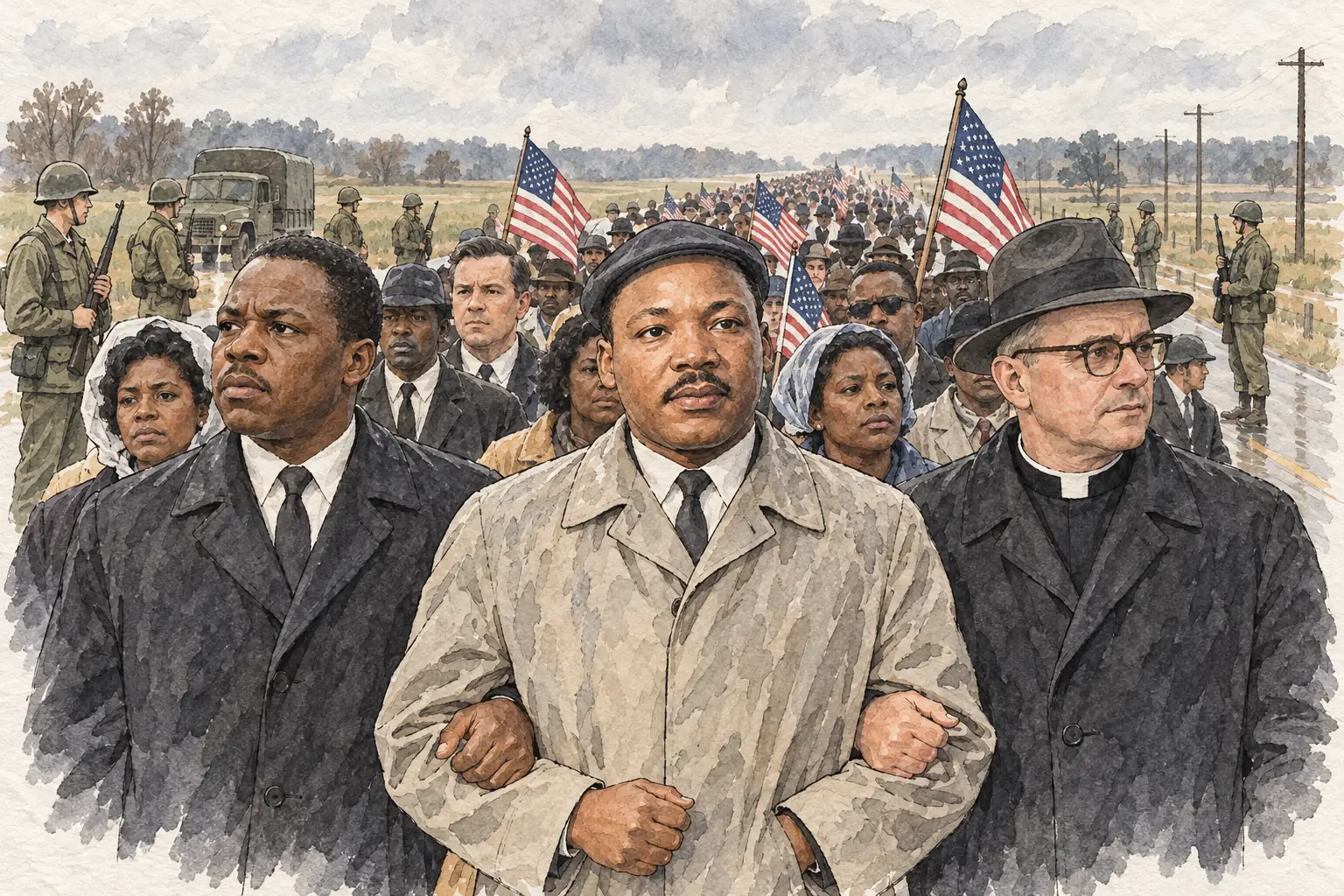
The Voting Rights Act of 1965 emerged from intensified campaigns against voting barriers, particularly in Alabama. Events in Selma exposed the violent enforcement of these restrictions, leading to federal action.
Key events in Selma and provisions of the act
- Selma marches - In early 1965, activists led by Martin Luther King Jr. organised marches from Selma to Montgomery to demand voting rights; on 7 March ('Bloody Sunday'), state troopers violently attacked peaceful marchers on the Edmund Pettus Bridge, injuring dozens.
- Suspension of literacy tests - The act banned discriminatory tests and requirements that had prevented many Black people from registering to vote.
- Federal oversight of elections - It allowed federal examiners to register voters and monitor elections in areas with histories of discrimination, ensuring fair access to the ballot.
Kennedy, Johnson and Black voter registration
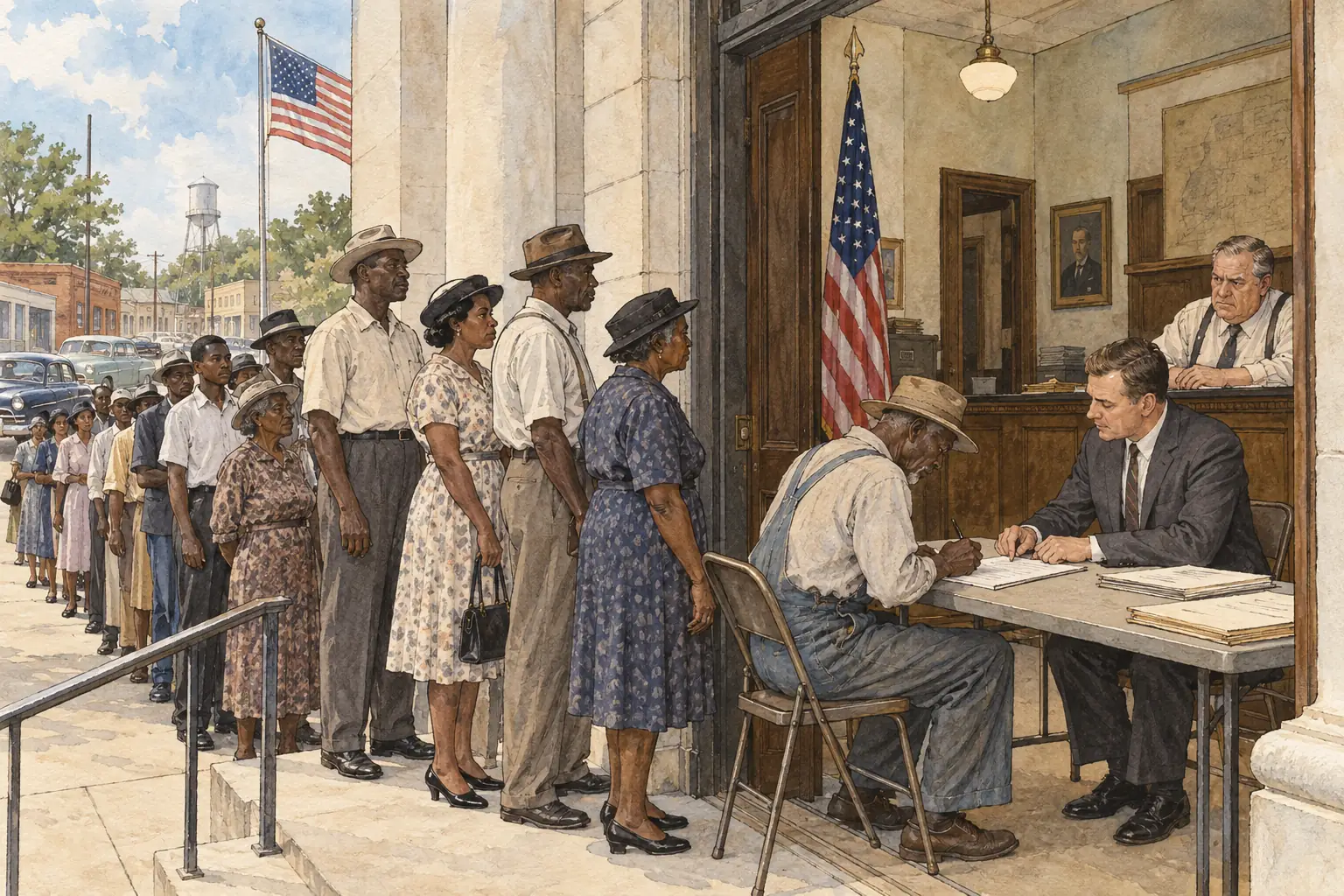
Presidents John F. Kennedy and Lyndon B. Johnson played instrumental roles in advancing civil rights legislation, responding to movement pressures and public opinion. Their actions significantly increased Black voter participation in the South.
Contributions of Kennedy and Johnson
- Kennedy's role - In June 1963, Kennedy proposed the civil rights bill, using televised addresses to highlight racial injustices and urging Congress to pass reforms, though he was assassinated before its enactment.
- Johnson's promotion and enforcement - After becoming president, Johnson championed the Civil Rights Act, signing it in July 1964, and pushed the Voting Rights Act through Congress in 1965, using his political influence to overcome southern opposition.
- Impact on voter registration - These laws led to a surge in Black voters; by 1969, registration rates in the South rose from about 23% to over 60%, empowering Black communities and increasing their political representation.