2.2 - Cold War Crises
Key facts and dates
The Cold War period featured several intense crises that heightened tensions between the superpowers and their allies, often bringing the world close to conflict. These events underscored the ideological divisions in Europe and beyond, shaping international relations during the era.
Timeline of key events
- August 1961 – Construction of the Berlin Wall begins, sealing off East Berlin to prevent citizens fleeing to the West.
- October 1962 – Cuban Missile Crisis erupts after US discovery of Soviet missiles in Cuba, leading to a 13-day standoff.
- August 1968 – Warsaw Pact troops invade Czechoslovakia to suppress the Prague Spring reforms.
- November 1968 – Announcement of the Brezhnev Doctrine, asserting Soviet right to intervene in socialist states.
The construction of the Berlin Wall in 1961
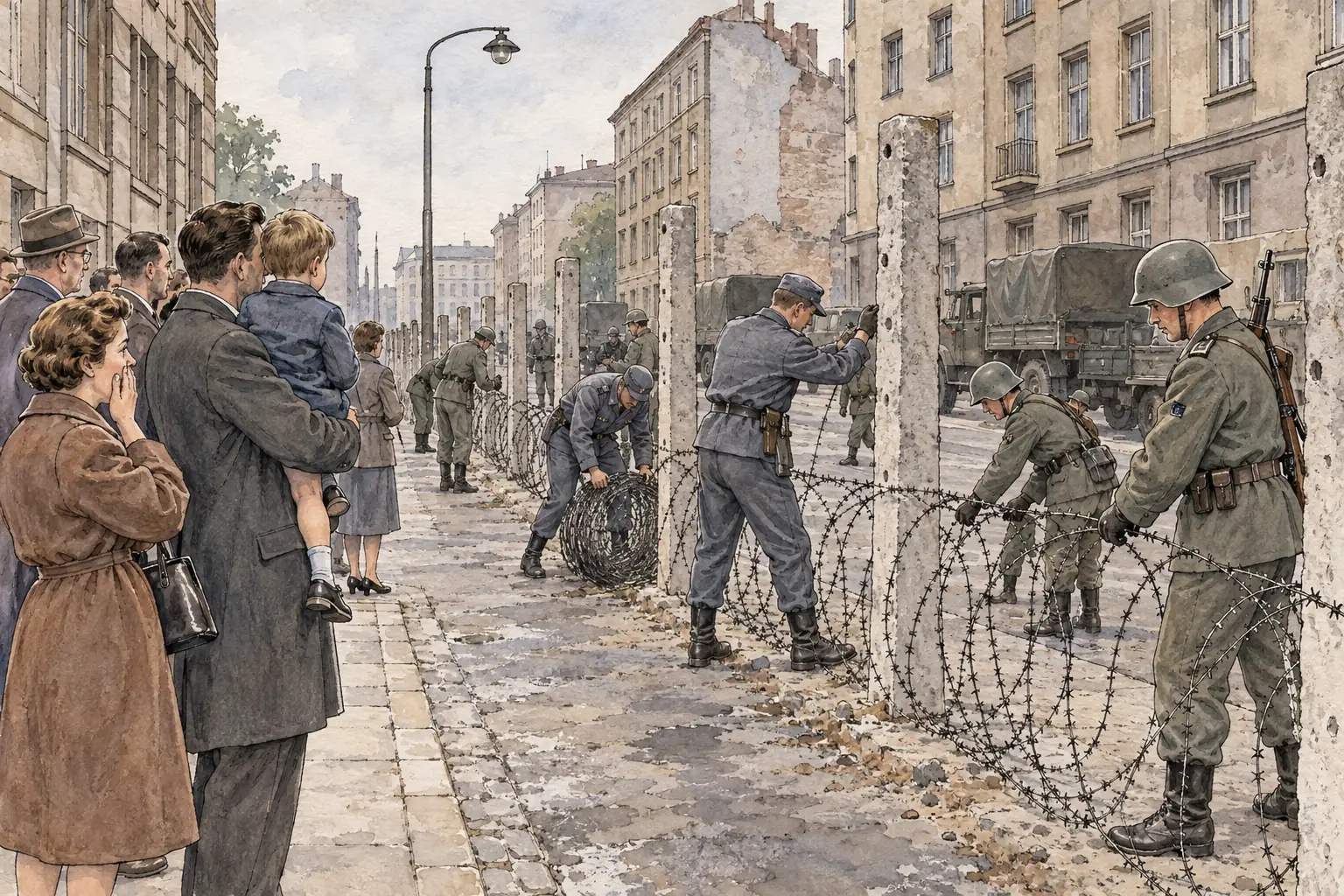
The Berlin Wall emerged as a direct response to the escalating Berlin crisis, representing a physical barrier that divided the city and symbolised the broader East-West divide. Its sudden erection highlighted the failure of diplomatic efforts and the desperation of the Eastern Bloc to retain its population.
Reasons for building the Berlin Wall
- Failure of ultimatums - Soviet leader Nikita Khrushchev issued ultimatums for Western powers to withdraw from West Berlin, but these were rejected, prompting alternative measures to stabilise East Germany.
- Mass exodus of citizens - Thousands of East Germans were fleeing to the West through Berlin, draining skilled workers and threatening the viability of the communist regime.
- Soviet-approved construction - With backing from the USSR, East German authorities rapidly built a barrier of barbed wire and concrete, effectively isolating East Berlin overnight.
Impacts of the Berlin Wall
- Halt to refugee flow - The wall successfully prevented further large-scale escapes, helping to stabilise East Germany's economy and population.
- Symbol of division - It became a powerful emblem of the Cold War, often called a literal "Iron Curtain," reinforcing Europe's ideological split.
- Heightened tensions - The structure increased hostilities between East and West, serving as a stark reminder of communist control and the suppression of freedom.
Key events of the Cuban Missile Crisis in 1962
Image 1 of 3: A U-2 spy plane photographed Soviet missile sites under construction on 14 October 1962
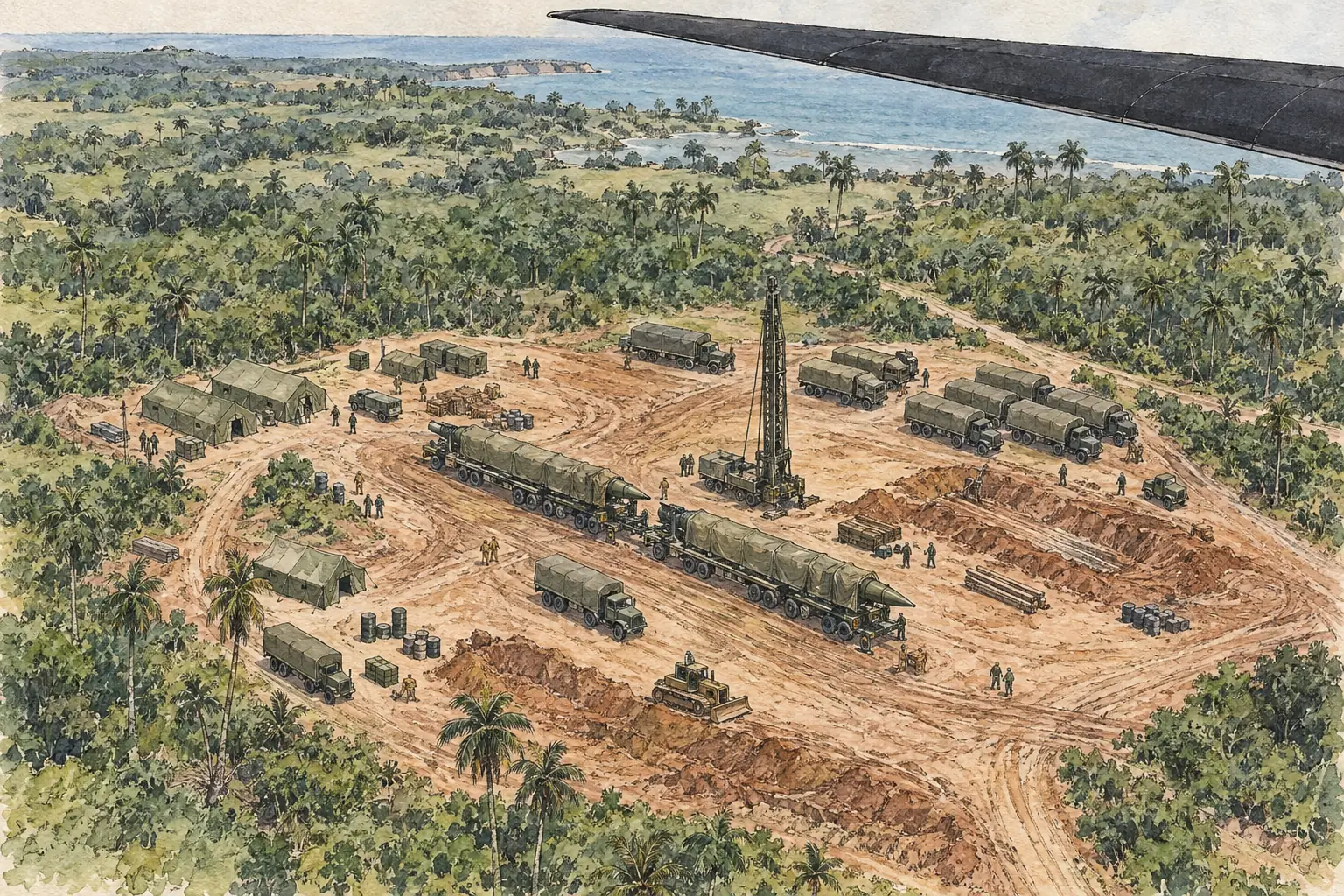
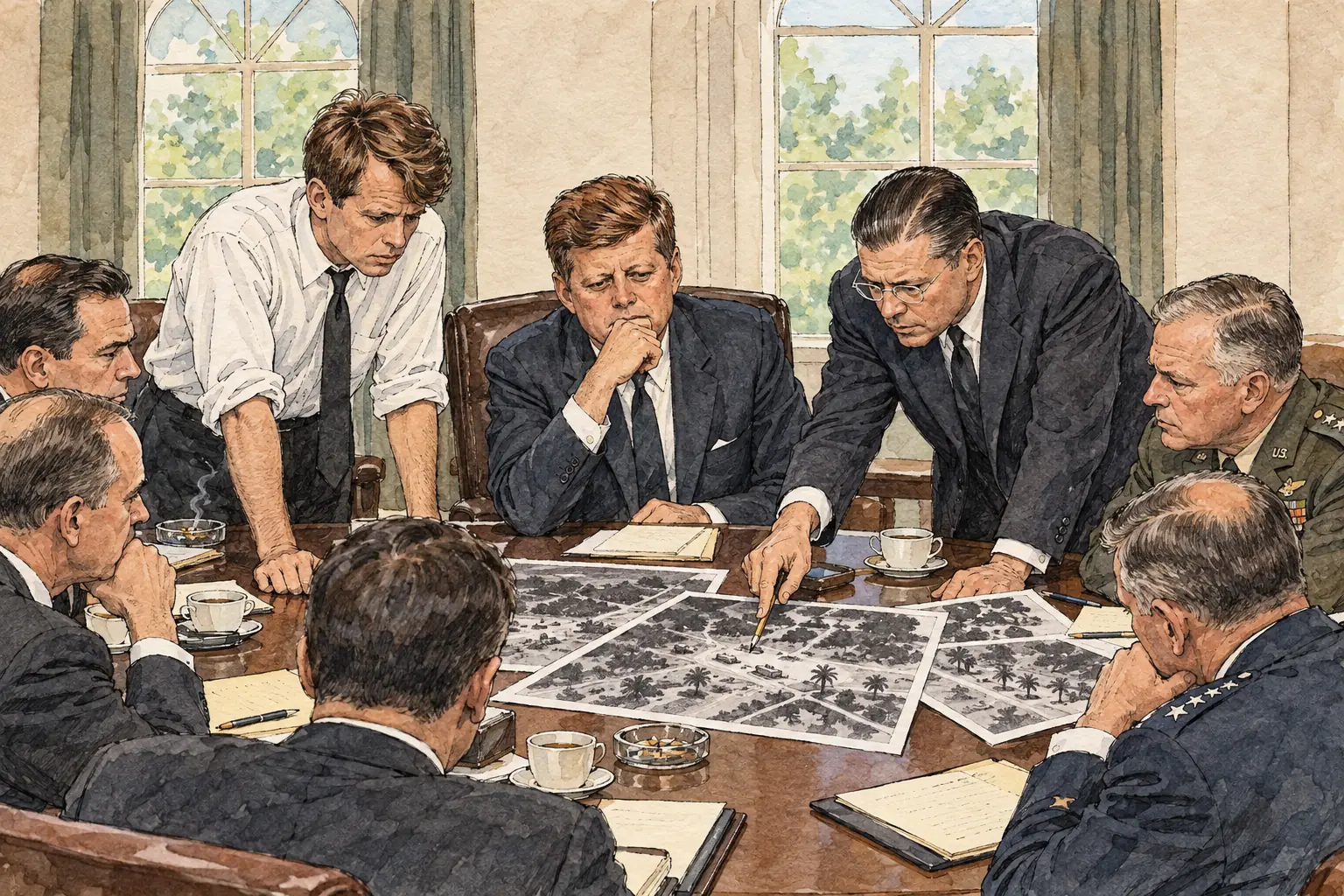
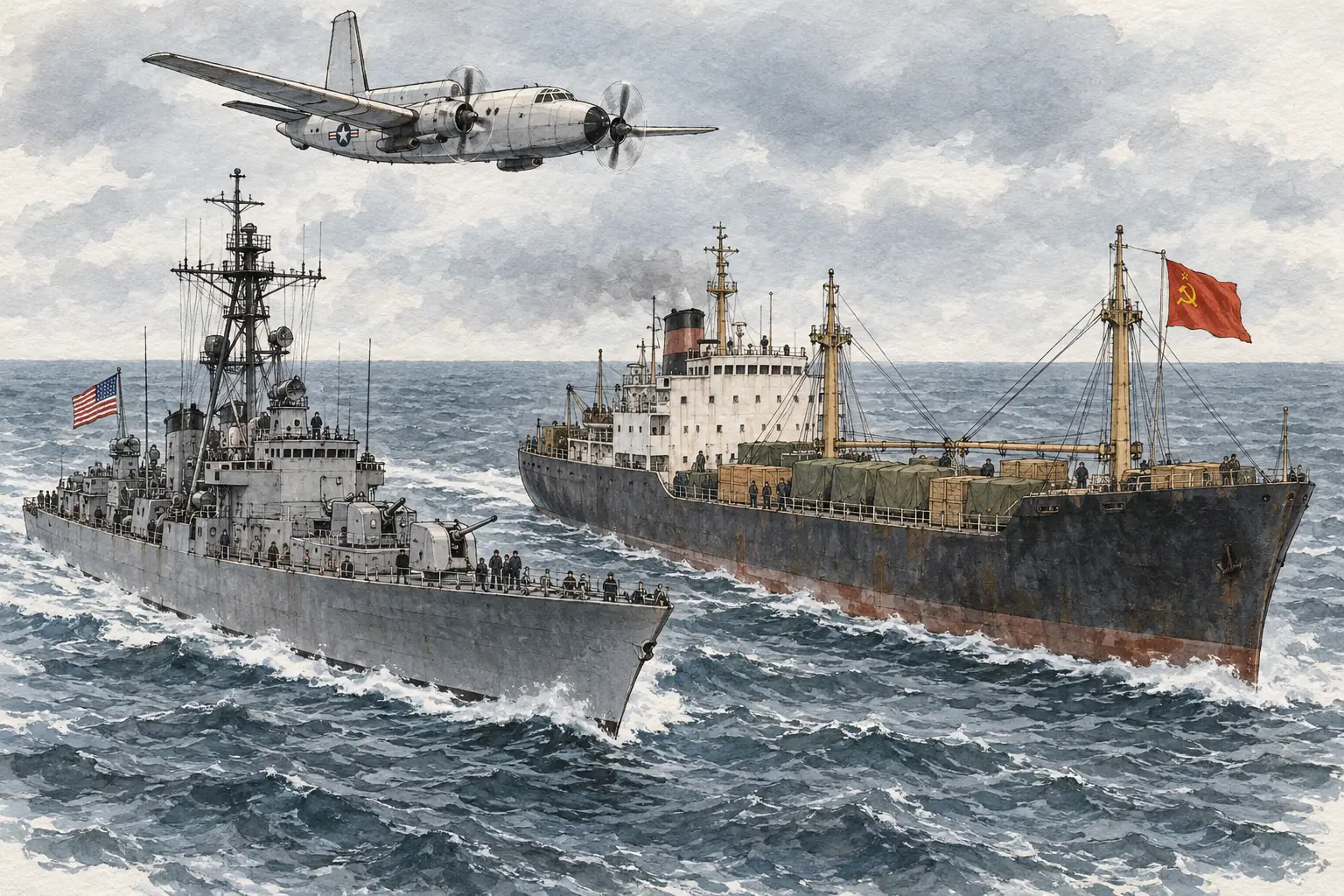
The Cuban Missile Crisis marked the closest point to nuclear war during the Cold War, triggered by Soviet actions in the Caribbean. This 13-day confrontation involved high-stakes diplomacy and military posturing between the USA and USSR.
Build-up to the crisis
- Soviet missile deployment - The USSR secretly placed nuclear missiles in Cuba to defend the island against potential US invasion and to counterbalance American military advantages.
- US discovery - American U-2 reconnaissance aircraft detected the missile sites, alerting President John F. Kennedy to the imminent threat.
The standoff and resolution
- Naval blockade - Kennedy ordered a quarantine around Cuba to block additional Soviet shipments, creating a tense impasse as ships approached the line.
- Global brinkmanship - For nearly two weeks, the superpowers exchanged threats, with the world fearing escalation to nuclear conflict.
- Negotiated agreement - Khrushchev agreed to dismantle and remove the missiles in exchange for Kennedy's pledge not to invade Cuba, plus a confidential US commitment to withdraw missiles from Turkey.
Significance of the crisis
- Avoidance of war - The peaceful resolution demonstrated the value of backchannel communication and mutual concessions in de-escalating conflicts.
- Long-term effects - It led to improved superpower relations, including the establishment of a direct hotline between Washington and Moscow to prevent future misunderstandings.
The Soviet intervention in Czechoslovakia in 1968
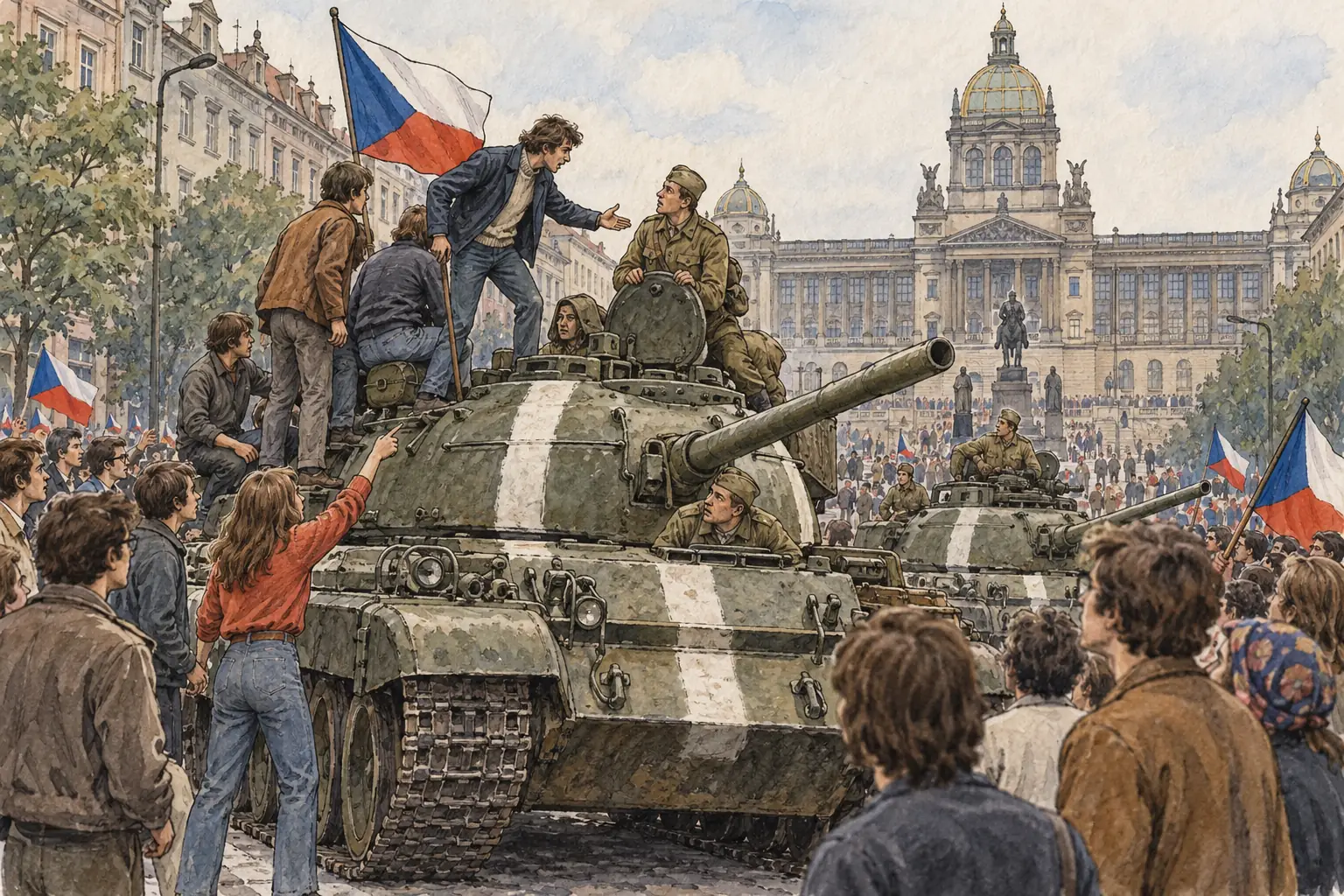
The invasion of Czechoslovakia represented a forceful assertion of Soviet dominance over its Eastern Bloc allies, aimed at quashing liberal reforms that challenged communist orthodoxy. This action reflected the USSR's determination to maintain control amid growing dissent.
Events leading to the intervention
- Prague Spring reforms - Under leader Alexander Dubček, Czechoslovakia introduced changes like greater press freedom and economic liberalisation, sparking hopes for "socialism with a human face."
- Soviet concerns - These reforms were seen as a threat to the stability of the Warsaw Pact and the broader socialist system.
The invasion and its aftermath
- Warsaw Pact operation - In August 1968, troops from the USSR and other Pact nations invaded, swiftly occupying key cities and arresting reformist leaders.
- Deposition of leadership - Dubček was removed from power, and a pro-Soviet government was installed to reverse the reforms and restore strict communist rule.
- Suppression of resistance - The intervention crushed public protests, resulting in casualties and widespread arrests, effectively ending the Prague Spring.
The Brezhnev Doctrine and its implications
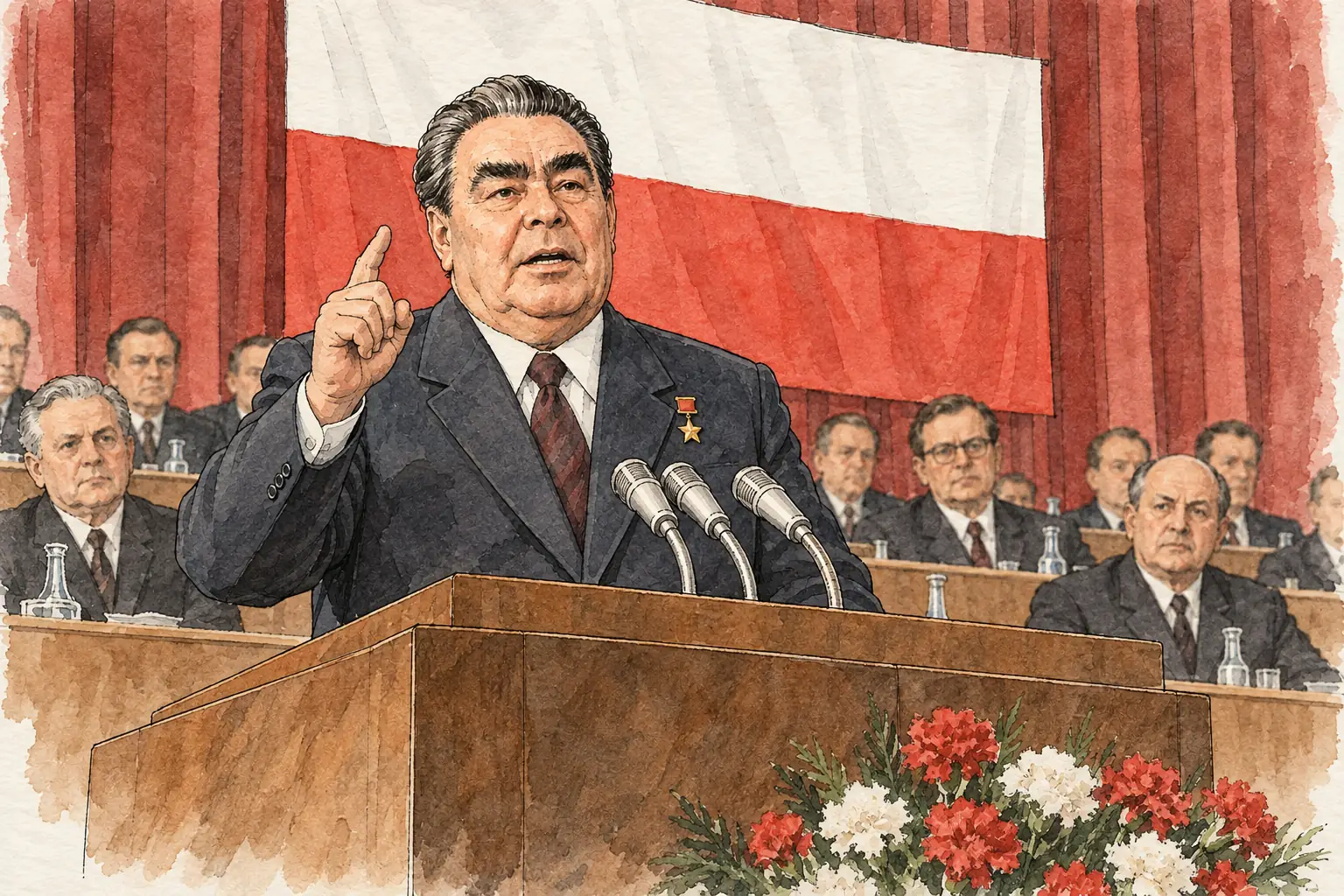
Following the Czechoslovakia invasion, Soviet leader Leonid Brezhnev formalised a policy that justified such interventions, reinforcing the USSR's authority over its satellite states. This doctrine had far-reaching effects on Cold War dynamics.
Key elements of the Brezhnev Doctrine
- Right to intervene - Brezhnev declared that the USSR could step in militarily if socialism in any Eastern Bloc country was endangered, framing it as a duty to protect the communist community.
- Justification for actions - It retroactively defended the Czechoslovakia invasion and served as a warning against future deviations from Soviet-approved policies.
Broader implications
- Impact on satellite states - The doctrine discouraged reforms and ensured conformity, stifling dissent across Eastern Europe and prolonging Soviet influence.
- Effects on Cold War tensions - It heightened Western suspicions of Soviet expansionism, contributing to a chill in East-West relations and influencing policies like détente in the following years..