4.1 - Causes of Illness: Genetics, Lifestyle & Diagnosis
Key facts and dates
The 20th and 21st centuries marked a transformation in medical knowledge, extending beyond germ theory to encompass genetic and lifestyle causes of disease, while diagnostic tools evolved to enable earlier and more precise identification of conditions. This timeline highlights the major milestones in these advancements.
Timeline of key events
- 1895 – Discovery of X-rays by Wilhelm Röntgen, revolutionising medical imaging.
- 1940s – Development of ultrasound technology for imaging soft tissues.
- 1953 – James Watson and Francis Crick identify the structure of DNA, advancing genetic research.
- 1950s – Studies by Richard Doll and Austin Bradford Hill establish smoking as a cause of lung cancer.
- 1970s – Introduction of CT scans for detailed 3D imaging.
- 1980s – MRI scans emerge, using magnetic fields for high-resolution internal views.
- 2003 – Completion of the Human Genome Project, mapping all human genes.
Genetic factors in causing diseases
In the modern era, scientific progress has revealed that many illnesses stem from genetic abnormalities rather than solely from infectious agents. This understanding shifted focus towards inherited conditions and opened pathways for innovative treatments.
How genetics influence disease
- Gene mutations - Alterations in genetic material can lead to disorders such as cystic fibrosis or specific types of cancer, where faulty genes disrupt normal bodily functions.
- Inherited risks - Certain genes, like BRCA1 and BRCA2, increase susceptibility to conditions such as breast cancer, highlighting how family history plays a role in disease likelihood.
- Broader implications - Genetic insights explain non-infectious illnesses, enabling approaches like gene therapy to correct defects or targeted drugs to address specific genetic profiles.
Lifestyle factors contributing to illnesses
Beyond microbes, everyday habits and environmental exposures have been identified as key triggers for various health issues. This recognition emerged from large-scale studies, emphasising prevention through behavioural changes.
Links between lifestyle and disease
- Smoking and cancer - Tobacco use has been proven to cause lung cancer and other respiratory conditions, with evidence showing how chemicals in smoke damage cells over time.
- Diet and exercise - Poor nutrition and lack of physical activity contribute to heart disease and type 2 diabetes, as excessive fats or sugars strain cardiovascular systems.
- Alcohol and pollution - High alcohol consumption leads to liver damage, while exposure to environmental toxins increases risks of respiratory or chronic illnesses.
- Stress and obesity - Chronic stress can exacerbate conditions like hypertension, and obesity heightens chances of joint problems or metabolic disorders.
Key developments in genetics
Image 1 of 2: Rosalind Franklin's work on DNA was vital to discovering its structure
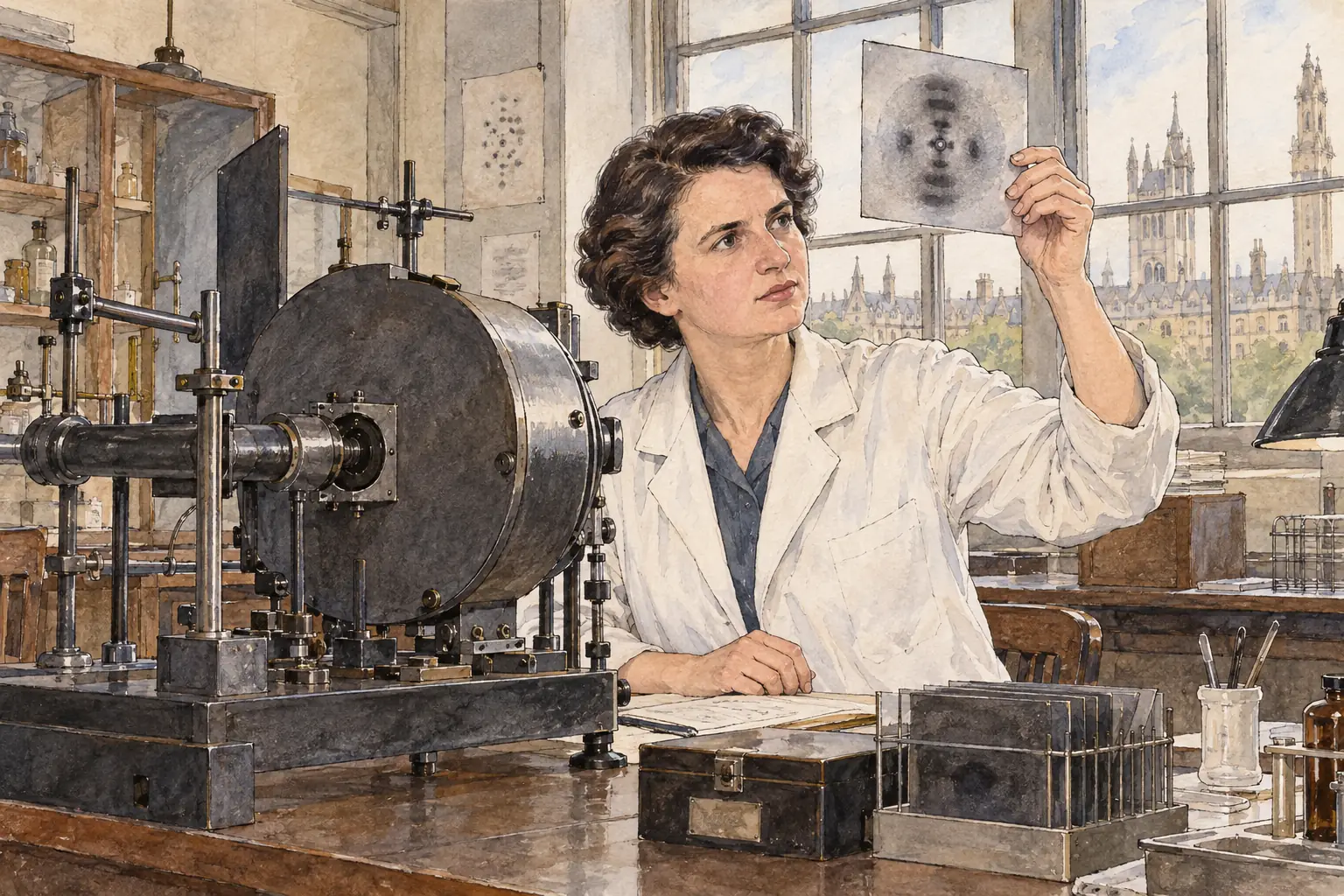
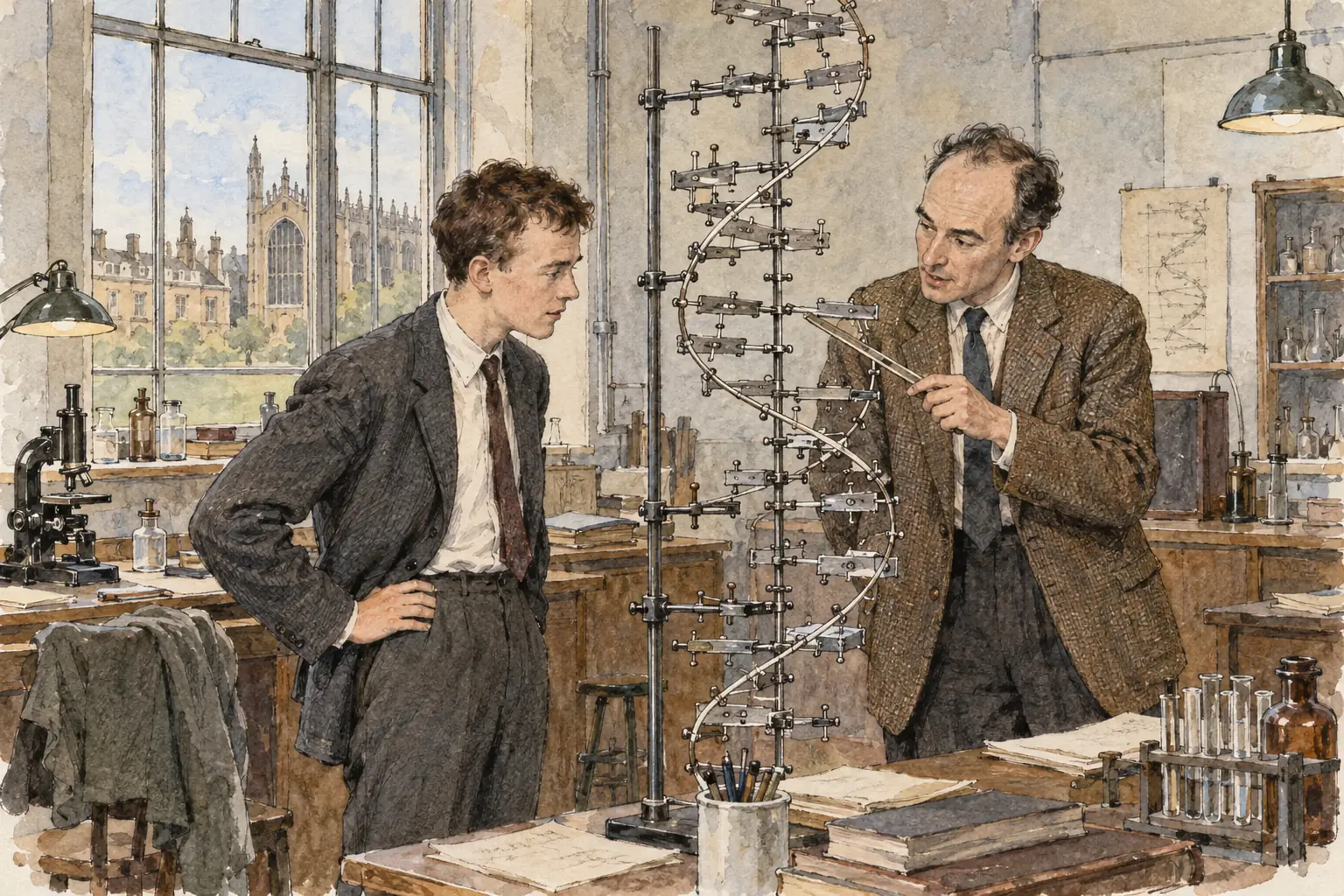
Pivotal breakthroughs in genetics have transformed how diseases are understood and managed. These advancements built on foundational research to map human biology at a molecular level.
Major milestones in genetic research
- Discovery of DNA structure (1953) - James Watson and Francis Crick, drawing on Rosalind Franklin's contributions, determined the double-helix form of deoxyribonucleic acid (DNA), explaining how genetic information is stored and transmitted.
- Identification of disease genes - Over decades, scientists pinpointed specific genes linked to disorders, allowing for better prediction and management of hereditary conditions.
- Human Genome Project (completed 2003) - This international effort sequenced the entire human genome, providing a comprehensive map that aids in diagnosing and researching genetic illnesses.
Advances in diagnostic technologies
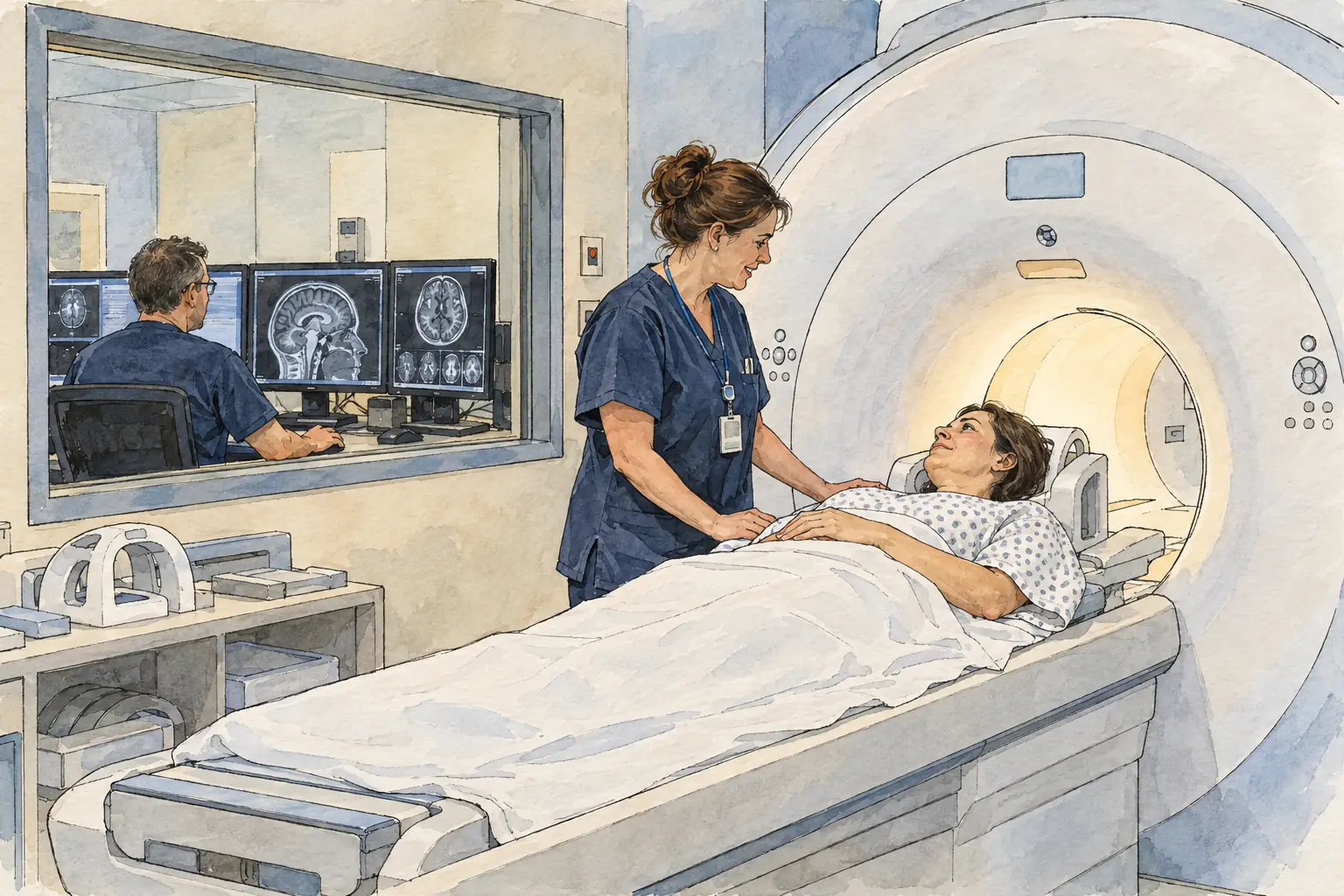
Technological innovations have greatly enhanced the ability to detect diseases accurately and at earlier stages. From basic instruments to sophisticated imaging, these tools provide detailed insights into bodily functions.
Evolution of diagnostic tools
- Blood tests - These analyse chemical compositions, such as glucose levels for diabetes or cholesterol for heart risks, and detect infections via cell counts.
- Medical imaging techniques:
- X-rays (from 1895) - Use radiation to visualise bones and dense tissues.
- Ultrasound (1940s) - Employs sound waves for safe imaging of organs and pregnancies.
- CT scans (1970s) - Produce cross-sectional 3D views combining multiple X-rays.
- MRI scans (1980s) - Utilise magnetic fields and radio waves for detailed soft tissue images without radiation.
- PET scans - Highlight metabolic activity to identify issues like tumours.
- Monitoring and scoping devices - Electrocardiograms (ECGs) track heart rhythms, blood pressure monitors assess cardiovascular health, and endoscopes with fibre-optic cameras examine internal areas like the gut.
Shift to non-communicable diseases
By the end of the 20th century, the primary health concerns moved away from infectious diseases towards those influenced by genetics and lifestyle. This change reflects a more holistic view of illness causes and prevention.
Factors driving the shift
- Decline in infectious focus - With germ theory established by 1900, vaccines and antibiotics reduced threats from microbes, allowing attention to turn elsewhere.
- Rise of non-communicable diseases - Conditions like cancer, heart disease, and diabetes, often linked to modern lifestyles, became leading causes of mortality.
- Impact on medicine - Enhanced understanding enables precise diagnoses, personalised treatments, and preventive strategies, improving overall health outcomes.