4.2 - NHS, Antibiotics, High-tech Medicine & Prevention
Key facts and dates
The 20th century brought revolutionary changes to medical treatment and care in Britain, shifting from limited, paid-for services to universal access and advanced technologies. These developments dramatically improved public health outcomes and disease management.
Timeline of key events
- 1909 – Paul Ehrlich develops Salvarsan 606, the first targeted drug for syphilis.
- 1920s – Insulin first used to treat diabetes.
- 1930s – Prontosil introduced as a sulphonamide drug for blood poisoning.
- 1940s – Penicillin becomes available, marking the start of widespread antibiotic use; diphtheria vaccine rolled out.
- 1948 – National Health Service (NHS) founded, providing free healthcare.
- 1950s – Polio vaccine introduced; antibiotics become widely accessible.
- 1954 – First successful kidney transplant performed.
- 1967 – First heart transplant carried out.
- 1970s onwards – Anti-smoking campaigns launched, expanding to other lifestyle initiatives.
- 1980s – Safe sex campaigns to combat HIV.
Establishment and impact of the NHS
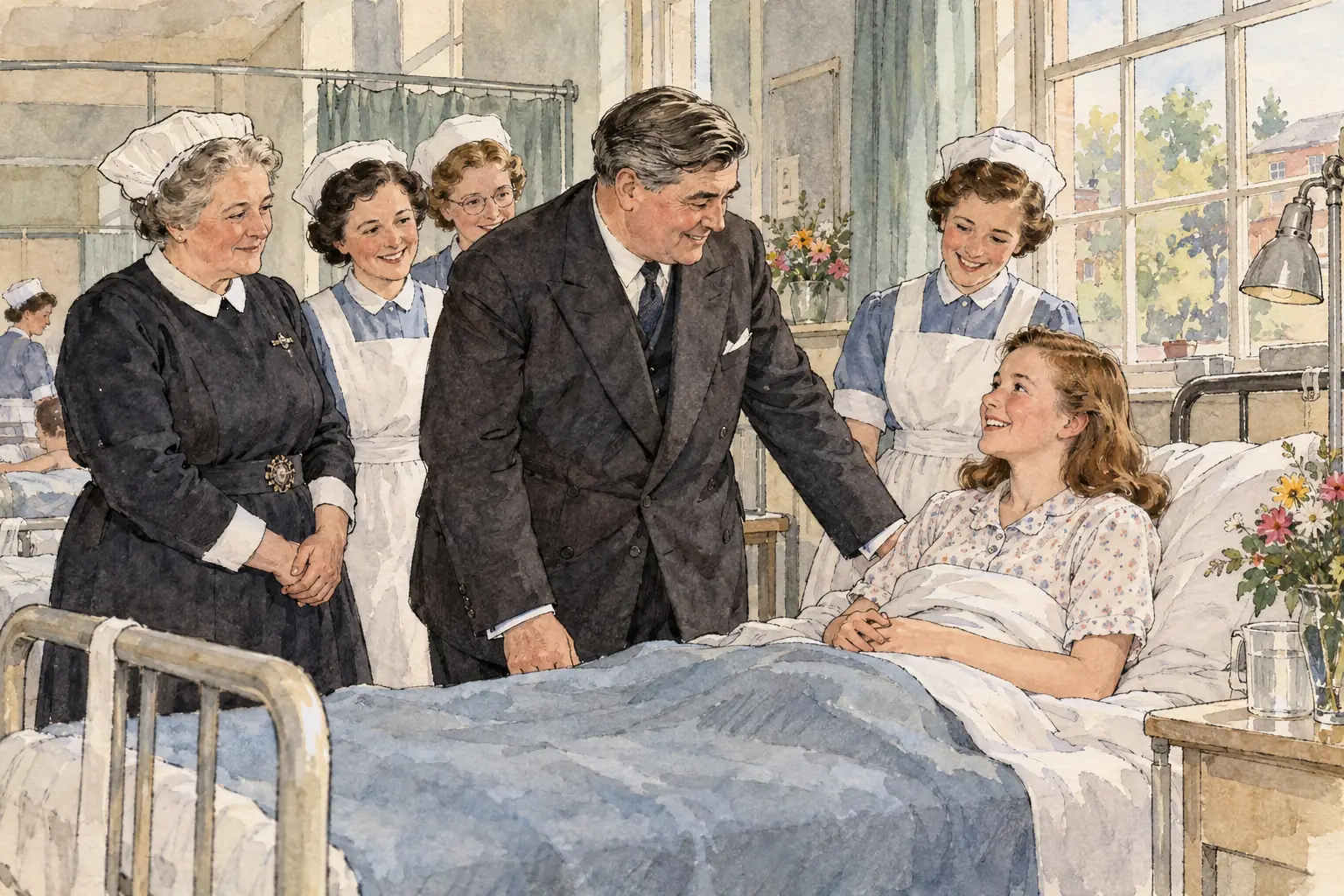
The founding of the National Health Service (NHS) in 1948 marked a turning point in British healthcare, transforming access from a system reliant on personal payments or charity to one that was universally available. This change addressed longstanding inequalities, ensuring that financial barriers no longer prevented people from receiving medical attention.
Key features and effects of the NHS
- Free access for all - Healthcare became available without direct cost at the point of use, covering general practitioners (GPs), specialists, hospital services, and surgical procedures.
- Improved public health outcomes - Greater access led to reductions in infant mortality rates and increases in average life expectancy, as more people could seek timely treatment.
- Shift from previous systems - Before 1948, many low-income individuals could not afford doctors, relying instead on charitable aid or going without care, which often resulted in poorer health.
Antibiotics and pharmaceutical advances
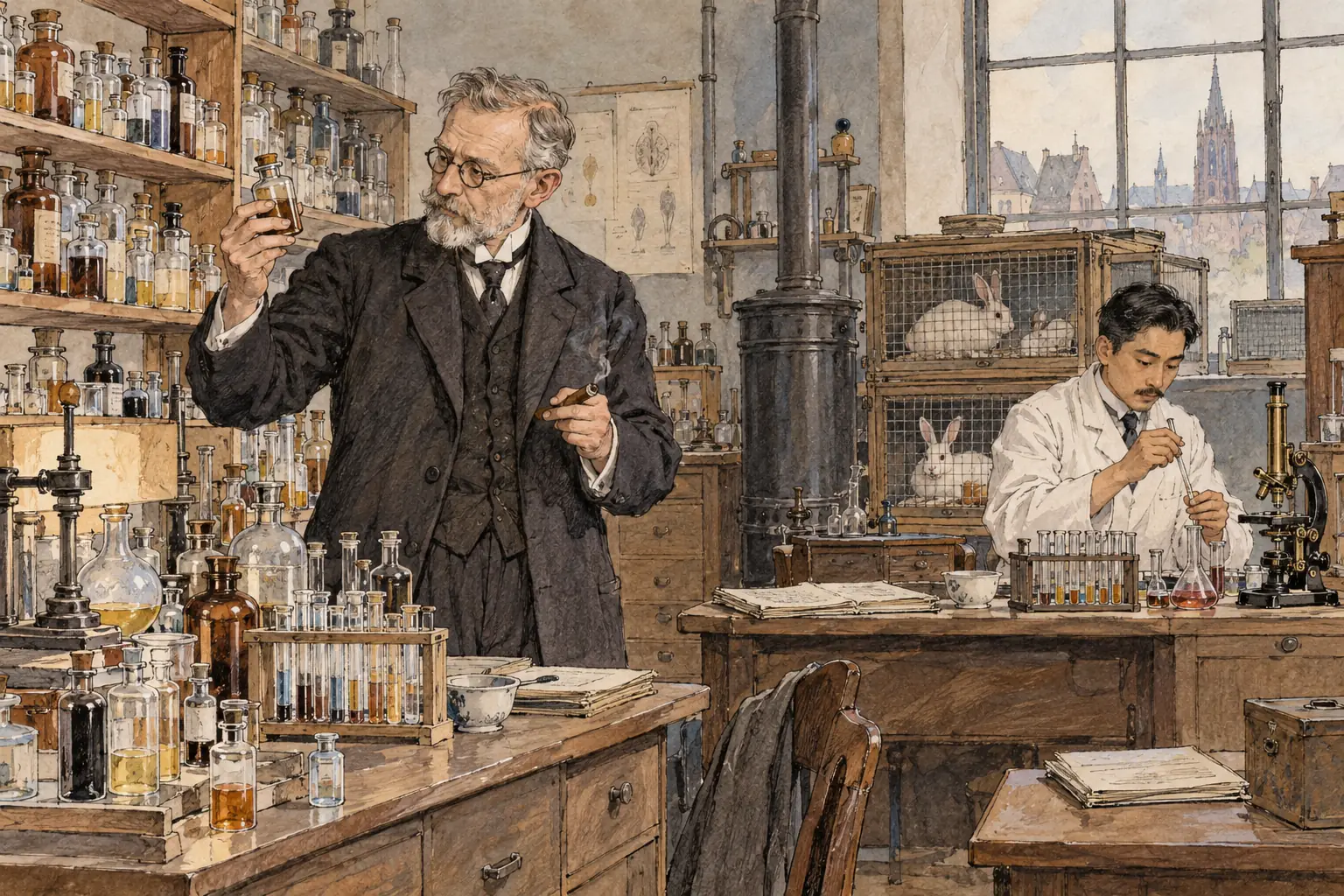
The 20th century witnessed rapid progress in drug development, beginning with targeted treatments known as magic bullets that attacked specific microbes without damaging the body. These innovations expanded into a broad range of medications, revolutionising how diseases were managed.
Early magic bullets and antibiotic breakthroughs
- Salvarsan 606 (1909) - Developed by Paul Ehrlich, this was the first antimicrobial drug effective against syphilis, a bacterial infection that had previously been difficult to treat.
- Prontosil (1930s) - A sulphonamide drug that successfully combated blood poisoning, setting the stage for further antibiotic research.
- Penicillin and beyond (1940s onwards) - Penicillin, available from the 1940s, provided effective cures for bacterial illnesses such as pneumonia and tuberculosis; by the 1950s, antibiotics were widely used, shifting treatment from supportive care to rapid recovery.
Broader pharmaceutical innovations
- Diverse medications - Advances included pain relief options like aspirin and ibuprofen, insulin for diabetes management (introduced in the 1920s), chemotherapy for cancer, blood pressure regulators, and drugs for mental health conditions.
- Transformation of medicine - These developments turned healthcare into a sophisticated field focused on precise drug therapies, offering solutions for conditions that were once untreatable.
High-tech medical treatments and surgery
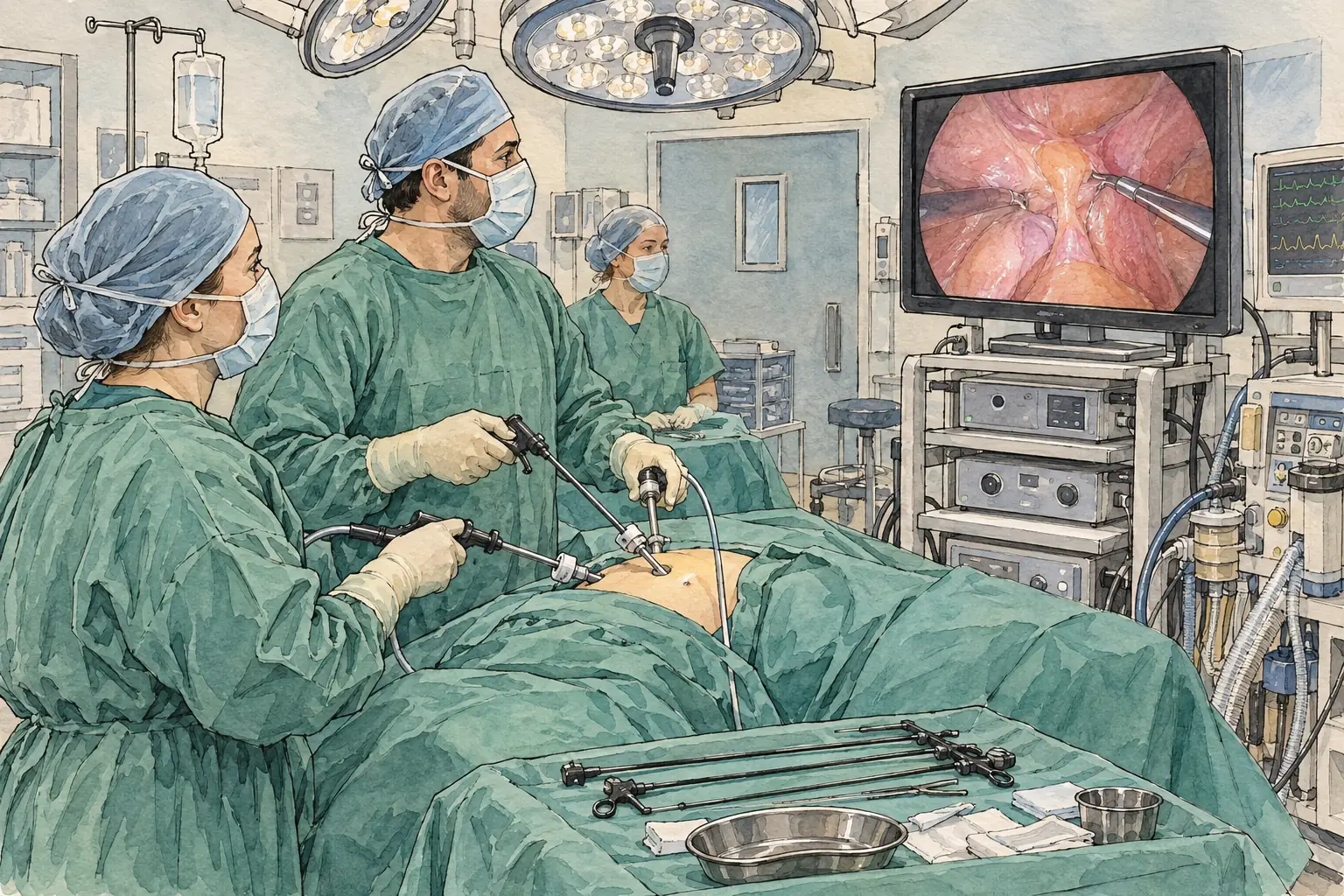
Surgical and treatment methods evolved dramatically in the 20th century, incorporating advanced technology to perform complex procedures and support patient recovery. These innovations expanded the scope of what could be achieved in hospitals, improving survival rates and quality of life.
Key high-tech surgical developments
| Treatment type | Description | Examples and impact |
|---|---|---|
| Organ transplants | Replacement of failing organs with healthy ones from donors | Kidney transplant (1954); heart transplant (1967); extended life for patients with organ failure |
| Minimally invasive techniques | Operations using small incisions and tools like cameras | Keyhole (laparoscopic) surgery; reduced recovery time and scarring |
| Robot-assisted surgery | Use of robotic systems for precision | Enhanced accuracy in delicate procedures; became more common in recent decades |
| Intensive care technologies | Machines supporting vital functions | Dialysis for kidney issues; ventilators for breathing support; heart-lung machines during operations |
| Cancer treatments | Targeted therapies to destroy cancer cells | Radiotherapy and chemotherapy; improved survival for various cancers |
| Rehabilitative aids | Devices to restore function | Prosthetic limbs and joint replacements; boosted mobility and independence |
These technologies, including laser surgery and gene therapy, made treatments possible that were beyond imagination at the start of the century.
Modern prevention through vaccinations
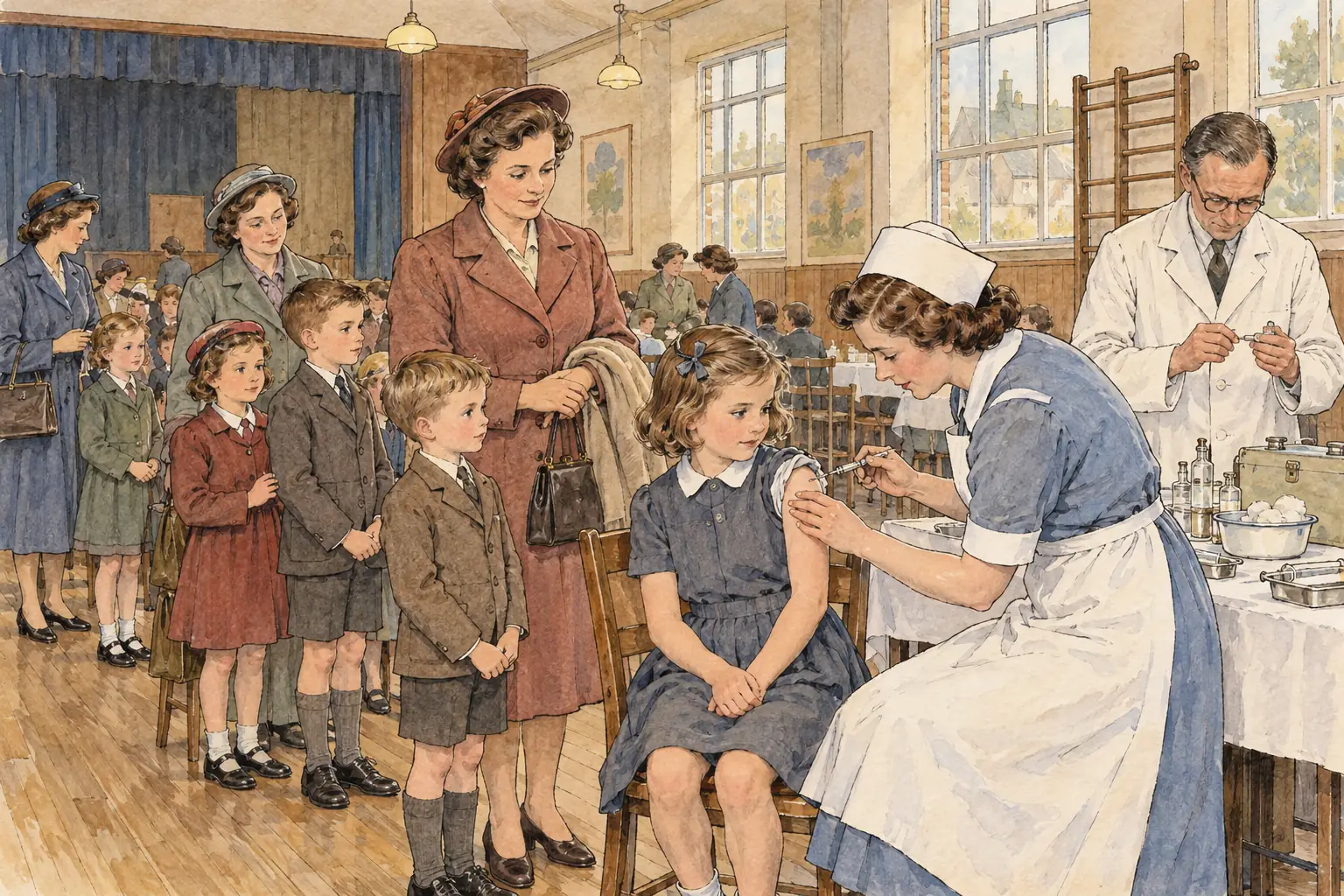
Vaccination programmes expanded significantly in the 20th century, building on earlier successes like smallpox eradication to protect populations against a range of infectious diseases. These initiatives focused on widespread immunisation to prevent outbreaks and reduce child mortality.
Major vaccination programmes and their effects
- Diphtheria vaccine (1940s) - Introduced nationwide, this sharply decreased deaths from the disease, particularly among children.
- Polio vaccine (1950s) - Virtually eliminated polio in Britain by the 1970s through mass administration.
- Expanded childhood schedules - Modern programmes include vaccines for measles, mumps, rubella, and meningitis, preventing millions of cases and saving lives through routine immunisations.
Government lifestyle campaigns for prevention
From the mid-20th century, authorities recognised the link between daily habits and health risks, leading to public education efforts aimed at encouraging better choices. These campaigns targeted behaviours contributing to common diseases, promoting prevention over cure.
Focus areas of lifestyle campaigns
- Anti-smoking initiatives (1970s onwards) - Included warning labels on cigarette packets, advertising bans, and the 2007 prohibition on smoking in public spaces, aiming to cut lung cancer and heart disease rates.
- Alcohol and road safety - Drink-driving awareness efforts reduced accidents and related health issues.
- Diet and exercise promotion - Programmes like "5 A Day" encouraged fruit and vegetable intake to combat obesity, while exercise drives addressed inactivity-linked conditions such as diabetes.
- Safe sex education (1980s) - Campaigns raised awareness to limit HIV transmission and other sexually transmitted infections.
These efforts educated the public on healthier living, helping to prevent chronic illnesses before they developed.