2.4 - Depression, Unemployment & Crisis, 1929–32
Key facts and dates
The Great Depression triggered severe economic turmoil in Germany from 1929, exacerbating unemployment and political instability within the Weimar Republic. This period saw the failure of democratic processes and a surge in support for extremist groups amid widespread hardship and violence.
Timeline of key events
- October 1929 – Wall Street Crash in the USA leads to withdrawal of American loans, sparking Germany's economic downturn.
- 1930 – Chancellor Heinrich Brüning introduces austerity measures, including spending cuts and tax increases.
- September 1930 – Reichstag elections see Nazi Party (NSDAP) seats rise from 12 to 107, and Communist Party (KPD) gains support.
- 1931 – Banking crisis causes widespread business collapses and pushes unemployment over 4 million.
- July 1932 – Reichstag elections result in Nazis becoming the largest party with 230 seats, amid escalating street clashes.
- November 1932 – Further elections maintain Nazi dominance, highlighting democratic paralysis.
The economic collapse after 1929
Image 1 of 3: The Wall Street Crash of October 1929 led American lenders to demand their loans back from Germany
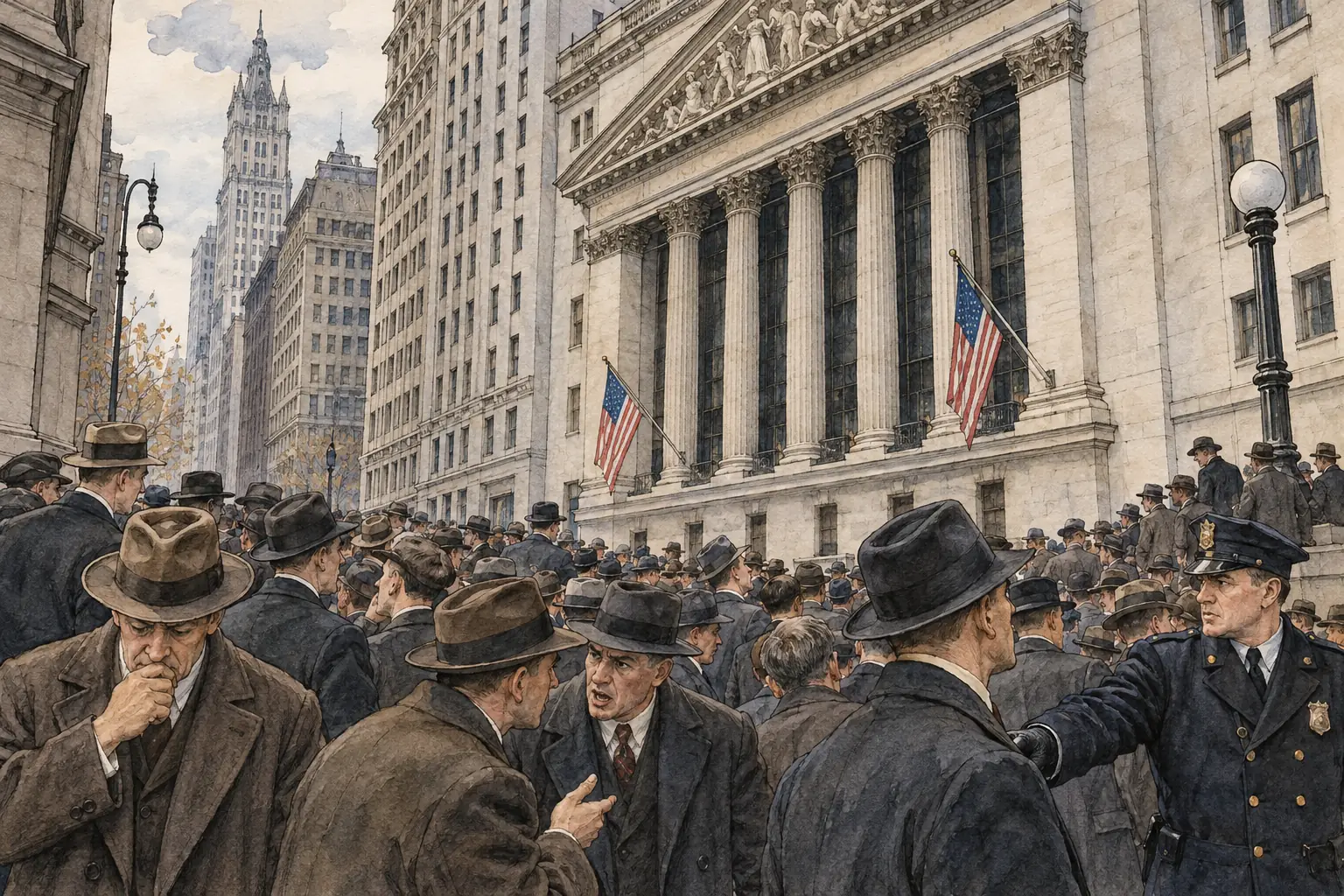
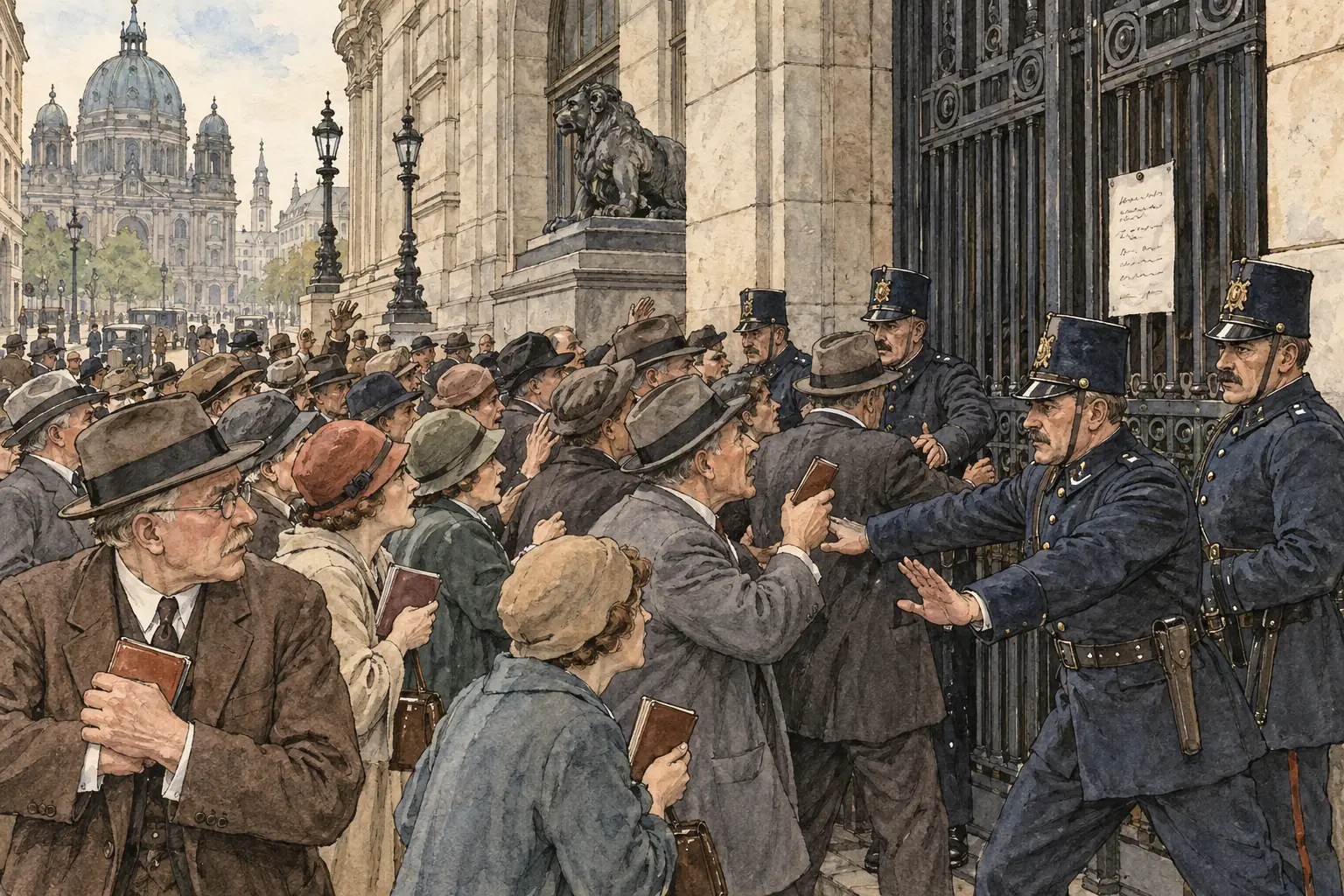
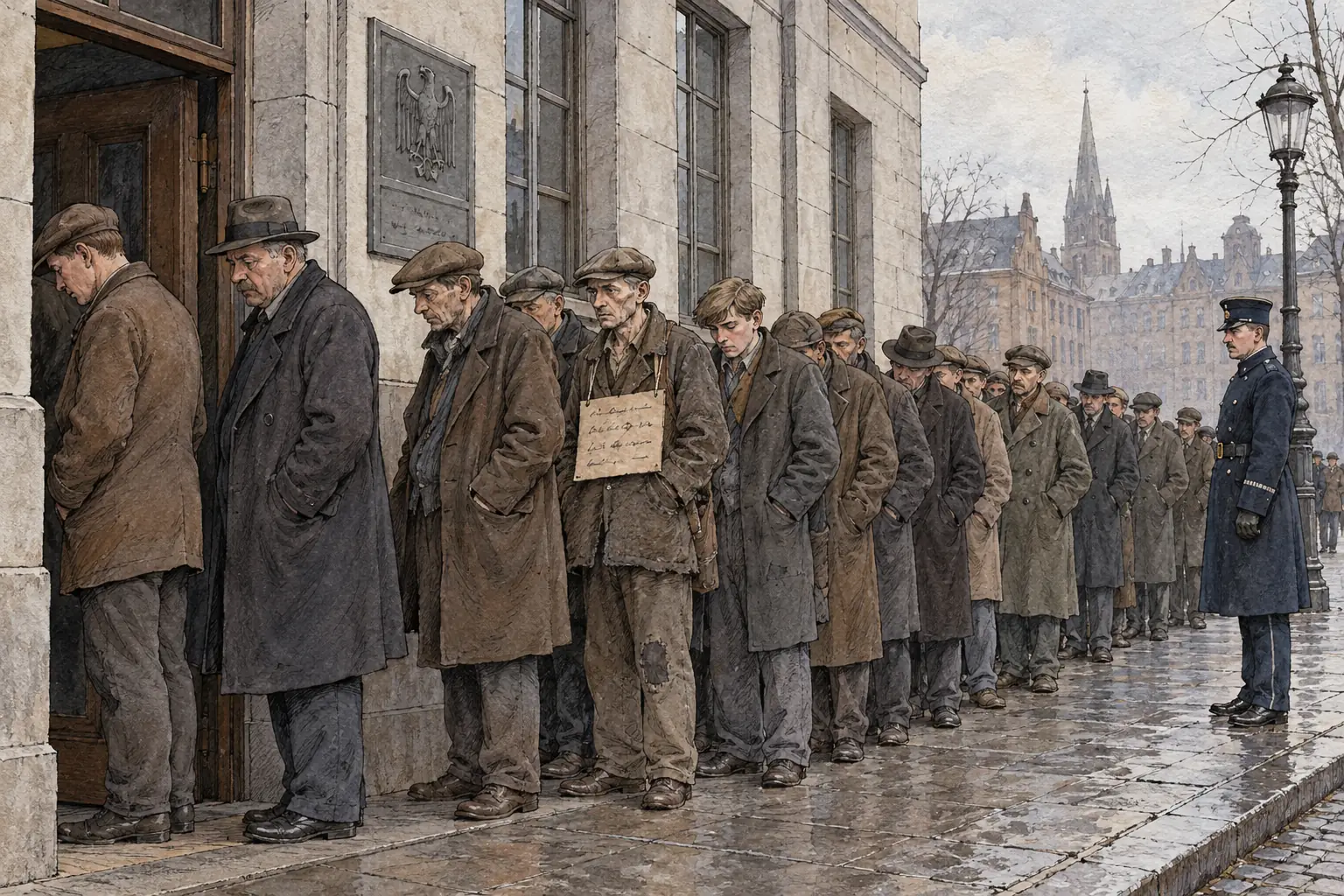
The Wall Street Crash of October 1929 in the United States had a devastating ripple effect on Germany, which heavily depended on American loans to sustain its economy. This global financial crisis led to a sharp withdrawal of foreign investment, triggering widespread economic failure within the Weimar Republic.
Key features of the economic downturn
- Dependence on foreign loans - Germany relied on short-term American loans to pay war reparations and fund recovery, but the crash prompted lenders to demand repayment, causing a credit crunch.
- Mass unemployment - Joblessness soared from around 1.3 million in 1929 to over 6 million by 1932, affecting nearly one-third of the workforce and leading to poverty, homelessness, and social despair.
- Business failures - Thousands of companies, particularly in manufacturing and agriculture, collapsed due to reduced demand and lack of credit; for example, export industries suffered as global trade contracted.
- Impact on society - Families faced evictions and relied on soup kitchens, while rural areas saw farm bankruptcies, deepening the sense of national crisis.
Austerity policies implemented by the government
In response to the economic collapse, Chancellor Heinrich Brüning's government adopted harsh austerity measures from 1930 onwards. These policies aimed to balance the budget and stabilise the currency but intensified public suffering and contributed to political unrest.
Main elements of austerity measures
- Spending cuts - Significant reductions in government expenditure, including welfare benefits and public sector wages, which left many without support during the crisis.
- Tax increases - Higher taxes on income and goods were imposed to generate revenue, further burdening ordinary citizens and small businesses already struggling.
- Deflationary approach - Efforts to lower prices and wages to make exports competitive, but this led to a downward spiral of reduced consumer spending and more bankruptcies.
- Consequences - These policies alienated the working and middle classes, fuelling discontent and making extremist alternatives more appealing as living standards plummeted.
Presidential decrees and democratic failure
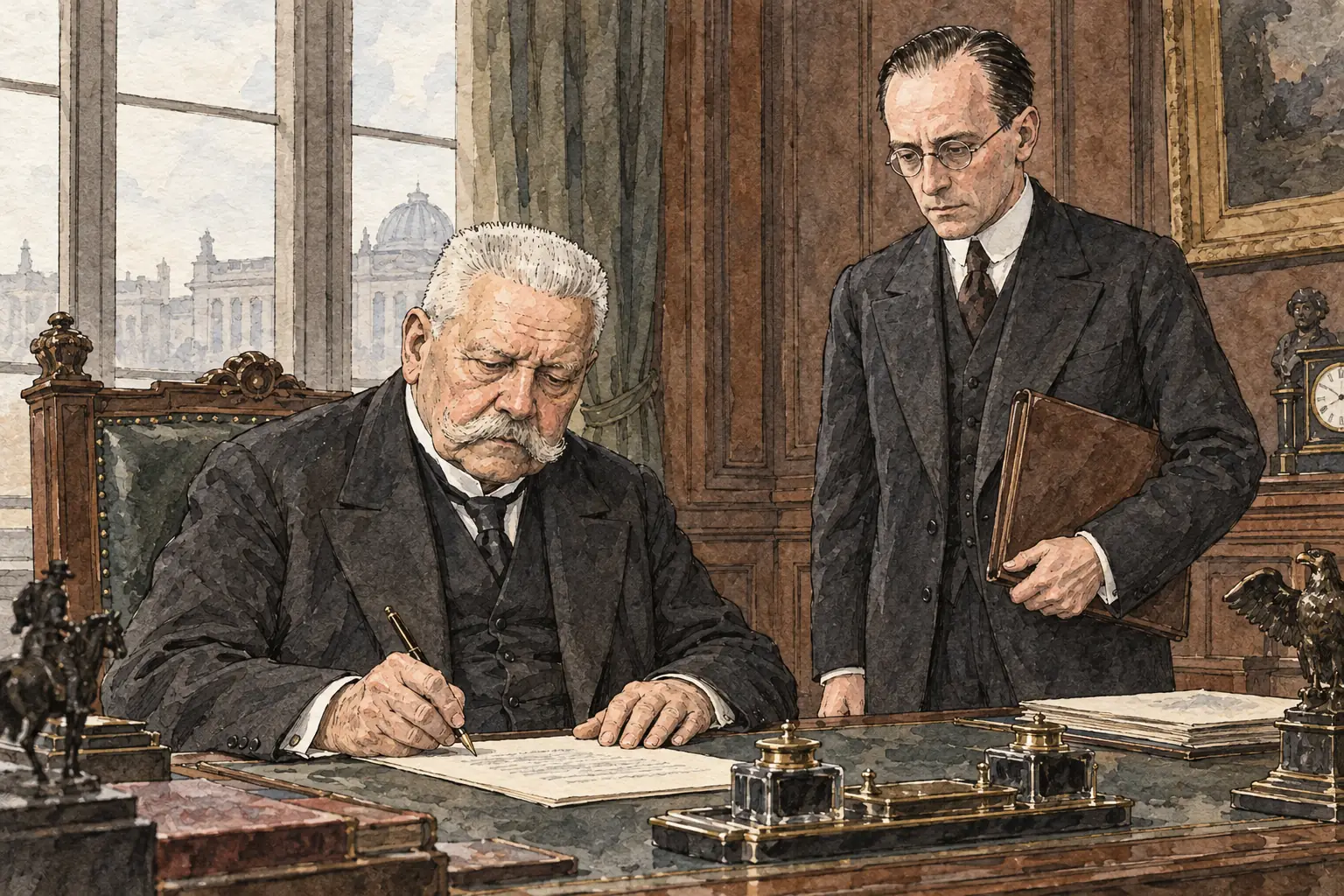
As the Reichstag became increasingly deadlocked due to fragmented parties, President Paul von Hindenburg resorted to Article 48 of the Weimar Constitution, allowing rule by presidential decree in emergencies. This practice, starting in 1930, undermined democratic institutions and fostered a view of the republic as ineffective.
How presidential decrees weakened democracy
- Frequent use of Article 48 - Brüning governed largely without parliamentary approval, issuing over 100 decrees by 1932 to enforce austerity and maintain order, bypassing elected representatives.
- Parliamentary paralysis - Coalition governments collapsed repeatedly, with no stable majority, leading to perceptions that democracy was incapable of addressing the crisis.
- Public disillusionment - Voters saw the reliance on decrees as a sign of authoritarian drift, eroding faith in the Weimar system and making promises of strong leadership more attractive.
- Long-term effects - This erosion paved the way for anti-democratic forces, as it highlighted the republic's fragility in times of economic hardship.
Rise of extremist parties including the KPD
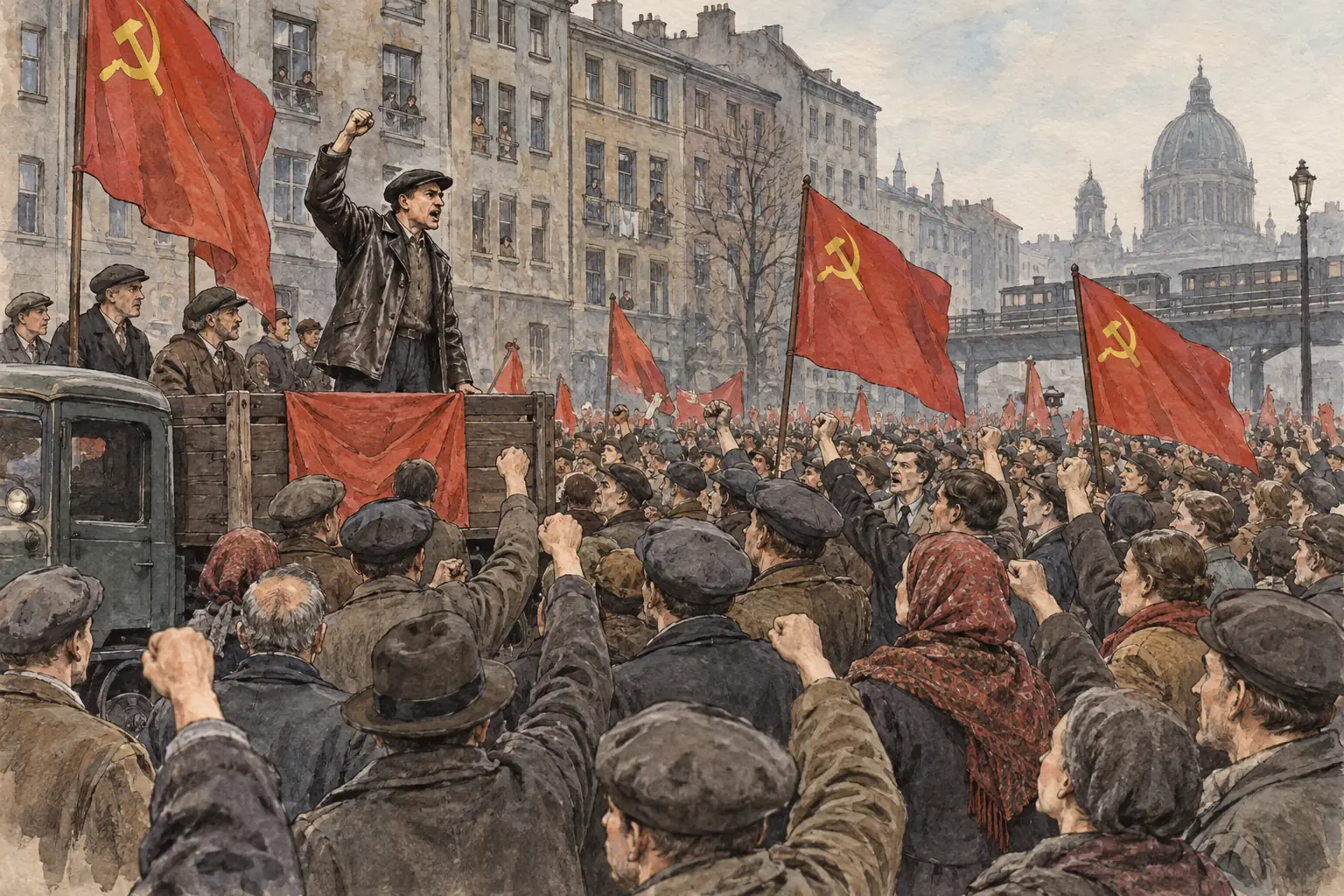
The Great Depression created fertile ground for extremist parties to gain support by exploiting economic misery and offering radical solutions. Both the far-right Nazis (NSDAP) and the far-left Communist Party (KPD) saw dramatic increases in votes during this period.
Factors driving the rise of extremists
- Nazi Party growth - The NSDAP appealed to the unemployed, middle class, and nationalists with promises of jobs, national revival, and anti-communist rhetoric; their vote share jumped from 2.6% in 1928 to 37.3% in July 1932.
- Communist Party (KPD) expansion - The KPD attracted workers and the jobless with calls for revolution and workers' rights, increasing seats from 54 in 1928 to 100 in November 1932, positioning itself as an alternative to capitalism.
- Decline of moderate parties - Centrist groups like the Social Democrats lost ground as voters polarised towards extremes, reflecting despair with the status quo.
- Electoral patterns - Multiple elections in 1930 and 1932 showed extremists capitalising on unemployment, with the combined Nazi-KPD vote often exceeding 50% in urban areas.
Escalating street violence and Nazi promises
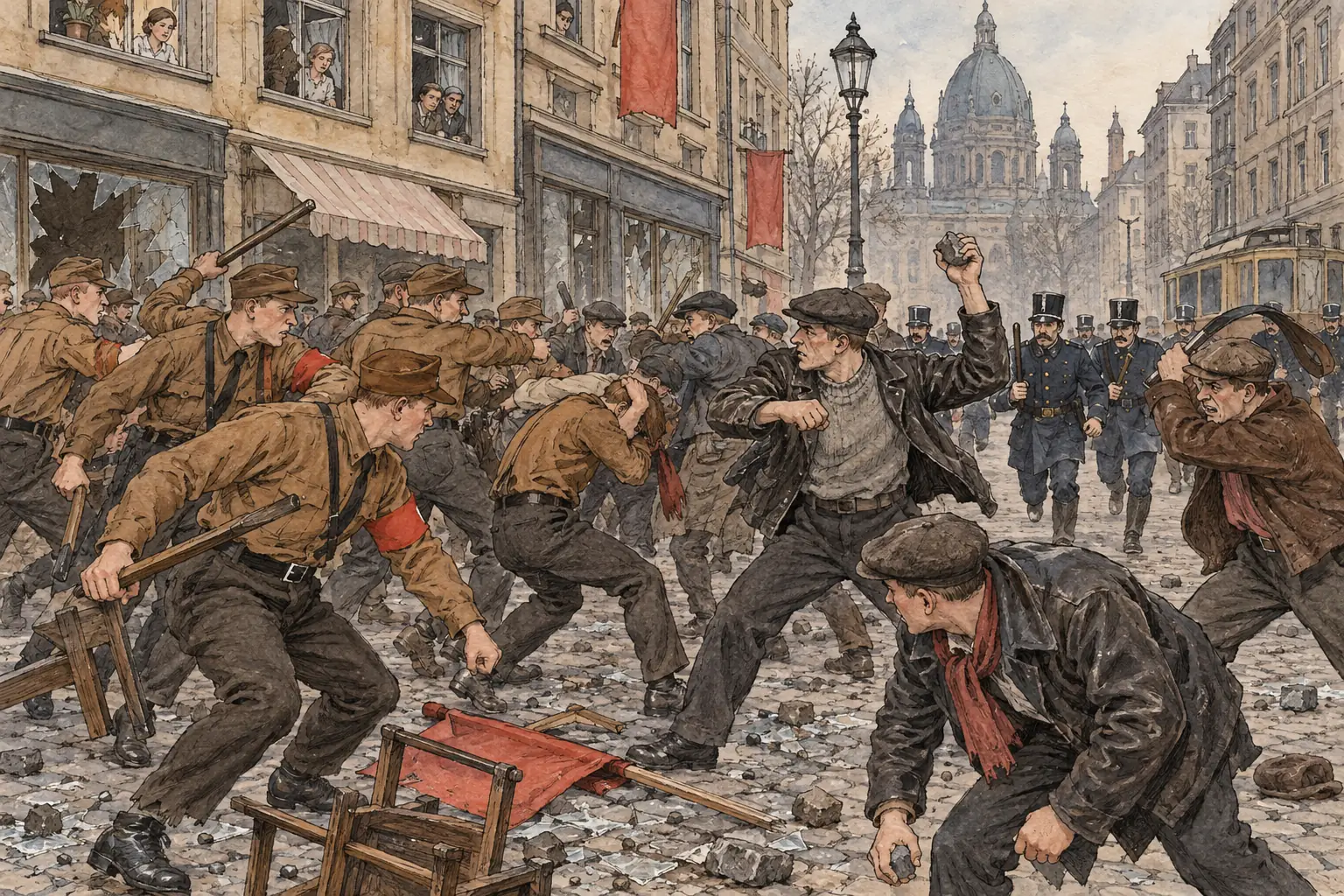
The political crisis was marked by rising violence between rival groups, creating an atmosphere of chaos that enhanced the Nazis' image as restorers of order. Street clashes became commonplace, further destabilising the Weimar Republic.
Dynamics of street violence and Nazi appeal
- Clashes between factions - Paramilitary groups like the Nazi SA (Stormtroopers) and the KPD's Red Front Fighters engaged in brutal street battles, resulting in hundreds of deaths and injuries by 1932.
- Breakdown of public order - Police struggled to control the violence, which spread to cities like Berlin, reinforcing perceptions of governmental weakness.
- Nazi promises of stability - Adolf Hitler and the NSDAP pledged to crush communism, restore national pride, and provide strong leadership, which resonated with voters fearing anarchy.
- Voter attraction - The promise of "order and national revival" drew support from diverse groups, including the middle class and unemployed, who saw the Nazis as a solution to both economic woes and social disorder.