2.5 - Why Nazi Support Surged, 1930–32
Key facts and dates
The period from 1930 to 1932 saw a dramatic rise in Nazi Party support amid economic turmoil and political instability in Germany. This surge was driven by strategic campaigning and societal fears, transforming the Nazis from a fringe group into the largest party in the Reichstag.
Timeline of key events
- September 1930 – Nazis win 107 seats in Reichstag elections, up from 12, marking a breakthrough driven by economic crisis.
- 1930-32 – Hitler conducts nationwide speaking tours and 'Hitler over Germany' flights, enhancing his visibility.
- 1931 – Industrialists like Fritz Thyssen begin providing financial backing to the Nazis.
- July 1932 – Nazis secure 230 seats and 37% of the vote, becoming the biggest party amid rising unemployment.
- November 1932 – Slight decline to 196 seats, but Nazis remain influential despite internal challenges.
Hitler's personal appeal and propaganda techniques
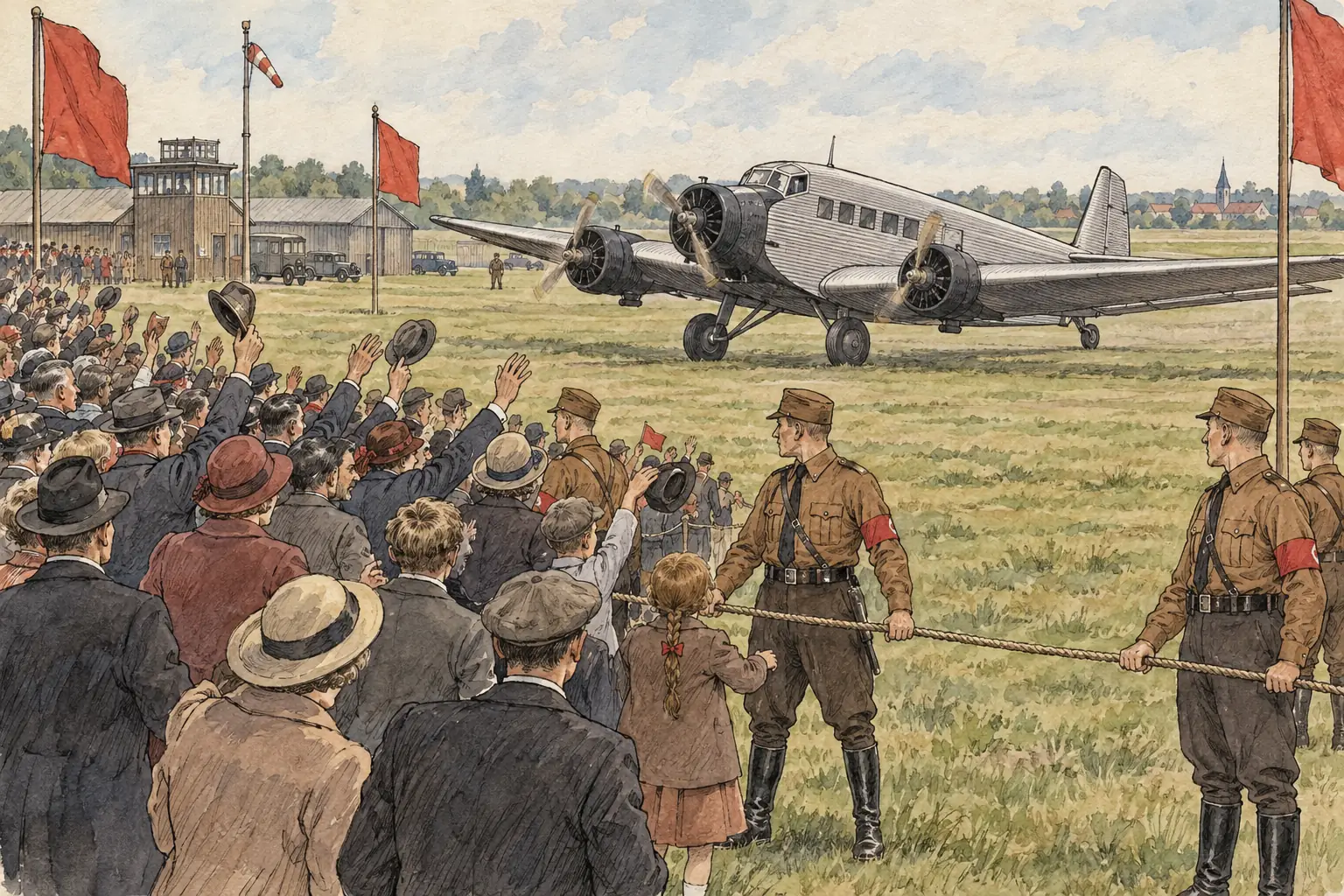
Adolf Hitler's charisma played a central role in attracting followers during the early 1930s. Combined with innovative propaganda methods, this helped the Nazi Party connect with disillusioned voters across Germany.
Elements of Hitler's appeal and propaganda strategies
- Oratory skills - Hitler's passionate speeches at mass rallies captivated audiences, presenting him as a dynamic leader who could restore national pride.
- Modern propaganda tools - The Nazis used posters, radio broadcasts, and films to spread messages, creating a sense of unity and urgency.
- Innovative campaigns - Events like the 'Hitler over Germany' flights allowed Hitler to visit multiple cities quickly, symbolising energy and reach.
- Targeted messaging - Propaganda was tailored to resonate with specific groups, emphasising themes of strength and revival to build broad support.
Role of the SA in projecting strength
Image 1 of 3: Uniformed SA marches projected discipline and strength
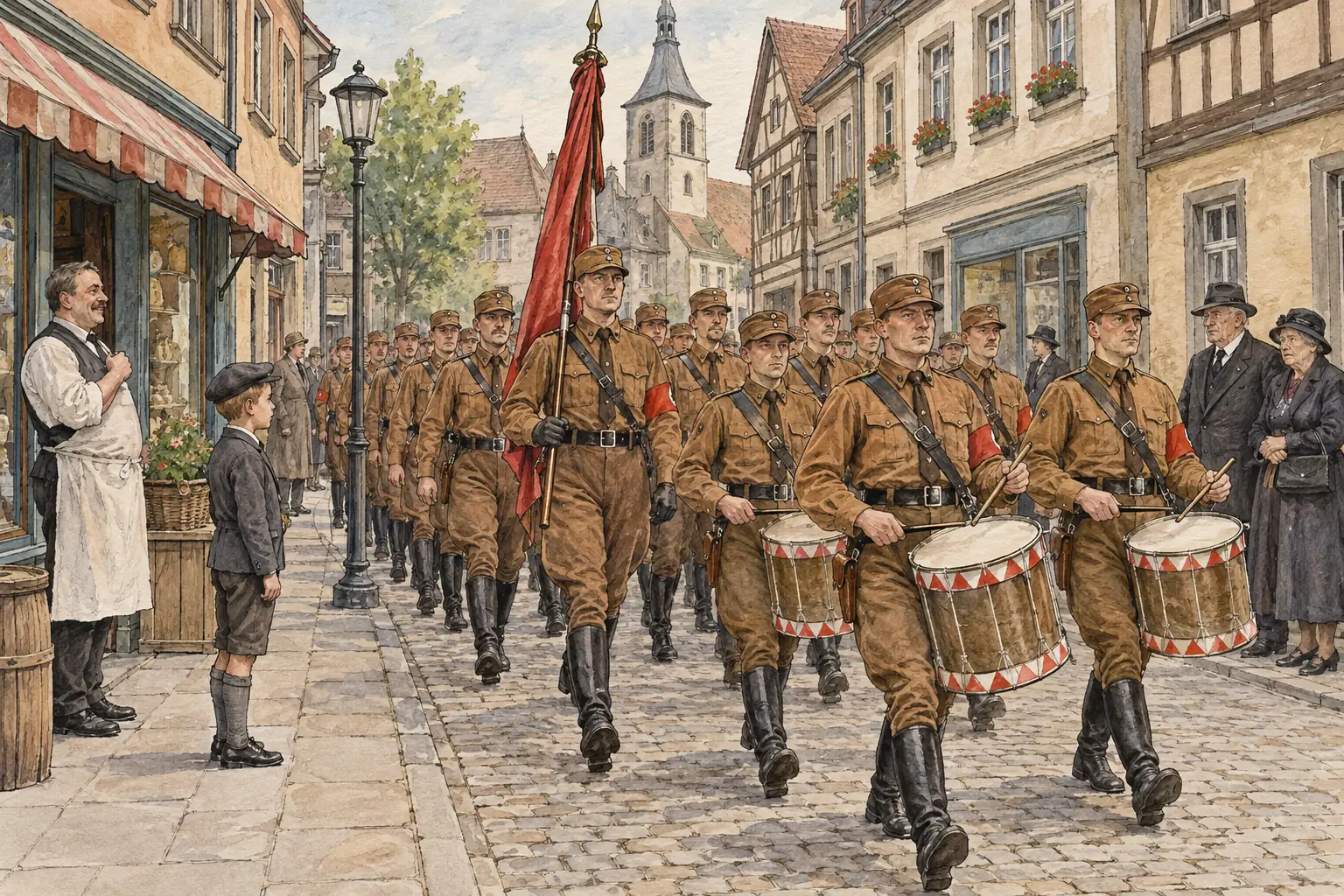
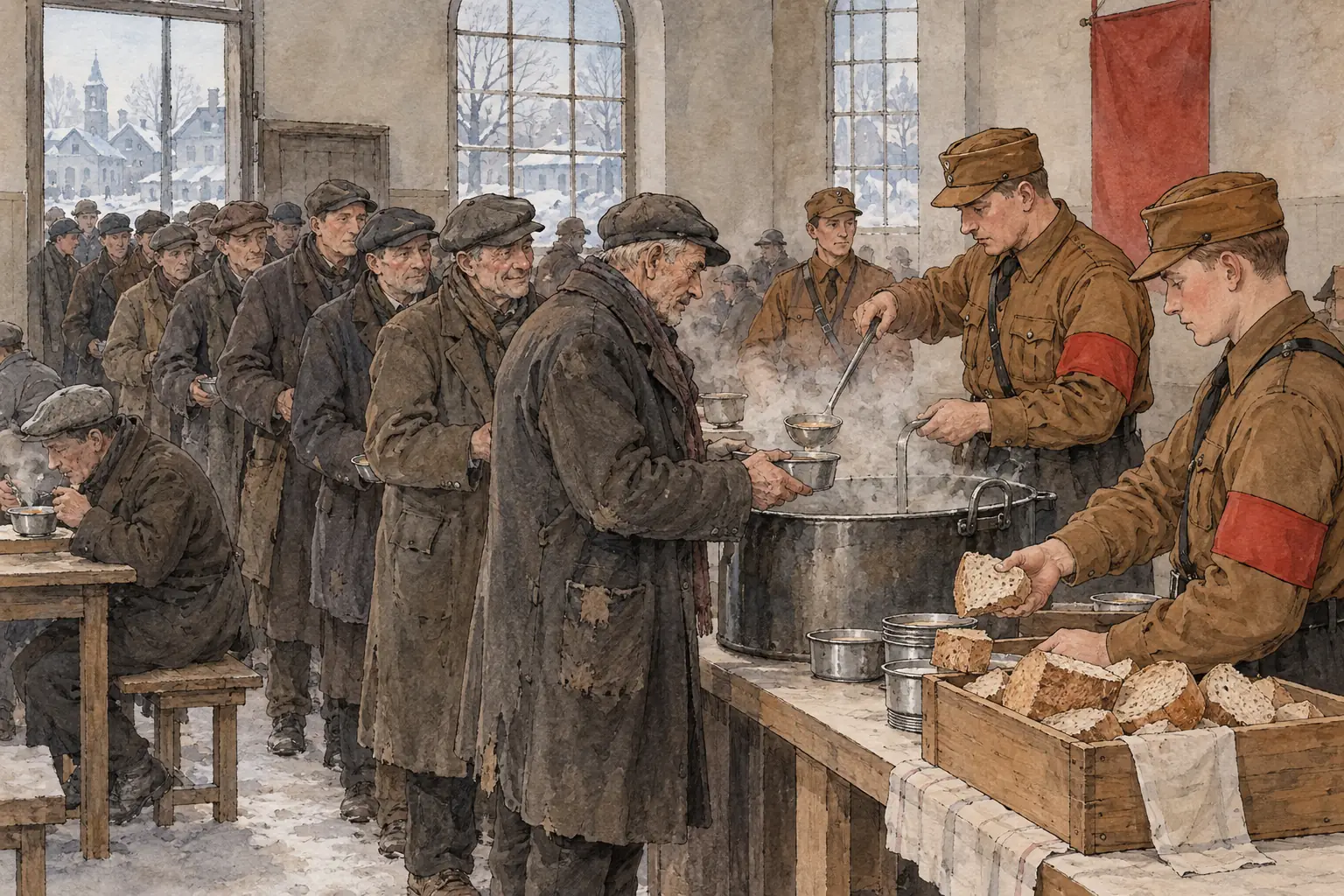
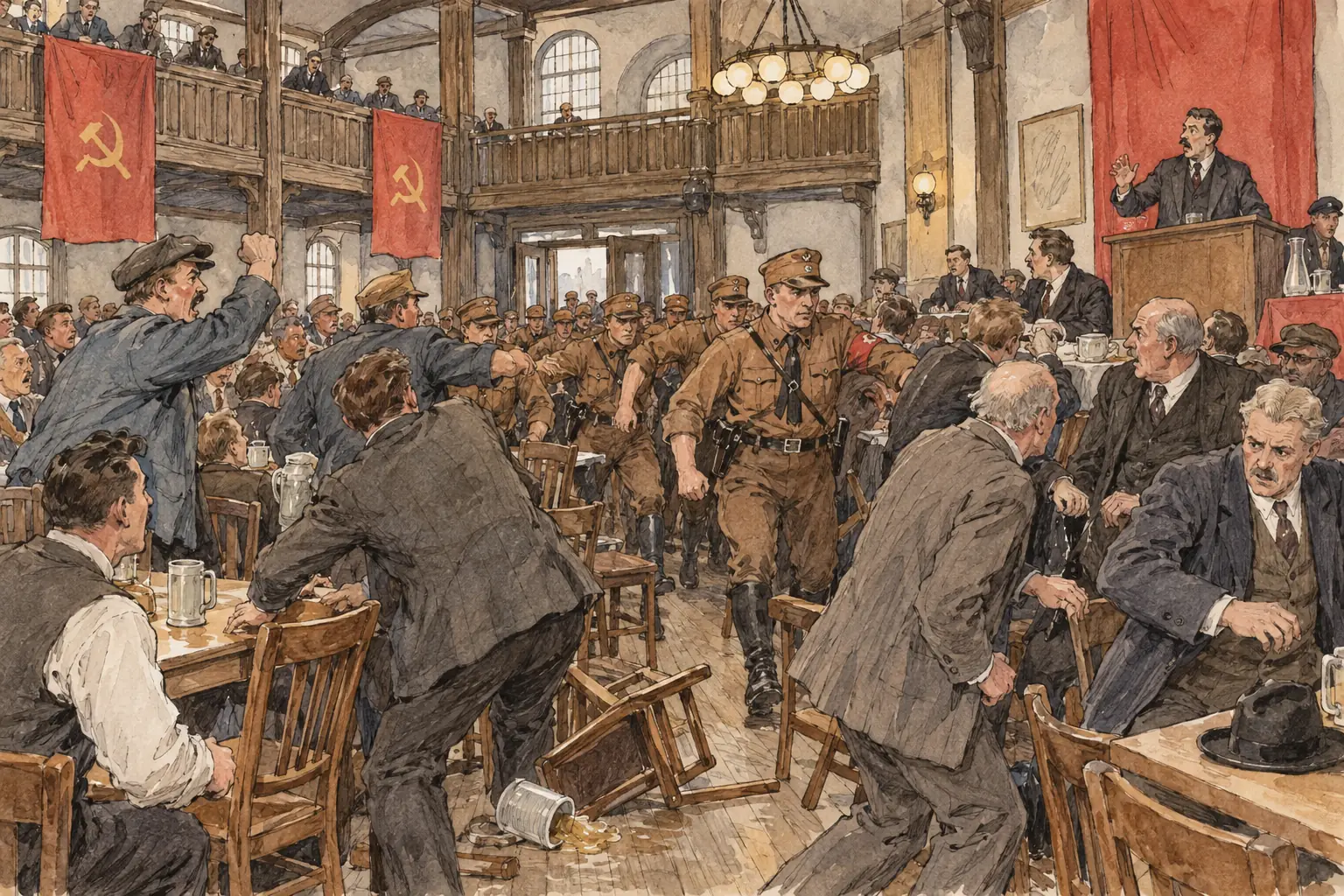
The Sturmabteilung (SA), the Nazi Party's paramilitary wing, was instrumental in demonstrating power and order during a time of chaos. It helped create an image of discipline while suppressing opposition.
Ways the SA contributed to Nazi momentum
- Projection of strength - Uniformed SA marches and parades showcased organisation and force, appealing to those seeking stability.
- Intimidation tactics - The SA disrupted rival meetings and clashed with communists, creating fear and positioning the Nazis as defenders against threats.
- Community involvement - SA members provided aid during economic hardship, such as soup kitchens, to win local loyalty.
- Expansion and visibility - By 1932, the SA had grown to hundreds of thousands, making the party appear unstoppable.
Broad promises to different social groups
The Nazis crafted flexible policies that appealed to various segments of society, adapting messages to address specific grievances without rigid commitments. This vagueness allowed wide-ranging support.
Tailored appeals to key groups
- Farmers - Promises of land reform and protection from imports addressed rural economic struggles.
- Middle class - Pledges to restore economic stability and combat inflation appealed to small business owners and professionals.
- Workers - Offers of job creation and anti-capitalist rhetoric targeted the unemployed, despite underlying pro-business leanings.
- Big business - Assurances of order and opposition to unions attracted industrial leaders seeking a stable environment.
Fear of communism and industrial support
Widespread anxiety about communist revolution, fuelled by events like the Russian Revolution, made the Nazis appear as a bulwark against left-wing extremism. This was bolstered by backing from wealthy elites.
Factors exploiting fear and gaining endorsements
- Anti-communist sentiment - The Nazis portrayed themselves as the only force capable of preventing a Bolshevik-style takeover, resonating amid strikes and unrest.
- Funding from industrialists - Figures like Alfred Hugenberg and Fritz Thyssen provided financial aid, viewing the Nazis as allies against socialism.
- Media access - Endorsements from business magnates granted the Nazis platforms in newspapers and radio, amplifying their reach.
- Societal context - Economic depression heightened fears, making Nazi promises of strong leadership more persuasive.
Key electoral gains from 1930 to 1932
The Nazis experienced rapid electoral success, capitalising on the Weimar Republic's weaknesses. These gains illustrated their growing momentum and set the stage for power.
Major electoral breakthroughs
- 1930 Reichstag election - Nazis jumped from 2.6% to 18.3% of the vote, securing 107 seats, as the Great Depression eroded faith in established parties.
- July 1932 election - With unemployment at 6 million, the party achieved 37.4% and 230 seats, becoming the largest in the Reichstag.
- November 1932 election - A minor setback to 33.1% and 196 seats, but still dominant, reflecting sustained appeal despite fatigue.
- Overall momentum - These results showed how the Nazis exploited crises, with membership soaring from 100,000 in 1928 to nearly a million by 1932.