4.3 - Kent State Shootings, 1970
Key facts and dates
The Kent State University shootings occurred amid growing opposition to the Vietnam War, particularly following the US invasion of Cambodia in 1970. This event highlighted tensions between protesters and authorities, sparking widespread outrage and intensifying debates about the war and civil rights.
Timeline of key events
- Late April 1970 – President Nixon announces the expansion of the Vietnam War into Cambodia, triggering nationwide student protests.
- 1 May 1970 – Initial demonstrations begin at Kent State University, including acts of vandalism in the town centre.
- 2 May 1970 – Protesters burn down the university's ROTC building, leading to the deployment of the Ohio National Guard.
- 4 May 1970 – National Guardsmen open fire on student demonstrators at Kent State, killing four and wounding nine.
- Mid-May 1970 – Over 4 million students participate in strikes at hundreds of campuses across the US.
- June 1970 – The Scranton Commission investigates the incident, concluding that the shootings were unjustified.
Context of protests against the Cambodia invasion
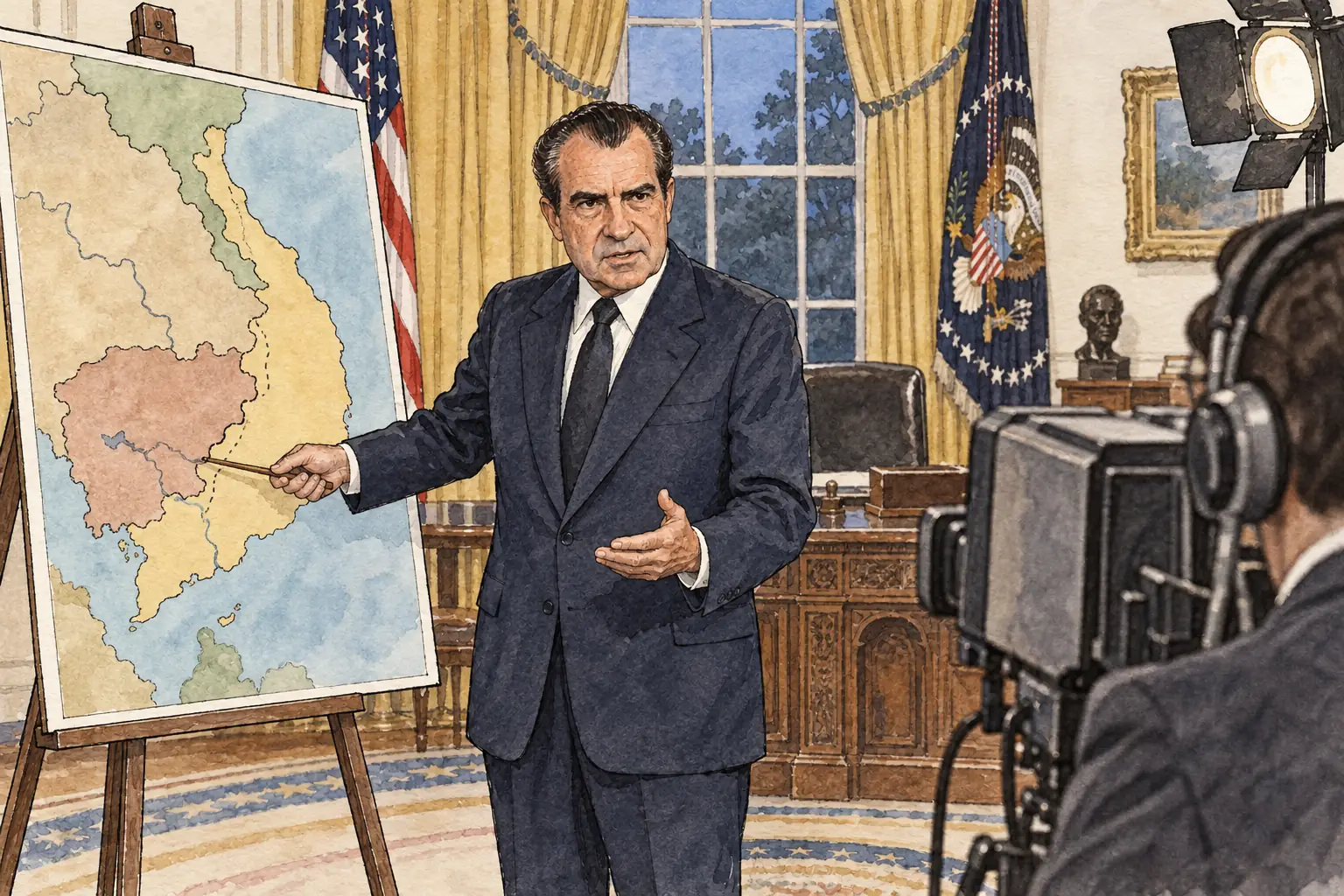
In the spring of 1970, opposition to the Vietnam War reached new heights when President Richard Nixon authorised the invasion of Cambodia to disrupt North Vietnamese supply lines. This decision, intended to weaken enemy forces, instead ignited widespread anger among Americans who believed it represented an escalation of an already unpopular conflict.
Factors leading to widespread protests
- Public frustration with the war - Many viewed the Cambodia incursion as a betrayal of Nixon's campaign promises to de-escalate US involvement in Vietnam, fuelling distrust in government policies.
- Student activism - Universities became hotspots for anti-war sentiment, with young people, many facing the draft, organising rallies to demand an end to military expansion and greater accountability.
- Broader social unrest - The protests built on existing movements against the war, including those influenced by civil rights campaigns and counterculture ideals, amplifying calls for peace and reform.
Events at Kent State University
Image 1 of 2: On the night of 2 May 1970 protesters burned the university's ROTC building, and the Ohio National Guard arrived
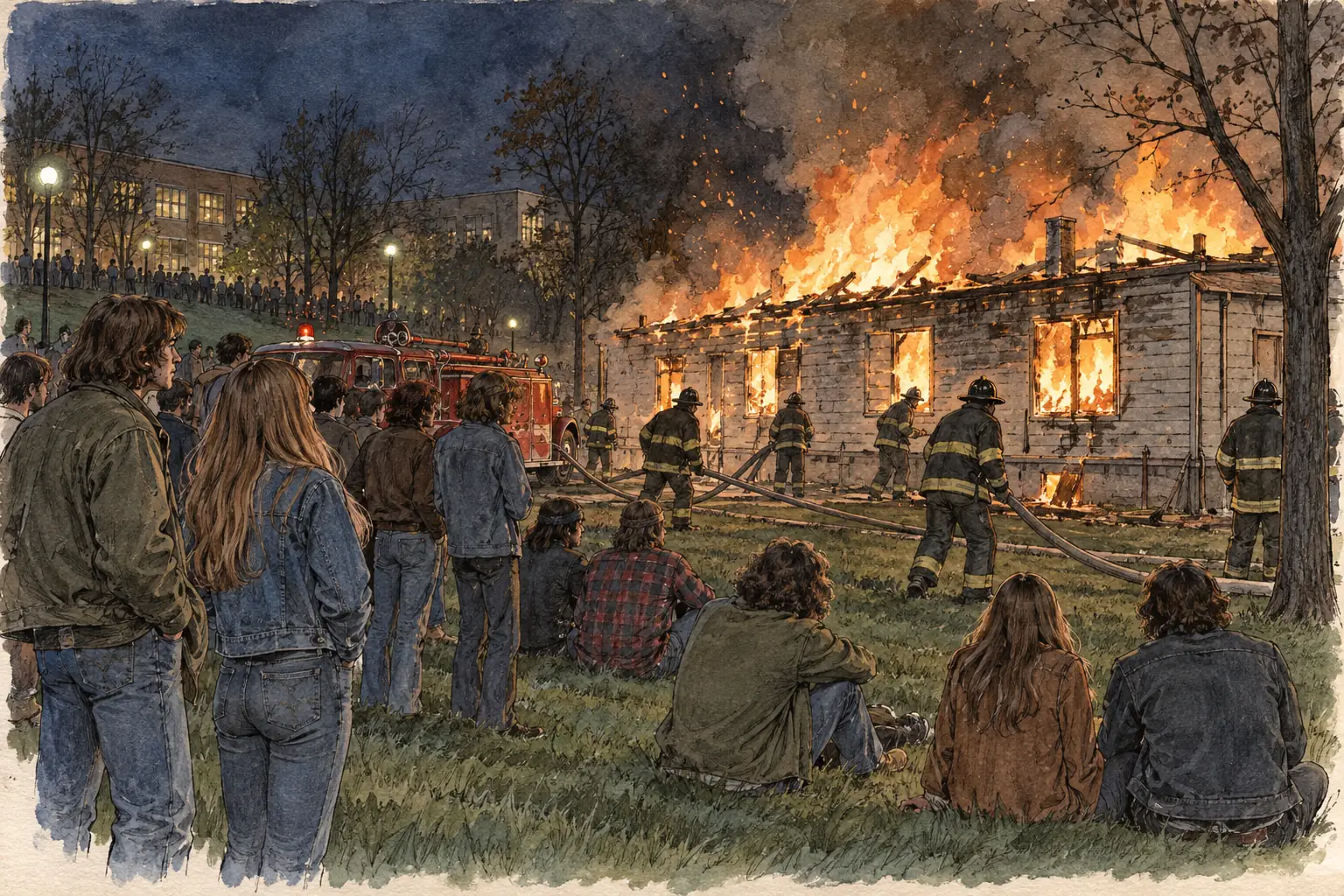
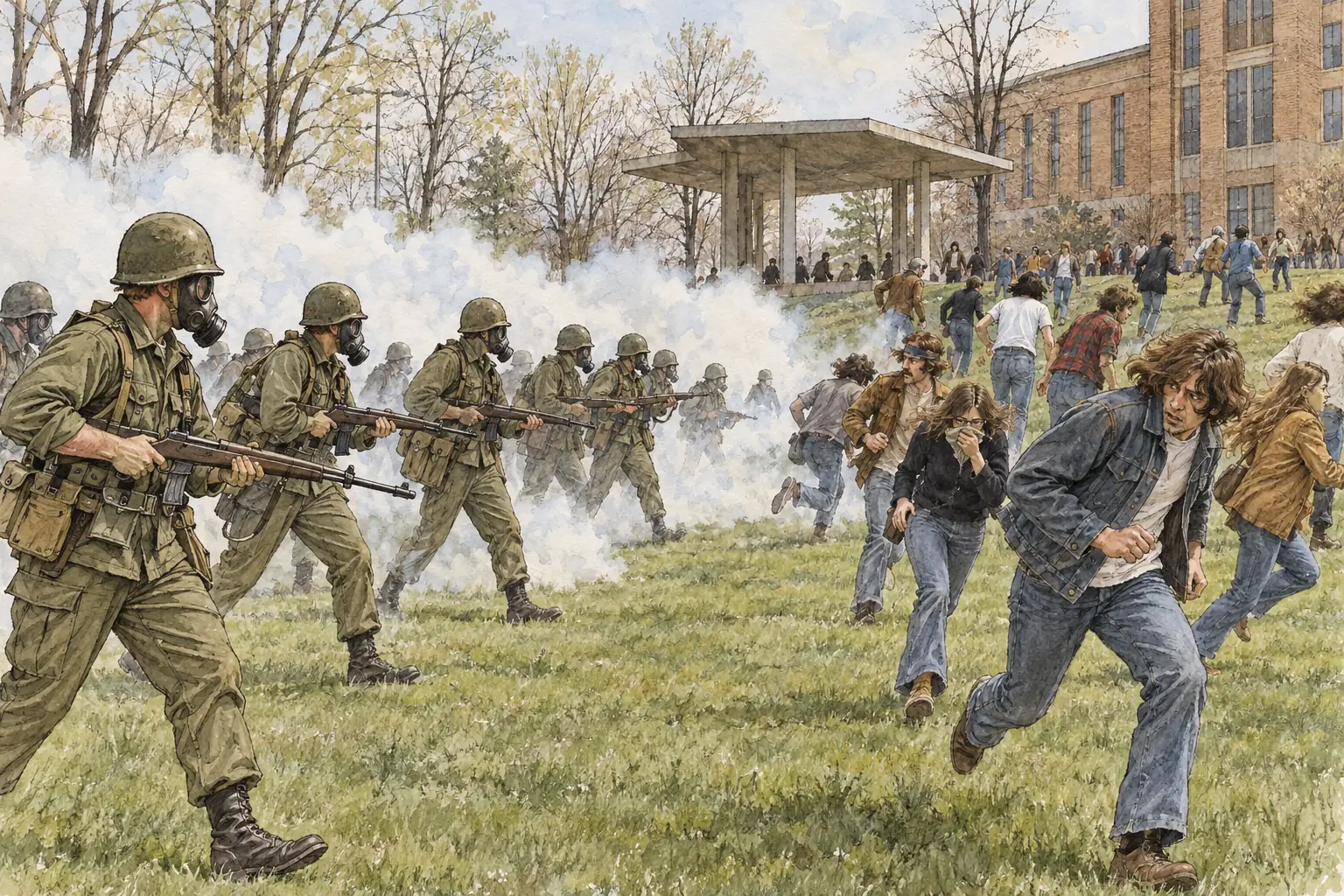
Kent State University in Ohio became a focal point for anti-war demonstrations following the Cambodia announcement. Tensions escalated over several days, culminating in a tragic confrontation between students and state authorities.
Sequence of events leading to the shootings
- Initial demonstrations - On 1 May 1970, students gathered to protest the Cambodia invasion, with some engaging in vandalism such as smashing shop windows in the nearby town.
- Escalation and response - The following day, protesters set fire to the university's Reserve Officer Training Corps (ROTC) building, prompting the Ohio governor to declare a state of emergency and deploy the National Guard.
- The confrontation on 4 May - During a noon rally, guardsmen advanced on the crowd, using tear gas to disperse students. In a span of 13 seconds, troops fired 67 rounds, killing four unarmed students (two of whom were not active protesters) and wounding nine others, some permanently.
National shock and immediate consequences
The shootings at Kent State sent shockwaves across the United States, exposing the depths of division over the Vietnam War and raising alarms about the use of force against civilians. The incident was widely covered in the media, with images of the violence amplifying public horror.
Immediate reactions to the incident
- Public outrage - Many Americans were appalled by the deaths of young students, viewing the event as an overreach of authority and a symbol of government repression.
- Government response - President Nixon expressed regret but blamed the protesters for provoking chaos, while the Scranton Commission later deemed the shootings unnecessary and called for reforms in handling demonstrations.
- Legal and social fallout - Investigations revealed poor communication among guardsmen, but no criminal charges were successfully pursued against them, deepening perceptions of injustice.
Impact on campus strikes and public debate
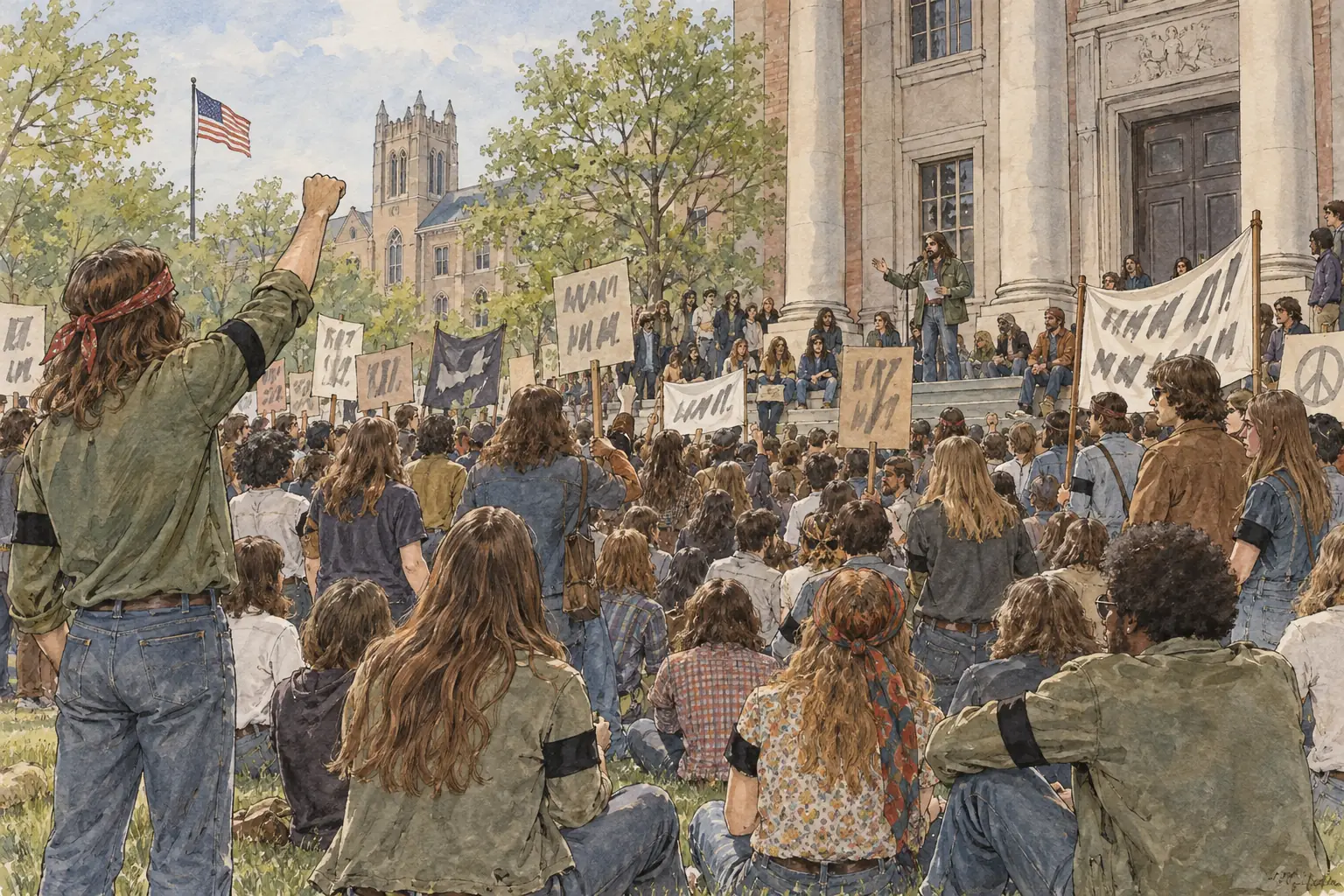
The Kent State tragedy galvanised anti-war efforts, leading to the largest student strikes in US history and reshaping discussions about the Vietnam War and civil liberties. It underscored the risks of dissent in a polarised society.
Effects on protests and broader discourse
- Widespread campus strikes - In response, more than 4 million students boycotted classes at over 900 colleges and universities, shutting down campuses and organising teach-ins to discuss the war's implications.
- Influence on public opinion - The event intensified scrutiny of US involvement in Vietnam, contributing to declining support for the war and pressuring policymakers to accelerate troop withdrawals.
- Debate over civil liberties - It sparked conversations about free speech, the right to protest, and the limits of military intervention in domestic affairs, influencing future policies on crowd control and highlighting tensions between authority and individual rights.