1.3 - Rival Claimants for the Throne
Key facts and dates
The death of Edward the Confessor in January 1066 sparked a succession crisis in England, with multiple claimants vying for the throne based on promises, heritage, and historical rights. This period of rivalry culminated in key battles that shaped the Norman Conquest.
Timeline of key events
- January 1066 – Edward the Confessor dies without a direct heir; the Witan elects Harold Godwinson as king.
- September 1066 – Harald Hardrada and Tostig invade northern England, defeating local earls at the Battle of Gate Fulford.
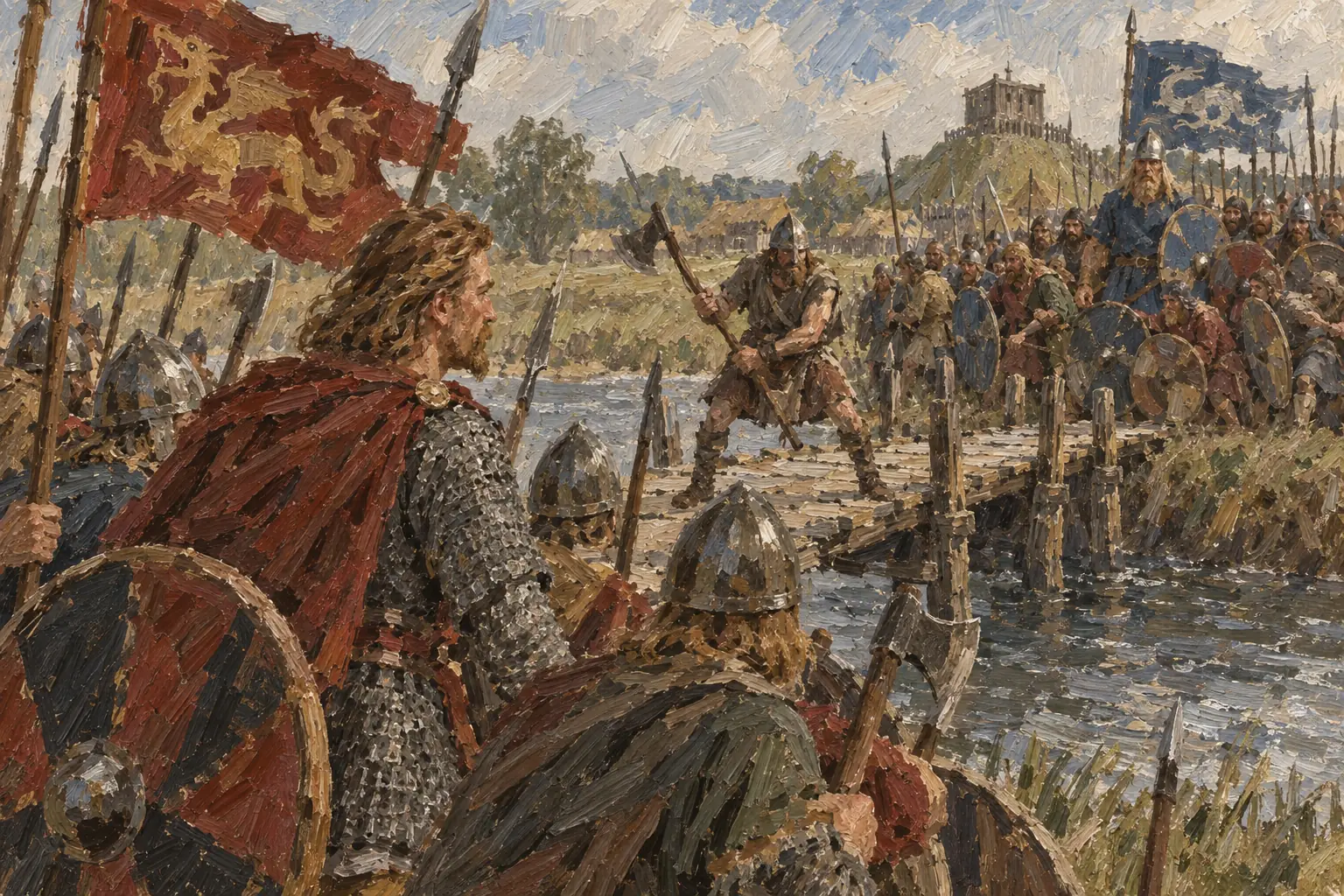
- 25 September 1066 – King Harold defeats and kills Hardrada and Tostig at the Battle of Stamford Bridge.
- Late September 1066 – William of Normandy invades southern England, capitalising on Harold's weakened army.
Rival claimants to the English throne
Following the death of Edward the Confessor in January 1066, England faced a succession crisis due to the absence of a clear heir. Several figures asserted their rights to the throne, each driven by a mix of personal ambition, historical precedents, and alleged promises.
Key claimants and their motivations
- William of Normandy - As Duke of Normandy and Edward's cousin, William claimed that Edward had promised him the crown during a visit in 1051. His motive was to expand his power and secure a legitimate royal title, backed by papal support which framed his claim as a holy mission.
- Harald Hardrada - The Viking King of Norway pursued a historic claim based on an old agreement between previous rulers of England and Scandinavia. Supported by Harold Godwinson's exiled brother Tostig, who sought revenge after being ousted as Earl of Northumbria, Hardrada aimed to revive Viking dominance in England through conquest.
- Edgar the Ætheling - As Edward's teenage great-nephew and a direct descendant of the Anglo-Saxon royal line, Edgar held a hereditary claim. However, his youth and lack of military or political support made his position weak, limiting his ability to press the claim effectively.
The Witan's choice of Harold Godwinson as king
Image 1 of 2: The day after Edward's death the Witan chose Harold as king
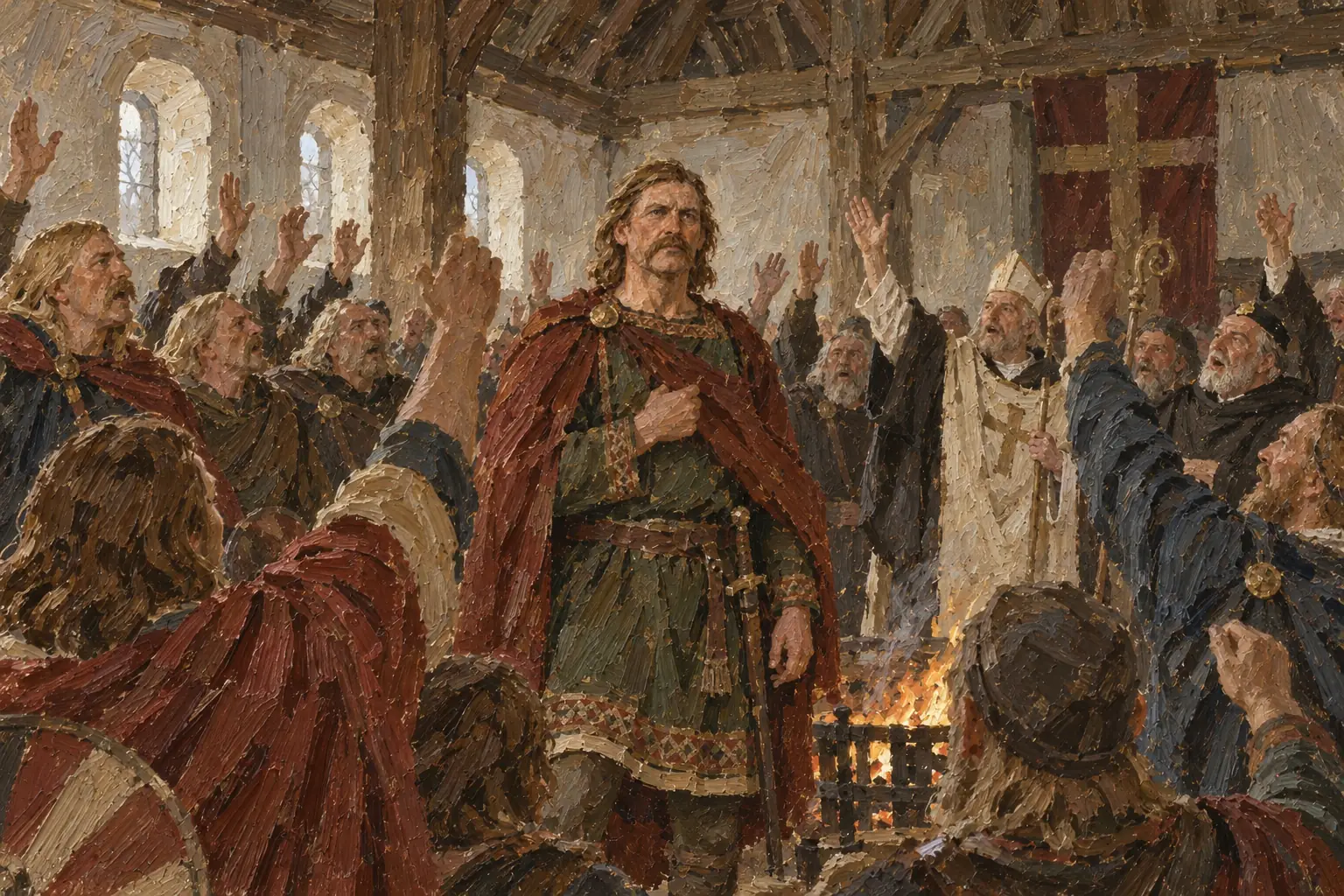
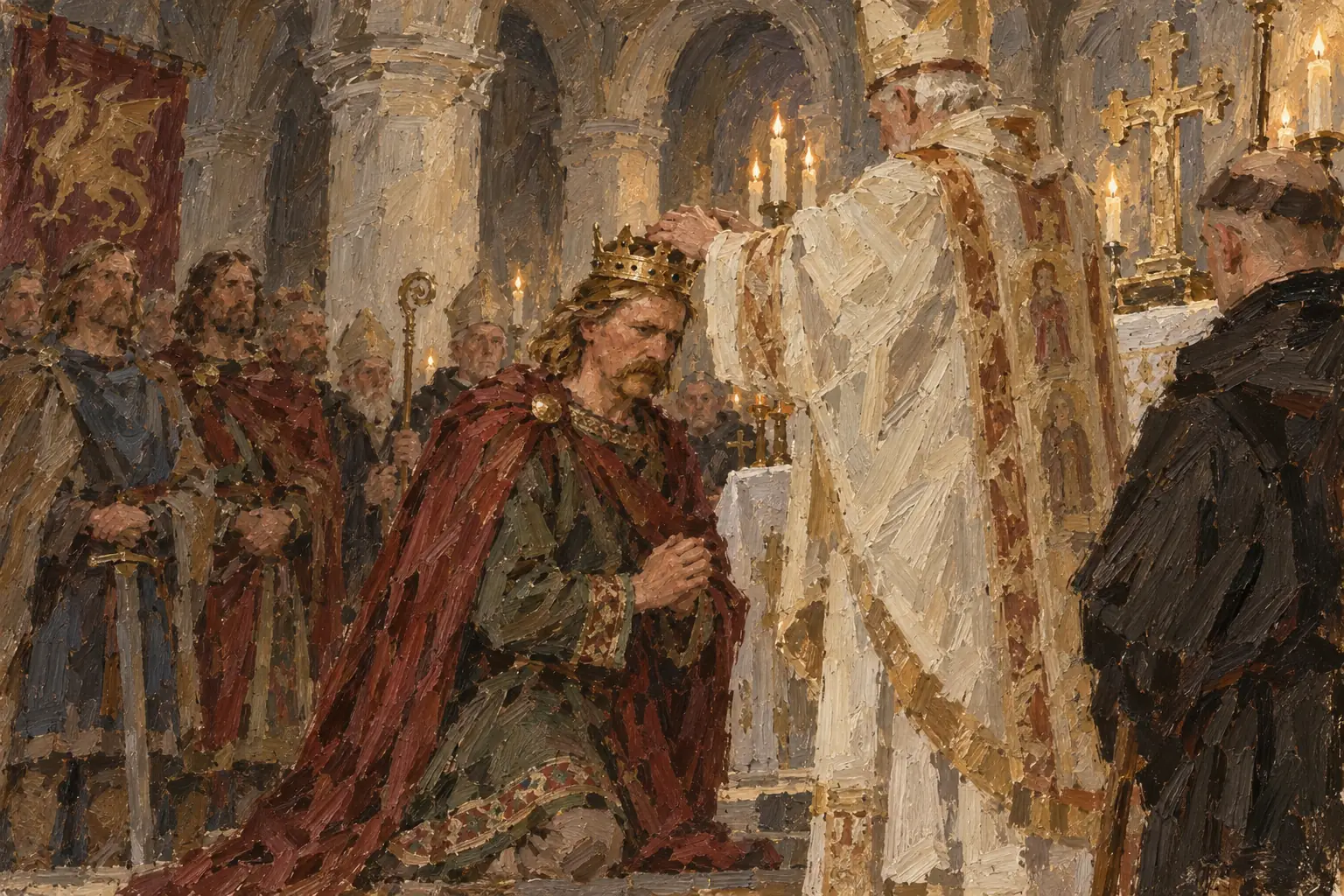
The Witan, a council of nobles, bishops, and advisors, played a crucial role in selecting Edward's successor. Amid the competing claims, they prioritised stability and experience, leading to a swift decision.
Selection process and rationale
- Election in January 1066 - On the day after Edward's death, the Witan chose Harold Godwinson, a powerful Anglo-Saxon earl and Edward's brother-in-law, as king. This decision was influenced by Harold's military prowess, administrative skills, and his claim that Edward had named him successor on his deathbed.
- Coronation and legitimacy - Harold was crowned immediately at Westminster Abbey, reinforcing his authority through traditional rituals. The Witan's support aimed to unify the kingdom against external threats, though it ignored the claims of foreign rivals.
Harold's reign and the battles in the north
Image 1 of 2: On 8 September 1066 Harold had to send home the fyrd that had guarded the south coast all summer
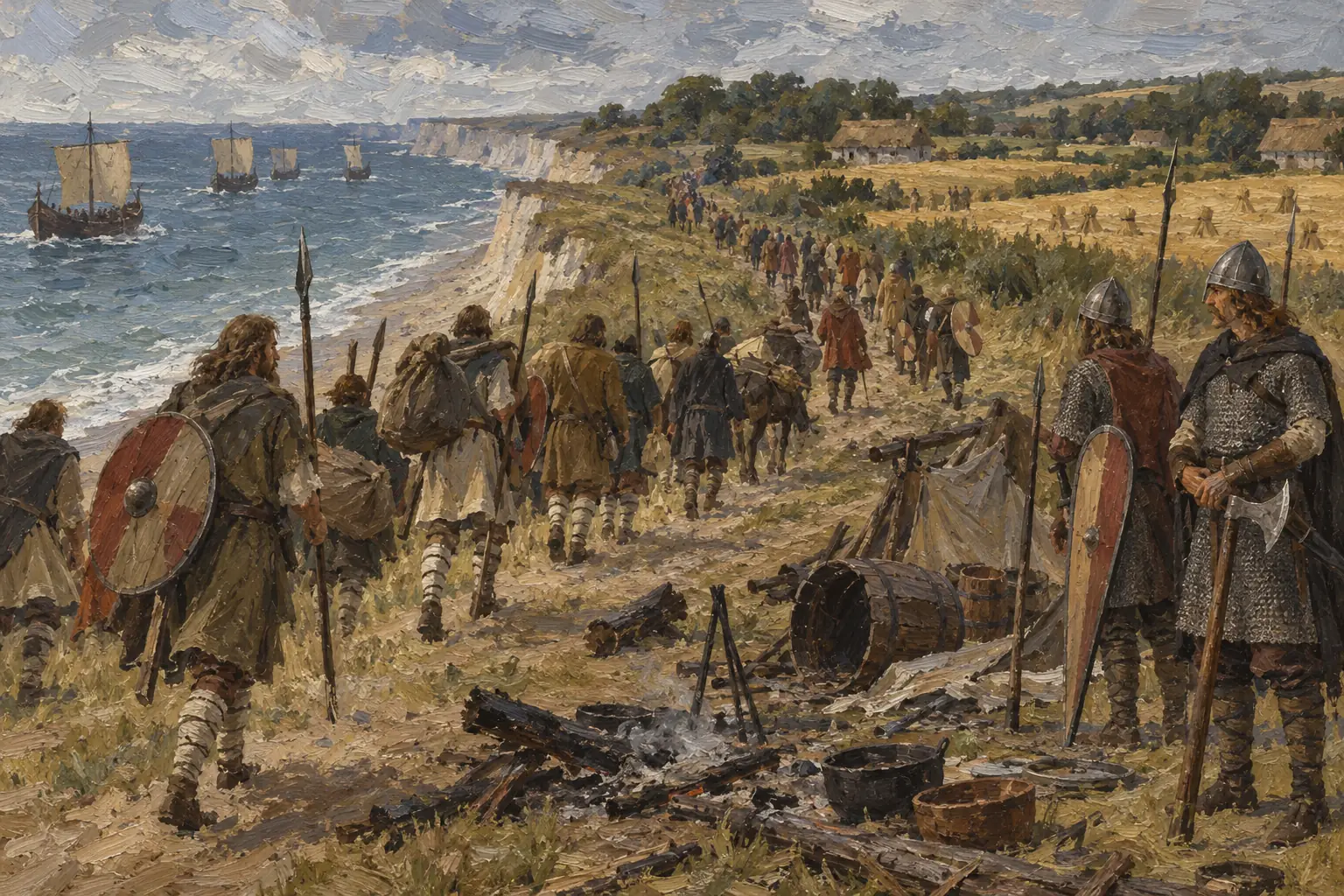
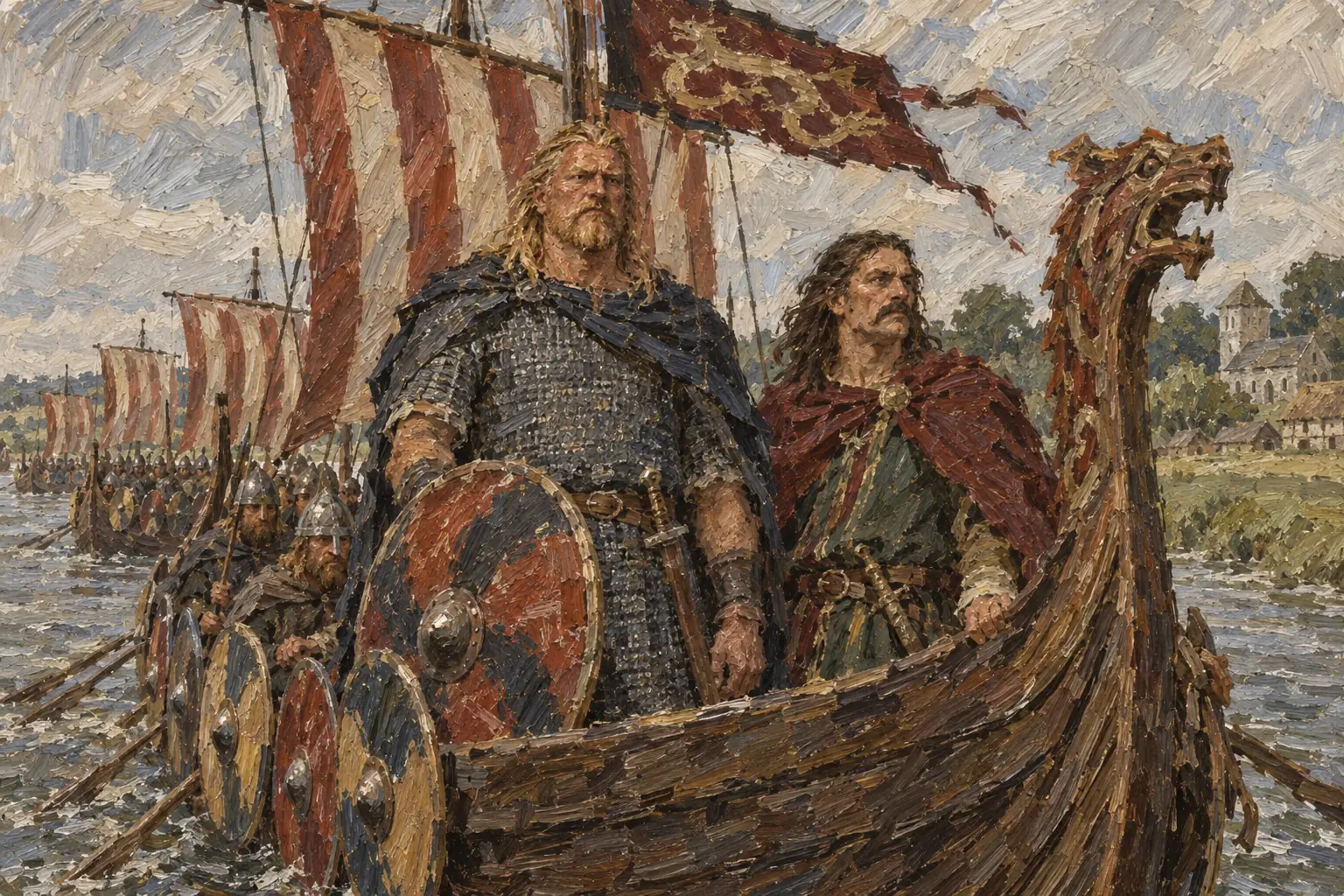
Harold Godwinson's reign began under immediate pressure from rival claimants, forcing him to defend the kingdom on multiple fronts. His early months involved consolidating power while preparing for invasions.
Challenges during Harold's early reign
- Competing threats - Harold faced simultaneous dangers from William in the south and Hardrada in the north, compounded by internal divisions such as Tostig's alliance with the Vikings.
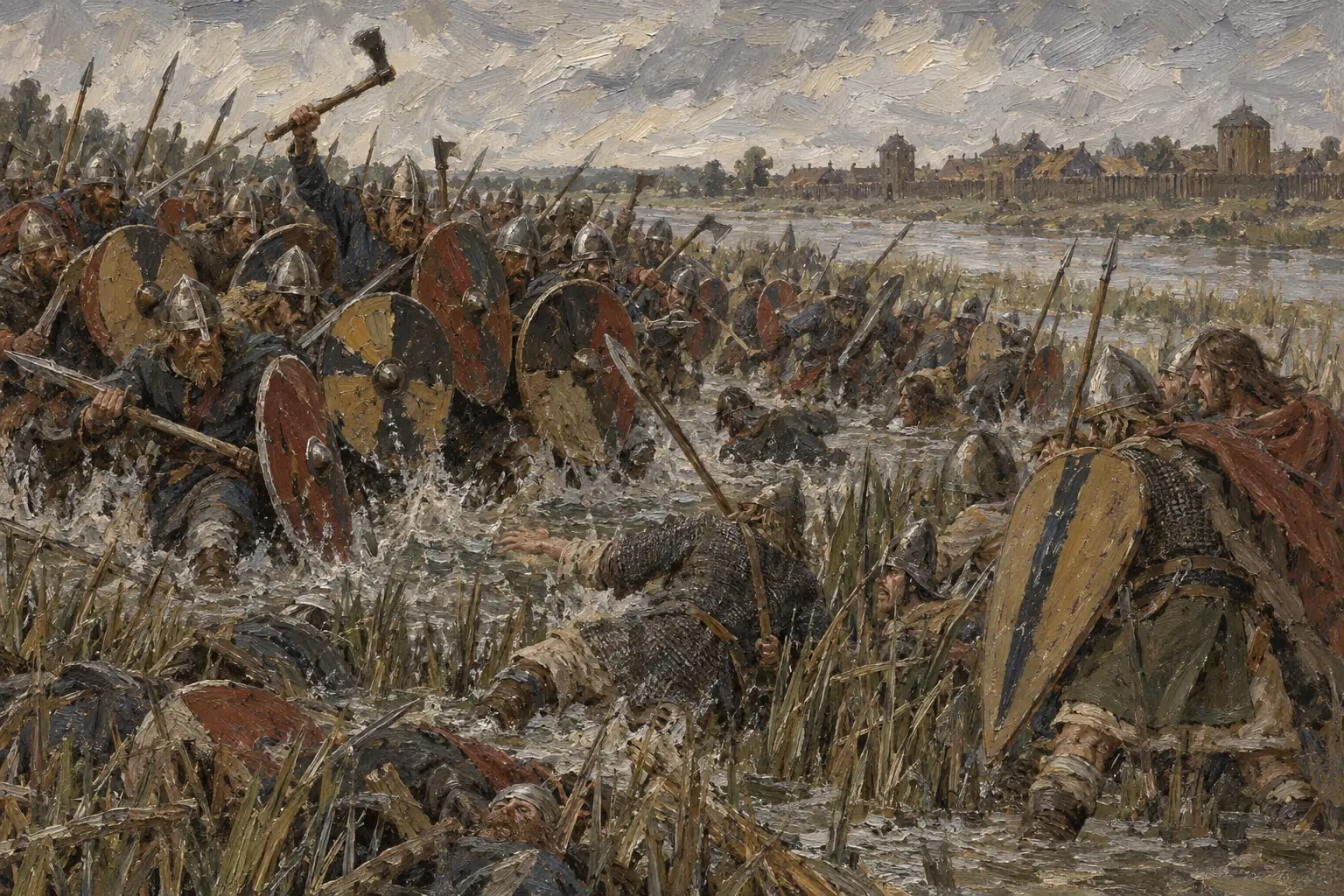
- Invasion in the north - In September 1066, Hardrada and Tostig landed in Yorkshire, quickly engaging local forces. They defeated the northern earls Edwin and Morcar at the Battle of Gate Fulford, securing a foothold and weakening English defences in the region.
- Harold's response - Harold marched his army north at speed, covering over 300 kilometres in just four days to confront the invaders, demonstrating his strategic decisiveness.
Significance of Gate Fulford and Stamford Bridge
Image 1 of 2: At Gate Fulford Hardrada and Tostig defeated Edwin and Morcar and took York
The northern battles in September 1066 marked a turning point, eliminating one major threat but at a considerable cost to Harold's forces. These engagements highlighted the vulnerabilities of the English army.
Results of the key battles
- Battle of Gate Fulford - Hardrada and Tostig's victory over the northern earls allowed them to capture York, boosting their momentum but stretching their supply lines.
- Battle of Stamford Bridge - Harold's surprise attack on 25 September led to a decisive English win; both Hardrada and Tostig were killed, effectively ending the Viking claim and securing northern England.
Long-term significance
- Removal of a rival - The defeat eliminated Hardrada as a contender, allowing Harold to focus on William, though it came at the expense of heavy casualties among his elite housecarls.
- Impact on English forces - The battles left Harold's army exhausted and depleted after rapid marches and fierce fighting, reducing their effectiveness when William invaded the south just three weeks later.
- Strategic consequences - These events weakened Harold's position, contributing to his defeat at Hastings by preventing full recovery and reinforcement of his troops.