2.1 - Causes of Disease, 1500–1700
Key facts and dates
The Renaissance period from 1500 to 1700 represented a time of gradual transition in medical thinking, where ancient theories endured alongside emerging scientific methods. Key developments in observation, technology, and institutions began to challenge traditional views, though fundamental causes of disease remained misunderstood.
Timeline of key events
| Date | Event |
|---|---|
| c.1440 | Invention of the printing press enables widespread sharing of medical texts and ideas. |
| 1500 | Traditional beliefs in the Four Humours, miasma, and supernatural causes remain dominant. |
| 1660 | Royal Society founded, promoting scientific discussion and research. |
| 1665 | Royal Society publishes its first journal, spreading new medical observations. |
| 1660s-1670s | Thomas Sydenham advances disease classification through patient observation. |
Continuity of traditional ideas about disease
At the start of the Renaissance around 1500, established beliefs about illness showed remarkable persistence. These concepts, inherited from earlier eras, continued to guide both professional medicine and everyday understanding, reflecting a slow pace of change.
Enduring traditional explanations for illness
- Four Humours theory - Physicians frequently drew on this ancient idea, which held that health relied on balancing four bodily fluids: blood, phlegm, yellow bile, and black bile.
- Miasma theory - Both doctors and the general population commonly attributed disease to poisonous air or unpleasant odours spreading sickness.
- Supernatural and astrological causes - Many people believed illnesses resulted from divine intervention, punishment from God, or the positions of stars and planets.
Emergence of new scientific approaches to medicine
Over the course of the Renaissance, a shift towards more rational methods began to take hold in medicine. This involved moving beyond blind adherence to classical texts and embracing evidence gathered from direct study.
Characteristics of the new scientific mindset
- Emphasis on observation - Medical practitioners increasingly focused on examining patients closely and questioning established doctrines.
- Promotion of inquiry - There was a rising interest in testing ideas through investigation rather than accepting ancient wisdom without challenge.
- Foundation for future progress - These developments created a basis for later medical breakthroughs by encouraging a methodical approach to health issues.
Key contributions of Thomas Sydenham
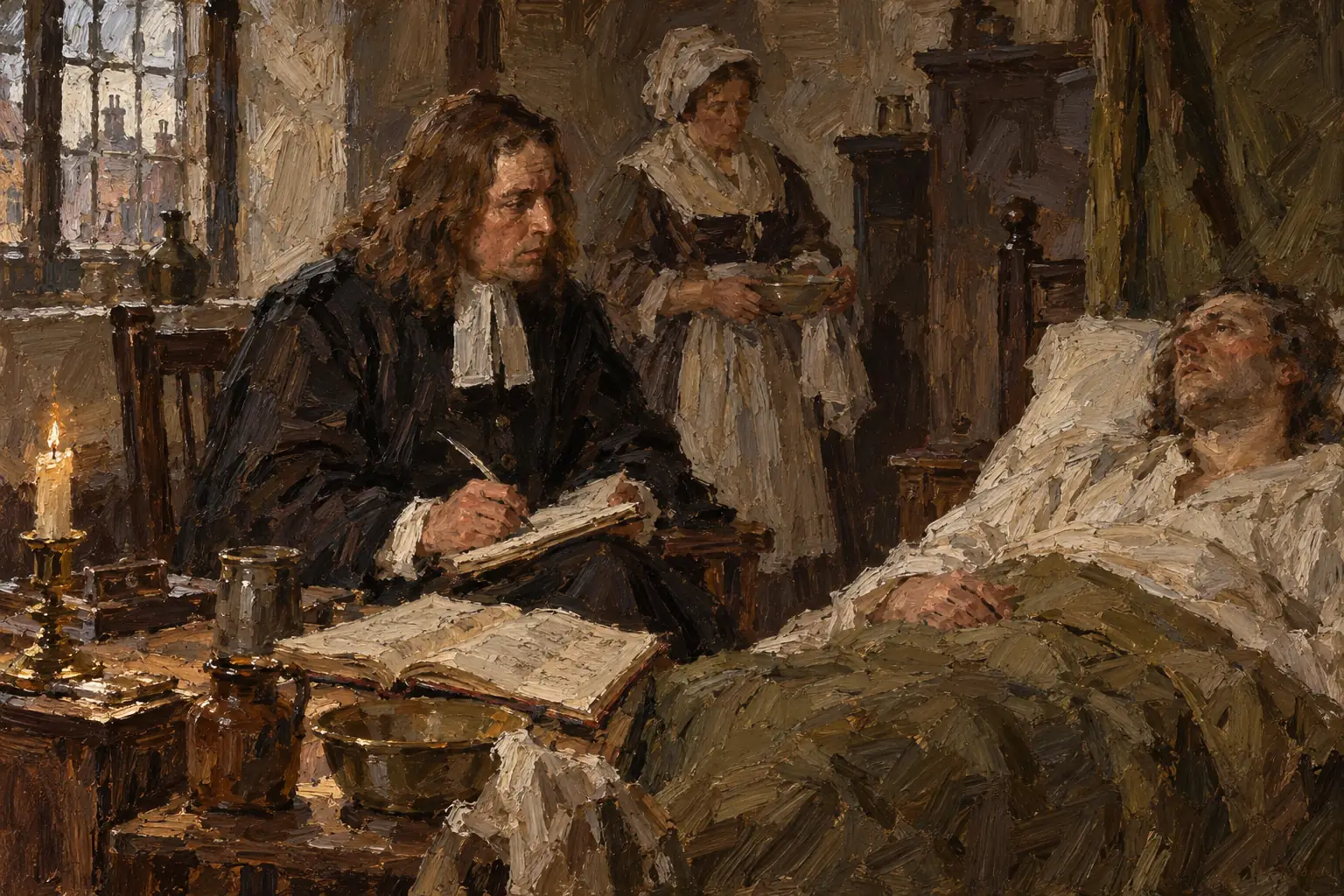
Thomas Sydenham, active as a physician in the 1660s and 1670s, made significant strides in how diseases were studied. Known as the "English Hippocrates," his methods emphasised practical evidence over theoretical speculation.
Sydenham's advancements in medical practice
- Systematic symptom tracking - He advocated for doctors to record patient symptoms meticulously and identify recurring patterns across cases.
- Disease classification - Sydenham proposed that illnesses could be grouped into distinct types, rather than treating each as entirely individual.
- Enhancements to diagnosis - While he did not identify underlying causes like germs, his empirical methods led to more reliable identification of conditions.
Impact of technology and institutions
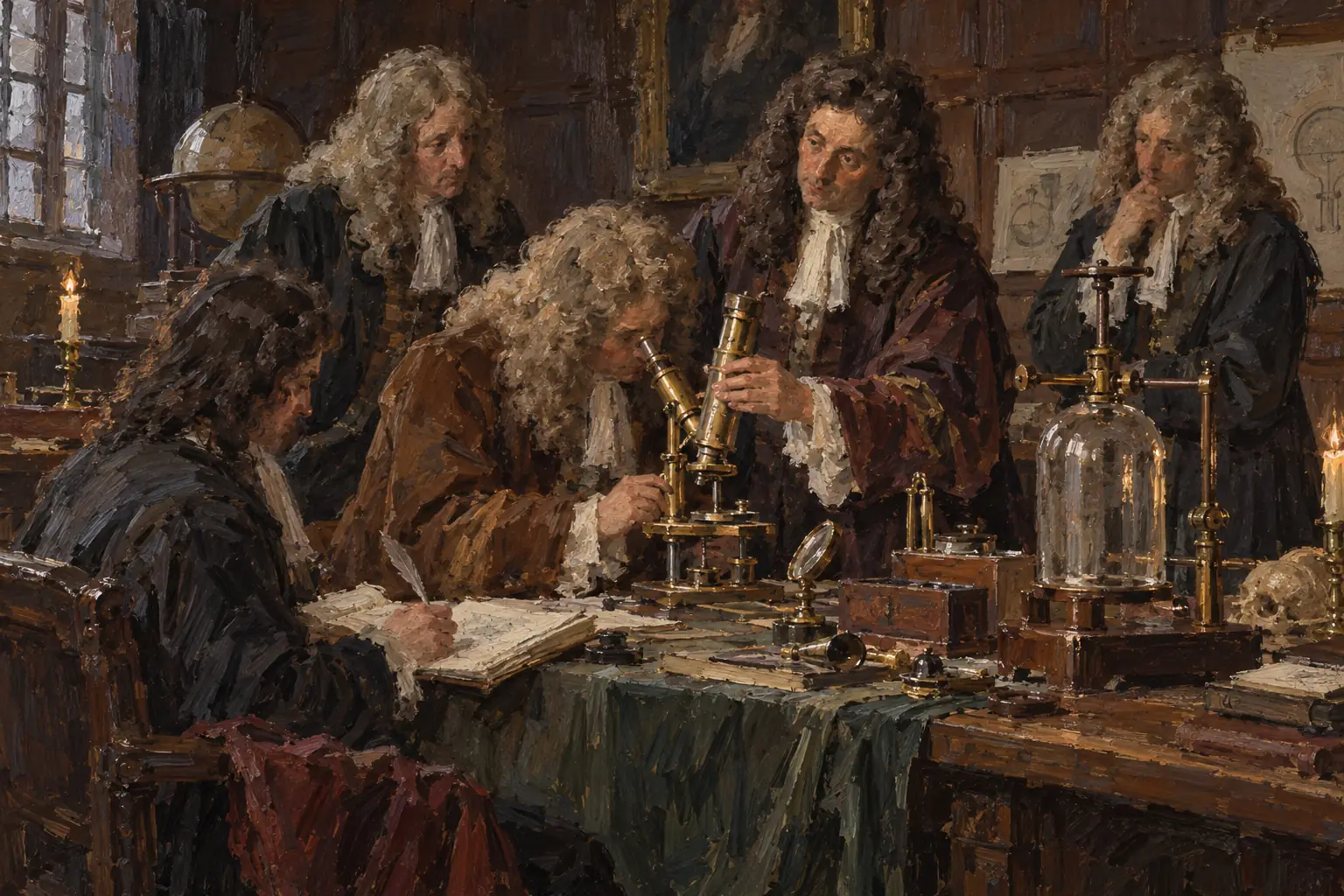
Technological innovations and new organisations during the Renaissance transformed how medical ideas were developed and disseminated. These changes diminished traditional barriers to knowledge and fostered collaborative progress.
Major technological and institutional influences
- Printing press (c.1440) - This invention allowed for the mass production of books, enabling the rapid spread of both classical medical works and innovative critiques across Europe.
- It reduced the Church's dominance over education by making information more accessible.
- Physicians could access discussions challenging figures like Galen and explore emerging concepts.
- Royal Society (1660) - Established with royal backing, this group created a space for experts to exchange findings on topics including anatomy and microscopy.
- Its journal, launched in 1665, distributed research widely, stimulating experimentation and debate.
- The society encouraged a culture of shared inquiry, accelerating advancements in medical understanding.
Limitations of understanding disease causes
Although the period introduced important innovations, knowledge of what truly caused diseases advanced only modestly. Old theories retained influence, and major discoveries were still forthcoming.
Persistent gaps in disease causation knowledge
- Undiscovered microbial role - The concept of tiny organisms causing illness was unknown, leaving explanations incomplete.
- Continued reliance on miasma - This theory of harmful vapours remained popular among professionals and the public.
- Lingering Four Humours influence - Despite growing scrutiny, it continued to appear in medical education and practice.
- Gradual nature of change - The Renaissance fostered critical thinking and openness to new ideas, but traditional views coexisted with these shifts for an extended time.