1.6 - Stresemann’s Economic & Diplomatic Recovery
Key facts and dates
Under Gustav Stresemann's leadership from 1923 to 1929, Germany experienced a period of economic stabilisation and diplomatic progress following the turmoil of the early Weimar years. These efforts focused on currency reform, reparations adjustments, and international reconciliation, though they masked underlying weaknesses.
Timeline of key events
- 1923 – Passive resistance in the Ruhr ends; Rentenmark introduced as temporary currency to combat hyperinflation.
- 1924 – Reichsmark replaces Rentenmark as stable currency; Dawes Plan restructures reparations with American loans.
- 1925 – Locarno Pact signed, guaranteeing western borders and easing tensions with France and Belgium.
- 1926 – Germany joins the League of Nations, marking acceptance into the international community.
- 1929 – Young Plan reduces reparations and extends payment period, supported by further U.S. investment.
Stabilisation measures for economic recovery
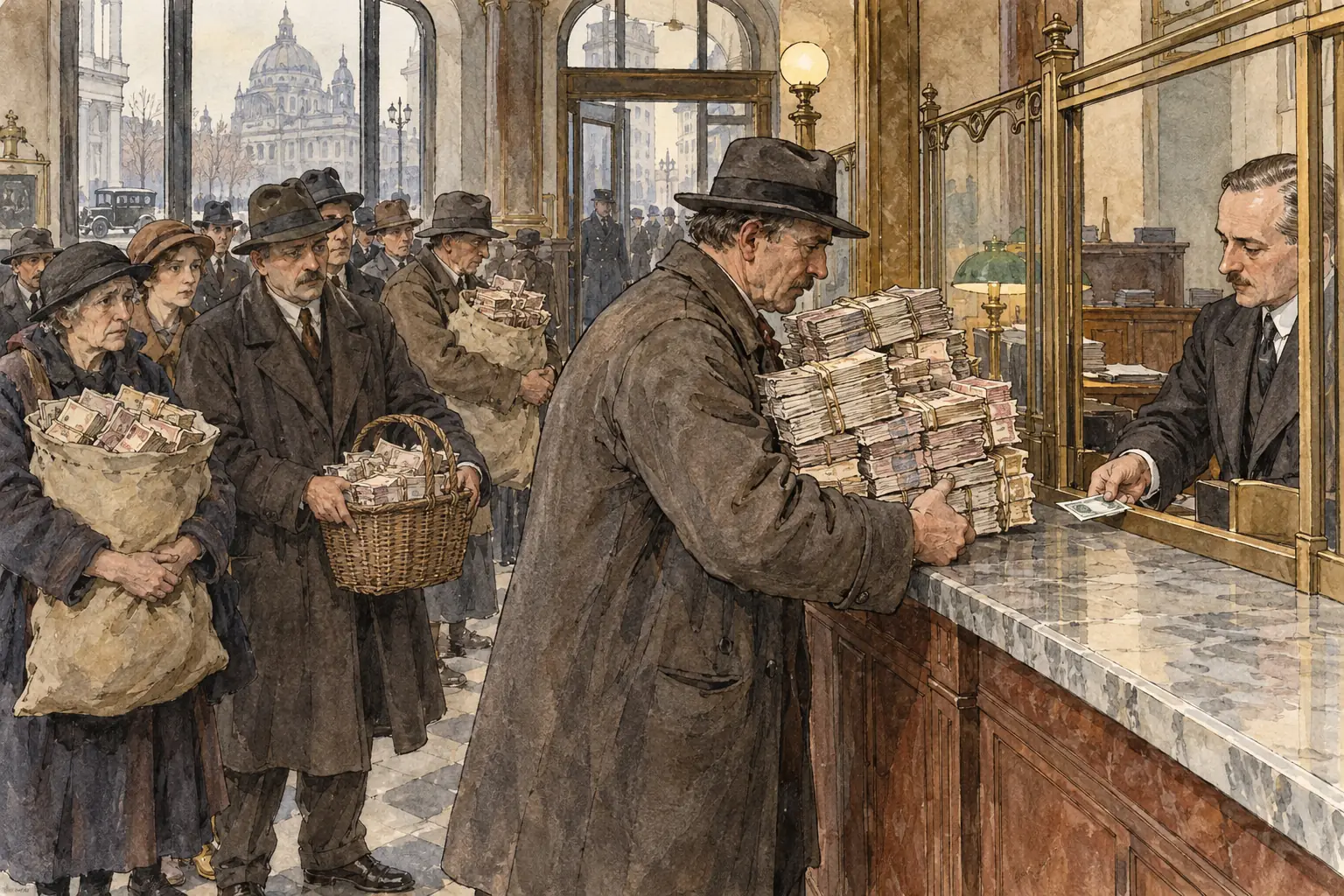
Gustav Stresemann, serving as chancellor in 1923 and foreign minister until 1929, implemented key policies to address Germany's economic chaos after the First World War. These steps targeted hyperinflation and industrial disruption, laying the foundation for short-term stability.
Key actions to stabilise the economy
- Ending passive resistance - In 1923, Stresemann halted the non-violent resistance against the French-Belgian occupation of the Ruhr, which had paralysed industry and fuelled inflation through government subsidies to strikers.
- Introduction of the Rentenmark - Launched in late 1923 as a temporary currency backed by land and industrial assets, this measure restored public confidence by limiting supply and pegging its value, effectively curbing hyperinflation.
- Transition to the Reichsmark - By 1924, the Rentenmark was replaced with the Reichsmark, a fully stable gold-backed currency, which provided a reliable medium for trade and savings.
Restructuring of reparations and finances
Germany's reparations burden from the Treaty of Versailles was a major economic strain, but Stresemann negotiated international agreements to ease payments and secure foreign funding. These plans redistributed financial obligations and injected capital into the economy.
Major financial restructuring initiatives
- Dawes Plan (1924) - This U.S.-led agreement reduced annual reparations to manageable levels, linked payments to Germany's economic performance, and arranged for American loans totalling around 800 million gold marks to support recovery.
- Young Plan (1929) - Building on the Dawes Plan, it further lowered total reparations to 112 billion gold marks, extended the payment period to 59 years, and facilitated additional U.S. investments, promoting industrial growth and infrastructure projects.
- Role of American loans and investment - U.S. capital funded public works, housing, and industry, enabling a boom in sectors like manufacturing and creating jobs, though it tied Germany's recovery to foreign credit.
Stresemann's foreign policy achievements
Image 1 of 2: Stresemann with the French and British foreign ministers at Locarno in 1925, where Germany accepted its western borders
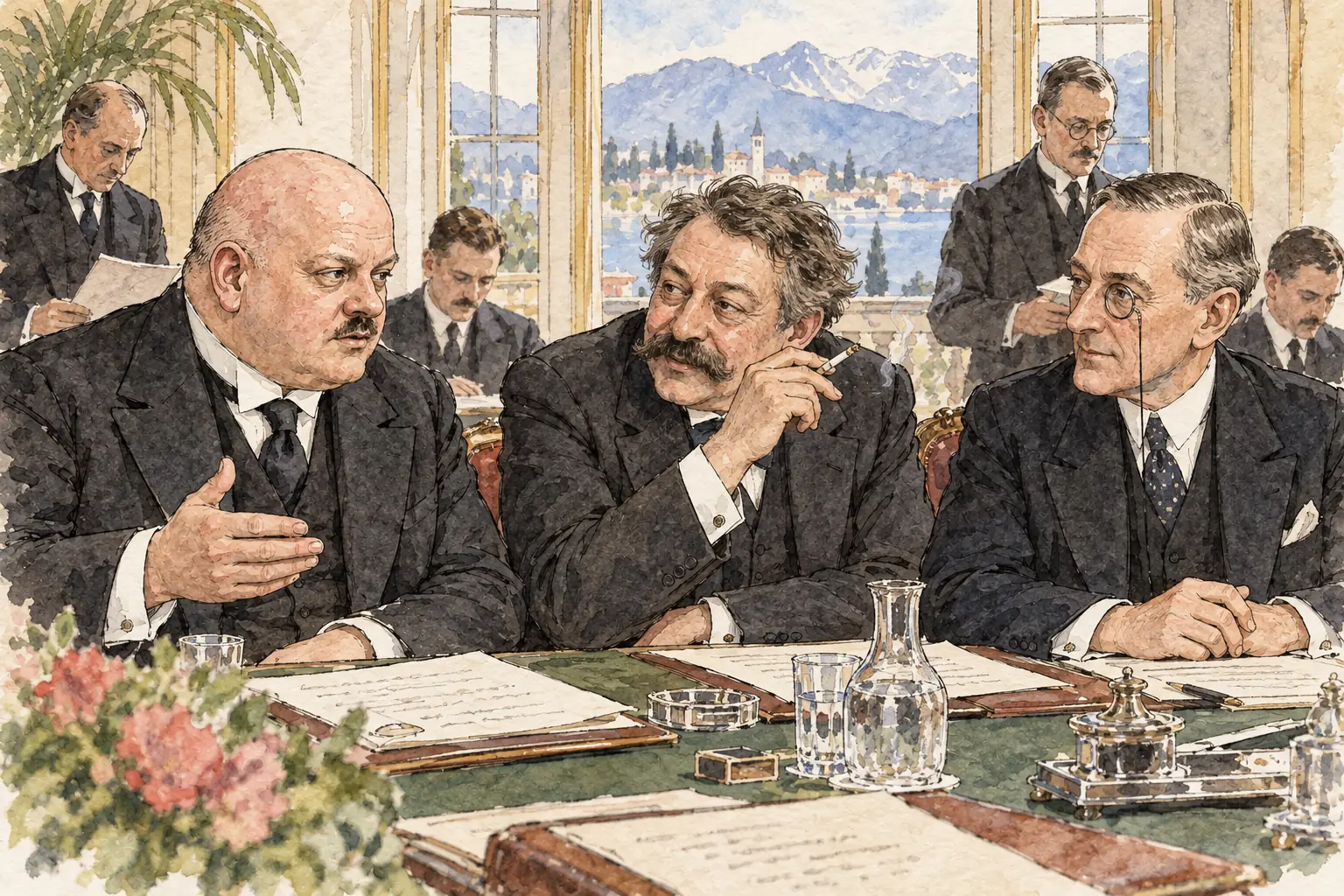
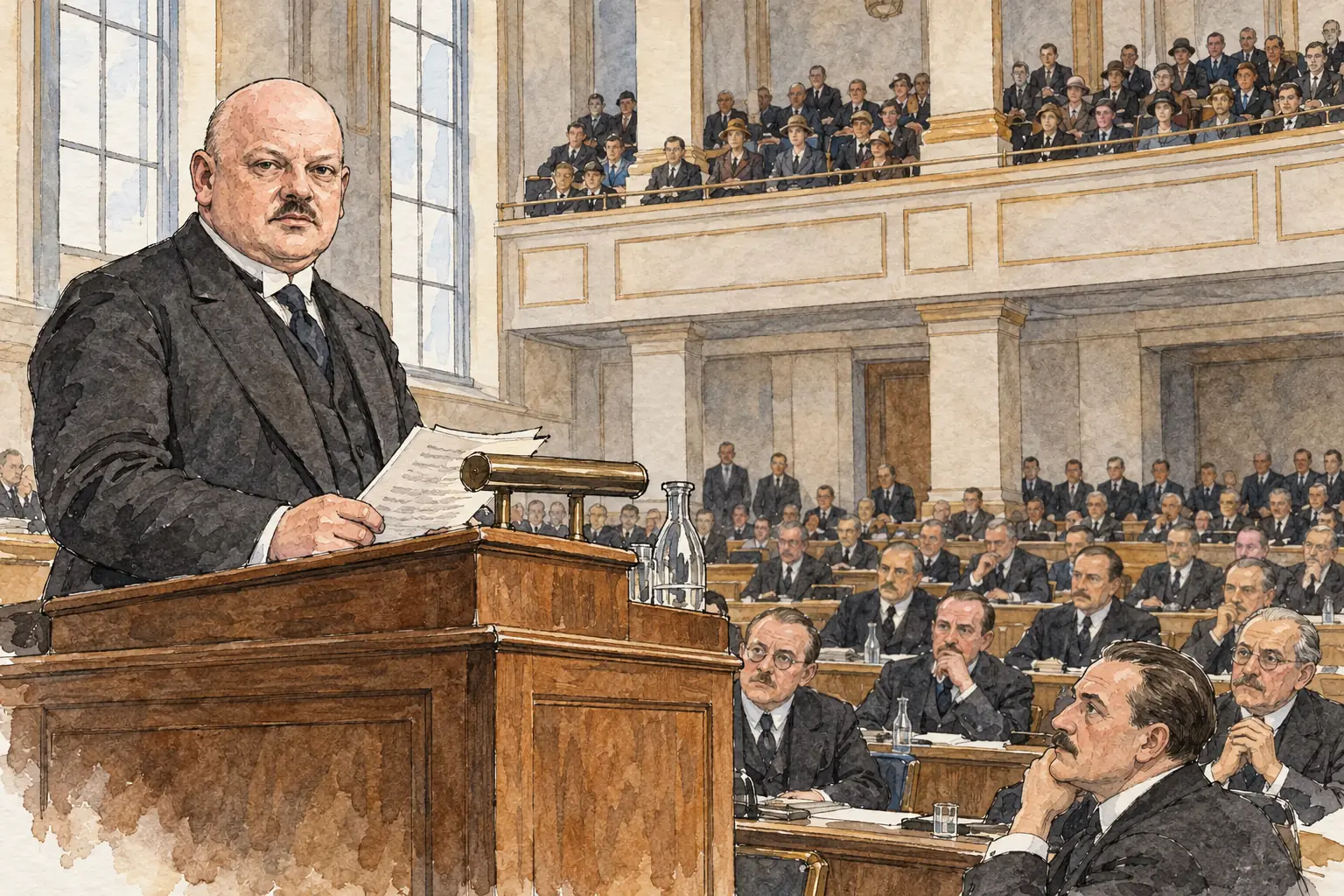
Stresemann pursued a policy of fulfilment, cooperating with the Treaty of Versailles to rebuild trust abroad. His diplomatic efforts focused on border security and international integration, reducing isolation and fostering peace.
Significant diplomatic agreements
- Locarno Pact (1925) - Germany, France, Belgium, Britain, and Italy mutually guaranteed western borders, with Germany renouncing claims to Alsace-Lorraine; this eased Franco-German tensions and opened doors for further negotiations.
- Joining the League of Nations (1926) - Germany's admission as a permanent council member signalled its rehabilitation, allowing participation in global decision-making and symbolising acceptance among former enemies.
Improvements in Germany's international standing
Stresemann's policies enhanced Germany's global position, leading to economic and diplomatic gains. These changes boosted trade and reduced the risk of conflict, contributing to a period of relative prosperity known as the "Golden Years".
Benefits from economic and diplomatic recovery
- Enhanced international relations - Agreements like Locarno and League of Nations membership normalised ties with Western powers, ending Germany's pariah status and encouraging diplomatic dialogue.
- Boost to trade and economy - Improved relations facilitated export growth, with American investments supporting industrial output; exports rose by over 50% between 1924 and 1929, aiding unemployment reduction.
- Cultural and social progress - Economic stability enabled advancements in arts, science, and welfare, fostering a sense of national revival and attracting foreign tourism and investment.
Lingering vulnerabilities and limitations
Despite notable successes, Stresemann's recovery was fragile, with dependencies and inequalities that left Germany exposed to future shocks. Achievements were not evenly distributed, highlighting structural weaknesses.
Key limitations of the recovery
- Reliance on foreign loans - Heavy dependence on short-term U.S. credit made the economy vulnerable to global downturns, as loans could be recalled, potentially triggering financial collapse.
- Uneven benefits across sectors and regions - Industrial areas like the Ruhr prospered, but agriculture lagged with falling prices and rural debt; unemployment persisted in some regions, exacerbating social divides.
- Political and economic fragility - The recovery masked ongoing resentment over Versailles, with right-wing groups criticising Stresemann's compromises; inflation controls succeeded, but the system remained susceptible to external pressures like the 1929 Wall Street Crash.