3.6 - Religion & Churches
Key facts and dates
The Nazi regime aimed to subordinate religious institutions to its ideology, initially through agreements but later through control and suppression. This led to tensions with both Catholic and Protestant churches, sparking opposition movements and state retaliation. The timeline below highlights the major developments in this conflict.
Timeline of key events
- 1933 – Concordat signed between Nazi Germany and the Vatican, promising religious freedom for Catholics in exchange for political neutrality.
- 1933 – Establishment of the German Christians movement to align Protestantism with Nazi ideals.
- 1934 – Formation of the Confessing Church as an opposition group within Protestantism.
- 1935 – Pastor Martin Niemöller arrested briefly for criticising Nazi interference in church affairs.
- 1937 – Papal encyclical "Mit brennender Sorge" condemns Nazi violations of the Concordat.
- 1937 – Niemöller arrested and sent to a concentration camp for his opposition activities.
The 1933 Concordat and its violations
Image 1 of 2: The Concordat signed in July 1933 promised to leave Catholic schools and groups alone if the Church stayed out of politics
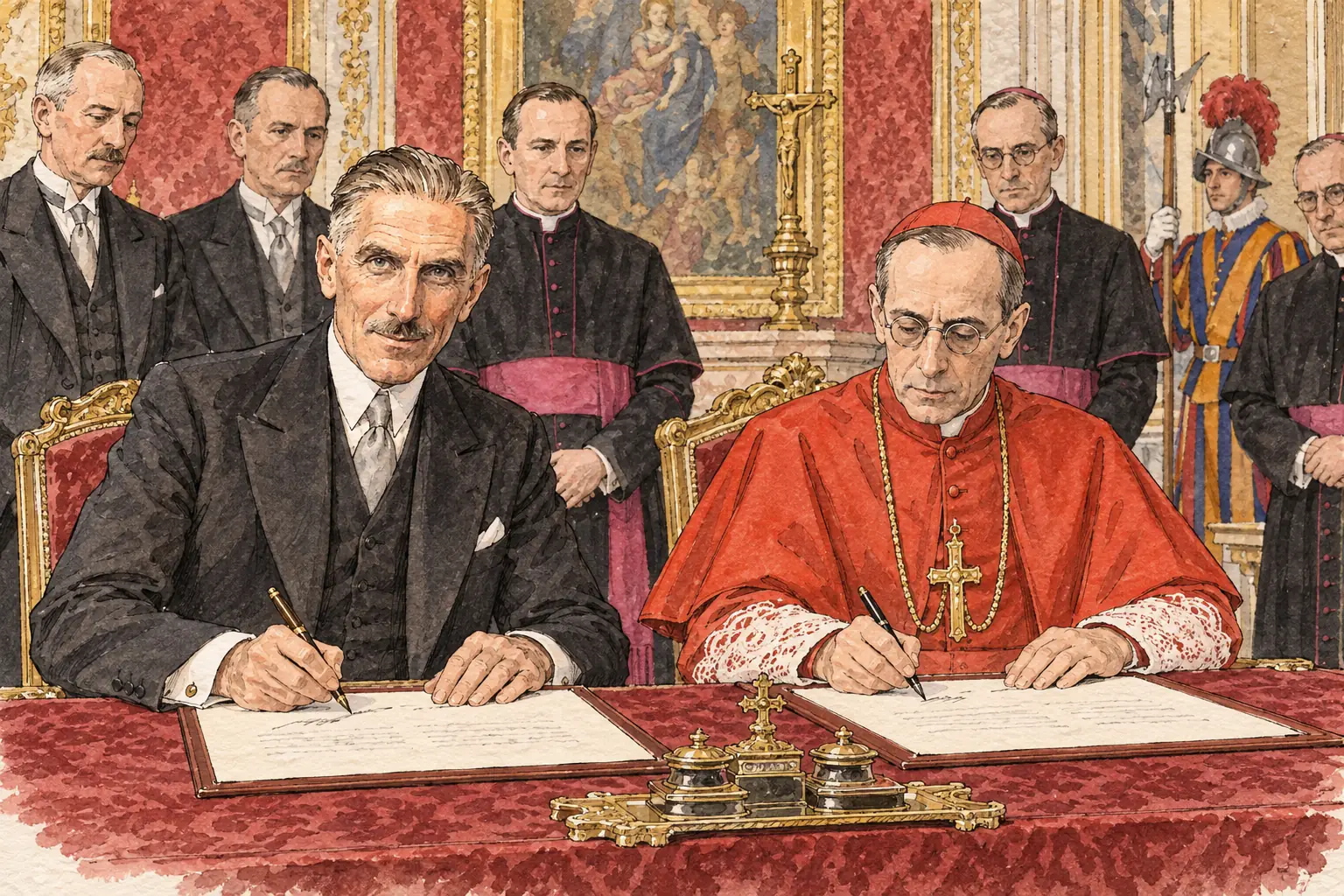
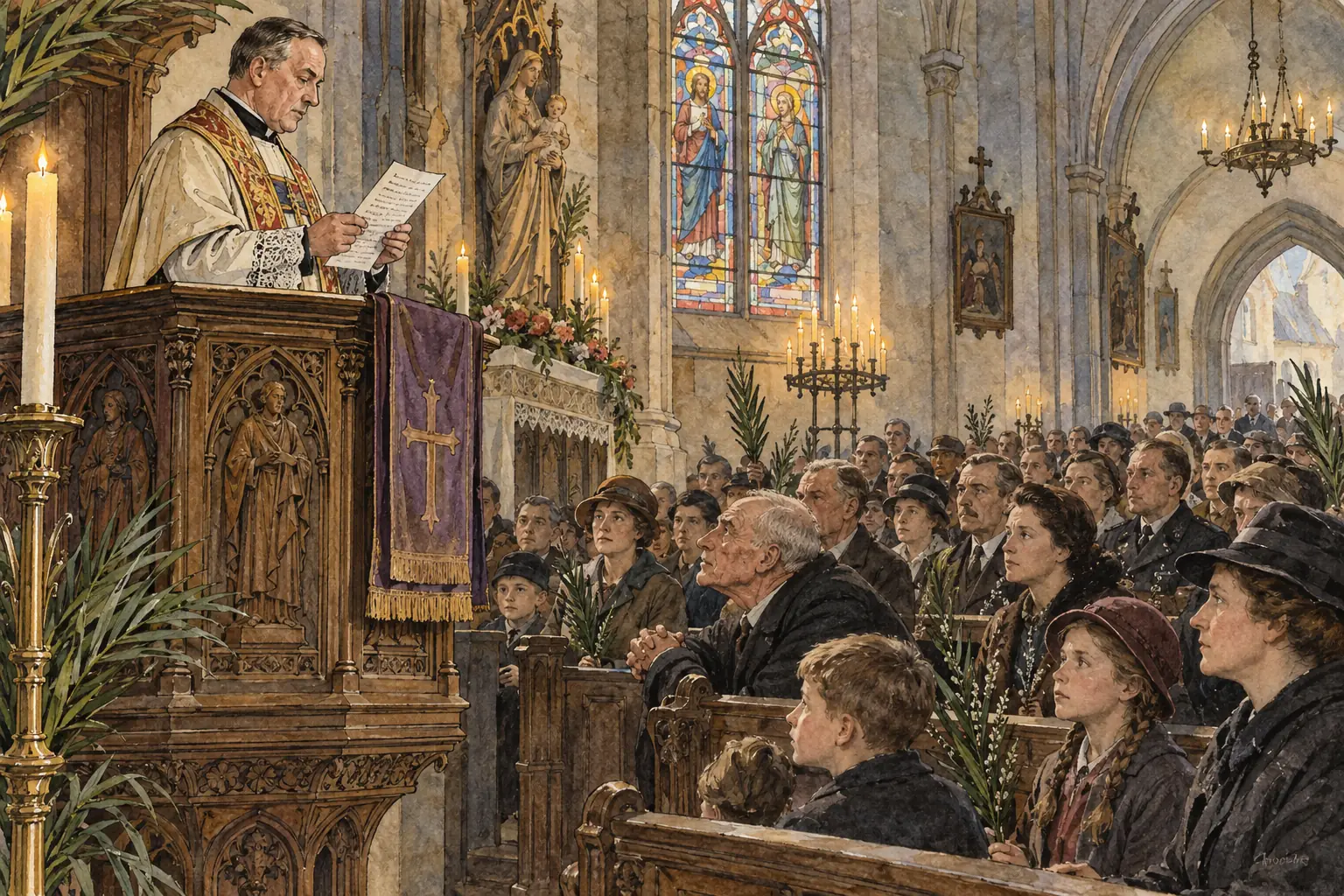
In July 1933, the Nazi government signed the Concordat with the Vatican to regulate relations with the Catholic Church, which represented about one-third of Germans. This agreement initially appeared to protect Catholic interests but was soon undermined by Nazi actions aimed at reducing church influence.
Key terms of the Concordat
- Promises of non-interference - The Nazis agreed to allow Catholic schools, youth groups, and religious practices to continue without state disruption, while the Church pledged to stay out of politics and not criticise the regime.
- Mutual benefits - For the Nazis, it helped legitimise their rule internationally; for the Vatican, it safeguarded Catholic rights in a Protestant-majority country.
Nazi violations of the agreement
- Closure of institutions - Catholic schools and newspapers were shut down, and youth organisations like the Catholic Youth League were banned or merged into the Hitler Youth.
- Harassment of clergy - Priests faced arrests for speaking against Nazi policies, such as eugenics or anti-Semitism, with trials often staged on false charges like immorality.
- Papal response - In 1937, Pope Pius XI issued the encyclical "Mit brennender Sorge", smuggled into Germany and read from pulpits, which criticised the regime's racism and interference in religious matters.
Attempts to establish a Reich Church
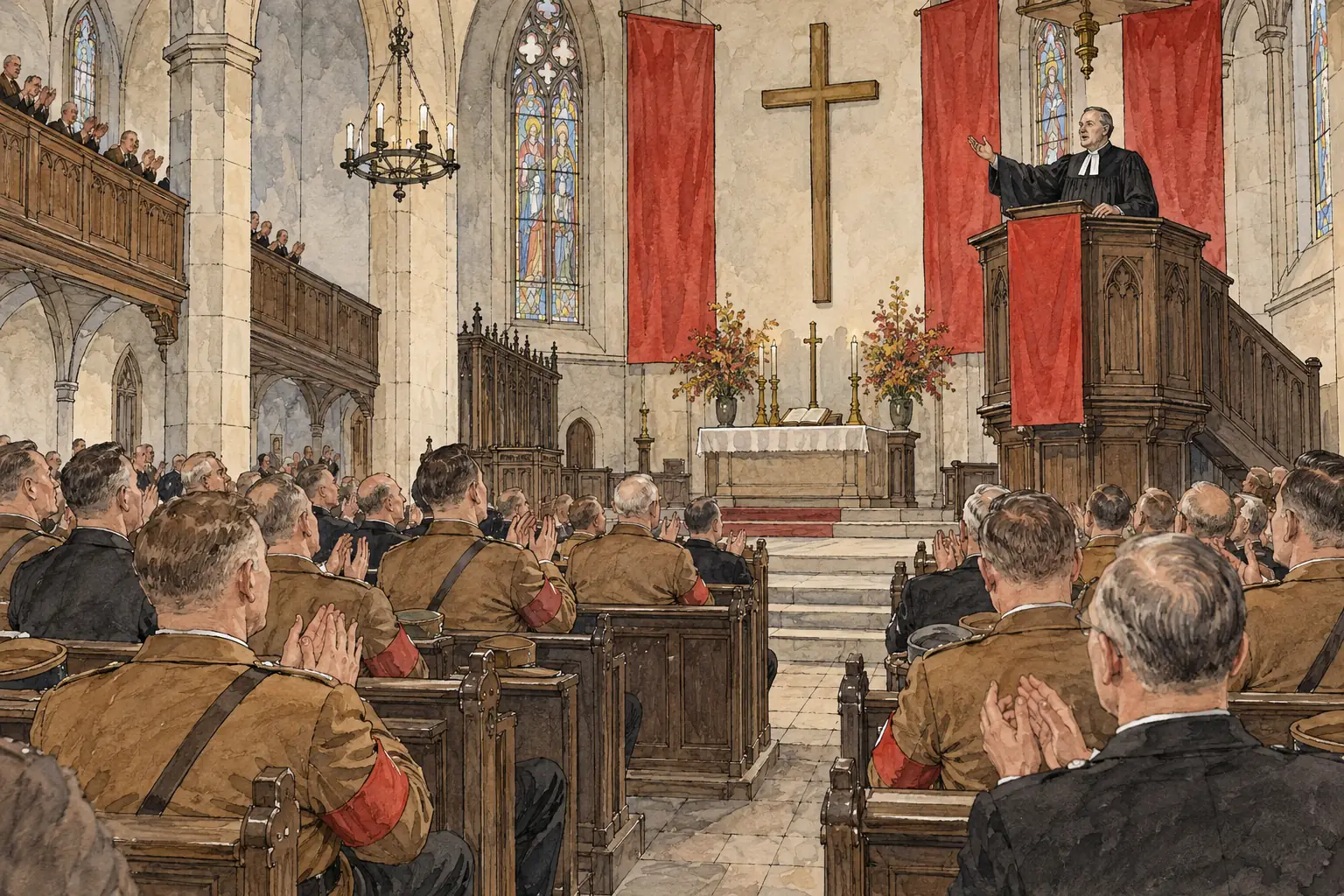
Protestantism, followed by around two-thirds of Germans, was fragmented into regional churches. The Nazis sought to unify them under a single Reich Church to align with their ideology, promoting "positive Christianity" that emphasised nationalism over traditional doctrine.
Nazi efforts to control Protestant churches
- German Christians movement - Founded in 1932 and supported by the Nazis, this group aimed to "Nazify" Protestantism by removing Jewish influences from the Bible and appointing pro-Nazi bishops, such as Ludwig Müller as Reich Bishop in 1933.
- Unification push - The regime pressured Protestant groups to merge into the Reich Church, banning symbols like the cross in favour of swastikas and promoting Aryan supremacy in religious teachings.
- Ideological alignment - Sermons were encouraged to support Nazi policies, with church elections rigged to favour German Christians, reducing the independence of Protestant leadership.
Protestant opposition and the Confessing Church
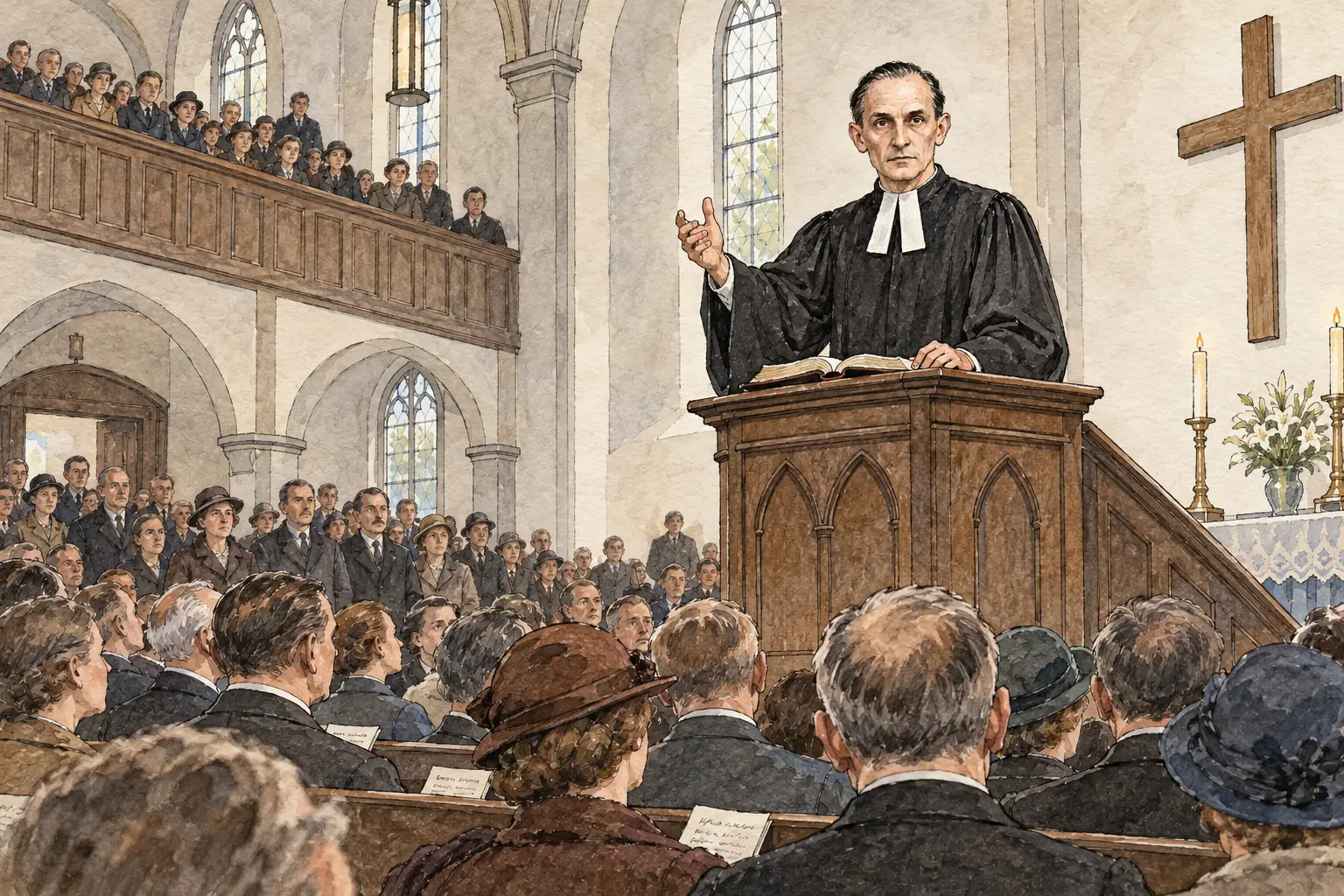
Despite Nazi efforts, significant resistance emerged within Protestantism, led by figures who rejected state interference. This opposition emphasised loyalty to traditional Christian teachings over Nazi ideology.
Key opposition movements and figures
- The Confessing Church - Established in 1934, this breakaway group opposed the Reich Church, holding its own synods and declaring that Nazi control violated Christian principles; it attracted thousands of pastors committed to religious autonomy.
- Pastor Martin Niemöller's role - A former U-boat commander turned pastor, Niemöller co-founded the Pastors' Emergency League in 1933 to protect Jewish converts and resist Nazi doctrines; his famous 1934 sermon criticised the regime's manipulation of faith.
- Broader resistance - Other leaders, like Dietrich Bonhoeffer, joined the Confessing Church, smuggling anti-Nazi materials and training underground seminaries to preserve independent theology.
Nazi responses to church opposition
Image 1 of 2: Gestapo agents watched church services and noted any sermon that criticised the regime
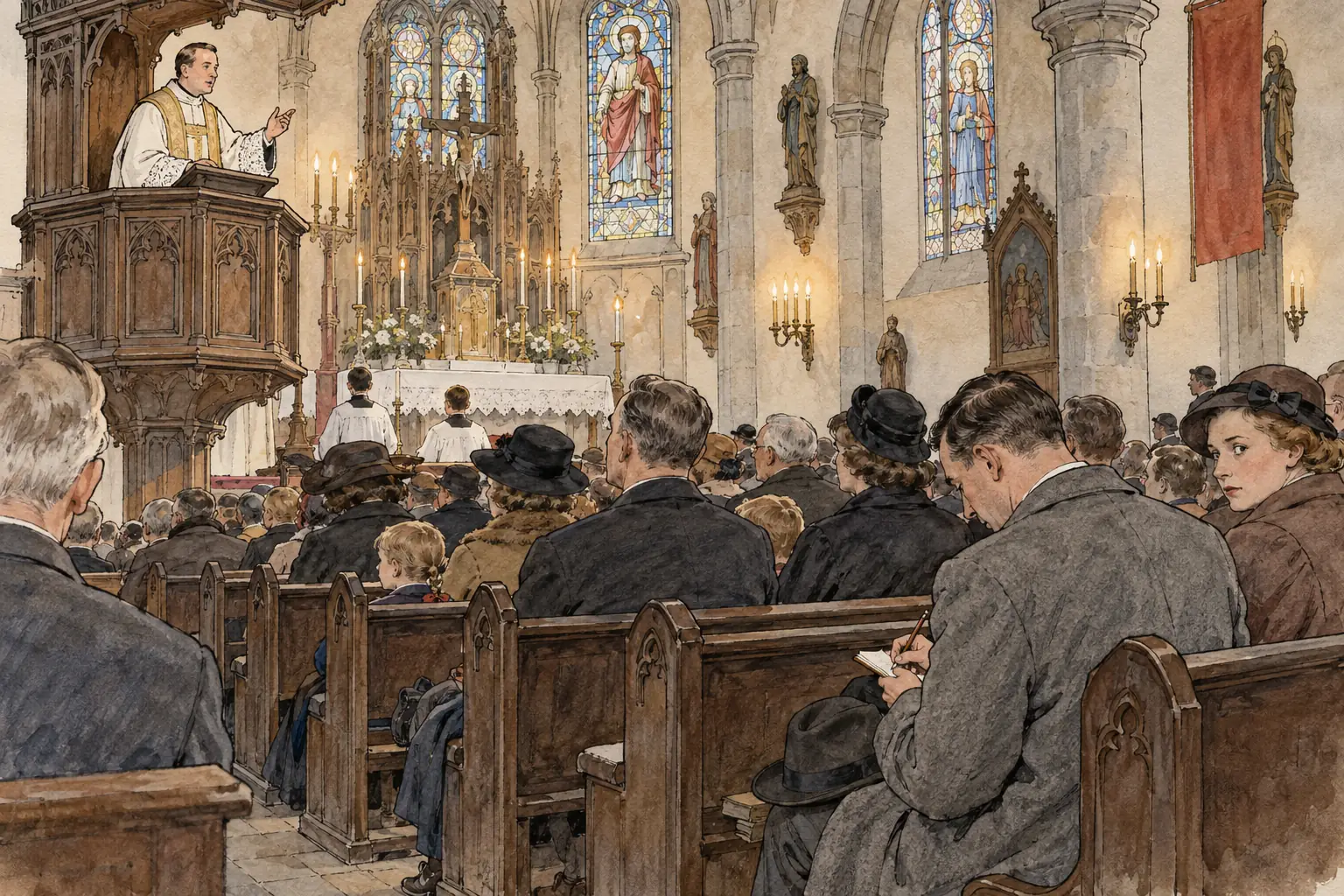
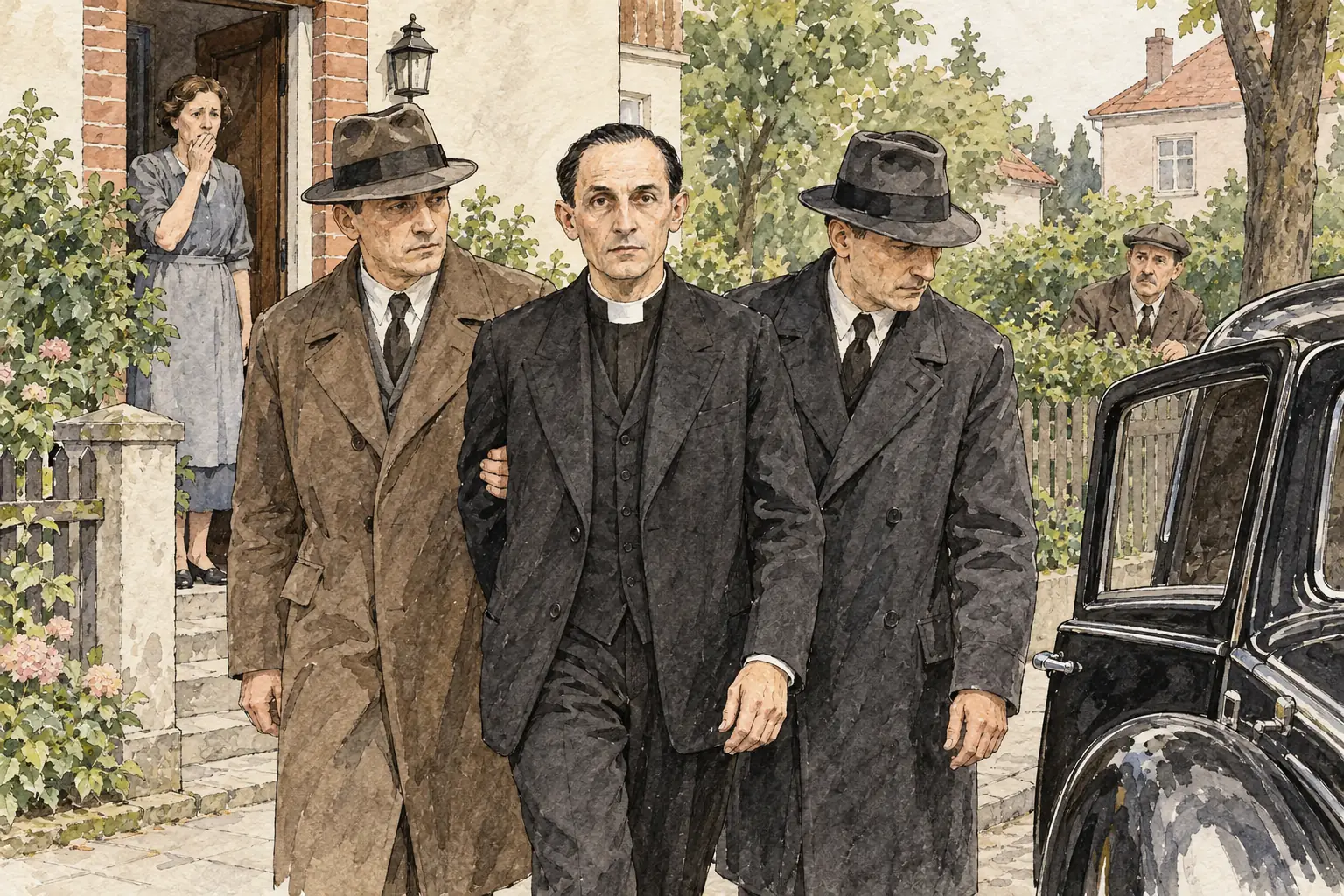
The regime viewed church resistance as a threat to its total control, responding with measures to undermine religious authority and silence critics. These tactics combined coercion with efforts to sway public opinion.
Methods used to suppress church opposition
- Surveillance and arrests - Gestapo agents monitored sermons and church meetings, leading to the imprisonment of hundreds of pastors; Niemöller was arrested in 1937 and held in Sachsenhausen concentration camp until 1945.
- Propaganda campaigns - Newspapers and rallies portrayed opposing clergy as traitors or morally corrupt, with show trials accusing them of crimes to discredit the churches and promote Nazi-aligned alternatives.
- Intimidation tactics - Church properties were seized, funding was cut, and youth were pressured to join Hitler Youth instead of religious groups, gradually eroding the churches' influence on society.