3.3 - Exploration & Voyages of Discovery
Key facts and dates
The Elizabethan era marked a period of ambitious maritime ventures, driven by economic ambitions, technological progress, and rivalry with European powers. These expeditions expanded England's global reach and laid the groundwork for future colonial efforts.
Timeline of key events
- Mid-1500s – Decline of traditional markets like Antwerp prompts search for new trade routes.
- 1568 – John Hawkins' disastrous clash with Spanish forces during a slaving voyage heightens tensions.
- 1569 – Gerardus Mercator publishes innovative map with latitude and longitude lines.
- Late 1570s – Martin Frobisher searches for Northwest Passage to Asia.
- 1577–1580 – Sir Francis Drake circumnavigates the globe, raiding Spanish holdings.
- 1583 – Sir Humphrey Gilbert dies at sea during colonisation attempt.
- 1580s – Sir Walter Raleigh sponsors expeditions to North America, including Virginia.
Factors prompting Elizabethan exploration
Image 1 of 2: Instruments such as the astrolabe helped sailors find their latitude
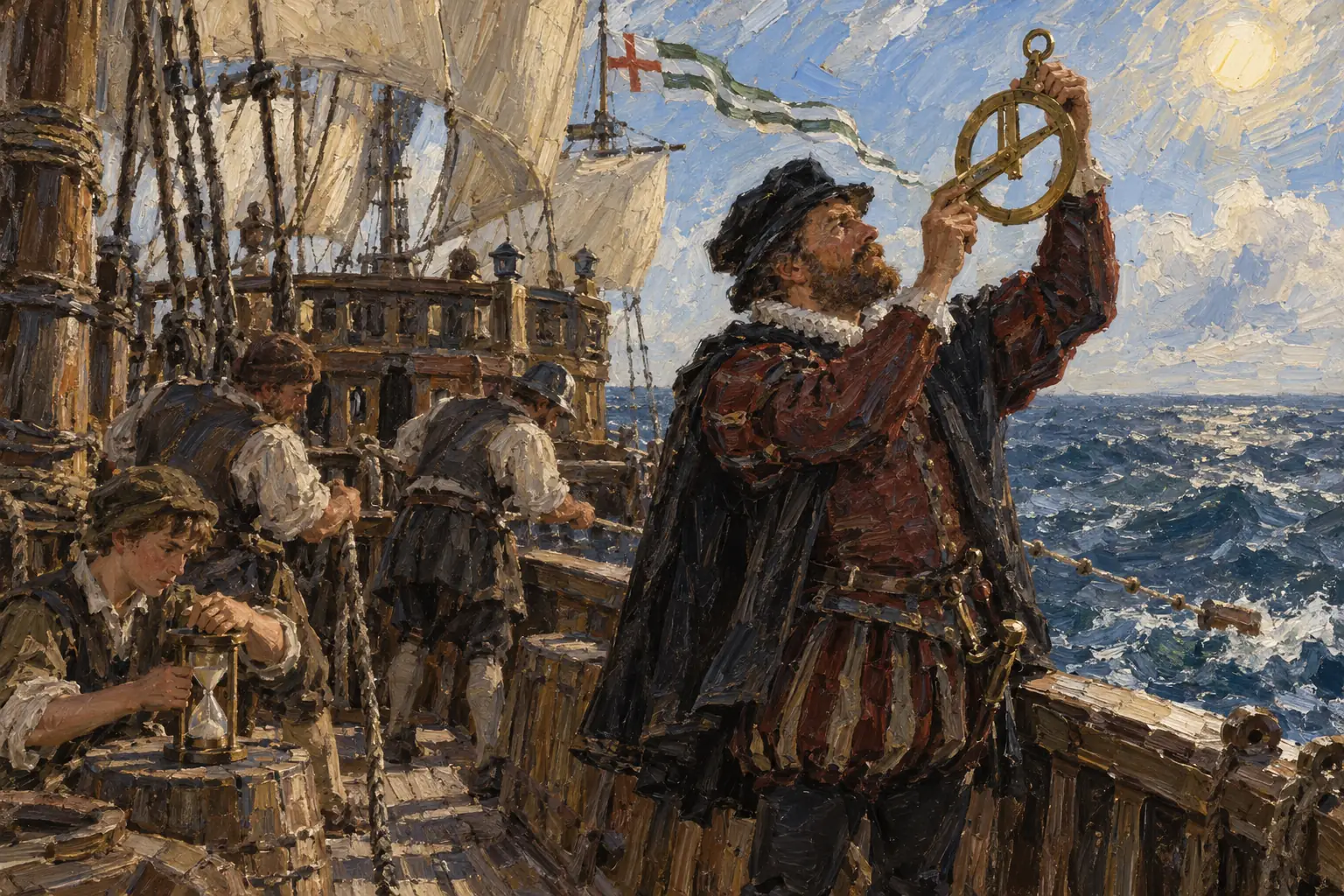
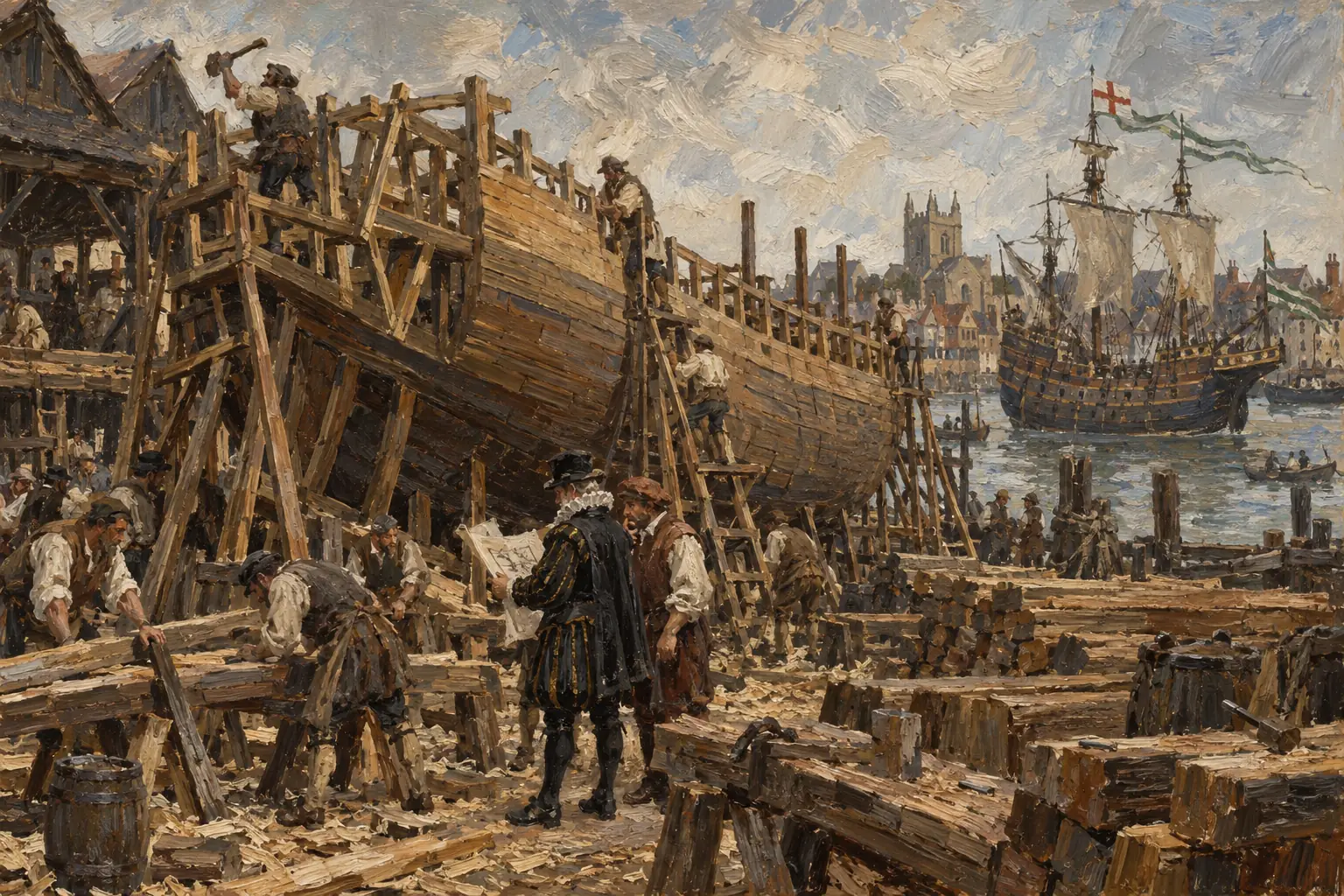
The Elizabethan period witnessed a surge in maritime expeditions as English sailors ventured beyond Europe. These voyages were influenced by a mix of practical needs, innovations, geopolitical tensions, and a sense of ambition that characterised the age.
Economic and trade motivations
- Search for new routes and markets - Merchants aimed to access Asian spices and silks directly, along with New World resources like precious metals, to avoid monopolies held by Spain and Portugal.
- Response to market declines - The collapse of established trade hubs, such as the Antwerp cloth market, pushed adventurers to seek alternative sources of wealth, including novel products like tobacco and potatoes.
- Prospect of riches - Spain's success in acquiring treasures from the Americas inspired English investors to fund voyages in hopes of similar gains.
Technological and navigational advances
- Improved tools - Devices like the astrolabe helped determine latitude, while enhanced maps, such as those with grid lines, increased navigational accuracy.
- Ship design improvements - Vessels like galleons offered greater speed, agility, and firepower, making extended ocean journeys safer and more practical than in previous decades.
Privateering and conflict with Spain
- Dual-purpose expeditions - As tensions with Spain escalated, explorations often involved raiding enemy ships or colonies to weaken their power and gain loot.
- Crown support - The government quietly endorsed these activities, blending discovery with profitable attacks on Spanish assets.
National pride and adventure
- Renaissance curiosity - A spirit of inquiry and desire for glory motivated gentry to embark on high-seas quests, inspired by figures like Columbus and Magellan.
- Spreading influence - Some voyages aimed to promote Protestantism and extend English authority, though financial rewards remained the primary driver.
Sir Francis Drake's circumnavigation of the globe
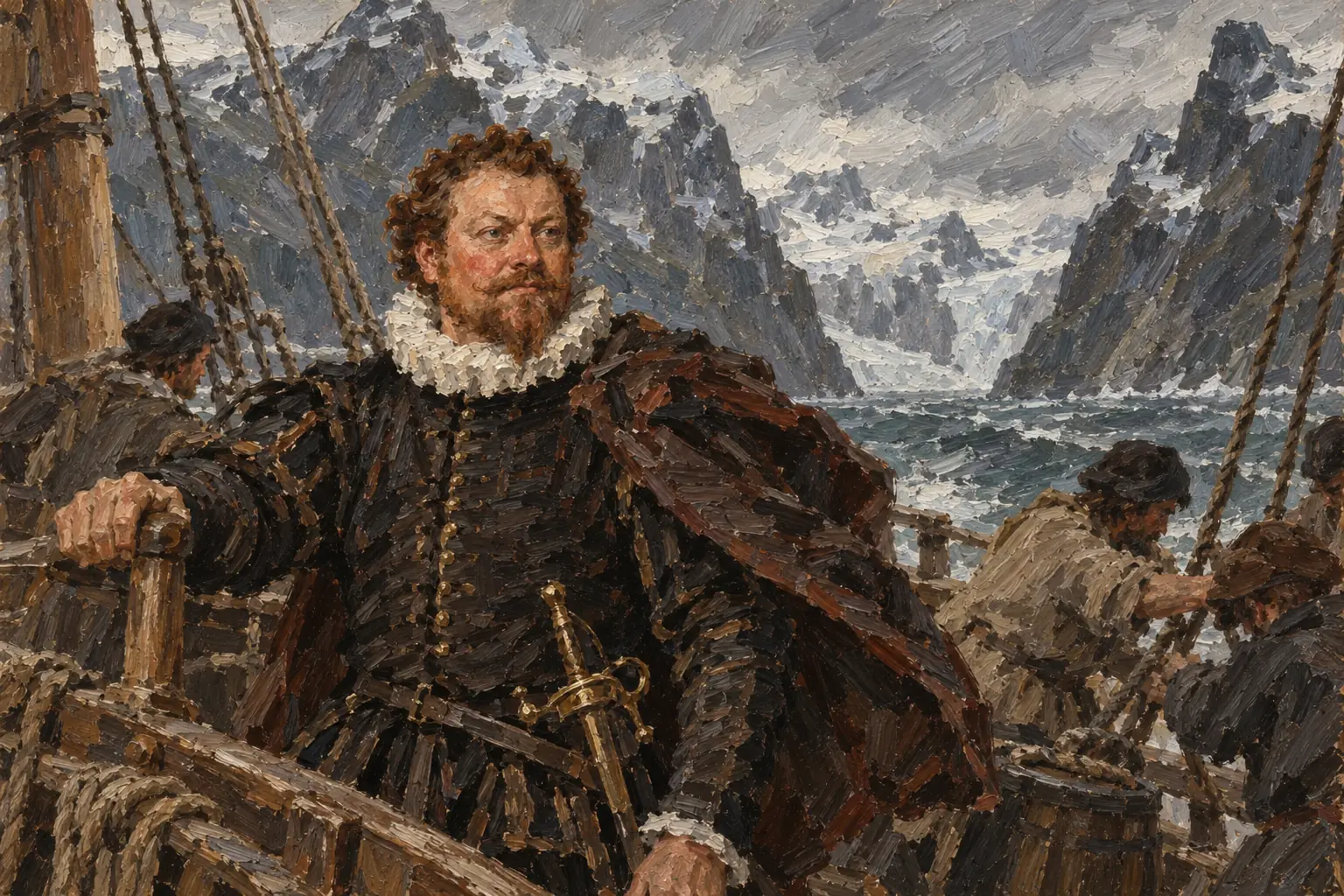
Sir Francis Drake emerged as a central figure in Elizabethan seafaring, blending exploration with bold raids. His epic journey from 1577 to 1580, backed discreetly by Queen Elizabeth, showcased England's growing naval prowess.
Details of Drake's voyage
- Route and actions - Starting with raids on Spanish sites along South America's Pacific coast, Drake navigated the Straits of Magellan, attacked ports in Chile and Peru, claimed land in what is now California as "Nova Albion", and crossed the Pacific and Indian Oceans before returning home after nearly three years.
- Achievements - As the first Englishman to sail around the world, Drake captured valuable cargo, including spices and treasure, which enriched investors and the queen.
Significance of Drake's expedition
- Economic impact - The haul generated enormous wealth, equivalent to vast sums today, proving the profitability of global voyages.
- National prestige - Elizabeth's knighting of Drake aboard his ship symbolised defiance against Spain and highlighted England's seafaring capabilities.
- Inspiration for others - The success encouraged further English expeditions, demonstrating that extended journeys could combine discovery with plunder.
Voyages of other notable explorers
Image 1 of 2: John Hawkins started English involvement in the Atlantic slave trade in the 1560s, selling enslaved Africans to Spanish colonists in the Caribbean
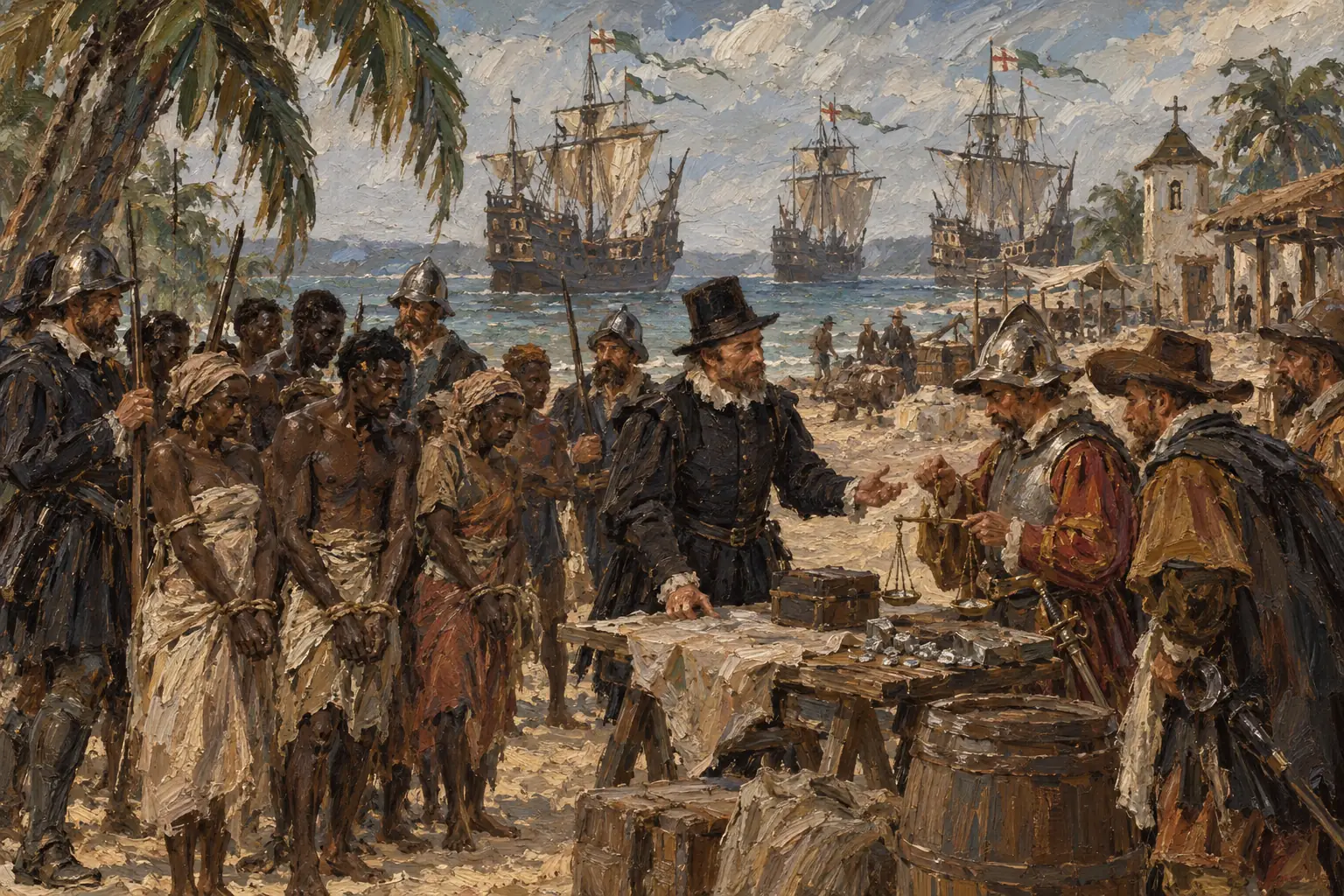
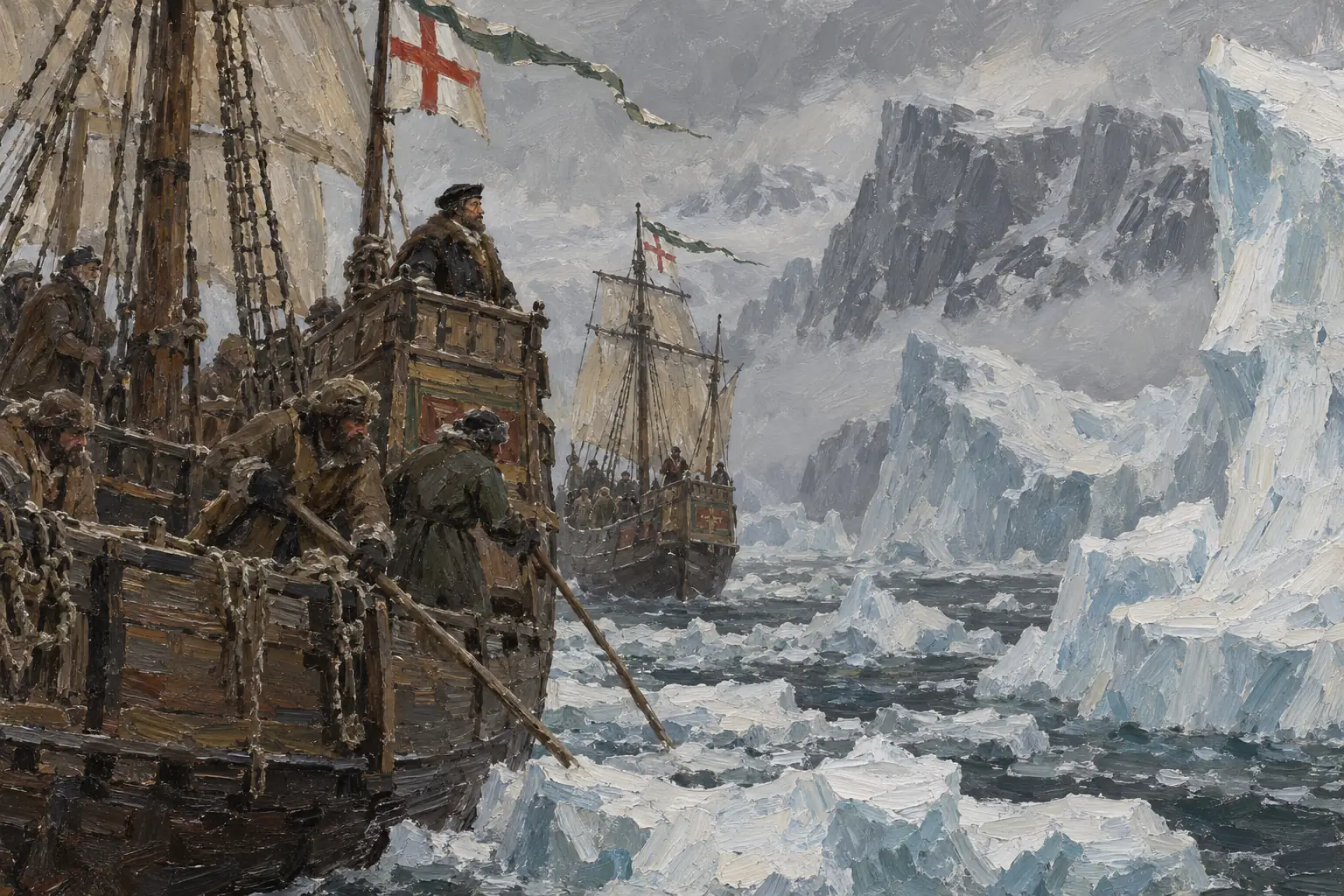
Beyond Drake, several adventurers contributed to England's exploratory efforts, focusing on trade, routes to Asia, and early colonisation. Their journeys built experience and knowledge for future endeavours.
Key explorers and their contributions
| Explorer | Contribution |
|---|---|
| John Hawkins | Initiated English participation in the Atlantic slave trade but faced a major setback in a 1568 confrontation with Spanish ships, straining relations. |
| Martin Frobisher | Led late-1570s expeditions to locate an Arctic Northwest Passage to Asia, expanding knowledge of northern waters. |
| Sir Humphrey Gilbert | Sought a northeastern route to China and attempted settlements, perishing at sea in 1583 during one such venture. |
| Sir Walter Raleigh | Organised North American expeditions, including attempts to establish colonies in Virginia, as Gilbert's half-brother. |
Significance of these explorations for England
Elizabethan voyages transformed England from a peripheral European nation into an emerging maritime force. They not only delivered immediate benefits but also set the stage for long-term expansion.
Broader impacts on England's development
- Wealth and knowledge - Expeditions introduced new goods and geographical insights, boosting the economy and national confidence.
- Rivalry and power - Successes challenged Spanish dominance, fostering a seafaring tradition that culminated in events like the 1588 Armada defeat.
- Foundation for colonies - These efforts paved the way for overseas settlements, marking the start of England's global ambitions by the late 1500s.