3.3 - Norman Aristocracy
Key facts and dates
The Norman Conquest of 1066 led to the establishment of a new aristocracy in England, replacing Anglo-Saxon nobles with Normans who imposed their language, customs, and authority. This shift created a powerful elite class, exemplified by figures like Bishop Odo, whose career highlighted both the rewards and risks of Norman influence under William I's rule.
Timeline of key events
- 1066 – Norman Conquest replaces Anglo-Saxon aristocracy with Norman nobles.
- 1070s – Bishop Odo appointed Earl of Kent and acts as co-regent during William's absences.
- 1082 – Odo tried and imprisoned by William for defrauding the crown.
- 1087 – William I dies, leading to Odo's release from prison.
- 1088 – Odo leads a failed rebellion against William Rufus in support of Robert Curthose.
Norman replacement of the Anglo-Saxon aristocracy
Following the Norman Conquest in 1066, the existing Anglo-Saxon nobility was largely displaced by a new class of Norman lords. This transformation created a distinct ruling elite that consolidated power and reshaped English society.
Key aspects of the aristocratic shift
- Displacement of Anglo-Saxons - Most Anglo-Saxon nobles lost their lands and titles, either through death in battle, exile, or confiscation, allowing William I to reward his loyal followers with estates.
- Establishment of Norman dominance - Norman aristocrats became the primary landowners and governors, forming a tight-knit group that controlled key regions and enforced the king's will.
- Integration of power structures - The new elite often combined military, administrative, and religious roles, strengthening their influence across both secular and church affairs.
Linguistic and cultural changes under the Normans
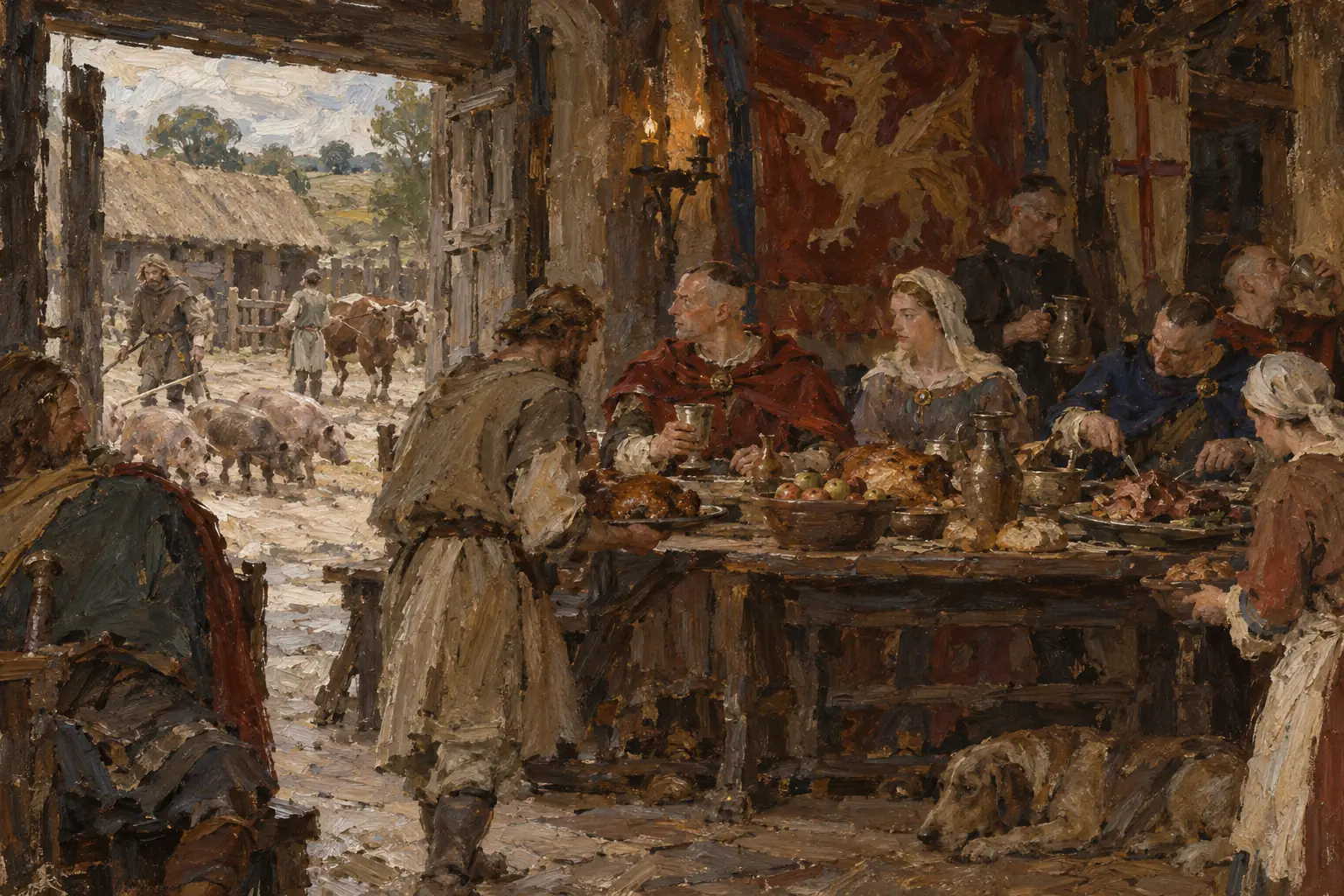
The arrival of the Normans brought significant shifts in language and customs, drawing from continental European traditions. These changes elevated Norman practices while marginalising Anglo-Saxon ones, creating a cultural divide between the rulers and the ruled.
Linguistic transformations
- Adoption of Norman French - This became the primary language of the royal court, legal system, and aristocracy, used in official documents and elite communication.
- Role of Old English - It persisted mainly among the common population for everyday speech, gradually evolving but remaining secondary to French in formal contexts.
- Continued use of Latin - Retained for scholarly and administrative records, serving as a bridge between old and new traditions.
Cultural introductions from the Normans
- Continental fashions and practices - Normans imported styles of clothing, chivalric codes emphasising knightly honour, and social customs that reflected French influences.
- Architectural innovations - They constructed durable stone castles for defence and control, alongside grand Romanesque churches featuring rounded arches and massive structures, symbolising their authority and piety.
Dual secular and ecclesiastical roles of nobles
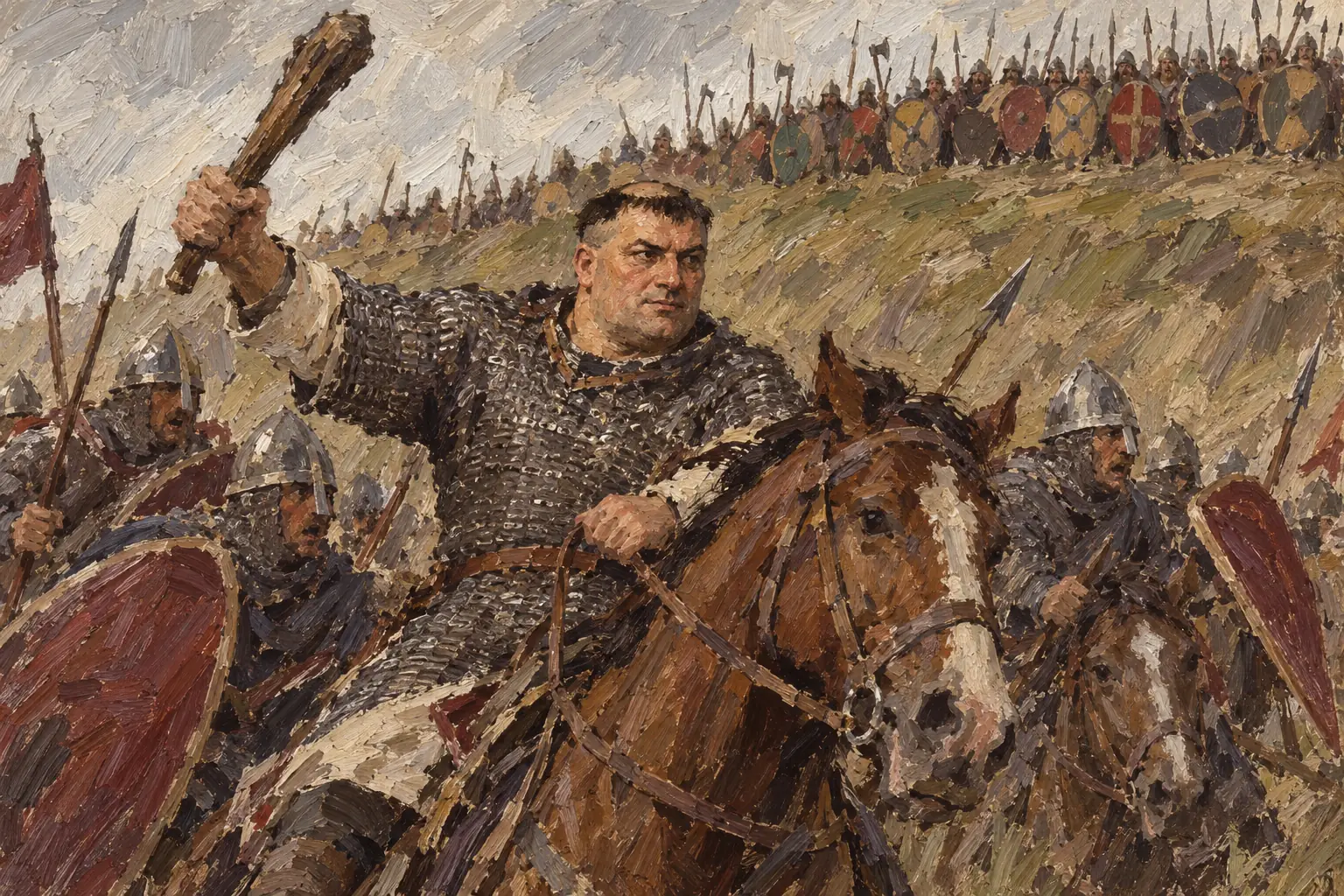
Norman aristocrats frequently held positions in both worldly and religious spheres, blending temporal power with church authority. This dual involvement allowed them to amass wealth and influence while supporting the king's regime.
Characteristics of dual roles
- Combination of titles - Many nobles served as both secular lords, managing estates and military forces, and high-ranking clergy, overseeing dioceses or abbeys.
- Benefits to the Norman regime - This integration helped William I maintain control by placing trusted allies in key church positions, which often came with significant land holdings.
- Examples of influence - Such figures patronised arts and building projects, using their resources to promote Norman culture and loyalty to the crown.
Bishop Odo: Norman power and its limits
Image 1 of 2: Odo is thought to have commissioned the Bayeux Tapestry, which celebrated the Norman victory
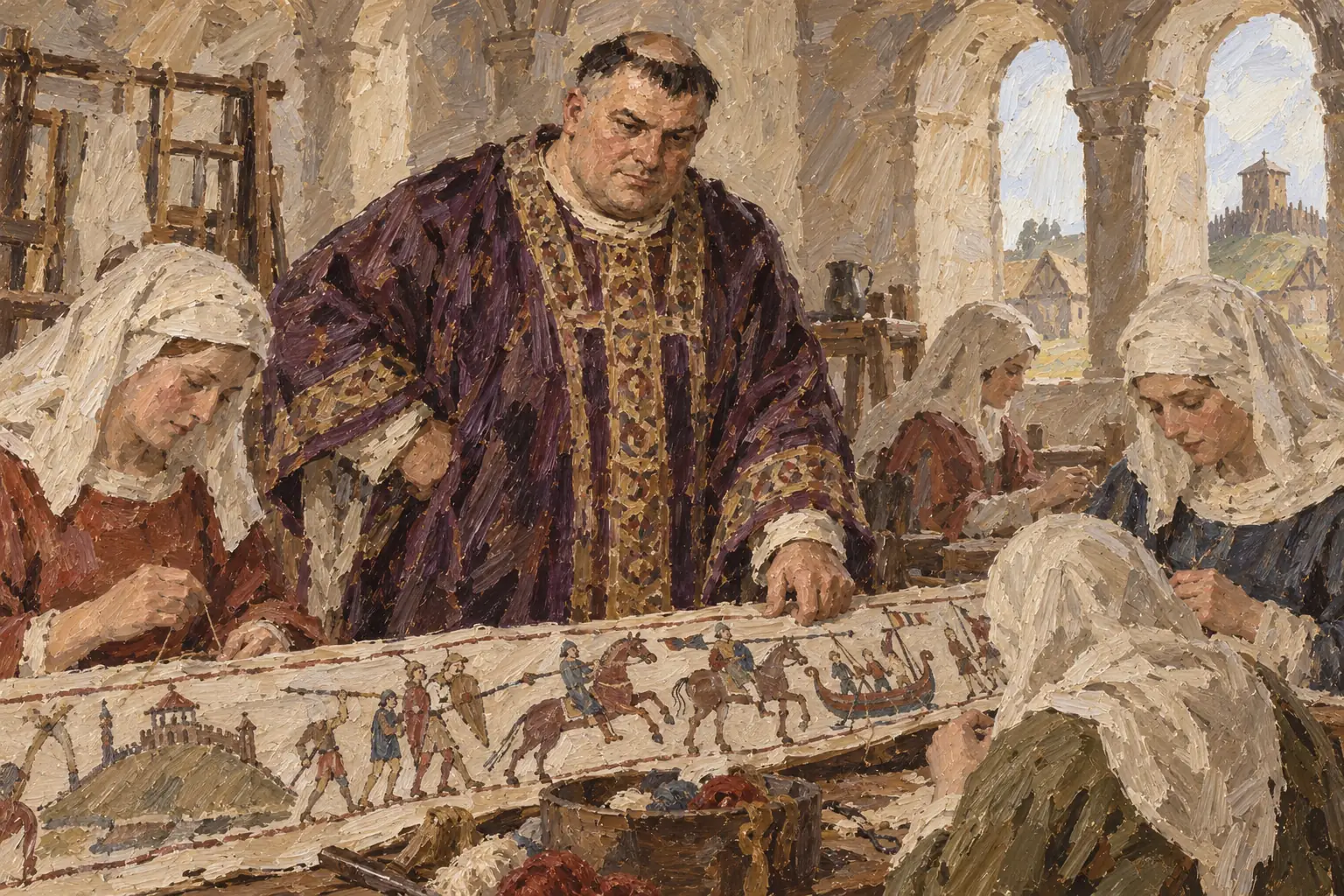
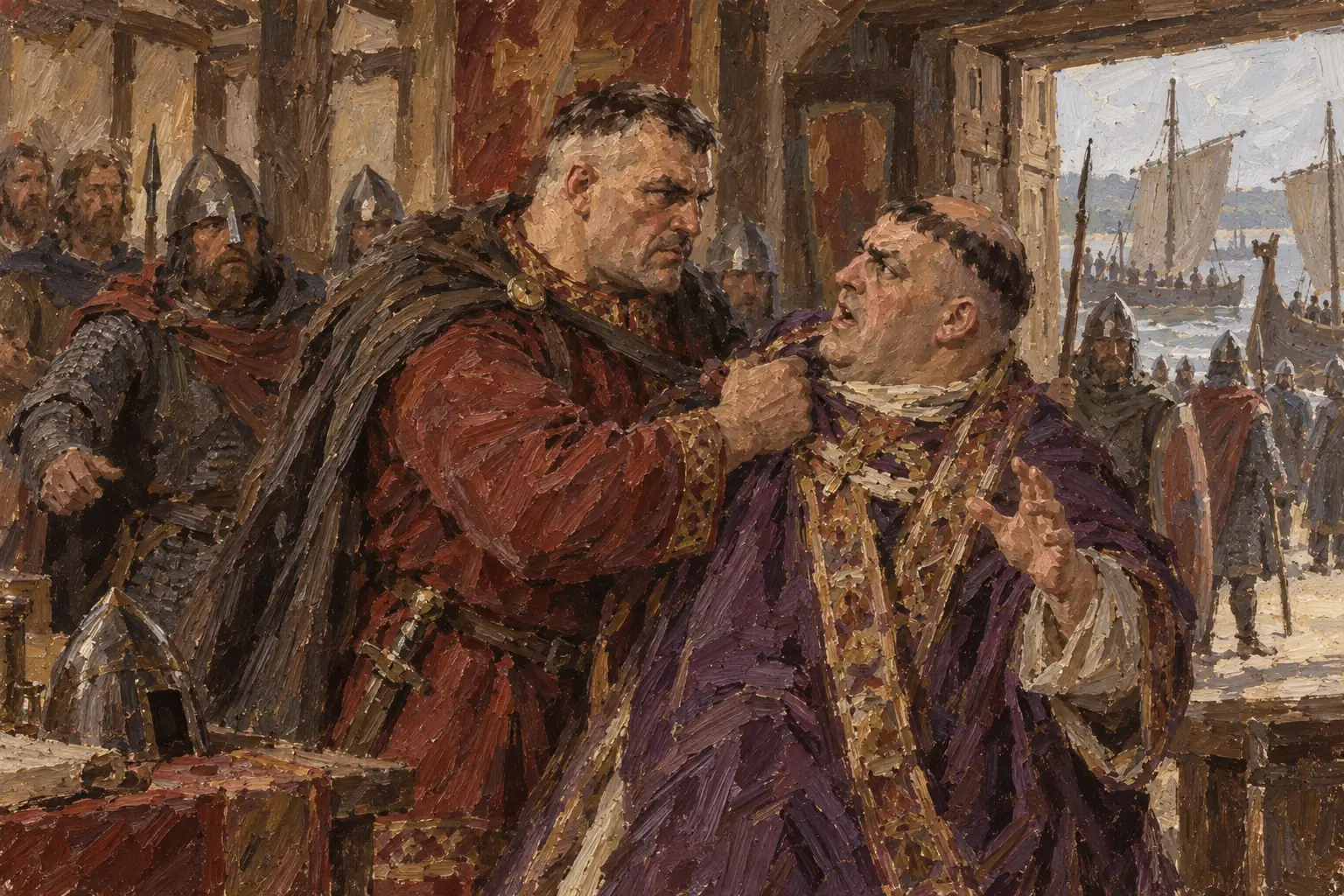
Bishop Odo of Bayeux, William I's half-brother, epitomised the heights of Norman aristocratic achievement and the dangers of overreaching ambition. His life story reveals the vast opportunities available to the elite, balanced by the king's ultimate authority.
Rise to prominence
- Key appointments - Odo became Bishop of Bayeux in Normandy and was granted the Earldom of Kent in England, controlling extensive lands across 22 counties at his peak.
- Political and administrative roles - He served as co-regent during William's absences, wielding significant governance powers and becoming one of England's wealthiest individuals.
- Cultural patronage - Odo is thought to have commissioned the Bayeux Tapestry, a monumental embroidery depicting the Conquest, which celebrated Norman victory and family legacy.
Downfall and consequences
- Abuses of power - Odo's tyrannical rule led to accusations of exploiting his positions for personal gain, including defrauding royal revenues.
- Trial and imprisonment in 1082 - William I personally oversaw Odo's conviction and confinement, demonstrating that even close relatives were not immune to royal justice.
- Release and rebellion - Freed after William's death in 1087, Odo supported Robert Curthose's claim against William Rufus in the 1088 uprising, which failed and resulted in his final disgrace.
- Broader implications - Odo's fate underscored that while Norman nobles enjoyed immense privileges, the monarchy enforced strict limits to prevent challenges to its supremacy.