2.6 - Malcolm X, Black Power & Panthers
Key facts and dates
The period from 1963 to 1970 saw the rise of radical approaches to civil rights in the United States, moving beyond non-violent protest to emphasise black empowerment and self-defence. Figures like Malcolm X and organisations such as the Black Panthers challenged systemic racism amid ongoing urban inequalities.
Timeline of key events
- 1963 – Malcolm X emerges as a prominent spokesperson for the Nation of Islam, advocating black separatism.
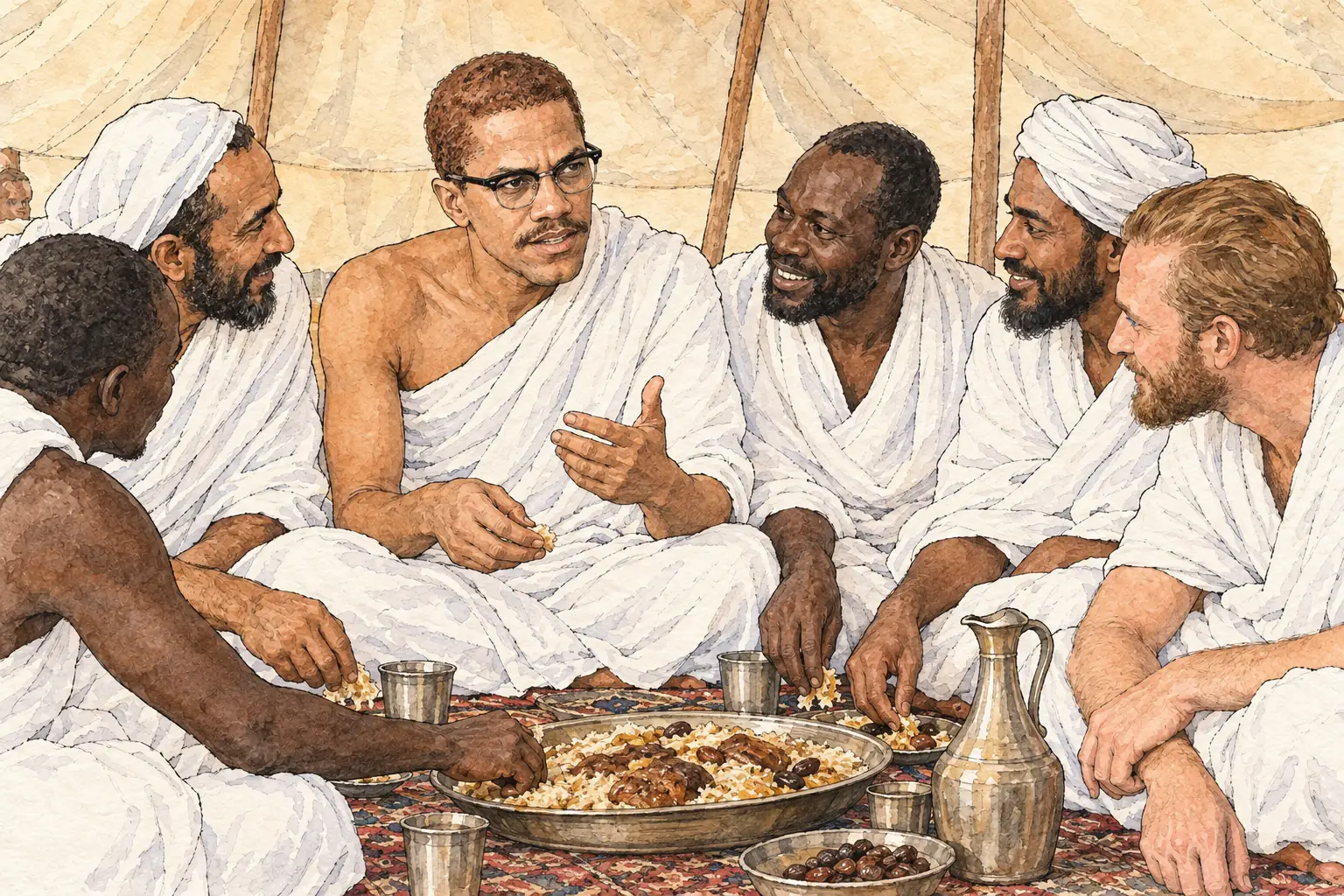
- 1964 – Malcolm X undertakes a pilgrimage to Mecca, leading to a change in his views towards racial unity.
- 1965 – Malcolm X assassinated during a speech in New York City.
- 1966 – Stokely Carmichael coins the 'Black Power' slogan during a Mississippi march.
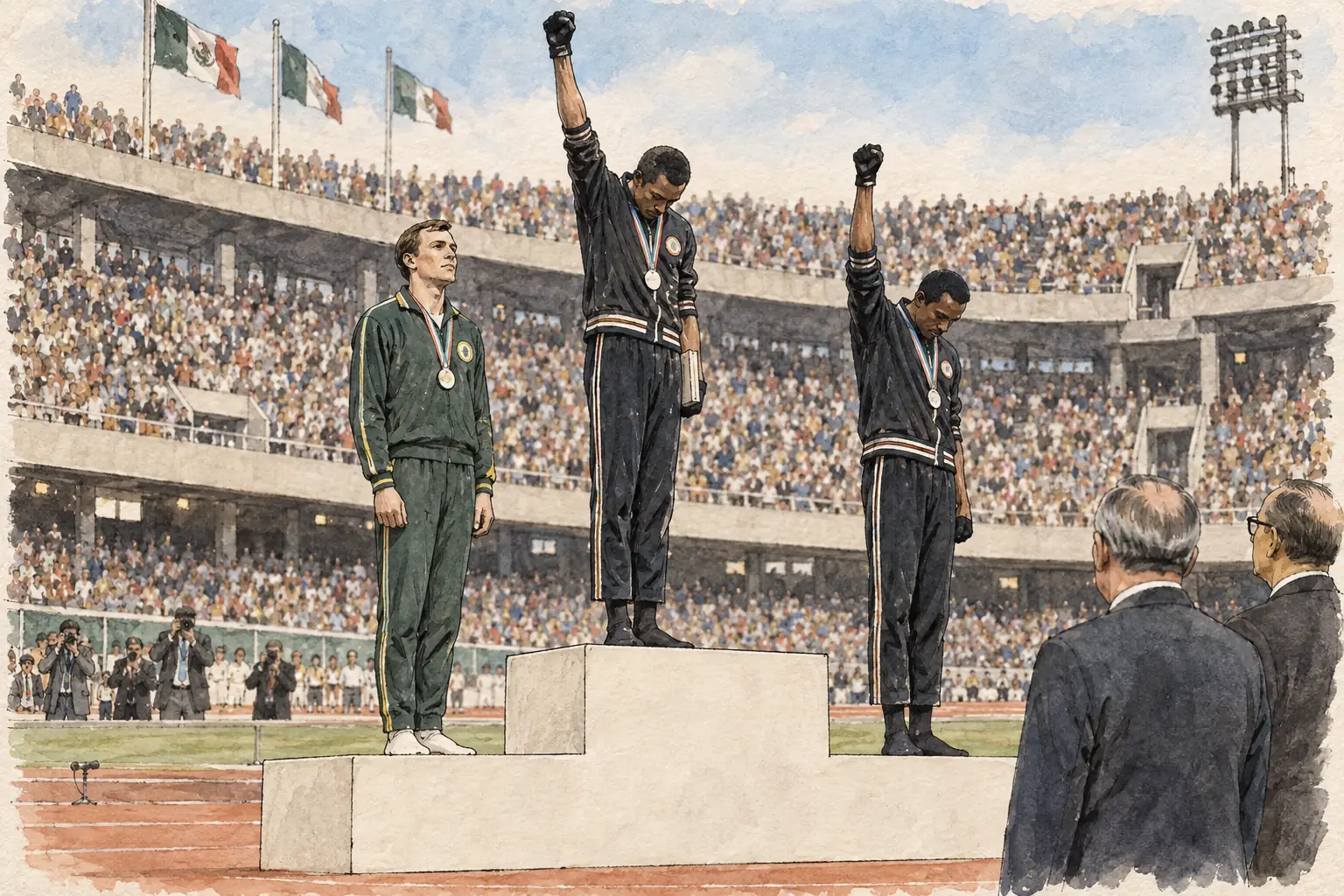
- 1968 – Black athletes stage a protest at the Mexico City Olympics, raising fists in support of Black Power.
- 1966-70 – Black Panther Party establishes community programmes while facing government repression.
Malcolm X's beliefs and shift towards cooperation
Image 1 of 2: As the Nation of Islam's leading spokesman, Malcolm X drew large crowds to street rallies in Harlem
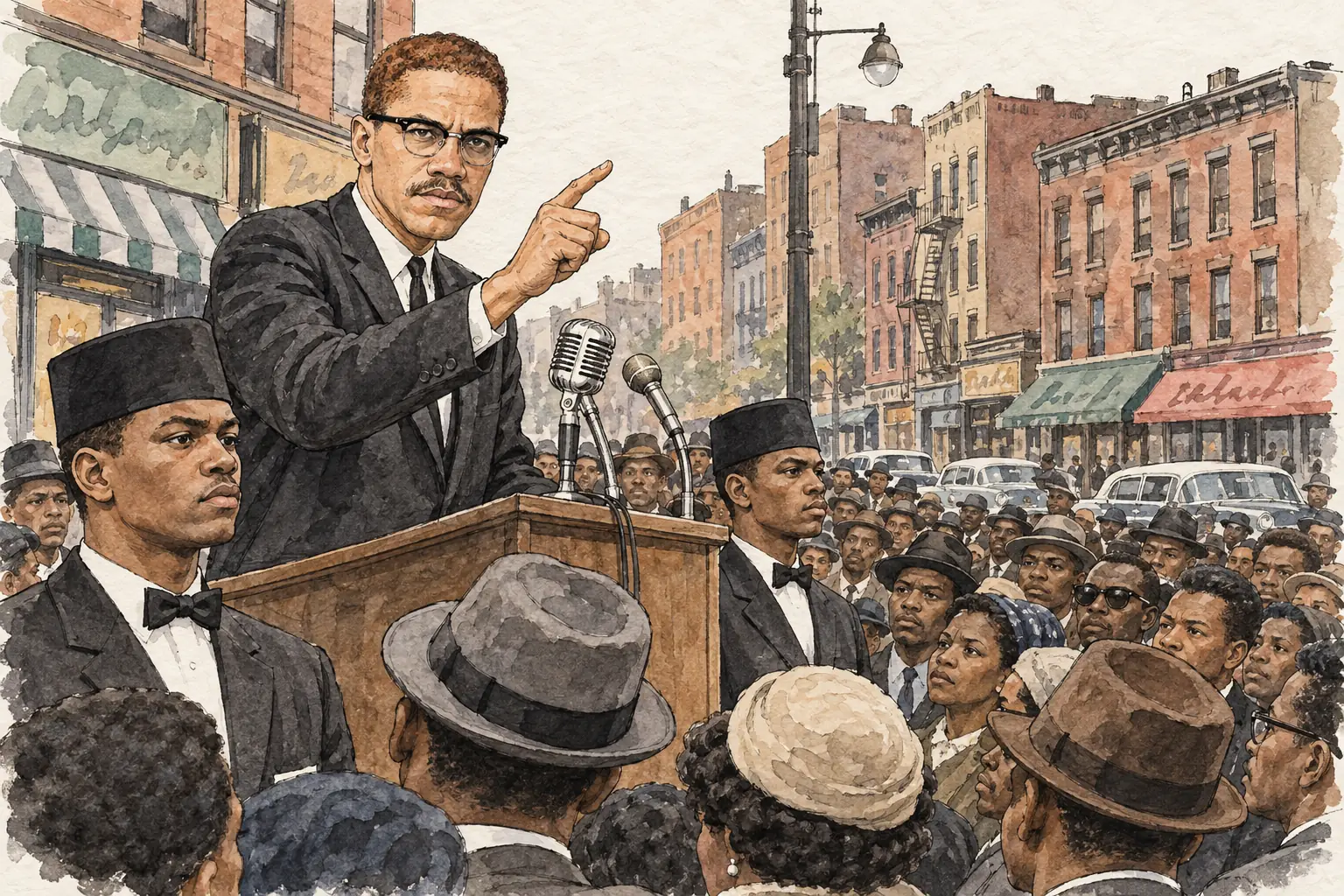
Malcolm X rose to prominence as a key leader in the Nation of Islam during the early 1960s, promoting ideas that contrasted with the non-violent strategies of figures like Martin Luther King Jr. His early views focused on addressing deep-seated racism through independence rather than integration.
Core beliefs during Nation of Islam leadership
- Black self-reliance - Emphasised the need for African Americans to build their own economic and social institutions, reducing dependence on white-dominated systems.
- Racial pride - Encouraged a strong sense of identity and dignity among black communities, rejecting notions of inferiority imposed by society.
- Separation from racist society - Advocated for complete disengagement from white America, viewing integration as unrealistic in a fundamentally prejudiced environment.
A significant transformation occurred after Malcolm X's pilgrimage to Mecca in 1964, where encounters with diverse Muslims influenced his perspective. He began to support wider alliances across racial lines, founding the Organization of Afro-American Unity to foster global cooperation against oppression. This evolution was cut short by his assassination in 1965, carried out by members of the Nation of Islam amid internal conflicts.
The emergence and definition of Black Power
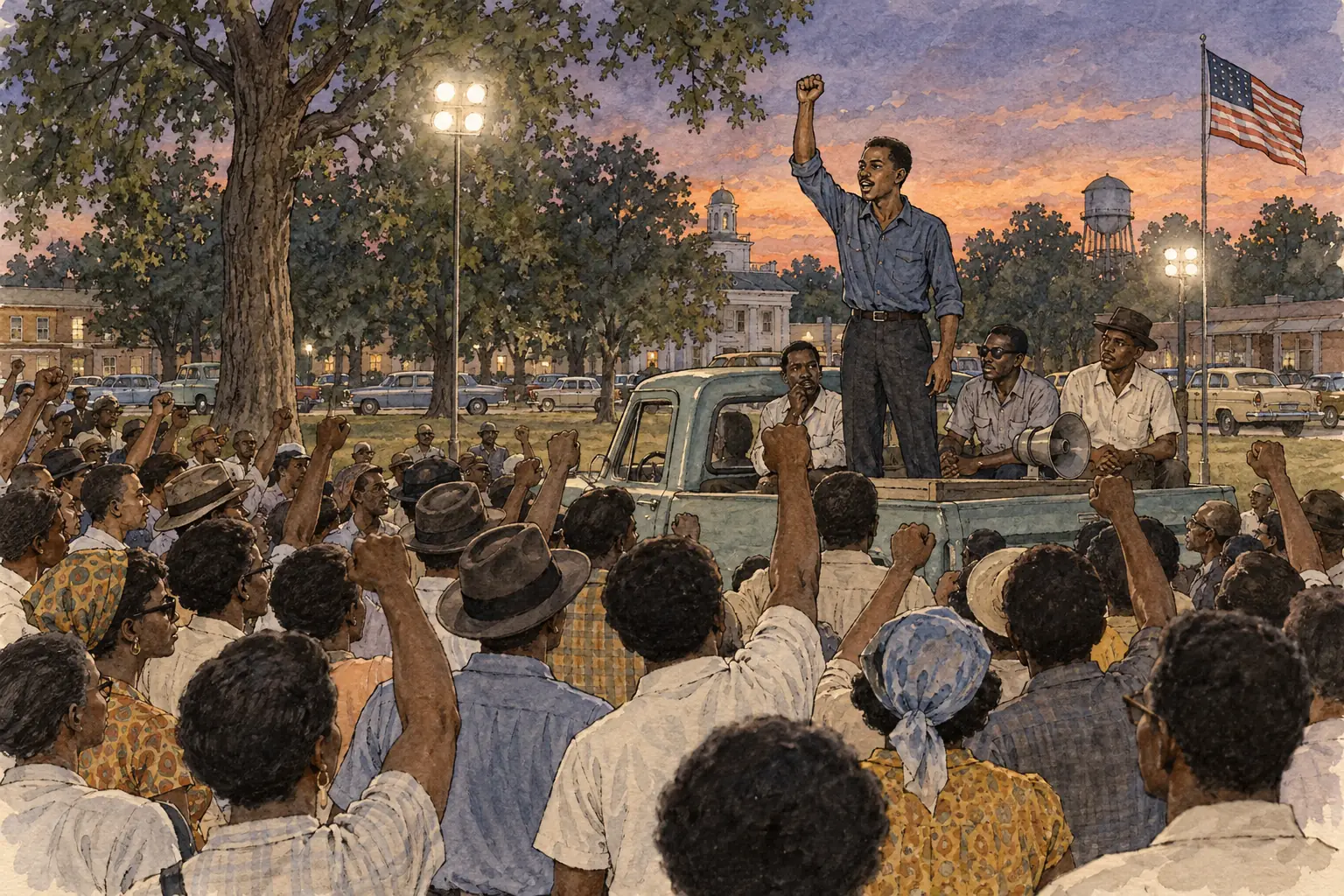
The Black Power movement gained traction in the mid-1960s as a response to the limitations of earlier civil rights gains. It represented a shift towards more assertive demands for autonomy and cultural affirmation, diverging from integrationist approaches.
Definition and reasons for its rise
- Core meaning - Black Power stressed self-determination, community control, and pride in African heritage, often symbolised by raised fists and calls for economic independence.
- Urban poverty - Persistent economic hardships in cities, including high unemployment and substandard housing, fuelled frustration with slow progress.
- Police brutality - Frequent violent encounters with law enforcement highlighted systemic injustice, prompting demands for self-protection.
- Limited legal victories - While laws like the Civil Rights Act addressed segregation, they failed to tackle deeper inequalities, leading to disillusionment.
- Cultural pride - The movement promoted appreciation of black history and identity, inspiring community initiatives and artistic expression.
Stokely Carmichael and the 1968 Olympics protest
Stokely Carmichael became a central figure in advancing Black Power ideology through his activism and public statements. As a leader in the Student Nonviolent Coordinating Committee, he helped transform the civil rights landscape.
Carmichael's contributions to Black Power
- Popularising the slogan - In 1966, during a march in Mississippi, Carmichael first used 'Black Power' to rally crowds, framing it as a call for political and economic control by black communities.
- Advocacy for radical change - He criticised non-violence as insufficient, urging direct action against institutional racism and encouraging alliances with global anti-colonial movements.
The movement's visibility peaked at the 1968 Mexico City Olympics, where American athletes Tommie Smith and John Carlos raised black-gloved fists during the medal ceremony. This silent protest, supported by Australian Peter Norman, drew international attention to racial injustice, though it resulted in the athletes' expulsion from the games.
Methods and achievements of the Black Panthers
Image 1 of 2: From 1969 the Black Panthers ran free breakfasts for schoolchildren, starting in Oakland
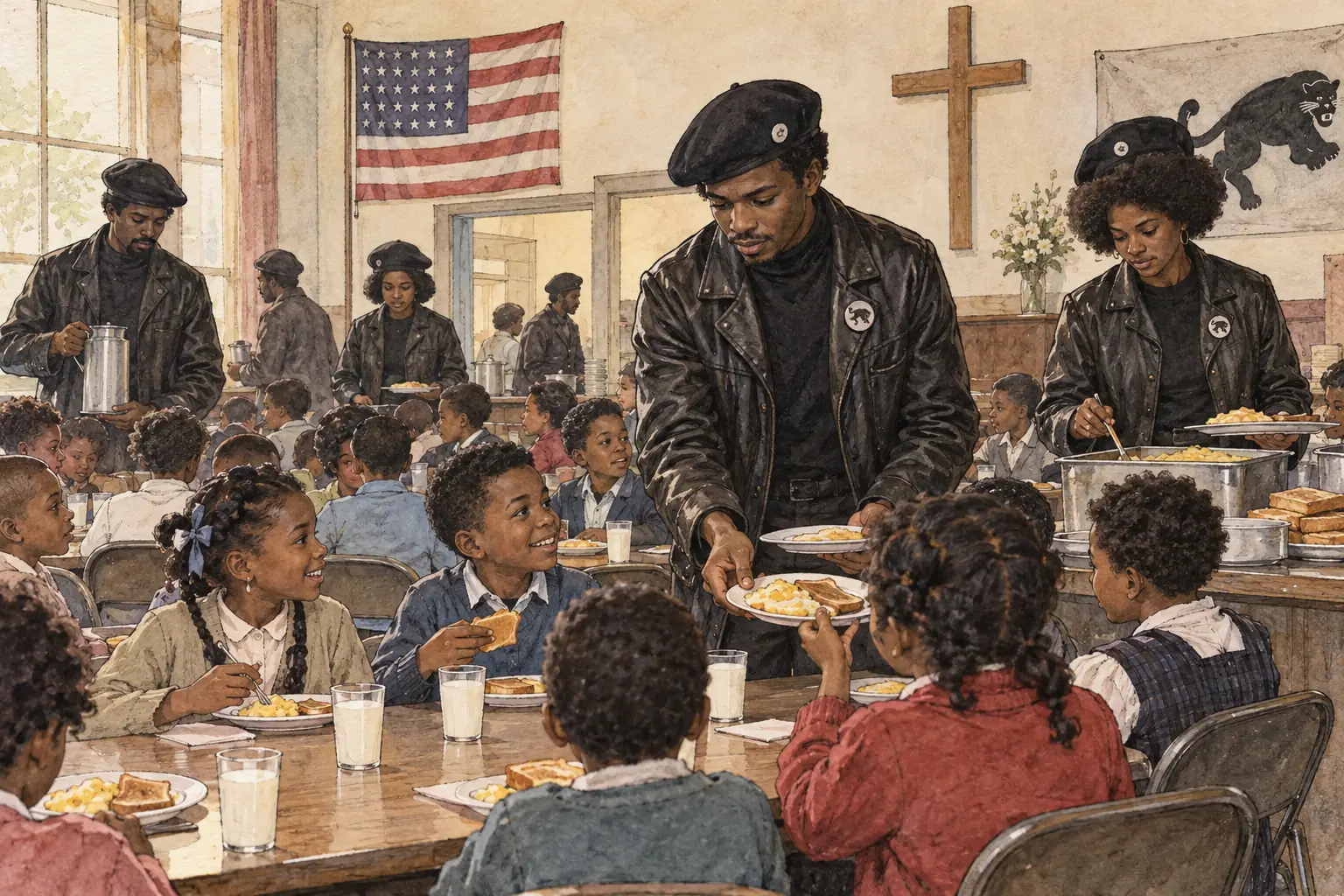
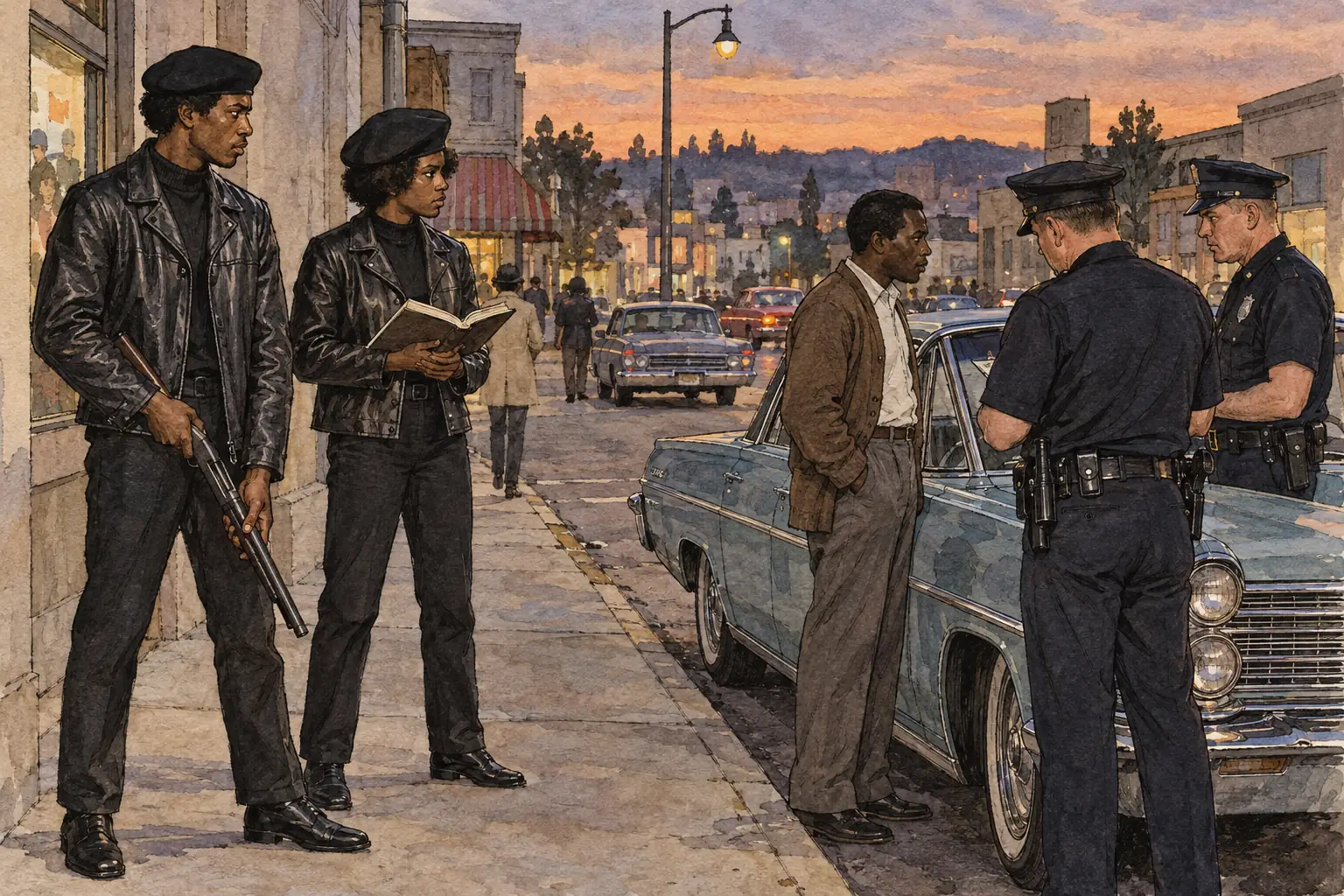
Founded in 1966 by Huey Newton and Bobby Seale, the Black Panther Party combined militant tactics with social services to address immediate community needs. Their approach blended defence against oppression with practical support.
Key methods used by the Black Panthers
- Community survival programmes - Initiated efforts like free breakfast schemes for schoolchildren and health clinics to combat poverty and poor nutrition in urban areas.
- Armed self-defence - Members patrolled neighbourhoods with weapons to monitor police activity and protect against brutality, symbolising resistance to state violence.
Achievements and controversies
- Positive impacts - The party's programmes fed thousands and raised awareness of health disparities, while their activism influenced policies on community policing and education.
- Challenges and criticisms - Faced intense FBI surveillance and internal divisions, leading to violent confrontations; controversies arose over their use of arms, which some viewed as promoting aggression rather than peace.