1.3 - Brown v. Topeka, 1954
Key facts and dates
The Brown v. Board of Education case represented a pivotal challenge to racial segregation in American schools, drawing on evidence of inequality and psychological harm. This landmark ruling provided a legal foundation for broader desegregation efforts while provoking strong opposition in the South.
Timeline of key events
- 1896 – Plessy v. Ferguson establishes the 'separate but equal' doctrine, justifying segregation.
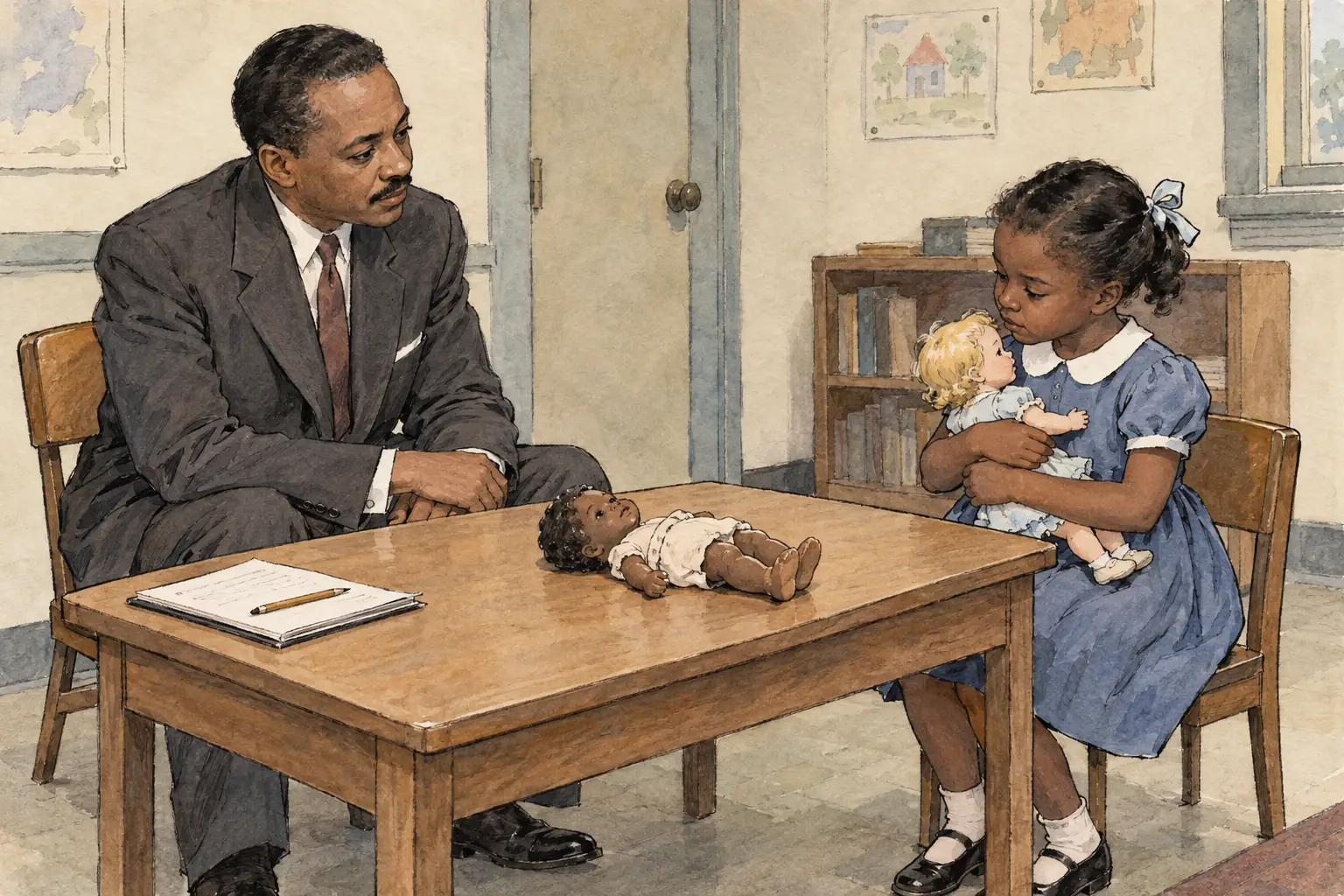
- 1939–1940s – Kenneth and Mamie Clark conduct doll tests showing psychological harm of segregation.
- 1951 – NAACP launches legal challenge in Topeka, Kansas, consolidating cases under Brown v. Board of Education.
- 1954 – Supreme Court rules unanimously that segregated schools are inherently unequal.
- 1955 – Brown II mandates desegregation 'with all deliberate speed', but compliance varies widely.
- Mid-1950s – Rise of 'Massive Resistance' in the South, including formation of White Citizens' Councils.
Reasons why the NAACP targeted education
Image 1 of 2: Linda Brown had to cross a railway yard to catch a bus to a Black school, although a school for white children stood a few blocks from her home
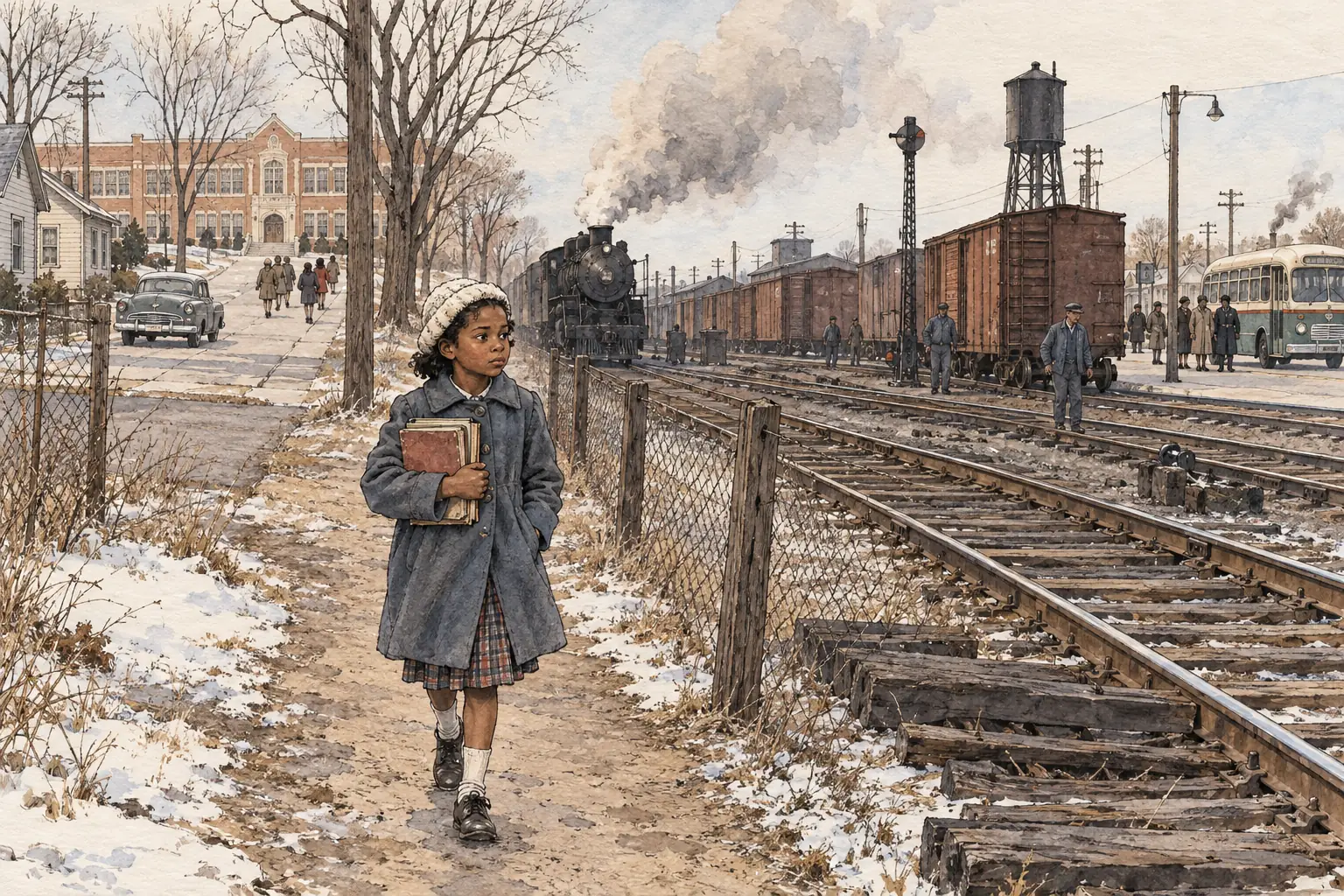
The National Association for the Advancement of Colored People (NAACP) focused its civil rights efforts on challenging segregation in public schools during the early 1950s. This strategy aimed to expose systemic inequalities and build a legal case against racial separation, using education as a key battleground for broader equality.
Factors highlighting inequality in segregated schools
- Unequal funding - Schools for black children received far less financial support than those for white children, leading to inadequate resources and poorer educational outcomes.
- Disparities in teacher pay - Teachers in black schools were often paid less than their counterparts in white schools, affecting the quality of instruction and staff retention.
- Inferior facilities - Black schools typically had outdated buildings, limited supplies, and overcrowded classrooms, making 'separate but equal' a practical impossibility.
Psychological harm supported by social science evidence
The NAACP used research to demonstrate segregation's damaging effects on children's mental well-being. Studies showed how racial separation fostered feelings of inferiority among black students.
- Clark's doll tests - In experiments by psychologists Kenneth and Mamie Clark, black children preferred white dolls and associated positive traits with them, revealing internalised negative self-perceptions caused by segregation.
Key features of the Brown v. Topeka decision
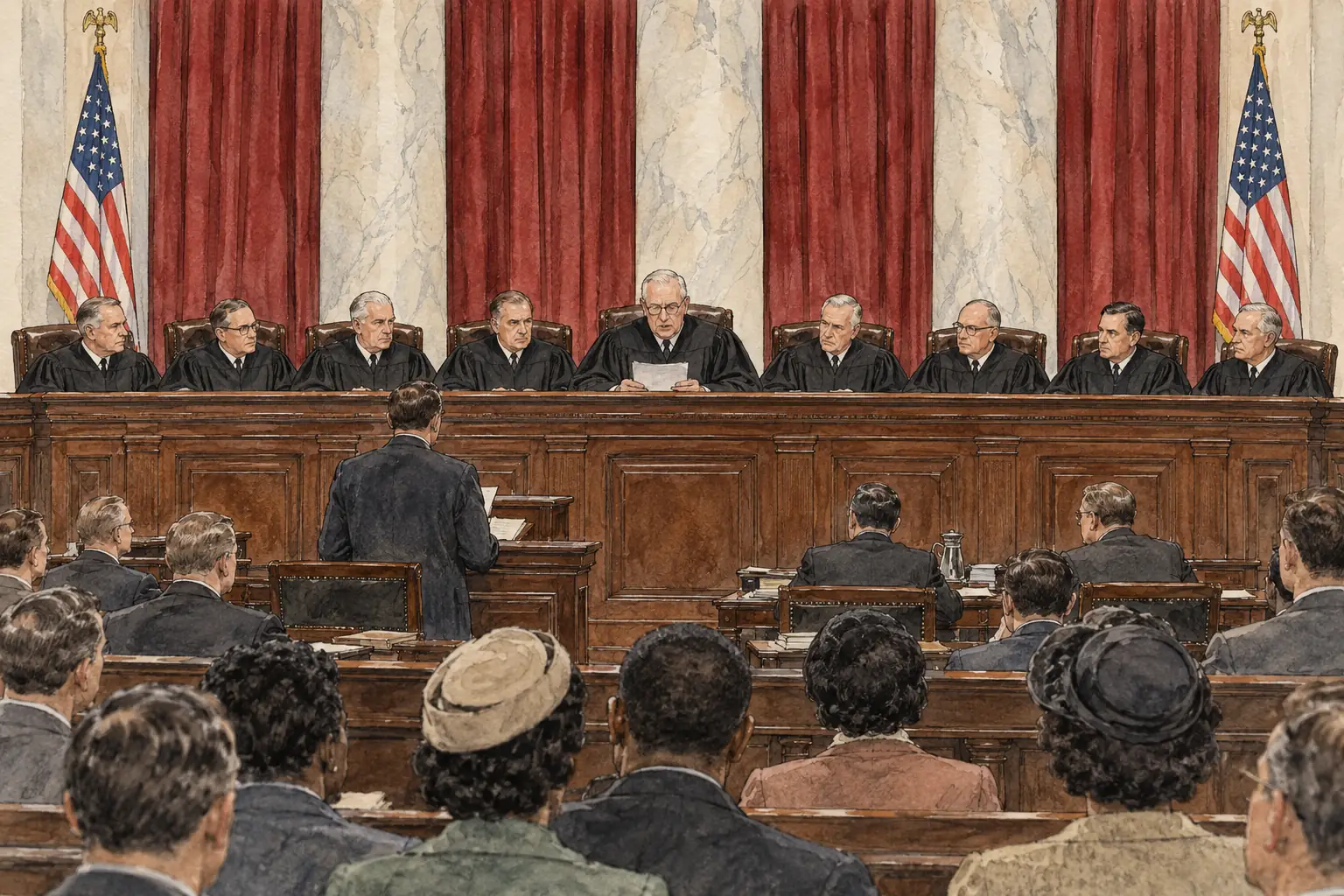
The Brown v. Board of Education case, decided in 1954, consolidated several lawsuits challenging school segregation. Under Chief Justice Earl Warren, the Supreme Court delivered a unanimous ruling that fundamentally altered the legal landscape of racial separation in education.
Core elements of the 1954 ruling
- Overturning Plessy v. Ferguson - The decision rejected the 1896 'separate but equal' doctrine specifically in public education, arguing that it violated the 14th Amendment's equal protection clause.
- Declaration of inherent inequality - The Court stated that 'separate educational facilities are inherently unequal', emphasising how segregation generated feelings of inferiority that undermined black children's motivation and development.
- Role of social science - Evidence from studies like the Clark doll tests influenced the justices, highlighting the psychological and educational damage inflicted by segregated systems.
The Brown II ruling and its implementation
Following the 1954 decision, the Supreme Court issued a follow-up ruling in 1955, known as Brown II, to address how desegregation should proceed. This aimed to guide practical changes but resulted in uneven progress across the United States.
Details of the Brown II decision
- Order for desegregation - The Court instructed local authorities to integrate schools 'with all deliberate speed', placing responsibility on district courts to oversee the process.
- Varied compliance - While some areas began integration efforts, many Southern states delayed or resisted, leading to slow and inconsistent application of the ruling nationwide.
Significance of the Brown decisions
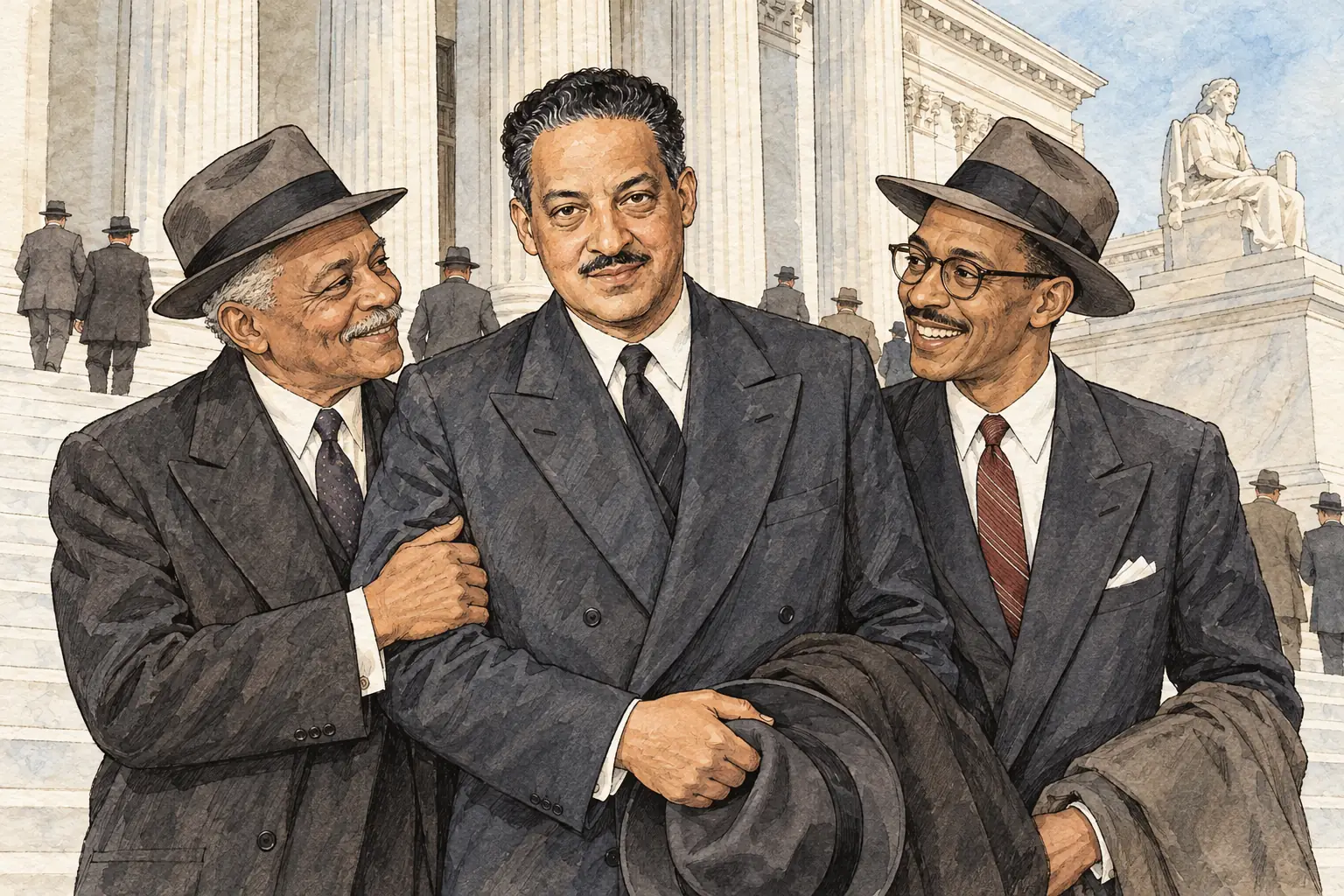
The Brown rulings had far-reaching effects on the civil rights movement and American society, establishing a legal precedent while exposing deep divisions over racial equality.
Impacts on civil rights and society
- Constitutional basis for desegregation - The decisions provided a nationwide legal framework to challenge segregation beyond education, influencing future cases in areas like public transport and housing.
- Boost to civil rights morale - The victory energised activists and organisations like the NAACP, increasing optimism and mobilisation for further reforms.
- Trigger for Southern resistance - The rulings provoked 'Massive Resistance' in the South, including school closures, legal challenges, and the expansion of groups like White Citizens' Councils to maintain segregation.