3.3 - Case Study: Pentonville Prison
Key facts and dates
Pentonville Prison, opened in 1842, represented a major shift in 19th-century British penal policy, moving towards rehabilitation through isolation rather than transportation or execution. This model prison highlighted both innovative reforms and the harsh realities of early attempts at prisoner reformation.
Key facts to remember
- 1842 – Pentonville Prison opens in London as a model for the separate system.
- Separate system – Prisoners isolated in individual cells to prevent communication and encourage reflection.
- Work activities – Inmates performed solitary tasks like picking oakum or using treadmills.
- Health improvements – Cleaner, better-ventilated conditions compared to older prisons.
- Mental health issues – High rates of insanity, depression, and suicides due to isolation.
- Cost factors – Expensive to build and staff due to individual cells and high supervision needs.
- Legacy – Influenced modern prison designs with radial wings; evolved into the silent system.
Reasons for the construction of Pentonville Prison
By the mid-19th century, Britain's approach to punishment was changing, with fewer options for dealing with criminals. The decline in transportation to colonies and the reduction in crimes punishable by death created a need for alternative solutions, leading to the building of new prisons like Pentonville.
Factors driving the need for new prisons
- End of transportation – As sending convicts abroad became less practical, authorities required domestic facilities to house offenders.
- Fewer capital punishments – Reforms reduced the number of crimes leading to execution, increasing the prison population.
- Focus on rehabilitation – Pentonville was designed to reform inmates through structured isolation, work, and religious guidance, reflecting a shift towards corrective imprisonment.
Description of the separate system
Image 1 of 2: At Pentonville each prisoner lived and worked alone in his cell, here picking oakum from old rope

The separate system at Pentonville aimed to isolate prisoners to promote personal reform. Built in 1842, the prison featured a radial design with wings of individual cells, ensuring inmates remained apart to avoid negative influences.
Key features of the separate system
- Individual cells – Each prisoner had a private cell for sleeping, eating, and working, minimising contact with others.
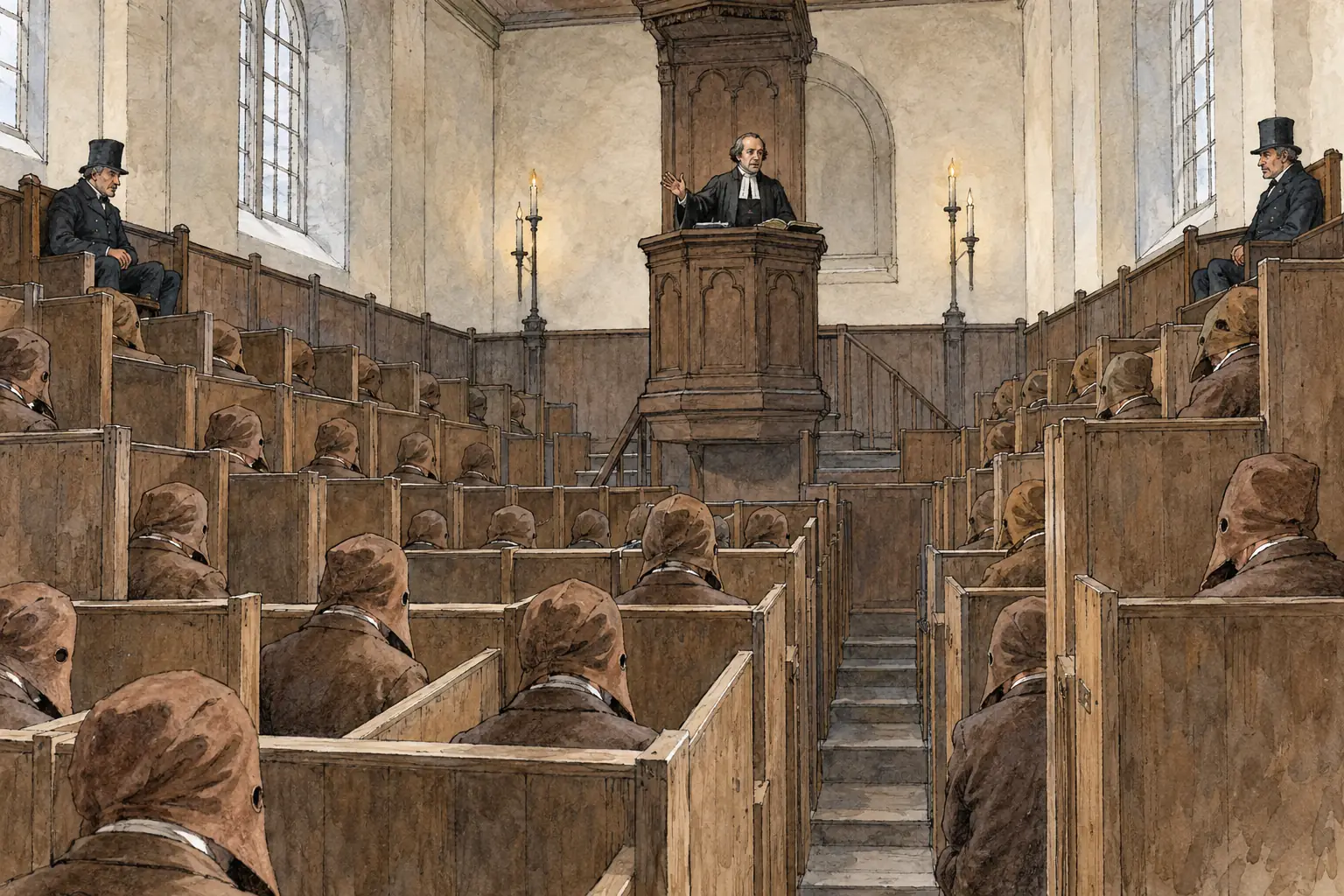
- Isolation during activities – In chapel, inmates wore masks or used separate stalls; exercise and other routines were conducted alone.
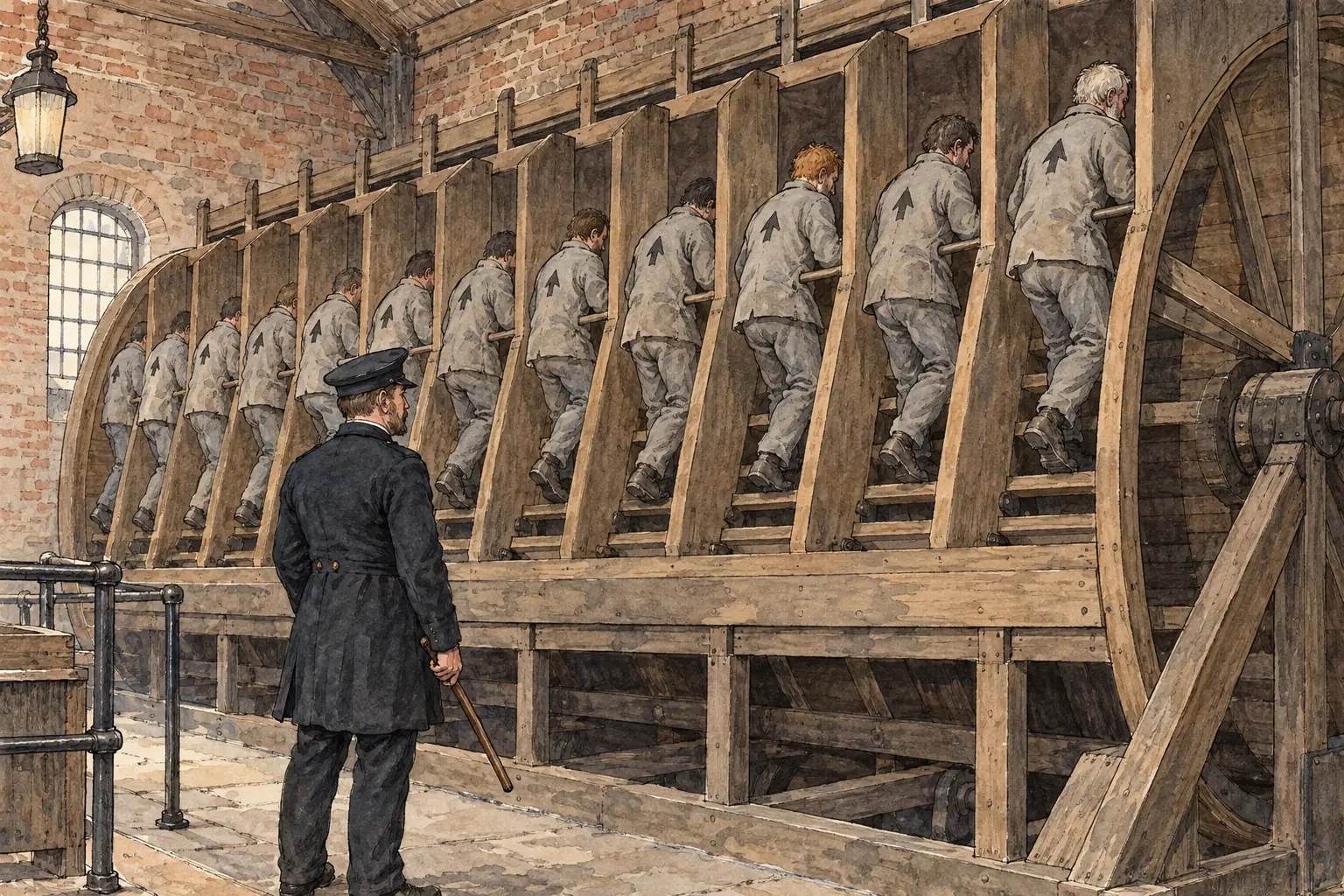
- Daily routines – Prisoners engaged in solitary labour, such as separating rope fibres or walking on treadmills, combined with time for prayer and Bible study to encourage moral reflection.
Strengths of the separate system
Supporters of the separate system believed it offered a humane and effective way to reform criminals by removing corrupting influences. Pentonville's implementation showed some practical benefits in maintaining order and improving physical conditions.
Benefits of isolation and reform
- Prevention of criminal influence – Keeping prisoners separate stopped them from sharing illegal skills or planning further crimes.
- Promotion of discipline and reflection – Solitude encouraged inmates to contemplate their actions and seek religious redemption, with some reports of character improvement.
- Improved hygiene and health – Cells were clean and airy, reducing disease outbreaks common in overcrowded older jails.
Weaknesses and human costs of the separate system
Despite its intentions, the separate system often caused more harm than good, with the extreme solitude proving damaging to prisoners' well-being. Critics highlighted its inefficiency and cruelty as evidence of flawed reform methods.
Drawbacks of prolonged isolation
- Mental health deterioration – Many inmates suffered from severe depression, hallucinations, or suicidal thoughts due to the lack of human interaction.
- High operational costs – The need for numerous cells and constant staff oversight made the system expensive to maintain.
- Limited rehabilitation success – Released prisoners were often mentally broken, with little evidence of genuine long-term reform, leading to arguments that the approach was overly punitive.
Legacy and evolution of Pentonville's approach
Image 1 of 2: Pentonville's wings of cells spread out from a central hall, a layout copied by many later prisons
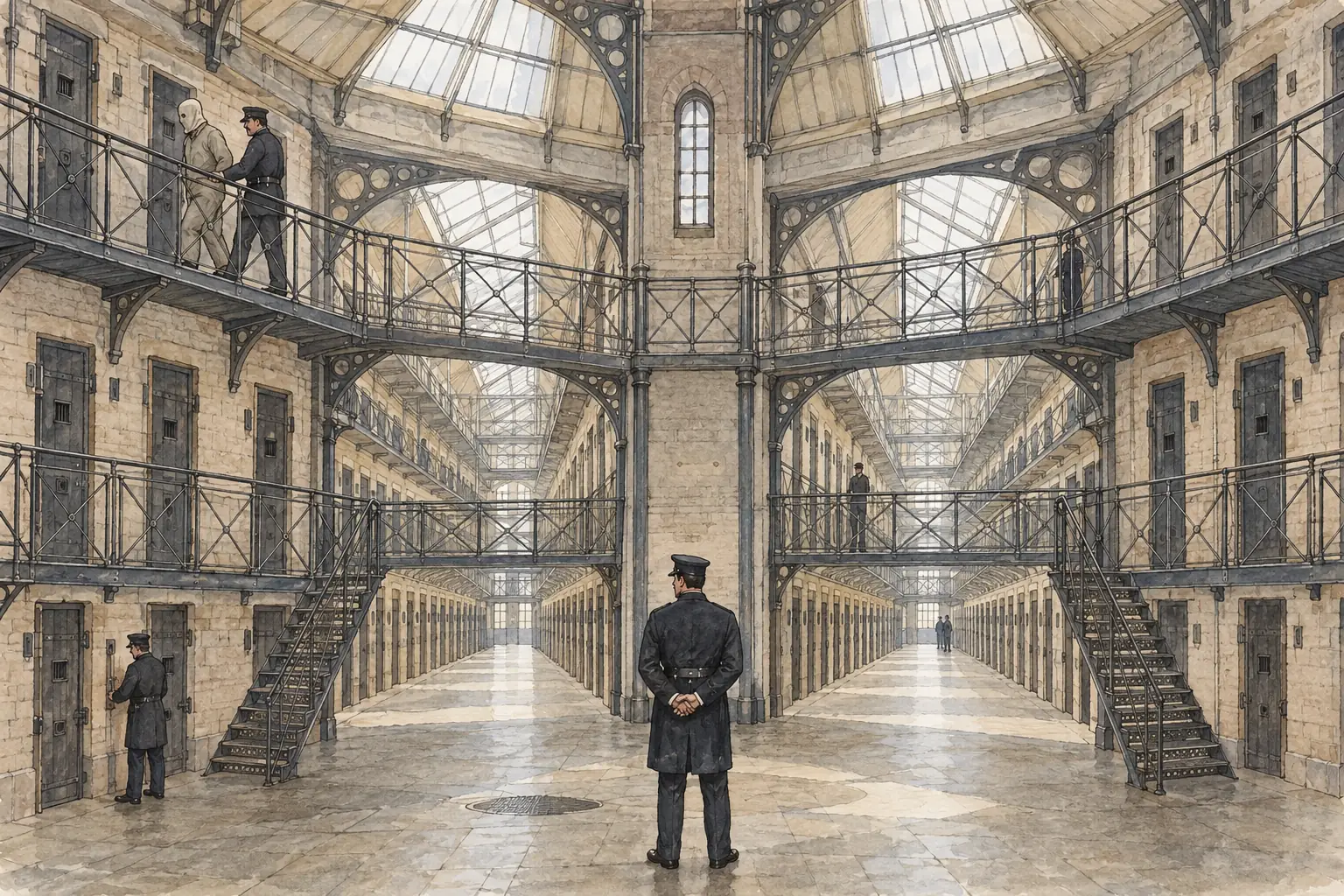
Pentonville set a precedent for prison design and philosophy, influencing global penal systems despite its flaws. Over time, the separate system was adapted to address its shortcomings, marking progress in punishment practices.
Long-term influence and changes
- Architectural blueprint – The prison's spoke-like layout became a model for secure, orderly facilities worldwide.
- Shift to silent system – By the late 19th century, rules softened to allow group work under strict silence, reducing isolation's harms.
- Broader historical significance – Pentonville exemplified the move from punitive to reformative imprisonment, though its methods appear severe by modern standards.