1.4 - Challenges from Left & Right, 1919–20
Key facts and dates
The early years of the Weimar Republic were marked by severe challenges from both left-wing and right-wing extremists, testing the stability of the new democratic government. Political violence and uprisings highlighted internal divisions, but also demonstrated the potential for public action to preserve the republic.
Timeline of key events
- January 1919 – Spartacist uprising in Berlin, led by Luxemburg and Liebknecht, suppressed by Freikorps.
- 15 January 1919 – Assassination of Luxemburg and Liebknecht by Freikorps members.
- March 1920 – Kapp Putsch attempted coup in Berlin, defeated by general strike.
- June 1922 – Assassination of Foreign Minister Walther Rathenau by right-wing extremists.
- 1920–1923 – Peak of political assassinations, with over 350 incidents targeting republic supporters.
The Spartacist uprising in January 1919
Image 1 of 2: Spartacists hold a barricade of newsprint rolls in Berlin's newspaper district in January 1919
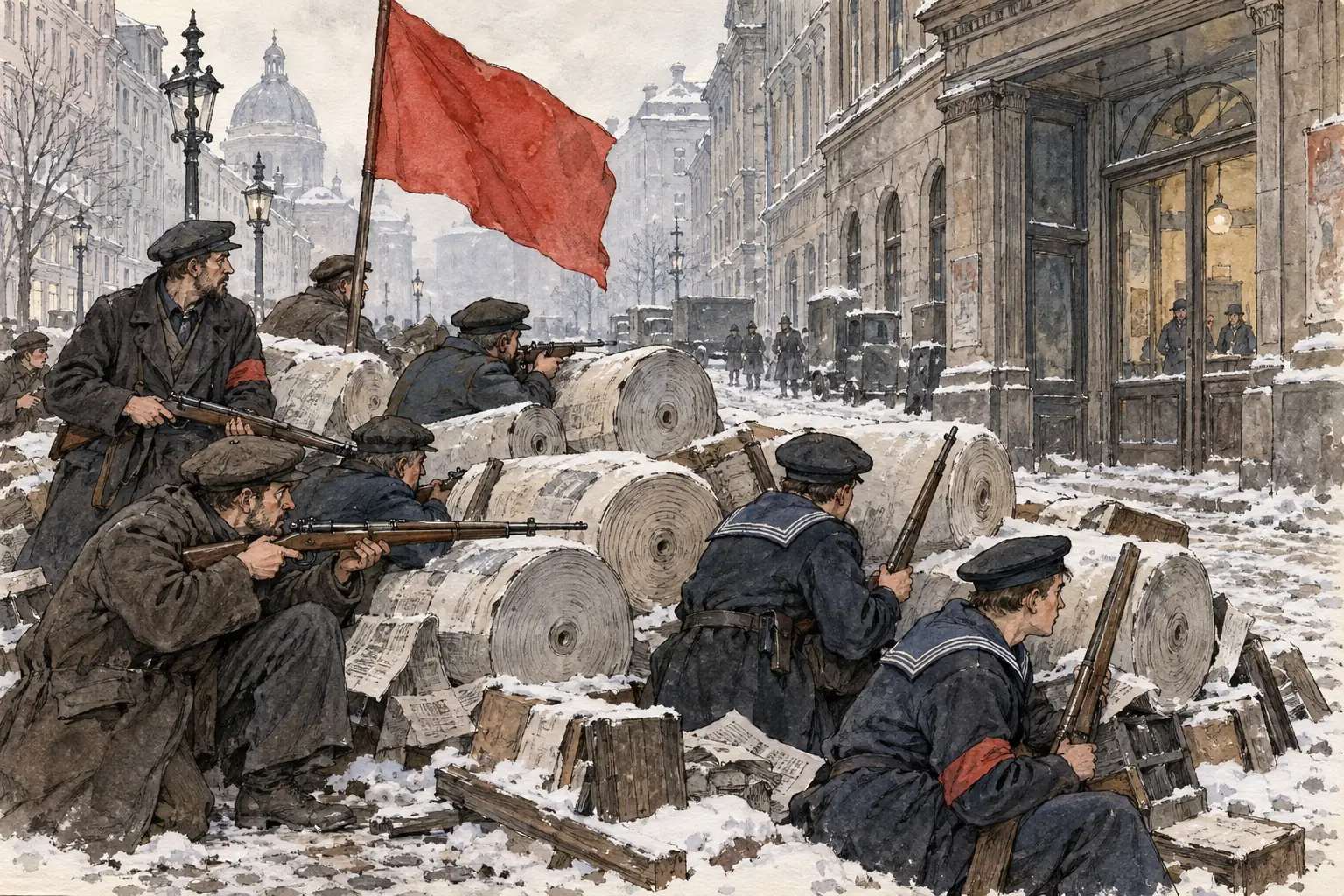
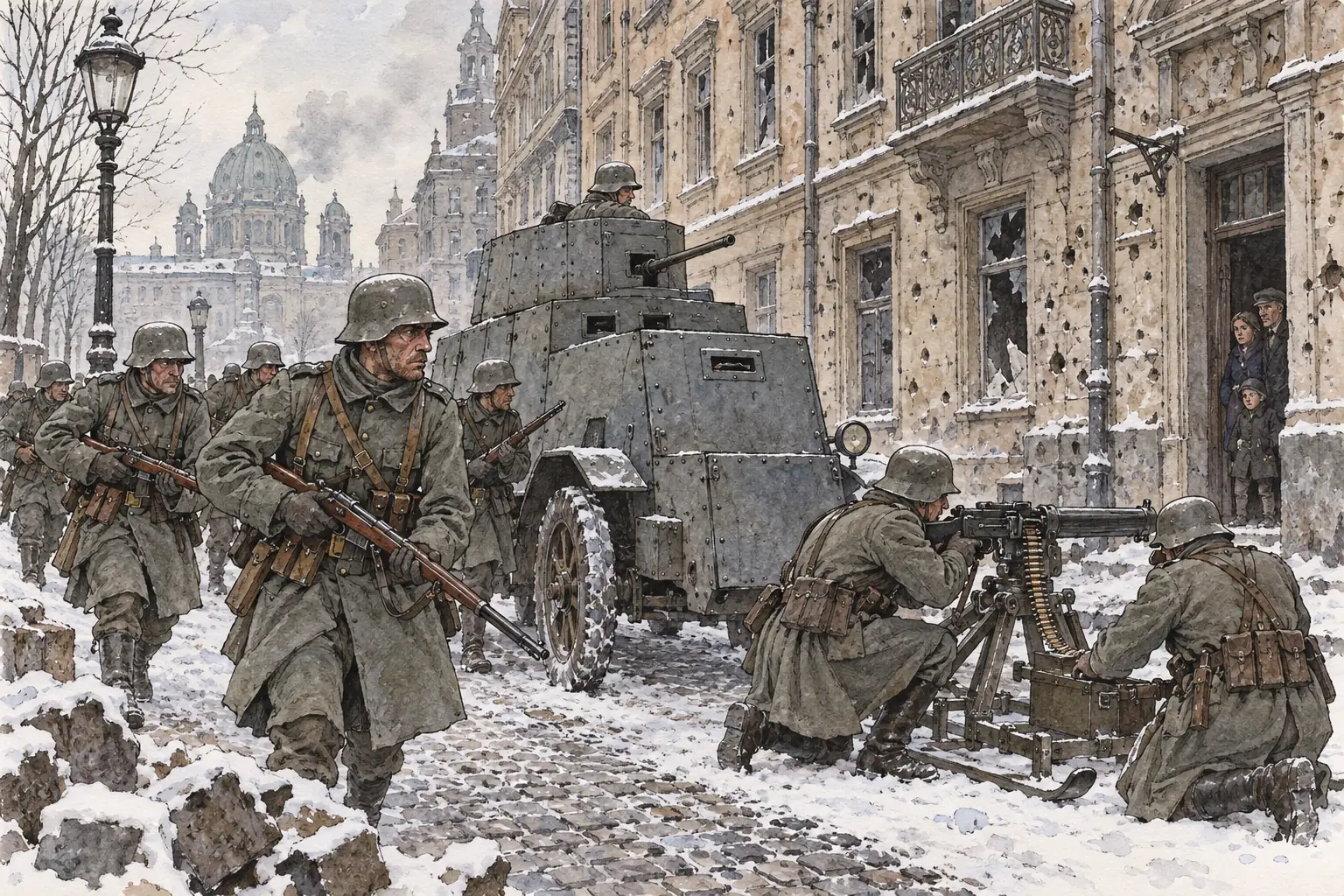
The Spartacist uprising represented a major left-wing challenge to the fledgling Weimar Republic. Inspired by the Russian Revolution, it aimed to overthrow the moderate socialist government and establish a communist state.
Aims of Luxemburg and Liebknecht
- Communist revolution - Rosa Luxemburg and Karl Liebknecht, leaders of the Spartacist League (part of the newly formed Communist Party of Germany), sought to create a soviet-style workers' government, drawing on Bolshevik ideas.
- Opposition to moderate socialism - They criticised the Social Democratic Party (SPD) for compromising with conservative elements and failing to pursue radical reforms, pushing instead for immediate workers' control.
Role of the Freikorps in suppression
- Government response - SPD leader Friedrich Ebert authorised the use of Freikorps, paramilitary groups of demobilised soldiers loyal to the republic, to crush the uprising in Berlin.
- Brutal tactics - The Freikorps, under figures like Gustav Noske, employed violent methods, including street fighting and summary executions, to restore order within days.
Consequences for left-SPD relations
- Deepened divisions - The suppression widened the rift between communists and the SPD, fostering lasting hostility and weakening the left-wing alliance.
- Martyrdom and legacy - The murders of Luxemburg and Liebknecht on 15 January 1919 turned them into symbols for communists, intensifying anti-SPD sentiment.
The Kapp Putsch in March 1920
Image 1 of 2: The Ehrhardt Brigade, a Freikorps unit, marches into Berlin to put Kapp in power in March 1920
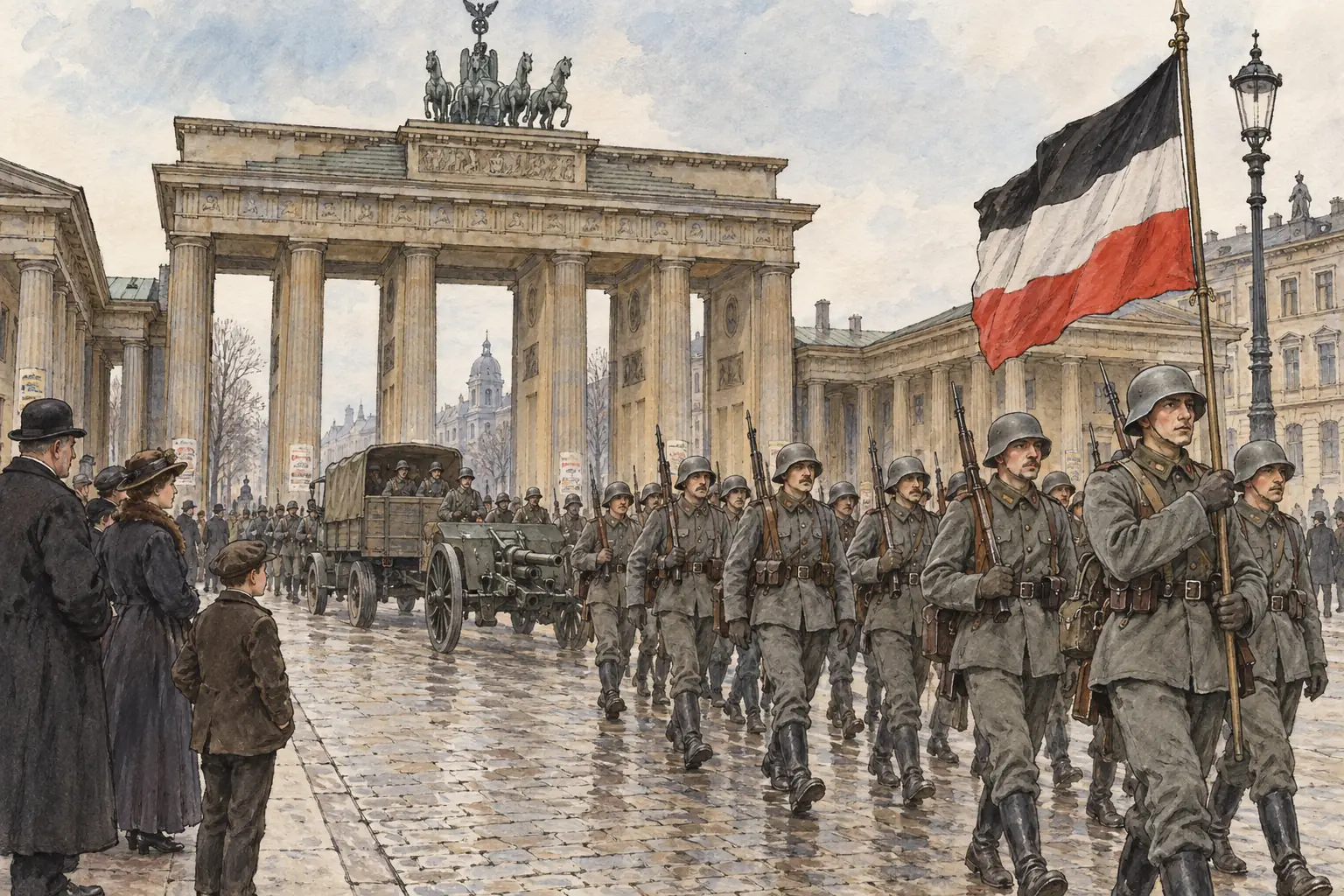
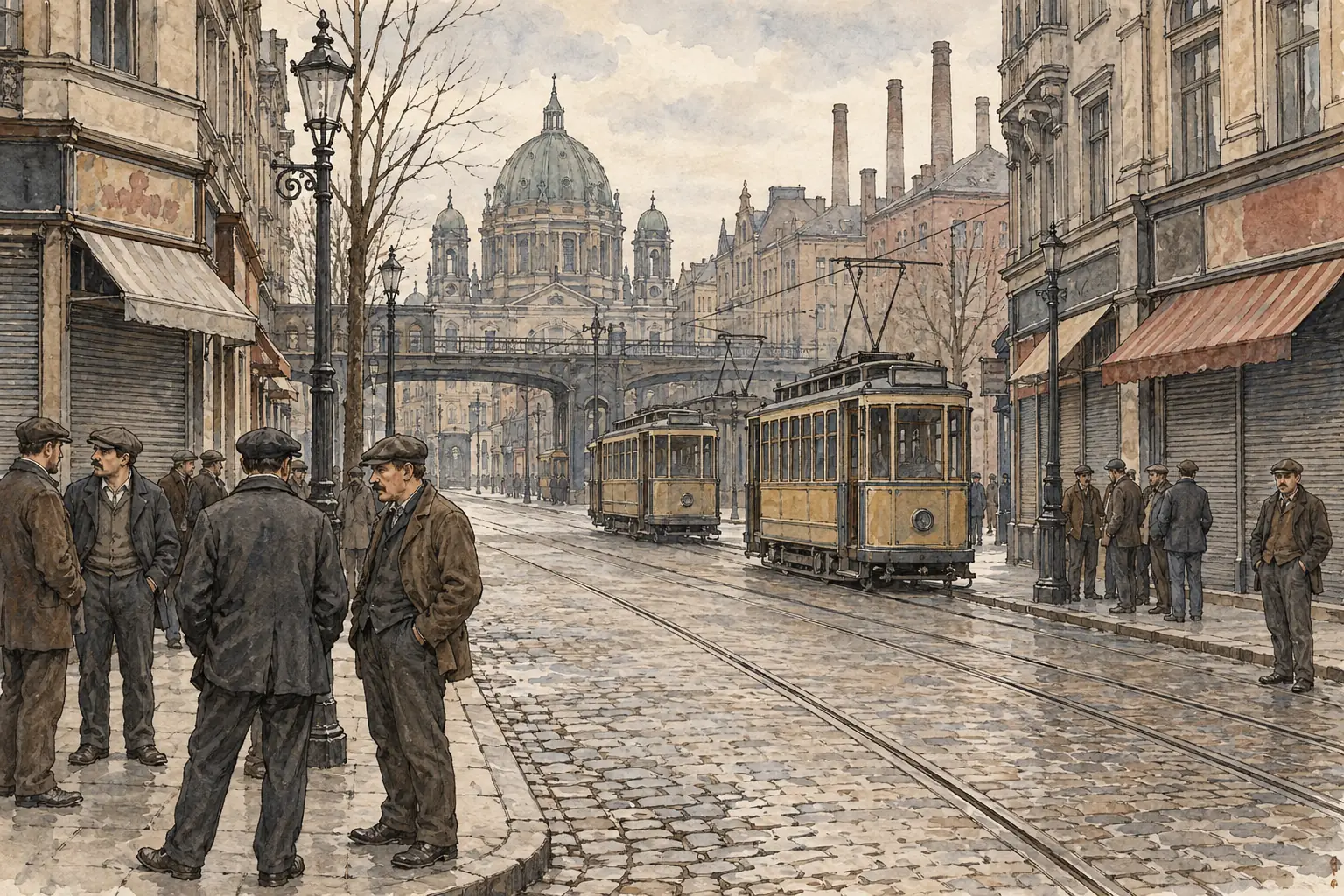
The Kapp Putsch was a right-wing attempt to dismantle the Weimar Republic and restore authoritarian rule. It exposed the fragility of the new democracy but ultimately failed due to widespread public resistance.
Motives of Kapp and Lüttwitz
- Opposition to Versailles Treaty - Wolfgang Kapp, a civil servant, and General Walther von Lüttwitz resented the treaty's military restrictions, which required reducing the army's size.
- Desire for monarchy - They aimed to install a conservative dictatorship, reversing the republican changes and countering perceived left-wing threats.
Army's neutrality
- Refusal to intervene - The Reichswehr (German army) remained neutral, with leaders like General Hans von Seeckt declaring they would not fire on fellow soldiers, highlighting the military's unreliability in defending the republic.
Defeat by general strike
- Workers' mobilisation - Trade unions called a nationwide general strike, paralysing the economy with millions of workers refusing to operate services, effectively starving the putsch of support.
- Rapid collapse - The strike forced Kapp and Lüttwitz to flee after just four days, demonstrating the power of organised labour in upholding democracy.
Wider climate of political violence
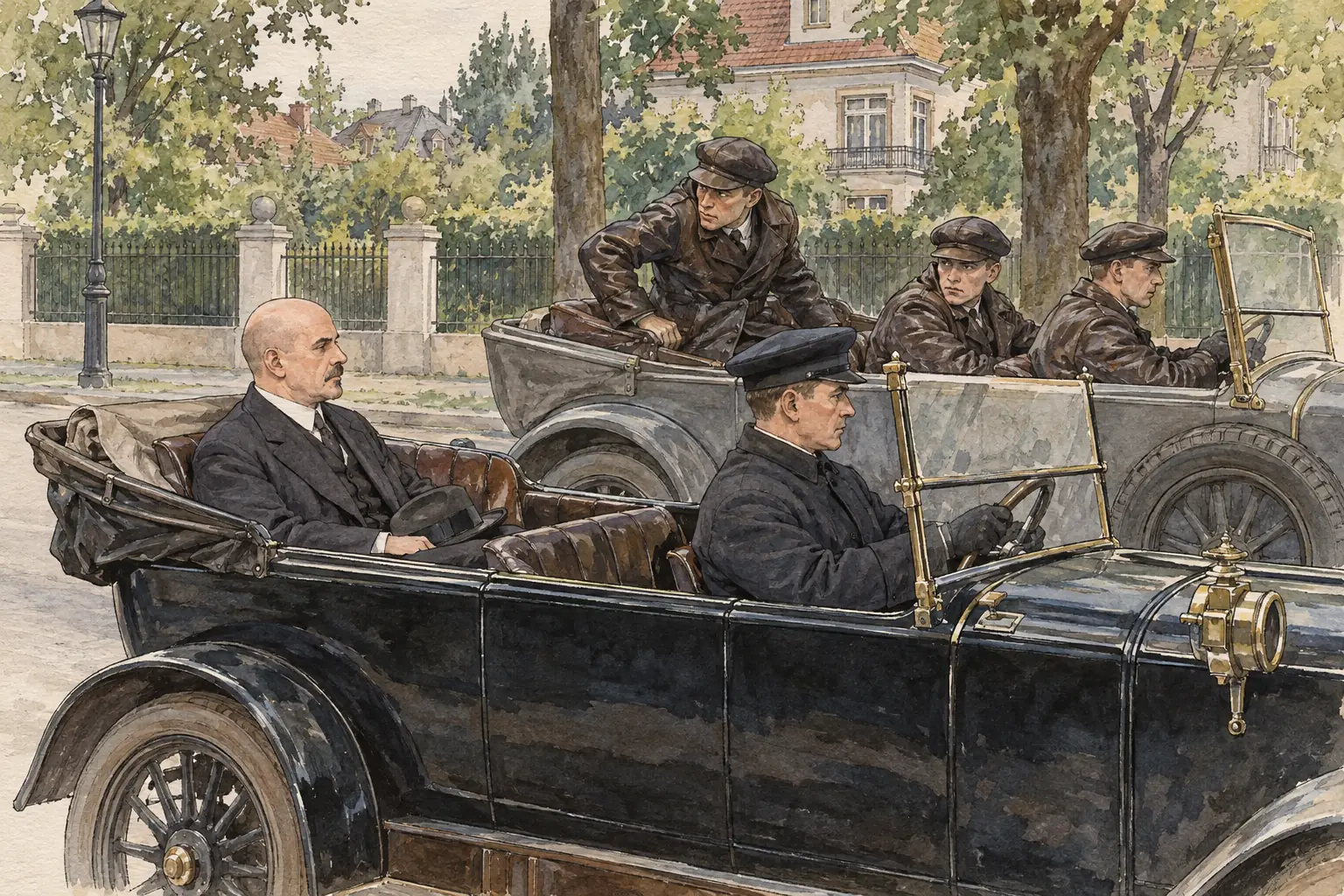
The period from 1919 to 1920 was characterised by intense political instability, with extremists from both sides resorting to violence to undermine the Weimar Republic. This atmosphere of unrest included targeted killings and paramilitary clashes.
Key examples of political violence
- Assassinations - Right-wing groups carried out numerous murders, such as the 1922 killing of Foreign Minister Walther Rathenau, aimed at destabilising the government; over 350 political assassinations occurred between 1920 and 1923, mostly targeting left-leaning or republican figures.
- Paramilitary activities - Freikorps units, initially used against leftists, often turned to freelance violence, contributing to a cycle of reprisals and street battles in cities like Berlin.
- Left-wing responses - Communists organised armed groups in response to suppression, leading to sporadic uprisings and clashes that further polarised society.
Vulnerabilities and strengths of the republic
The crises of 1919–1920 exposed critical weaknesses in the Weimar system while also revealing unexpected sources of resilience. These events underscored the challenges of establishing democracy in a divided post-war Germany.
Vulnerabilities of the republic
- Military unreliability - The army's neutrality during the Kapp Putsch showed its lingering loyalty to conservative ideals, posing a constant threat to democratic institutions.
- Political extremism - Deep divisions between left and right fragmented support, with the SPD government struggling to maintain authority amid economic hardship and Versailles resentments.
Strengths through citizen action
- Public defence of democracy - Ordinary citizens, particularly striking workers during the Kapp Putsch, proved capable of protecting the republic when official structures faltered.
- Resilience and adaptation - Despite vulnerabilities, the government's survival through these challenges demonstrated the potential for democratic mechanisms, like elections and coalitions, to endure extreme pressures.