1.5 - The Ruhr Crisis & Hyperinflation, 1923
Key facts and dates
The Ruhr crisis of 1923 stemmed from Germany's failure to meet reparations payments under the Treaty of Versailles, leading to foreign occupation and severe economic turmoil. This period of hyperinflation exacerbated social divisions and weakened the Weimar government, creating openings for political extremists.
Timeline of key events
- January 1923 – France and Belgium invade the Ruhr industrial region to seize resources as reparations.
- February 1923 – German government initiates passive resistance, urging workers to strike without violence.
- Summer 1923 – Economic strain intensifies as tax income drops and money printing accelerates.
- August 1923 – Peak of hyperinflation, with prices doubling every few days and currency becoming worthless.
- September 1923 – Passive resistance ends amid mounting costs and social unrest.
- November 1923 – Hyperinflation stabilised with introduction of the Rentenmark, but damage to public confidence lingers.
Reasons for the 1923 occupation of the Ruhr
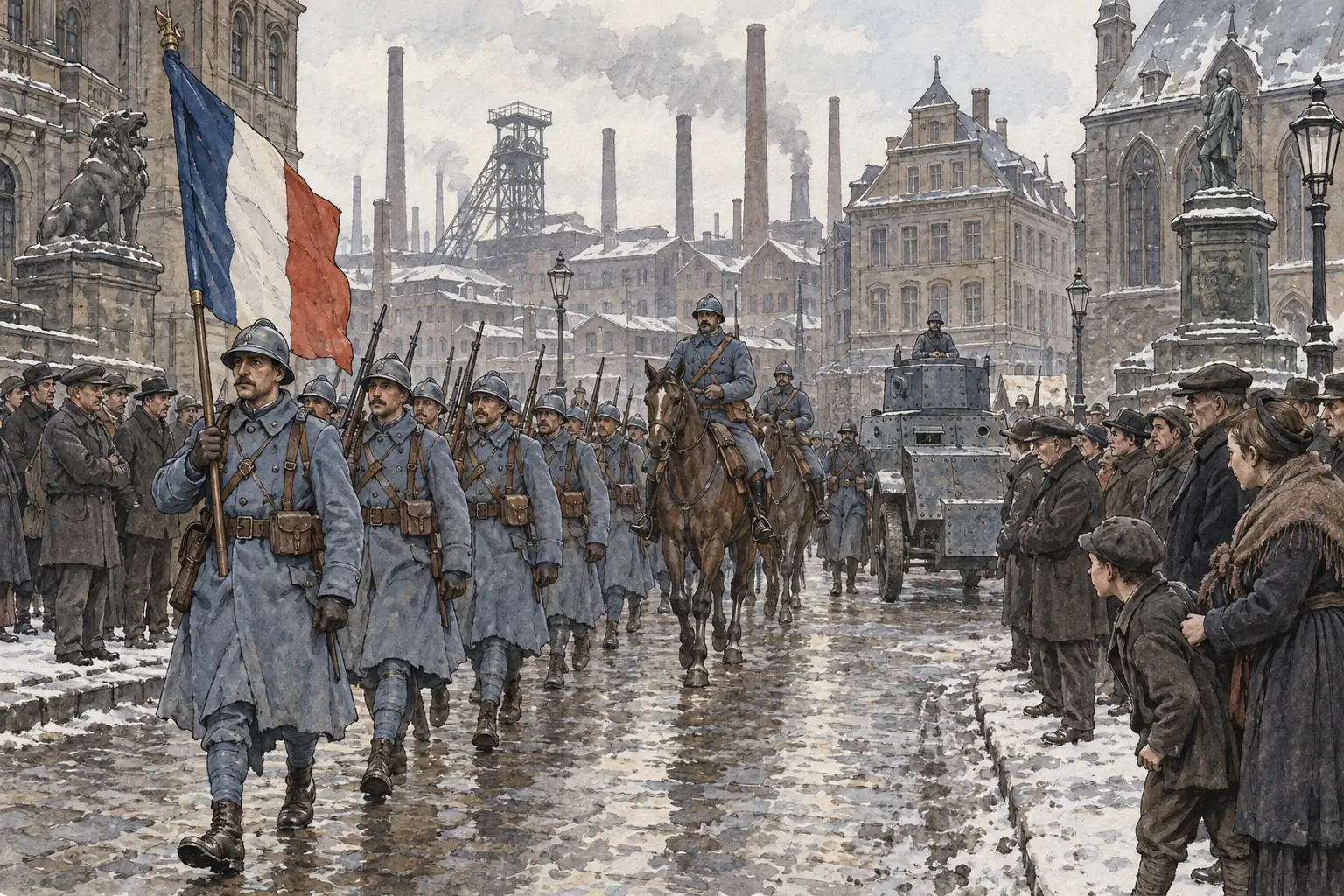
In early 1923, Germany struggled to fulfil its obligations under the Treaty of Versailles, which imposed heavy reparations for war damages. This situation prompted decisive action from France and Belgium, who sought to enforce payments by targeting Germany's industrial heartland.
Factors leading to the invasion
- Reparations defaults - Germany fell behind on scheduled deliveries of coal, timber, and steel to France and Belgium, claiming economic hardship due to the treaty's demands.
- French security concerns - France, under Prime Prime Minister Raymond Poincaré, aimed to weaken Germany economically to prevent future military threats, viewing the Ruhr's factories and mines as key assets.
- Resource seizure - The occupation allowed French and Belgian forces to extract coal and other materials directly from the Ruhr region, compensating for missed payments and bolstering their own economies.
- International tensions - Britain opposed the move, but France and Belgium proceeded unilaterally, highlighting divisions among the Allied powers over how to handle post-war Germany.
Germany's policy of passive resistance
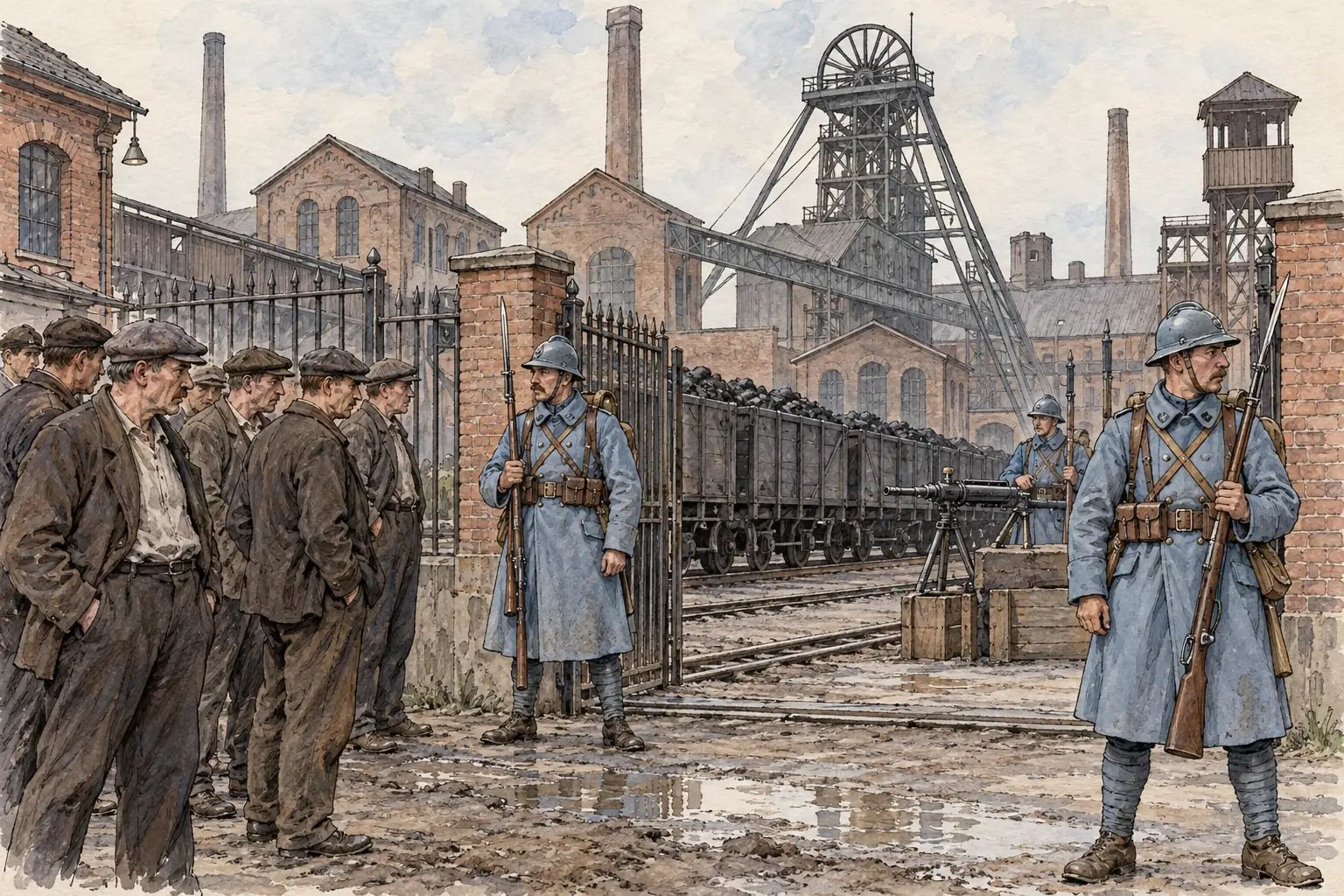
Faced with foreign occupation, the German government under Chancellor Wilhelm Cuno adopted a strategy of non-violent defiance to undermine the invaders' goals. This approach aimed to maintain national unity while avoiding direct confrontation.
Features of passive resistance
- Worker strikes - Coal miners, factory workers, and railway staff were encouraged to halt production and refuse cooperation with occupying forces, effectively paralysing the Ruhr's industries.
- Government support - The Weimar administration provided financial aid to striking workers, including wages and benefits, to sustain the resistance without resorting to armed conflict.
- National solidarity - The policy fostered a sense of patriotism across Germany, with widespread public backing initially, as it positioned the government as a defender against foreign aggression.
- Limitations and risks - While non-violent, the strategy led to arrests by occupiers and internal divisions, as some regions suffered more than others from the economic fallout.
Causes of hyperinflation
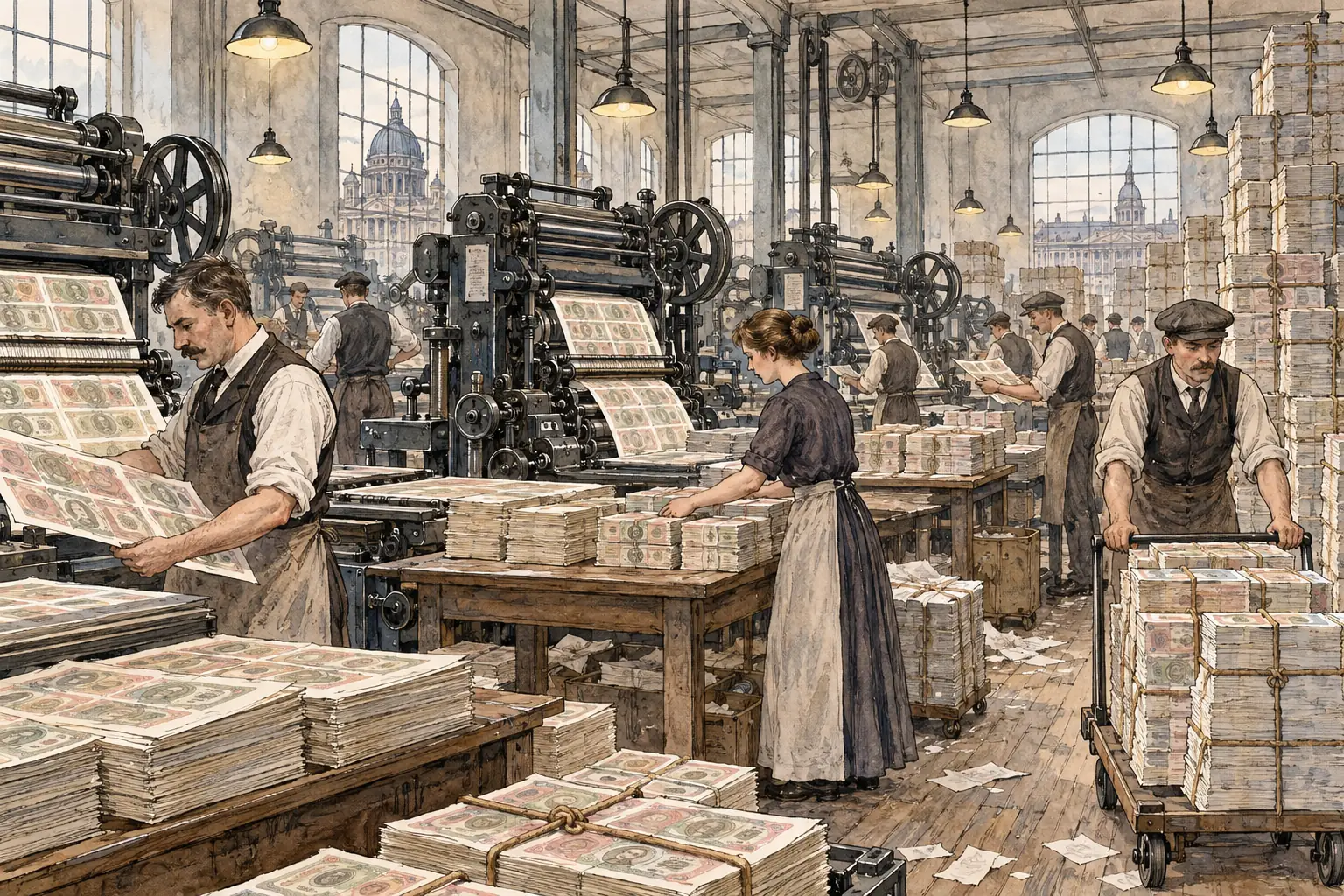
The Ruhr occupation triggered a cascade of economic problems that culminated in hyperinflation, where the value of the German mark plummeted dramatically. This was exacerbated by government decisions that prioritised short-term fixes over long-term stability.
Key triggers of hyperinflation
- Loss of industrial output - The strikes in the Ruhr, Germany's main coal and steel hub, halted production, reducing exports and crippling the economy's ability to generate revenue.
- Collapsing tax revenues - With factories idle and workers unpaid, government income from taxes and duties fell sharply, creating massive budget shortfalls.
- Excessive money printing - To fund passive resistance payments and cover deficits, the government printed vast amounts of currency, flooding the market and eroding its value.
- Rising import costs - Germany relied on foreign goods, but the weakening mark made imports exorbitantly expensive, further driving up prices and creating a vicious cycle of inflation.
Winners and losers from hyperinflation
Image 1 of 3: Savers and pensioners lost everything, and some sold their possessions to buy food
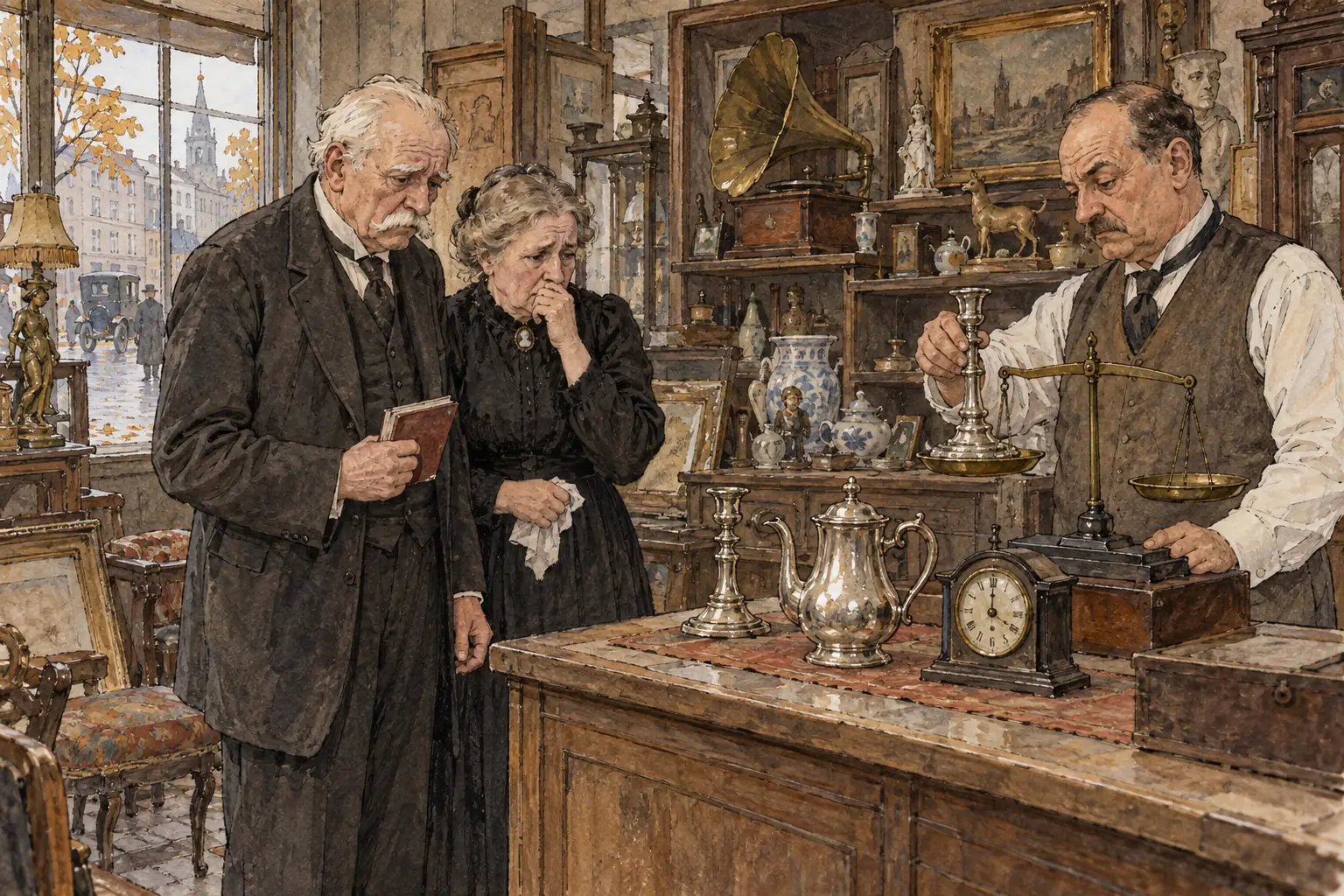
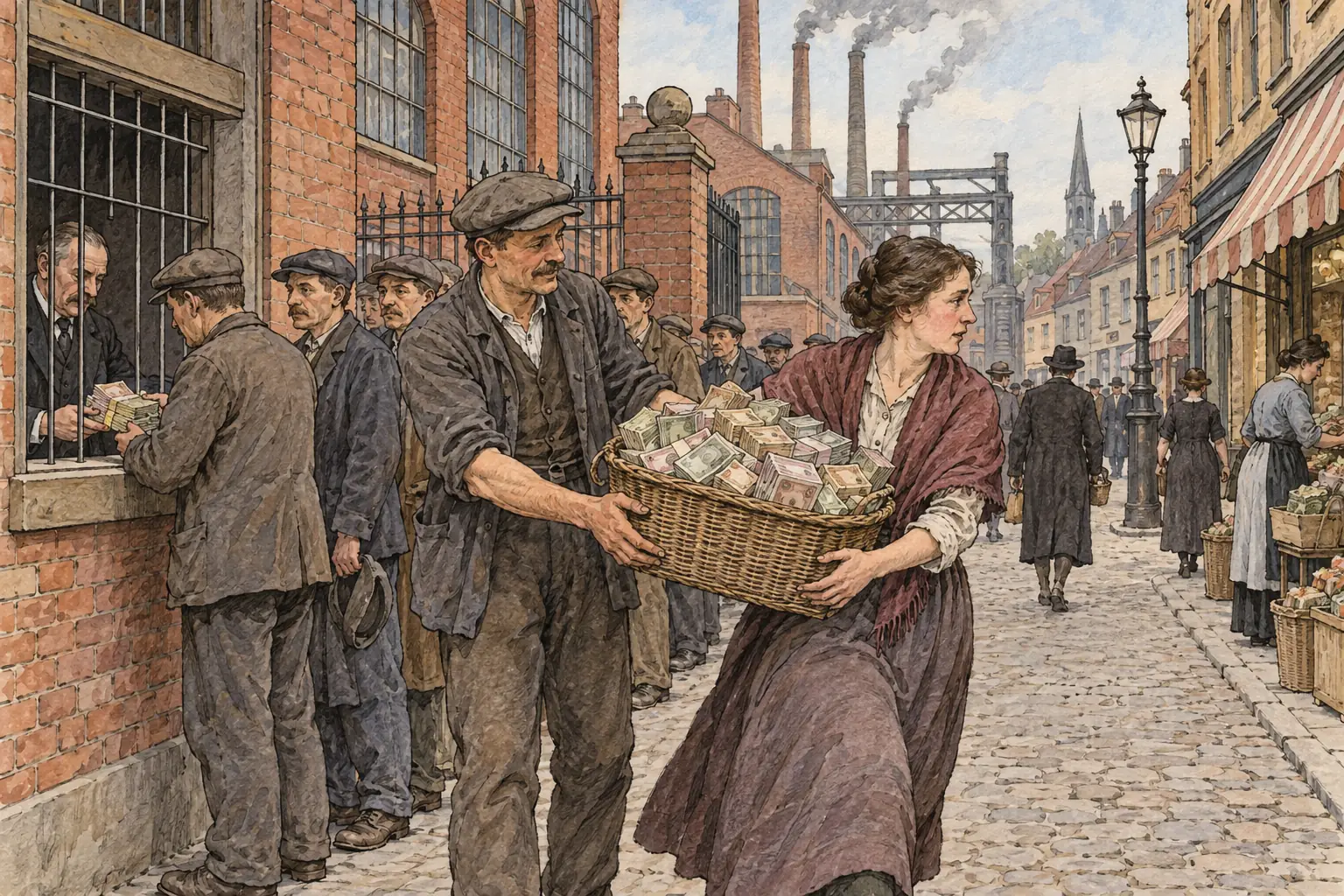
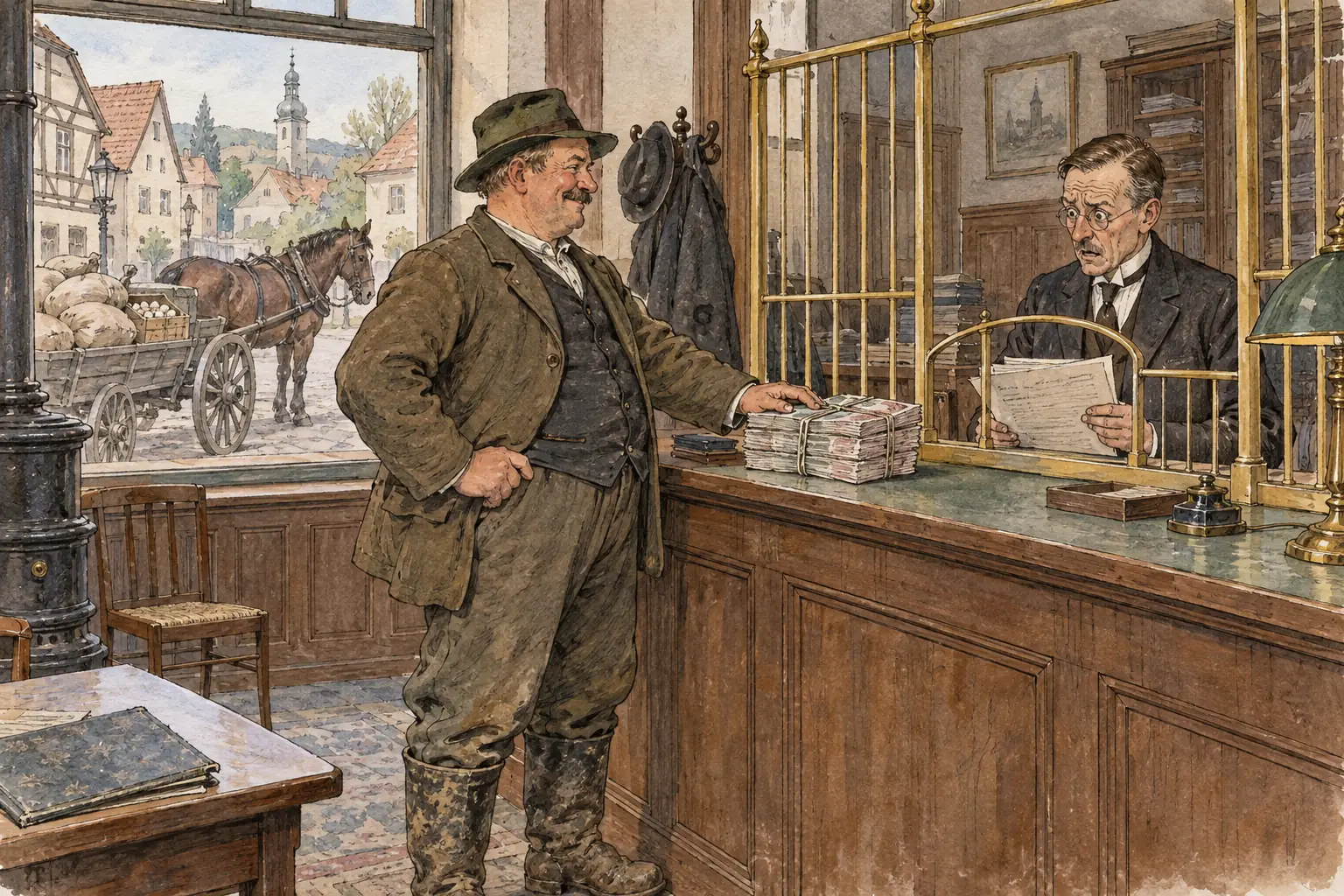
Hyperinflation redistributed wealth unevenly across German society, wiping out savings for many while benefiting those who could exploit the currency's collapse. This economic chaos deepened social inequalities.
Groups affected by hyperinflation
| Group | Impact | Reason |
|---|---|---|
| Pensioners | Severe financial ruin, as fixed pensions became worthless overnight. | Payments did not adjust to skyrocketing prices, leaving them unable to afford basics. |
| Savers | Loss of life savings, with bank deposits devalued to near zero. | Hyperinflation eroded the real value of money held in accounts or cash. |
| Fixed-income workers | Struggling to survive, as wages lagged far behind price increases. | Salaries on fixed rates could not keep pace with daily inflation surges. |
| Borrowers | Significant gains, as debts could be repaid with devalued currency. | Loans taken before inflation were settled cheaply in inflated marks. |
| Some industrialists | Profited by acquiring assets cheaply and exporting at favourable rates. | They borrowed to expand, repaying easily, and benefited from global trade. |
| Farmers | Benefited from rising food prices and debt reduction. | Sold produce at inflated prices while clearing mortgages with worthless money. |
Social and political consequences of the crisis
The Ruhr crisis and hyperinflation caused widespread hardship, eroding faith in the Weimar Republic and fuelling discontent. This instability created fertile ground for radical groups to challenge the government.
Effects on society and politics
- Social unrest - Food shortages and unemployment led to riots, strikes, and looting in cities, with families resorting to bartering or using alternative currencies for survival.
- Loss of confidence in government - The inability to control inflation or end the occupation damaged the Weimar regime's credibility, portraying it as weak and ineffective.
- Rise of extremism - Economic despair boosted support for far-right and far-left groups, setting the stage for events like the Munich Putsch in November 1923, as people sought radical alternatives.
- Long-term divisions - The crisis widened class gaps, with the middle class particularly resentful, contributing to ongoing political volatility in the Weimar era.