1.1 - Black Americans in the Early 1950s
Key facts and dates
In the early 1950s, Black Americans experienced systemic segregation and discrimination, enforced through laws in the South and social practices elsewhere. These conditions limited civil rights and political participation, though wartime experiences and migrations began to foster demands for equality.
Key facts to remember
- Plessy v. Ferguson (1896) – Supreme Court ruling establishing 'separate but equal' doctrine, legalising racial segregation.
- Jim Crow laws – Enforced separation in schools, transport, housing, and public facilities across Southern states.
- De jure vs. de facto segregation – Legal separation in the South contrasted with informal discrimination in the North.
- Voting barriers – Poll taxes, literacy tests, grandfather clauses, and intimidation suppressed Black voter registration.
- Great Migration (1910s–1950s) – Mass movement of Black Americans to Northern cities, exposing inequalities and building communities.
- WWII impact (1941–1945) – Black soldiers' experiences abroad highlighted domestic racism, inspiring calls for rights.
- Cold War rhetoric (post-1945) – U.S. promotion of democracy contrasted with internal discrimination, pressuring for reforms.
Jim Crow laws and de jure segregation in the South
Image 1 of 2: Under 'separate but equal', Southern states spent far less on schools for Black children than on schools for white children
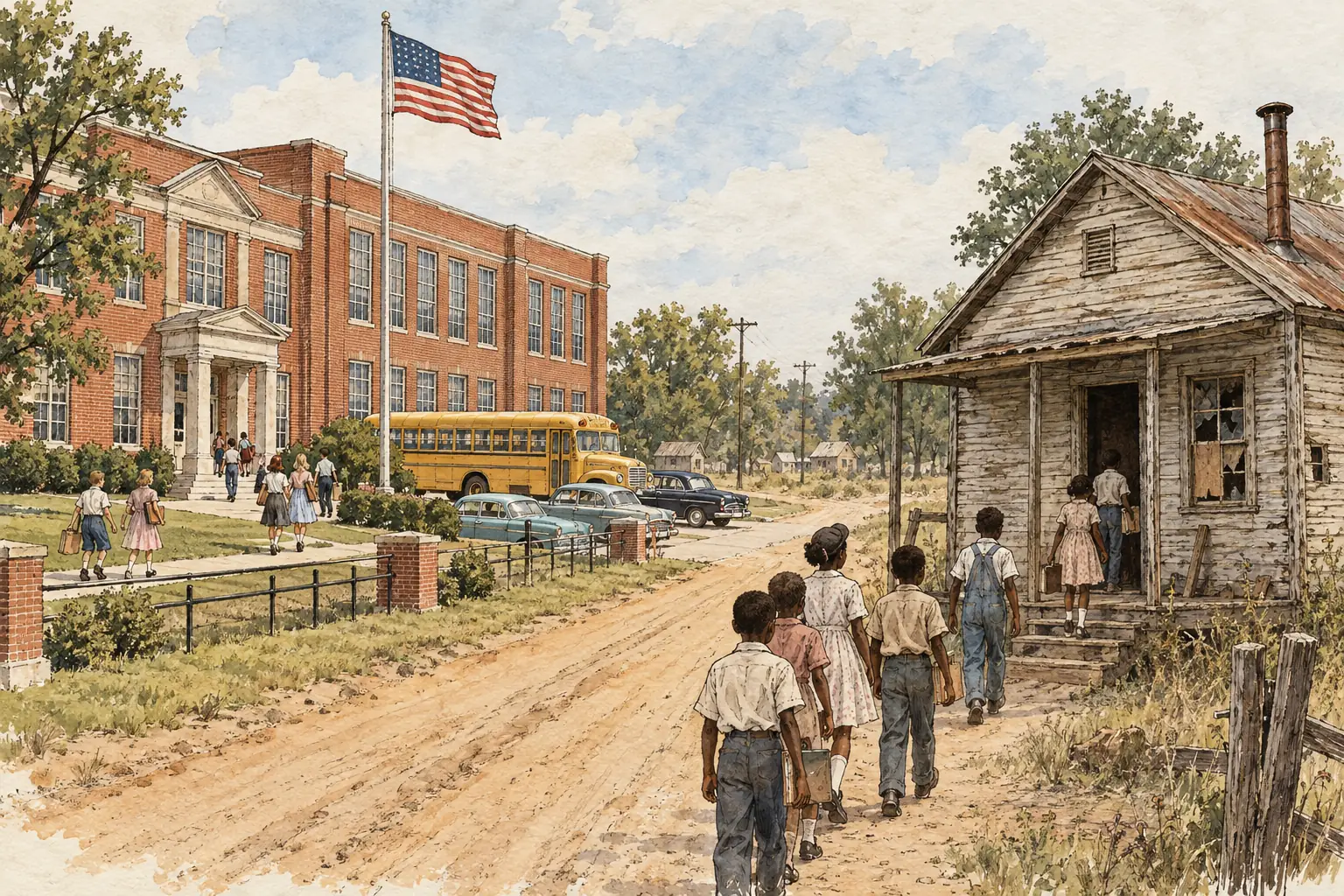
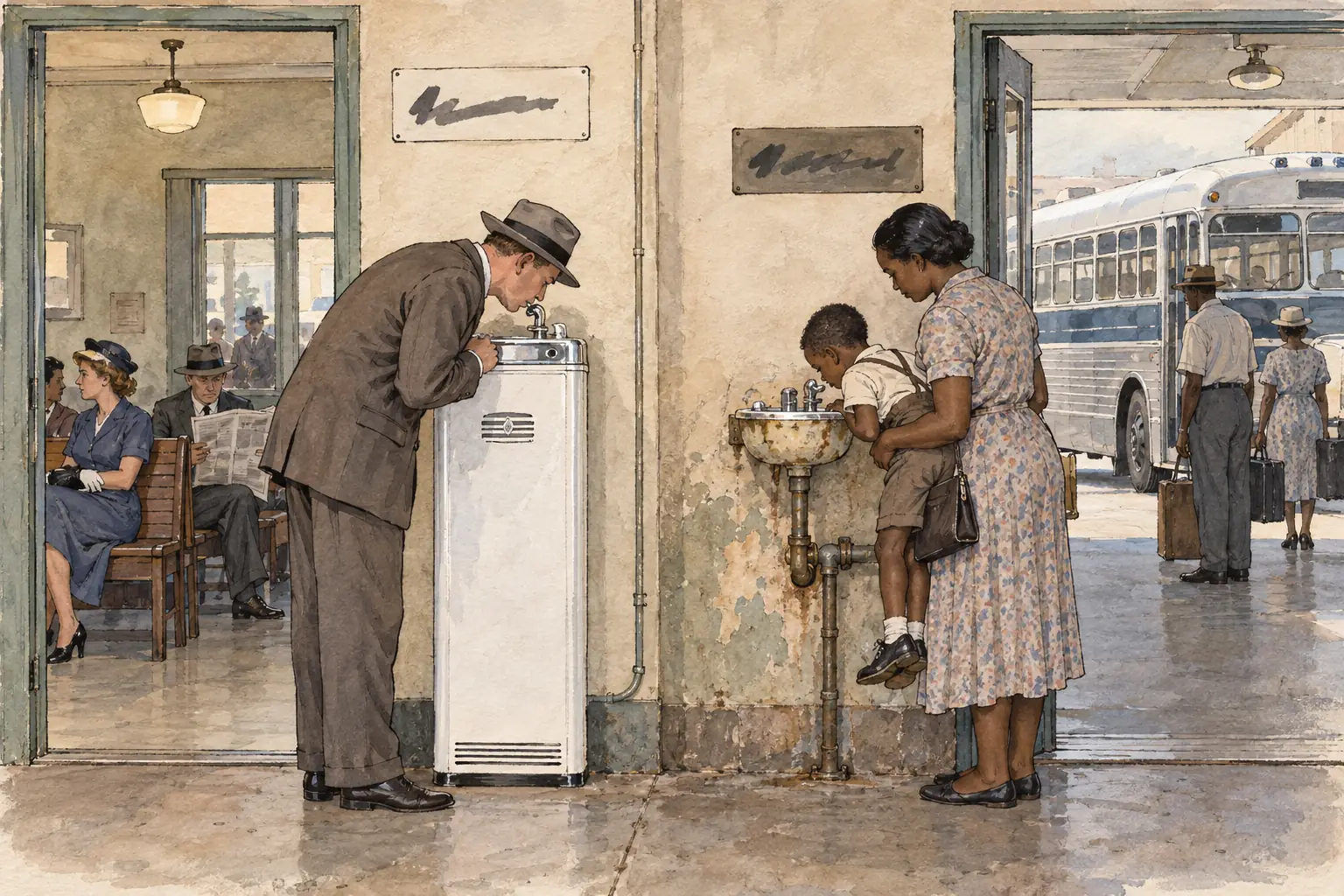
Jim Crow laws formed the legal backbone of racial separation in Southern states during the early 1950s, stemming from a late 19th-century Supreme Court decision. These laws mandated division across various aspects of daily life, creating a system of inequality that was enshrined in statutes.
Origins and framework of Jim Crow segregation
The 1896 Plessy v. Ferguson ruling by the U.S. Supreme Court introduced the 'separate but equal' principle, which justified racial segregation as long as facilities for Black and white people were supposedly equivalent. In practice, this led to inferior conditions for Black Americans.
Areas affected by racial segregation
- Education - Schools for Black children were legally separate, often underfunded and overcrowded compared to those for white students.
- Transport - Buses, trains, and other public vehicles enforced separate seating or sections, with Black passengers required to give up seats to white individuals.
- Housing - Residential areas were divided by law, restricting Black families to specific neighbourhoods and limiting access to better living conditions.
- Public facilities - Restaurants, parks, hospitals, and even drinking fountains were segregated, reinforcing social divisions and daily humiliation.
De facto segregation in the North
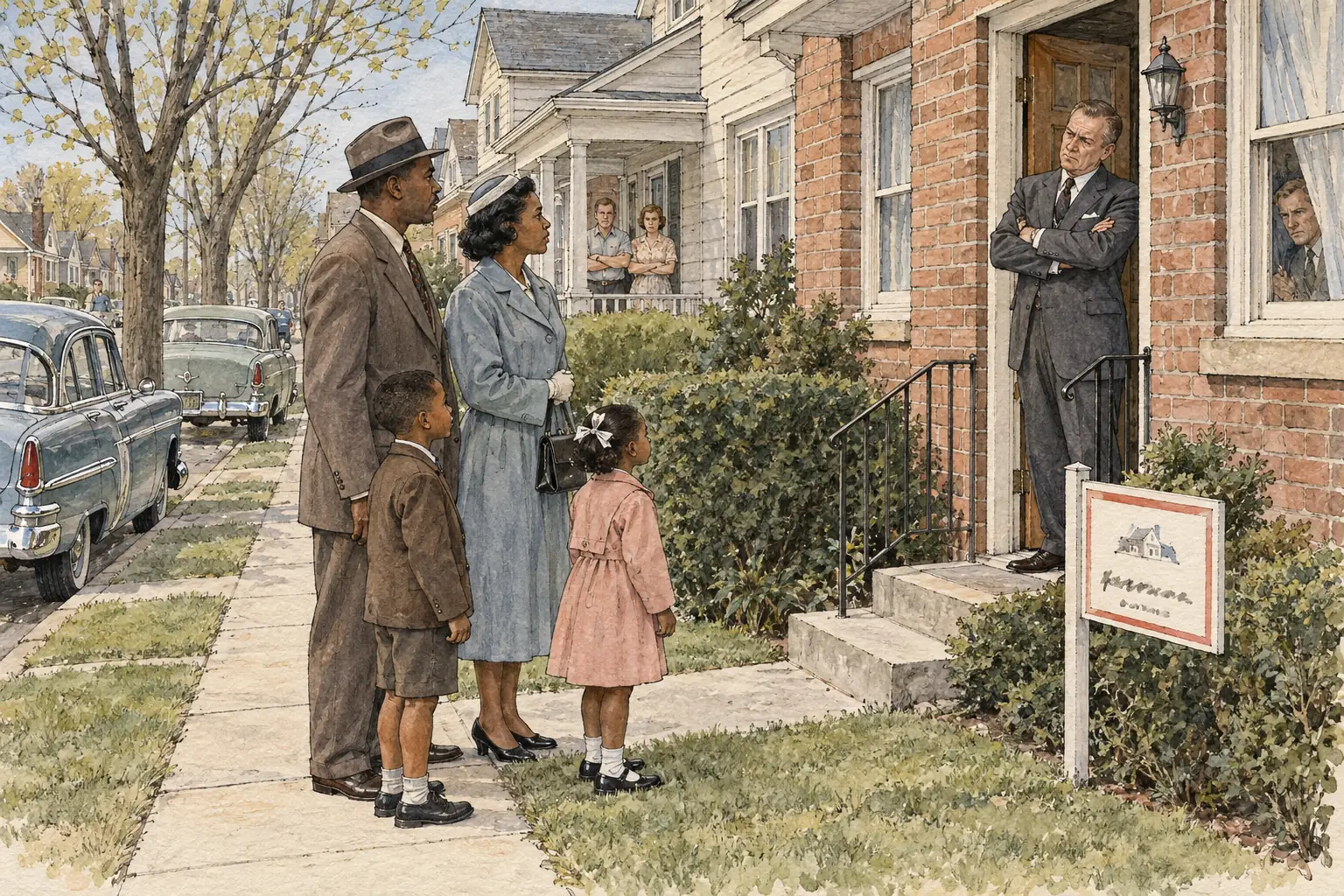
While the North lacked formal Jim Crow laws, racial separation and prejudice persisted through informal practices in the early 1950s. This de facto segregation arose from social customs, economic factors, and community norms rather than explicit statutes.
Differences from Southern segregation
De jure segregation in the South was enforced by state laws, making it a legal requirement. In contrast, Northern de facto segregation operated through unwritten rules and societal pressures, allowing discrimination to continue without direct legal backing.
Forms of Northern discrimination
- Employment and housing - Black workers often faced barriers to jobs and were confined to certain urban areas through restrictive covenants or landlord preferences.
- Education and public services - Schools became segregated due to residential patterns, and access to facilities like swimming pools or theatres was limited by custom.
- Social exclusion - Everyday interactions, including in shops or neighbourhoods, involved subtle or overt prejudice, maintaining racial divides despite the absence of laws.
Barriers to voting for Black Americans
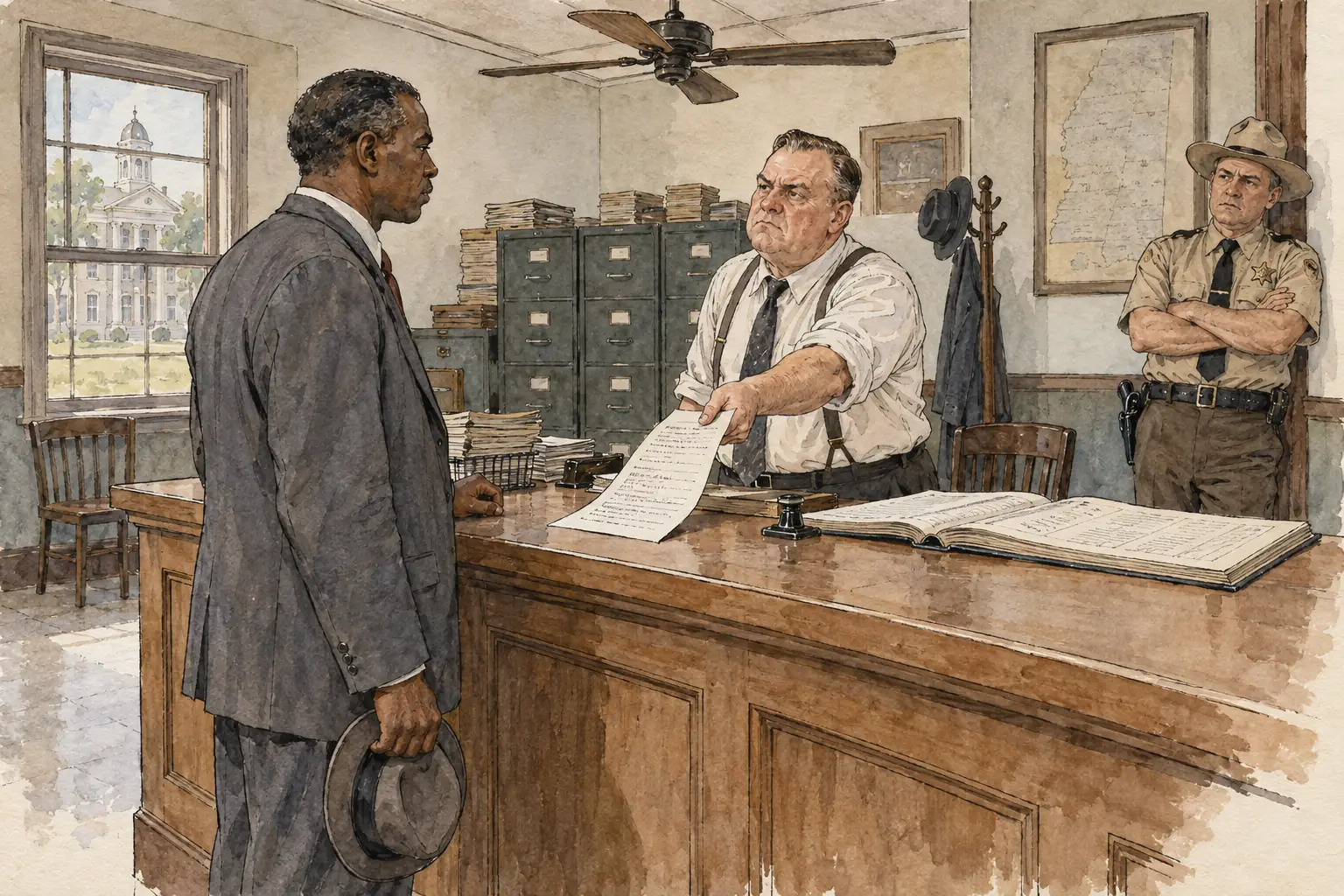
In the early 1950s, particularly in the South, multiple obstacles prevented Black Americans from exercising their right to vote. These measures were designed to maintain white political dominance and kept registration rates alarmingly low in many areas.
Key voting restrictions and their effects
- Poll taxes - Fees required to vote disproportionately affected poorer Black citizens, acting as a financial barrier to participation.
- Literacy tests - Complex exams on civics or reading were administered unfairly, often with arbitrary judgments to disqualify Black applicants.
- Grandfather clauses - Rules allowing voting only if one's grandfather had voted exempted many white people but excluded Black individuals whose ancestors were enslaved.
- Intimidation tactics - Threats of violence, job loss, or eviction discouraged registration, creating an atmosphere of fear in Southern counties where Black voter rates could be as low as 1-5%.
Impacts of voting restrictions
The suppression of Black voting rights in the early 1950s had far-reaching consequences, affecting not only political power but also access to justice and public services. These limitations reinforced systemic inequality across American society.
Consequences of limited voting access
- Political representation - With few Black voters, Southern states elected officials who supported segregation, ensuring policies favoured white interests.
- Jury service - Low registration meant Black Americans were rarely selected for juries, leading to biased trials and unfair legal outcomes.
- Access to services - Restricted political influence resulted in underfunded schools, poor healthcare, and neglected infrastructure in Black communities.
- Broader social effects - These barriers perpetuated poverty and discrimination, as Black voices were excluded from decisions on education, housing, and economic opportunities.
Factors creating growing expectations for change
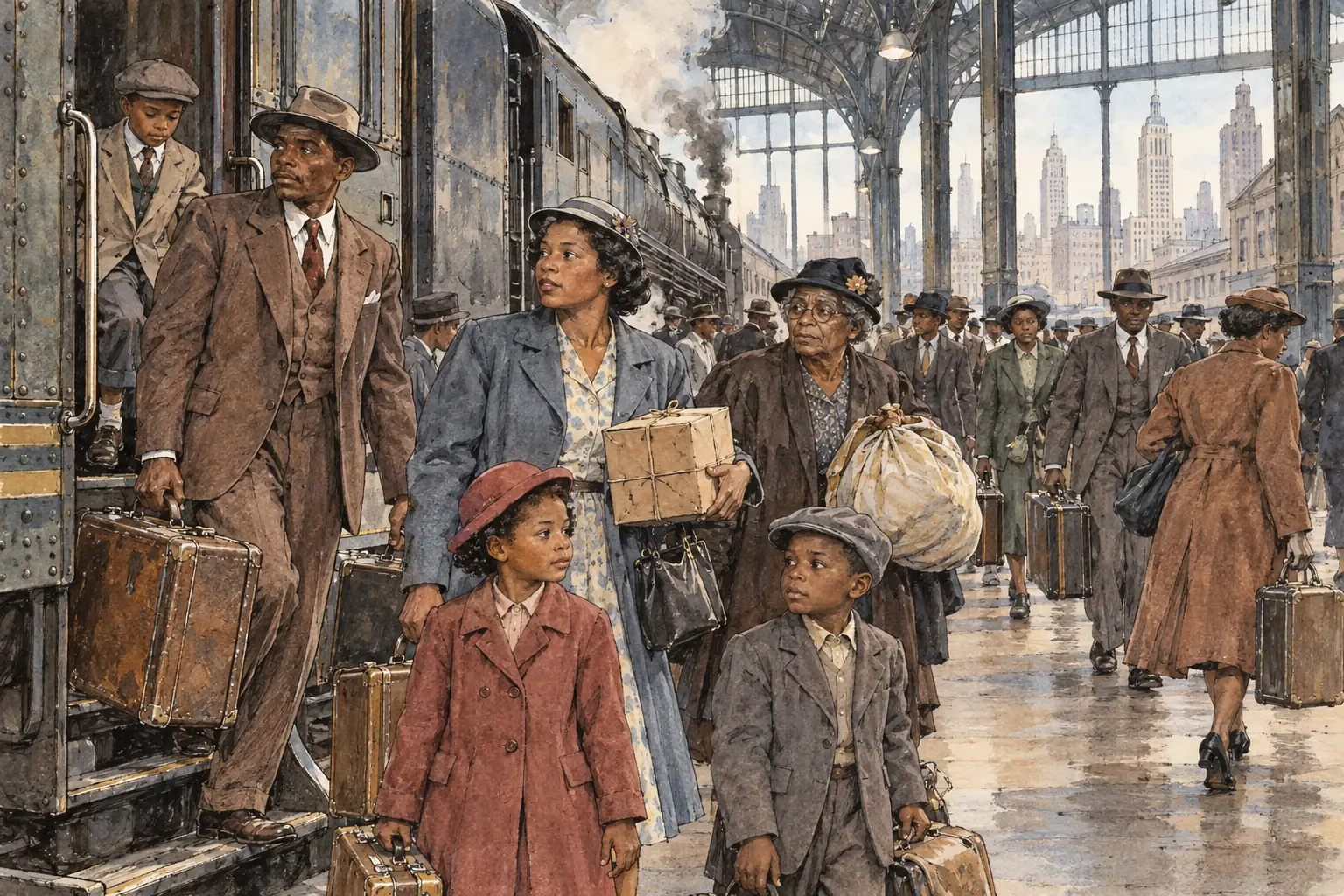
Image 1 of 2: Millions of Black Southerners moved to Northern cities such as Chicago in the Great Migration
By the early 1950s, several developments began to challenge the status quo of segregation and discrimination, raising hopes among Black Americans for greater equality. These shifts stemmed from demographic changes, global events, and ideological pressures.
Influences driving demands for reform
- The Great Migration - From the 1910s onwards, millions of Black Southerners moved to Northern cities for work, where they encountered different freedoms and organised communities that advocated for rights.
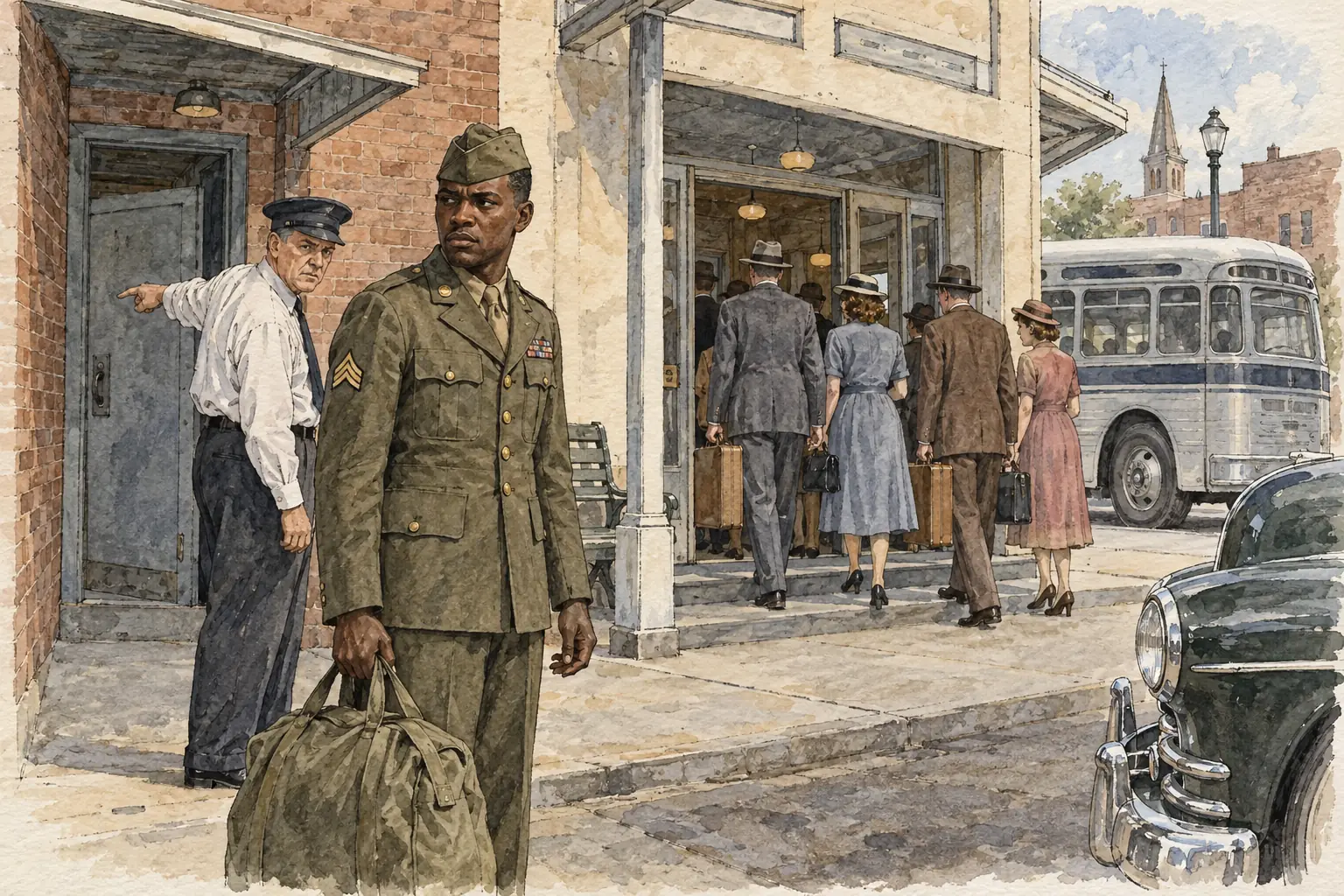
- World War II experiences - Black soldiers who fought abroad from 1941 to 1945 returned with heightened awareness of hypocrisy in a nation promoting democracy while denying rights at home.
- Cold War rhetoric - Post-1945 U.S. efforts to portray itself as a beacon of freedom during the ideological conflict with communism highlighted internal racial injustices, prompting calls for change to maintain international credibility.