1.5 - Montgomery Bus Boycott, 1955–60
Key facts and dates
The Montgomery Bus Boycott was a pivotal protest against racial segregation on public transport in Alabama, sparked by grassroots activism and leading to significant legal and organisational advancements in the civil rights movement. It demonstrated the power of collective action and nonviolent resistance in challenging discriminatory laws.
Timeline of key events
| Date | Event |
|---|---|
| 1 December 1955 | Rosa Parks arrested for refusing to give up her bus seat, triggering immediate mobilisation by local activists. |
| 5 December 1955 | Start of the 381-day boycott, organised by the Montgomery Improvement Association (MIA) with Martin Luther King Jr. as leader. |
| Throughout 1956 | Boycott sustained through car pools, church meetings, and community support, causing economic strain on the bus company. |
| 20 June 1956 | Supreme Court rules in Browder v. Gayle that bus segregation is unconstitutional. |
| 20 December 1956 | Montgomery buses desegregated following the Supreme Court decision. |
| 1957 | Formation of the Southern Christian Leadership Conference (SCLC) and passage of the Civil Rights Act, establishing a federal Civil Rights Division. |
Immediate causes of the Montgomery Bus Boycott
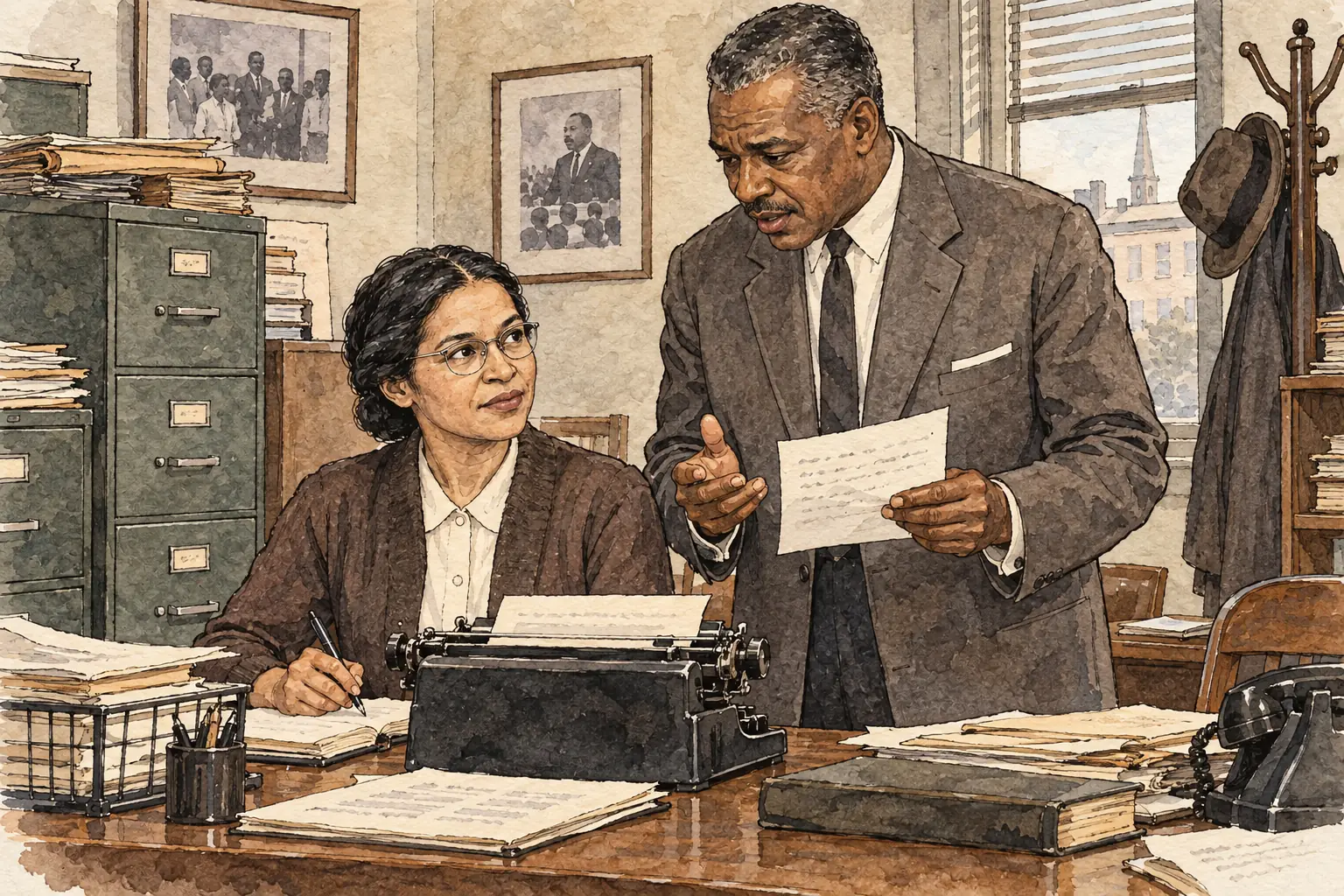
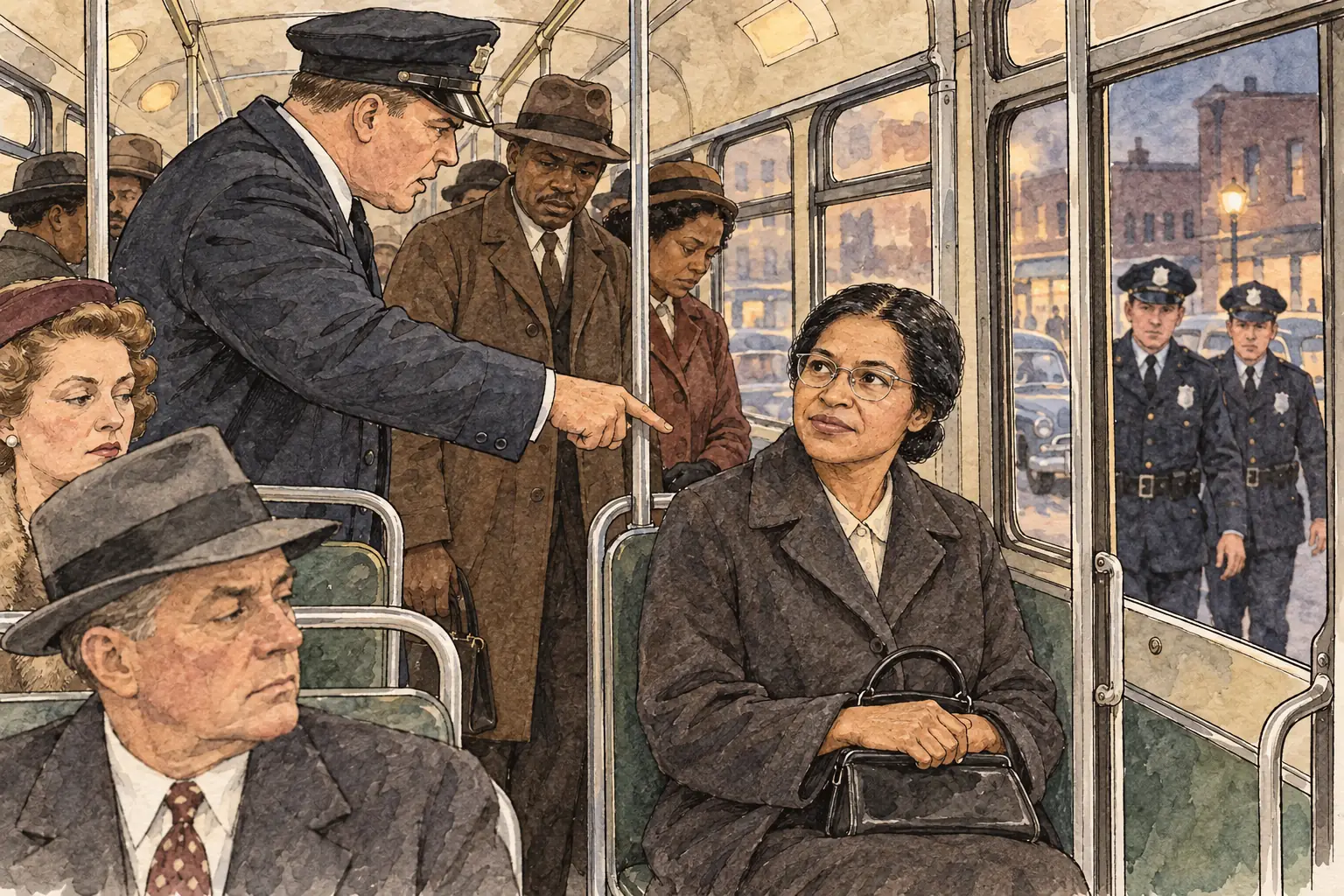
The Montgomery Bus Boycott began in response to longstanding racial segregation on public buses in Montgomery, Alabama, where African Americans were required to sit at the back and surrender seats to white passengers. This system of discrimination, enforced by local laws, created widespread resentment within the black community.
Events leading to the boycott
- Arrest of Rosa Parks - On 1 December 1955, Rosa Parks, an experienced activist with the National Association for the Advancement of Colored People (NAACP), was arrested after refusing to vacate her seat in the designated "coloured" section for a white passenger, highlighting the injustice of Jim Crow laws.
- Rapid mobilisation by local leaders - Key figures such as E. D. Nixon, a union leader and NAACP member, and Jo Ann Robinson, president of the Women's Political Council, quickly organised a response, distributing leaflets calling for a one-day boycott of the buses on 5 December 1955 to protest Parks' arrest and demand fair treatment.
Organisation and key features of the boycott
Image 1 of 2: Volunteer drivers ran a car pool from pick-up points such as church car parks, so boycotters could still get to work
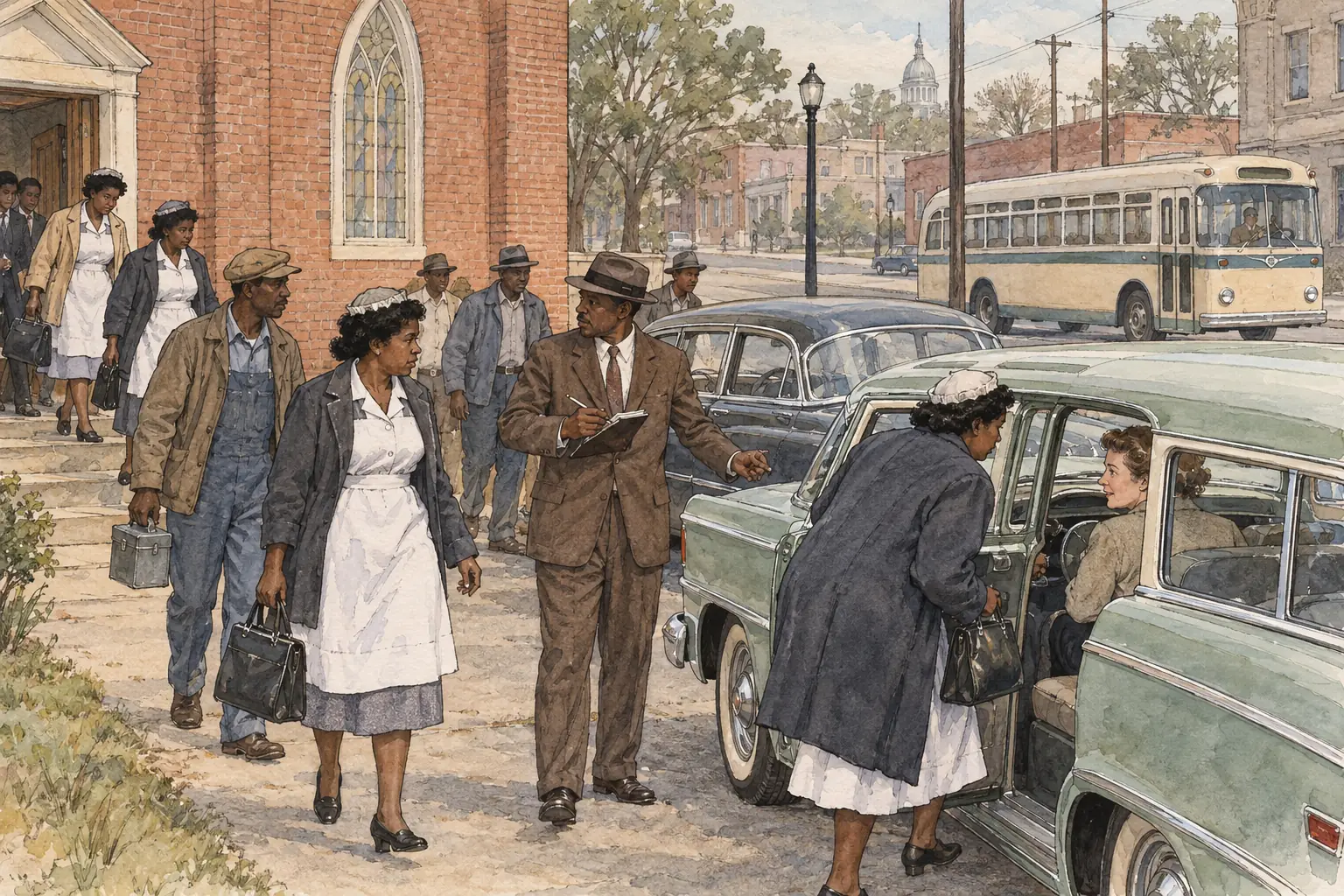
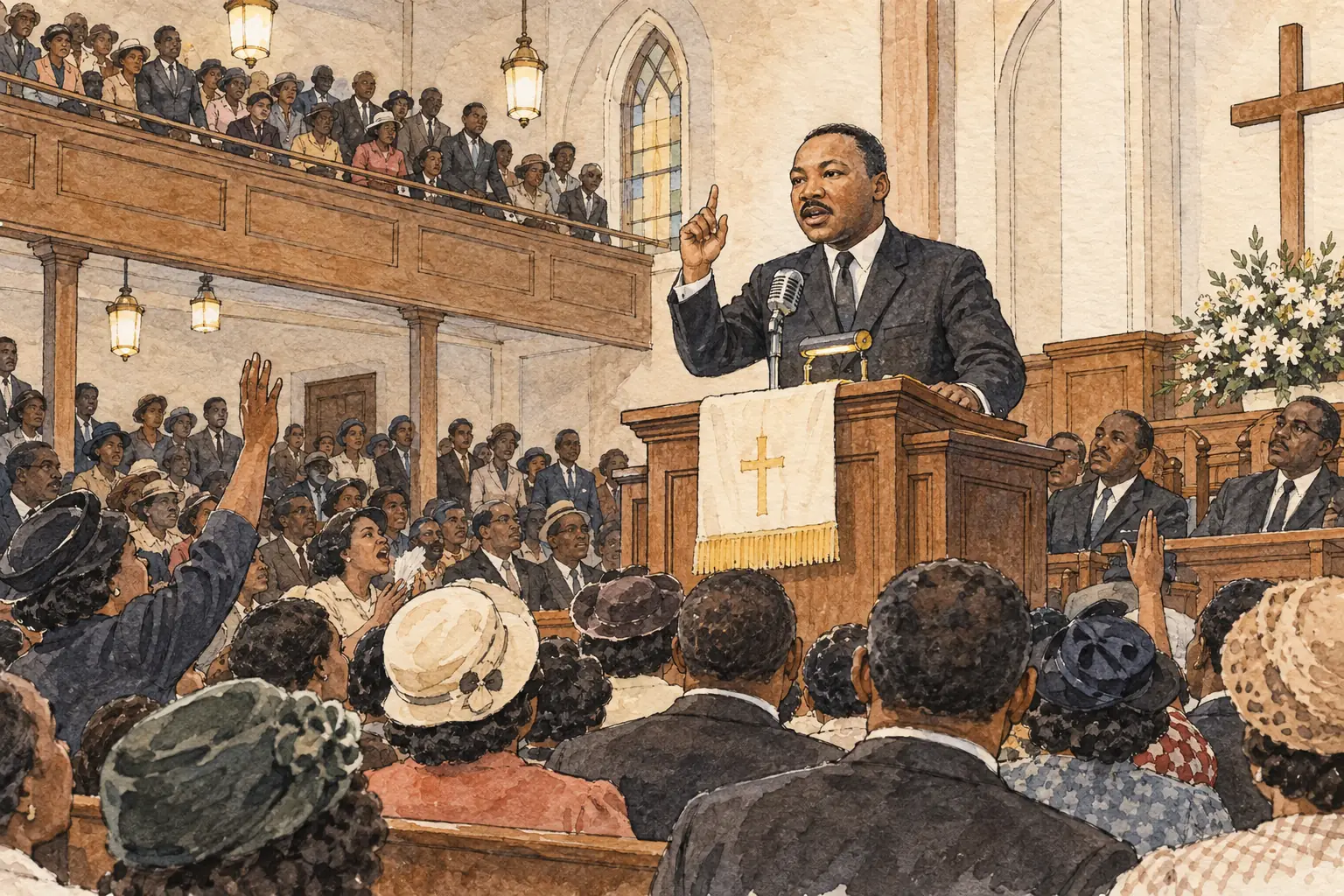
The boycott extended beyond the initial one-day action into a sustained 381-day campaign, coordinated by community leaders and involving thousands of African Americans who refused to use the city's buses. This effort relied on innovative strategies to maintain participation and pressure authorities.
Coordination and support mechanisms
- Role of the Montgomery Improvement Association (MIA) - Formed shortly after Parks' arrest, the MIA, led by the young pastor Martin Luther King Jr., oversaw the boycott's strategy, including negotiations with city officials and fundraising to support participants.
- Community-based initiatives - Churches hosted mass meetings to build morale and plan actions, while volunteers organised car pools to provide alternative transport for boycotters, ensuring people could reach work and essential services without using segregated buses.
- Nonviolent discipline - Participants adhered to principles of peaceful protest, avoiding confrontations despite facing arrests, threats, and violence from segregationists, which helped maintain unity and public sympathy.
Role of the Supreme Court in ending segregation
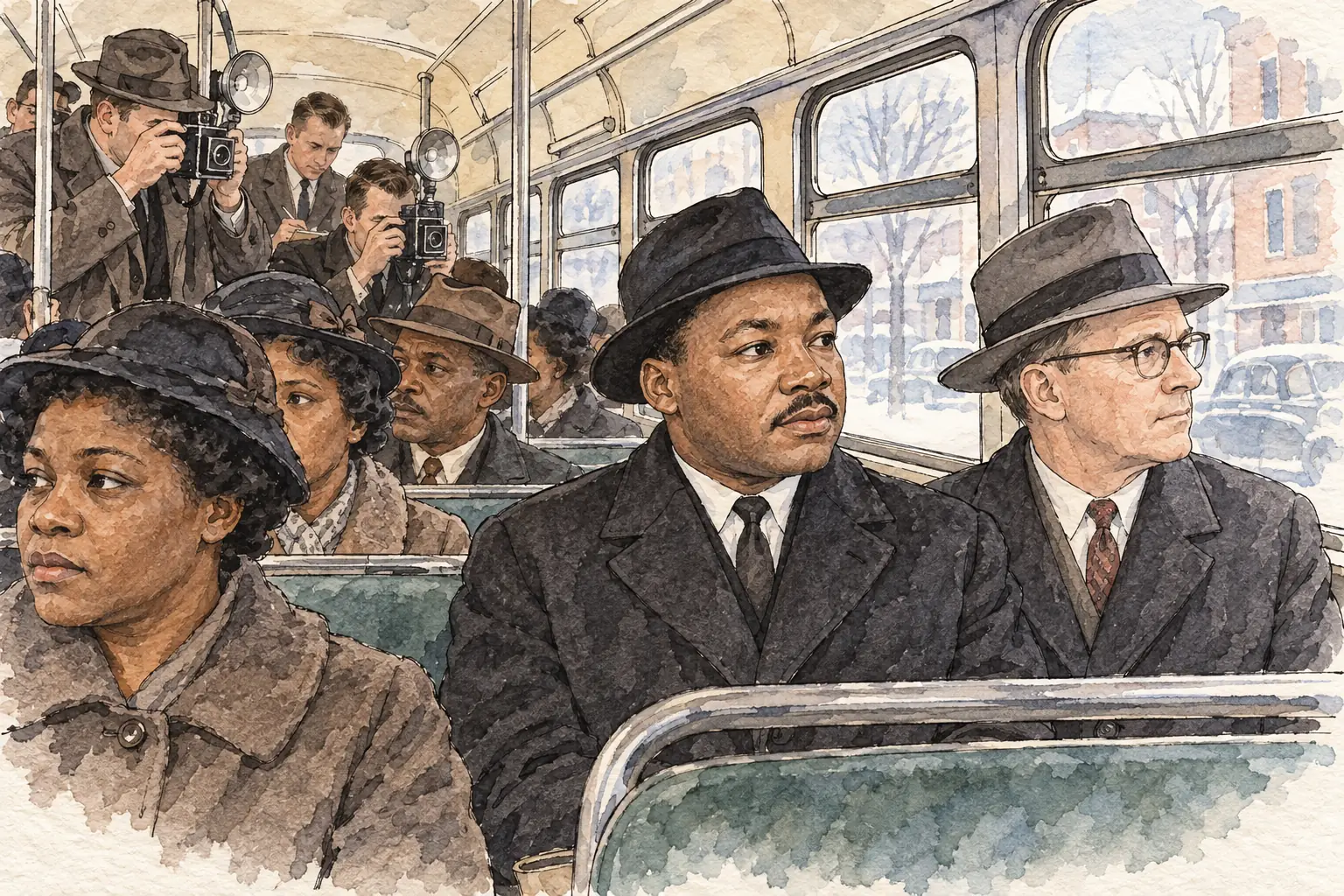
Legal challenges played a crucial role in resolving the boycott, as activists sought to overturn segregation laws through the courts. This approach shifted the focus from local protests to national judicial review.
Key legal developments
- Browder v. Gayle case - Filed in February 1956 by four African American women, including Aurelia Browder, this lawsuit challenged the constitutionality of Alabama's bus segregation laws, arguing they violated the 14th Amendment's equal protection clause.
- Supreme Court ruling - On 20 June 1956, the U.S. Supreme Court upheld a lower court's decision in Browder v. Gayle, declaring segregated seating on Montgomery buses unconstitutional, which led to the desegregation of the system on 20 December 1956.
Reasons for the boycott's success
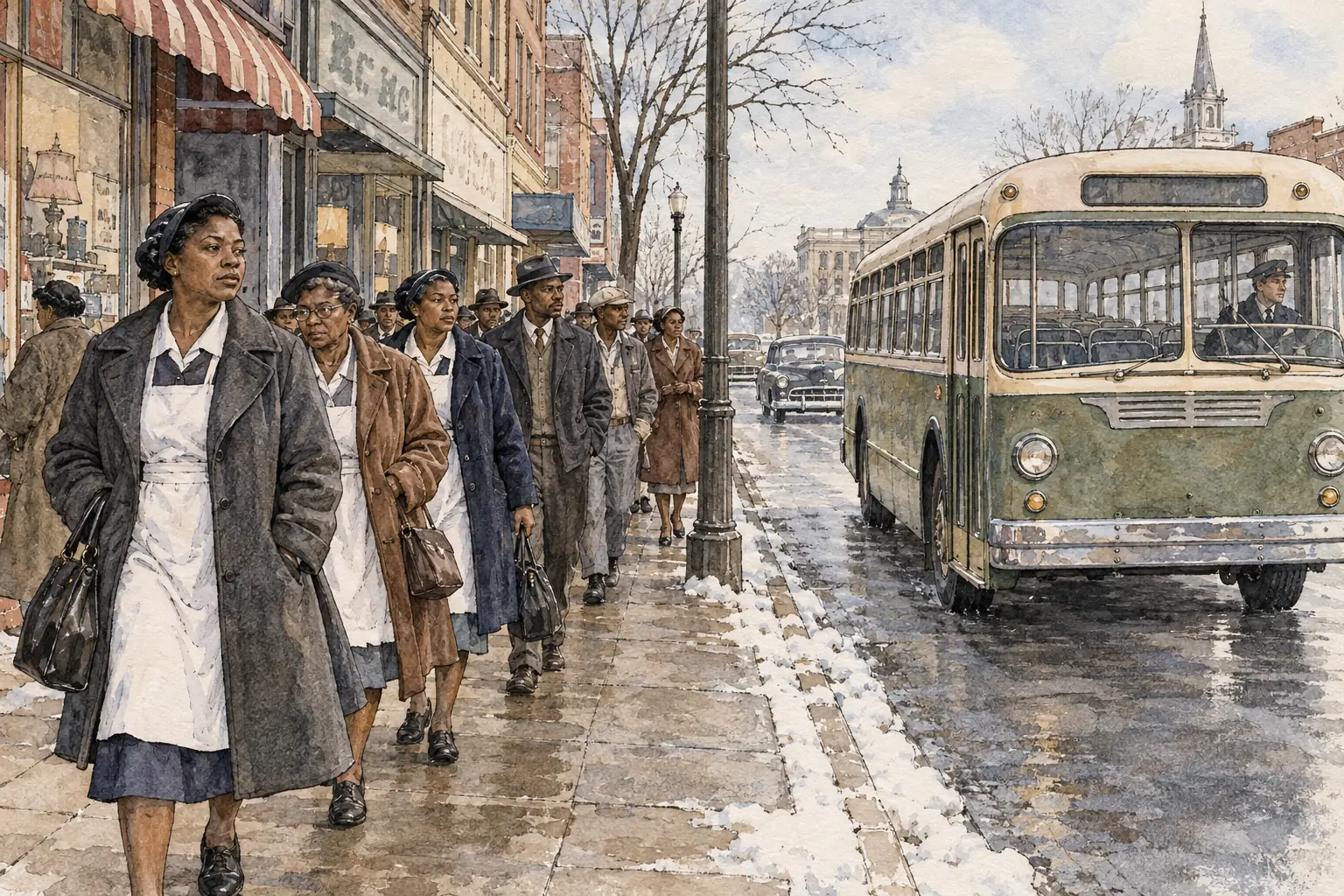
The boycott achieved its goal of desegregating Montgomery's buses due to a combination of strategic planning, community resilience, and external factors. These elements created irresistible pressure on local authorities and the bus company.
Factors contributing to success
- Disciplined nonviolence - The commitment to peaceful methods, inspired by King's philosophy, garnered widespread respect and minimised backlash, while exposing the brutality of segregationist responses.
- Economic pressure - With African Americans comprising about 75% of bus riders, the boycott caused significant financial losses for the bus company, estimated at thousands of dollars daily, forcing officials to reconsider their stance.
- Effective leadership - Figures like King, Nixon, and Robinson provided clear direction, mobilising resources and maintaining motivation through speeches and community networks.
- National attention - Media coverage and support from national organisations, including the NAACP, brought the issue to a broader audience, increasing external pressure for change and inspiring similar actions elsewhere.
Wider impact on the civil rights movement
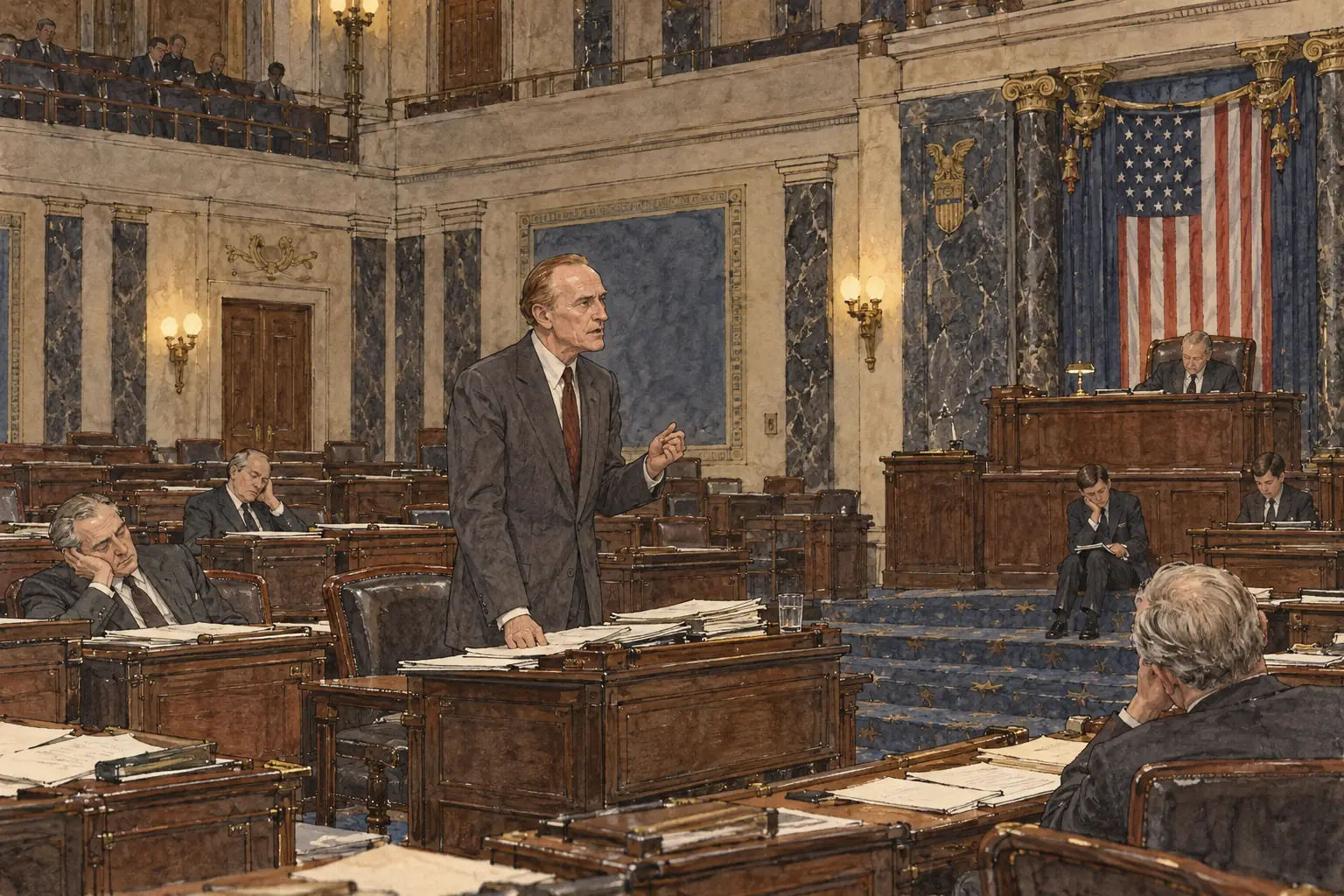
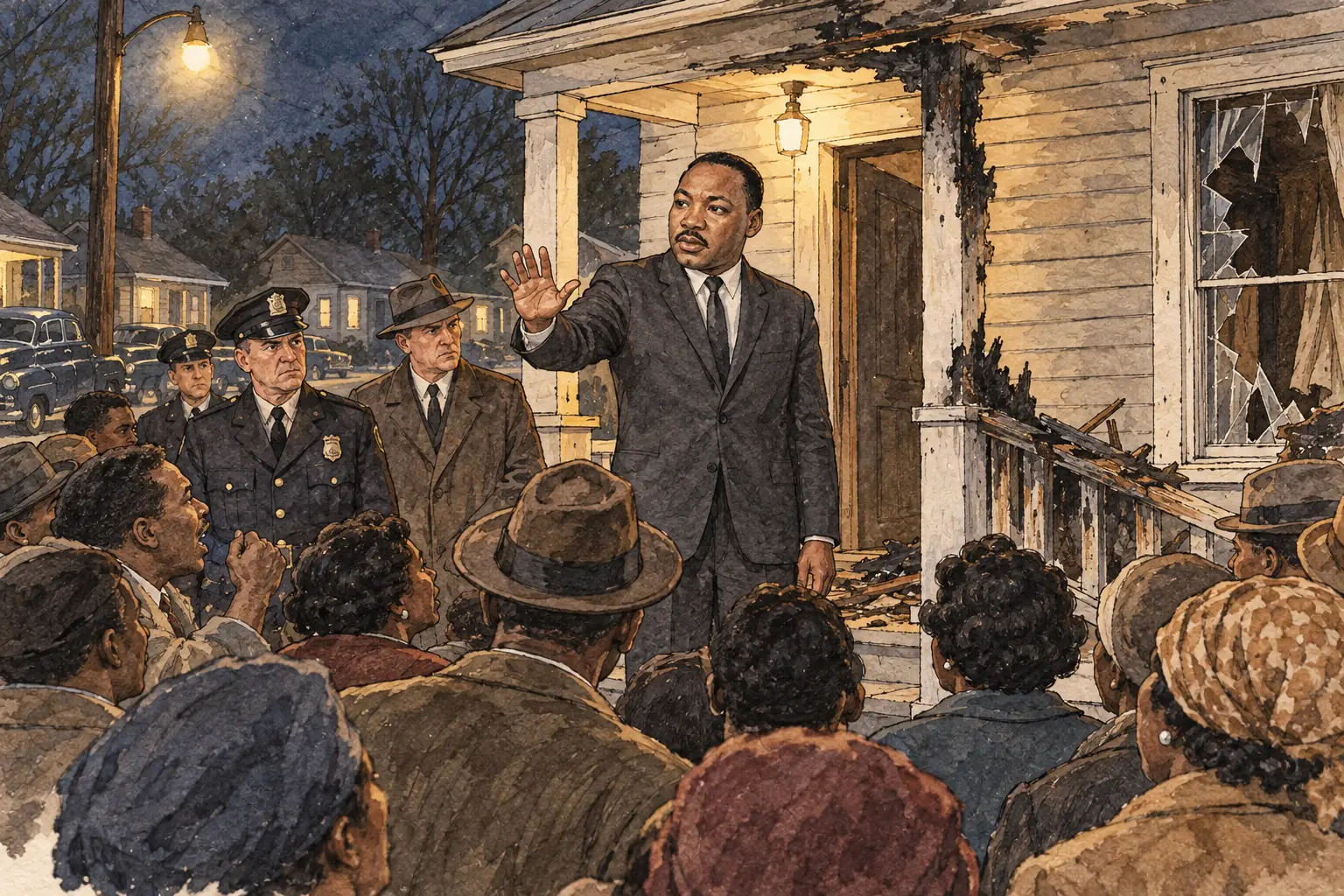
The boycott's victory extended beyond Montgomery, influencing the national struggle for civil rights by elevating key leaders and prompting organisational and legislative changes. It marked a turning point in the fight against segregation.
Long-term consequences
- Emergence of Martin Luther King Jr. - King's role in the boycott established him as a prominent national figure, known for his eloquent advocacy of nonviolent resistance and civil disobedience.
- Creation of the Southern Christian Leadership Conference (SCLC) - Founded in 1957 by King and other black ministers, the SCLC aimed to coordinate nonviolent protests across the South, expanding the movement's reach and resources.
- Federal action on civil rights - The boycott's success contributed to the passage of the Civil Rights Act of 1957, which established a Civil Rights Division in the Justice Department to investigate voting rights violations, though its enforcement was limited and it achieved only modest gains in addressing discrimination.