2.4 - Revolt of the Earls, 1075
Key facts and dates
The Revolt of the Earls in 1075 represented a major challenge to William the Conqueror's authority from within his own ranks, driven by dissatisfaction among powerful nobles. Although it failed, the uprising marked a turning point in consolidating Norman control over England.
Timeline of key events
- 1075 – Earls Roger de Breteuil, Ralph de Gael, and Waltheof plot rebellion against William, seeking Danish support.
- Mid-1075 – While William is in Normandy, Archbishop Lanfranc and loyal forces mobilise to suppress the uprising.
- Late 1075 – Danish fleet arrives but fails to intervene effectively; revolt collapses due to poor coordination.
- 1075-1076 – Rebels face consequences: Ralph flees, Roger is imprisoned, and Waltheof is executed.
Key figures involved in the Revolt of the Earls
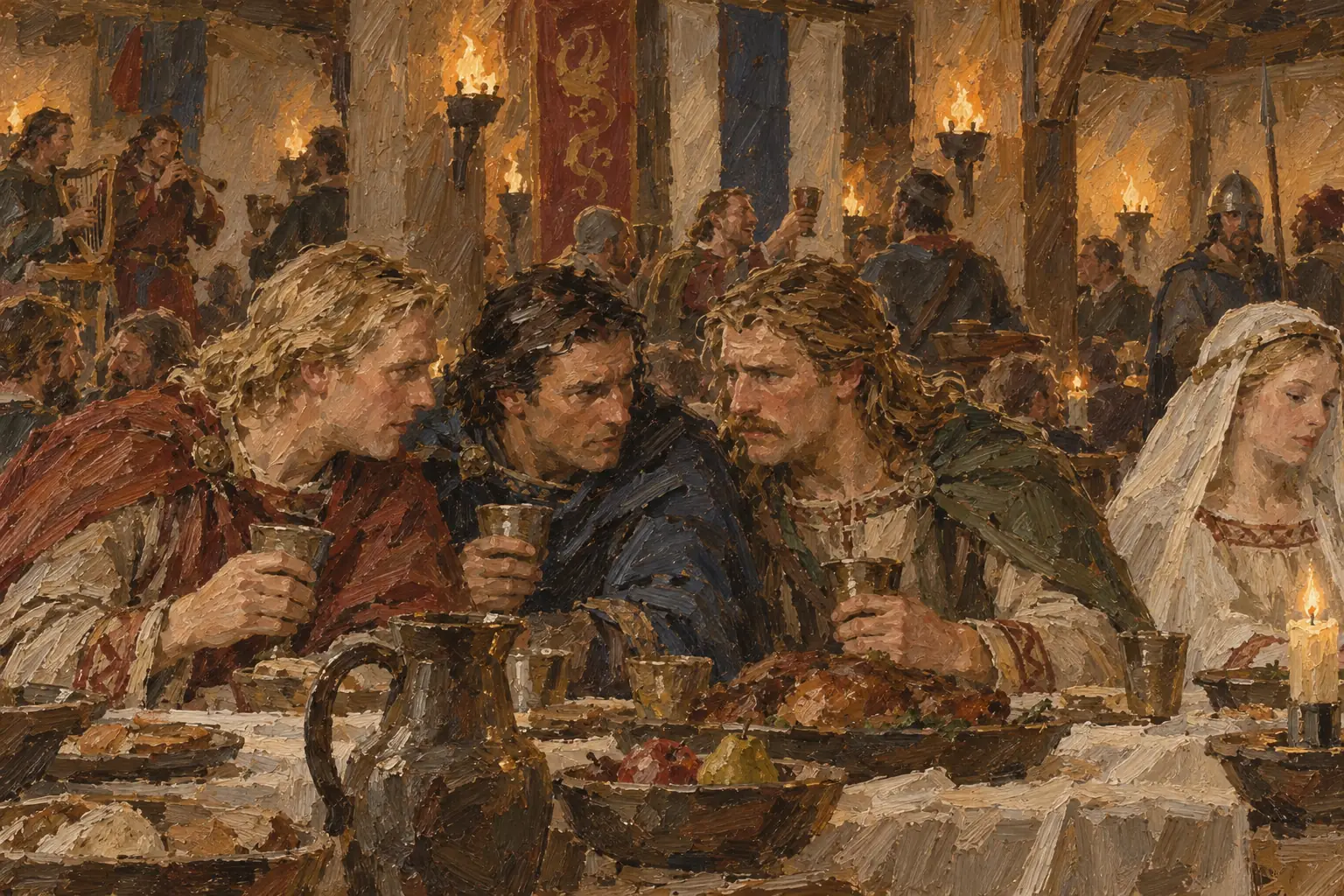
The Revolt of the Earls in 1075 involved a conspiracy by some of William the Conqueror's most trusted Norman nobles, along with one prominent Anglo-Saxon earl. These individuals aimed to undermine royal power but ultimately failed due to swift opposition.
Main conspirators and their roles
| Conspirator | Role and motivation |
|---|---|
| Roger de Breteuil (Earl of Hereford) | A Norman earl who resented William's limits on noble autonomy and sought greater independence in the west of England. |
| Ralph de Gael (Earl of Norfolk) | Another Norman lord, motivated by similar grievances, who played a key role in organising the plot and fleeing after its defeat. |
| Waltheof (Earl of Northumbria) | The only major Anglo-Saxon participant, whose involvement highlighted lingering tensions between Normans and English; he was later executed for treason. |
Other figures included Danish allies who were invited to support the revolt, though their aid proved ineffective.
Reasons for the revolt
The earls' rebellion stemmed from growing frustrations with William's governance, which curtailed the traditional powers of the nobility. They sought to exploit William's absence to reshape the kingdom in their favour.
Motivations behind the conspiracy
- Resentment of royal restrictions - William imposed tight controls on earls' authority, limiting their ability to act independently and reducing their influence compared to pre-Conquest norms.
- Desire for semi-independent territories - The rebels aimed to create self-governing regions, dividing England among themselves to gain more land and power.
- External alliances - They reached out to the Danes for military support, hoping to use foreign aid to overthrow William and partition the kingdom.
Events and suppression of the revolt
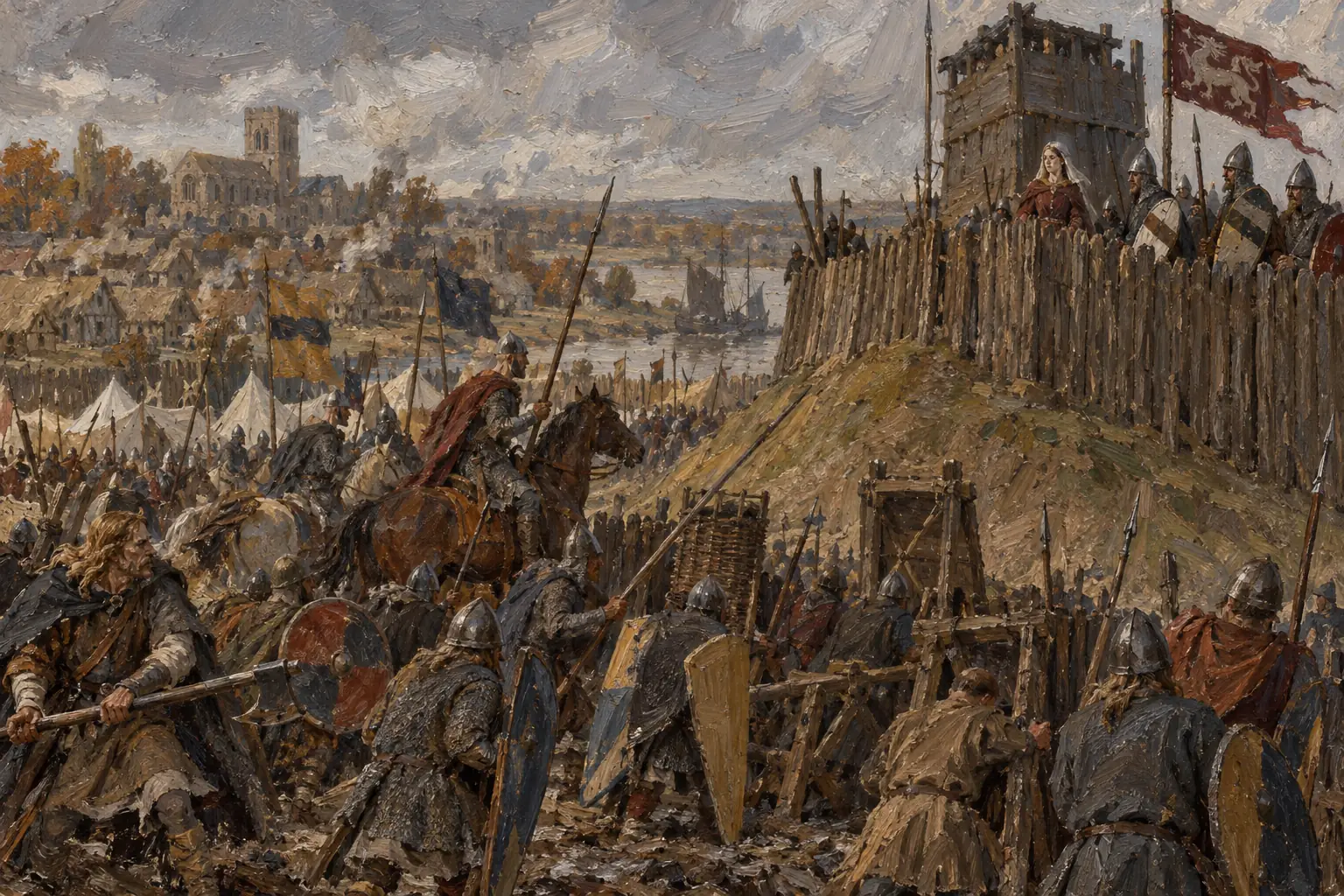
The revolt unfolded while William was away in Normandy, but it was quickly contained by his regent and supporters. Poor planning and lack of broader backing doomed the uprising from the start.
Sequence of the rebellion
- Initial plotting - The earls coordinated their conspiracy in secret, planning attacks and seeking Danish reinforcements to bolster their forces.
- Lack of coordination and support - The effort gained minimal popular backing, with many English people and Norman lords remaining loyal to William.
- Response from royal forces - Archbishop Lanfranc, acting as regent, rallied loyal magnates to isolate and defeat the rebels before William's return.
- Danish intervention failure - A Danish fleet arrived too late to make an impact, achieving nothing and withdrawing without significant action.
Outcomes for the rebels
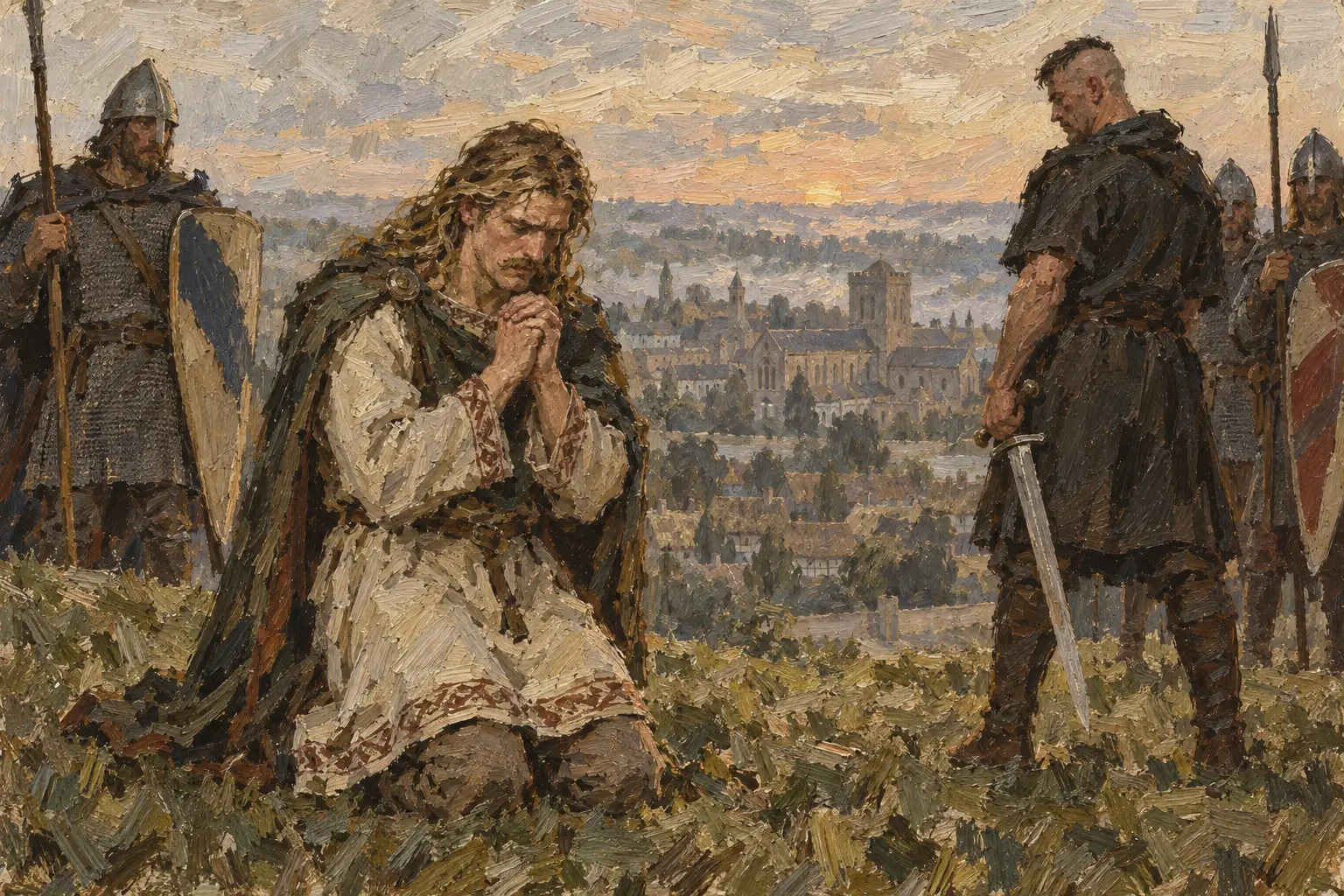
The defeat of the revolt led to severe punishments for the conspirators, reinforcing William's dominance. Notably, the treatment of the rebels varied based on their backgrounds and actions.
Consequences faced by the earls
| Earl and outcome | Consequence details |
|---|---|
| Ralph de Gael's escape | He fled to Brittany, avoiding capture but losing his lands and titles in England. |
| Roger de Breteuil's imprisonment | Captured during the suppression, he was imprisoned for life, stripping him of his earldom and influence. |
| Waltheof's execution | As the sole Anglo-Saxon earl involved, he was tried and beheaded for treason, marking the only instance where William executed an English noble. |
These punishments served as a warning to potential dissenters.
Significance of the revolt's failure
The collapse of the 1075 revolt marked a crucial milestone in William's reign, eliminating major internal threats and solidifying his rule. It demonstrated the strength of his regime against even elite opposition.
Long-term impacts of the uprising's defeat
- End of serious challenges - This was the final major rebellion during William's time, with no further uprisings of similar scale.
- Demonstration of royal authority - It showed that William would ruthlessly suppress disloyalty, even from high-ranking Normans, deterring future plots.
- Consolidation of control - The outcome confirmed William's stable governance over England, integrating Norman and English elements under firm royal oversight.