4.1 - Changing Definitions of Criminal Activity
Key facts and dates
Since 1900, the nature of crime has both persisted in familiar forms and evolved with technological, social, and legal developments. New laws have defined emerging offences, while shifting attitudes have altered what society considers criminal, reflecting broader changes in public safety and human rights.
Timeline of key events
- 1920 – Dangerous Drugs Act outlaws certain substances, creating drug-related offences.
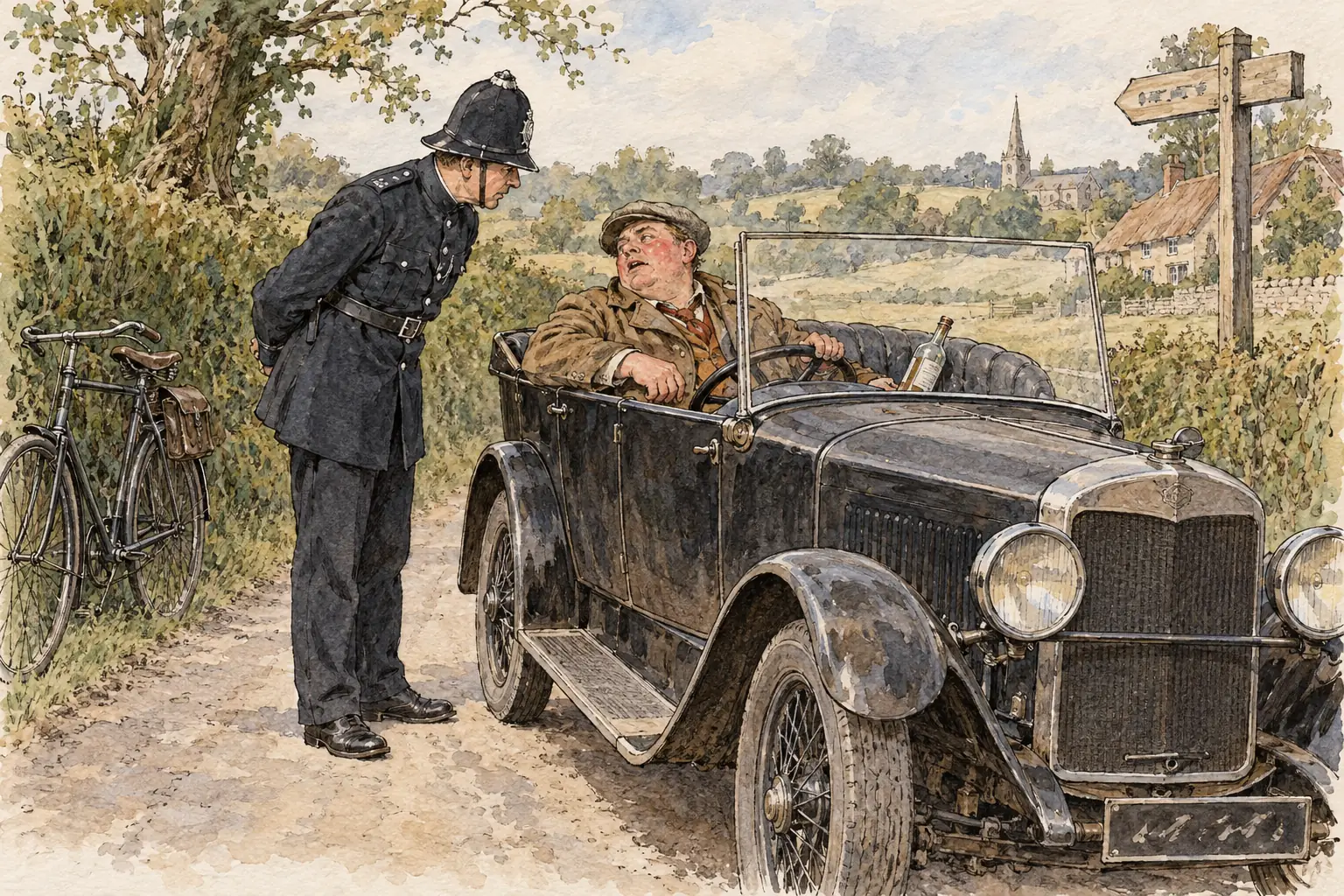
- 1925 – Britain's first drunk driving law establishes road safety offences.
- 1965 onwards – Race Relations Acts introduce protections against racial discrimination.
- 1967 – Sexual Offences Act decriminalises homosexuality in England and Wales.
- 1990s – Marital rape recognised as a distinct criminal offence.
- 1998 – Crime and Disorder Act defines hate crimes with enhanced penalties.
Continuity in traditional crimes since 1900
Certain types of crime have remained consistent throughout the 20th and 21st centuries, continuing to pose challenges for society and law enforcement. These longstanding offences reflect enduring human behaviours and public concerns.
Persistent traditional crimes
- Theft and burglary - Stealing property or breaking into buildings has persisted as common offences, driven by economic motives and opportunism.
- Assault and murder - Violent acts against individuals, including physical attacks and killings, have remained prevalent, often linked to personal disputes or broader social issues.
Emergence of new categories of crime
The 20th and 21st centuries have introduced entirely new forms of crime, largely due to advancements in technology, shifts in social norms, and evolving legal frameworks. These developments have expanded the scope of what is considered criminal activity.
Factors driving new crime categories
- Technological advancements - Innovations like motor vehicles and digital systems have created opportunities for offences that did not exist previously.
- Social changes - Evolving societal values have led to the recognition of harms that were once overlooked or not specifically addressed by law.
- Legal responses - Governments have enacted new regulations to address emerging threats, thereby defining fresh criminal behaviours.
Examples of new crimes and their origins
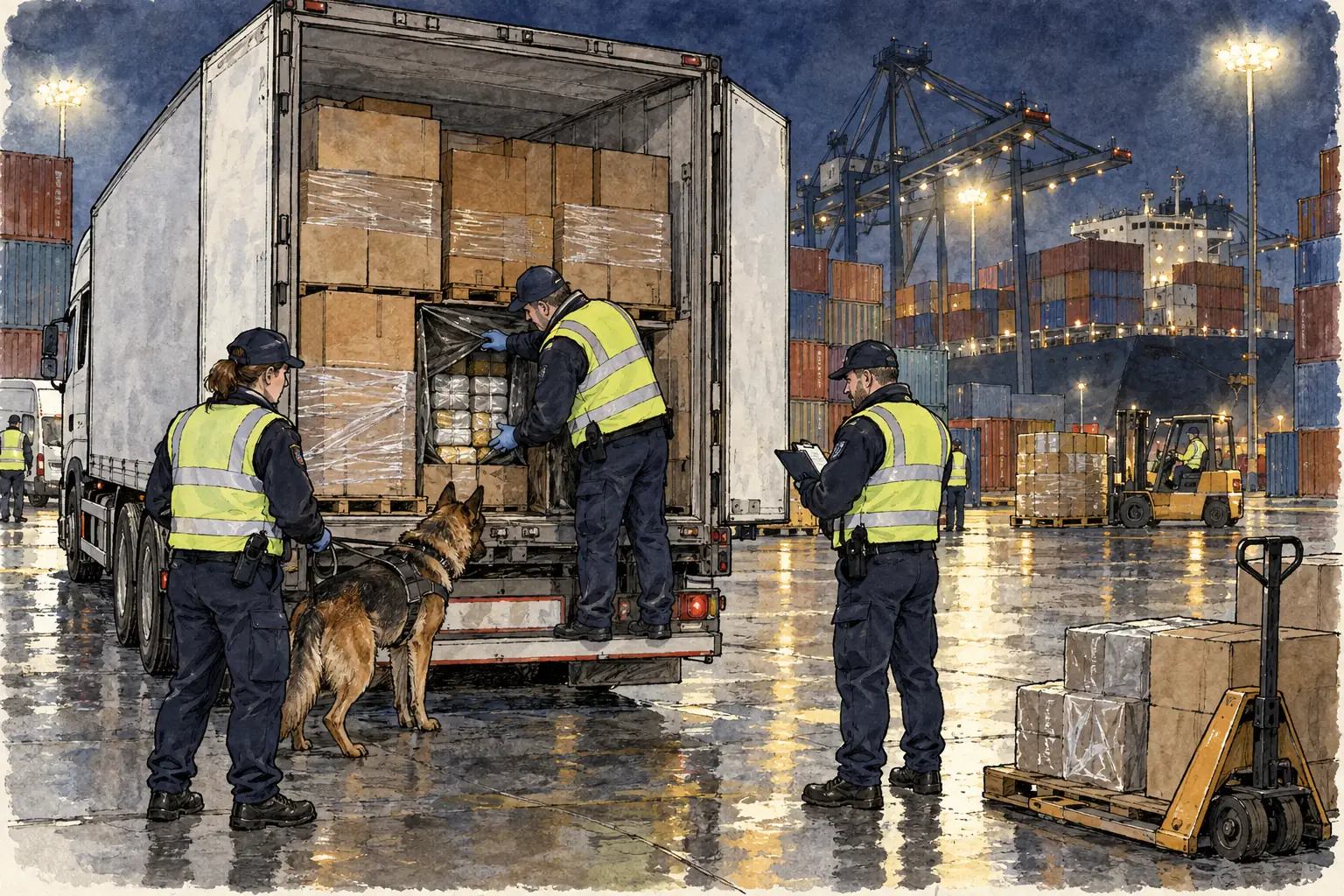
Image 1 of 2: Driving offences only became possible once cars were common, and Britain made drink-driving a crime in 1925
New crimes have arisen in response to specific historical developments, with laws adapting to regulate behaviours enabled by modern inventions or changing attitudes. Examples illustrate how crime evolves alongside society.
Driving offences
Driving offences emerged with the widespread adoption of automobiles in the early 20th century. Before cars became common, acts such as speeding, drunk driving, or operating without a licence were impossible. Governments introduced traffic laws to enhance road safety, with Britain's first drunk driving legislation in 1925 marking a key milestone in defining these as criminal acts.
Drug crimes
Drug crimes developed as certain substances transitioned from legal to illegal status. In the early 1900s, items like opium and cocaine were unregulated, but laws such as the 1920 Dangerous Drugs Act criminalised possession, dealing, and smuggling of narcotics, reflecting growing concerns over public health and addiction.
Race and hate crimes
Race and hate crimes gained distinct legal recognition as societal values shifted towards equality. While violence or discrimination based on race might have been handled under general laws in the past, legislation like the Race Relations Acts from 1965 and the 1998 Crime and Disorder Act established these as specific offences with harsher penalties, targeting racially or religiously motivated harm.
Cybercrime and modern smuggling
Cybercrime represents a recent category, enabled by digital technology, including hacking, identity theft, and online fraud. Smuggling has also evolved, shifting from items like tea and tobacco to people or high-value drugs, adapting to global trade and border controls.
Changes in definitions of crime over time
Definitions of crime are not static; they can expand or contract based on societal attitudes, leading to behaviours becoming criminalised or decriminalised. This reflects broader cultural and ethical shifts.
Behaviours that became criminalised
- Domestic violence - Once often dismissed as a private matter, it was increasingly recognised as a prosecutable offence by the late 20th century through targeted laws.
- Marital rape - Legally acknowledged as a crime in the 1990s, addressing previous oversights in consent within marriage.
Behaviours that were decriminalised
- Homosexuality - Considered a criminal act until reforms like the 1967 Sexual Offences Act legalised it in England and Wales, aligning with changing views on personal freedoms.
Law adapting to technological and social changes
From 1900 to the present, laws have continually adapted to address new threats and protect vulnerable groups, expanding the concept of crime to encompass modern realities.
Ways laws have evolved
- Response to technology - Regulations have tackled issues from motor vehicles in the early 20th century to computers and the internet today, creating offences like cyber fraud to safeguard digital spaces.
- Alignment with human rights - Shifting societal views have prompted laws to protect against discrimination and violence, ensuring legal definitions reflect contemporary values on equality and safety.
- Ongoing expansion - As circumstances change, crime definitions broaden to cover emerging risks, demonstrating the law's role in maintaining order amid innovation and social progress.