2.4 - Case Study: The Great Plague, 1665
Key facts and dates
The Great Plague of 1665 represented the most severe bubonic plague outbreak in England since the Black Death of 1348, devastating London with a combination of traditional beliefs and emerging public health responses. Although many approaches echoed medieval practices, local authorities introduced more organised measures to contain the spread.
Timeline of key events
- 1664 – A comet appears, interpreted as a warning sign of impending disaster linked to foul air or divine punishment.
- 1665 – Outbreak begins in London, leading to widespread infection and the implementation of quarantine rules.
- June 1665 – Theatres close and large gatherings are banned to limit contact between people.
- Summer 1665 – Infected houses are marked with red crosses and locked down; stray cats and dogs are culled.
- Autumn 1665 – Street cleaning intensifies, with fires and tar barrels burned to cleanse the air.
- Winter 1665–1666 – Cold weather causes the plague to decline, marking the end of the major outbreak.
Beliefs about the causes of the Great Plague
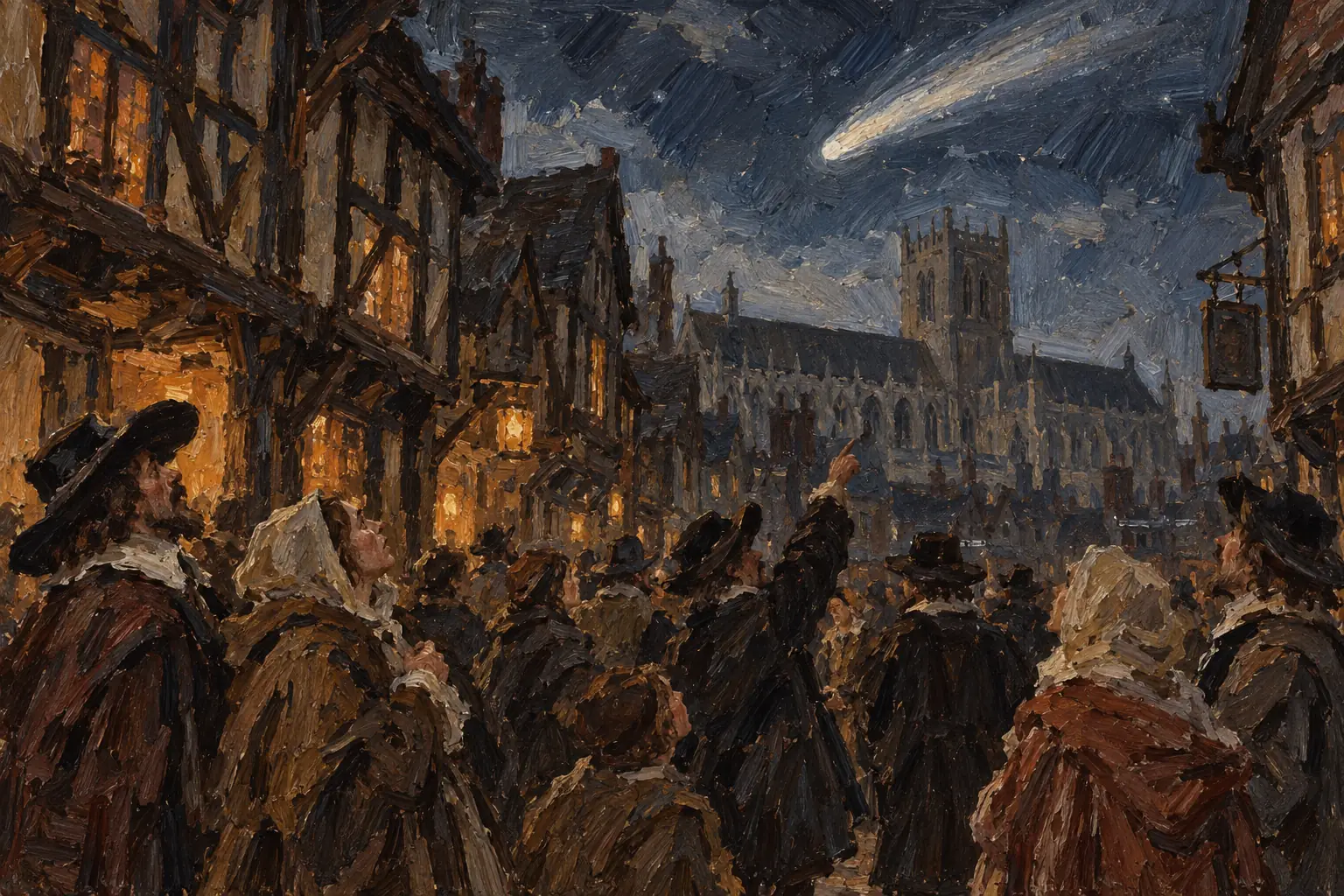
During the Great Plague of 1665, which was the most serious bubonic plague epidemic in England since 1348, people held onto many traditional ideas about its origins. These beliefs often mirrored those from the medieval Black Death, blending supernatural and environmental explanations.
Common explanations for the plague's origins
- Divine punishment - Many viewed the outbreak as God's anger towards sinful behaviour, prompting calls for repentance and moral reform.
- Miasma theory - Bad air, carrying poisonous vapours from rotting matter or foul smells, was widely blamed for spreading illness.
- Astrological signs - Events like the 1664 comet were seen as omens foretelling the plague, reinforcing fears of cosmic influences.
Prevention methods used during the outbreak
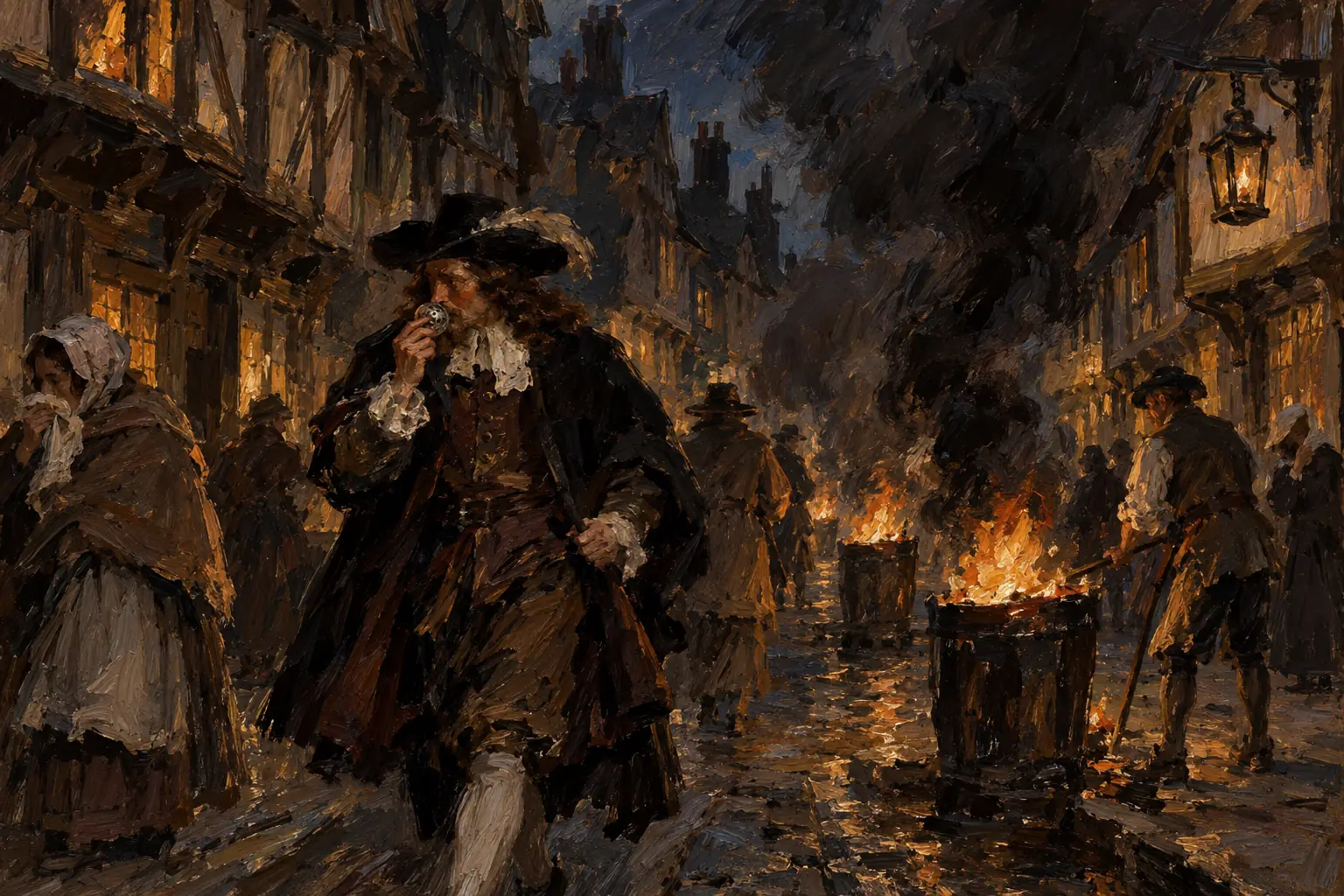
Efforts to prevent the spread of the Great Plague combined longstanding traditions with some practical steps aimed at purifying the environment. These methods reflected the dominant miasma theory and religious beliefs of the time.
Traditional and environmental prevention strategies
- Religious practices - Authorities ordered public days of fasting and prayer to seek divine mercy and avert further wrath.
- Aromatic protections - Individuals carried pomanders, which were scented balls filled with perfumes, to ward off harmful air.
- Air purification - Burning barrels of tar or other strong-smelling substances in streets was common to drive away poisonous miasmas.
Treatments for the plague
With no effective cure available, treatments during the Great Plague relied heavily on medieval-style remedies and unproven practices. Physicians and unofficial healers focused on balancing the body's humours or using folk methods, often with little success.
Common treatment approaches
- Bloodletting and purging - Doctors drained blood or induced vomiting to remove supposed toxins from the body.
- Herbal and folk remedies - Poultices made from herbs were applied to swollen buboes, and some even tied live chickens to the sores in hopes of drawing out the poison.
- Protective gear for doctors - Plague physicians wore distinctive masks shaped like bird beaks, stuffed with aromatic herbs to filter out bad air while attending patients.
Government actions and public health measures
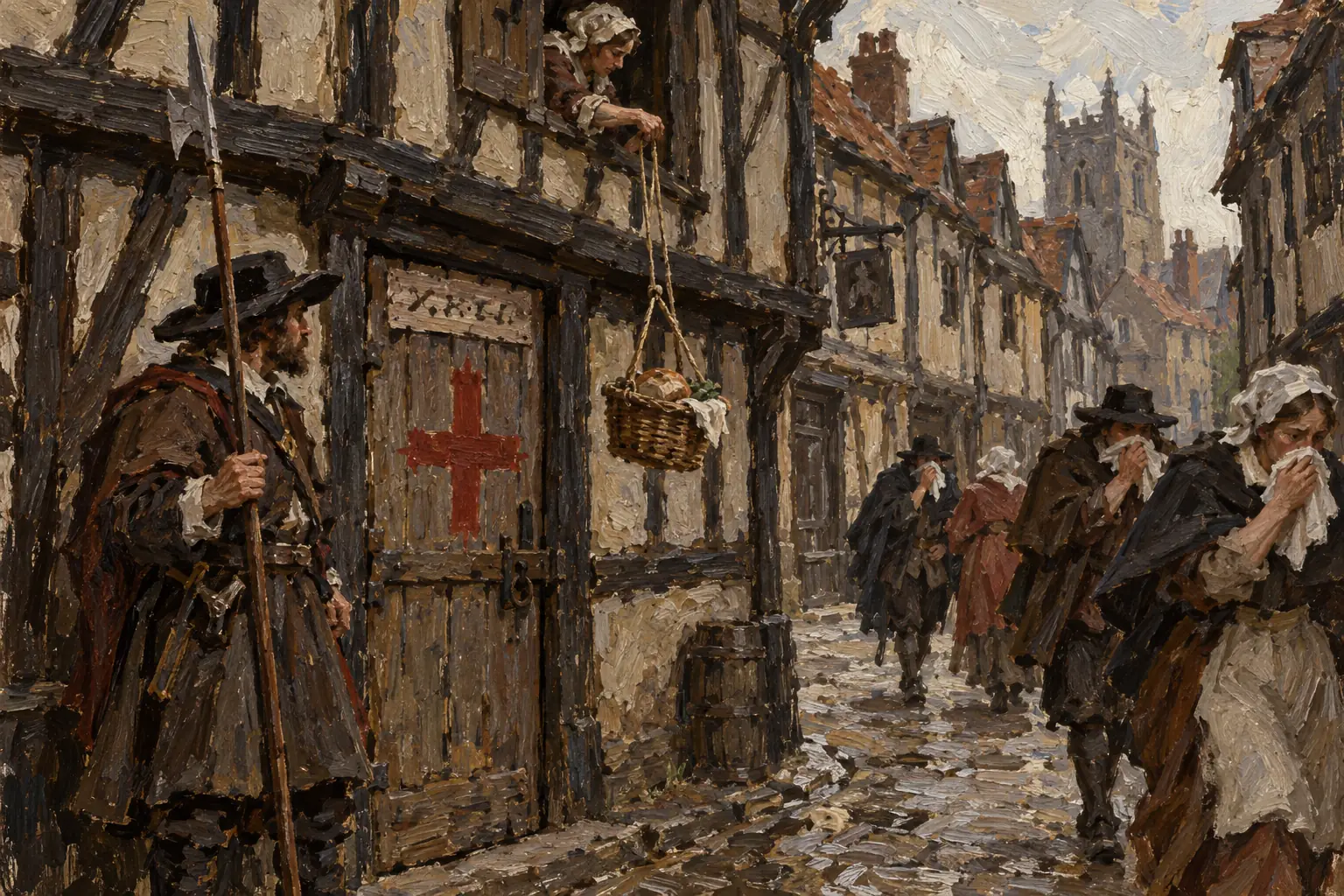
Local authorities in London, including the Lord Mayor and aldermen, introduced more structured responses to the Great Plague than seen in 1348. These steps represented early attempts at public health management, focusing on isolation and sanitation despite limited understanding of the disease's true causes, such as rat-borne fleas.
Organised responses to contain the outbreak
- Quarantine regulations - Infected households were marked with a red cross and the phrase "Lord have mercy upon us," then locked down for 40 days with watchmen stationed outside to enforce isolation.
- Restrictions on gatherings and trade - Theatres and crowded events were prohibited, and movement between parishes was limited to reduce transmission.
- Animal culls and cleaning - Stray cats and dogs were killed under the mistaken belief they carried the disease; streets were swept, rubbish removed, and fires lit to improve hygiene.
Outcomes and significance of the Great Plague
The Great Plague subsided as winter brought colder temperatures, but not before causing immense loss of life. This event highlighted both persistent traditional approaches and the emergence of more coordinated public health efforts, influencing future responses to epidemics.
Consequences and historical impact
- Death toll and decline - Over 80,000 people likely died in London alone, with the outbreak fading by early 1666 due to seasonal changes rather than human interventions.
- Continuity with the past - Reliance on prayer, miasma-based prevention, and humoral treatments showed strong similarities to the Black Death era.
- Steps towards progress - Enhanced quarantine and municipal organisation marked the start of systematic public health strategies, paving the way for scientific advancements in the following century; this was Britain's final major plague epidemic.