1.2 - The Claimants: Harold, William, Hardrada & Edgar
Key facts and dates
The succession crisis of 1066 arose after Edward the Confessor's death, with multiple claimants asserting rights based on blood ties, promises, and military power. No clear rule determined the king, leading to conflict resolved through battles and political manoeuvring. These facts outline the core elements of each claim and the key deciding factors.
Key facts to remember
- Harold Godwinson – Edward's alleged deathbed nomination; elected by Witan; commanded strongest English army.
- William of Normandy – Family connection via Edward's mother; claimed 1064 oath from Harold; secured papal support.
- Harald Hardrada – Based on Harthacanute's pact with Magnus of Norway; allied with Tostig; aimed to restore Viking rule.
- Edgar Ætheling – Closest blood relative as Edmund Ironside's grandson; lacked age, support, and military strength.
- Witan's role – Noble council that elected kings, considering royal will, claimant power, and armed capability.
- Papal backing – William received a banner from the Pope, lending religious legitimacy to his invasion.
- Deciding factors – Succession depended on king's nomination, noble approval, and ability to enforce the claim militarily.
Absence of a single succession principle
In 1066, following Edward the Confessor's death without a direct heir, England faced a succession crisis. There was no fixed law or custom that automatically determined the next king, leading to competing claims based on various grounds such as blood relations, promises, and force.
Factors influencing the lack of a clear succession rule
- Multiple bases for claims - Potential kings could assert rights through family ties, verbal agreements, royal nominations, or historical pacts, but none was universally accepted as definitive.
- Role of the Witan - This council of nobles traditionally elected the monarch, weighing factors like the late king's wishes, the claimant's popularity among elites, and their capacity to defend the realm.
- Influence of military strength - Ultimately, the ability to gather and lead an army often proved decisive, as it allowed claimants to enforce their position against rivals.
- Historical context - Previous successions had varied, sometimes favouring the strongest warrior or the closest relative, which created ambiguity and encouraged challenges from abroad.
Evaluating Harold Godwinson's claim
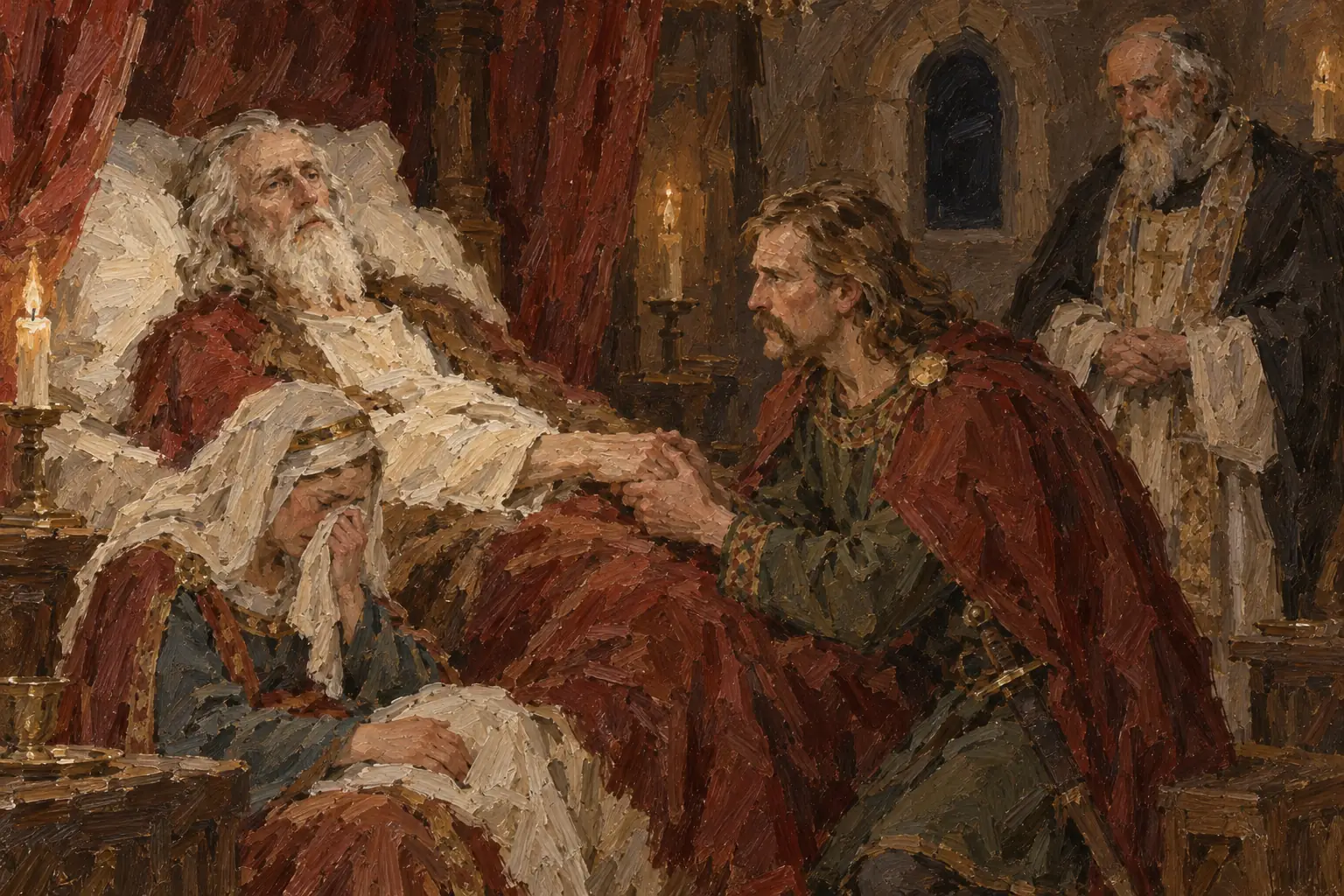
Harold Godwinson, a powerful English earl, emerged as an immediate frontrunner after Edward's death. His claim rested on direct endorsement and domestic support, but it faced international challenges.
Key elements of Harold's position
- Alleged royal nomination - Harold maintained that Edward named him successor on his deathbed, providing a personal endorsement from the dying king.
- Election by the Witan - The noble council swiftly chose Harold, reflecting his popularity and influence among English leaders.
- Military and political power - As Earl of Wessex, Harold controlled a formidable army and held extensive lands, giving him a solid base to secure the throne.
- Limitations - His claim lacked strong blood ties to Edward and was disputed by foreign rivals who accused him of breaking oaths or ignoring older agreements.
Evaluating William of Normandy's claim
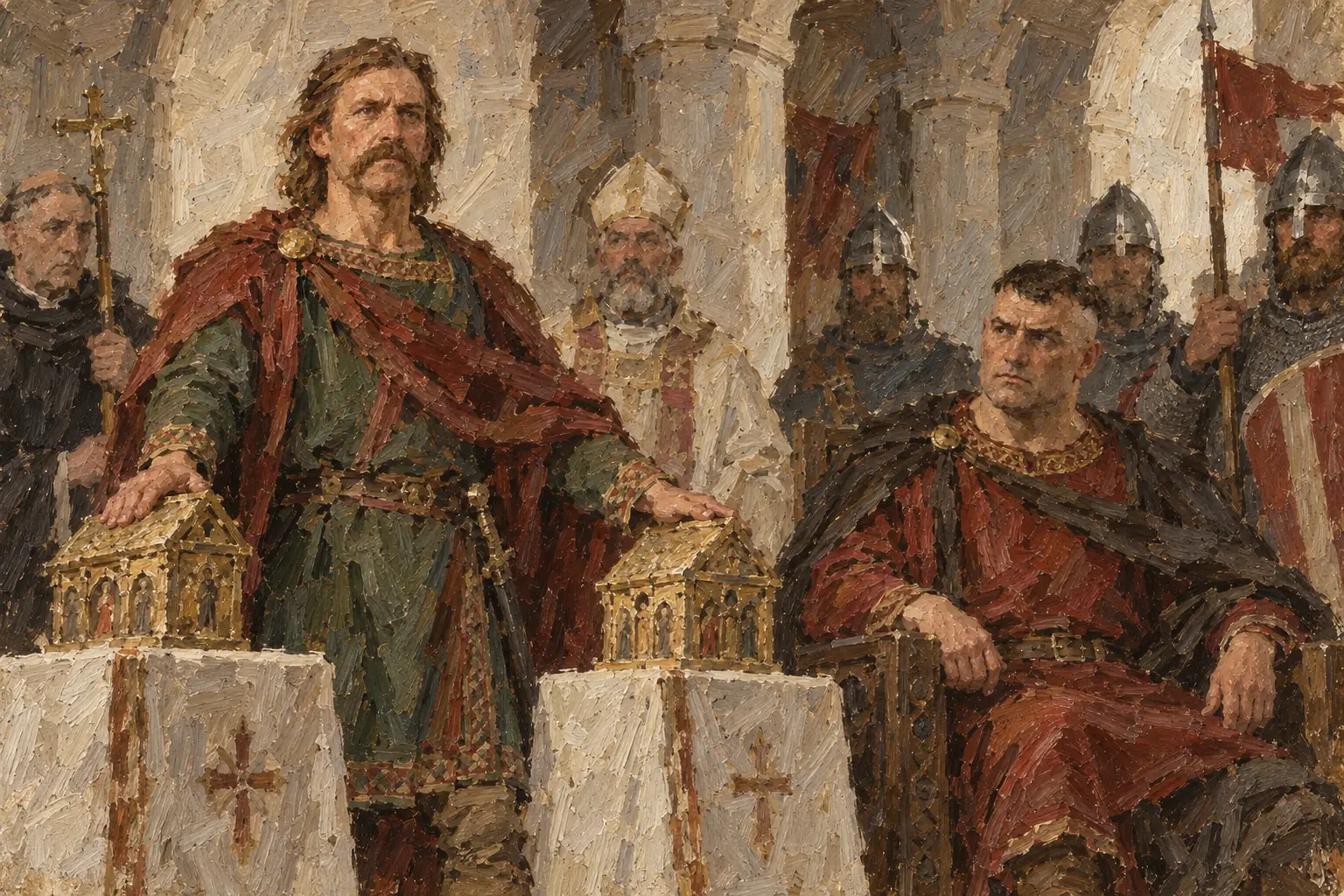
William, Duke of Normandy, built his case on familial connections and external alliances. This gave him legitimacy abroad, though it required invasion to enforce.
Key elements of William's position
- Family link - William was Edward's cousin through the king's mother, Emma of Normandy, establishing a blood relation.
- Historical ties - Long-standing relations between the Norman and English courts, including Edward's time in exile in Normandy, supported his assertion.
- Alleged oath from Harold - William claimed that around 1064, Harold swore to back his succession while shipwrecked in Normandy.
- Papal endorsement - Securing approval from the Pope, including a blessed banner, added religious authority and justified his campaign as a holy endeavour.
- Limitations - As a foreigner, William lacked immediate English support and had to rely on military conquest, which risked alienating local nobles.
Evaluating Harald Hardrada's claim
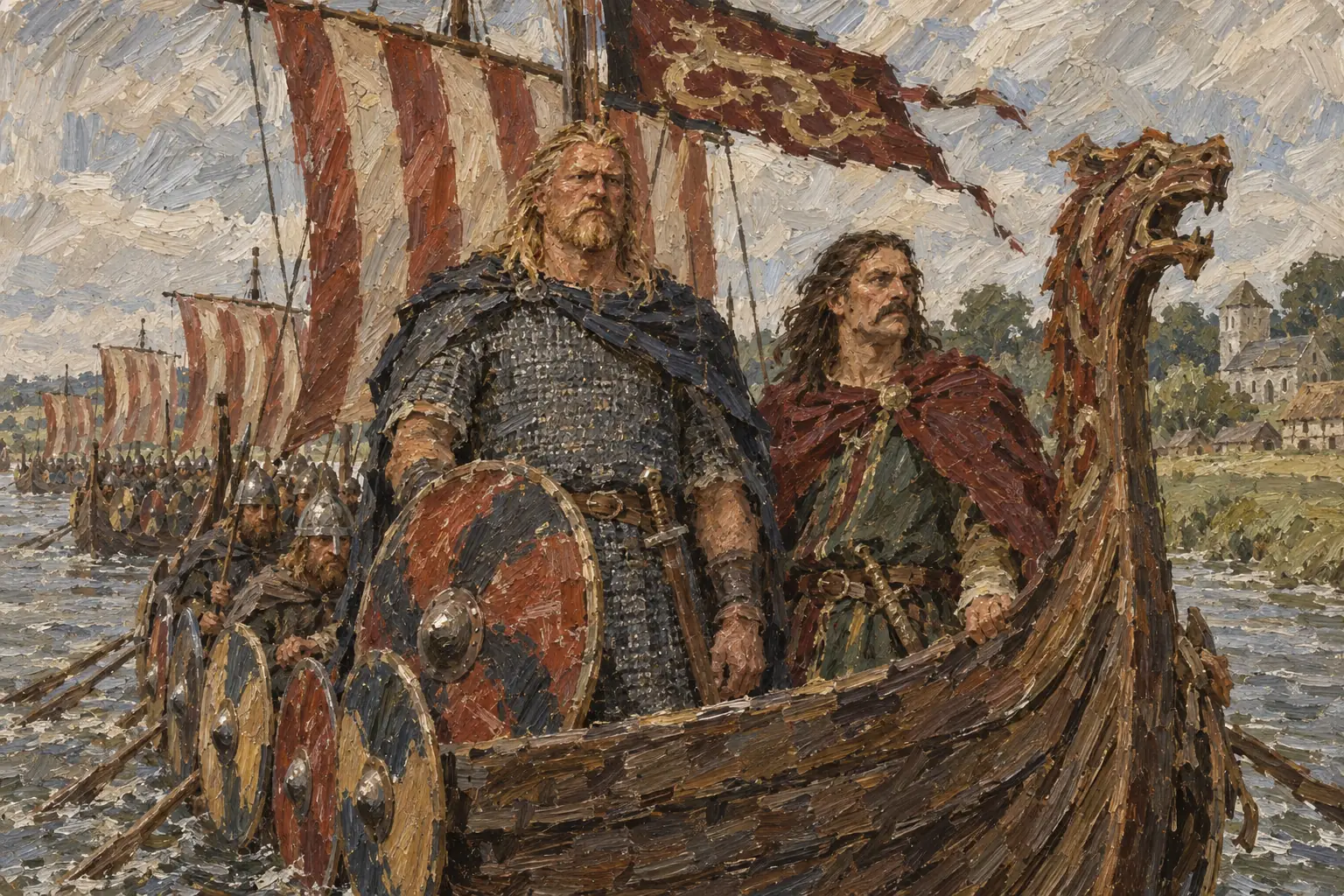
Harald Hardrada, King of Norway, pursued a Viking-era claim to revive Scandinavian influence over England. His bid combined historical promises with opportunistic alliances.
Key elements of Hardrada's position
- Scandinavian heritage - Hardrada invoked a pact from the 1040s, where Harthacanute allegedly promised the English throne to Magnus of Norway, Hardrada's predecessor.
- Alliance with Tostig - Support from Harold Godwinson's exiled brother, Tostig, provided local knowledge and additional forces for an invasion.
- Vision of Norse revival - Hardrada aimed to re-establish Viking overlordship, drawing on Norway's history of ruling parts of England.
- Military reputation - Known as a seasoned warrior, Hardrada brought a strong army, enhancing his threat level.
- Limitations - The claim was outdated and lacked broad English backing, relying heavily on force rather than legal or familial grounds.
Evaluating Edgar Ætheling's claim
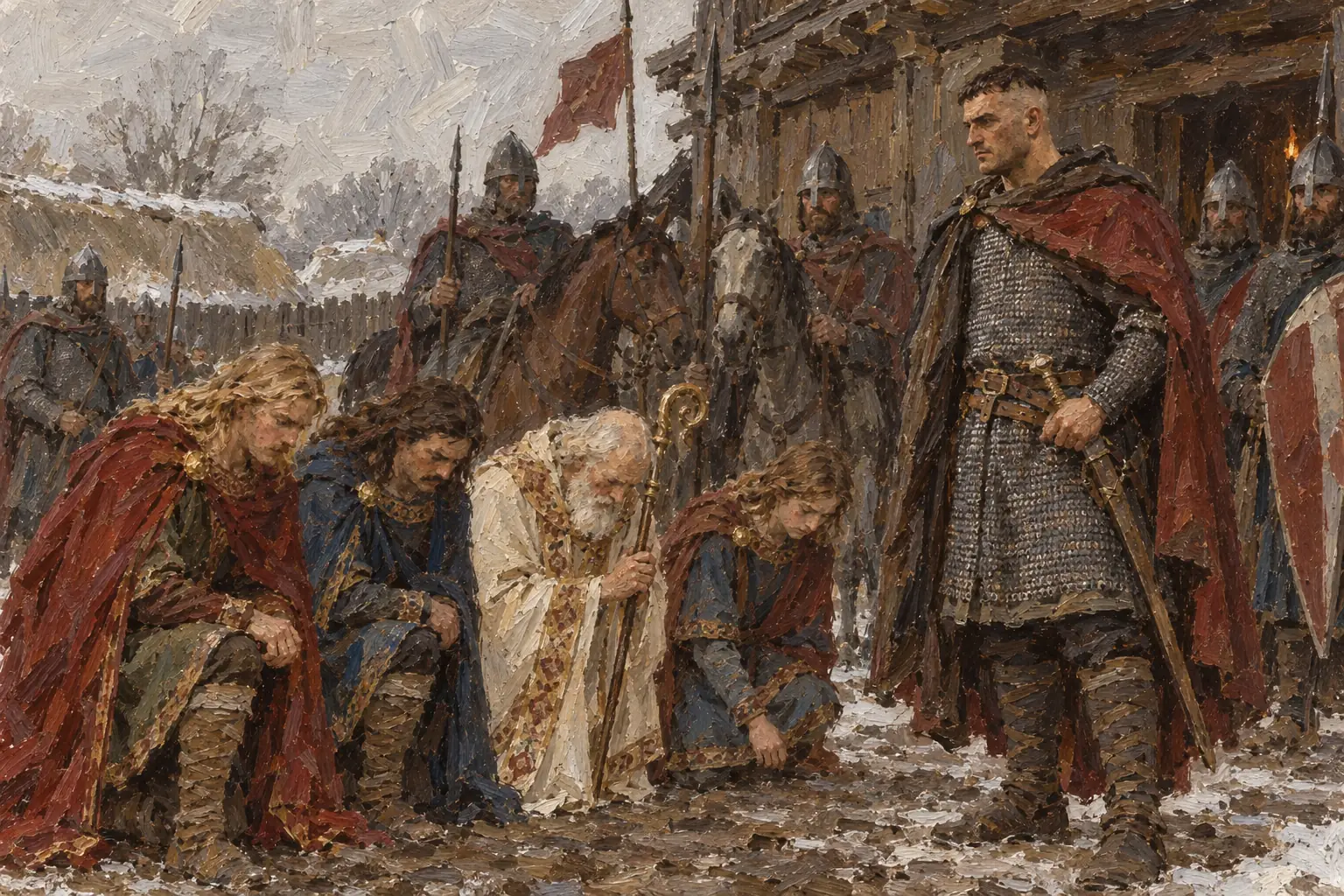
Edgar Ætheling, a young member of the old royal line, had the strongest hereditary right but was overlooked due to practical constraints.
Key elements of Edgar's position
- Blood relation - As grandson of Edmund Ironside (Edward's half-brother), Edgar held the closest direct lineage to the Anglo-Saxon kings.
- Potential for unity - His claim could have appealed to those valuing traditional inheritance over foreign or elected rulers.
- Limitations - At around 14 years old, Edgar was considered too inexperienced to lead during a crisis.
- Lack of support - He had no significant military force, landholdings, or influential backers, making him unable to challenge stronger rivals effectively..