2.4 - The New Deal: Aims, 100 Days & Alphabet Agencies
Key facts and dates
The New Deal, introduced by President Franklin D. Roosevelt in 1933, aimed to address the Great Depression through immediate relief, economic recovery, and long-term reforms. This period saw rapid legislative action and the creation of numerous agencies, though outcomes varied across different social groups.
Timeline of key events
- March 1933 – Roosevelt declares a four-day bank holiday to prevent further collapses.
- March 1933 – Emergency Banking Act passed, allowing only sound banks to reopen.
- March–June 1933 – The "100 Days" period sees 15 major laws enacted for relief and recovery.
- May 1933 – Federal Emergency Relief Administration (FERA) established for direct aid.
- June 1933 – Civilian Conservation Corps (CCC) created for youth employment in conservation.
- June 1933 – National Industrial Recovery Act sets up the National Recovery Administration (NRA).
- 1935 – Works Progress Administration (WPA) launched for widespread job creation.
- 1935 – Tennessee Valley Authority (TVA) begins regional development projects.
Aims of the New Deal
The New Deal was a series of programmes and policies introduced by President Franklin D. Roosevelt in response to the Great Depression. It sought to tackle the widespread economic hardship that had left millions unemployed and the banking system in crisis.
Core aims of the New Deal
- Relief - Provided immediate assistance to those suffering from poverty and unemployment, focusing on short-term support like food aid and emergency jobs.
- Recovery - Aimed to stimulate economic growth by stabilising industries, boosting agriculture, and restoring confidence in financial institutions.
- Reform - Introduced long-term changes to prevent future depressions, including regulations on banks and labour practices to protect workers and consumers.
Measures during the first 100 days
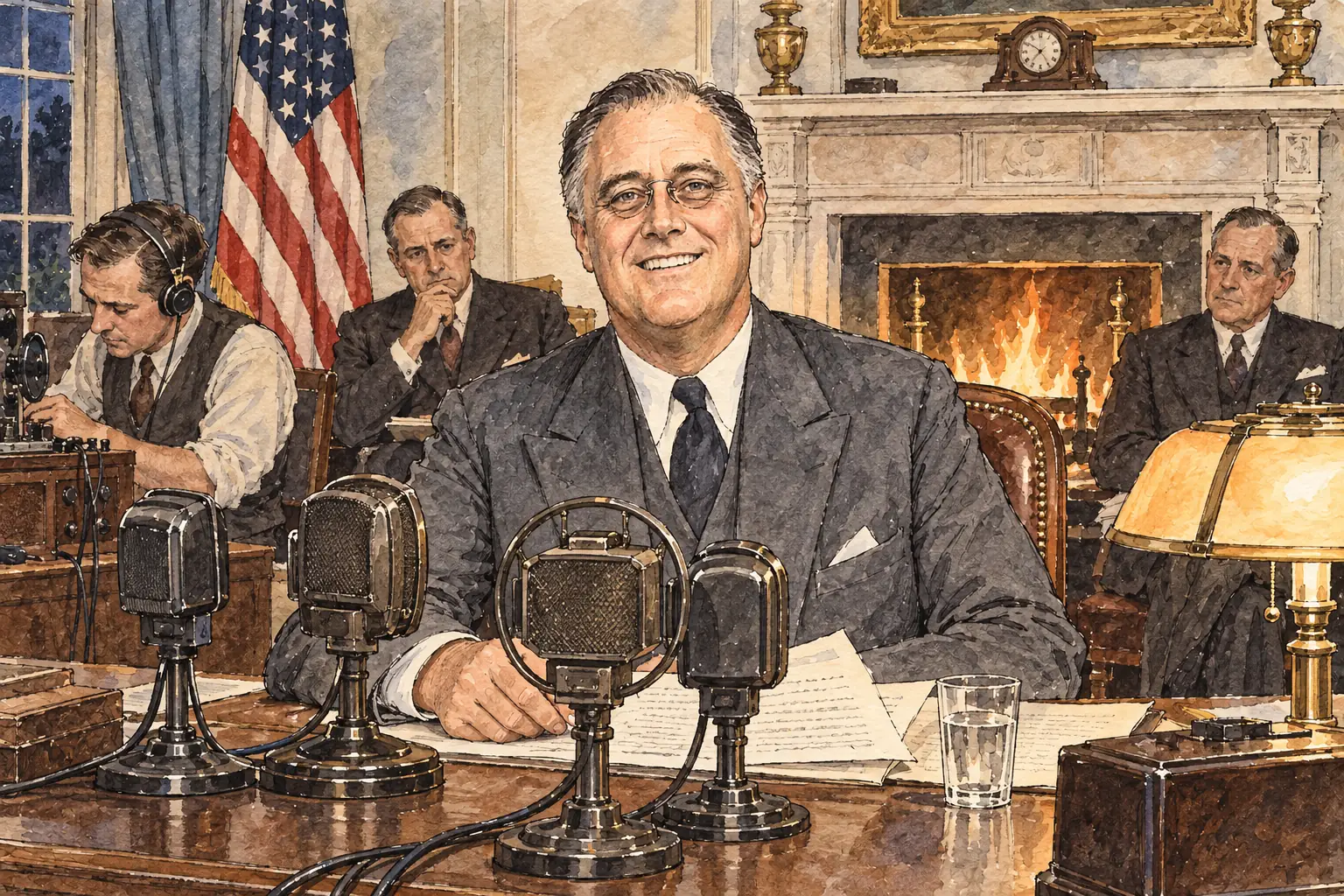
Image 1 of 2: On 12 March 1933 Roosevelt gave his first fireside chat on the radio, explaining why the banks had been closed
The first 100 days of Roosevelt's presidency, starting in March 1933, were marked by intense legislative activity to address the immediate economic crisis. This period restored public confidence and laid the foundation for broader New Deal initiatives.
Key actions in the first 100 days
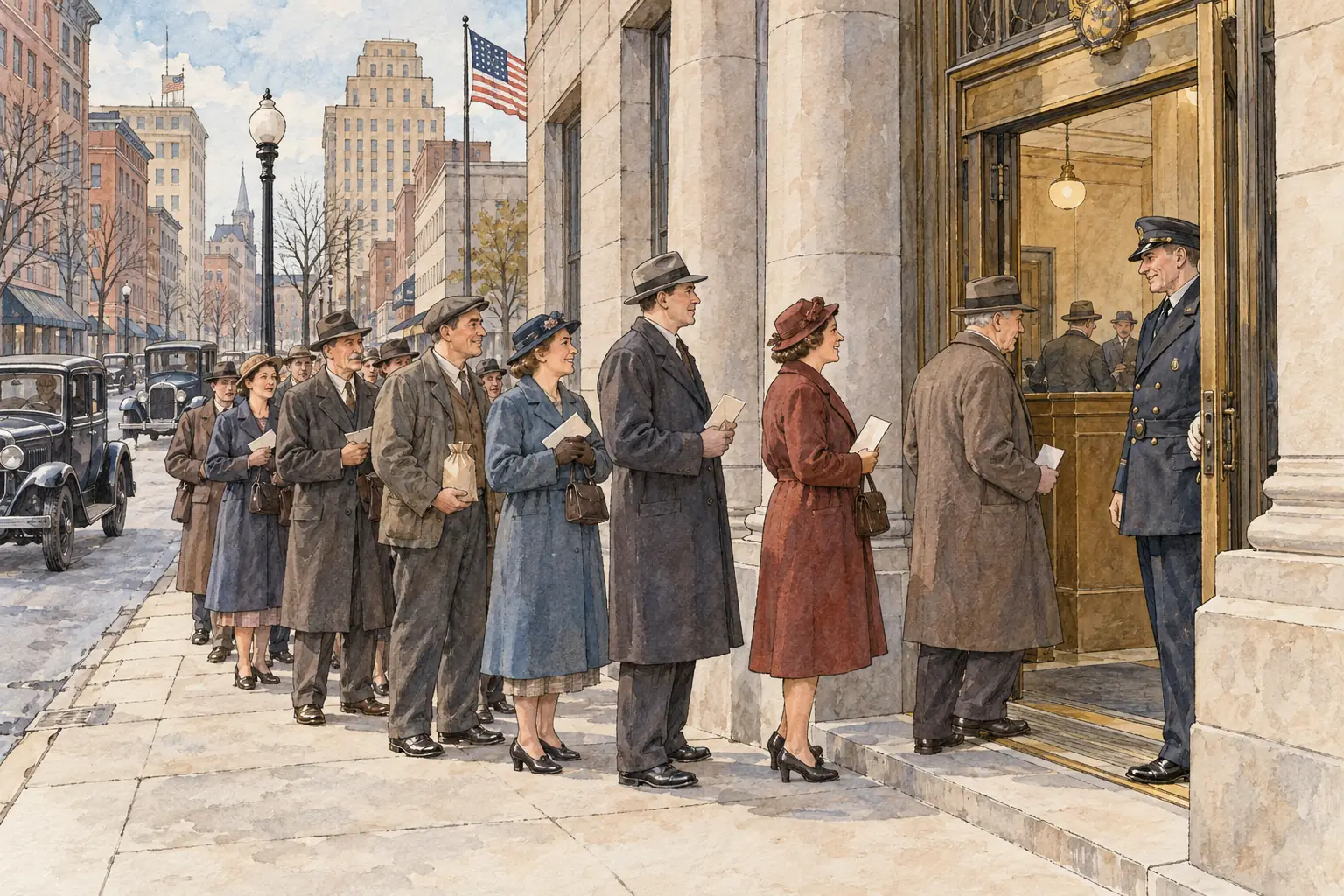
- Bank holiday - Roosevelt closed all banks for four days to halt panic withdrawals and assess their stability, preventing further collapses.
- Emergency Banking Act - This law allowed only financially sound banks to reopen, with federal inspections and guarantees, which helped restore trust in the system.
- Restoration of confidence - Measures like the bank holiday and act reassured depositors, leading to a surge in bank deposits as people regained faith in financial institutions.
- Fireside chats - Roosevelt used radio broadcasts to explain policies directly to the public, calming fears and building support; these informal talks reached millions and humanised complex economic issues.
Key alphabet agencies and their roles
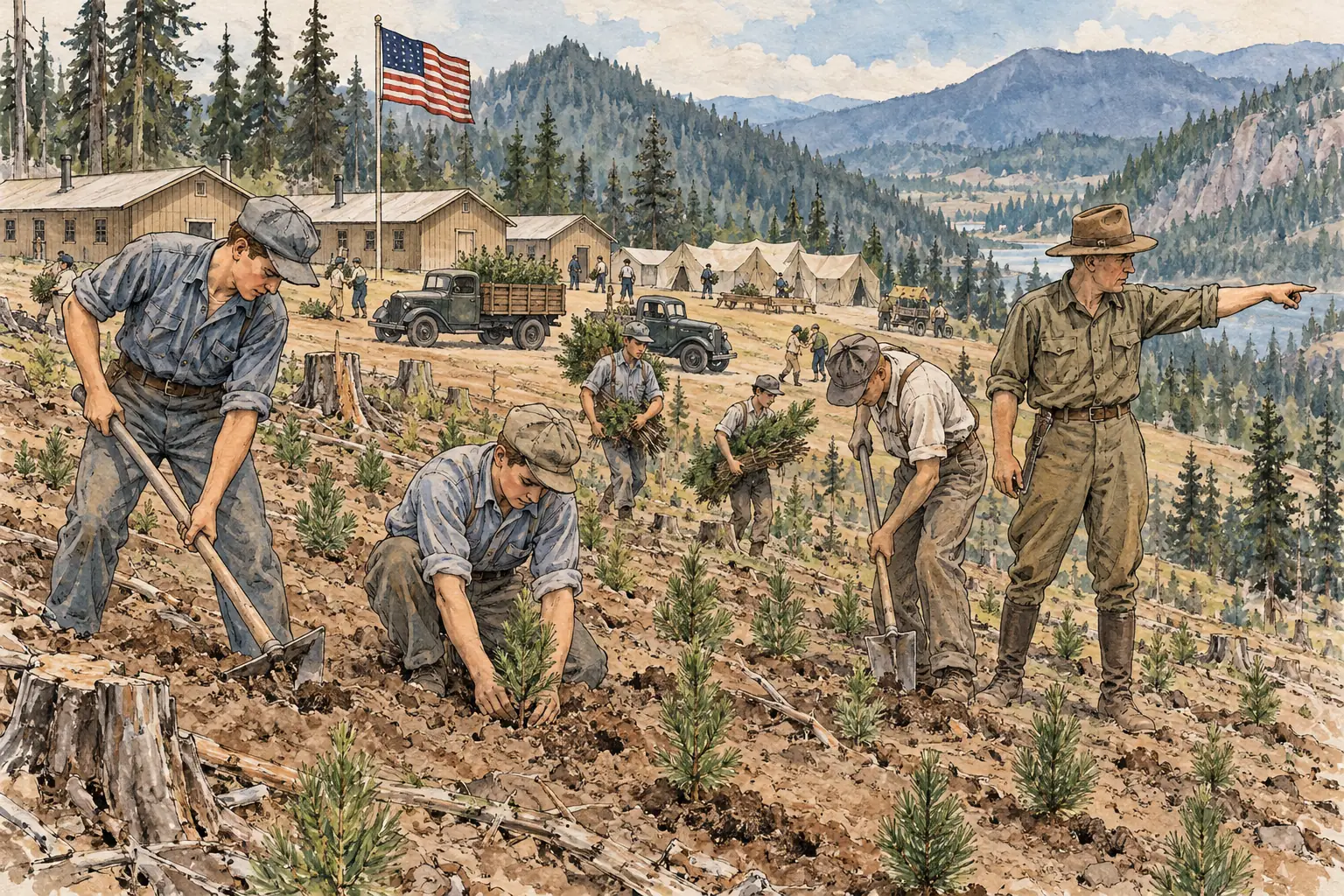
Image 1 of 3: Young men in the Civilian Conservation Corps planted trees and worked on conservation projects
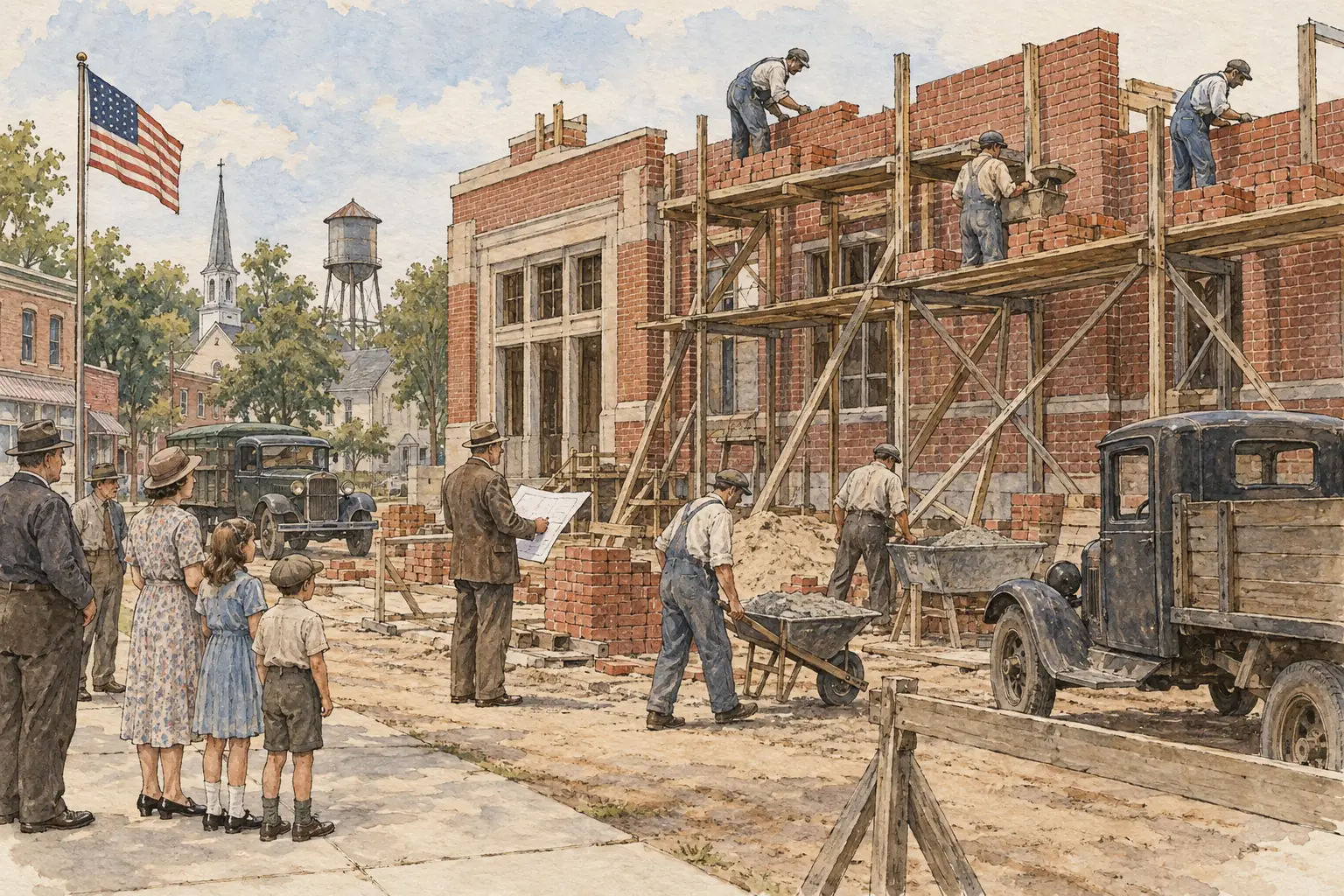
The New Deal created numerous "alphabet agencies" – government bodies with acronym names – to implement its aims. These agencies targeted specific areas like relief, job creation, industry regulation, and agricultural support.
Agencies focused on relief
- Federal Emergency Relief Administration (FERA) - Distributed federal funds to states for direct aid, including food, clothing, and cash grants to the unemployed.
- Civilian Conservation Corps (CCC) - Employed young men in environmental projects like tree planting and park building, providing work, skills, and relief to families.
Agencies for jobs and regional development
- Public Works Administration (PWA) - Funded large-scale infrastructure projects, such as roads and bridges, to create jobs and stimulate the economy.
- Works Progress Administration (WPA) - Expanded job opportunities through public works, including arts and education programmes, employing millions in diverse roles.
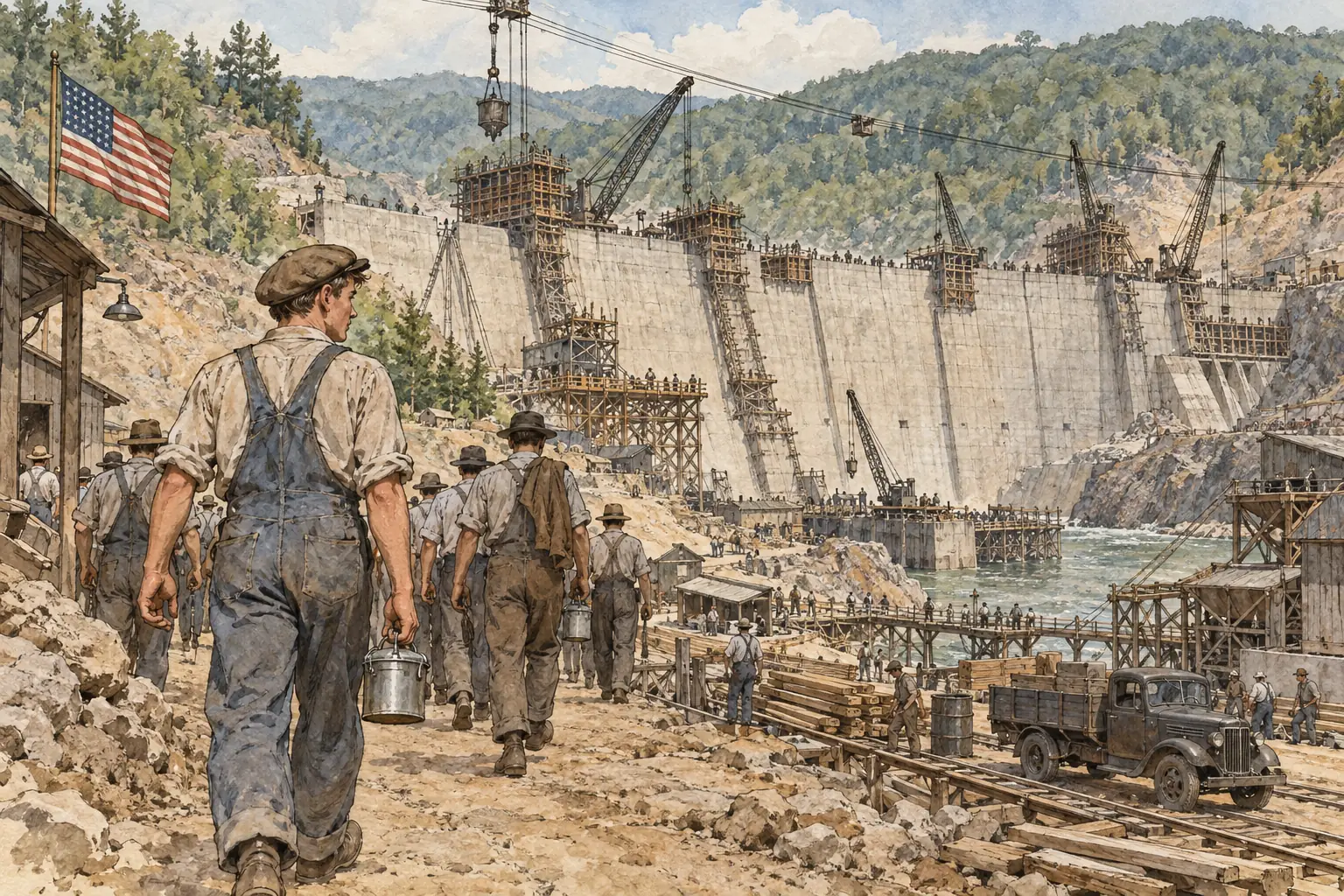
- Tennessee Valley Authority (TVA) - Developed the Tennessee River region with dams for electricity, flood control, and jobs, transforming a poor area into a model of regional progress.
Agencies for industry and farm support
- National Recovery Administration (NRA) - Set fair competition codes for industries, regulating wages, hours, and prices to stabilise businesses and protect workers.
- Agricultural Adjustment Administration (AAA) - Supported farmers by paying them to reduce production, raising crop prices and stabilising agriculture amid overproduction.
Successes of the New Deal

The New Deal achieved notable progress in stabilising the economy and improving lives, particularly through job creation and infrastructure development. These successes helped many Americans during the Depression, though they varied by region and group.
Major achievements of the New Deal
- Job creation - Agencies like the WPA and CCC employed over 8 million people, reducing unemployment from 25% in 1933 to around 14% by 1937.
- Infrastructure improvements - Projects built schools, hospitals, and highways, modernising the nation and providing long-term economic benefits.
- Economic stabilisation - Banking reforms prevented further collapses, while agricultural support raised farm incomes; overall, the initiatives boosted confidence and spurred recovery.
- Benefits for specific groups - Urban workers gained from labour protections, and rural areas like the Tennessee Valley saw electricity and flood control, enhancing living standards for residents.
Limitations and uneven impacts of the New Deal
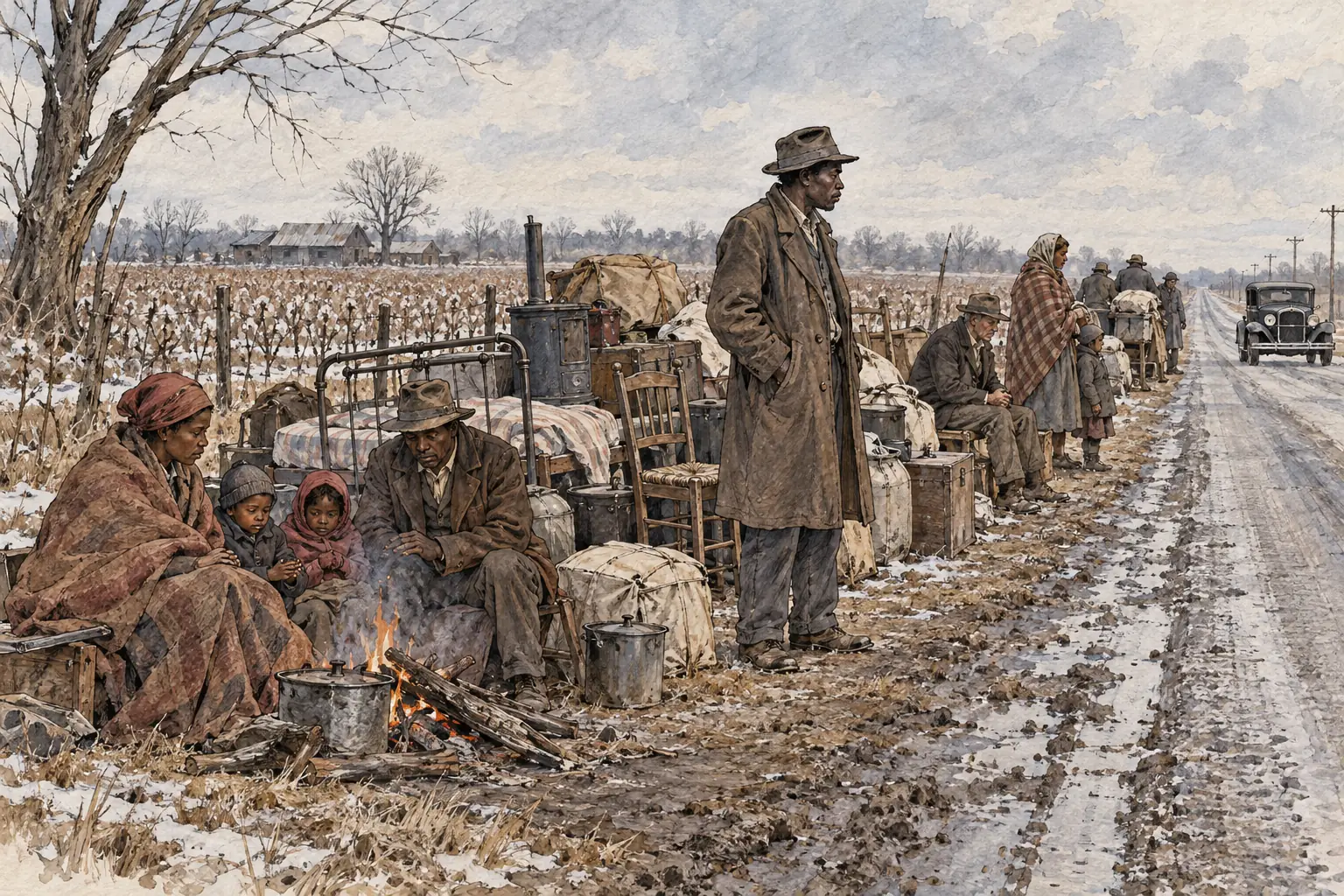
Despite its achievements, the New Deal faced criticism for not fully resolving the Depression and for uneven distribution of benefits. Unemployment persisted, and some groups experienced disadvantages, highlighting the programmes' limitations.
Key limitations of the New Deal
- Persistent unemployment - While jobs were created, millions remained out of work, with rates still high until World War II boosted the economy.
- Uneven benefits - Programmes often favoured white, male workers; women and ethnic minorities received fewer opportunities, with some policies excluding domestic or farm labourers.
- Disadvantages for specific groups - Sharecroppers, often African American, were evicted when landowners reduced production under the AAA, worsening poverty in rural South.
- Experiences across groups - Industrial workers in cities benefited from NRA codes, but farmers in dust bowl regions saw limited relief, and Native Americans faced land losses despite some conservation efforts.