2.5 - Opposition: Supreme Court, Republicans & Radicals
Key facts and dates
Opposition to the New Deal emerged from various political perspectives during the Great Depression, reflecting deep divisions over federal intervention in the economy. Conservatives viewed it as excessive government overreach, while radicals believed it failed to address inequality adequately. The following timeline highlights major events and figures in this opposition.
Timeline of key events
- 1933 – Launch of the National Recovery Administration (NRA) and Agricultural Adjustment Act (AAA), both central to early New Deal efforts.
- 1934 – Father Charles Coughlin begins radio broadcasts criticising the New Deal for not going far enough in wealth redistribution.
- 1934 – Huey Long launches the 'Share Our Wealth' movement, proposing radical income caps and pensions.
- 1935 – Dr Francis Townsend proposes old-age pensions, gaining millions of supporters dissatisfied with limited New Deal relief.
- 1935 – Supreme Court rules against the NRA in Schechter Poultry Corp. v. United States, declaring it unconstitutional.
- 1936 – Supreme Court invalidates the AAA in United States v. Butler, citing overreach of federal power.
- 1937 – Roosevelt proposes court-packing plan in response to judicial opposition, leading to a shift in Supreme Court rulings.
Republican and conservative opposition
Republicans and conservative critics argued that the New Deal represented an dangerous expansion of federal power, undermining traditional American values of free enterprise and limited government. They believed it interfered too much with business operations and individual liberties, especially during an economic crisis.
Reasons for conservative opposition
- Criticism of business regulation - Measures like the National Recovery Administration (NRA) were seen as imposing excessive controls on industries, such as setting prices and wages, which conservatives claimed stifled competition and innovation.
- Concerns over federal overreach - Programmes expanding government involvement in areas like agriculture and labour were viewed as violating states' rights and creating dependency on federal aid, with critics like Herbert Hoover warning of a slide towards socialism.
- Economic arguments - Opponents contended that heavy taxation and spending would hinder recovery, arguing that the free market should be allowed to self-correct without bureaucratic intervention.
Radical critics and their alternative proposals
Image 1 of 2: Senator Huey Long of Louisiana won millions of followers for his Share Our Wealth plan before he was assassinated in September 1935
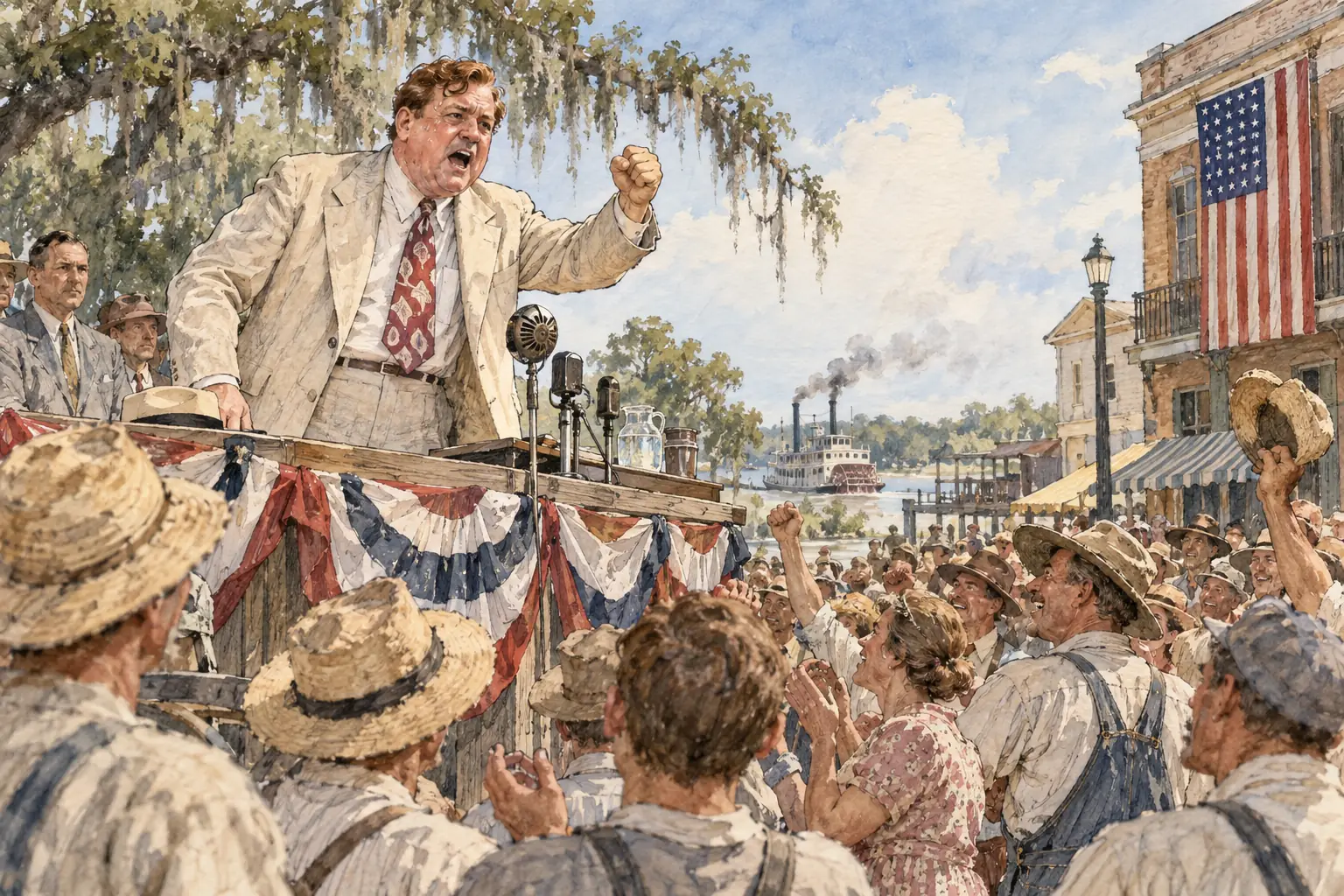
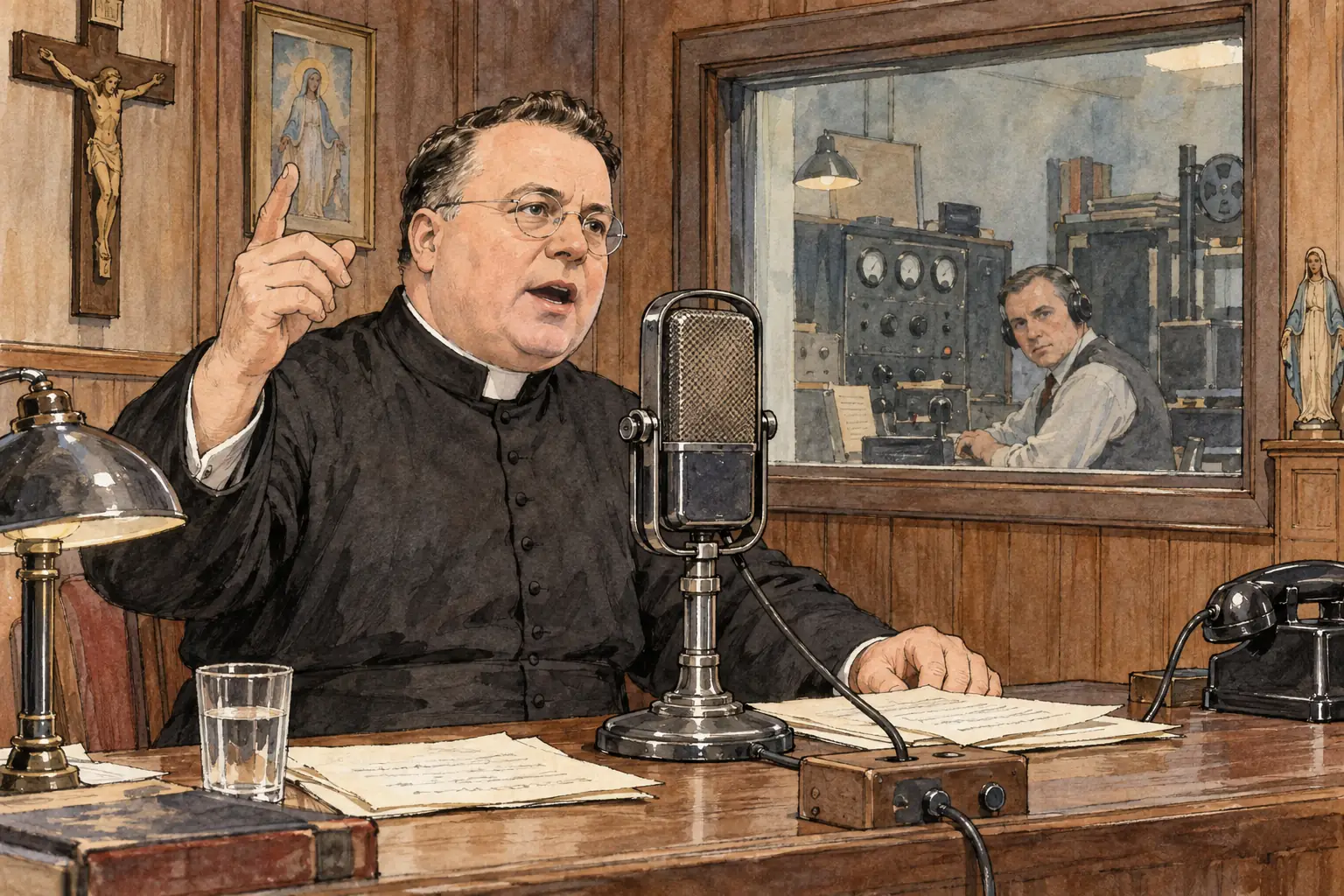
Radical figures from the left criticised the New Deal for not doing enough to redistribute wealth and support the most vulnerable, proposing more extreme solutions to tackle poverty and inequality. These critics gained significant public followings through grassroots campaigns and media.
Key radical proposals and figures
- Townsend pensions - Dr Francis Townsend advocated a scheme where all citizens over 60 would receive a monthly pension of $150, funded by a national sales tax, to boost spending and provide security for the elderly; it attracted over five million supporters frustrated with inadequate New Deal relief.
- Father Coughlin's broadcasts - Through popular radio programmes, priest Charles Coughlin attacked the New Deal for favouring bankers and corporations, calling for nationalisation of key industries and greater monetary reforms to ensure fairer wealth distribution.
- Huey Long's 'Share Our Wealth' - Louisiana senator Huey Long proposed capping personal fortunes at $40 million and annual incomes at $900,000, using the excess to guarantee every family a home, education, and pension; his movement promised radical economic equality to counter the New Deal's perceived timidity.
Supreme Court challenges to New Deal programmes
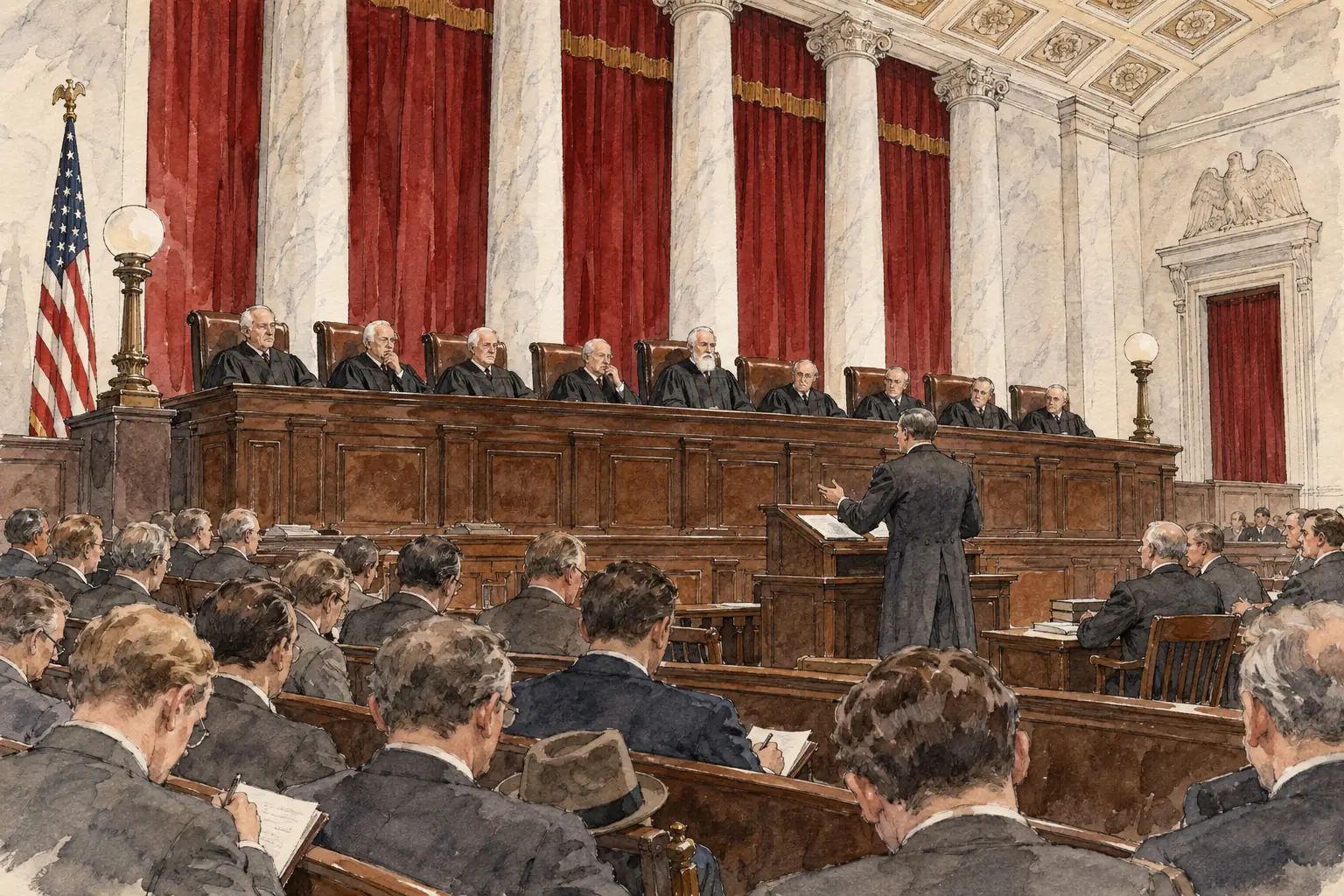
The Supreme Court, dominated by conservative justices, posed a major obstacle to the New Deal by ruling key programmes unconstitutional. These decisions highlighted tensions between executive actions and judicial interpretations of federal powers.
Major judicial rulings against New Deal measures
- Schechter Poultry Corp. v. United States (1935) - The Court struck down the NRA, arguing it delegated too much legislative power to the executive and overstepped interstate commerce regulations, effectively dismantling codes that regulated working conditions and prices.
- United States v. Butler (1936) - This ruling invalidated the Agricultural Adjustment Act (AAA), which aimed to stabilise farm prices through production controls and subsidies, on the grounds that it unconstitutionally taxed processors to fund farmer payments.
- Broader pattern of opposition - Between 1935 and 1936, the Court invalidated several other New Deal laws, viewing them as violations of the Constitution's limits on federal authority over economic matters.
Impact of judicial rulings on further reforms
Faced with Supreme Court resistance, President Roosevelt sought ways to protect New Deal initiatives, leading to a strategic recalibration. This 'judicial crisis' prompted reforms that ultimately strengthened the programme's longevity.
Responses to Supreme Court challenges
- Court-packing plan (1937) - Roosevelt proposed expanding the Supreme Court to 15 justices by appointing new ones for each justice over 70 who did not retire, aiming to create a more favourable bench; although the plan failed amid public backlash, it pressured the Court to shift its stance.
- Shift in Court decisions - Following the proposal, key justices began upholding New Deal laws, such as in the 1937 ruling on the National Labor Relations Act, marking a 'switch in time that saved nine' and allowing programmes like Social Security to proceed.
- Long-term reforms - The controversy spurred the creation of new legislation, including the Fair Labor Standards Act of 1938, which established minimum wages and maximum hours, building on earlier invalidated efforts to address labour issues more robustly.
Interpretations of government's role in crises
Historians and contemporaries offered differing views on the appropriate extent of government intervention during the Great Depression, with the New Deal serving as a focal point for debates on balancing crisis response with constitutional principles.
Perspectives on government intervention
- Conservative interpretation - Critics argued for minimal federal involvement, emphasising that government's role should be limited to protecting property rights and allowing market forces to resolve economic downturns, as excessive regulation could lead to authoritarianism.
- Liberal interpretation - Supporters of the New Deal contended that in severe crises, government must actively intervene to provide relief, regulate abuses, and stimulate recovery, viewing federal expansion as essential for social welfare and economic stability.
- Radical interpretation - Figures like Long and Coughlin pushed for even greater government action, including wealth redistribution and nationalisation, arguing that only transformative changes could address systemic inequalities exacerbated by capitalism.