4.4 - The Welfare State & the NHS: Creation & Change
Key facts and dates
The establishment of the welfare state and the National Health Service (NHS) in post-war Britain represented a major shift towards social security and universal healthcare, addressing widespread poverty and inequality exposed by the Second World War. Driven by the Beveridge Report, these reforms faced opposition but laid the foundation for modern public services, though debates about sustainability continue.
Timeline of key events
- 1942 – Publication of the Beveridge Report, identifying five major social evils and proposing comprehensive welfare reforms.
- 1945 – Labour Party wins general election, committing to implement Beveridge's ideas under Clement Attlee's leadership.
- 1946 – National Health Service Act passed, outlining plans for a universal healthcare system.
- 1948 – Official launch of the NHS on 5 July, led by Health Minister Aneurin Bevan.
- 1951 – Introduction of prescription charges to manage rising costs, marking early financial adjustments.
- 1960s–1970s – Expansion of services including widespread screening programmes and improved emergency care.
- 1980s onwards – Ongoing reforms and debates, with challenges like funding pressures and staffing shortages intensifying into the 21st century.
The Beveridge Report and its 'Five Giants'

The Beveridge Report, published in 1942 during the Second World War, was a groundbreaking document that outlined a vision for post-war social reform in Britain. Authored by economist William Beveridge, it highlighted the need for a comprehensive welfare system to tackle entrenched social problems and rebuild society.
Social evils identified in the Beveridge Report
- Want - Refers to poverty and lack of basic income, addressed through proposals for social security benefits to ensure a minimum standard of living.
- Disease - Highlights inadequate healthcare access, recommending a national health service to provide medical care for all citizens.
- Squalor - Focuses on poor housing conditions, suggesting government intervention to improve living standards and eliminate slums.
- Ignorance - Addresses limited education opportunities, advocating for expanded schooling to reduce illiteracy and promote social mobility.
- Idleness - Targets unemployment, proposing full employment policies and job creation schemes to maintain economic productivity.
The report's popularity, with over 600,000 copies sold, pressured politicians to act, influencing the creation of the welfare state.
Creation of the NHS by the Labour government in 1948
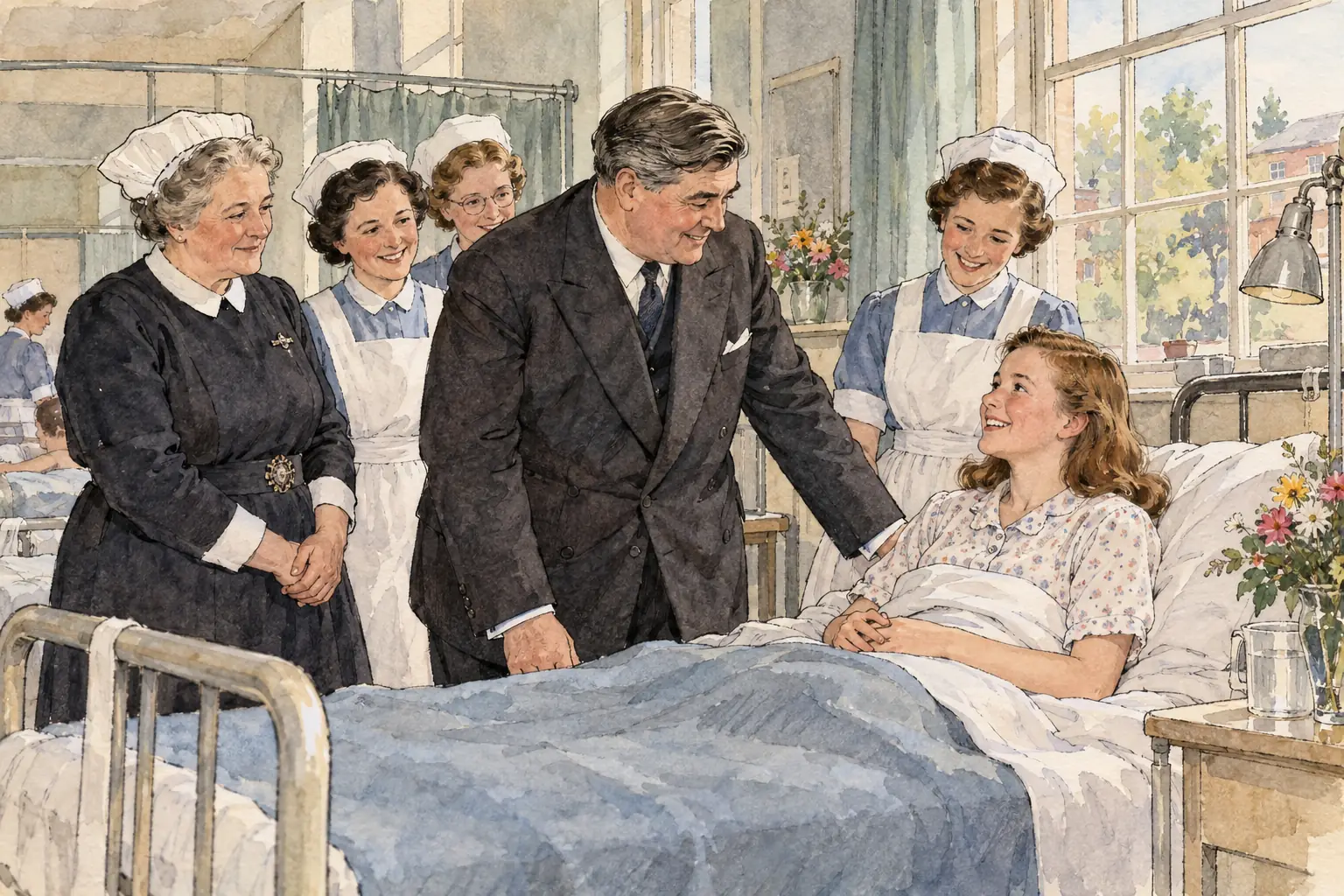
Following the Labour Party's landslide victory in the 1945 general election, Prime Minister Clement Attlee's government prioritised implementing the Beveridge Report's recommendations. The National Health Service (NHS) was established as a cornerstone of this welfare state, aiming to provide healthcare as a right rather than a privilege.
Key steps in establishing the NHS
- Legislative foundation - The National Health Service Act of 1946 nationalised hospitals and integrated general practitioners, creating a unified system funded through taxation.
- Role of Aneurin Bevan - As Minister of Health, Bevan spearheaded the initiative, negotiating with stakeholders to ensure the service launched on 5 July 1948, covering everything from hospital treatment to dental care.
- Initial structure - The NHS was organised into regional hospital boards, executive councils for primary care, and local health authorities, with central oversight from the Ministry of Health.
This creation marked a radical departure from pre-war reliance on private or charitable healthcare.
Opposition and challenges to establishing the NHS
Image 1 of 2: Many doctors in the BMA opposed the NHS, fearing they would lose independence and earnings
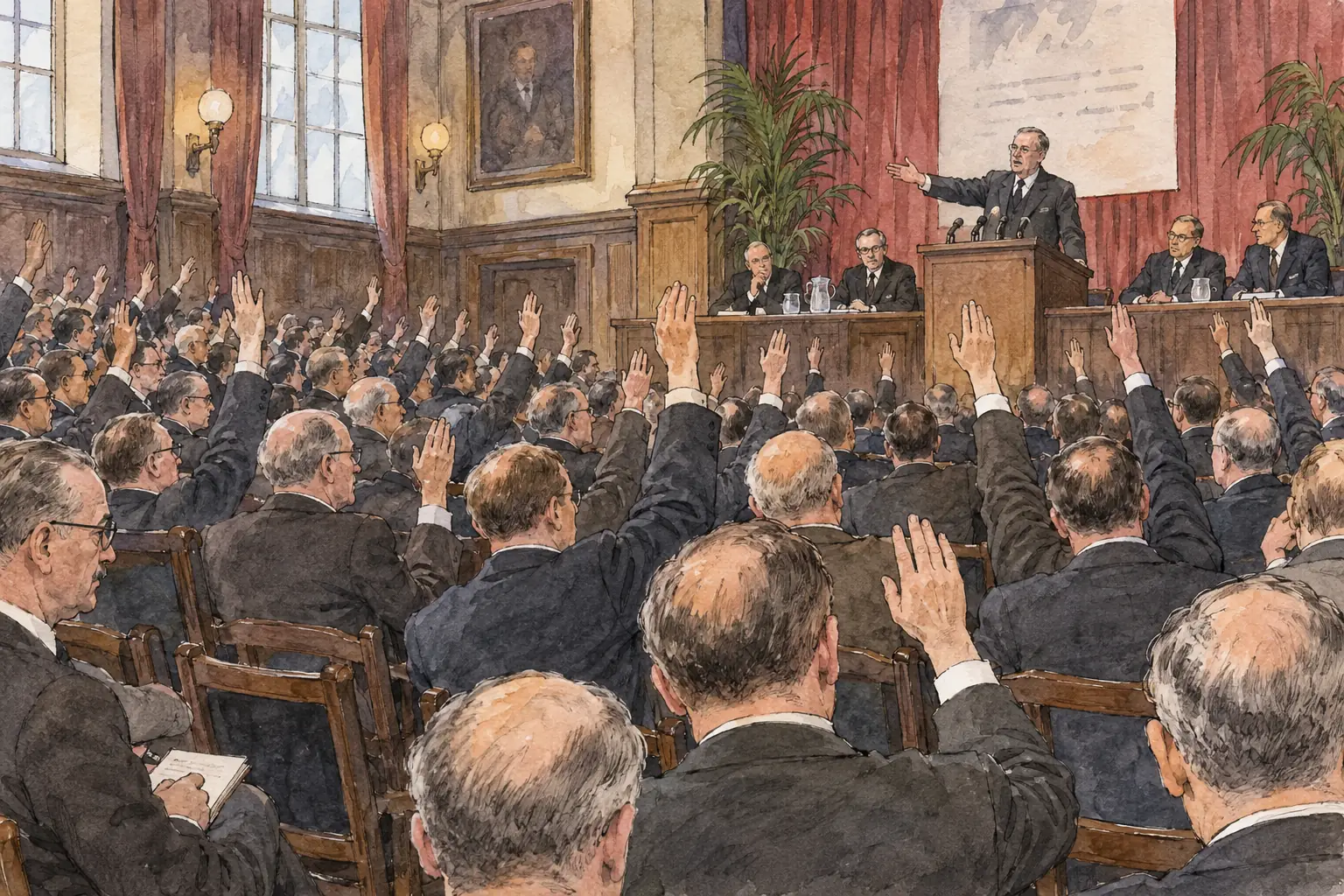
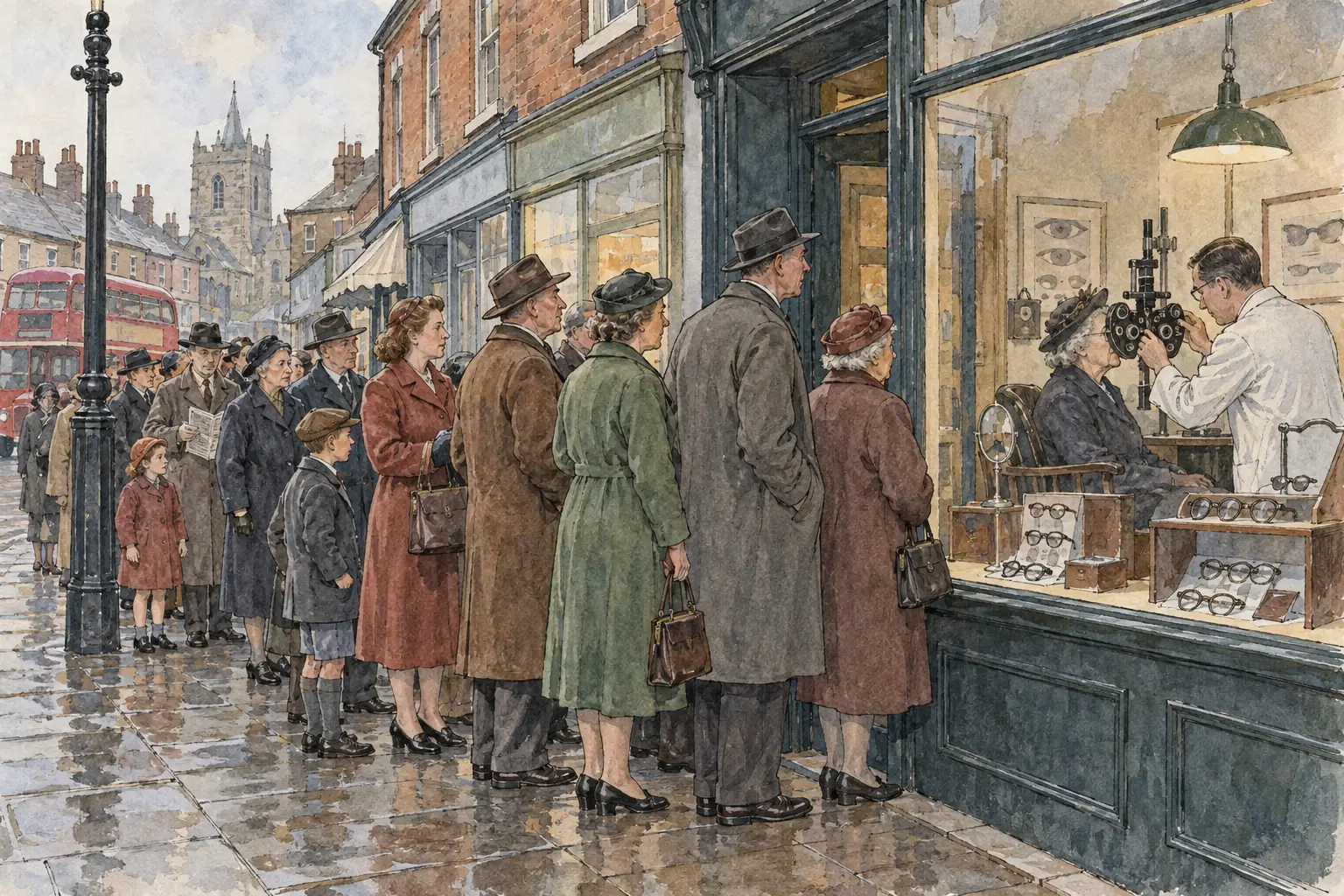
The introduction of the NHS faced significant resistance from various groups, reflecting concerns over cost, control, and feasibility. Practical hurdles also complicated its rollout, testing the government's resolve.
Sources of opposition and practical difficulties
- British Medical Association (BMA) - Doctors, represented by the BMA, opposed the nationalisation of healthcare, fearing loss of independence and reduced earnings; Bevan eventually compromised by allowing private practice alongside NHS work.
- Conservative Party criticism - Opponents argued the scheme was too expensive and bureaucratic, predicting it would strain public finances without delivering promised benefits.
- Financial and logistical challenges - High initial demand overwhelmed resources, with costs exceeding estimates due to pent-up need for treatment; shortages of staff and facilities required rapid recruitment and infrastructure development.
- Public and political debates - Some local authorities resisted central control, while wartime austerity limited funding, forcing adjustments like the introduction of charges for glasses and prescriptions in 1951.
Despite these obstacles, the NHS launched successfully, gaining broad public support.
Principles and evolution of NHS services
The NHS was founded on core principles designed to ensure equitable access to healthcare for everyone in Britain. Over time, its services have adapted to changing medical needs and technological advancements, expanding beyond basic provision.
Founding principles of the NHS
- Free at the point of use - Treatment is provided without direct charges to patients, funded through general taxation to remove financial barriers.
- Universal access - Available to all residents regardless of income, age, or background, promoting social equality.
- Comprehensive coverage - Encompasses a wide range of services, from preventive care to complex surgeries, aiming for holistic health support.
Development of key NHS services
- Primary care - Evolved from general practitioner (GP) services to include community-based clinics, with a focus on routine check-ups and chronic disease management.
- Screening programmes - Introduced in the 1960s, these include initiatives like cervical and breast cancer screenings, which have expanded to cover more conditions and improved early detection rates.
- Emergency care - Advanced from basic ambulance services to specialised accident and emergency departments, incorporating innovations like rapid response teams and trauma centres.
These evolutions have helped the NHS respond to demographic shifts, such as an ageing population.
Ongoing debates over cost, staffing, effectiveness, and equity
Since its inception, the NHS has been subject to continuous scrutiny regarding its sustainability and performance. Debates from the mid-20th century to the present day centre on balancing quality care with economic realities, often influenced by political and social changes.
Key areas of debate in NHS operations
- Cost management - Rising expenses due to advanced treatments and increasing demand have led to discussions on funding models, with some advocating private sector involvement to supplement public resources.
- Staffing issues - Shortages of nurses, doctors, and support staff persist, exacerbated by recruitment challenges and workload pressures, prompting calls for better training and retention strategies.
- Effectiveness - Evaluations question whether the NHS delivers timely care, with waiting times and treatment outcomes compared to other countries; successes in areas like vaccination programmes contrast with criticisms of inefficiencies.
- Equity concerns - Debates highlight disparities in access, such as regional variations in service quality or barriers for marginalised groups, raising questions about whether the system truly achieves universal fairness.
These discussions continue to shape reforms, ensuring the NHS adapts while upholding its foundational ideals.