4.5 - The Future of Health: New Diseases, Tech & Ethics
Modern diseases and conditions
Modern healthcare faces increasing challenges from diseases that are not spread between people, often linked to ageing populations and changing lifestyles. These include long-term conditions that require ongoing management and can significantly impact quality of life.
Types of non-communicable diseases
Non-communicable diseases (NCDs) are chronic conditions not passed from person to person, often influenced by factors such as diet, exercise, and environment.
- Cancer - Uncontrolled cell growth forming tumours, which can spread to other body parts; risk factors include smoking, poor diet, and genetic predisposition.
- Heart disease - Conditions affecting the heart and blood vessels, such as coronary artery disease, often caused by high cholesterol, hypertension, or sedentary lifestyles.
- Diabetes - A disorder where the body cannot properly regulate blood sugar levels, leading to types like insulin-dependent (type 1) or lifestyle-related (type 2), with complications including nerve damage and vision loss.
Neurodegenerative conditions
These progressive disorders involve the gradual loss of nerve cell function in the brain, leading to cognitive and motor impairments.
- Alzheimer's disease - Characterised by memory loss, confusion, and behavioural changes due to plaque build-up in the brain, primarily affecting older adults.
- Parkinson's disease - Involves tremors, stiffness, and slowed movement caused by reduced dopamine production, often managed with medication to alleviate symptoms.
Lifestyle-related illnesses
Many modern health issues stem from daily habits and environmental factors, contributing to the rise in preventable conditions.
- Obesity and related issues - Excess body weight from poor diet and lack of activity, increasing risks for heart disease, diabetes, and joint problems.
- Mental health disorders - Conditions like depression or anxiety, exacerbated by stress, poor sleep, or social isolation, highlighting the link between lifestyle and overall well-being.
- Respiratory conditions - Such as asthma or chronic obstructive pulmonary disease (COPD), often worsened by pollution, smoking, or occupational exposures.
Advances in genetics and biotechnology
Image 1 of 2: Rosalind Franklin's X-ray diffraction images revealed DNA's helical shape
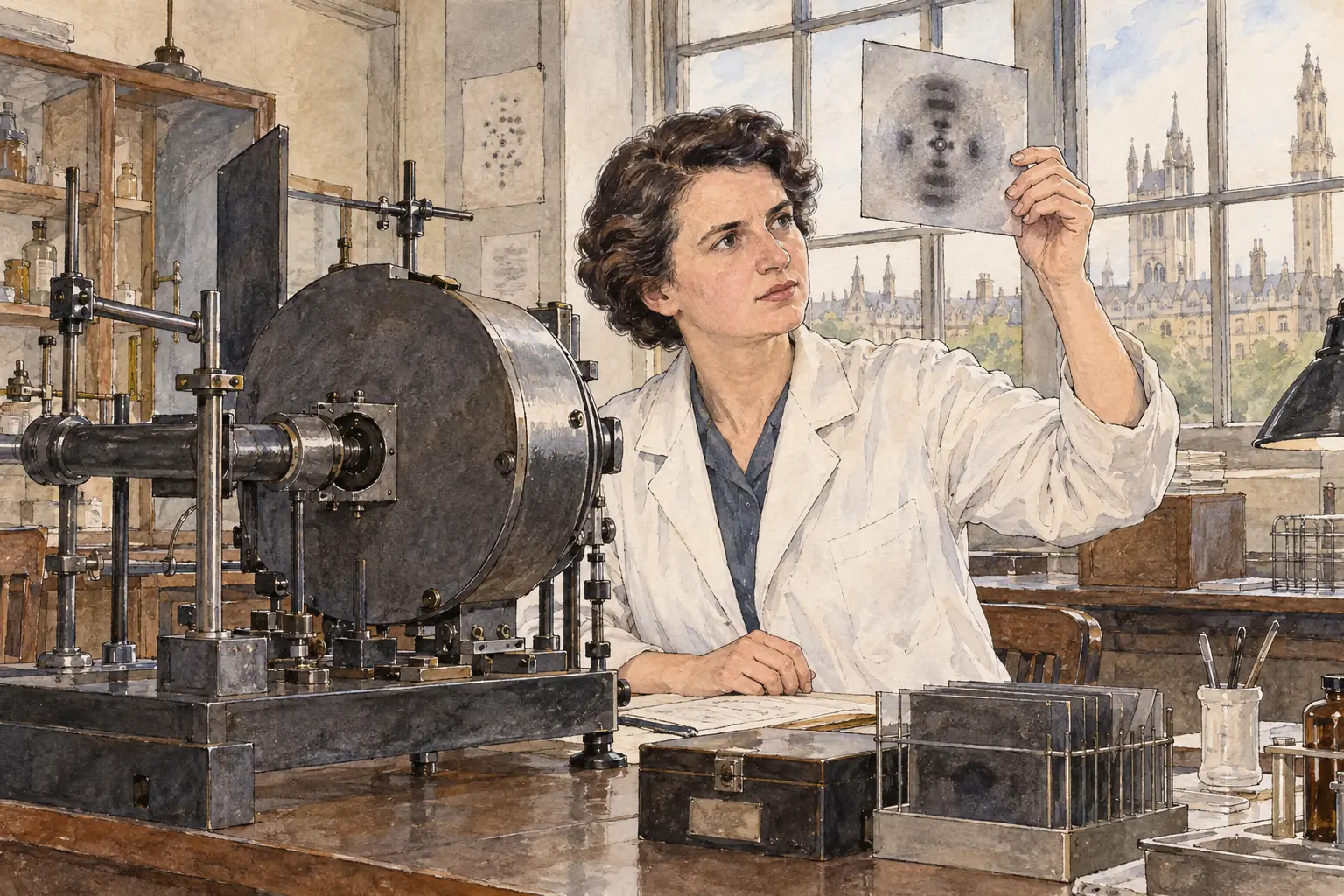
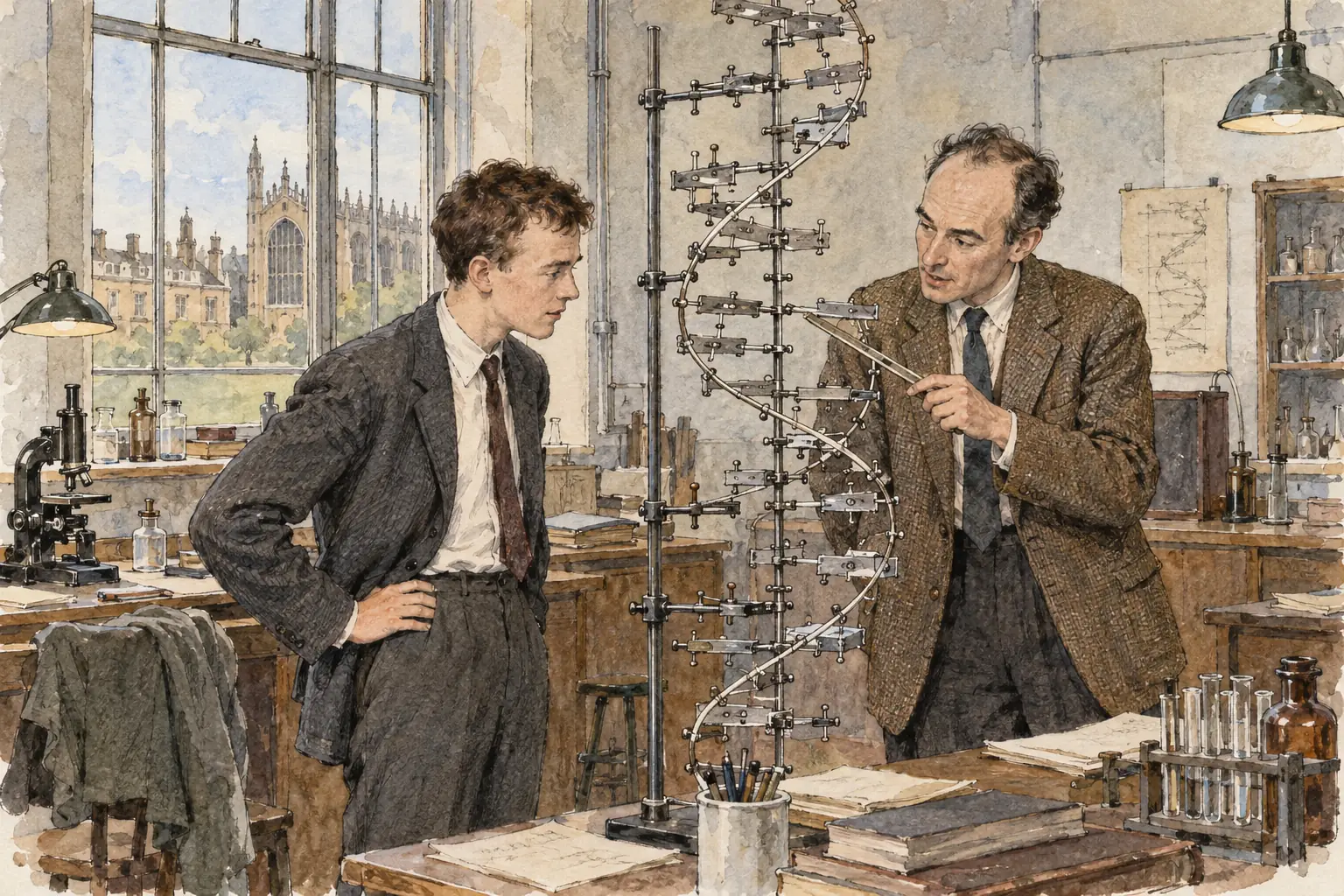
Breakthroughs in understanding genetic material have revolutionised medicine, enabling personalised treatments and better disease prediction. These developments build on key scientific discoveries.
Discovery of DNA structure
The structure of deoxyribonucleic acid (DNA) was elucidated in the 1950s, providing the foundation for modern genetics.
- Contributions of key scientists - James Watson and Francis Crick proposed the double-helix model in 1953, relying heavily on X-ray diffraction data from Rosalind Franklin, which revealed the molecule's helical shape.
- Significance - This discovery explained how genetic information is stored and replicated, paving the way for advancements in biotechnology.
The Human Genome Project
Completed in 2003, this international effort mapped the entire human genome, identifying around 20,000-25,000 genes.
- Key outcomes - Provided a complete sequence of human DNA, allowing scientists to identify genes linked to diseases and develop targeted interventions.
- Applications in medicine - Enabled genetic testing to detect inherited conditions early and supported the creation of targeted therapies that attack specific genetic mutations, such as in certain cancers.
Transplants and immunosuppression
Organ transplants save lives but require managing the body's immune response to prevent rejection.
- Process of transplantation - Involves replacing a failing organ (e.g., kidney, liver, or heart) with a donor organ, often from deceased or living donors.
- Immunosuppression techniques - Drugs are used to suppress the immune system, reducing rejection risk but increasing vulnerability to infections; lifelong medication is typically needed.
Medical technologies for scanning and treatment
Image 1 of 2: MRI scans use magnetic fields and radio waves to show soft tissues such as the brain
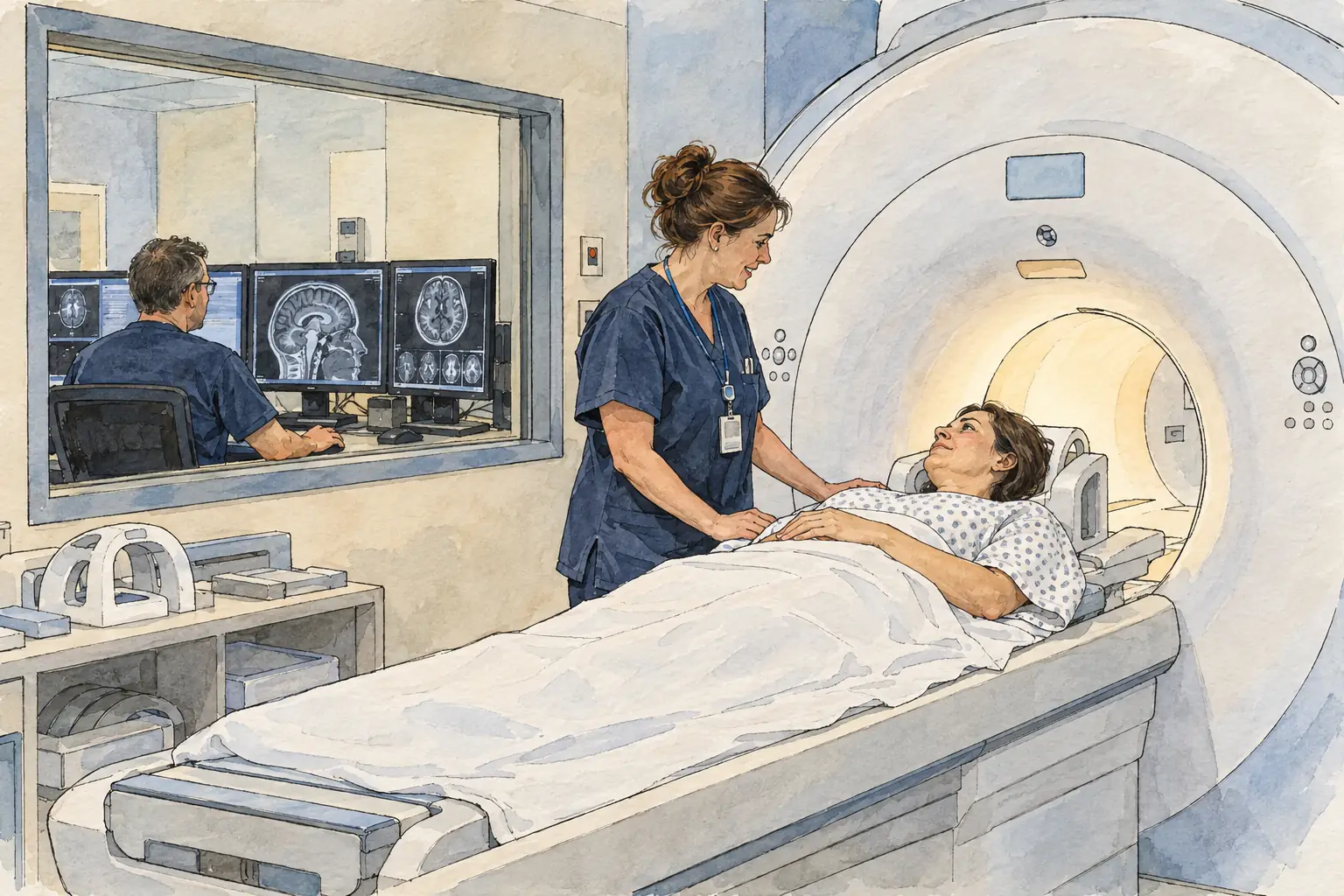
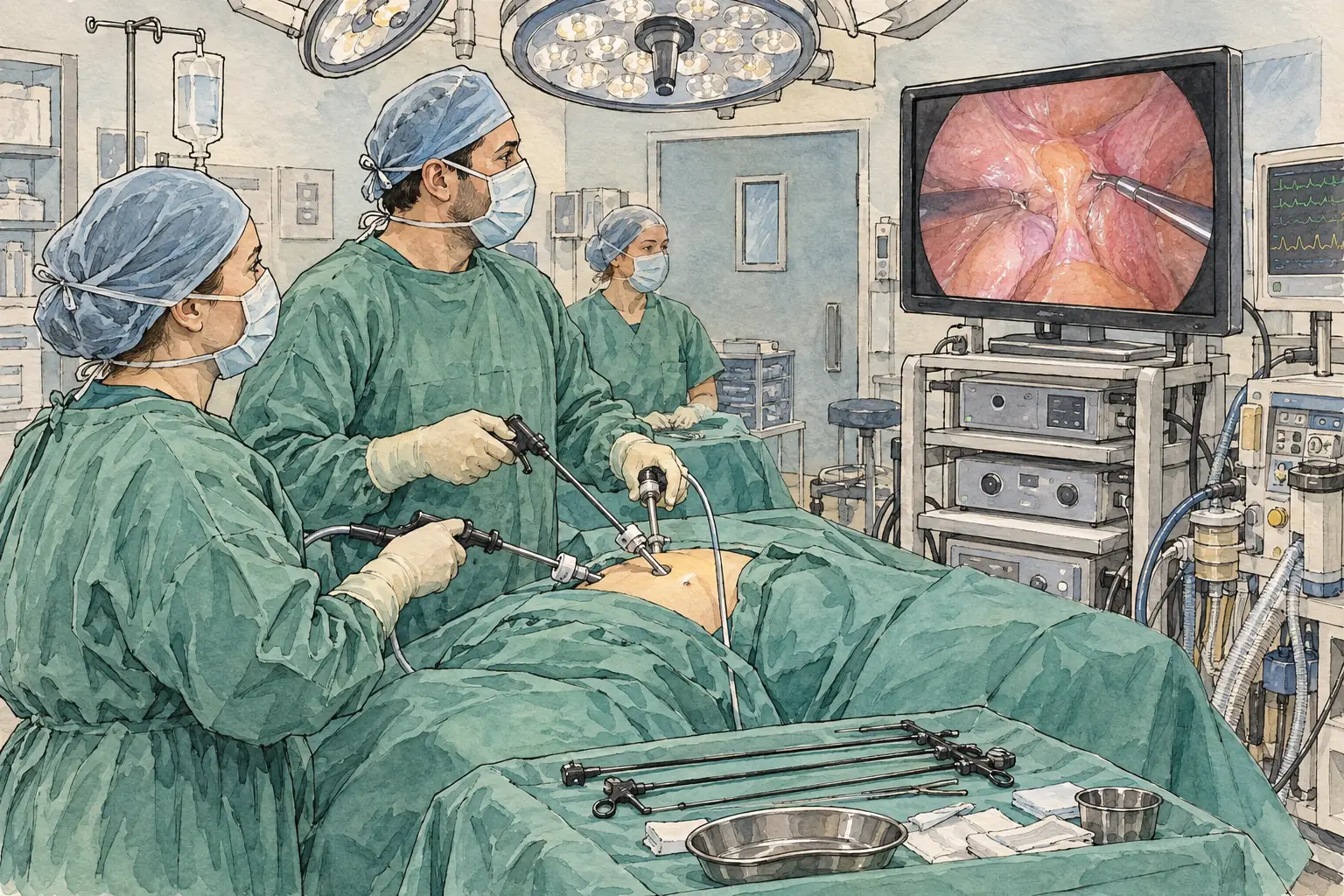
Technological innovations have improved diagnosis and minimally invasive treatments, enhancing accuracy and patient recovery times.
Scanning technologies
These non-invasive methods create detailed images of the body's interior, aiding early detection of abnormalities.
- Computed tomography (CT) scans - Use X-rays to produce cross-sectional images, useful for detecting tumours, fractures, or internal bleeding.
- Magnetic resonance imaging (MRI) - Employs magnetic fields and radio waves to generate detailed pictures of soft tissues, ideal for brain or spinal cord assessments without radiation exposure.
Treatment technologies
Advanced tools allow precise interventions with reduced risks compared to traditional surgery.
- Laser therapy - Focuses intense light beams to cut or destroy abnormal tissues, commonly used in eye surgery or skin treatments.
- Radiation therapy - Directs high-energy rays at cancer cells to shrink tumours, often combined with other treatments for better outcomes.
- Keyhole surgery - Involves small incisions and specialised instruments, minimising recovery time for procedures like gall bladder removal.
- Robotic surgery - Uses computer-controlled robots for enhanced precision in complex operations, such as prostate surgery, reducing human error.
Antibiotic resistance and alternative medicine
As traditional treatments face limitations, new health threats emerge, prompting exploration of non-conventional approaches.
Antibiotic resistance
The overuse and misuse of antibiotics have led to bacteria evolving resistance, making infections harder to treat.
- Causes - Excessive prescribing, incomplete treatment courses, and agricultural use contribute to resistant strains like methicillin-resistant Staphylococcus aureus (MRSA).
- Consequences - Increases the risk of untreatable infections, prolonging hospital stays and raising mortality rates; solutions include stricter prescribing guidelines and new drug development.
Growth of alternative medicine
Alternative therapies offer options outside mainstream medicine, often sought for holistic benefits, though their effectiveness varies.
- Common types - Acupuncture uses needles to stimulate points on the body for pain relief; aromatherapy employs essential oils for relaxation; hypnotherapy induces trance-like states to address habits or anxiety.
- Reasons for use - People turn to these for perceived natural approaches, dissatisfaction with conventional side effects, or cultural preferences, especially for chronic conditions.
- Weighing evidence - Scientific evaluation involves clinical trials to assess efficacy; while some show benefits (e.g., acupuncture for nausea), others lack robust proof, emphasising the need for evidence-based decisions.
Ethical considerations in healthcare
Advancements in health raise moral questions about fairness, rights, and societal impacts, requiring careful reflection.
Key ethical issues
- Access and equity - Disparities in healthcare availability, such as expensive treatments being limited to wealthier groups, raise questions about fair distribution and global health inequalities.
- Consent and data privacy - Patients must provide informed consent for procedures or genetic testing; protecting personal health data from misuse is crucial, especially with digital records.
- Ethical dilemmas in technology - Issues include the high costs of advanced therapies potentially excluding low-income populations, and debates over genetic editing's long-term effects on future generations.