2.5 - Radicalism, Regicide & Results of the Revolution
Key facts and dates
The English Revolution saw a surge in radical political ideas amid civil wars, culminating in the unprecedented execution of the king and experiments in republican government. These events expanded discussions on power and rights, though formal authority remained limited, influencing later constitutional developments.
Timeline of key events
- 1647 – Agitators emerge in the New Model Army, leading to the Putney Debates where soldiers debate political reforms.
- October 1647 – Levellers propose the 'Agreement of the People', advocating broader voting rights and religious tolerance.
- 1649 – Trial and execution of Charles I at Whitehall, marking a revolutionary break from divine monarchy.
- 1649–1653 – Republican experiments under the Commonwealth, including suppression of radical groups like Diggers and Fifth Monarchists.
- 1653 – Establishment of the Protectorate under Oliver Cromwell, limiting radical reforms.
- 1660 – Restoration of the monarchy with Charles II, ending republican rule but preserving some revolutionary ideas.
Political radicalism in and after the civil wars
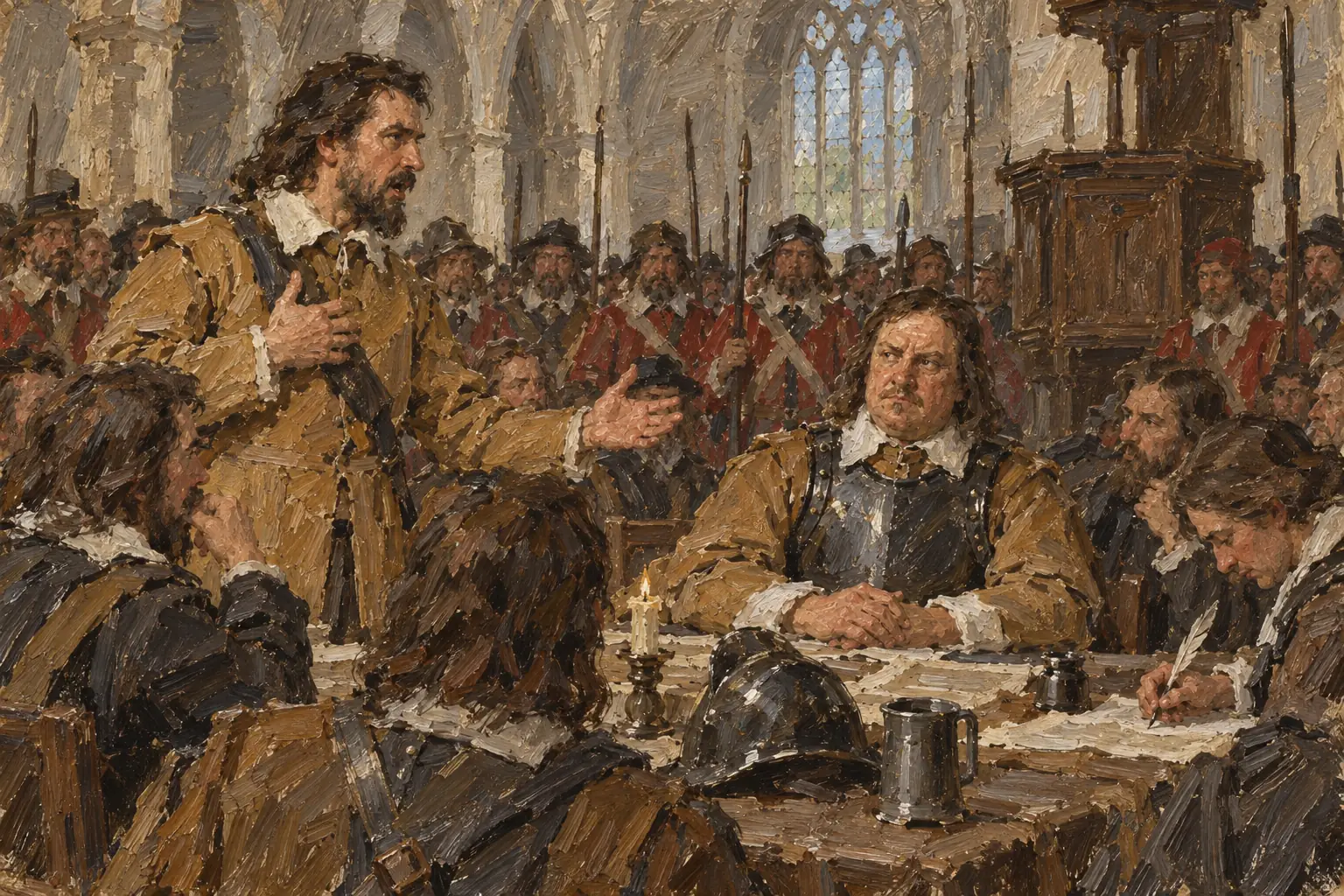
Image 1 of 2: At the Putney Debates in 1647 Colonel Thomas Rainsborough argued that every man should have a say in choosing the government
The civil wars between Parliament and the king, from 1642 to 1651, fostered a climate of political upheaval that encouraged radical ideas. Groups within the New Model Army and society challenged traditional hierarchies, emphasising concepts like consent, rights, and sovereignty through debates and pamphlets.
Key radical groups and their ideas
- Agitators - Elected representatives in the army who voiced soldiers' grievances over pay and conditions, pushing for political reforms and influencing army leadership during 1647.
- Putney Debates (1647) - Discussions between army officers and radicals at Putney Church, focusing on voting rights and the social contract; figures like Colonel Thomas Rainsborough argued that all men should have a say in government.
- Levellers - Advocated democratic reforms through documents like the 'Agreement of the People' (1647), calling for expanded suffrage, religious freedom, and limits on parliamentary power to prevent tyranny.
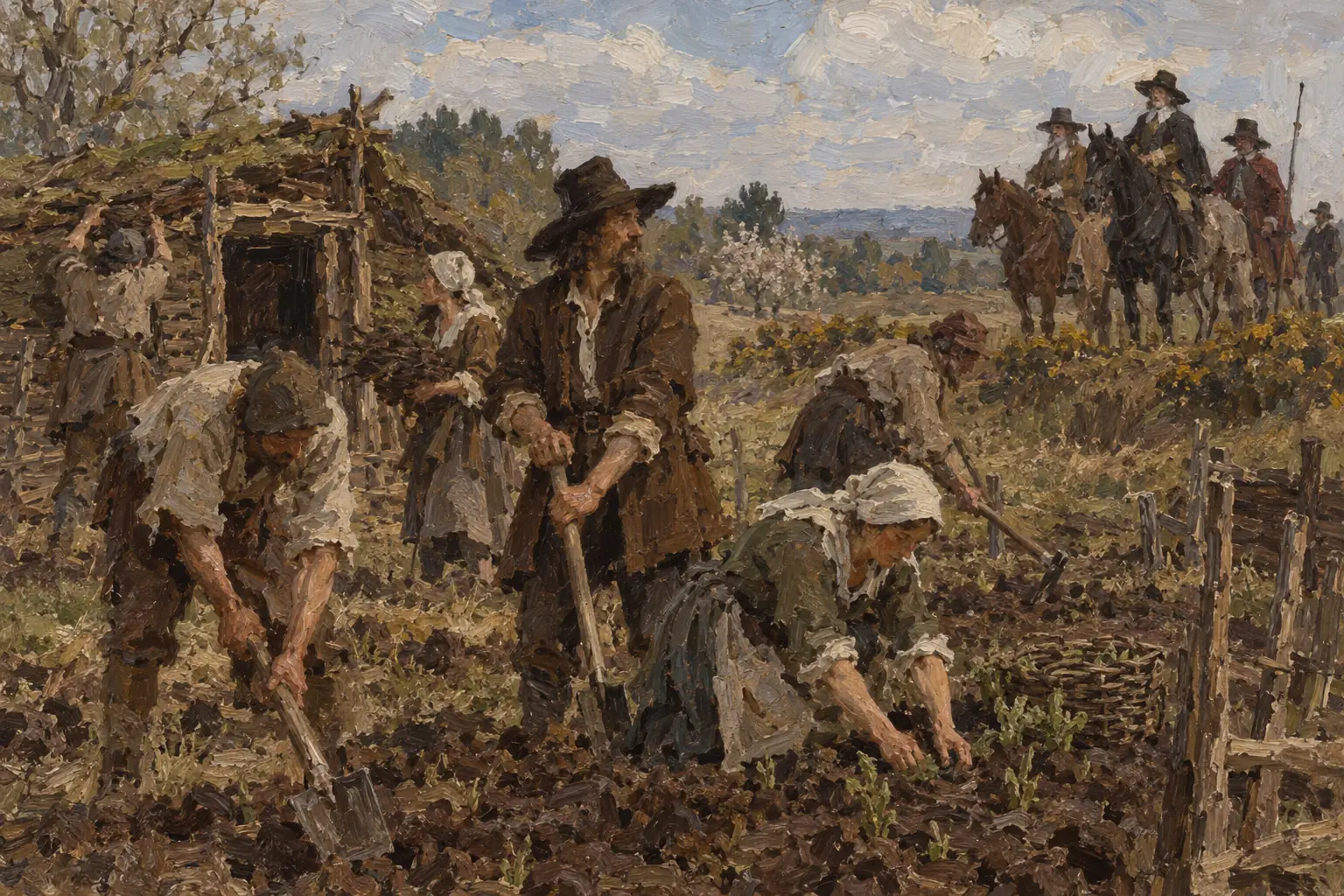
- Diggers - Led by Gerrard Winstanley, this group claimed common land for communal farming in 1649, rejecting private property and promoting egalitarian society based on shared resources.
- Fifth Monarchists - Religious radicals who believed in an imminent rule by Christ, attempting uprisings in the 1650s to establish a theocratic government aligned with biblical prophecies.
These movements used pamphlets and petitions to spread ideas, expanding political communication beyond elites.
The trial and execution of Charles I in 1649
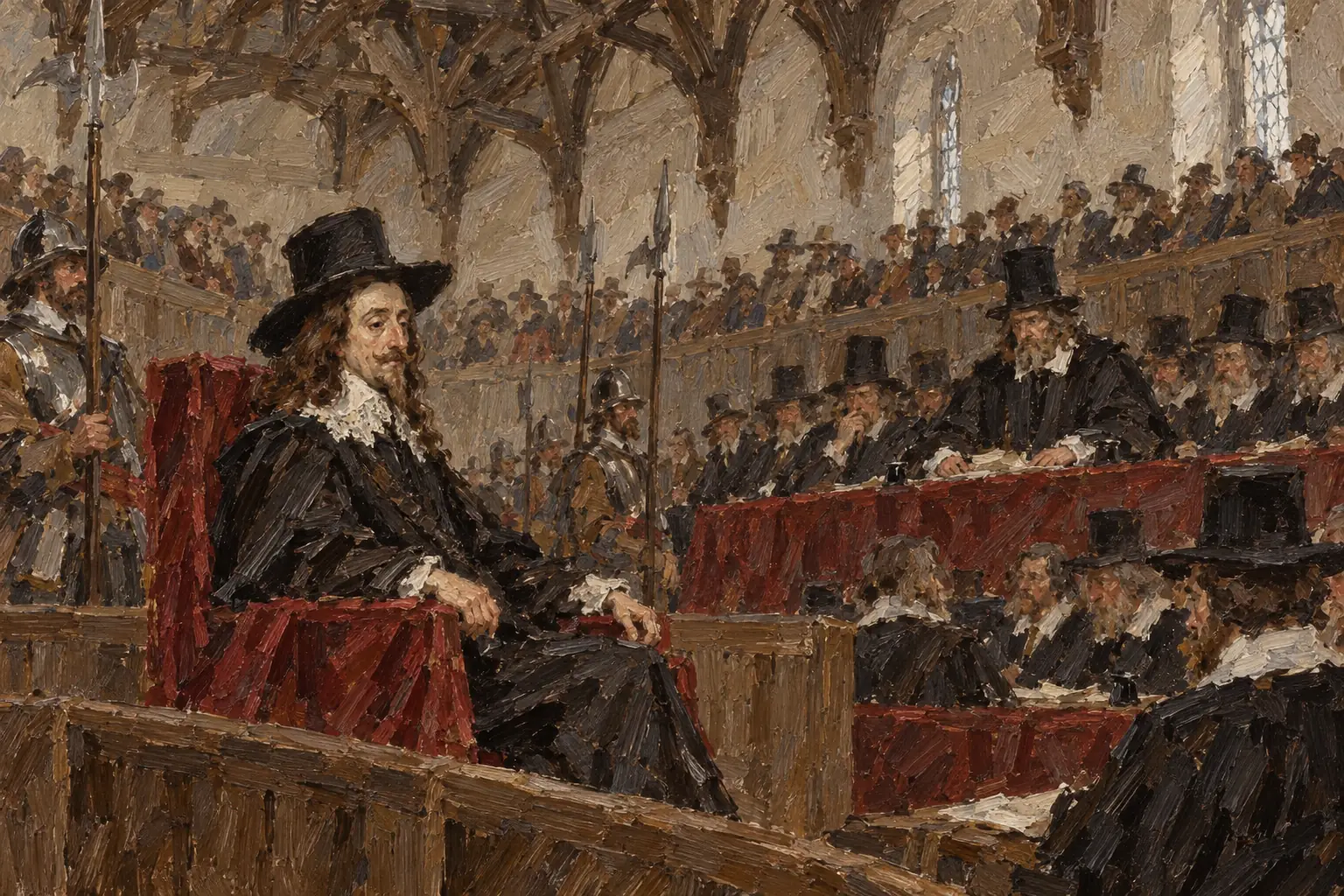
Image 1 of 2: In Westminster Hall in January 1649 Charles refused to recognise the court that tried him
Following Parliament's victory in the civil wars, Charles I was captured and accused of treason for waging war against his people. His trial and public execution represented a radical departure from monarchical traditions, seen by contemporaries as a revolutionary act that challenged divine right.
Events and significance of the regicide
- Trial process - Held in Westminster Hall from January 1649, Charles was charged by a specially created High Court of Justice; he refused to recognise its authority, claiming kings were accountable only to God.
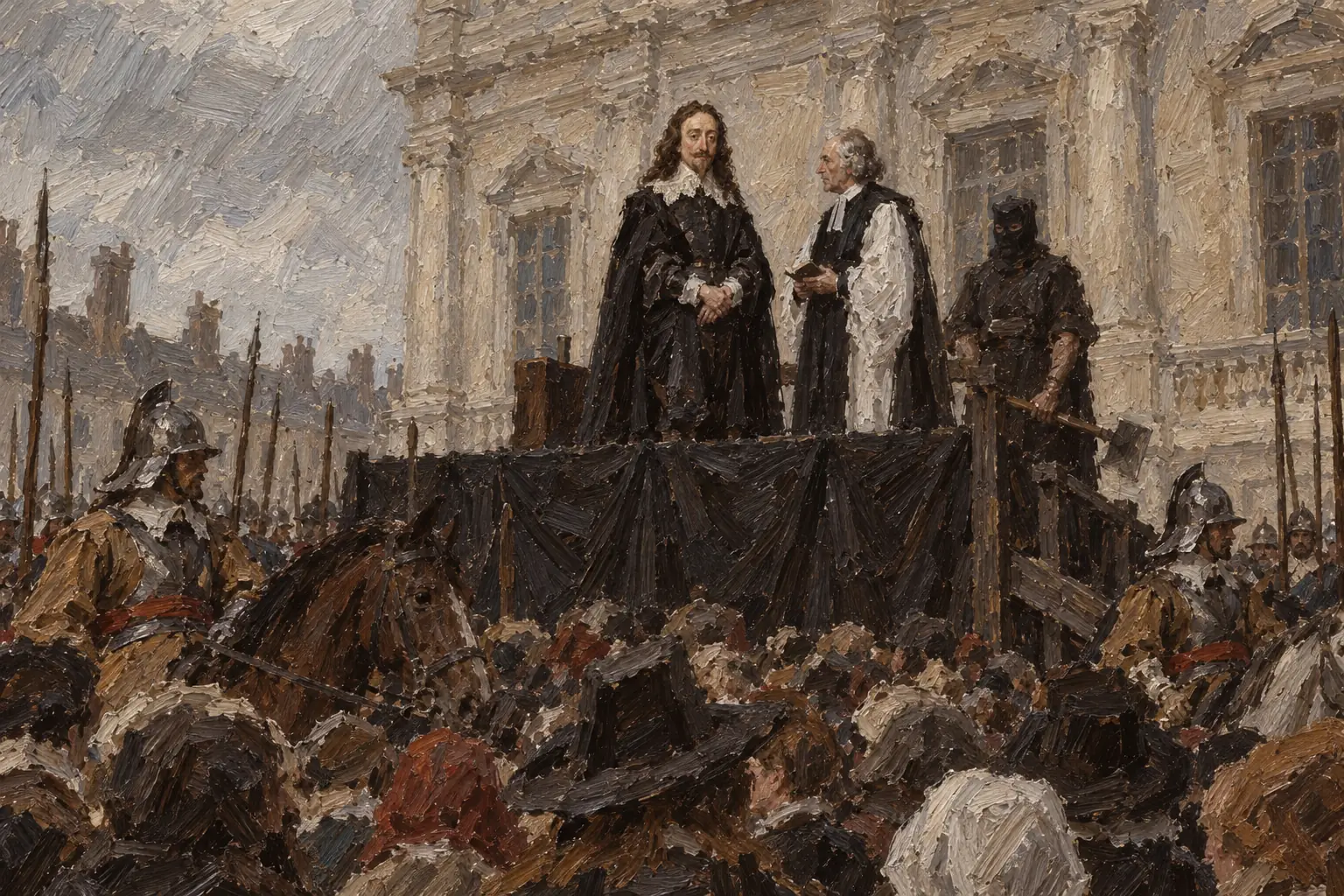
- Execution on 30 January 1649 - Beheaded outside the Banqueting House in Whitehall before a large crowd, symbolising the overthrow of absolute monarchy.
- Revolutionary perceptions - Contemporaries viewed it as unprecedented because it asserted parliamentary sovereignty over the king, inverting the traditional hierarchy and inspiring fears of anarchy or divine retribution among royalists.
This act was justified by radicals as necessary to prevent further tyranny, but it shocked Europe and divided English society.
Short- and long-term impacts of the revolution
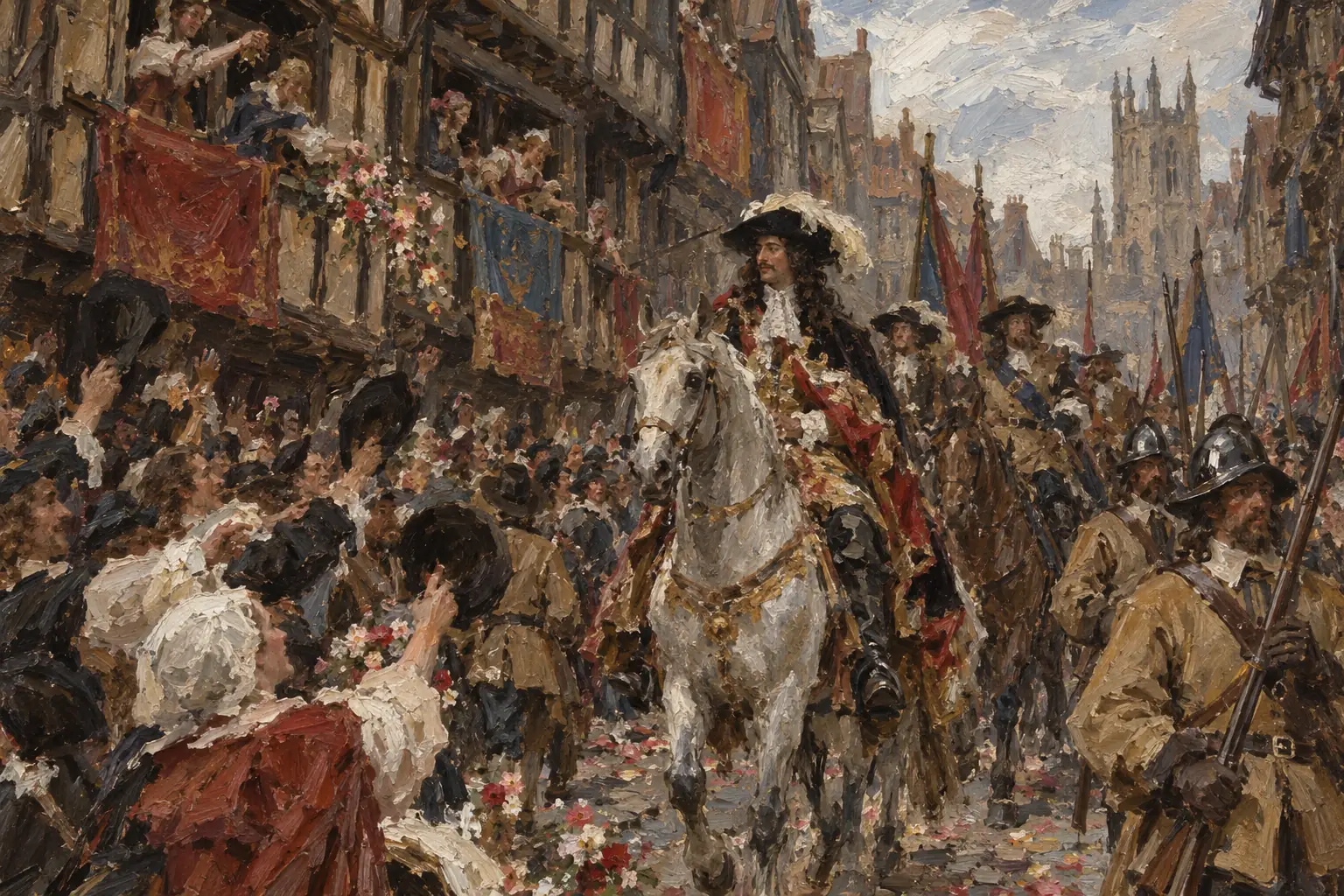
The revolution led to immediate experiments in governance without a king, but these faced limitations and eventual collapse. Over time, its ideas influenced constitutional developments, persisting despite the return of monarchy.
Short-term impacts and republican experiments
- Commonwealth (1649–1653) - A republic established with the Rump Parliament, abolishing the monarchy and House of Lords; it suppressed radical groups and focused on military conquests in Ireland and Scotland.
- Protectorate (1653–1659) - Oliver Cromwell ruled as Lord Protector, imposing military rule and religious reforms, but it failed to achieve stability due to internal divisions and lack of broad consent.
- Limits of experiments - Republican governments struggled with legitimacy, economic strain from wars, and resistance from royalists, leading to reliance on army power rather than popular support.
Long-term impacts and legacy
- Restoration (1660) - Charles II was invited back to the throne, restoring monarchy but with concessions like the Declaration of Breda, which promised religious tolerance and amnesty.
- Persistence of ideas - Concepts of sovereignty based on consent, individual rights, and limited government influenced later events, such as the Glorious Revolution of 1688 and modern democratic thought.
- Expansion of political conversation - The period broadened debates through print media and petitions, though formal power remained with propertied men.
Roles of women and diverse communities in politics
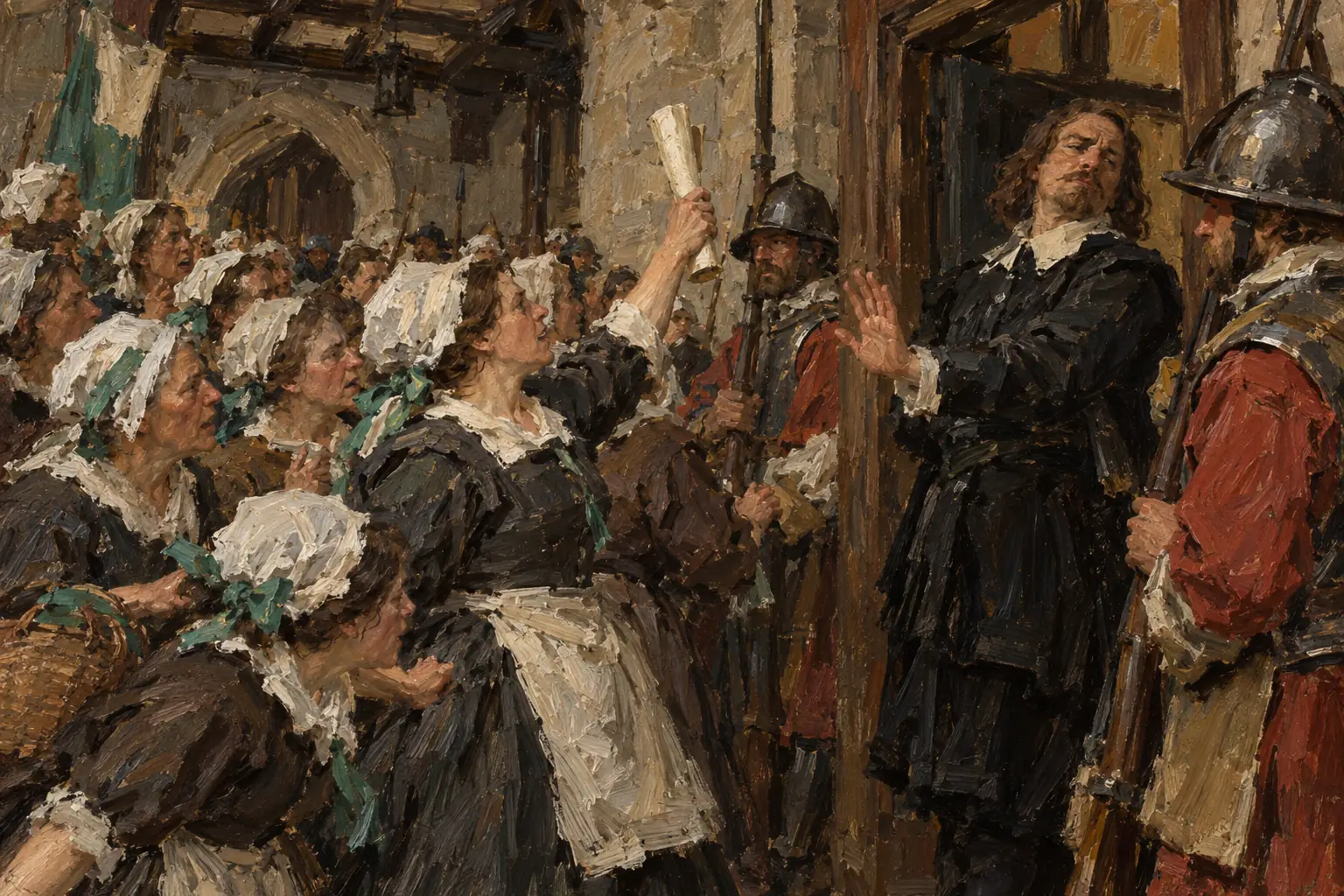
While formal politics remained male-dominated, the revolution created spaces for women and marginalised groups to participate, challenging traditional roles and expanding the 'political nation' through petitions, espionage, and communal actions.
Contributions of women
- Petitioning and activism - Women like those in Leveller circles submitted petitions to Parliament, demanding rights and relief from war hardships, demonstrating growing political engagement.
- Espionage and support - Figures such as Jane Whorwood smuggled gold and messages to aid Charles I during his imprisonment, playing covert roles in royalist networks.
- Radical involvement - Some women joined groups like the Diggers, participating in communal living and land occupations, which questioned gender norms in labour and decision-making.
Involvement of diverse communities
- Religious minorities - Groups like Quakers and Baptists used the upheaval to advocate for tolerance, publishing tracts that influenced debates on religious freedom.
- Lower classes and soldiers - Diverse army recruits from various regions contributed to radical discussions, such as in the Putney Debates, broadening ideas about representation.
- Impact on communication - The spread of cheap pamphlets allowed wider participation, including from urban artisans and rural communities, fostering a more inclusive political dialogue even if power structures changed slowly.