2.5 - Poverty, Vagrancy & the Poor Laws
Key facts and dates
Poverty and vagrancy became pressing issues in Elizabethan England, driven by economic and social changes that strained resources and prompted government intervention through legislation. These developments reflected concerns over social order and reflected varying attitudes towards the poor.
Timeline of key events
- 1572 – Vagabonds Act introduces harsh punishments for vagrants, including whipping and imprisonment.
- 1576 – Act for setting the poor on work mandates houses of correction and work schemes for the able-bodied.
- 1590s – Harvest failures exacerbate poverty amid ongoing population growth and inflation.
- 1598 – Poor Law establishes parish relief systems, categorising the poor and appointing overseers.
- 1601 – Consolidated Poor Law refines relief provisions, making them mandatory across parishes.
Reasons for the increase in poverty
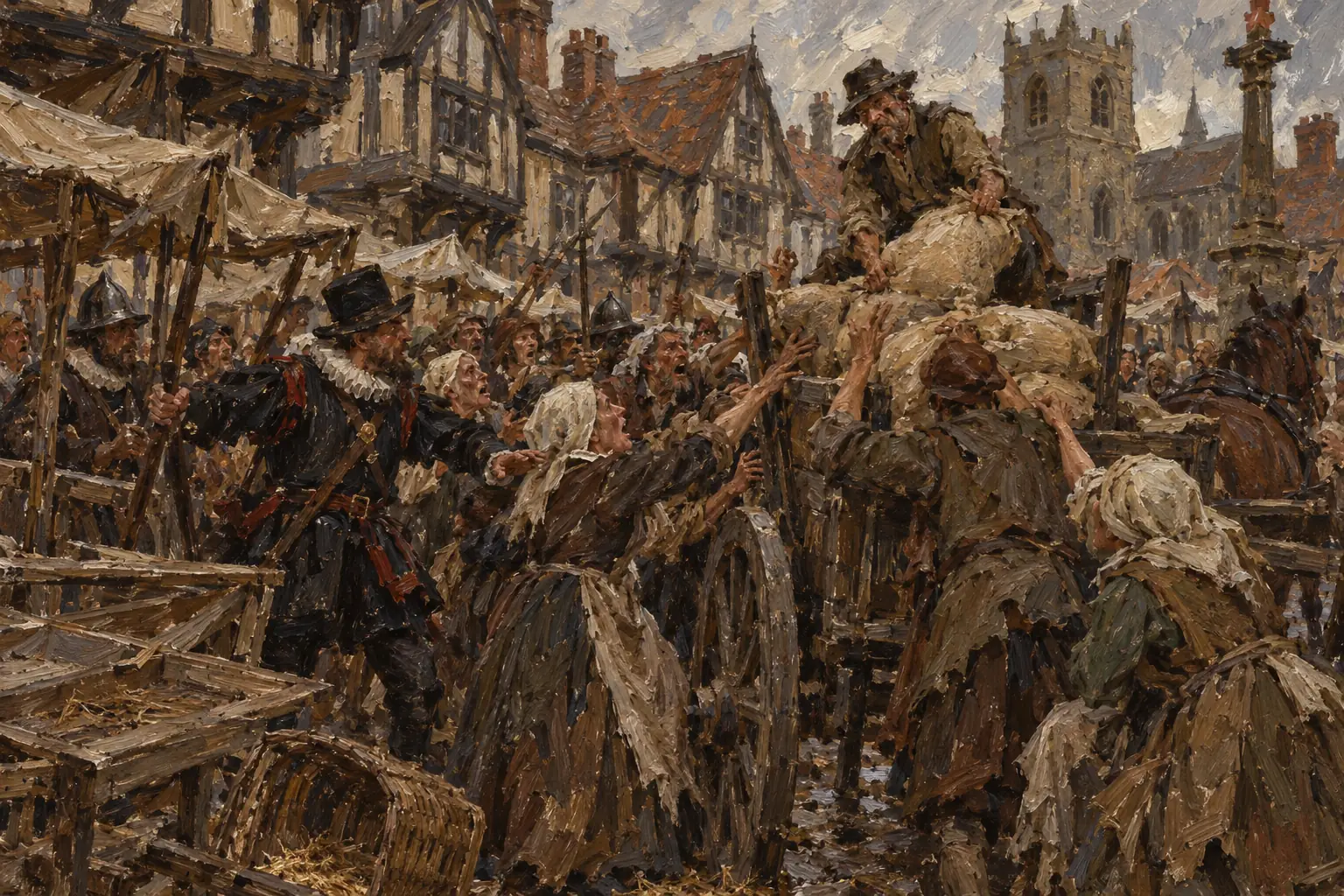
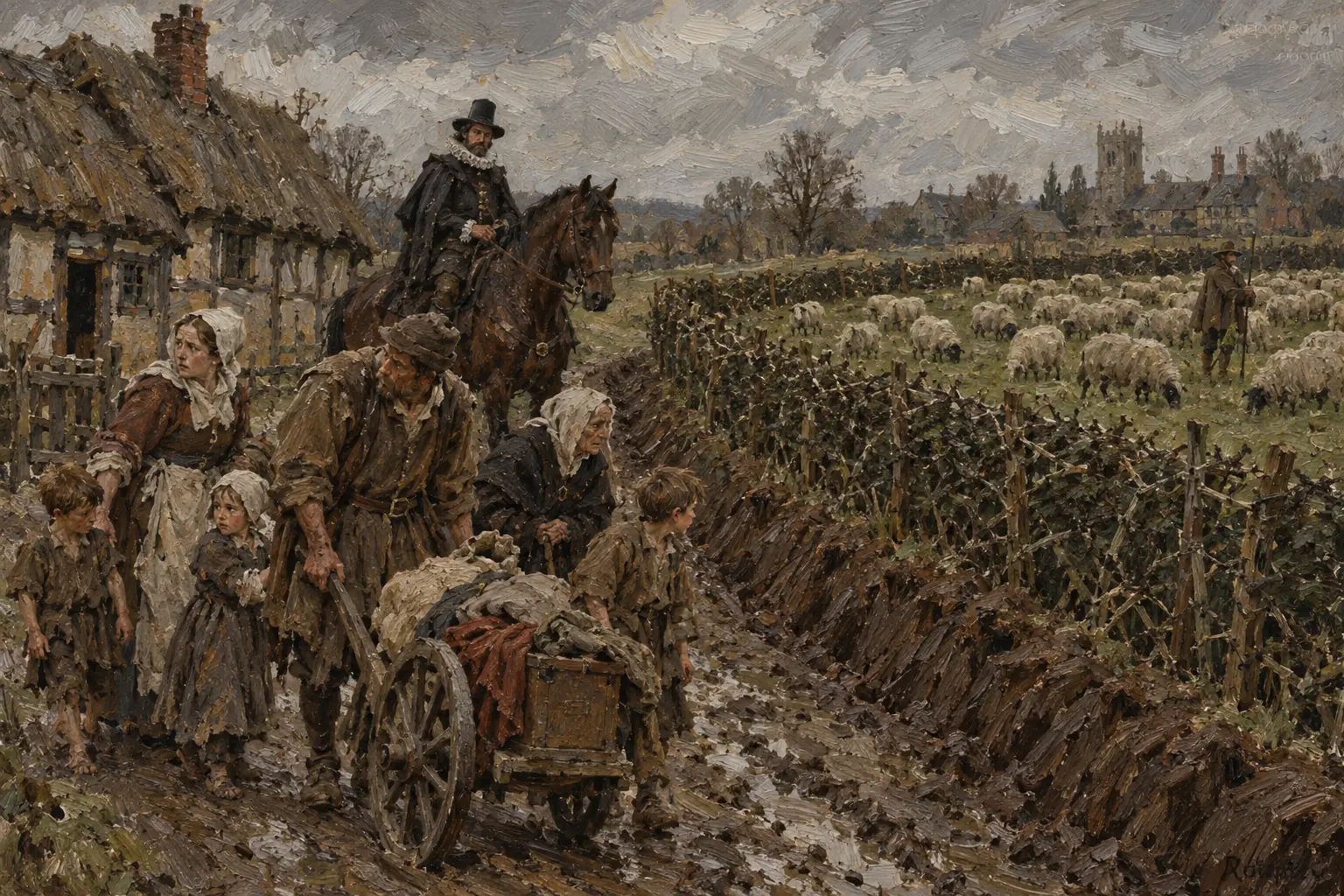
Poverty levels rose significantly during the Elizabethan period due to a combination of demographic, economic, and environmental factors. These changes created widespread hardship, particularly among rural and urban populations, leading to increased vagrancy and social unrest.
Factors contributing to rising poverty
- Population growth - England's population expanded rapidly from around 3 million in 1550 to over 4 million by 1600, putting pressure on food supplies, housing, and employment opportunities.
- Inflation ('Price Revolution') - A surge in prices, driven by influxes of silver from the Americas and increased demand, eroded wages and made basic goods unaffordable for many workers.
- Harvest failures in the 1590s - Poor weather led to repeated crop shortages, causing food scarcity and higher prices, which hit agricultural labourers and small farmers hardest.
- Enclosure - The conversion of common land into private enclosures for sheep farming displaced tenant farmers, reducing access to land for subsistence farming and forcing many into unemployment.
- War taxation - Conflicts, such as wars with Spain, imposed heavy taxes on communities, draining local resources and worsening economic strain for ordinary people.
Types of poor and local responses
Image 1 of 2: The deserving poor, such as the old, sick and disabled, received alms from their parish
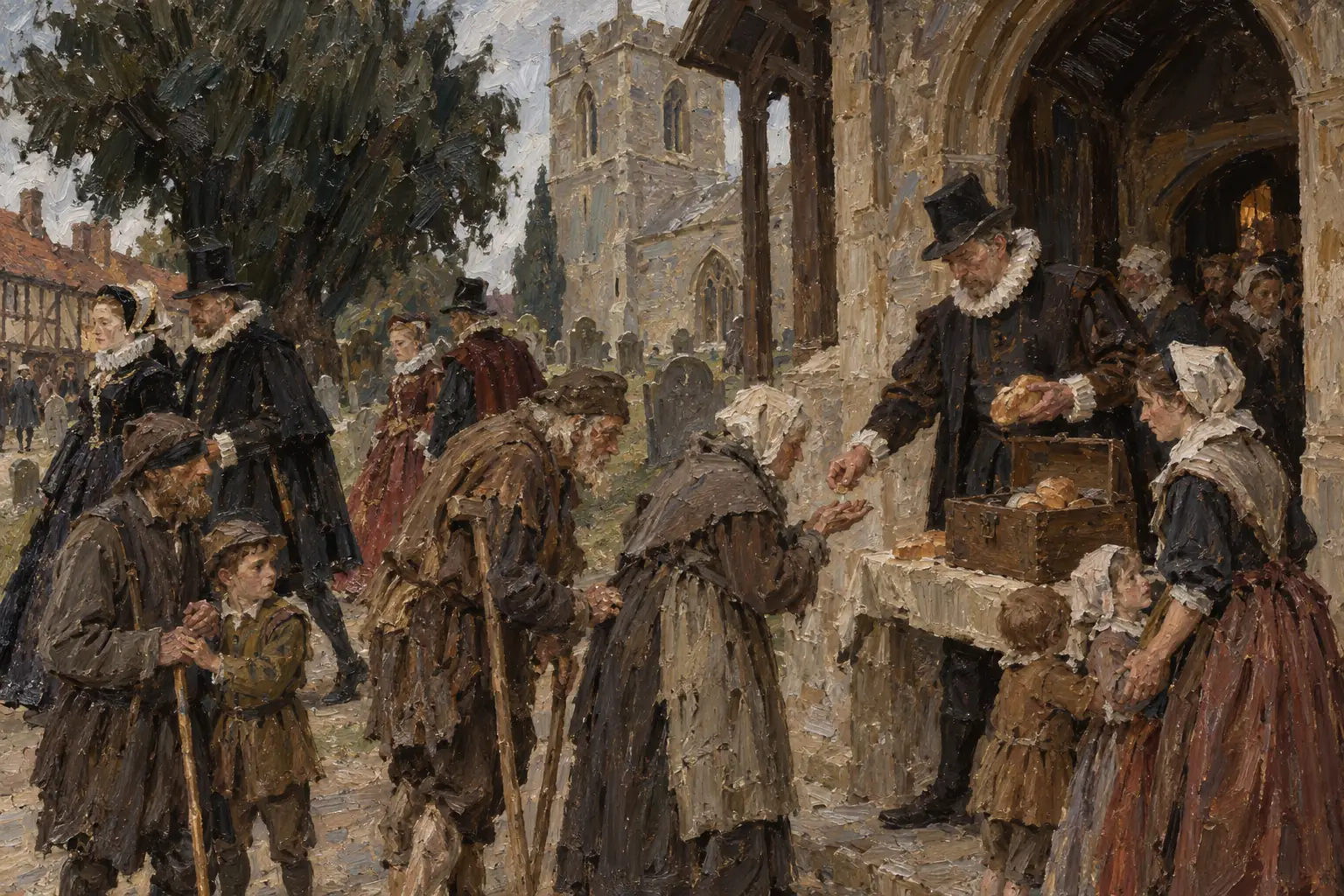
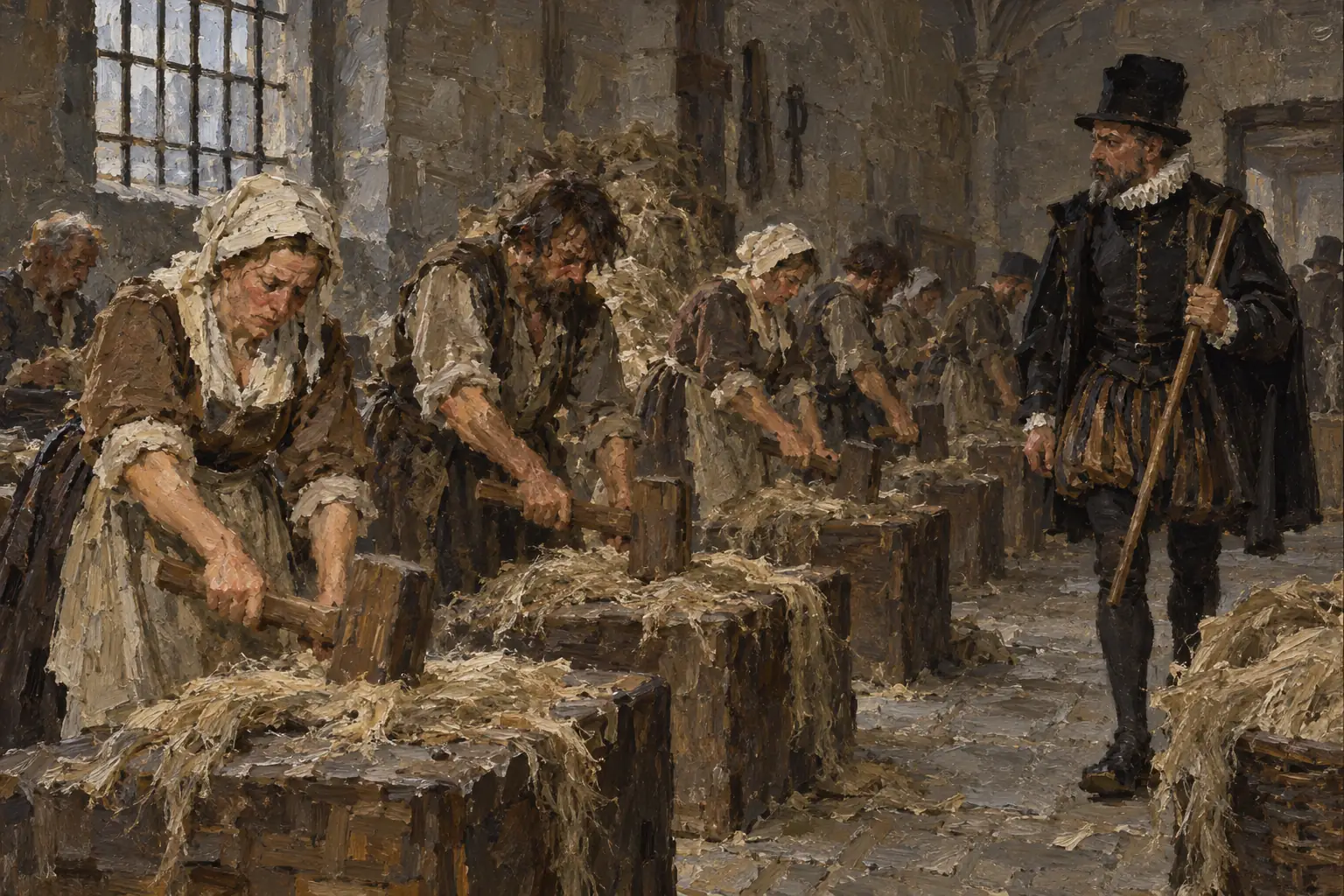
Society distinguished between different categories of the poor based on their circumstances and perceived worthiness, influencing how communities provided aid. This categorisation shaped local efforts to manage poverty and vagrancy before national laws were fully implemented.
Categories of the poor
- 'Deserving' poor - Included the elderly, sick, disabled, or orphaned, seen as unable to work through no fault of their own and thus worthy of charity.
- 'Undeserving' poor - Referred to able-bodied individuals viewed as lazy or unwilling to work, often labelled as idlers who contributed to social problems.
Nature of vagrancy
Vagrancy involved homeless wanderers moving between areas in search of work or aid, often perceived as a threat to public order due to associations with crime and begging.
Local responses to poverty and vagrancy
- Alms and charity - Communities provided voluntary donations or food to the deserving poor, often organised through churches or wealthy donors.
- Parish rates - Local taxes collected from residents funded relief for the poor within the parish, ensuring community-based support.
- Bridewells - Early houses of correction where vagrants and the undeserving poor were detained and forced to work as a form of punishment and rehabilitation.
Key Poor Law statutes
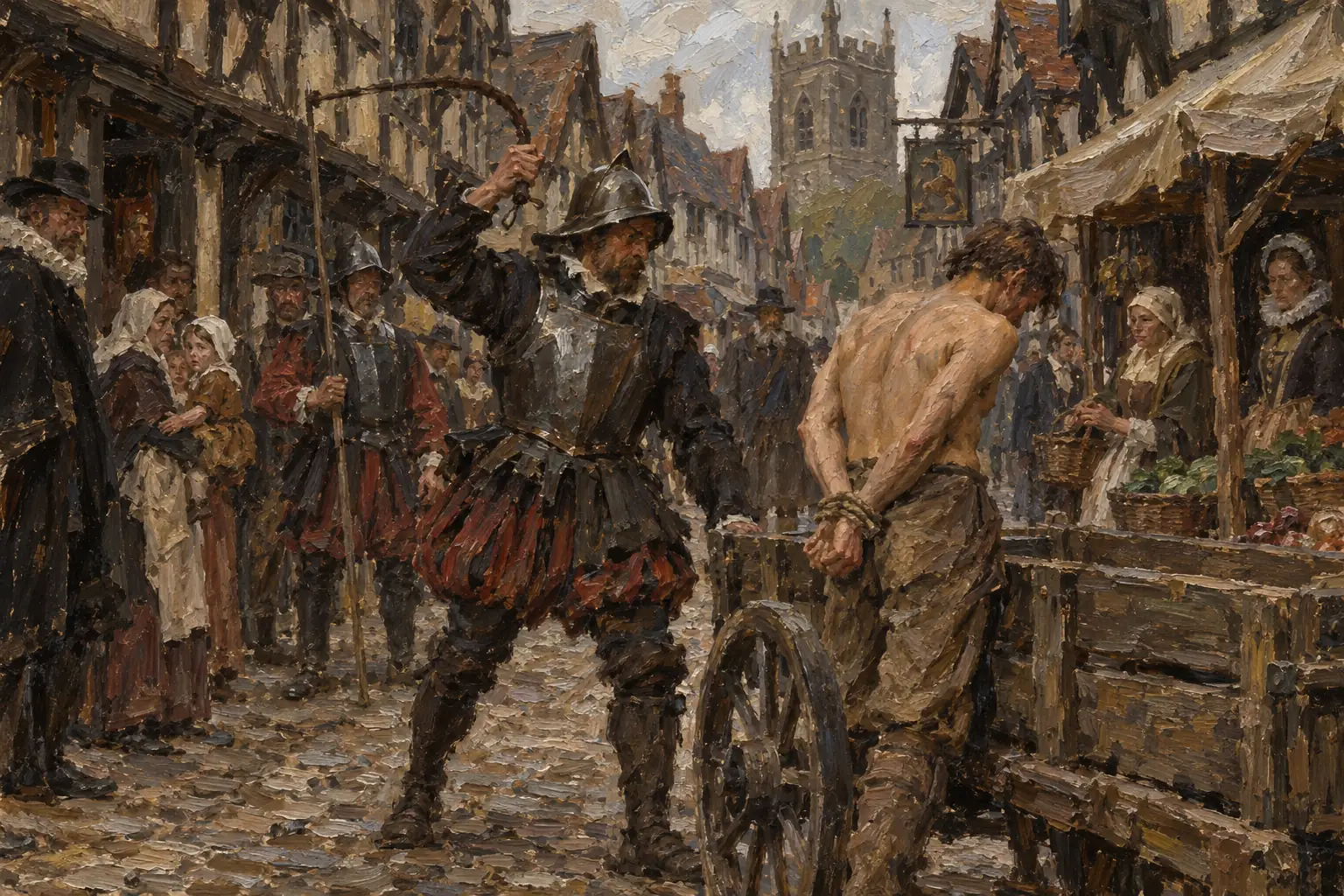
The government introduced a series of laws to address poverty and vagrancy, evolving from punitive measures to more structured relief systems. These statutes aimed to standardise responses across England and reduce the burden on local communities.
Major legislation on poverty
- 1572 Vagabonds Act - Targeted vagrants with severe penalties, such as whipping for first offences and potential execution for repeat offenders, to deter wandering and begging.
- 1576 Act for setting the poor on work - Required parishes to establish houses of correction and provide materials for the able-bodied poor to engage in productive labour, promoting self-sufficiency.
- 1598 and 1601 Poor Laws - Consolidated earlier measures by mandating parish overseers to administer relief, categorise the poor, collect rates, and provide work or aid; the 1601 law made these provisions permanent and nationwide.
Government motives, effectiveness and attitudes
The Elizabethan government's approach to poverty was driven by practical and ideological concerns, with mixed success in implementation. Attitudes varied, reflecting social, religious, and economic perspectives of the time.
Government motives for Poor Laws
- Maintaining order - Laws sought to prevent unrest and crime associated with vagrancy by controlling the movement and behaviour of the poor.
- Labour discipline - Emphasised work as a moral duty, forcing the able-bodied into employment to support economic productivity and reduce dependency.
Effectiveness of the Poor Laws
The statutes provided a framework for relief that alleviated some hardship, particularly for the deserving poor, but enforcement was inconsistent due to varying parish resources. They reduced visible vagrancy in some areas but did not address underlying causes like inflation or enclosure.
Contemporary attitudes towards poverty
- General views - Many saw poverty as a social problem requiring charity, but there was suspicion of the undeserving poor as morally flawed.
- Puritan perspectives - Puritans often viewed idleness as a sin, advocating strict work requirements and moral reform to encourage diligence and godliness among the poor.