1.1 - King John, Baronial Grievances & Limits To Kingship
Key facts and dates
King John's reign from 1199 to 1216 was marked by growing tensions between the monarchy and the barons, driven by failures in governance, military setbacks, and economic pressures. These conflicts highlighted emerging limits on royal authority and laid the groundwork for documents like Magna Carta, reflecting broader ideas about just rule.
Timeline of key events
- 1199 – John ascends to the throne after the death of his brother, Richard I, inheriting a kingdom burdened by war debts.
- 1204 – Loss of Normandy and other French territories to Philip II of France, weakening John's military reputation.
- 1208 – Pope Innocent III places England under interdict due to John's disputes with the Church, escalating grievances.
- 1214 – Defeat at the Battle of Bouvines confirms John's failures in France, intensifying baronial discontent.
- 1215 – Barons rebel, capturing London and forcing John to agree to Magna Carta, which addressed grievances over taxation and justice.
- 1216 – John's death during the First Barons' War, amid ongoing resistance to his rule.
Medieval expectations of kingship
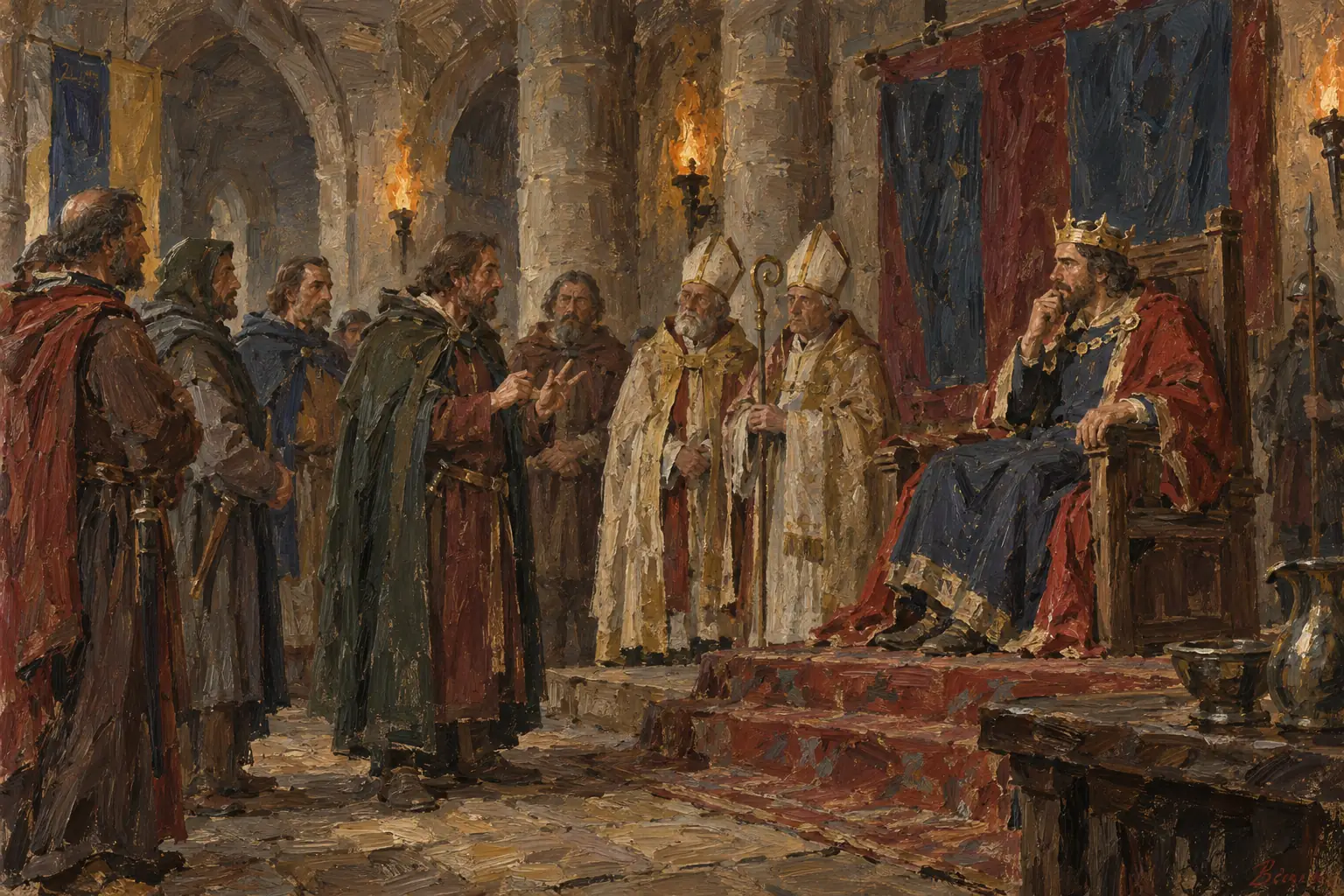
In medieval England, kings were expected to uphold certain core responsibilities to maintain the stability and loyalty of their realm. These duties were rooted in feudal traditions and the concept of a reciprocal relationship between the monarch and his subjects, particularly the powerful barons who provided military and financial support.
Core responsibilities of a medieval king
- Providing justice - Kings were required to administer fair and consistent legal decisions, respecting established laws and customs to prevent arbitrary punishments or seizures.
- Offering protection - This included defending the kingdom from external threats and safeguarding the rights and properties of nobles and commoners alike.
- Seeking counsel - Monarchs were expected to consult with barons and other advisors before making major decisions, ensuring governance reflected collective wisdom rather than personal whim.
King John's failures to meet expectations
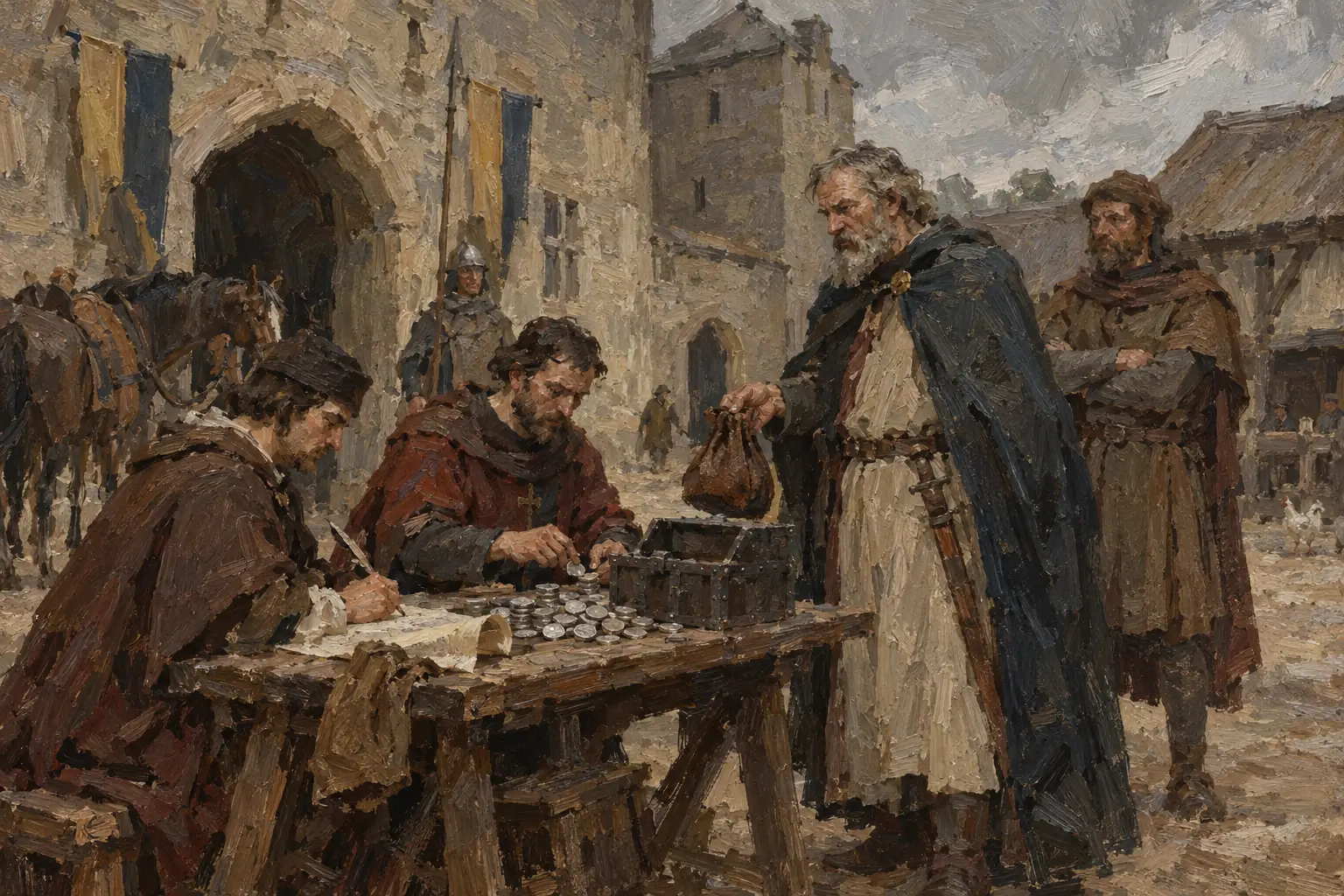
Image 1 of 2: John demanded scutage, a payment in place of military service, more often and at higher rates than earlier kings
King John, who ruled from 1199 to 1216, repeatedly fell short of medieval ideals of kingship, leading to widespread dissatisfaction among his barons. His actions in areas such as finance, foreign policy, and administration alienated key supporters and strained the kingdom's resources.
Specific failures of King John's rule
- Heavy taxation - John imposed excessive financial demands, including scutage (fees in lieu of military service) and arbitrary levies, to fund wars and personal expenses, burdening barons economically without their consent.
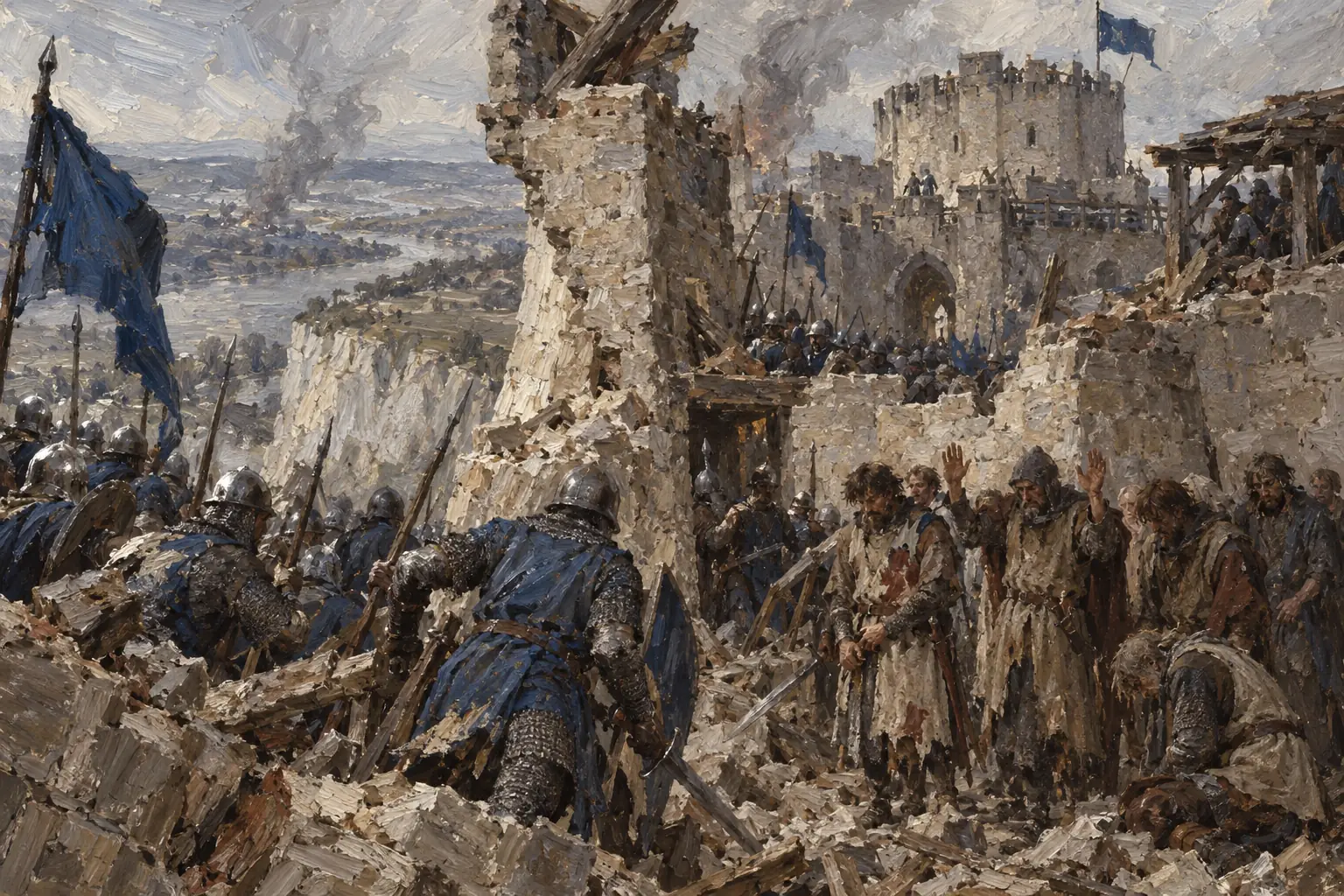
- Failures in France - Military defeats, such as the loss of Normandy in 1204 and the setback at Bouvines in 1214, exposed John's inability to protect English territories abroad, damaging his reputation as a defender of the realm.
- Arbitrary justice - He often ignored legal customs, imposing unfair fines, seizing lands without due process, and manipulating courts to favour his interests, violating expectations of fair governance.
- Favouritism - John showed bias towards foreign mercenaries and select allies, granting them privileges while sidelining established English barons, which bred resentment and undermined the tradition of seeking balanced counsel.
Personal grievances and organised resistance
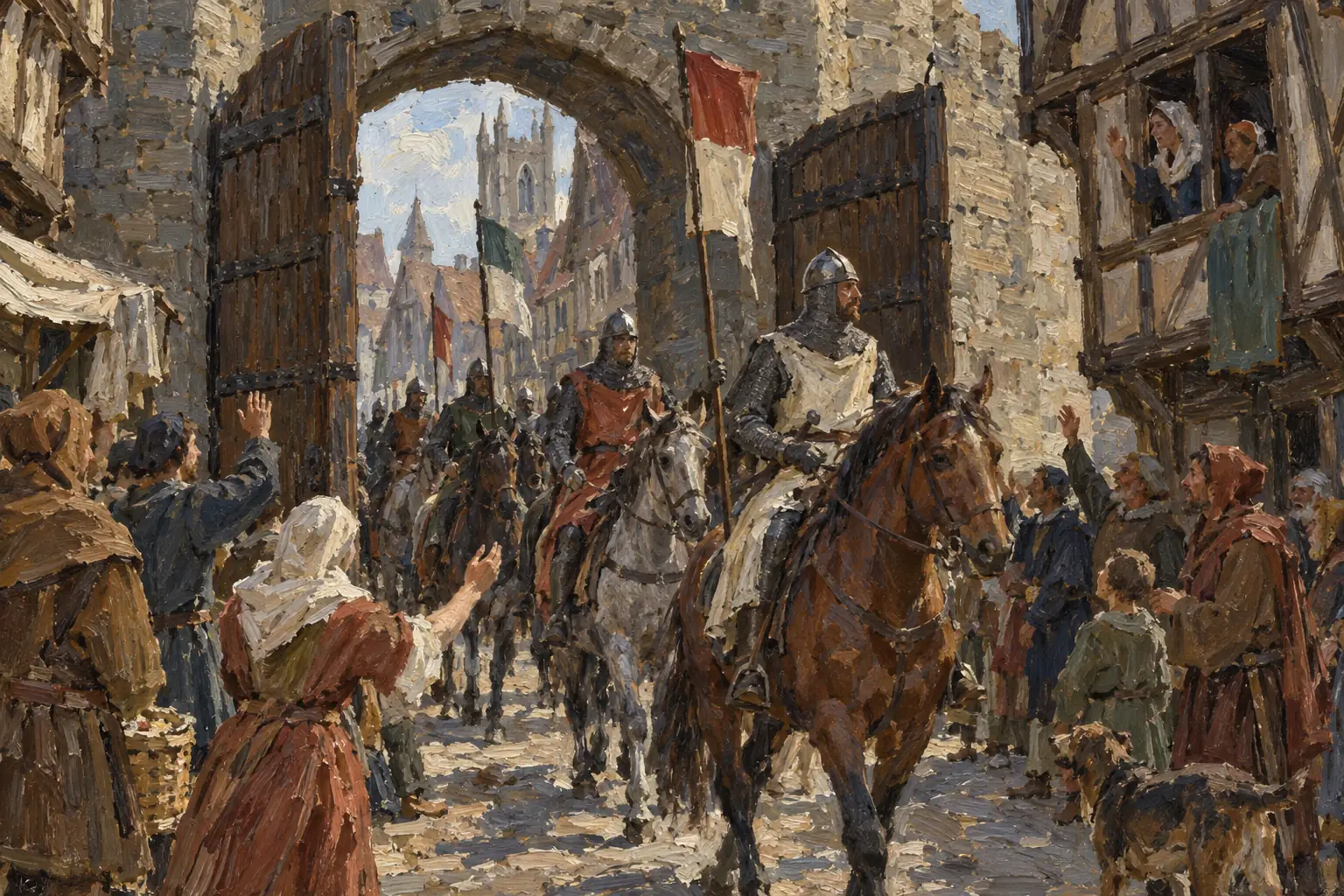
Beyond general failures, many barons harboured specific personal complaints against King John, which fuelled a progression from individual petitions to coordinated rebellion. These grievances often stemmed from direct experiences of injustice and highlighted the role of influential individuals in driving opposition.
Examples of personal grievances
- Robert FitzWalter's case - As a prominent baron, FitzWalter claimed John had attempted to seduce his daughter and later imprisoned him unjustly, turning personal outrage into a catalyst for broader resistance.
- Other individual complaints - Barons like Eustace de Vesci accused John of similar misconduct, including attempts on their wives or daughters, which personalised the conflict and united aggrieved nobles.
Progression from petitions to resistance
- Initial efforts involved formal petitions to the king, demanding reforms in taxation and justice.
- When ignored, this escalated to organised actions, such as the barons' seizure of London in 1215 and the formation of an alliance to enforce demands, marking a shift towards collective defiance.
Lawful kingship and customary rights
Baronial opposition to King John was not merely reactive but grounded in evolving ideas about the nature of royal authority. These concepts emphasised that kingship should be constrained by law and tradition, influencing the demands presented to John.
Key ideas shaping baronial demands
- Lawful kingship - Barons argued that a king must rule according to established laws rather than personal will, drawing on feudal oaths that bound monarchs to uphold justice and seek consent for major decisions.
- Customary rights - These included protections against arbitrary seizure of property, excessive fines, and denial of fair trials, which barons viewed as inherent entitlements derived from long-standing English customs.
- Influence of broader factors - Governmental structures, such as the need for baronial counsel, intersected with economic pressures from taxation; intellectual ideas from Church teachings reinforced limits on tyranny, while individual leaders like FitzWalter personalised the push for rights.
Early constraints on royal power
The conflicts during King John's reign exposed fundamental limits on monarchical authority, demonstrating that kings could be held accountable by their subjects. This period marked an important step in the development of constitutional constraints in England.
Ways in which events limited royal power
- Baronial resistance as a check - The organised rebellion and forced concessions, such as those in Magna Carta of 1215, showed that barons could collectively challenge and curb royal excesses.
- Economic and governmental factors - Heavy taxation without consent highlighted economic limits, while demands for counsel revealed governmental constraints on unilateral rule.
- Role of ideas and individuals - Concepts of lawful governance provided a ideological basis for opposition, amplified by key figures whose personal grievances mobilised support.
- Long-term implications - These events established precedents for future restrictions on kingship, influencing later developments in English political thought and the balance between monarchs and nobles.