3.5 - Monastic Reform & Orders: Cluny, Augustinians & Cistercians
Key facts and dates
Monastic reform during the medieval period introduced greater diversity and rigour to religious communities, transforming their spiritual, economic, and social roles. Influenced by movements from continental Europe, these changes revitalised monastic life in England, particularly after the Norman Conquest, and reflected evolving patterns of patronage and societal needs.
Timeline of key events
- 910 – Foundation of Cluny Abbey in France, marking the start of the Cluniac reform movement with emphasis on strict Benedictine observance.
- 1077 – Establishment of the first Cluniac priory in England at Lewes, Sussex, under Norman patronage.
- 1080s – Revival of monasticism in northern England begins, with new foundations like St Mary's Abbey in York.
- c.1100 – Introduction of Augustinian canons to England, with early houses such as Holy Trinity in London.
- 1098 – Founding of the Cistercian order at Cîteaux in France, promoting austerity and rural self-sufficiency.
- 1128 – Arrival of Cistercians in England with the establishment of Waverley Abbey in Surrey.
- 1132 – Rievaulx Abbey founded in Yorkshire, exemplifying rapid Cistercian expansion in remote areas.
Benedictine traditions and Cluniac reform
Image 1 of 2: The Divine Office began with the night service in the early hours of the morning
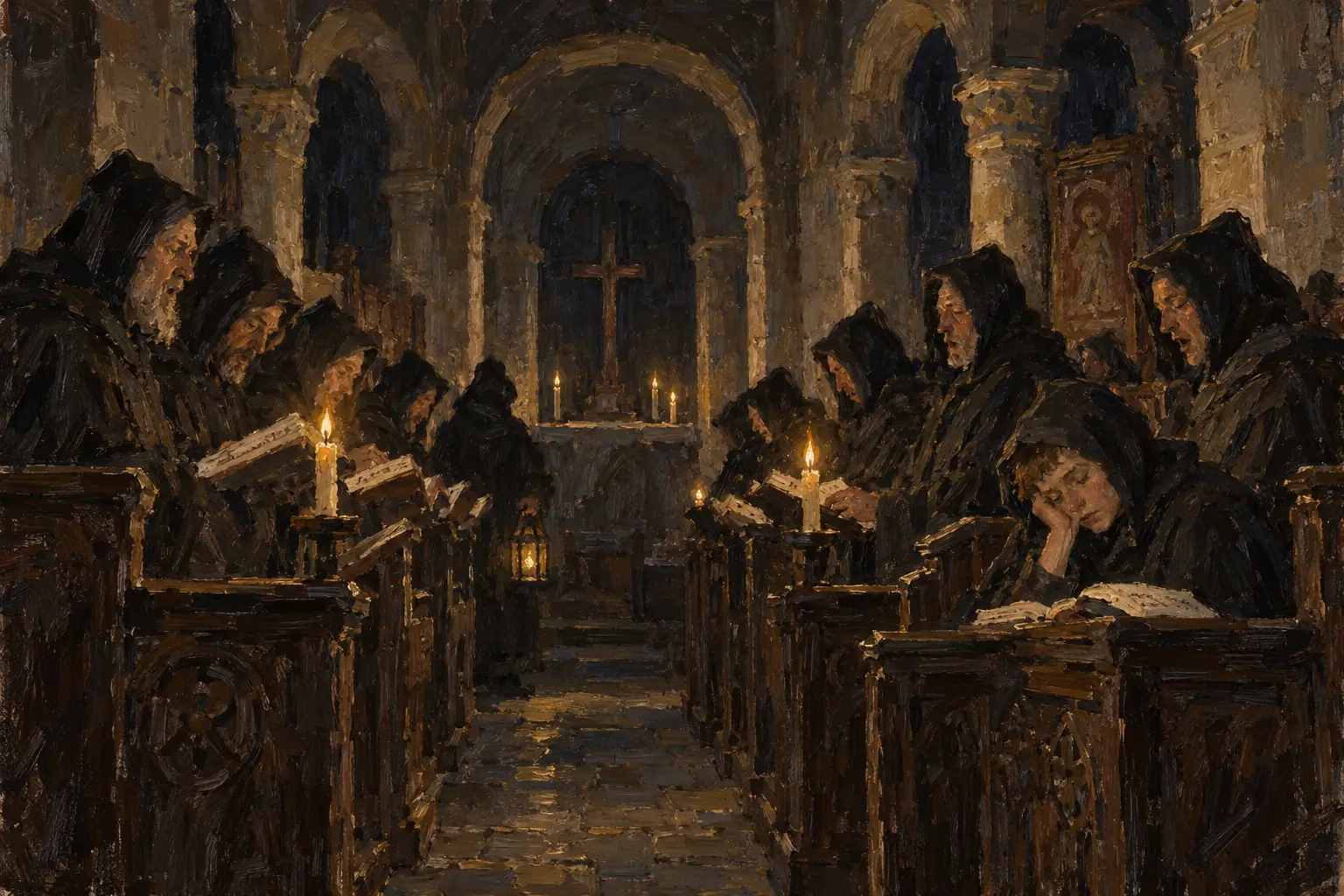
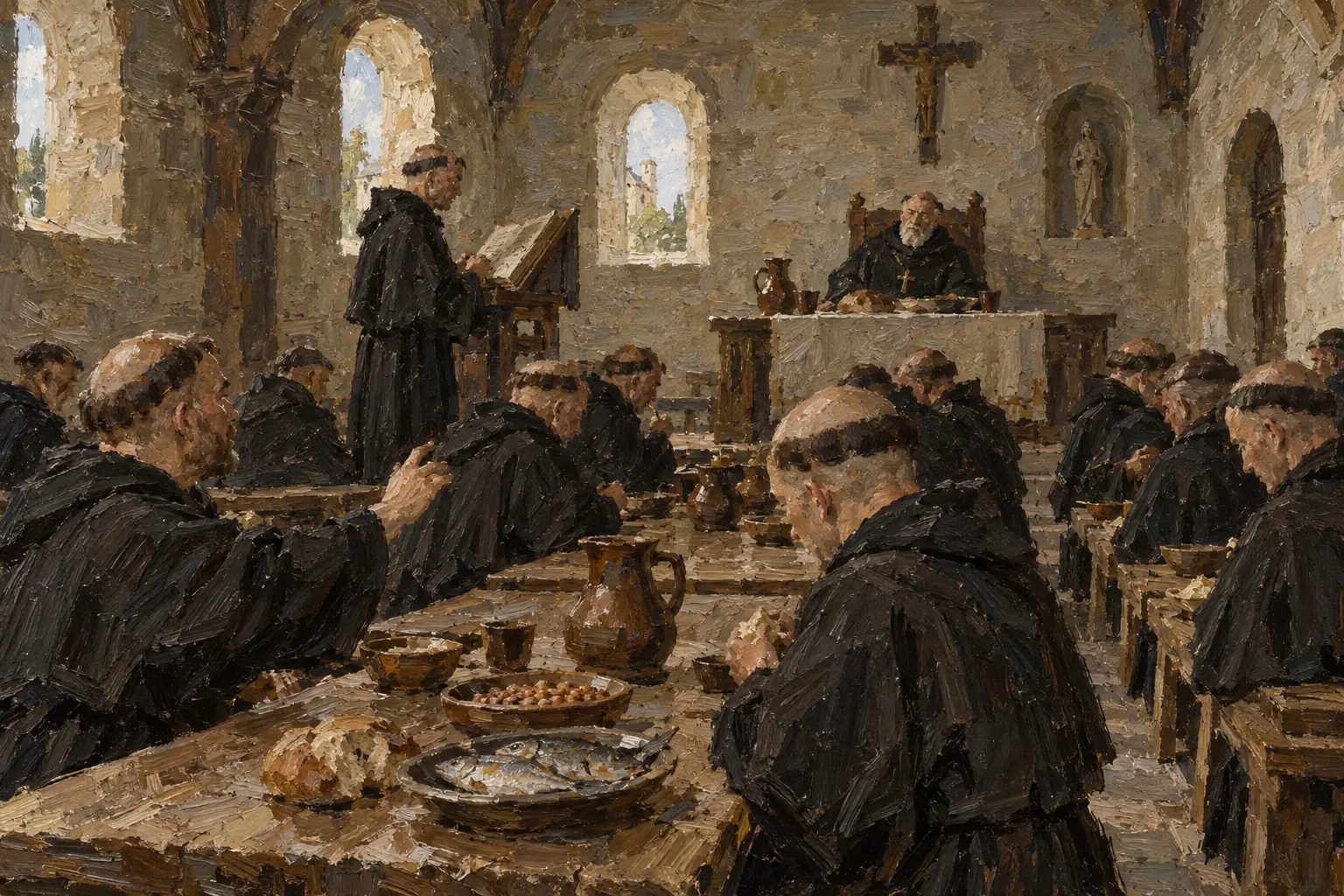
The Benedictine order, based on the Rule of St Benedict from the 6th century, formed the foundation of monastic life in medieval Europe. It emphasised communal living, prayer, and manual labour, but by the 10th century, many houses had become lax in observance, prompting reform efforts like those originating at Cluny Abbey in France.
Core elements of Benedictine traditions
- Daily routine and discipline - Monks followed a structured schedule of worship, study, and work, aiming for spiritual purity and community stability.
- Autonomy of houses - Each monastery operated independently under an abbot, but this often led to inconsistencies in standards and external influences.
Features of the Cluniac reform
- Stricter observance - Initiated in 910, the movement sought to restore rigorous adherence to the Benedictine Rule, including more elaborate liturgies and centralised control from Cluny.
- Network of priories - Unlike traditional independent abbeys, Cluniac houses were subordinate to the mother abbey, ensuring uniform practices and reducing local corruption.
- Spiritual and cultural influence - Reforms promoted artistic patronage, such as grand church architecture, and positioned monasteries as centres of learning and pilgrimage.
Cluniac reform and revival in the north
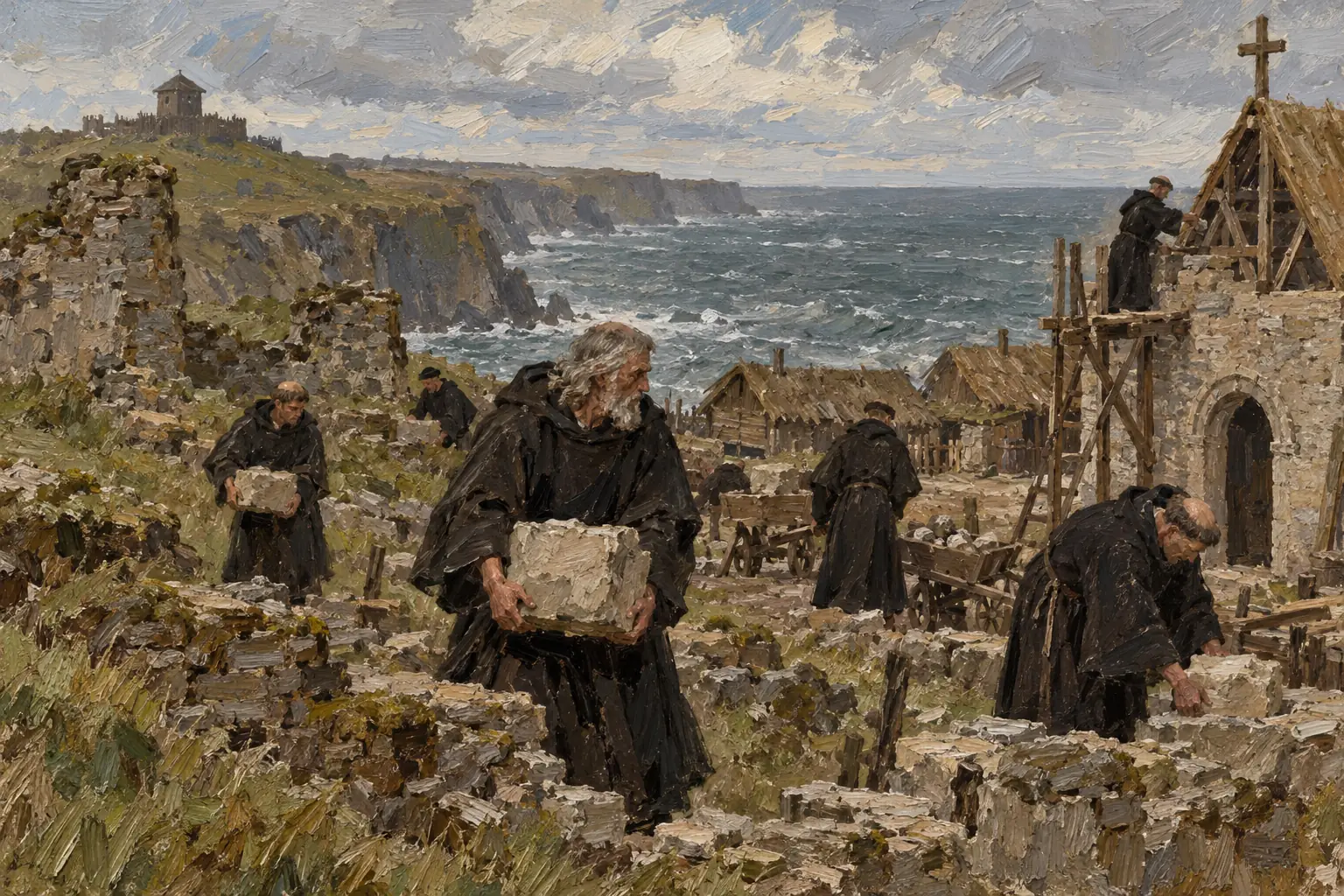
Following the Norman Conquest of 1066, Cluniac ideas spread to England through Norman lords who founded new priories. This influence was particularly strong in the south, but reforms also sparked a broader revival of monasticism in the north, where earlier Viking invasions had disrupted religious communities.
Spread of Cluniac reform in England
- Norman patronage - Conquerors like William de Warenne established priories, such as Lewes in 1077, to demonstrate piety and consolidate power, blending French reforms with English traditions.
- Architectural and administrative impact - Cluniac houses introduced elaborate designs and centralised governance, enhancing the prestige of monastic life.
Revival of monasteries in the north
- Re-establishment after disruption - From the 1080s, new foundations like Selby and Whitby Abbeys rebuilt northern monasticism, drawing on both Benedictine and Cluniac models.
- Economic and social role - These revivals supported agricultural development and provided stability in regions recovering from conflict, attracting local endowments.
Introduction and growth of Augustinian canons
The Augustinian order, inspired by the Rule of St Augustine from the 5th century, arrived in England around 1100. Unlike enclosed monks, Augustinian canons were regular clergy who lived communally but engaged actively with the world, leading to rapid expansion.
Characteristics of Augustinian canons
- Community and outreach - Canons followed a rule emphasising poverty, chastity, and obedience, while serving parishes, hospitals, and schools.
- Flexibility in structure - Houses varied from small priories to larger abbeys, adapting to local needs and allowing for pastoral work.
Factors driving growth in England
- Appeal to patrons - Their practical involvement in society made them attractive for endowments from kings and nobles seeking spiritual and charitable benefits.
- Rapid establishment - By the mid-12th century, over 200 Augustinian houses existed, including key sites like Bristol Cathedral, reflecting their integration into urban and rural life.
The Cistercian model and reasons for its appeal
Founded in 1098 at Cîteaux in France, the Cistercian order sought a return to austere Benedictine ideals, rejecting the perceived excesses of Cluniac monasticism. It reached England in 1128 and grew quickly due to its emphasis on simplicity and isolation.
Key features of the Cistercian model
- Stricter observance - Cistercians adhered closely to the Benedictine Rule, with plain habits, vegetarian diets, and a focus on manual labour over elaborate rituals.
- Rural locations - Abbeys were built in remote areas to avoid worldly distractions, such as Rievaulx in 1132, fostering contemplation.
Reasons for widespread appeal
- Economic self-sufficiency - Through farming, sheep rearing, and wool production, Cistercians achieved independence, generating wealth that supported expansion.
- Spiritual ideals - The order's commitment to poverty and humility resonated with those disillusioned by corruption in other monasteries, attracting recruits and patrons.
- Social adaptability - Their model aligned with broader reforms, offering a pure religious life amid changing medieval society.
Endowments, patronage and social change
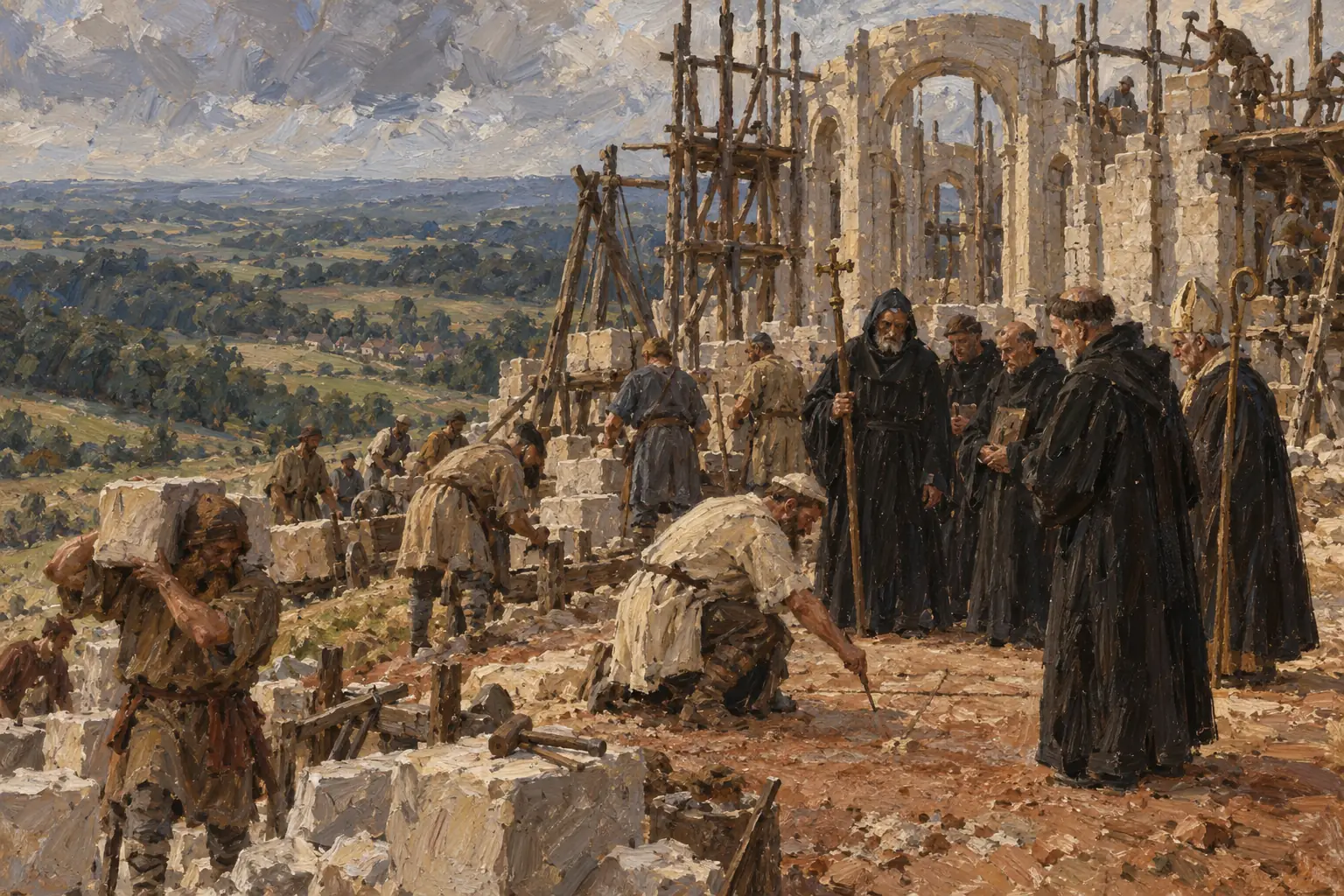
Monasteries received endowments of land, rights, and income from lords, which sustained their operations and reflected shifting social dynamics. This patronage linked religious reform to wider economic and political transformations.
Nature of monastic endowments
- Land and resources - Donors granted estates, mills, and tithes, enabling monasteries to develop agriculture and trade.
- Motivations for patronage - Lords sought spiritual salvation, prestige, and alliances, often founding houses as family memorials.
Connections to lordly patronage and social change
- Influence of nobility - Norman and English lords used endowments to assert authority, with reforms like Cistercian self-sufficiency appealing to cost-conscious patrons.
- Broader societal impacts - Monastic growth stimulated economic activity, such as markets and infrastructure, while reflecting changes like increased literacy and charitable works.
- Challenges and adaptations - As society evolved, endowments sometimes led to wealth accumulation, prompting further reforms to maintain spiritual focus.