1.5 - Peasants’ Revolt: Causes, Context & Timeline
Key facts and dates
The Peasants' Revolt of 1381 was a major uprising in England, triggered by economic hardships, heavy taxation, and social unrest following the Black Death. It represented a challenge to royal authority and feudal structures, involving thousands of common people across several regions.
Timeline of key events
- 1348–1349 – Black Death arrives in England, causing massive population loss and labour shortages.
- 1351 – Statute of Labourers passed to limit wages and restrict worker mobility.
- 1337–1453 – Hundred Years' War with France increases financial burdens through taxation.
- 1377, 1379, 1381 – Poll taxes imposed to fund the war, with the 1381 tax sparking widespread anger.
- 30 May 1381 – Revolt begins in Essex after poll tax resistance.
- 2 June 1381 – Uprising spreads to Kent, led by figures like Wat Tyler.
- 12–15 June 1381 – Rebels march on London, destroying property and executing officials.
- 15 June 1381 – King Richard II meets rebels at Smithfield; Wat Tyler killed during negotiations.
Economic pressures following the Black Death
Image 1 of 2: After the Black Death so few labourers were left that they could demand higher wages
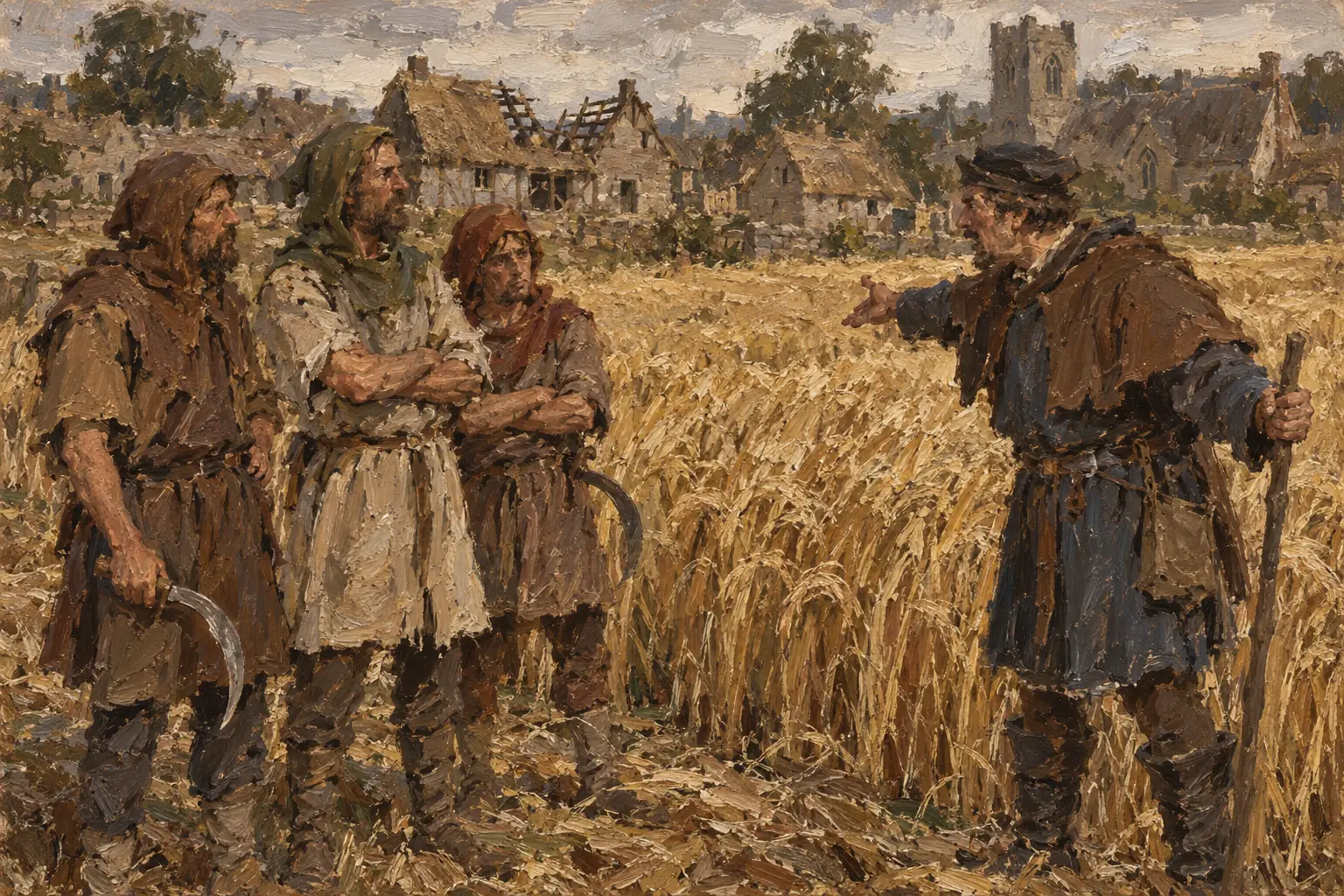
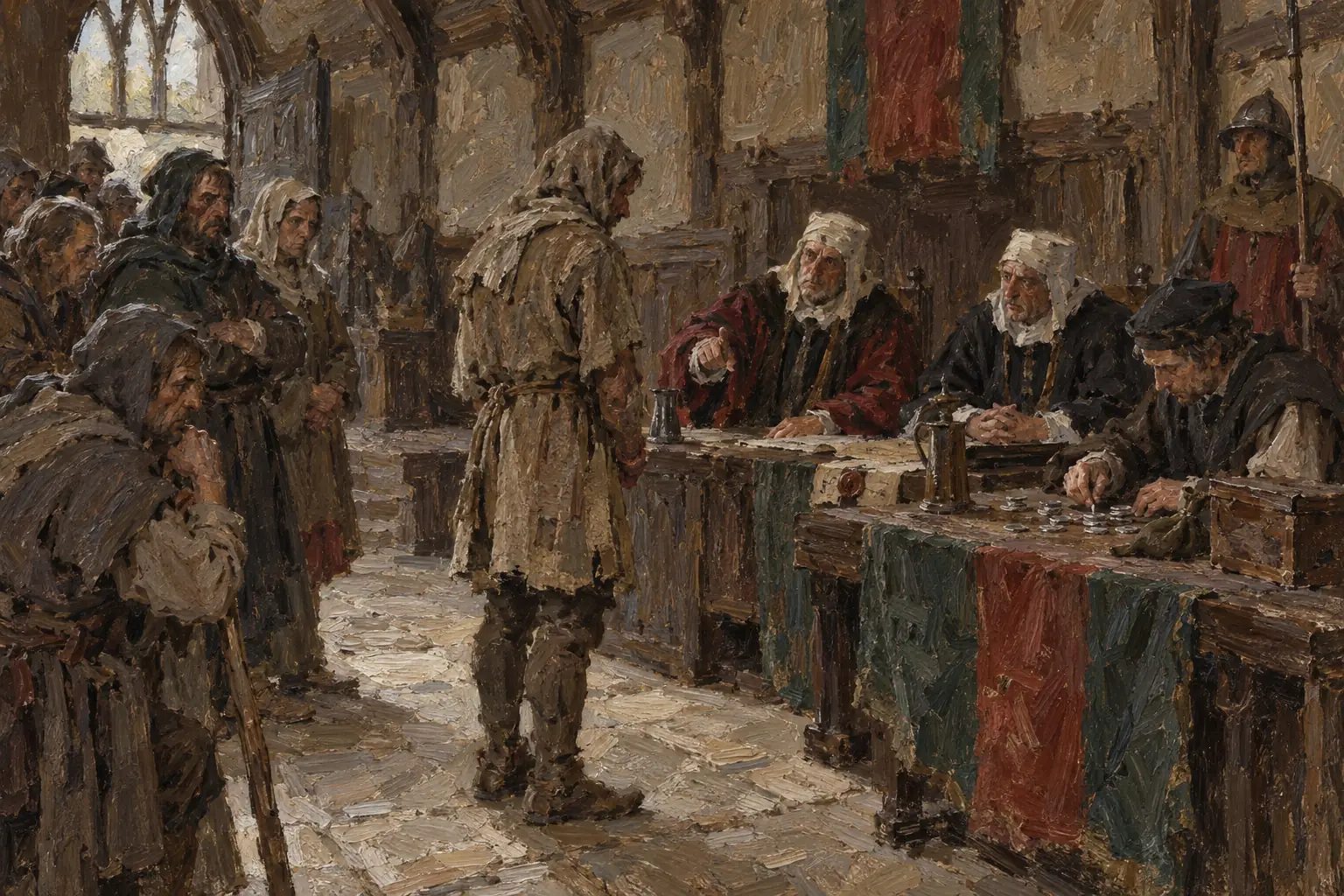
The Black Death, a devastating plague that struck England in 1348–1349, killed around one-third of the population. This created severe labour shortages, which shifted economic power towards surviving workers but led to government attempts to control the situation.
Consequences of labour shortages
- Rising wages and demands - With fewer workers available, peasants and labourers could demand higher pay and better conditions, challenging the traditional feudal system where lords controlled land and labour.
- Statute of Labourers (1351) - This law aimed to cap wages at pre-plague levels and prevent workers from moving to find better opportunities, enforcing a return to old economic norms despite the changed reality.
- Enforcement challenges - Many ignored the statute, leading to resentment as fines and punishments were imposed, highlighting tensions between economic needs and governmental control.
Introduction of poll taxes
- Successive taxes - Poll taxes were flat-rate levies on every adult, introduced in 1377 and 1379 to raise funds, but the 1381 tax was particularly burdensome at three times the previous rate, affecting the poor disproportionately.
- Collection issues - Widespread evasion and corruption among tax collectors fuelled anger, as many felt the system was unfair and poorly managed.
Impact of the Hundred Years' War and taxation
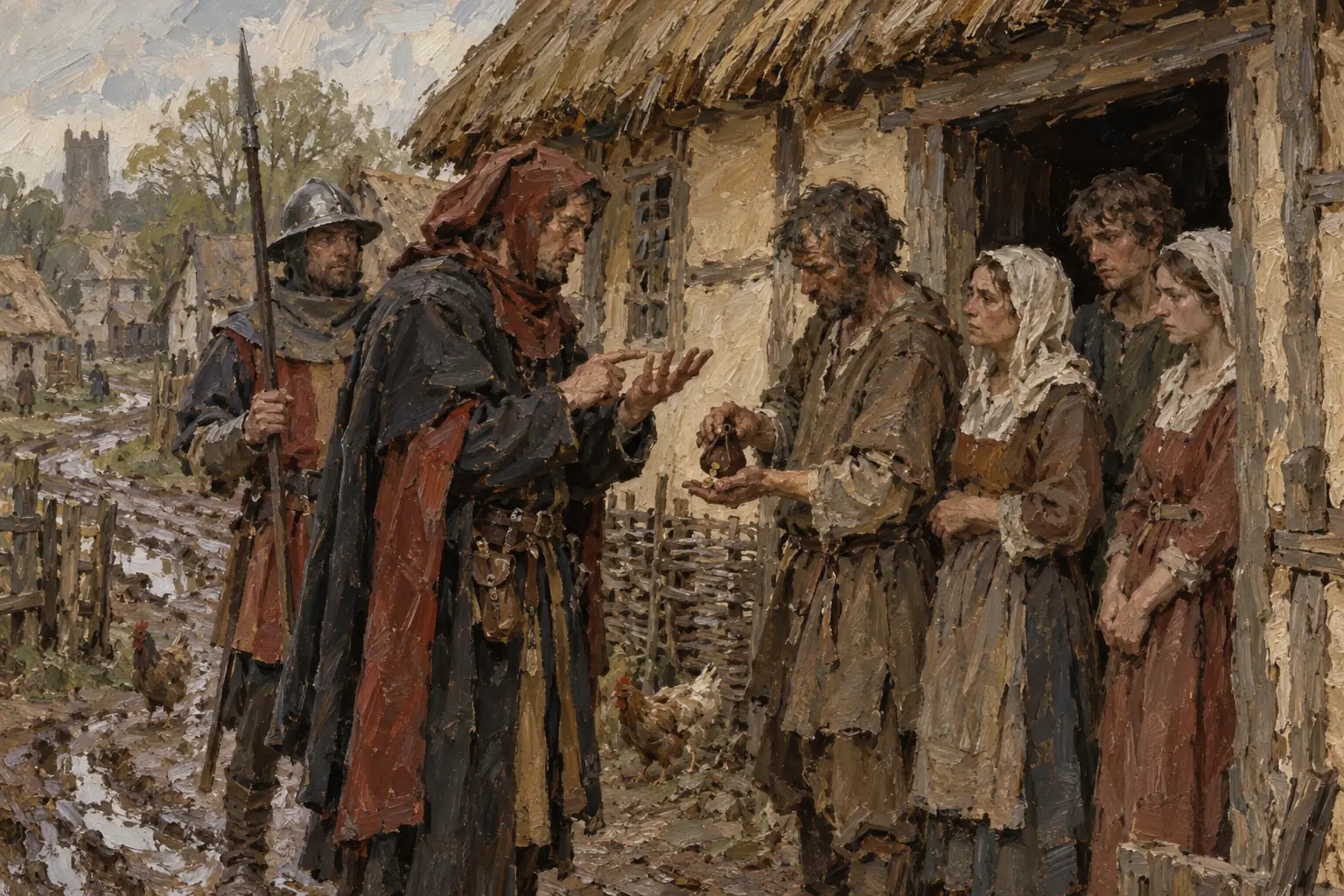
The Hundred Years' War (1337–1453) between England and France placed enormous financial strain on the population. Military campaigns required constant funding, which fell heavily on ordinary people through various taxes.
Burden of wartime taxation
- Funding requirements - The war's costs, including soldiers' pay and supplies, led to repeated demands for money from Parliament, which approved taxes that were then collected from all social classes.
- Connection to poll taxes - These levies were specifically tied to war expenses, but defeats and high costs made them seem unjust, eroding trust in the government's handling of national resources.
- Social unrest - The combination of war-related hardships, such as inflation and disrupted trade, worsened living standards, making taxation a flashpoint for broader dissatisfaction.
Key factors contributing to the revolt
Several interconnected factors drove the Peasants' Revolt, blending economic grievances with political, military, and ideological elements. An economic factor refers to issues involving money, resources, and living standards, which often undermined political authority by exposing inequalities.
Main factors behind the uprising
| Factor | Description |
|---|---|
| Economic factors | Labour shortages post-Black Death and wage restrictions created financial hardship, while poll taxes directly impacted living standards, linking money issues to resentment against authority. |
| Government factors | Poor administration, including corrupt tax collection and harsh enforcement of laws like the Statute of Labourers, weakened faith in royal governance and local officials. |
| War factors | The ongoing Hundred Years' War not only drained resources but also highlighted failures in leadership, as military setbacks increased the tax burden without visible benefits. |
| Ideas and ideology | Radical preachers spread notions of social equality, drawing on religious and egalitarian ideas to challenge the feudal hierarchy and inspire collective action. |
Timeline of events in summer 1381
Image 1 of 2: On 30 May 1381 villagers at Brentwood in Essex drove out a royal commissioner sent to collect unpaid poll tax
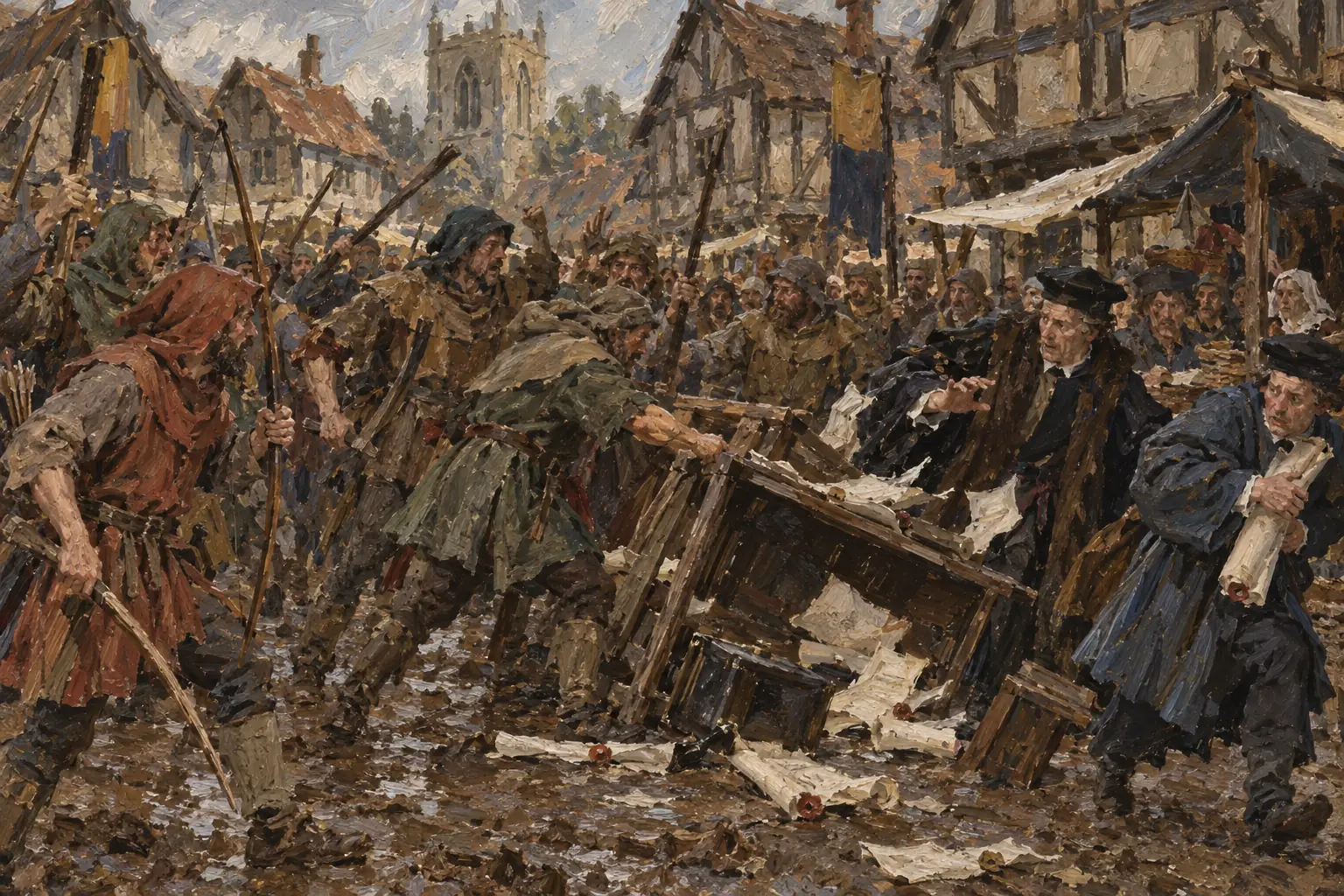
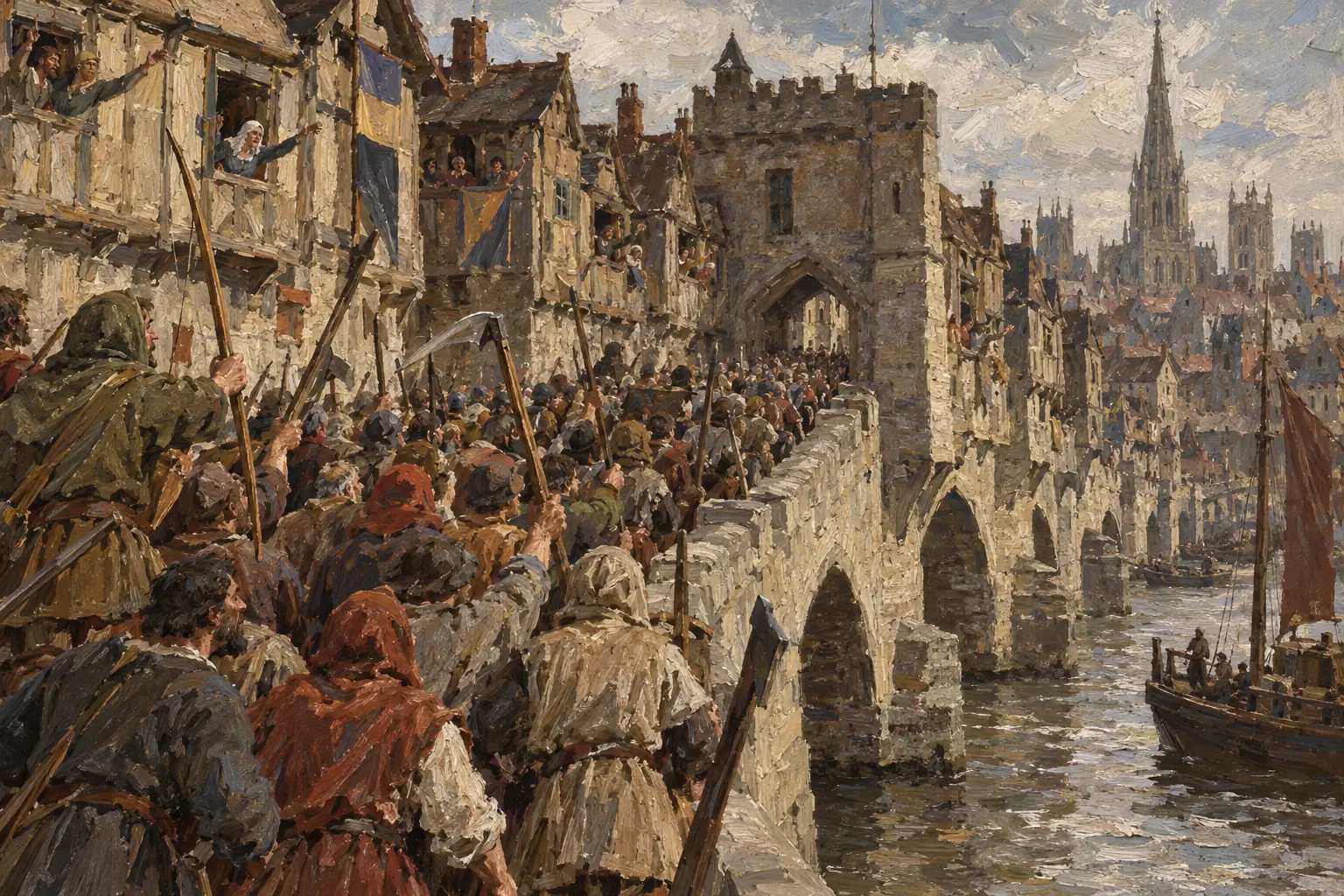
The revolt erupted in late spring 1381, starting in south-eastern England and quickly spreading to the capital. It involved coordinated actions by peasants, artisans, and others disillusioned with the system.
Sequence of the uprising
- Initial sparks in Essex and Kent (late May–early June) - Resistance to poll tax collection began in Essex on 30 May, with villagers attacking officials; by 2 June, the revolt spread to Kent, where rebels released prisoners and destroyed legal records symbolising oppression.
- March to London (10–12 June) - Thousands converged on the capital, capturing key sites like Rochester Castle and demanding reforms; they targeted symbols of wealth and power, such as the destruction of the Savoy Palace.
- Events in London (13–15 June) - Rebels entered the city, executing figures like the Archbishop of Canterbury and the royal treasurer; King Richard II, aged 14, met with them at Mile End, promising concessions like the abolition of serfdom.
- Climax and suppression - At Smithfield on 15 June, leader Wat Tyler was killed during talks with the king; the revolt collapsed soon after, with royal forces dispersing the rebels and revoking promises.
Roles of leaders and participants, including women
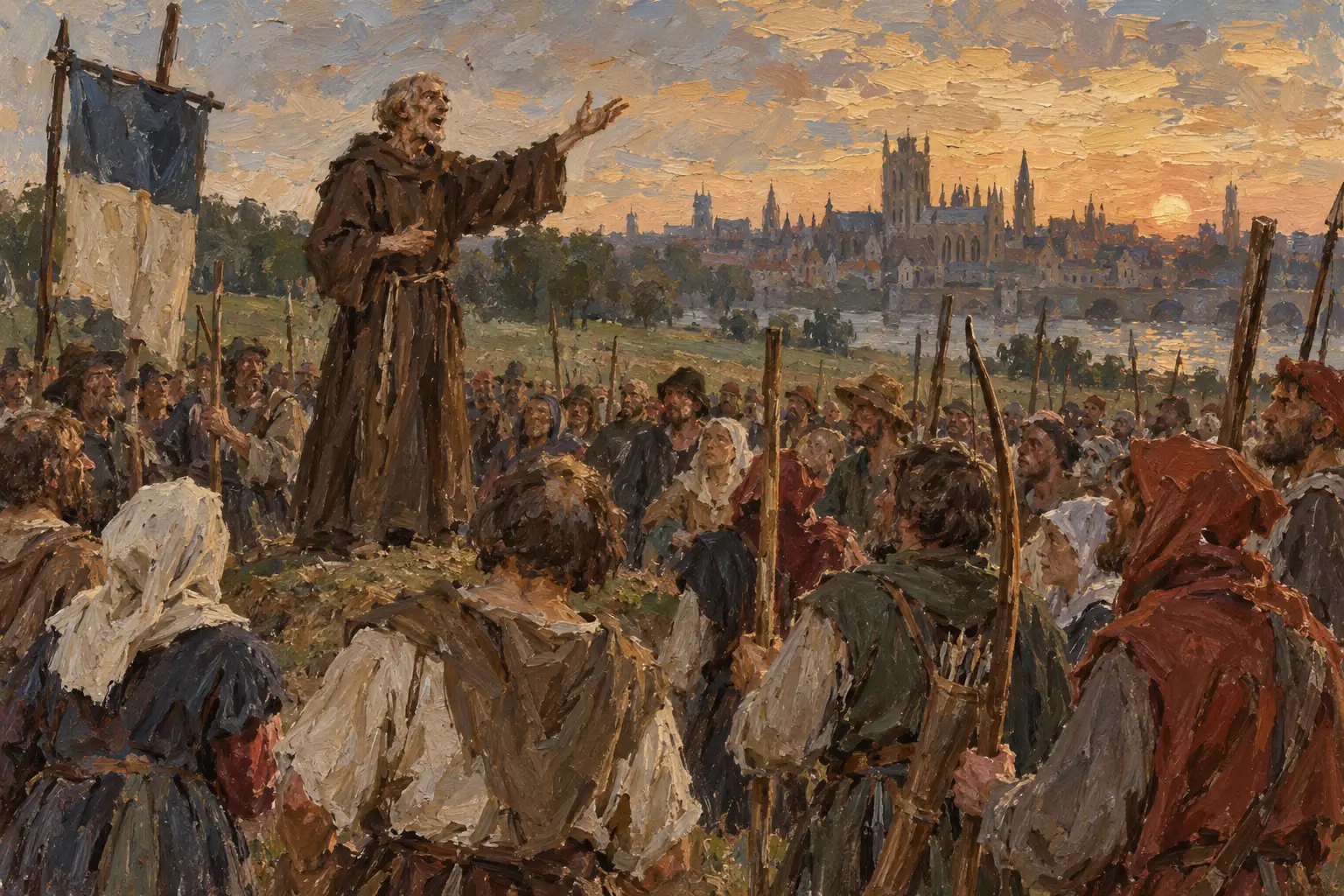
The revolt featured prominent leaders who organised and inspired the masses, alongside ordinary participants from diverse backgrounds. Women played active roles, as evidenced by historical research like the 'People of 1381' project, which uses records to highlight their contributions.
Key figures and their contributions
- Wat Tyler - A charismatic leader from Kent who coordinated the march on London and negotiated directly with the king, articulating demands for freedom and equality.
- John Ball - A radical preacher whose sermons, like "When Adam delved and Eve span, who was then the gentleman?", promoted ideas of social levelling and challenged class divisions.
- Women's involvement - Women such as Johanna Ferrour participated in violent actions, like leading attacks on officials; they also supported logistics, spread messages, and joined protests, reflecting broader gender participation in the uprising.
- Broader participation - The revolt drew from peasants, townsfolk, and even some clergy, united by shared grievances, demonstrating a cross-section of society's push against authority.