1.6 - Peasants’ Revolt: Actions, Responses & Impact
Key facts and dates
The Peasants' Revolt of 1381 was a major uprising in medieval England, triggered by economic hardships and social inequalities following the Black Death. It involved thousands of ordinary people challenging authority, leading to significant confrontations and lasting changes in labour practices.
Timeline of key events
- Late May 1381 – Revolt begins in Essex and Kent, sparked by poll tax collection and local grievances.
- 12 June 1381 – Rebels from Kent and Essex march on London, entering the city and targeting symbols of authority.
- 14 June 1381 – King Richard II meets rebels at Mile End, granting charters of freedom and concessions.
- 15 June 1381 – Second meeting at Smithfield ends with the killing of rebel leader Wat Tyler.
- Late June 1381 – Government revokes charters and launches reprisals, executing key rebels.
- November 1381 – Parliament confirms the end of serfdom-related concessions, but wages begin to rise gradually.
Rebel actions during the Peasants' Revolt
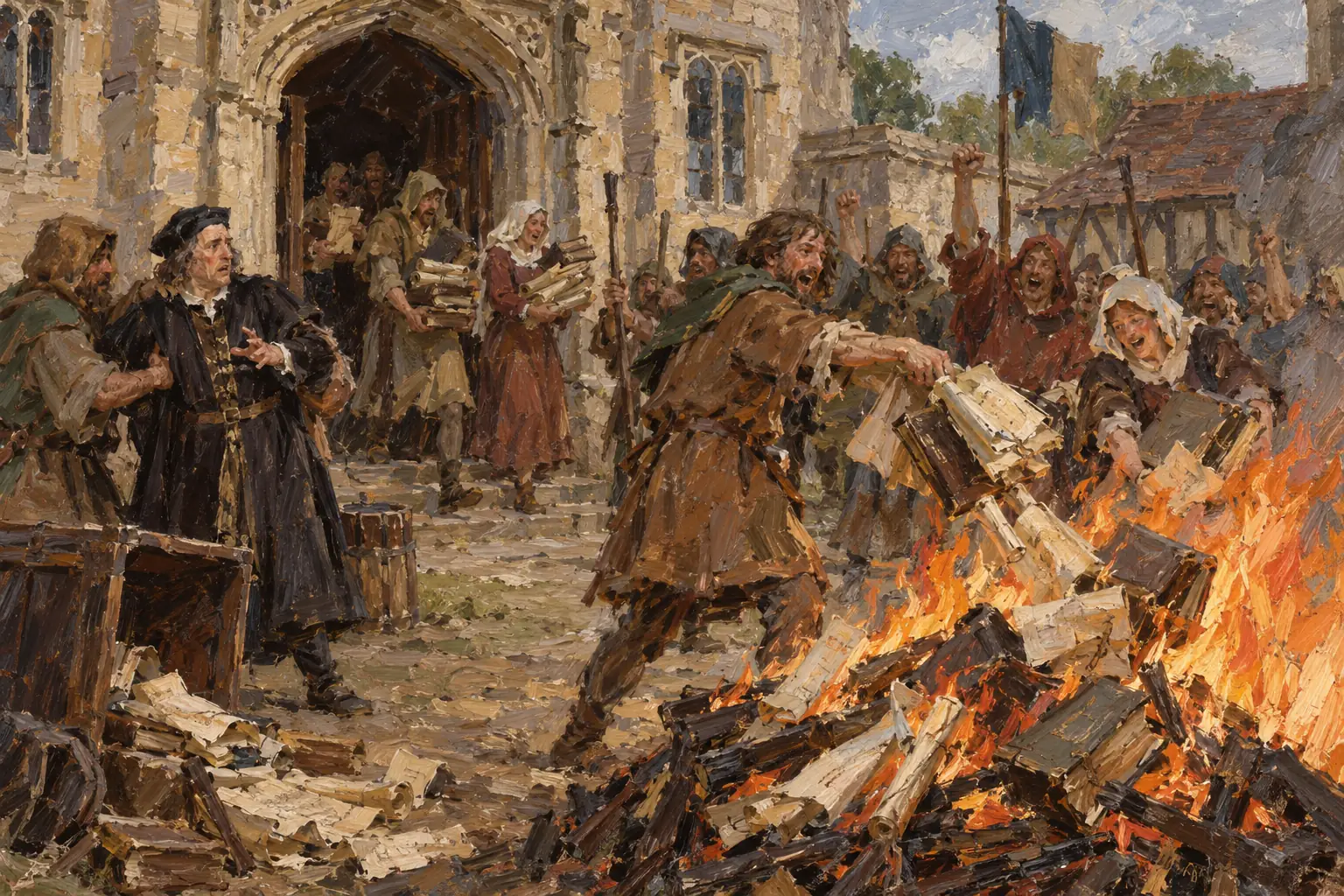
The Peasants' Revolt began in the spring of 1381, driven by widespread anger over high taxes, low wages, and the burdens of serfdom after the Black Death reduced the labour force. Rebels, mainly from rural areas in south-east England, organised swiftly to demand reforms, focusing their efforts on direct action against symbols of oppression.
Key rebel actions and targets
- March on London - Thousands of peasants and workers from Kent and Essex converged on the capital, coordinating through messengers to overwhelm local defences and gain entry to the city.
- Targeting officials - Rebels sought out and executed high-ranking figures seen as corrupt, such as the Archbishop of Canterbury and the royal treasurer, to protest against unfair taxation and governance.
- Burning manorial records - Documents recording feudal obligations, like labour services and rents, were destroyed in bonfires to erase evidence of serfdom and challenge the manorial system.
Government responses to the revolt
Image 1 of 2: At Mile End on 14 June Richard II promised to end serfdom, and royal clerks wrote out charters of freedom for the rebels
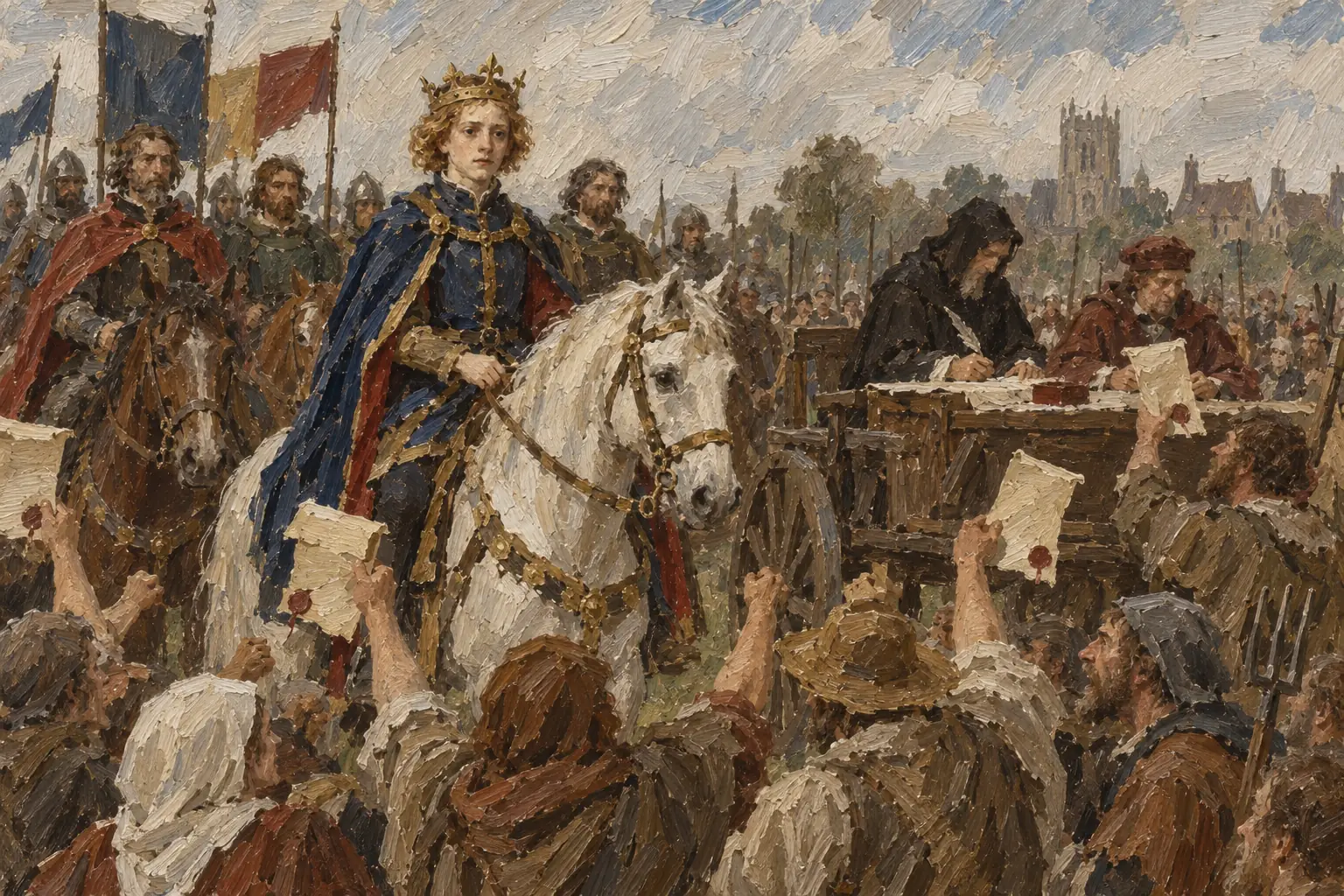
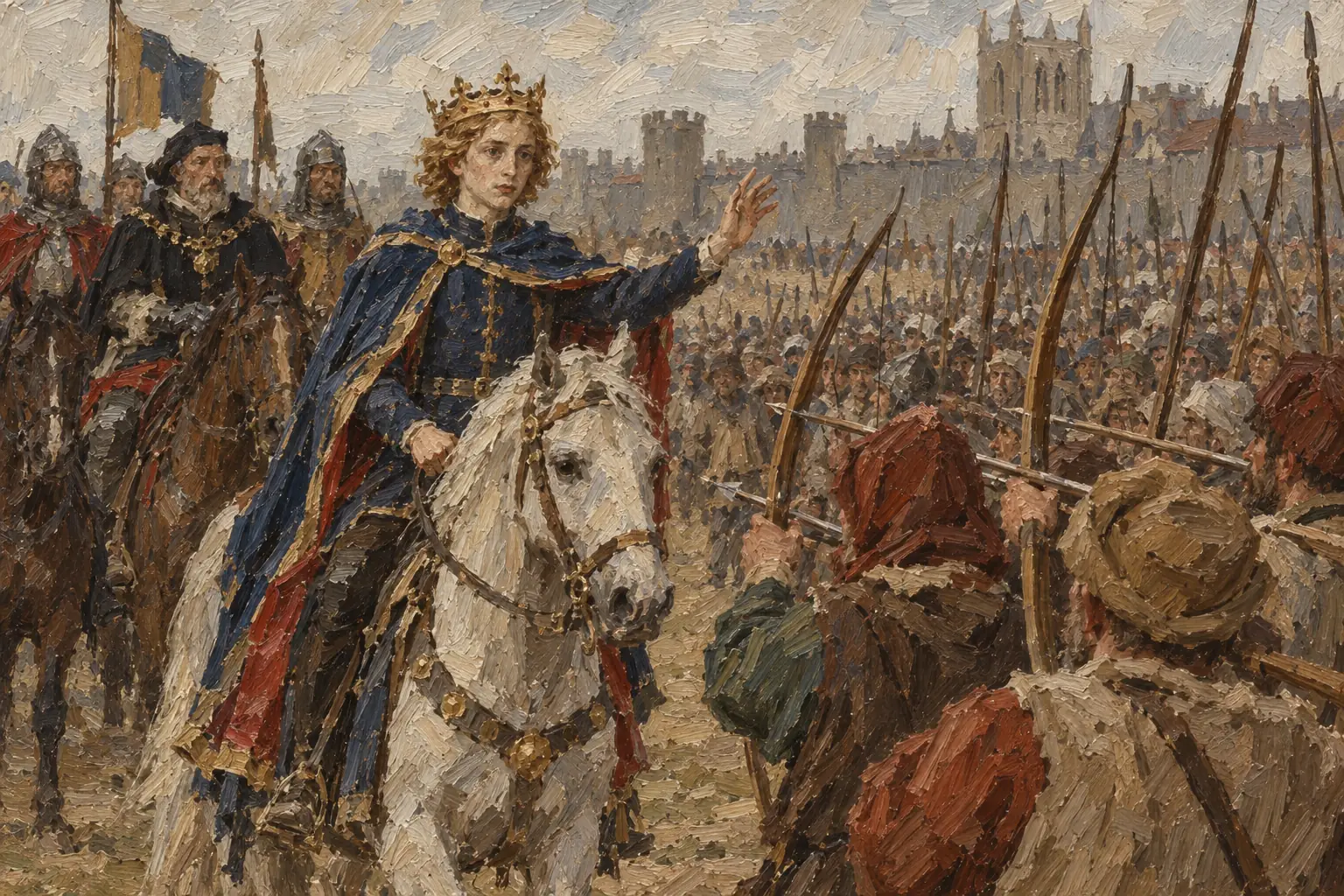
The government, led by the 14-year-old King Richard II, initially attempted negotiation to defuse the crisis but soon shifted to suppression once the immediate threat diminished. These responses combined promises with forceful action to restore order.
Meetings and concessions by King Richard II
- Mile End meeting - On 14 June, the king met rebels outside London, agreeing to abolish serfdom, reduce rents, and grant pardons in charters of freedom to calm the crowd and encourage dispersal.
- Smithfield meeting - The following day, another gathering turned violent when rebel leader Wat Tyler was killed during a confrontation with royal officials, weakening the revolt's momentum.
Subsequent government actions
- Revocation of charters - Within weeks, the king withdrew the promised freedoms, declaring them invalid as they had been granted under duress.
- Reprisals and executions - Royal forces hunted down rebel leaders, with trials leading to hundreds of hangings and imprisonments to deter future uprisings.
Short-term and long-term impacts of the revolt
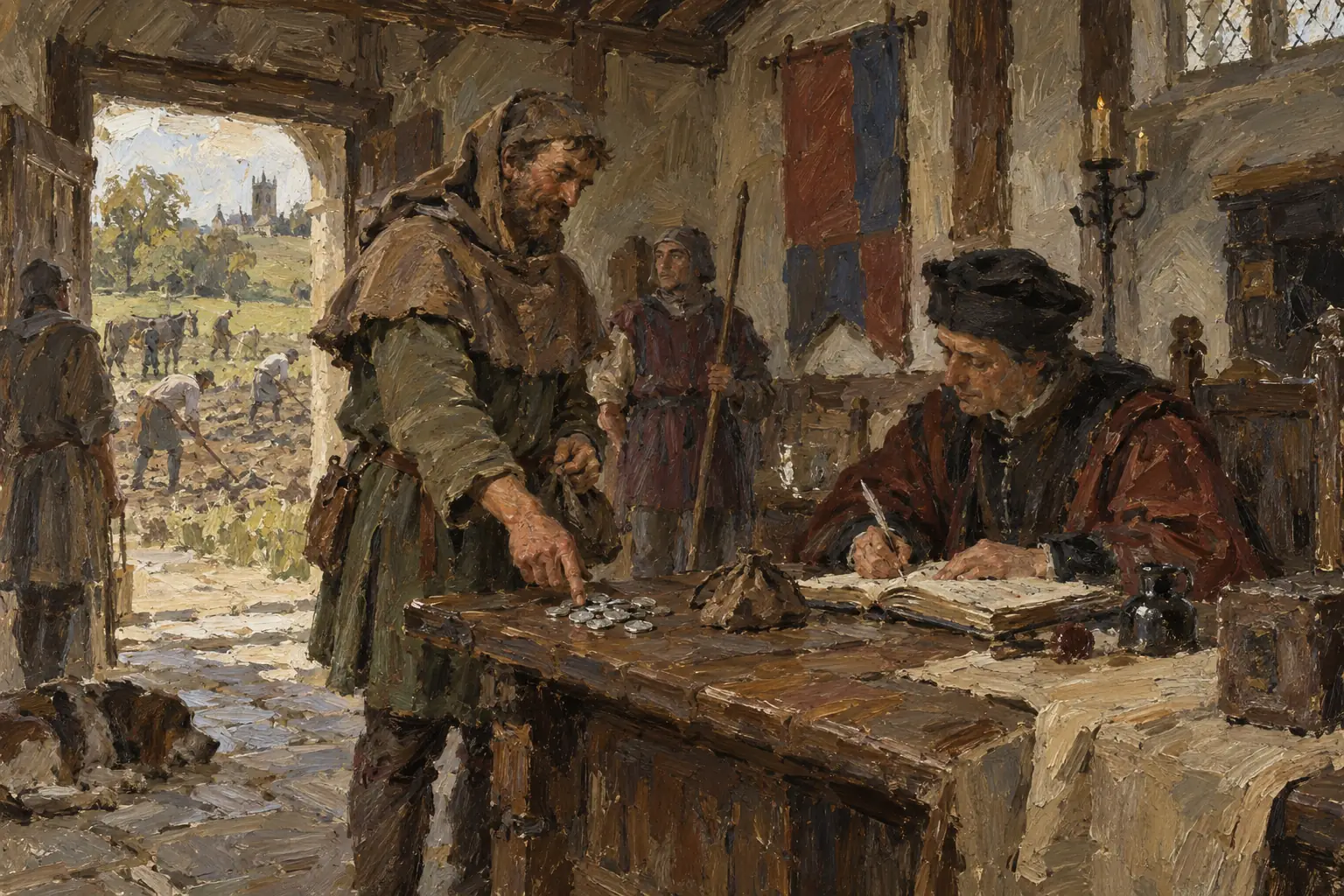
Image 1 of 2: In the weeks after the revolt, royal judges tried captured rebels and many were hanged
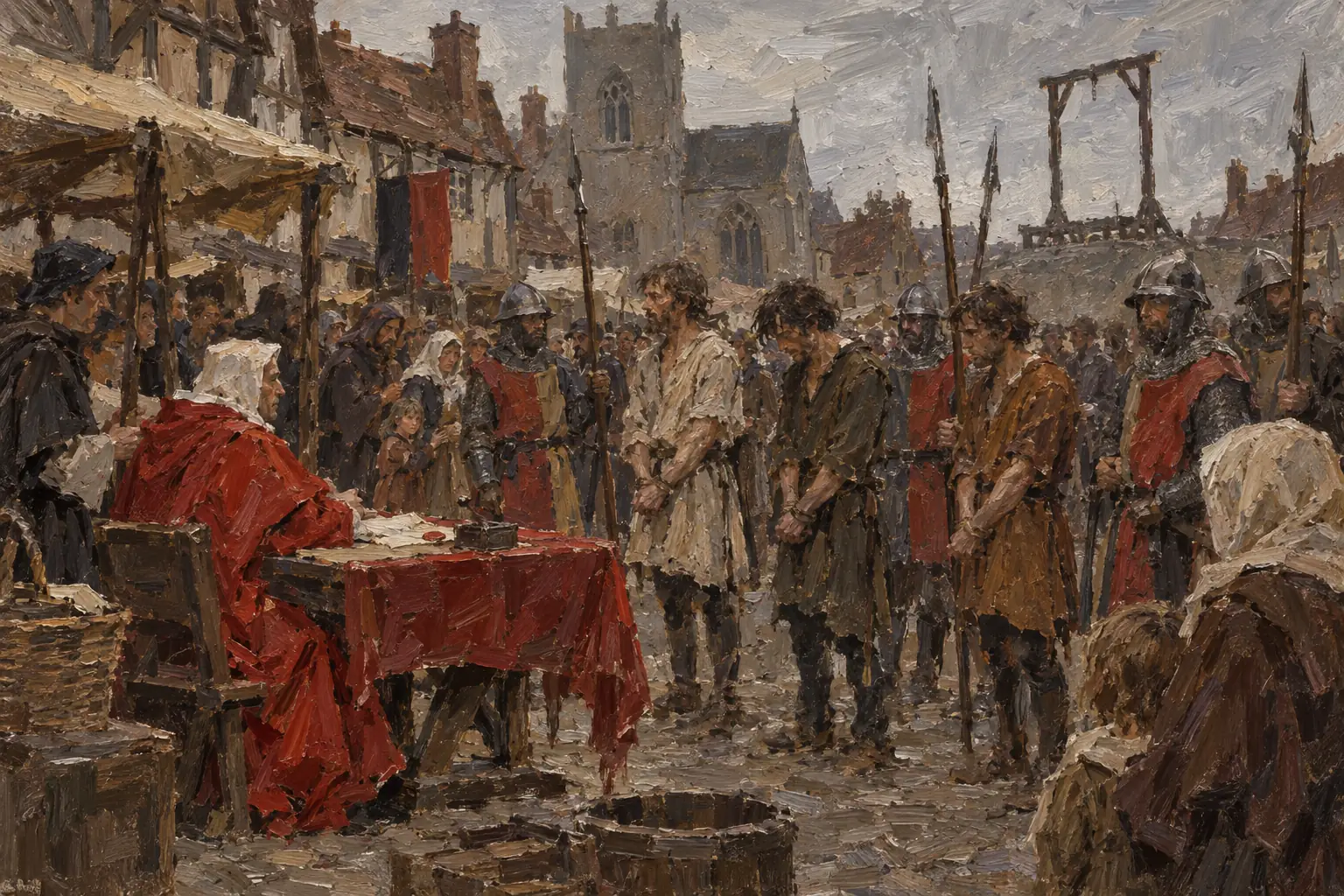
The Peasants' Revolt had immediate consequences that reinforced existing power structures, but it also contributed to gradual societal changes over time. These impacts reflected the tensions between repression and evolving economic realities.
Short-term effects
- Repression and restoration - The government's crackdown restored order, with many rebels punished and social hierarchies, including serfdom, reaffirmed by Parliament.
- Continued inequalities - Feudal lords regained control, and the poll tax was abandoned, but immediate demands for freedom were unmet, leaving many peasants in similar conditions.
Long-term effects
- Shifts in wages and labour - The labour shortage post-Black Death, amplified by the revolt, led to higher wages and better bargaining power for workers over the following decades.
- Decline of serfdom - By the early 15th century, serfdom largely faded as peasants gained more mobility and landowners offered cash payments instead of labour services.
Comparison with Chartism and key factors
The Peasants' Revolt shares similarities with later movements like Chartism in the 19th century, where ordinary people organised to address shared grievances. Both highlighted the power of collective action in challenging authority.
Similarities with Chartism
- Mobilisation around grievances - Like Chartist demands for political rights and better working conditions, the revolt united peasants against economic exploitation and unfair taxes.
- Role of ordinary people - Both involved mass participation by workers and the poor, using petitions and marches to push for reforms, though neither achieved all goals immediately.
Key factors influencing the revolt
- Economics - Post-Black Death labour shortages and heavy taxation created financial pressures that fuelled discontent.
- Government - Weak central authority and unpopular policies, such as the poll tax, alienated the lower classes.
- Communication - Word-of-mouth networks and sermons spread ideas quickly across regions, enabling coordinated action.
- Role of the individual - Figures like Wat Tyler provided leadership, rallying supporters and negotiating with the king, much like influential leaders in other uprisings.