1.5 - Islamic Medicine & Surgery: Nature & Significance
Key facts and dates
Islamic medicine during the medieval period built upon ancient knowledge while introducing innovative practices, leading to significant advancements in healthcare and science. These developments influenced global medical progress through systematic approaches and institutional support.
Key facts to remember
- Translation movement – Islamic scholars translated Greek texts, preserving and expanding works by Hippocrates and Galen.
- Bimaristans – Purpose-built hospitals provided comprehensive care, including separate wards for different conditions.
- State licensing – Some regions required doctors to pass examinations before practising, ensuring professional standards.
- Pharmacology advances – Well-stocked pharmacies dispensed complex medicines based on herbal and chemical compounds.
- Evidence-based methods – Emphasis on systematic observation and clinical trials marked a shift towards empirical practices.
- Surgical innovations – Detailed guides on instruments and procedures improved surgical techniques and patient outcomes.
- Transmission to Europe – Knowledge spread via Spain, with translations into Latin influencing medieval universities.
Translating and developing Greek medicine
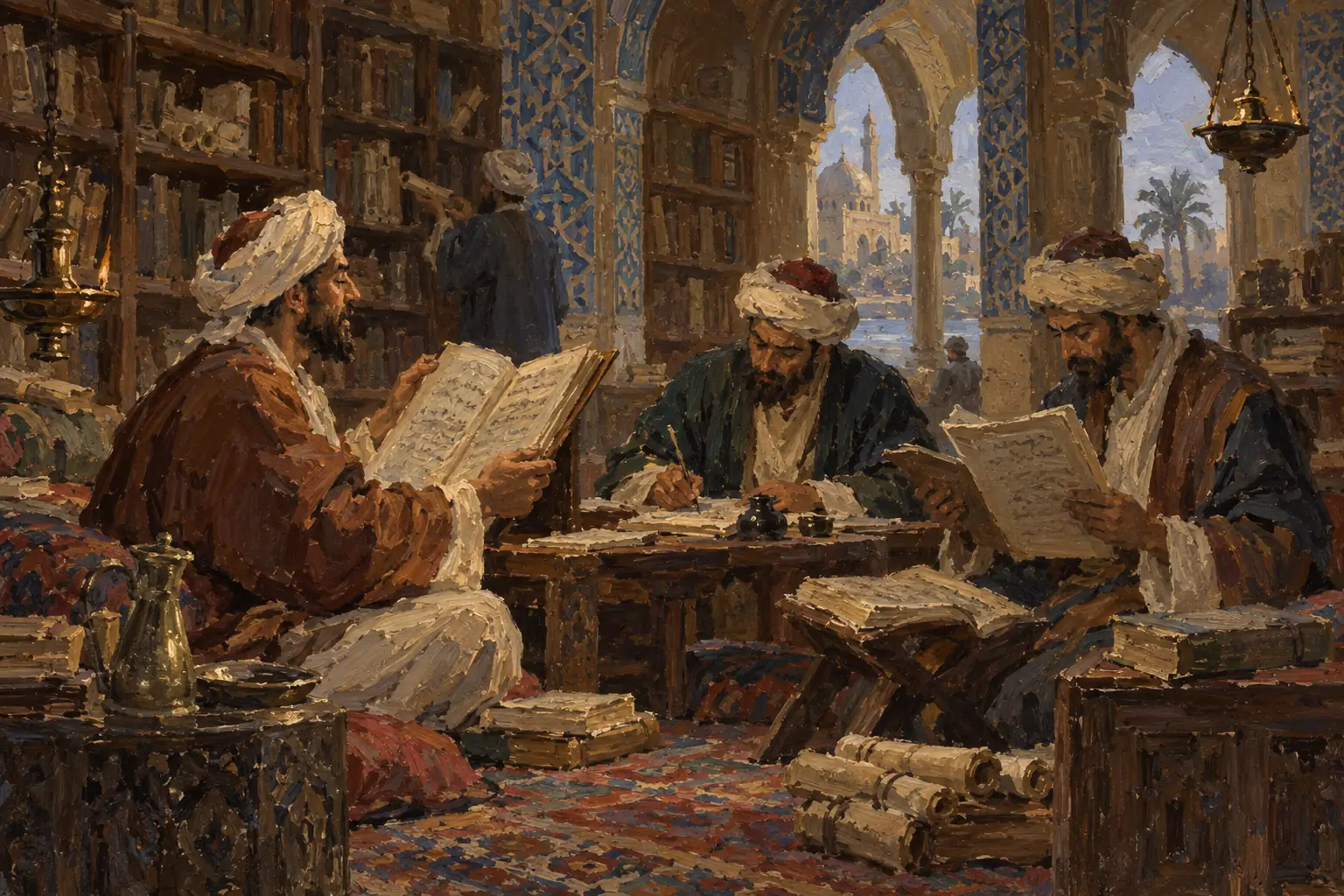
Islamic scholars played a crucial role in preserving and enhancing ancient medical texts, particularly those from Greek sources. This translation effort not only saved valuable knowledge but also allowed for critical analysis and expansion, forming the foundation of Islamic medical science.
Key aspects of the translation and development process
- Preservation of texts - Scholars translated works by Greek physicians like Hippocrates and Galen into Arabic, preventing their loss during Europe's early medieval period.
- Critical development - Translators added their own observations and improvements, integrating Greek ideas with Islamic innovations to create more comprehensive medical theories.
- Systematic approach - This process encouraged an evidence-based method, where theories were tested through observation and experimentation rather than accepted unquestioningly.
Hospitals and licensing of doctors
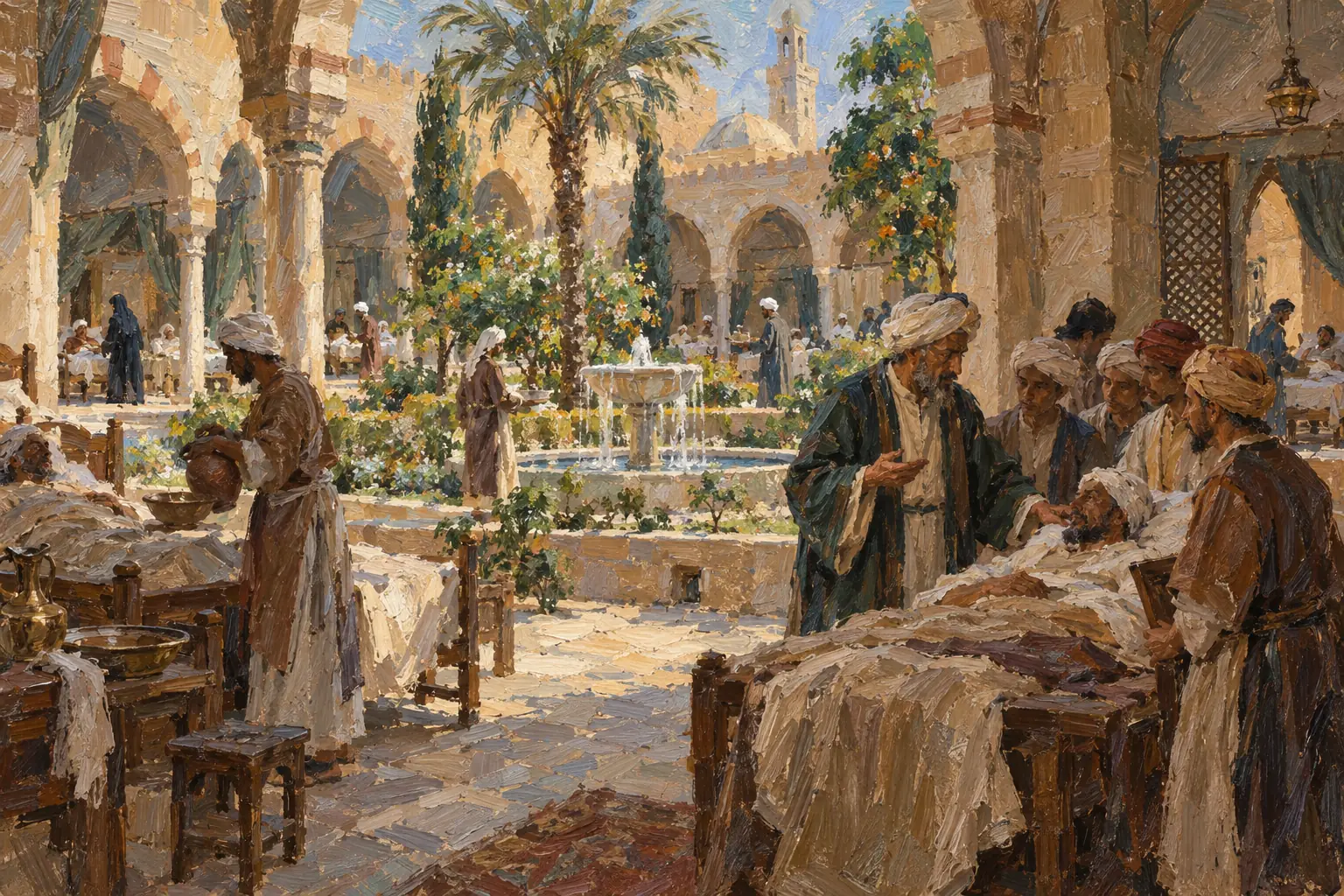
Islamic societies introduced organised healthcare systems, including dedicated facilities and professional regulations. These institutions set new standards for medical care and training, emphasising public health and accessibility.
Features of Islamic hospitals (bimaristans)
- Purpose-built design - Bimaristans were constructed specifically for medical treatment, featuring separate wards for various illnesses, clean water supplies, and gardens for patient recovery.
- Comprehensive care - They offered free treatment to all, including the poor, and included facilities for teaching medical students through practical experience.
- State licensing system - In certain regions, doctors had to obtain official licences by passing rigorous examinations, which helped maintain high standards and prevent unqualified practice.
Advances in pharmacology and surgery
Image 1 of 2: Islamic pharmacies stocked herbs, minerals and compounds, and made up medicines to precise recipes
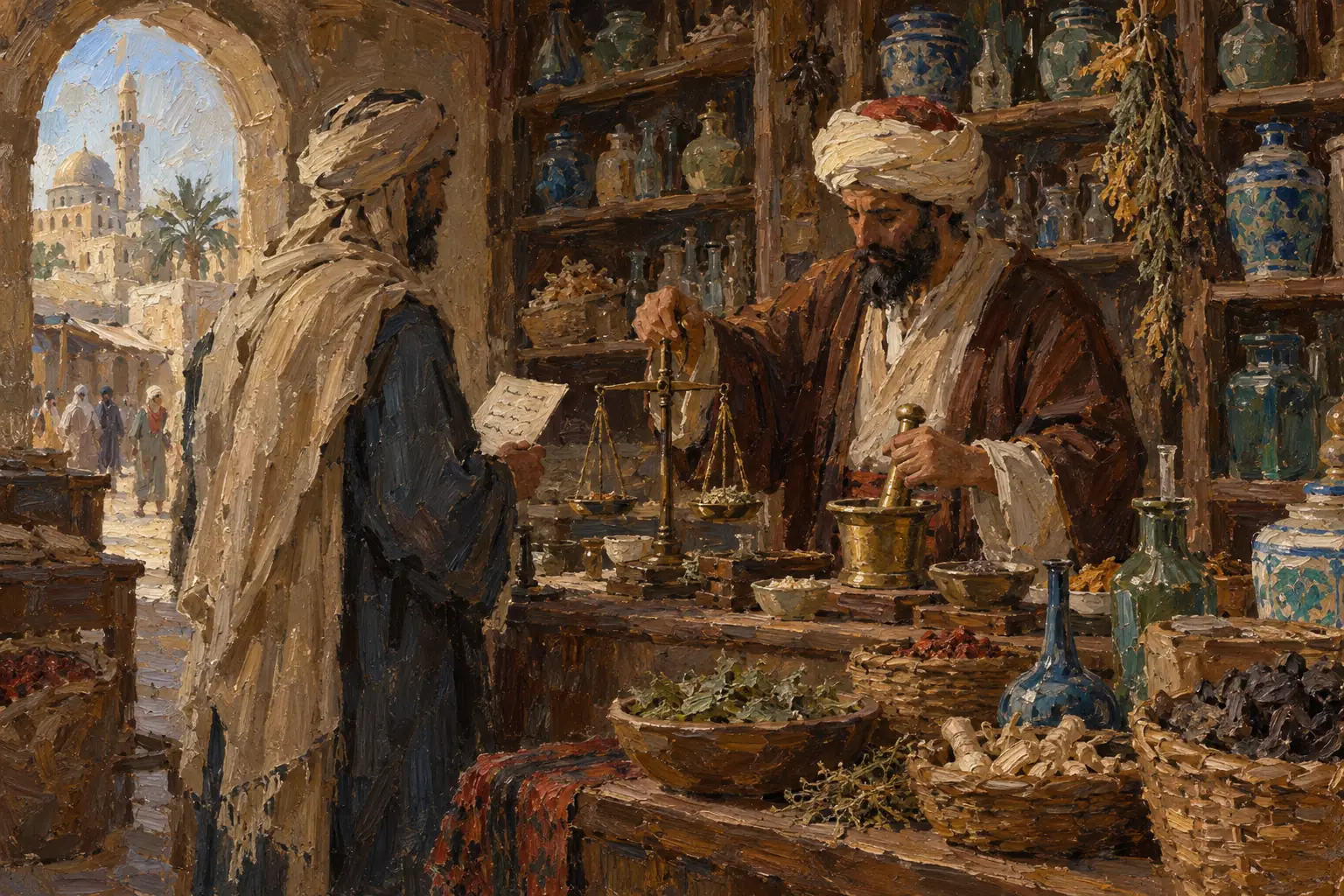
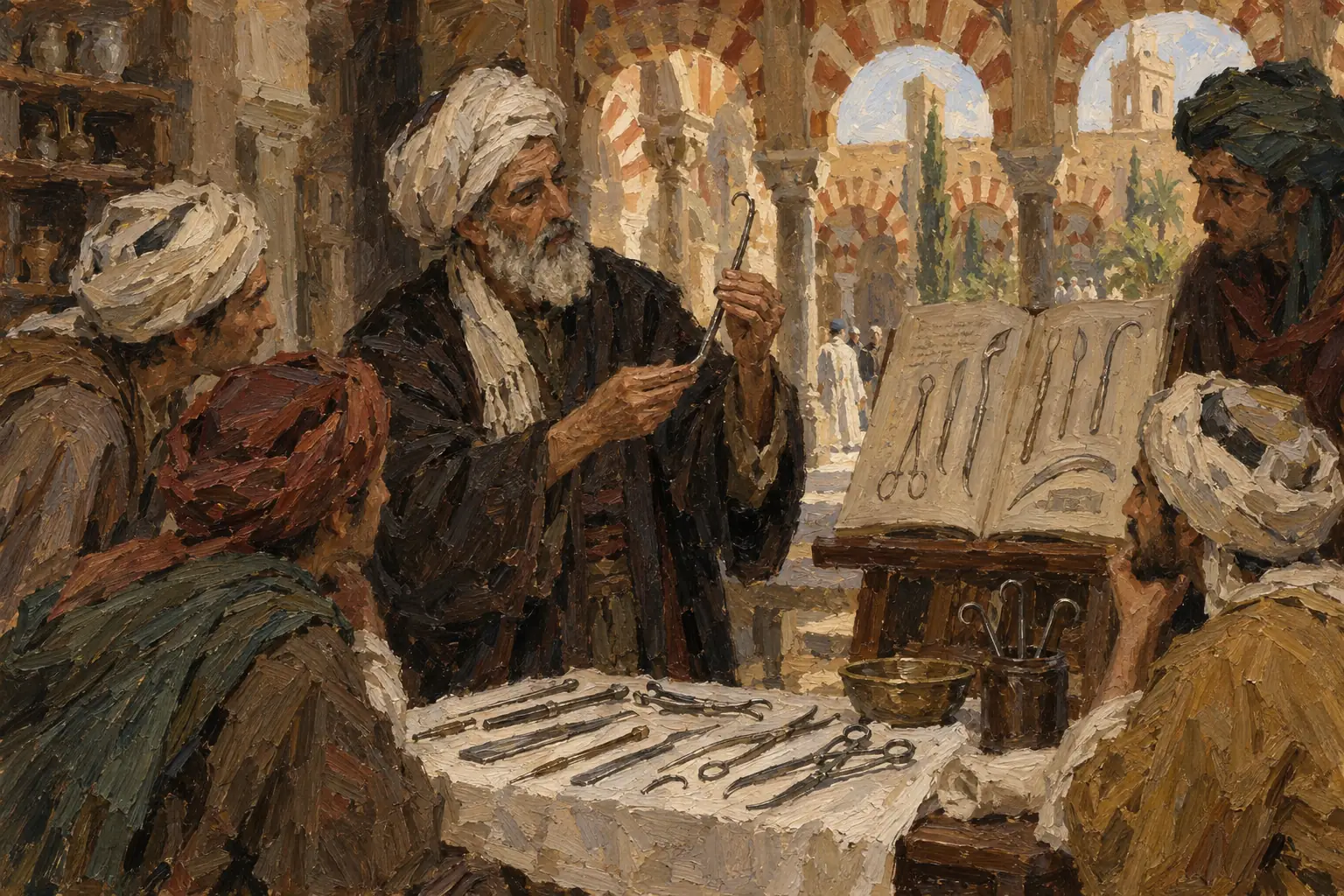
Islamic medicine made notable progress in drug development and surgical techniques, focusing on practical applications and patient safety. These advancements were supported by well-equipped facilities and a commitment to empirical evidence.
Developments in pharmacology
- Well-stocked pharmacies - Pharmacies maintained extensive inventories of herbs, minerals, and compounds, with pharmacists preparing medicines according to precise recipes.
- Systematic testing - Physicians conducted observations and trials to assess drug effectiveness, leading to more reliable treatments for various conditions.
Innovations in surgery
- Surgical instruments and procedures - Detailed descriptions improved tools like scalpels and forceps, along with techniques for operations such as cataract removal.
- Emphasis on hygiene and precision - Surgeons stressed cleanliness and careful methods to reduce risks, contributing to better surgical outcomes.
Key figures and their contributions
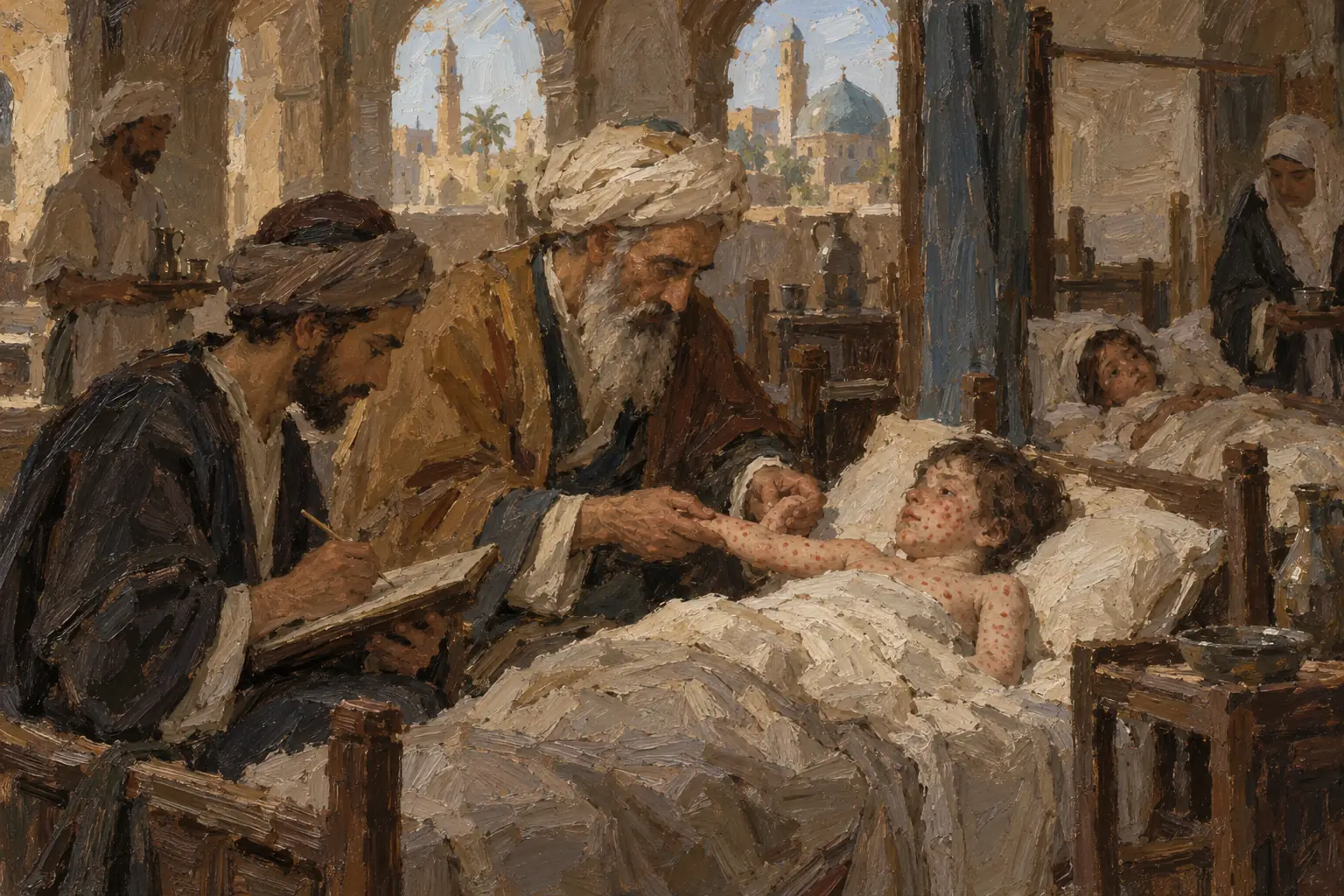
Several prominent Islamic physicians advanced medical knowledge through their writings and discoveries. Their works synthesised existing ideas with new insights, influencing both contemporary and future practices.
Contributions of major Islamic physicians
| Physician | Key achievements | Impact on medicine |
|---|---|---|
| Al-Razi (Rhazes) | Differentiated between measles and smallpox through clinical observation; authored extensive medical encyclopaedias. | Promoted evidence-based diagnosis and comprehensive record-keeping. |
| Ibn Sina (Avicenna) | Compiled the Canon of Medicine, a vast synthesis of medical knowledge covering anatomy, diseases, and treatments. | Served as a standard textbook in Europe for centuries, integrating theory and practice. |
| Al-Zahrawi (Abulcasis) | Wrote detailed guides on surgical instruments and procedures, including illustrations of tools and methods. | Advanced surgical techniques and emphasised practical training for surgeons. |
Transmission of Islamic medicine to Europe
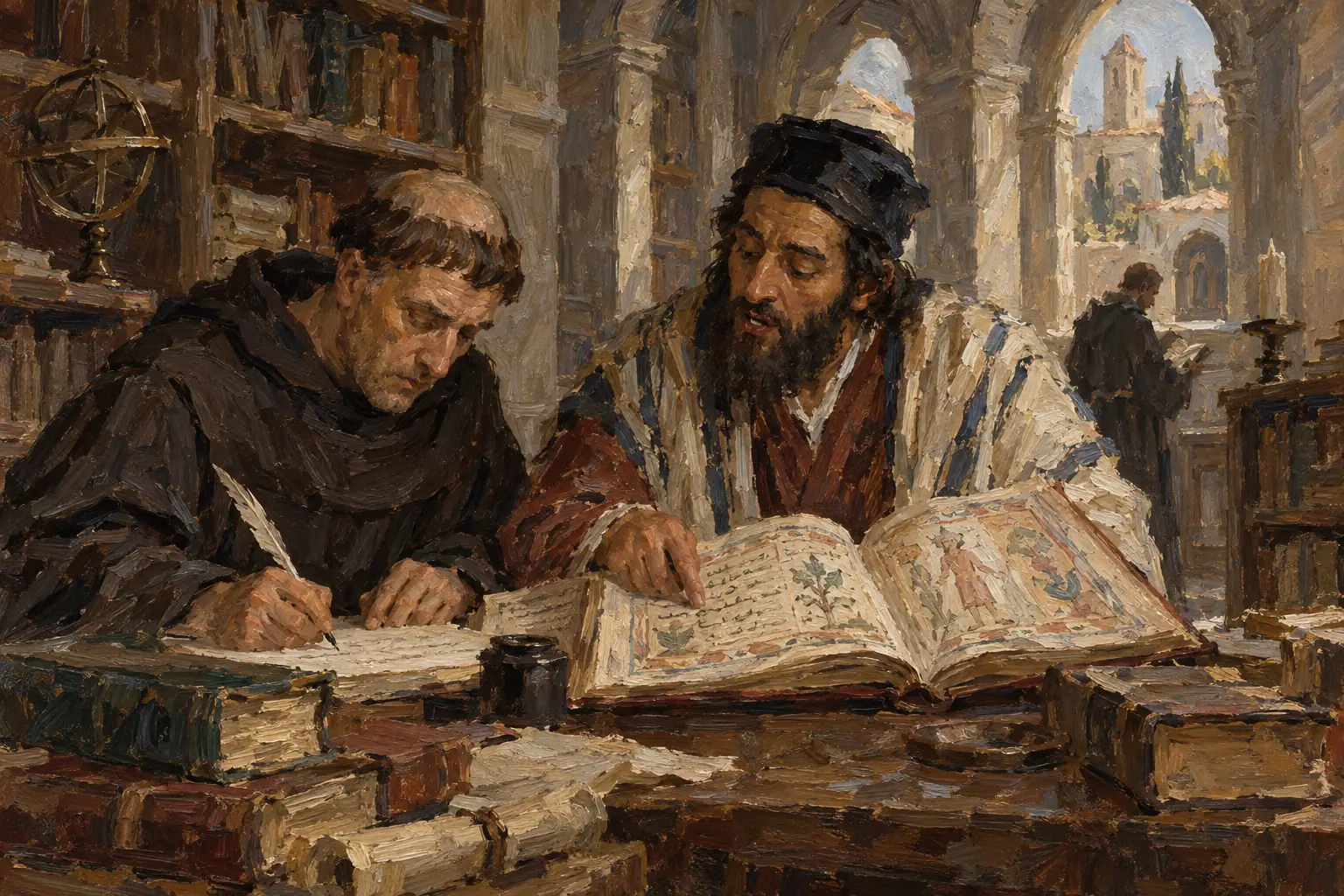
Islamic medical advancements spread to Europe, particularly through cultural exchanges in regions under Muslim influence. This transfer shaped the development of European medicine during the medieval period and beyond.
Pathways of knowledge transmission
- Role of Spain - Muslim-controlled areas like Andalusia became centres for learning, where Islamic texts were studied and translated into Latin.
- Translation efforts - European scholars, often in collaboration with Muslim and Jewish translators, converted Arabic works into Latin, making them accessible to universities in Italy and France.
- Long-term influence - This knowledge influenced later European developments, such as the establishment of medical schools and the adoption of empirical methods in diagnosis and treatment.