1.1 - Kaiser Wilhelm II: Militarism, Authority & Power
Key facts and dates
The German Empire, established in 1871, combined elements of monarchy, militarism, and limited democracy under Kaiser Wilhelm II from 1888 onwards. This structure created ongoing conflicts between authoritarian control and demands for greater representation, influenced heavily by Prussian traditions and the Kaiser's personal style.
Key facts to remember
- 1871 Constitution – Established the German Empire with a federal structure, balancing imperial authority with state rights.
- Kaiser's powers – Included control over foreign policy, the military, and appointing the chancellor.
- Prussian dominance – Prussia held a majority in the Bundesrat, ensuring its influence over federal decisions.
- Junker class – Aristocratic landowners who dominated the officer corps and shaped militaristic policies.
- Reichstag's role – Elected body with budgetary powers but no control over government formation.
- Wilhelm II's reign (1888–1918) – Marked by impulsive leadership and a focus on personal prestige.
- 1890–1914 period – Saw growing calls for democratic reforms amid industrial and social changes.
Germany's constitutional set-up after 1871
Following unification in 1871, Germany adopted a federal constitution that blended monarchical authority with elements of representative government. This system positioned the Kaiser at the apex of power while incorporating bodies that suggested democratic progress, though real control remained concentrated at the top.
Main components of the German constitution
| Component | Role and powers |
|---|---|
| The Kaiser | As emperor, the Kaiser held supreme authority, including the right to appoint and dismiss the chancellor, declare war, and command the armed forces. This role ensured that ultimate decision-making rested with the monarch. |
| The Chancellor | Appointed by the Kaiser and responsible for coordinating government policy, the chancellor answered only to the emperor, not to parliament, limiting accountability. |
| The Bundesrat | This upper house represented the federal states, with Prussia dominating due to its size and voting power. It had veto rights over legislation, reinforcing conservative and Prussian influences. |
| The Reichstag | The lower house was elected by universal male suffrage, giving it a democratic appearance. It could debate and approve budgets but lacked the power to form or dismiss governments. |
Prussian militarism and the Junker officer class
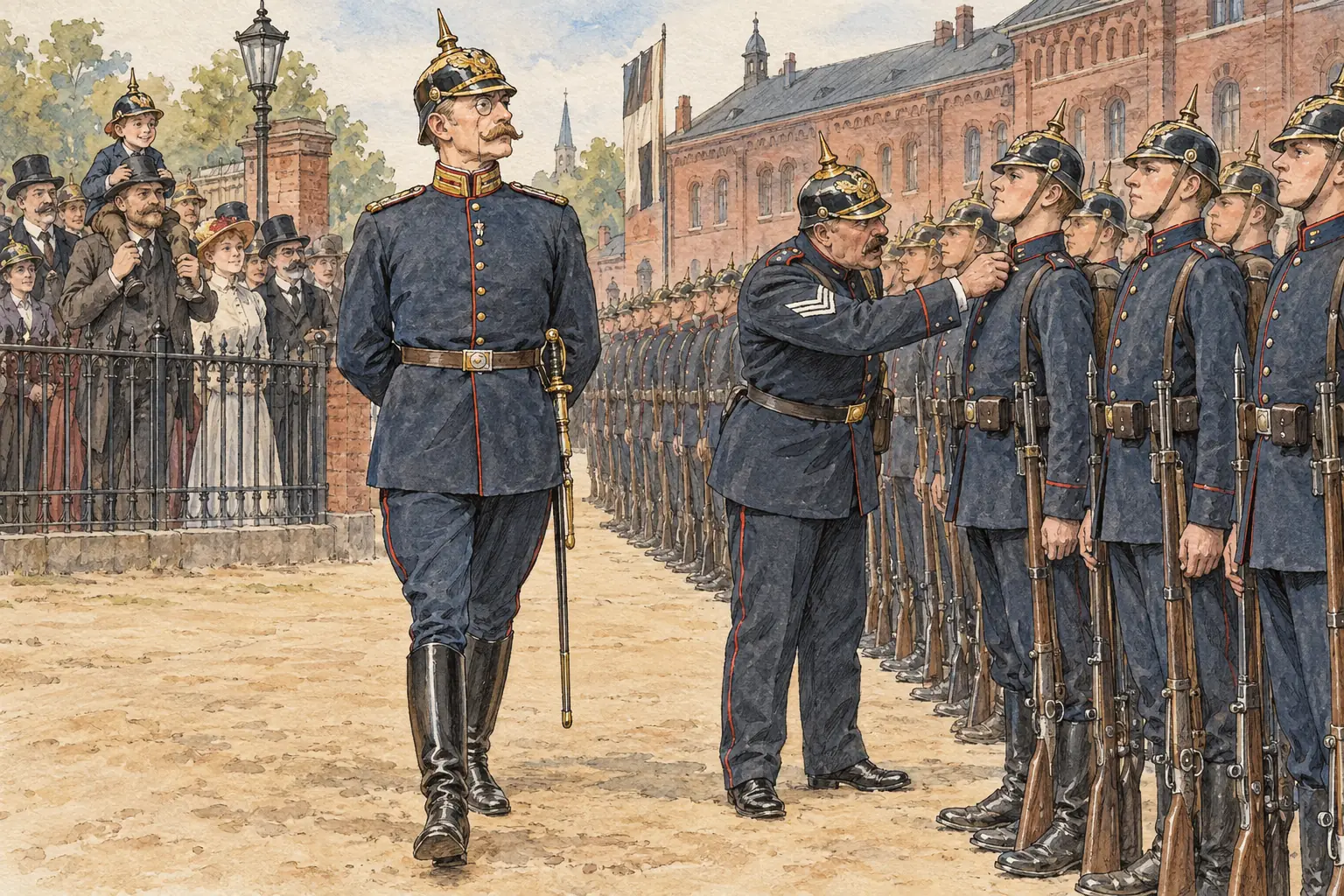
Prussian militarism formed the backbone of German society and policy, emphasising discipline, hierarchy, and military strength. This tradition, rooted in Prussia's history, permeated the empire's culture and governance, with the aristocratic Junker class playing a central role.
Influences of Prussian militarism on German society
- Military as a social pillar - The army was seen as the nation's unifying force, with compulsory service fostering loyalty and national identity across classes.
- Junker dominance in the officer corps - Junkers, who were conservative landowners from eastern Prussia, held most high-ranking military positions, using their status to influence policy towards expansion and defence.
- Shaping of policy and culture - Militarism promoted aggressive foreign policies and a culture of obedience, where military values like honour and duty overshadowed civilian priorities.
Kaiser Wilhelm II's personality, aims and methods
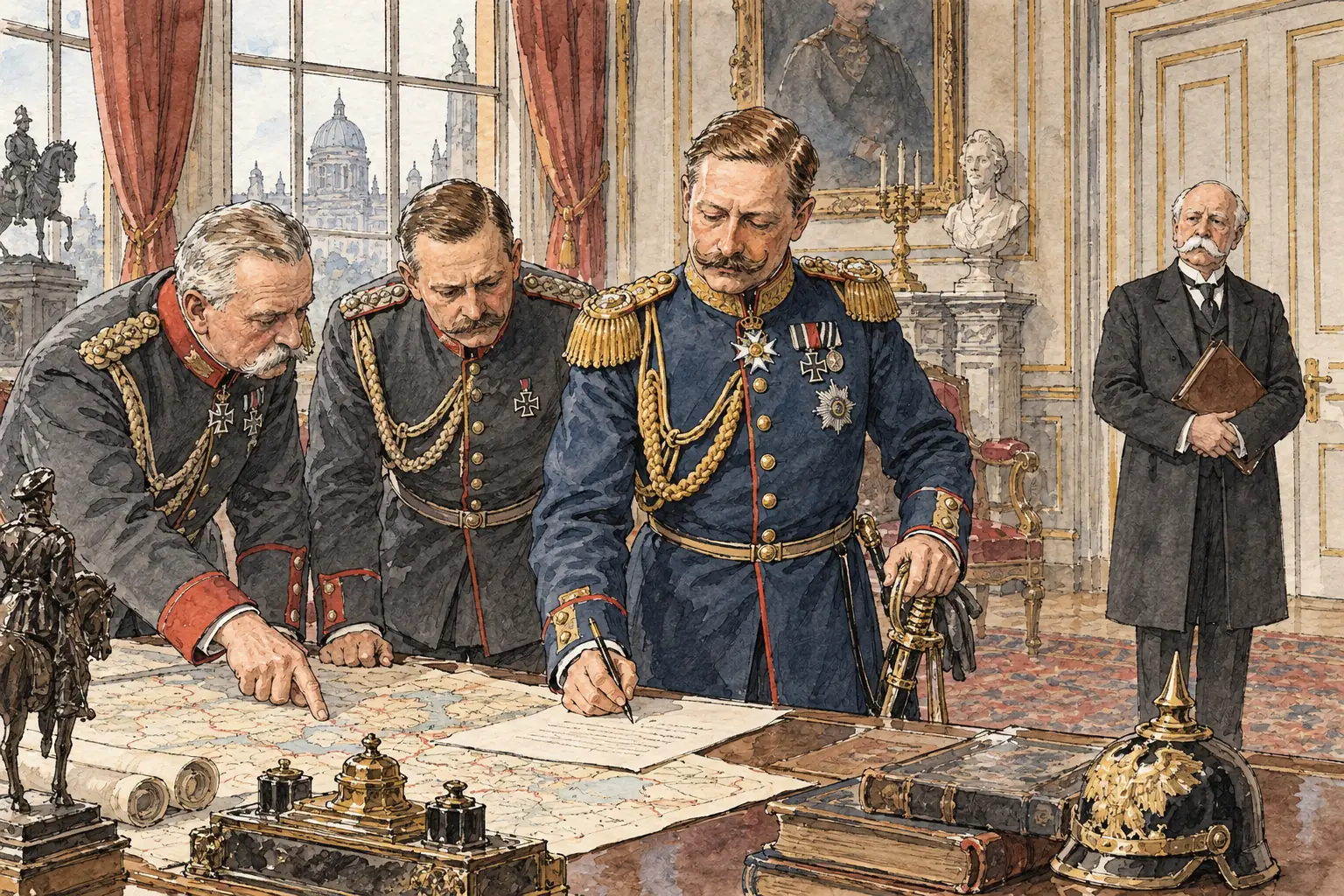
Kaiser Wilhelm II, who ascended the throne in 1888, was a dynamic and often unpredictable leader whose personal traits significantly impacted German governance. His approach prioritised imperial prestige and quick action, frequently sidelining traditional advisory structures.
Key aspects of Wilhelm II's leadership style
- Personality traits - Wilhelm was ambitious and impulsive, with a strong desire for personal recognition and a tendency towards dramatic gestures, which sometimes led to erratic decisions.
- Aims for status and power - He sought to elevate Germany's global standing through naval expansion and colonial ambitions, aiming to rival powers like Britain.
- Methods of governance - Wilhelm often made rapid decisions without consulting ministers, bypassing the chancellor and relying on personal advisors, which centralised authority but created instability.
Limitations of parliamentary government
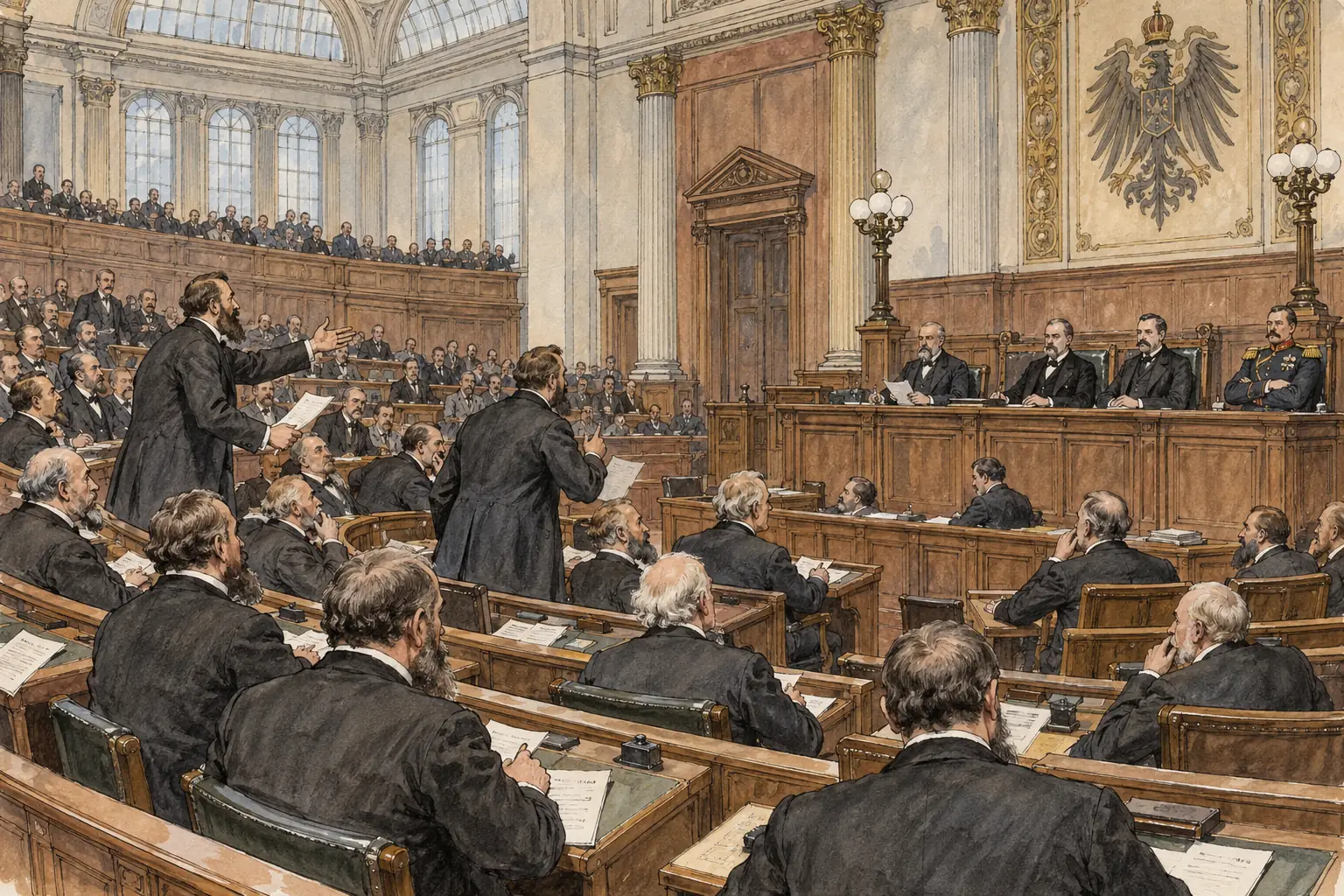
Although Germany's system included an elected parliament, its powers were constrained, maintaining the substance of authoritarian rule beneath a facade of representation. This setup allowed for some debate but preserved the Kaiser's dominance in key areas.
Constraints on parliamentary influence
- Budgetary role of the Reichstag - The Reichstag could approve or reject financial plans, giving it leverage over spending, but this did not extend to initiating policies.
- Kaiser's control over key domains - The emperor retained exclusive authority over the military and foreign affairs, excluding parliament from these critical areas.
- Expansion in form but not substance - While suffrage expanded and the Reichstag grew in size, governments remained unaccountable to it, ensuring that real power stayed with the monarch and appointed officials.
Central tensions in German politics, 1890 to 1914
Between 1890 and 1914, Germany's political landscape was marked by a fundamental conflict between its authoritarian foundations and emerging pressures for greater democracy. Rapid industrialisation and social changes amplified these strains, challenging the established order.
Main sources of political tension
- Authoritarian system vs. representation - The constitution's monarchical core clashed with growing demands from workers, socialists, and liberals for more parliamentary influence and reforms.
- Impact of industrial growth - Economic expansion created a larger middle class and urban workforce, fostering calls for social welfare and political inclusion that the conservative elite resisted.
- Role of militarism in conflicts - The emphasis on military power fuelled aggressive policies, heightening internal divisions over issues like naval arms races and colonial pursuits.