1.3 - Clemenceau, Lloyd George & Competing Priorities
Key facts and dates
The Paris Peace Conference of 1919 brought together Allied leaders to reshape Europe after the First World War, with competing national priorities often clashing. French Prime Minister Georges Clemenceau sought harsh terms against Germany, while British Prime Minister David Lloyd George aimed for a more moderate approach to ensure long-term stability. These tensions influenced the Treaty of Versailles and interactions with U.S. President Woodrow Wilson.
Timeline of key events
- November 1918 – Armistice ends the First World War, setting the stage for peace talks amid domestic pressures in France and Britain.
- January 1919 – Paris Peace Conference begins, with Clemenceau hosting and pushing for punitive measures against Germany.
- March 1919 – Lloyd George issues the Fontainebleau Memorandum, advocating moderation to avoid excessive French dominance.
- June 1919 – Treaty of Versailles signed, reflecting compromises between Clemenceau's demands for security and Lloyd George's concerns for trade and balance of power.
- July 1919 – German ratification of the treaty, weakened but intact as a potential barrier against communism.
Clemenceau's priorities for France and Germany
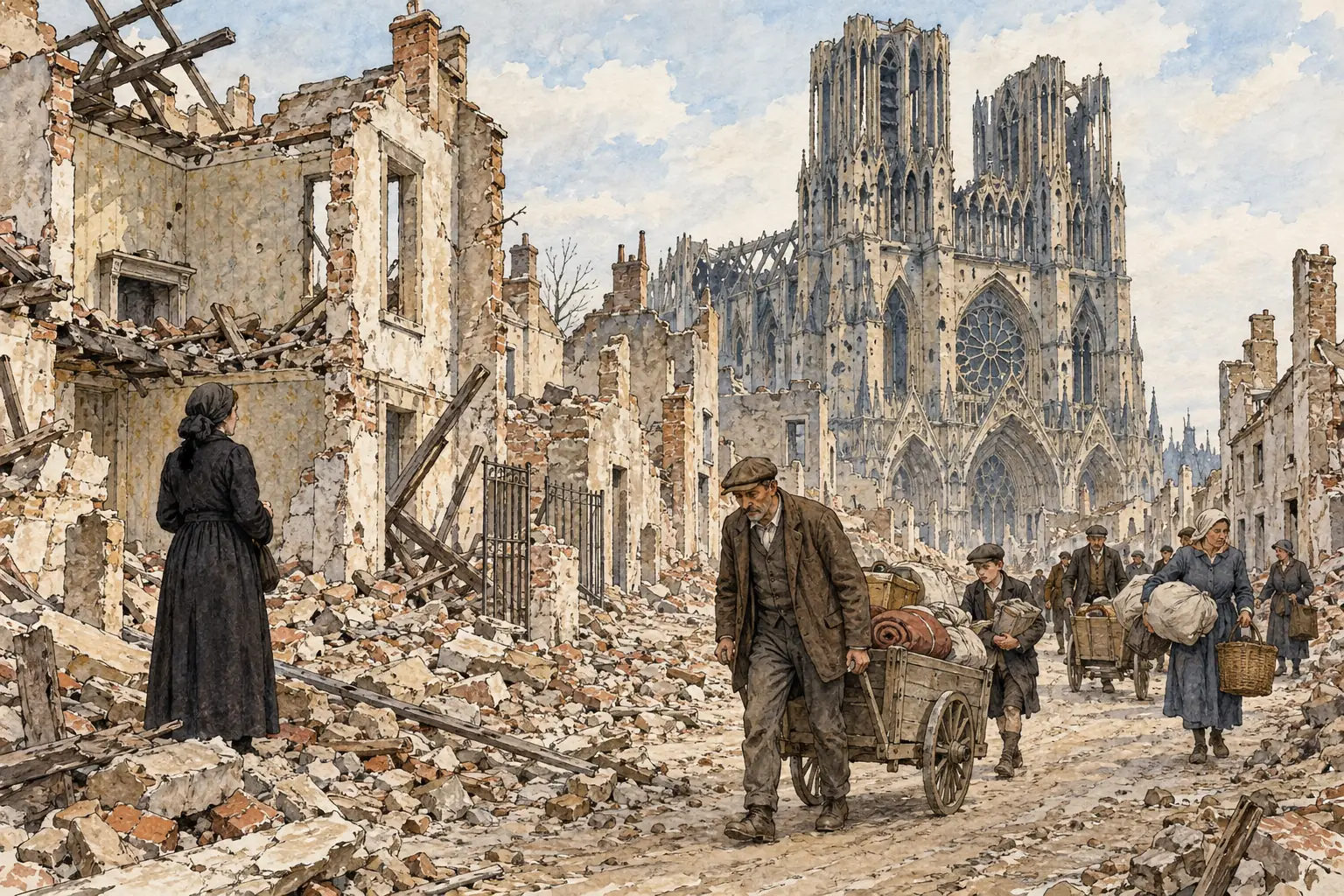
Georges Clemenceau, as French Prime Minister, approached the Paris Peace Conference with a strong emphasis on protecting France from future threats. Having witnessed Germany's invasions in 1870 and 1914, he prioritised measures that would diminish German power and ensure reparations for war damages.
Key elements of Clemenceau's approach
- Focus on security - Clemenceau demanded the demilitarisation of the Rhineland and the creation of buffer states to shield France from potential German aggression.
- Restitution and punishment - He insisted on substantial financial reparations to compensate for France's losses, alongside territorial concessions such as Alsace-Lorraine's return to France.
- Weakening Germany - Proposals included limiting Germany's military size, dismantling its air force, and imposing disarmament to prevent it from becoming a dominant power again.
Lloyd George's balancing act for Britain
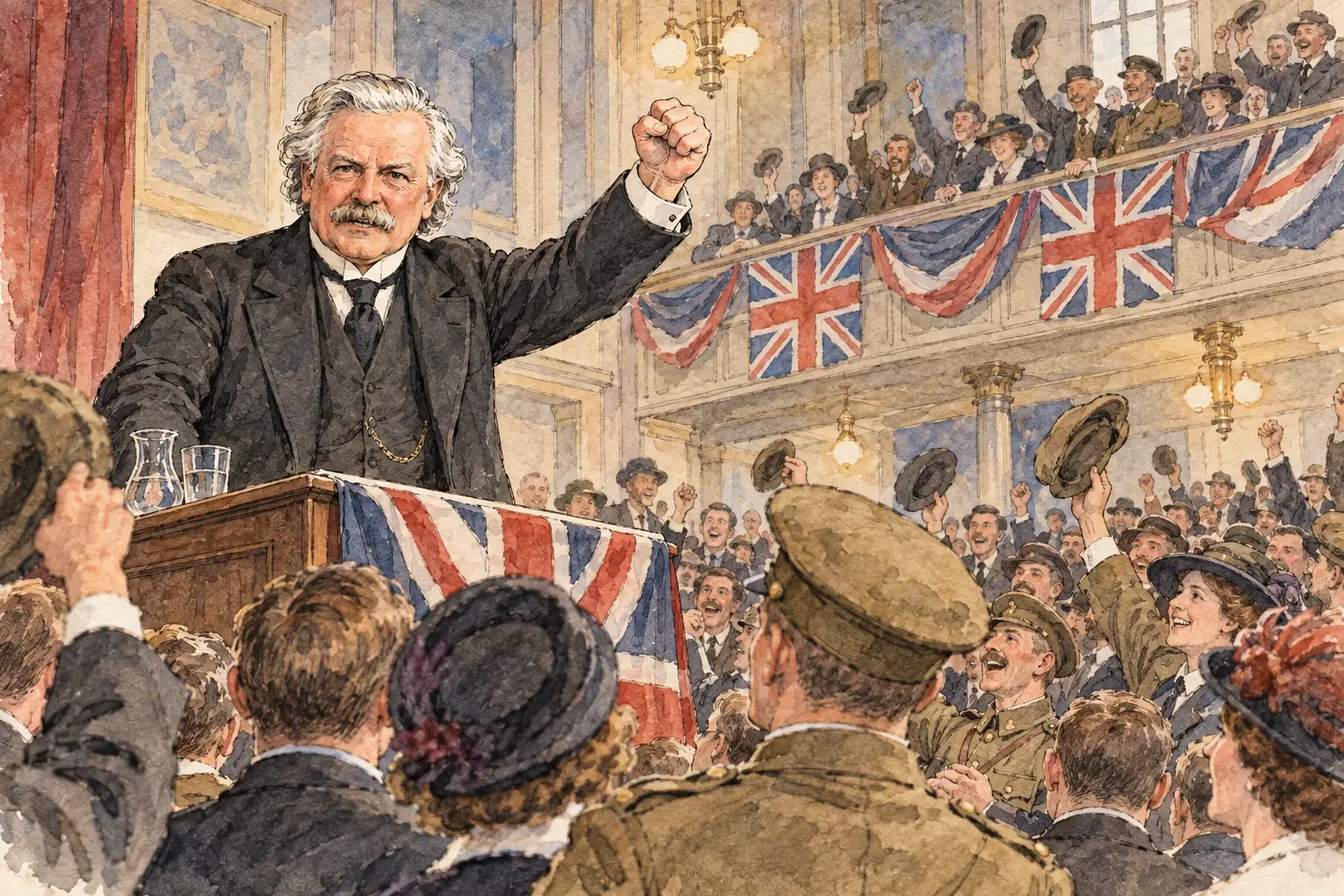
David Lloyd George, the British Prime Minister, navigated a complex position at the conference. He faced intense public pressure at home to impose severe penalties on Germany, yet he recognised the need for a stable Europe that supported British economic and strategic goals.
Aspects of Lloyd George's balancing act
- Public demands to 'make Germany pay' - Influenced by Britain's wartime propaganda and election promises in 1918, Lloyd George initially supported reparations and naval disarmament to satisfy voters who wanted Germany held accountable.
- Protection of British trade - He opposed overly harsh terms that might cripple Germany's economy, viewing it as a vital trading partner for British exports and imports.
- Maintaining balance of power - Lloyd George sought to prevent France from gaining excessive influence in Europe, advocating for a treaty that preserved equilibrium among nations.
- Limiting French dominance - Through documents like the Fontainebleau Memorandum, he pushed for moderation to avoid creating resentment that could lead to future conflicts.
Communism and Germany's role as a bulwark
A major factor in Lloyd George's strategy was the rising threat of communism, particularly after the Bolshevik Revolution in Russia. He believed that a weakened but functional Germany could serve as a stabilising force in Europe.
Role of Germany in countering communism
- Bulwark against spread - Lloyd George saw Germany as a necessary barrier to prevent communist ideology from expanding westward from Russia into central Europe.
- Economic stability - By allowing Germany to recover economically, he aimed to reduce the appeal of revolutionary movements among its population, fostering social order.
- Trading partner benefits - A prosperous Germany would provide markets for British goods, supporting employment and growth while indirectly countering communist unrest through improved living standards.
Influence of politics and war losses on Wilson
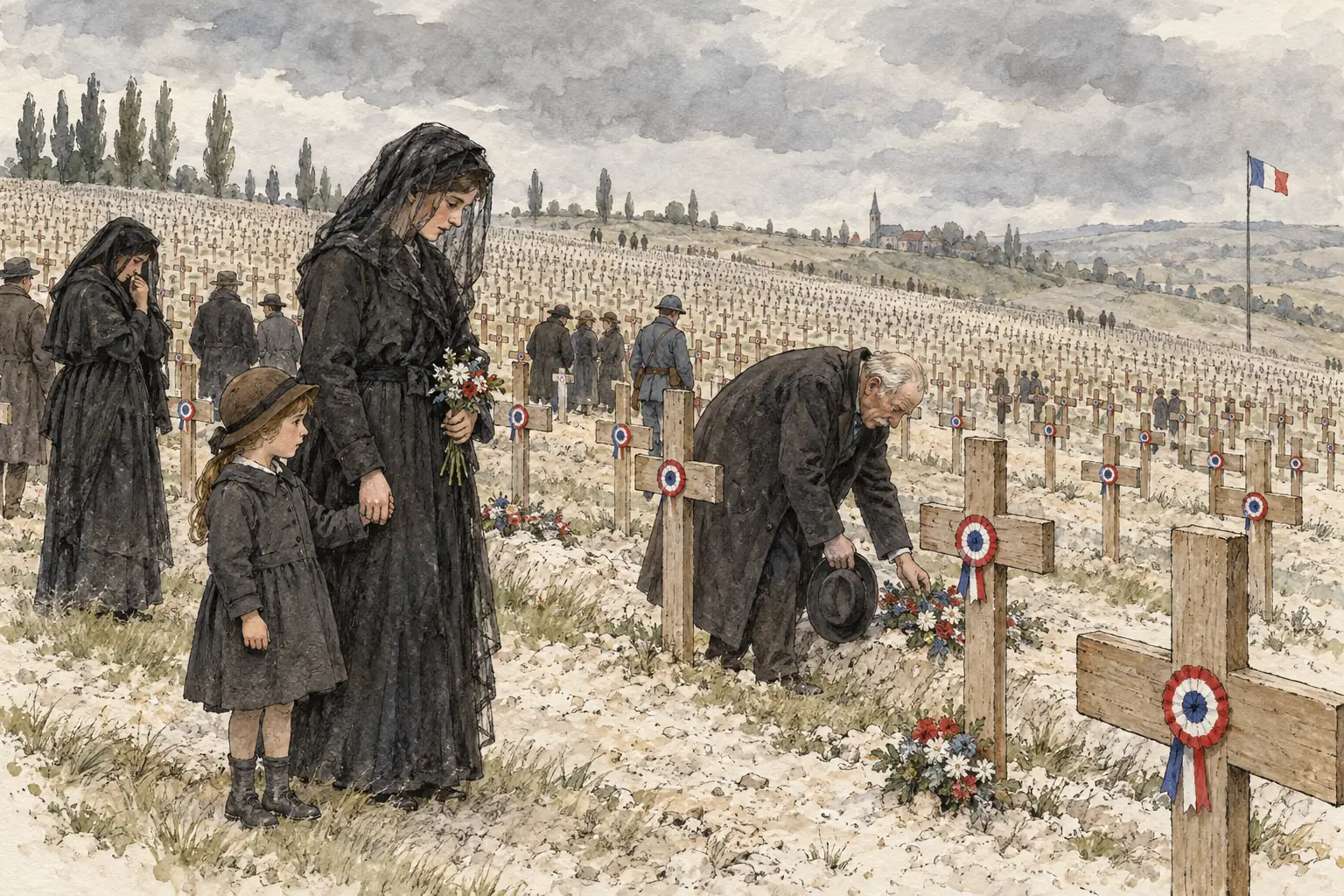
The positions of Clemenceau and Lloyd George were deeply shaped by their personal traits, national politics, and the heavy toll of the war. These factors influenced their interactions with U.S. President Woodrow Wilson, whose idealistic Fourteen Points often clashed with European pragmatism.
Factors shaping leaders' positions
- Personalities - Clemenceau's aggressive, vengeful style—earning him the nickname 'The Tiger'—contrasted with Lloyd George's pragmatic, adaptable negotiation tactics, while Wilson's principled idealism sometimes isolated him.
- Domestic politics - In France, public outrage over devastation pushed Clemenceau towards severity; in Britain, Lloyd George balanced anti-German sentiment from the 1918 election with concerns over unemployment and trade.
- War losses - France's massive casualties (over 1.3 million dead) and infrastructure damage fuelled demands for punishment, whereas Britain's naval focus and lower continental losses allowed Lloyd George more flexibility.
- Negotiations with Wilson - Clemenceau resisted Wilson's calls for leniency and self-determination, while Lloyd George mediated to incorporate elements like the League of Nations, resulting in compromises that partially satisfied all sides but left underlying tensions.