4.1 - Antibiotics: Fleming, Florey & Chain
Key facts and dates
The development of penicillin marked a major breakthrough in medicine during the 20th century, transforming the treatment of bacterial infections. Beginning with a chance observation, it evolved through scientific teamwork and wartime urgency into the first mass-produced antibiotic, though it later led to challenges like resistance.
Timeline of key events
- 1928 – Alexander Fleming observes penicillin's antibacterial effects in his laboratory.
- 1939 – Howard Florey and Ernst Chain begin research to purify penicillin for medical use.
- 1940 – Florey and Chain conduct successful tests on mice, demonstrating penicillin's potential.
- 1941 – First human trials of penicillin show effectiveness against infections.
- 1943 – Wartime investment from Britain and the USA enables large-scale production.
- 1945 – Dorothy Crowfoot Hodgkin uses X-ray crystallography to map penicillin's chemical structure.
- Post-1945 – Widespread use leads to improved survival rates but also emerging antibiotic resistance.
Alexander Fleming's discovery of penicillin
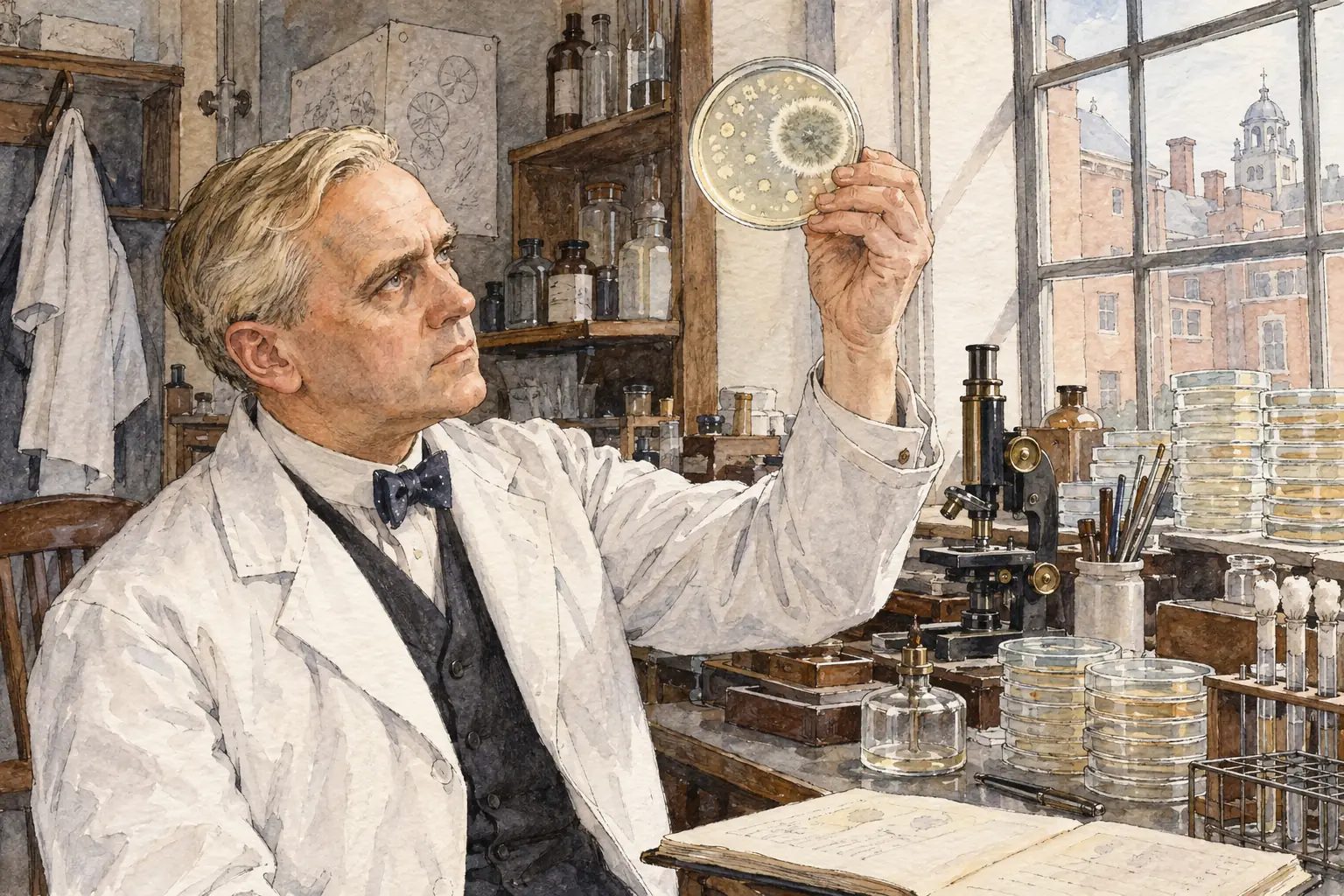
In the late 1920s, Scottish bacteriologist Alexander Fleming made a groundbreaking observation while working at St Mary's Hospital in London. His work laid the foundation for antibiotics, although he faced limitations in advancing it further.
Circumstances and impact of Fleming's observation
- Chance discovery in 1928 - Fleming noticed that a mould, later identified as Penicillium notatum, had contaminated a culture dish of Staphylococcus bacteria, creating a clear zone where the bacteria could not grow.
- Initial experiments - He conducted tests showing the mould produced a substance that killed various harmful bacteria without affecting human cells, naming it penicillin.
- Limitations encountered - Fleming struggled to stabilise the substance or produce it in large quantities, leading him to abandon further development after publishing his findings.
Florey and Chain's purification of penicillin
Image 1 of 2: From 1939 Florey and Chain led a team at Oxford that worked out how to extract and purify penicillin
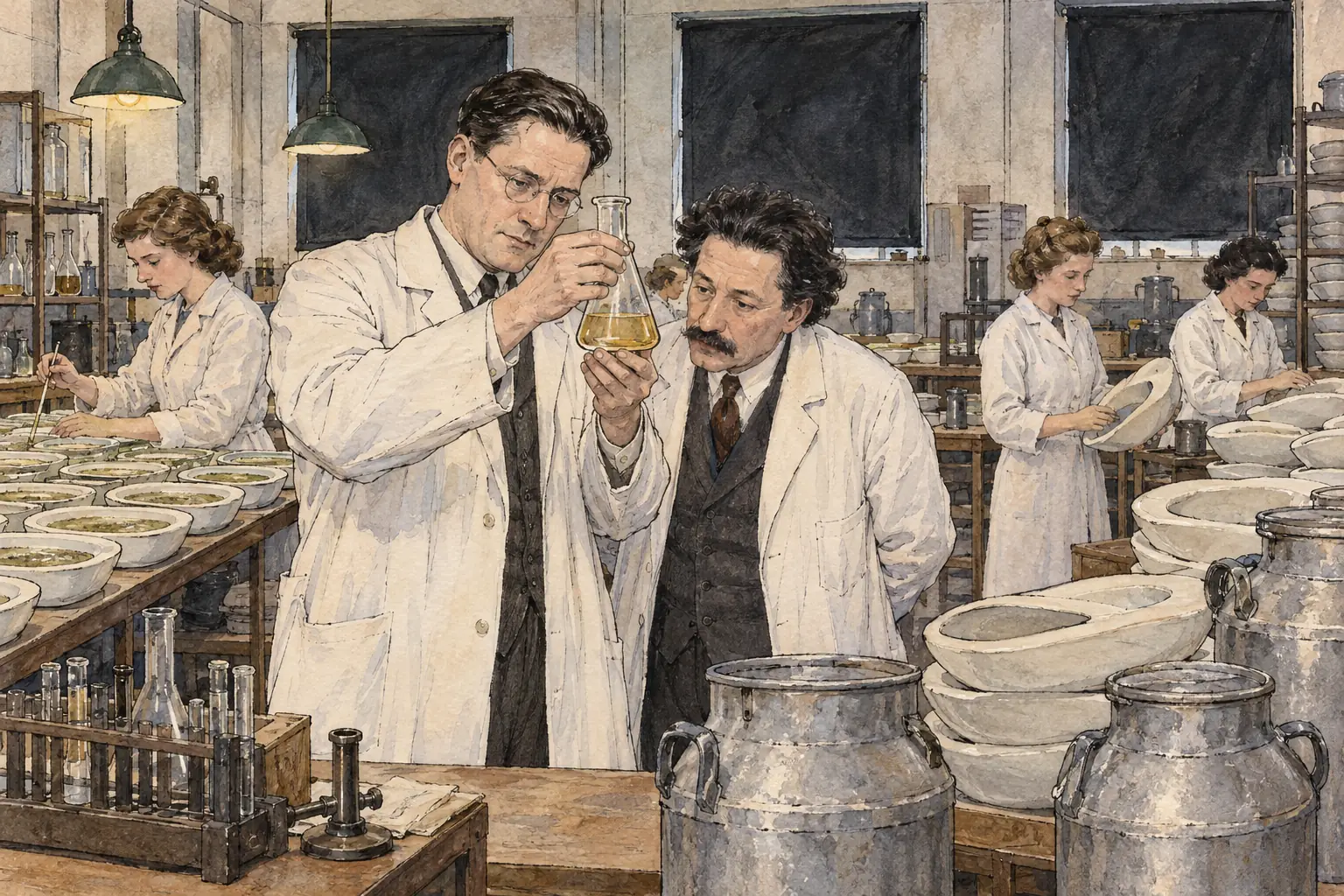
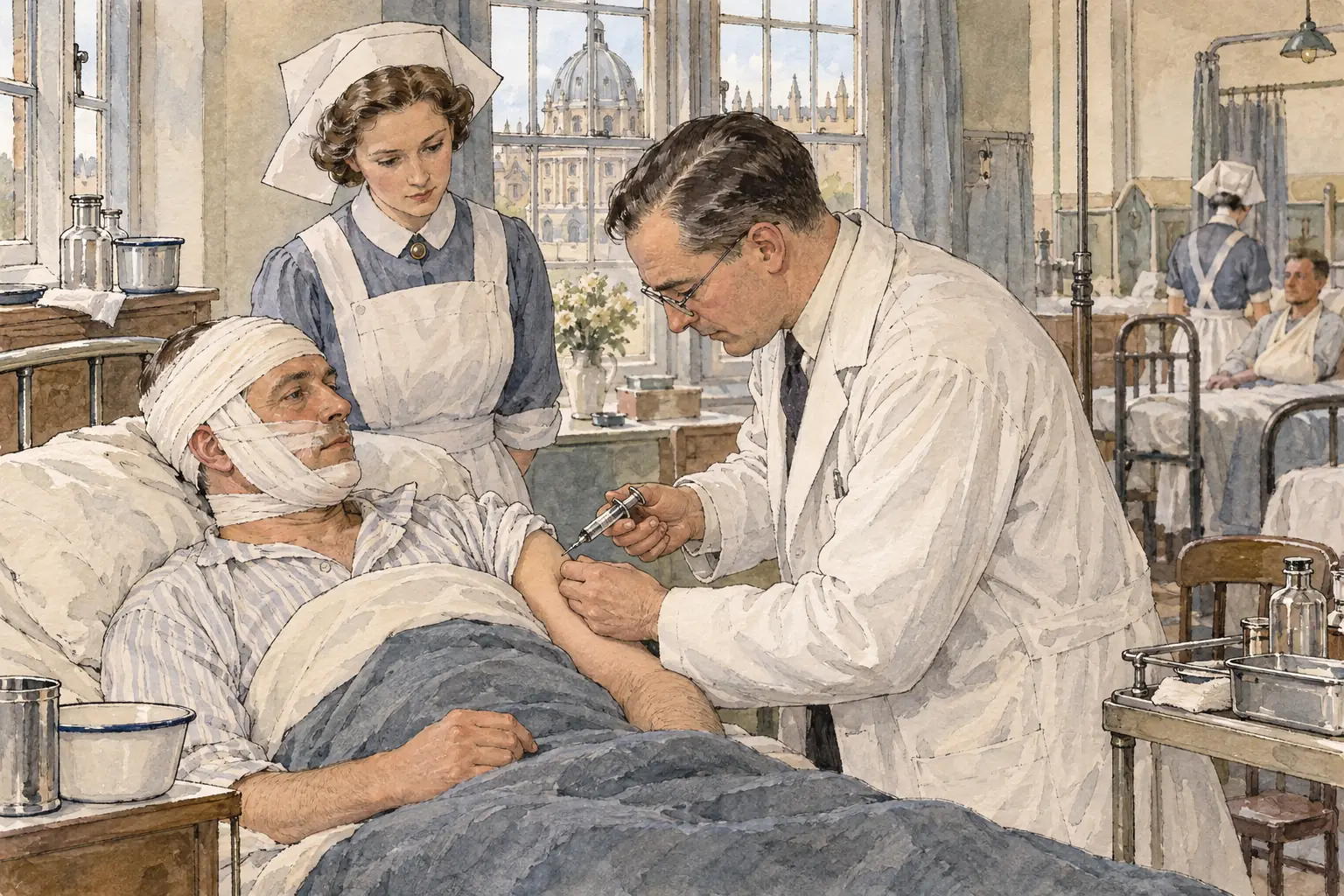
Building on Fleming's work, Howard Florey and Ernst Chain, researchers at Oxford University, took penicillin from a laboratory curiosity to a viable medical treatment. Their efforts in the late 1930s and early 1940s focused on extraction and clinical application.
Key steps in purification and early trials
- Research initiation in 1939 - Florey and Chain assembled a team to isolate and purify penicillin, developing methods to extract it in usable form from the mould.
- Animal testing in 1940 - They successfully treated infected mice, proving penicillin could combat bacterial infections without toxicity.
- Human trials in 1941 - The first patient, a policeman with a severe infection, showed dramatic improvement, though limited supplies meant treatment could not be sustained; subsequent trials confirmed its efficacy against conditions like septicaemia.
Hodgkin's mapping of penicillin's structure
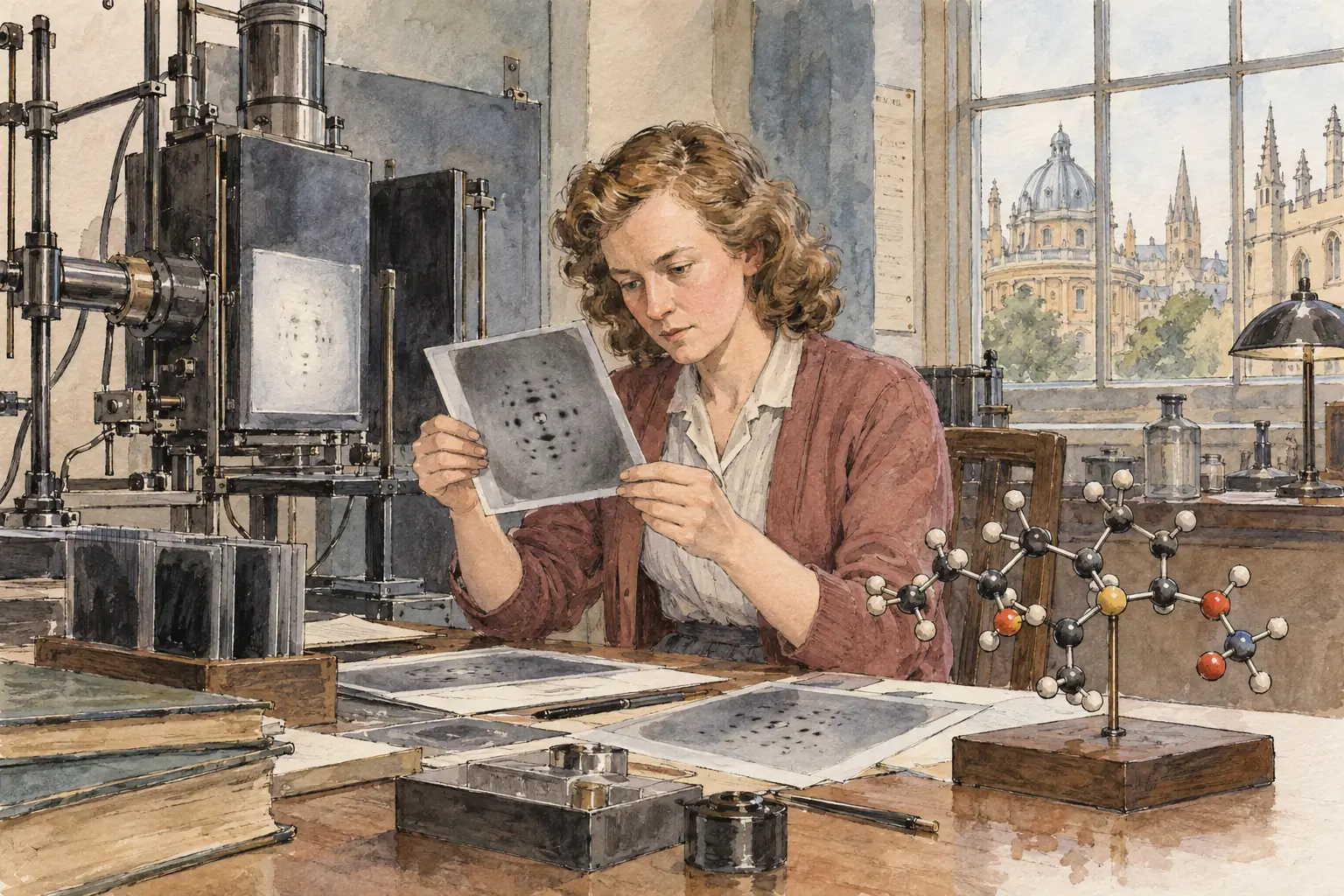
Dorothy Crowfoot Hodgkin, a British chemist, played a crucial role in understanding penicillin's molecular makeup. Her work in the mid-1940s used advanced techniques to reveal its structure, aiding further refinements.
Hodgkin's methods and their importance
- Use of X-ray crystallography - In 1945, Hodgkin applied this technique to create a three-dimensional model of penicillin's atoms, resolving debates about its chemical composition.
- Support for development - This structural knowledge enabled chemists to synthesise variations of penicillin, improving stability and expanding its applications in medicine.
Mass production of penicillin during wartime
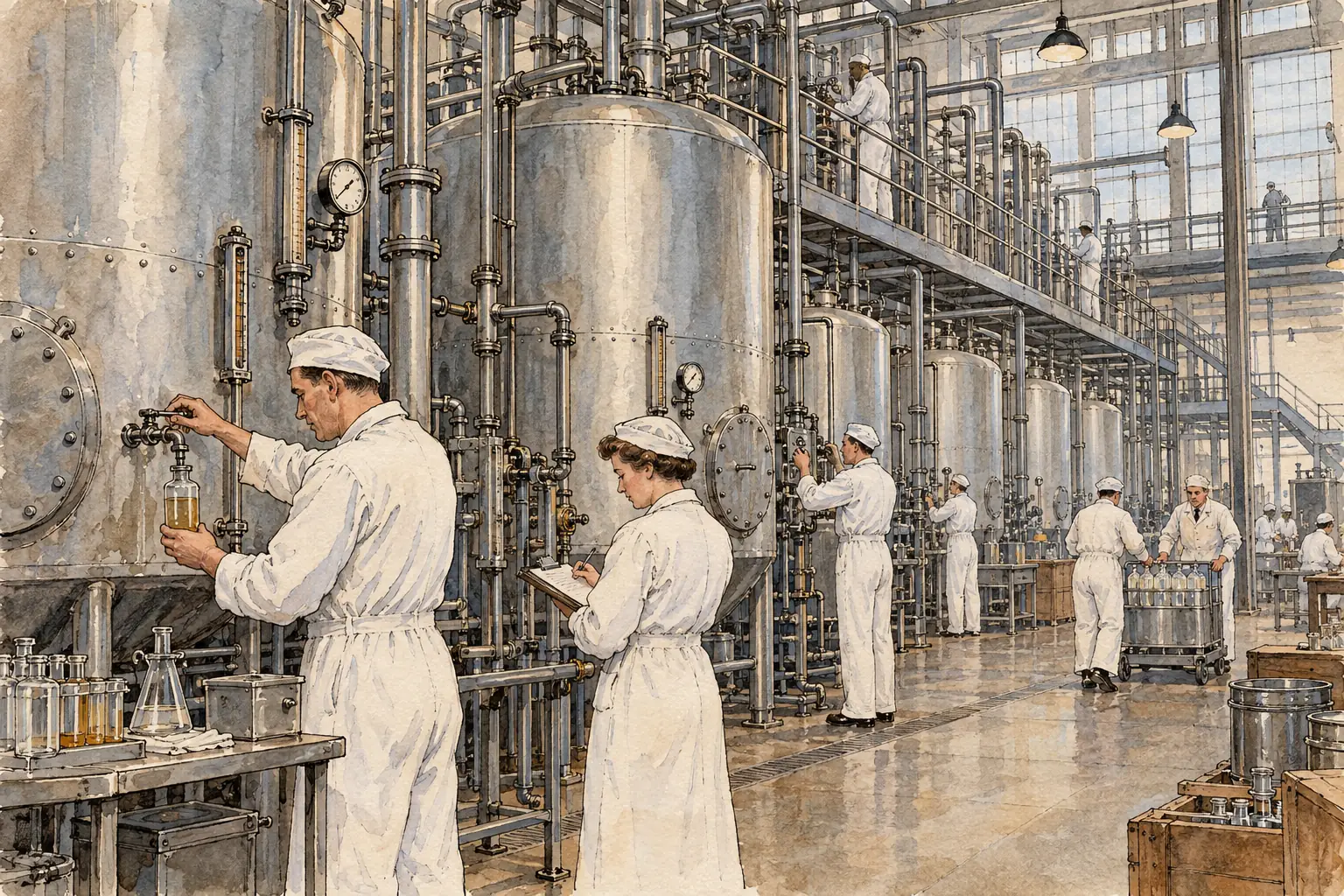
The demands of the Second World War accelerated penicillin's transition to industrial scale. Collaboration between scientists, governments, and companies turned it into a widely available drug.
Factors enabling large-scale manufacture
- Wartime urgency in 1943 - With soldiers suffering from infected wounds, Britain and the USA invested in production facilities, partnering with pharmaceutical firms like Pfizer.
- Technological innovations - Deep fermentation tanks were developed to grow the mould in bulk, increasing yields from small batches to thousands of doses.
- Global distribution - By the war's end, penicillin was produced in quantities sufficient for military and civilian use, saving countless lives from bacterial infections.
Significance and antibiotic resistance
The introduction of penicillin revolutionised healthcare, but its widespread use has created ongoing issues. It not only improved outcomes for patients but also spurred the growth of the pharmaceutical industry.
Impacts and long-term consequences
- Improved survival rates - Penicillin drastically reduced deaths from infections like pneumonia and wound sepsis, increasing life expectancy and enabling more complex surgeries.
- Rise of pharmaceutical manufacturing - It established the modern antibiotics industry, with companies investing in research and production, leading to a range of similar drugs.
- Emergence of antibiotic resistance - Overuse has allowed bacteria to evolve resistance, creating superbugs that are harder to treat and posing a significant public health threat today.