4.2 - War & Surgery: WWI, WWII & Their Impacts
Key facts and dates
The world wars acted as catalysts for medical progress, pushing innovations in surgery due to the scale of injuries and the demands of total war. These conflicts led to breakthroughs in diagnostics, treatments, and rehabilitation, often building on pre-war discoveries.
Timeline of key events
- 1895 – Wilhelm Röntgen discovers X-rays, revolutionising medical imaging.
- 1901 – Karl Landsteiner identifies blood groups, enabling safer transfusions.
- 1914–1918 (WWI) – Harold Gillies pioneers plastic surgery techniques for facial injuries; Hugh Owen Thomas develops orthopaedic splints.
- 1917 – Marie Curie establishes mobile X-ray units for battlefield use.
- 1939–1945 (WWII) – Archibald McIndoe advances reconstructive surgery through the Guinea Pig Club; Harold Ridley implants the first intraocular lens.
- 1940s – Creation of blood banks and improved transfusion methods save countless lives.
- Throughout both wars – William Rivers promotes psychological care for shell shock; women take on expanded roles in medicine.
X-rays and blood transfusions in the world wars
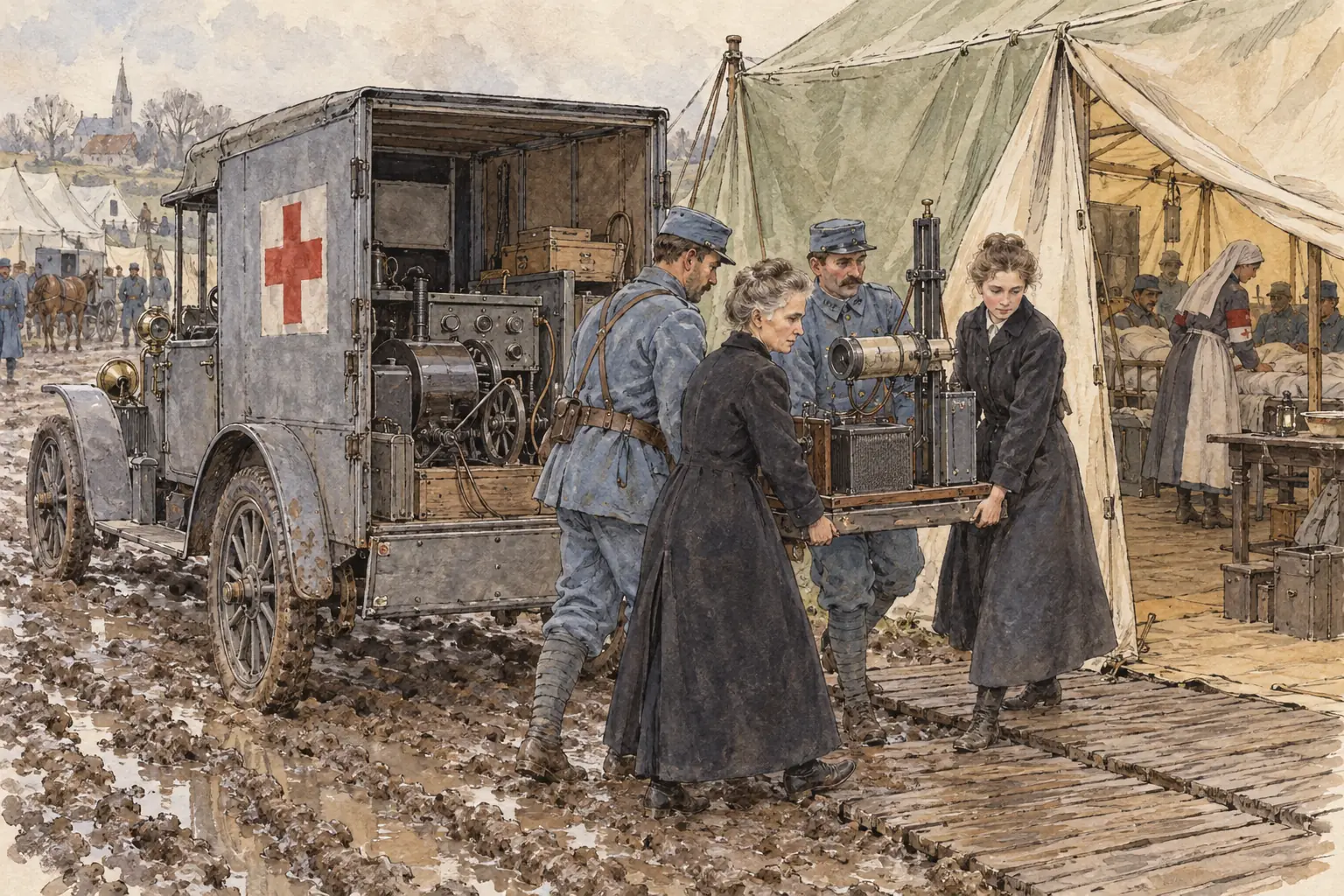
The demands of battlefield medicine during the First and Second World Wars accelerated the practical application of X-rays and blood transfusion techniques. These innovations allowed for quicker diagnosis and treatment of injuries, significantly reducing mortality rates among soldiers.
Key advances in X-ray technology
- Discovery and early use - Wilhelm Röntgen's 1895 discovery of X-rays enabled non-invasive imaging of bones and foreign objects, such as bullets or shrapnel, transforming surgical planning.
- Mobile units in WWI - Marie Curie developed portable X-ray machines mounted on vehicles, allowing on-site diagnostics at the front lines and improving the speed of treatment for wounded troops.
- Technological enhancements - Contributions from Thomas Edison and George Eastman led to fluoroscopy for real-time imaging and improved photographic film for clearer X-ray records, making the technology more reliable under wartime conditions.
Progress in blood transfusion and storage
- Blood group identification - Karl Landsteiner's work in 1901 on classifying blood types (A, B, AB, O) laid the foundation for safe transfusions by preventing fatal reactions from incompatible blood.
- Transfusion techniques in WWI - Methods were refined to include anticoagulants like sodium citrate, enabling direct transfusions from donor to patient and saving lives lost to haemorrhage.
- Blood banks in WWII - The establishment of organised blood storage facilities allowed for large-scale collection and preservation, ensuring supplies were available for mass casualties and elective surgeries.
Advances in plastic and reconstructive surgery
Image 1 of 2: In the First World War Harold Gillies rebuilt soldiers' faces using skin grafts
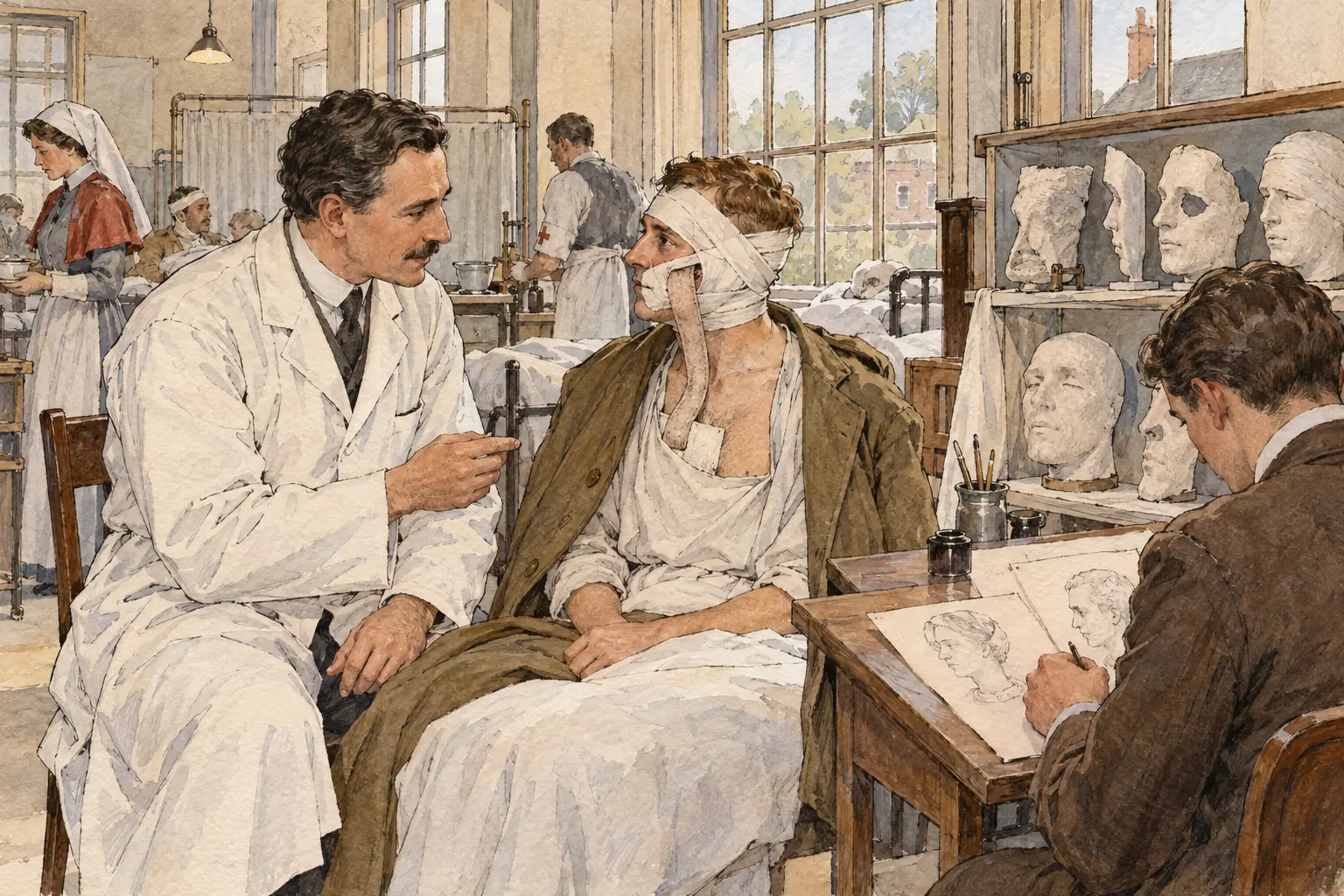
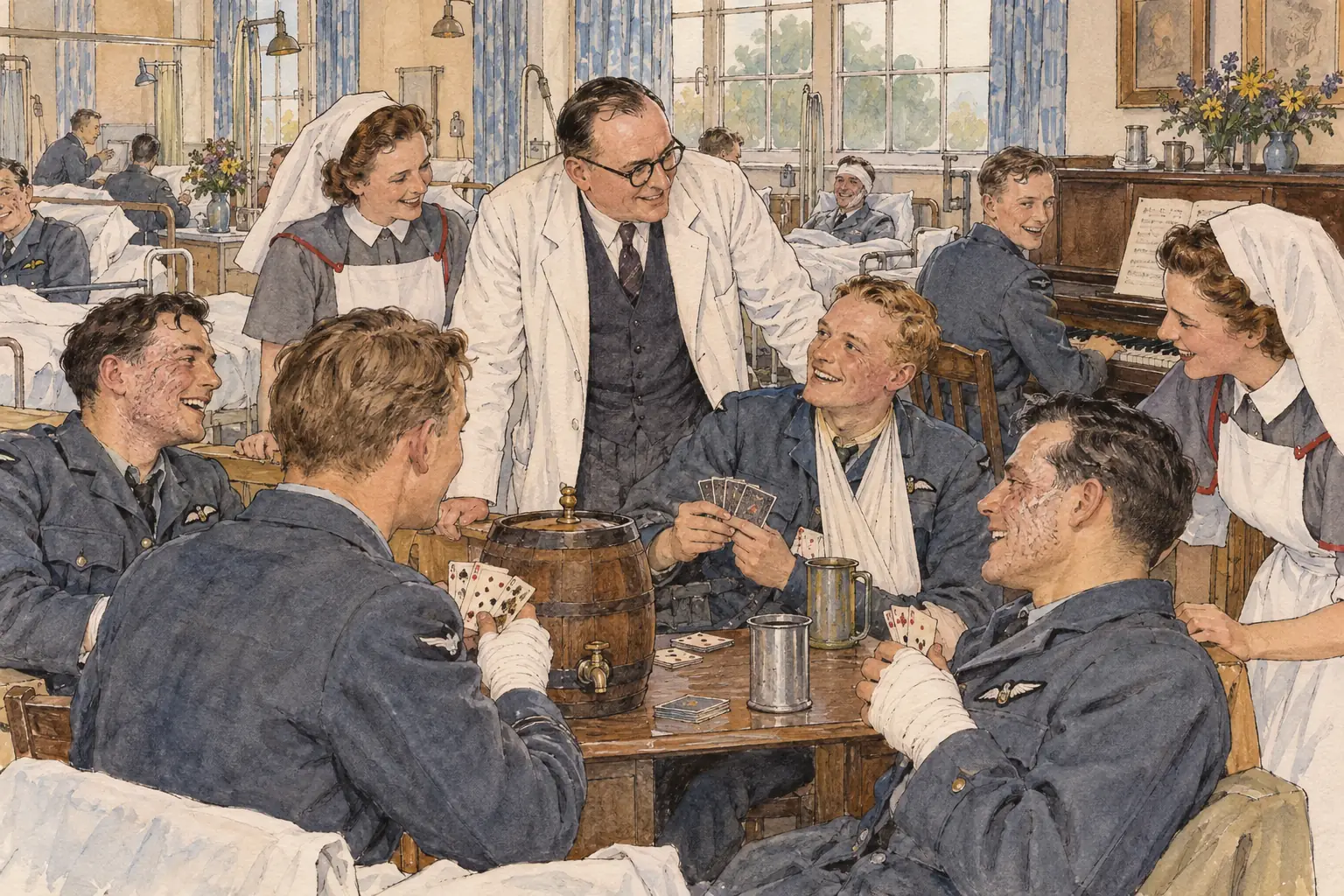
Severe facial and burn injuries from trench warfare and aerial bombings drove rapid developments in plastic surgery. Surgeons innovated techniques to restore function and appearance, improving long-term outcomes for disfigured soldiers.
Pioneering work in WWI
- Harold Gillies' contributions - As a leading surgeon, Gillies established specialised units for facial reconstruction, using skin grafts and pedicle flaps to repair extensive wounds from bullets and explosions.
- Focus on rehabilitation - Techniques emphasised not just physical repair but also psychological recovery, helping soldiers reintegrate into society despite visible scars.
Innovations in WWII
- Archibald McIndoe's methods - McIndoe advanced burn treatment for airmen, developing saline baths and skin grafting to minimise scarring and infection.
- The Guinea Pig Club - Formed by McIndoe's patients, this support group fostered camaraderie and mental resilience, highlighting the importance of community in recovery from severe injuries.
Orthopaedics, anaesthesia and infection control
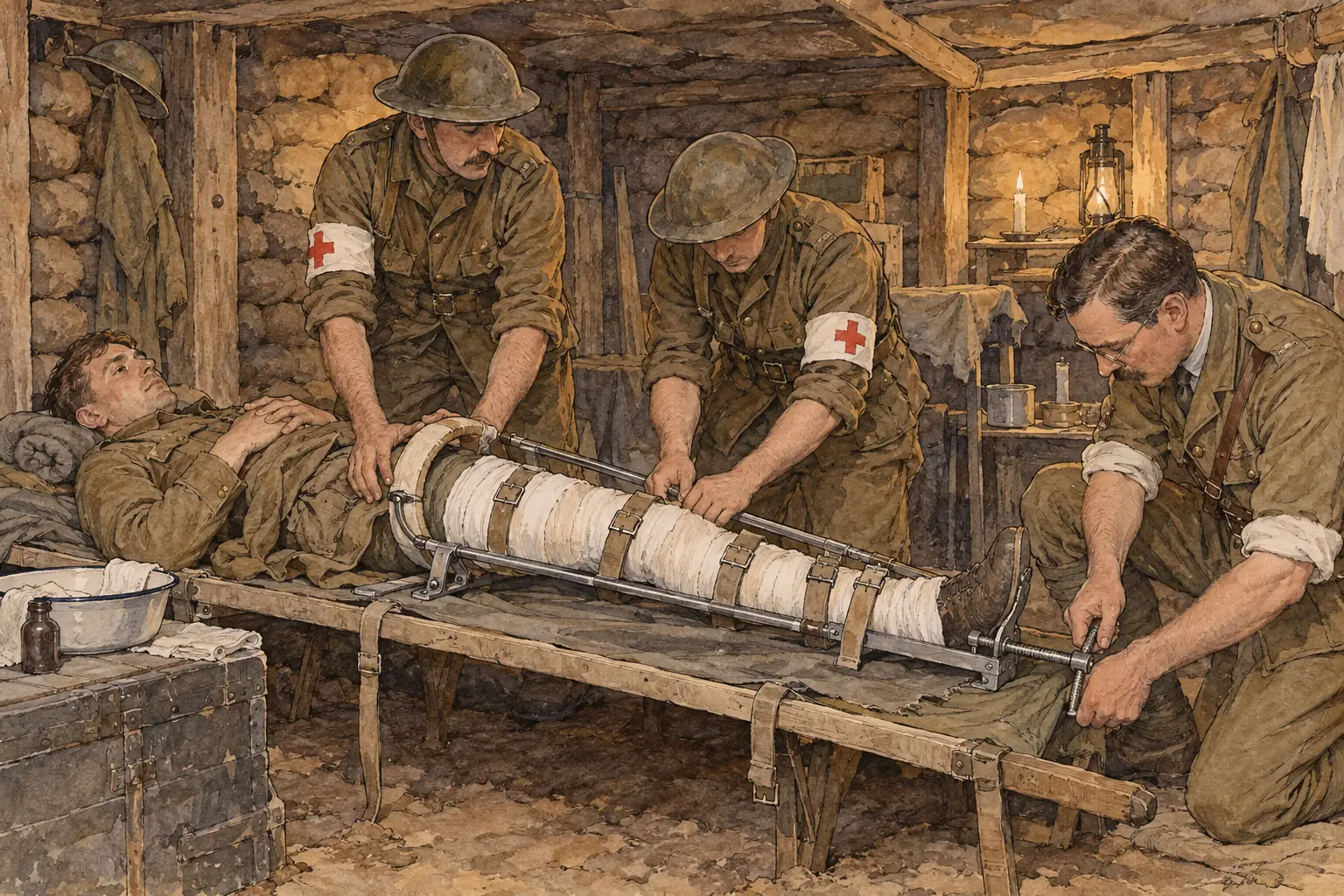
The high incidence of limb injuries and amputations in both wars spurred improvements in bone surgery, pain management, and hygiene. These changes reduced complications and enhanced post-operative care.
Orthopaedic developments
- Hugh Owen Thomas' splints - In WWI, Thomas introduced rigid splints to immobilise fractures, preventing further damage during transport and promoting better healing.
- Wartime adaptations - These tools were refined for mass use, allowing surgeons to stabilise multiple casualties quickly and lower infection risks from open wounds.
Advances in anaesthesia and infection control
- Improved anaesthesia - Techniques evolved to include safer inhalants and local anaesthetics, enabling longer and more complex operations without excessive patient distress.
- Infection prevention - Better antiseptics and sterile procedures, building on pre-war knowledge, cut down on gangrene and sepsis, with penicillin's introduction in WWII marking a major leap in controlling bacterial infections.
Psychological care and mental health
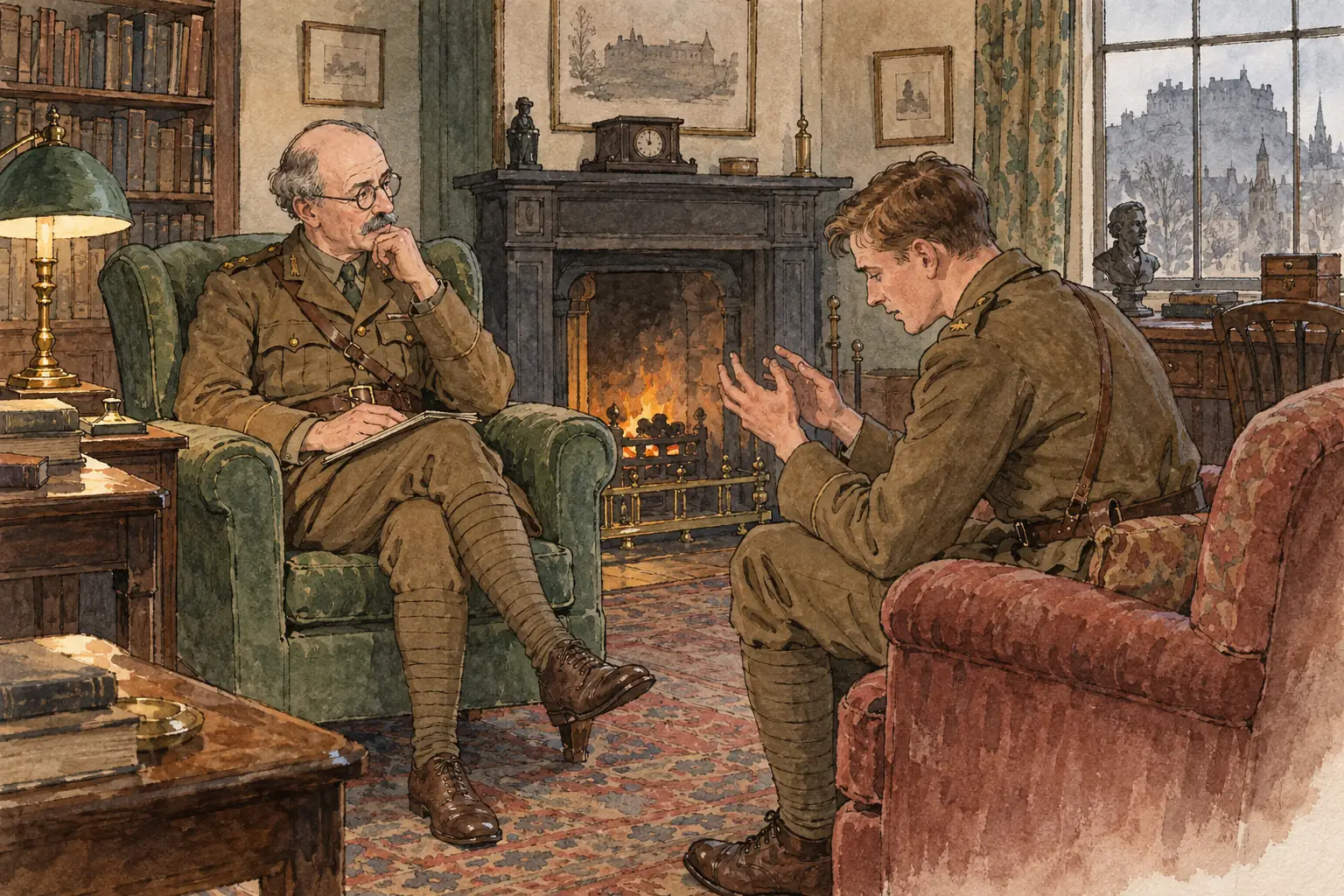
The psychological toll of war, including shell shock, received increasing recognition. This shift marked a growing emphasis on mental health alongside physical treatment, influencing modern psychiatry.
Key figures and approaches
- William Rivers' work - During WWI, Rivers treated soldiers with psychotherapy, focusing on talking therapies to address trauma rather than dismissing it as cowardice.
- Broader mental health focus - Both wars highlighted the need for rehabilitation programmes, integrating counselling with physical therapy to support veterans' return to civilian life.
Women in medicine and technological improvements
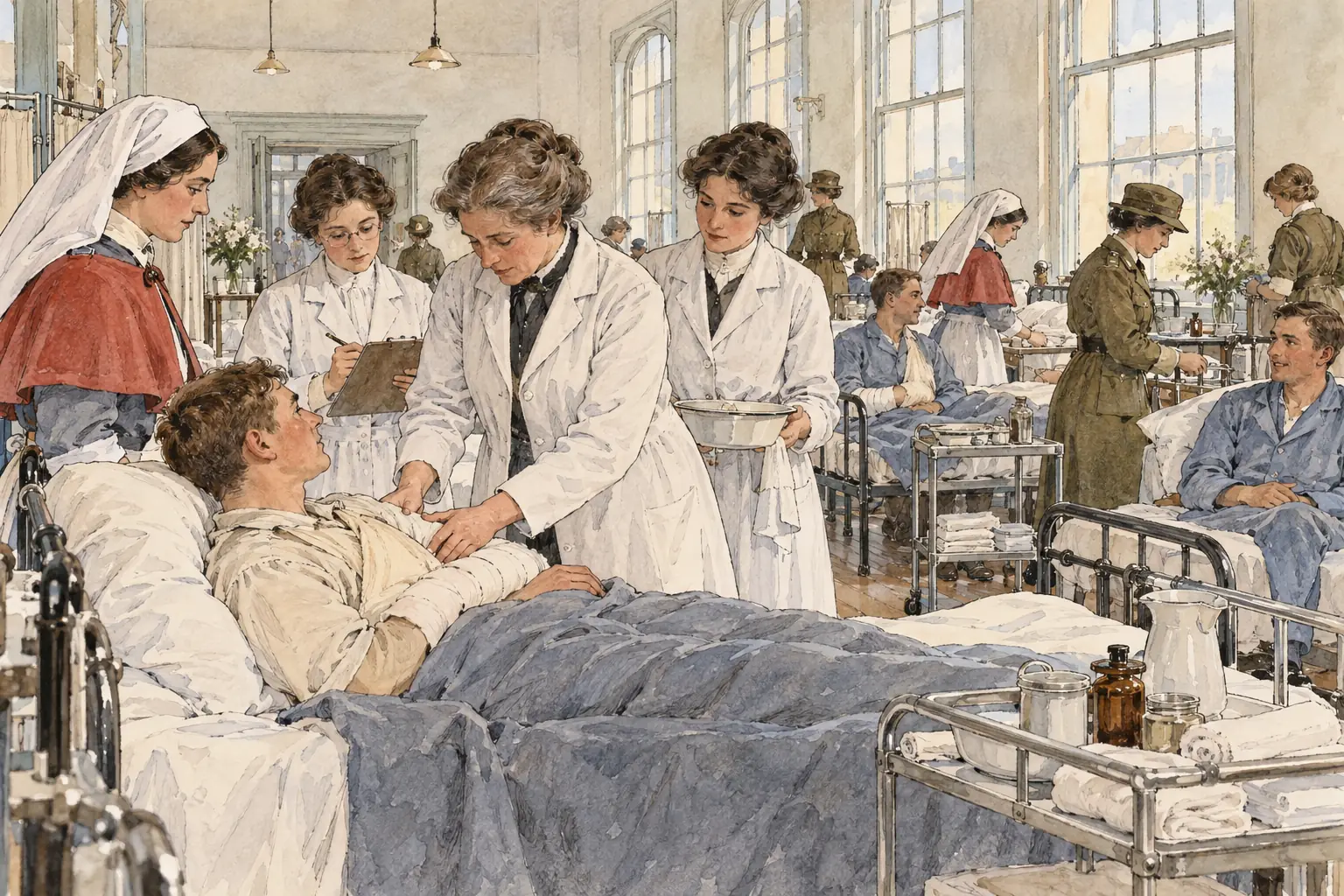
Women took on greater responsibilities in medical fields during the wars, while other inventions addressed specific injury types. These changes reflected broader societal shifts and technological ingenuity.
Women's contributions to wartime medicine
- Expanded roles for doctors and nurses - With men at the front, women filled positions in hospitals and field units, performing surgeries, managing wards, and advancing nursing practices, which helped normalise their presence in medicine post-war.
- Impact on gender dynamics - This involvement challenged traditional barriers, leading to greater opportunities for women in healthcare after the conflicts.
Additional technological breakthroughs
- Harold Ridley's intraocular lens - In WWII, Ridley pioneered artificial lens implants for cataract patients, often pilots injured by cockpit explosions, restoring vision and operational capability.
- Rehabilitation emphasis - Overall, the wars promoted integrated care, combining surgery with prosthetics and therapy to aid long-term recovery from diverse injuries.