2.2 - Pilgrimage of Grace: Causes, Crown Response & Impact
Key facts and dates
The Pilgrimage of Grace was a major uprising in northern England from 1536 to 1537, driven by religious, economic, and political grievances against Henry VIII's policies. Although initially successful in mobilising support, the rebellion was ultimately suppressed, strengthening royal control. The following timeline outlines the key events in its development and resolution.
Timeline of key events
- October 1536 – Outbreak of rebellion in Lincolnshire, spreading to Yorkshire and other northern areas.
- Late October 1536 – Robert Aske emerges as leader, organising pilgrims under religious banners.
- December 1536 – Pontefract Articles presented, demanding policy reversals; Duke of Norfolk negotiates on behalf of the Crown.
- January 1537 – Renewed unrest after perceived betrayal of promises, leading to further outbreaks.
- February 1537 – Royal forces crush the rebellion, executing leaders including Aske.
- 1537 onwards – Consolidation of royal authority through harsh reprisals and administrative reforms.
Causes of the Pilgrimage of Grace
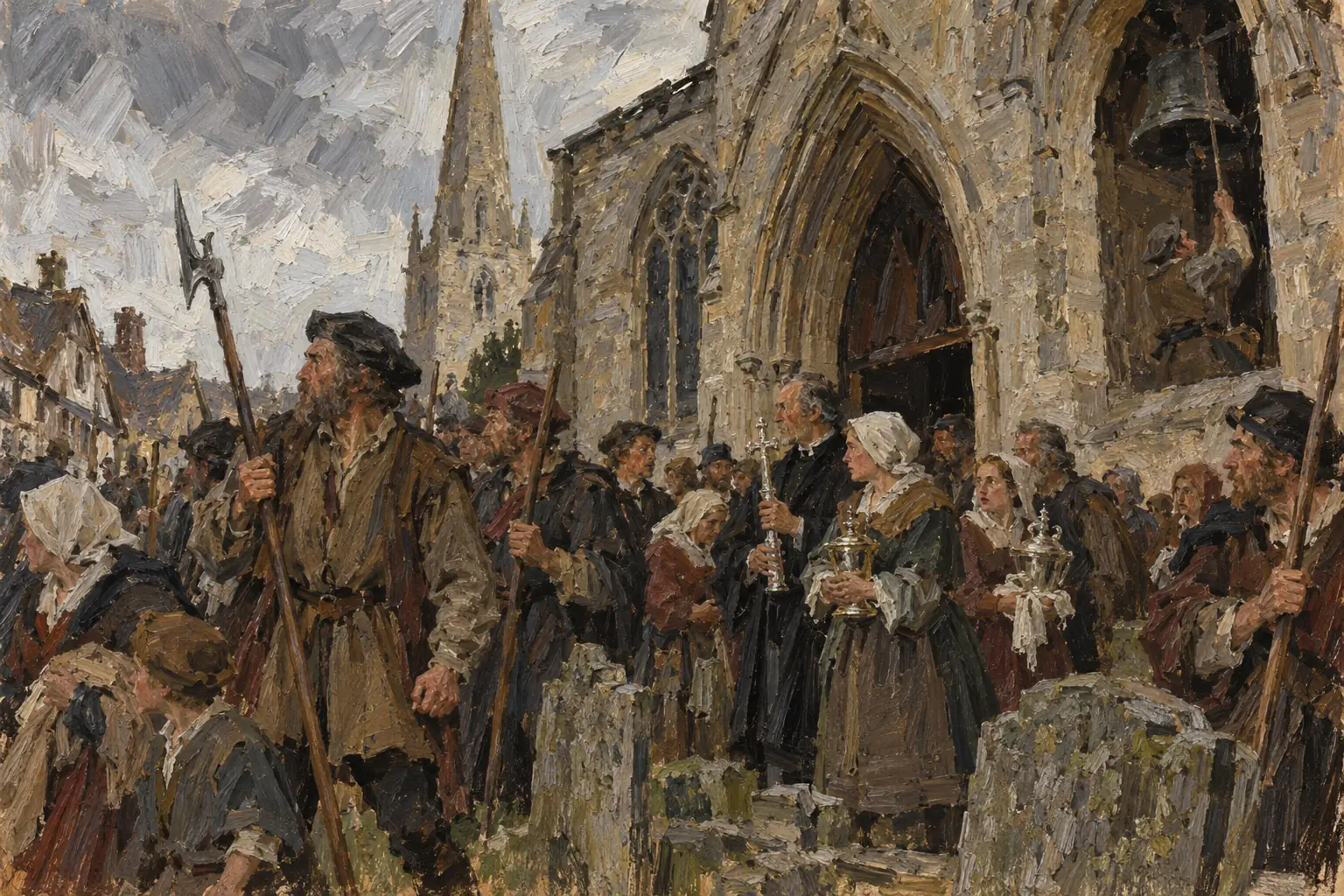
The Pilgrimage of Grace began as a series of uprisings in northern England in 1536, triggered by widespread discontent with Henry VIII's religious reforms and government policies. These revolts united diverse groups, including peasants, gentry, and clergy, in opposition to changes that threatened traditional ways of life.
Key factors behind the uprising
- Religious conservatism - Many northerners opposed the dissolution of monasteries, viewing it as an attack on Catholic practices and the spiritual role of religious houses in providing charity, education, and hospitality.
- Defence of monasteries' social roles - Monasteries served vital community functions, such as aiding the poor and offering employment; their closure created economic hardship and resentment towards the Crown's seizure of church lands.
- Economic grievances - Heavy taxation, including subsidies and rumours of new levies on items like livestock, burdened ordinary people amid poor harvests and inflation, exacerbating poverty in the north.
- Governance issues - There was anger over perceived corruption and interference from southern officials, including Thomas Cromwell's role in enforcing reforms, which highlighted tensions between central government and local traditions.
- Role of religion and economics as intertwined factors - The rebellion blended spiritual defence with material concerns, as the loss of monastic support worsened economic woes, while government policies were seen as eroding regional autonomy.
Robert Aske's leadership and the rebels' demands
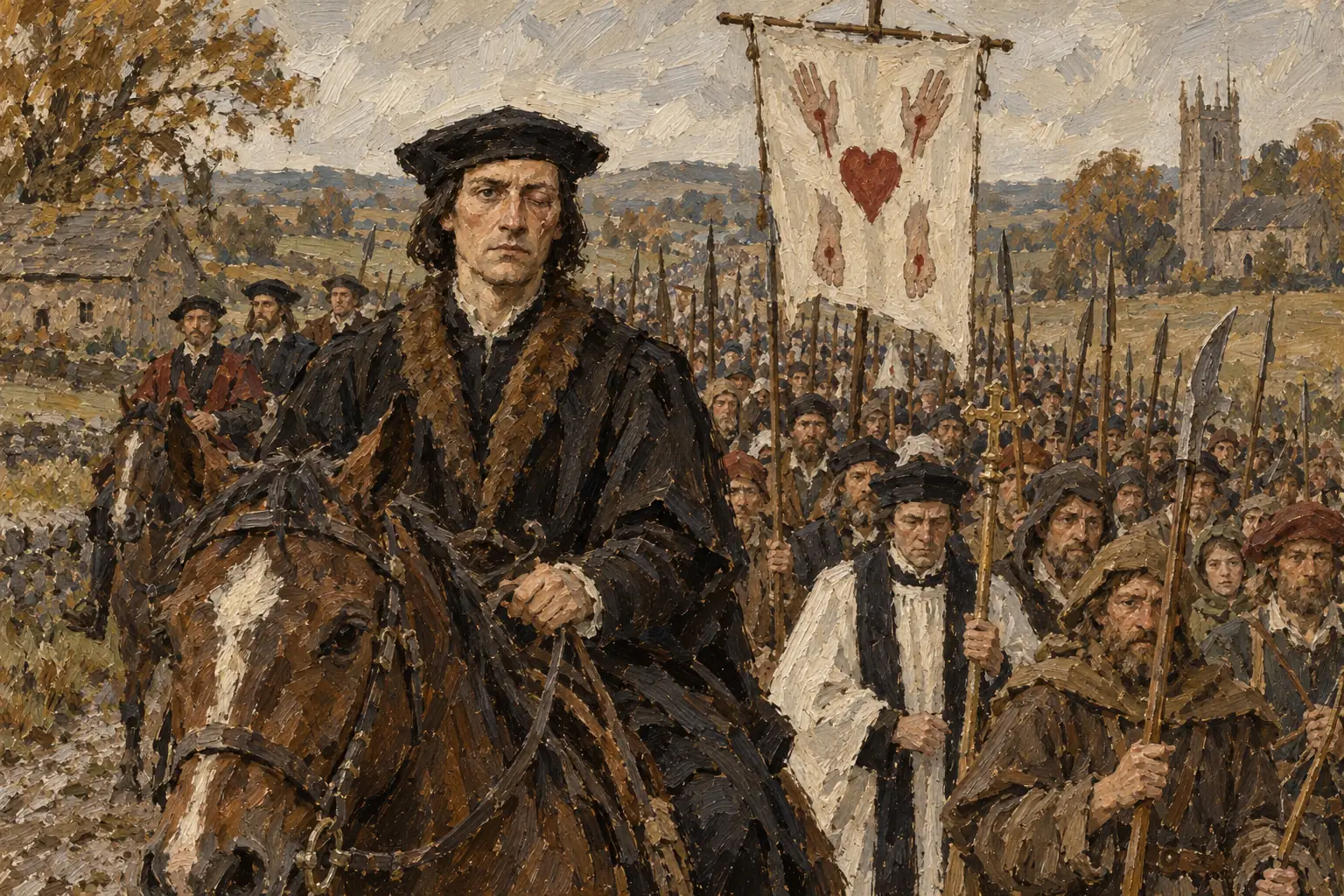
Robert Aske, a lawyer from Yorkshire, became the central figure in organising the Pilgrimage of Grace, framing it as a peaceful religious protest rather than a violent revolt. His leadership helped unify the rebels and articulate their goals through formal petitions.
Aske's role in the rebellion
- Emergence as leader - Aske mobilised thousands of 'pilgrims' under banners depicting religious symbols, emphasising the uprising's defence of faith and presenting it as a loyal petition to the king rather than treason.
- Organisation and strategy - He coordinated marches, captured key sites like Pontefract Castle, and maintained discipline among diverse supporters, drawing on his legal background to negotiate effectively.
The rebels' demands
- Religious restoration - Calls to halt the dissolution of monasteries, restore papal authority, and reverse heretical policies associated with the Reformation.
- Economic relief - Demands to abolish burdensome taxes and protect traditional land rights against enclosure and Crown seizures.
- Governmental changes - Requests to remove unpopular ministers like Thomas Cromwell (the Tudor statesman, not to be confused with Oliver Cromwell, the 17th-century military leader who rose to prominence during the English Civil War) and to limit southern influence in northern affairs.
- Role of the individual - Aske's personal charisma and vision transformed scattered grievances into a coherent movement, highlighting how key figures could amplify broader religious and economic discontent.
The Crown's response to the rebellion
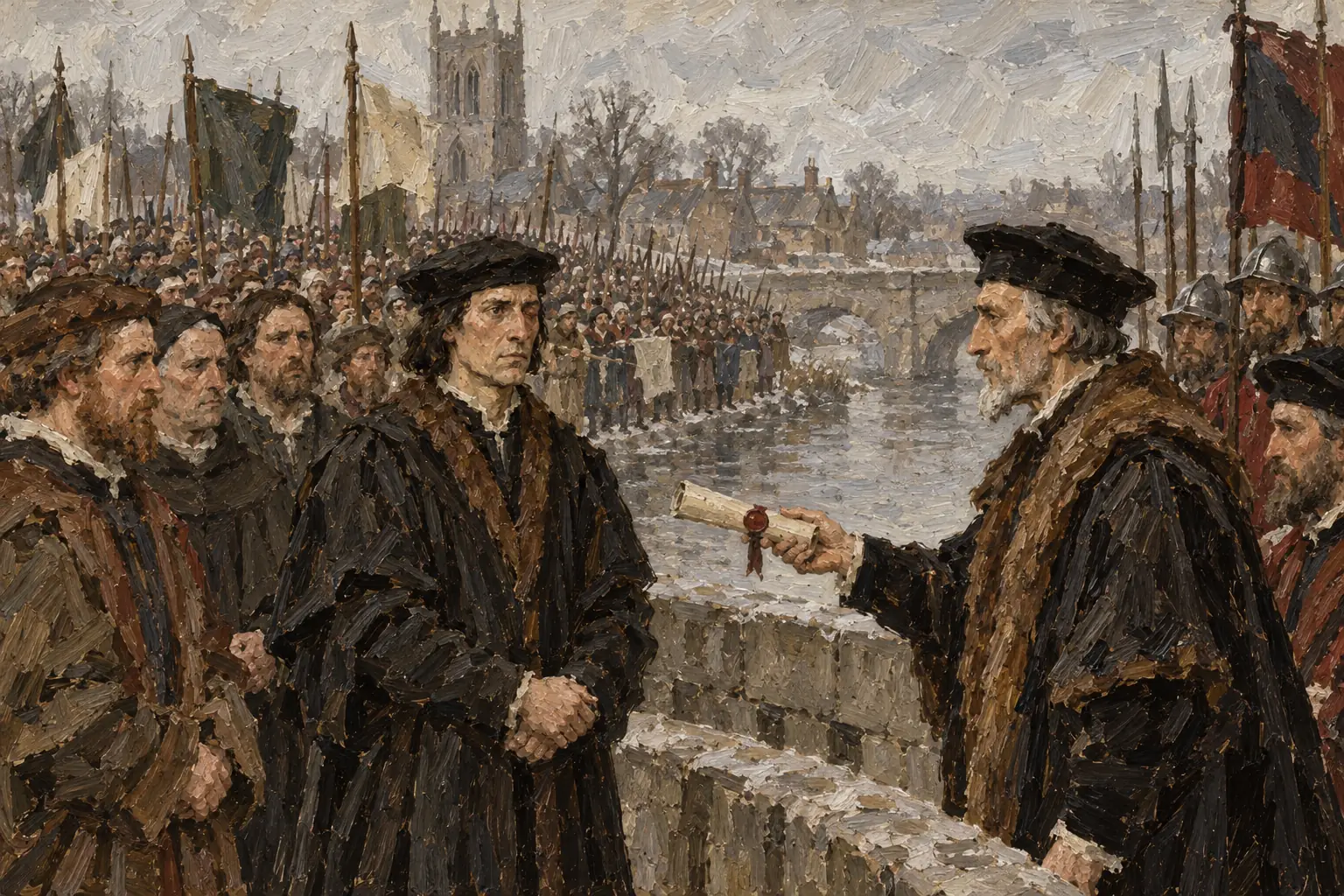
Image 1 of 2: In December 1536 the Duke of Norfolk met the rebel leaders at Doncaster and offered a general pardon, and the pilgrims went home
Henry VIII and his government initially adopted a cautious approach to the Pilgrimage of Grace, given the rebels' numbers and organisation, but ultimately shifted to decisive repression. This response involved a mix of diplomacy and force, orchestrated by figures like the Duke of Norfolk.
Stages of the Crown's handling
- Negotiation and promises - In December 1536, the Duke of Norfolk met rebels at Doncaster, offering a general pardon and assurances that their grievances would be addressed in parliament, aiming to disband the uprising without immediate conflict.
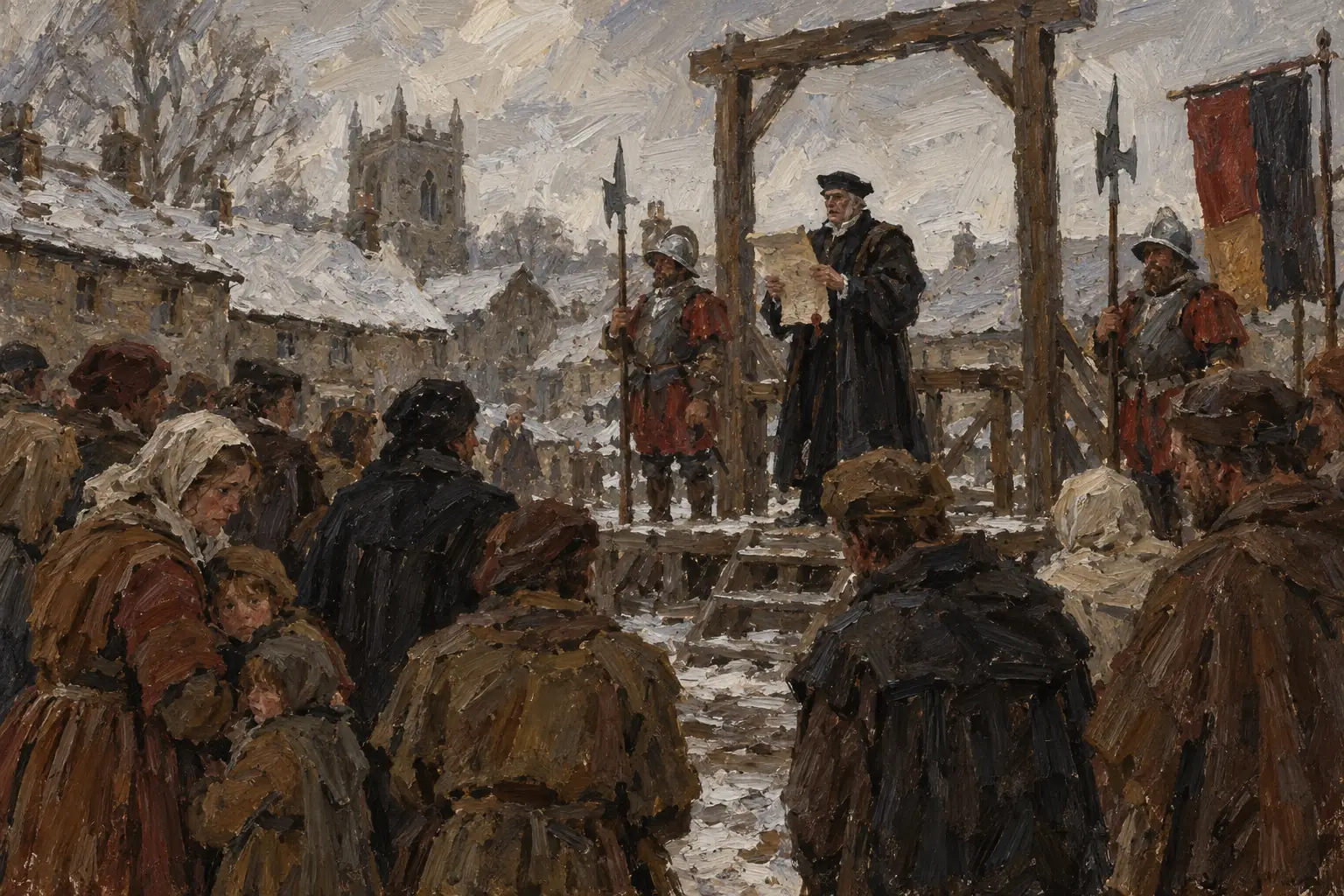
- Eventual repression - After renewed outbreaks in early 1537, triggered by unfulfilled promises, royal forces launched a military campaign, arresting and executing leaders under martial law.
- Role of government strategy - Henry VIII exploited divisions among rebels, using propaganda to portray them as traitors, while Thomas Cromwell coordinated administrative measures to prevent future unrest.
Impact and consequences of the uprising
The suppression of the Pilgrimage of Grace had far-reaching effects on Tudor England, reinforcing royal power while exposing vulnerabilities in governance. It marked a turning point in Henry VIII's reign, accelerating religious and administrative changes.
Short-term and long-term effects
- Strengthening of royal authority - The rebellion's failure allowed Henry to extend central control over the north through new councils and fortifications, diminishing local autonomy.
- Centre-local relations - It heightened tensions between London and the regions, leading to stricter enforcement of policies and the appointment of loyal officials to oversee northern affairs.
- Religious and economic outcomes - The dissolution of monasteries continued unabated, redistributing wealth to the Crown and nobility, while economic grievances persisted, contributing to ongoing social unrest.
- Legacy of repression - Over 200 executions, including Aske's, served as a deterrent, but the event underscored the limits of royal power in the face of widespread opposition driven by religious and economic factors.