2.3 - Causes of the English Civil War
Key facts and dates
The causes of the English Civil War stemmed from deepening divisions over religion, finance, and power between King Charles I and Parliament from 1625 to 1642. These tensions, exacerbated by wars and rebellions, led to a breakdown in relations and the outbreak of conflict. The following timeline outlines the major events that contributed to this crisis.
Timeline of key events
- 1625 – Charles I becomes king, beginning a reign marked by religious and financial disputes.
- 1629 – Start of the Personal Rule, when Charles dissolves Parliament and governs without it.
- 1633 – Appointment of William Laud as Archbishop of Canterbury, introducing controversial reforms.
- 1637 – Imposition of the new Prayer Book in Scotland sparks riots and resistance.
- 1639–1640 – Bishops' Wars with Scotland force Charles to recall Parliament for funds.
- 1640 – Short Parliament dissolved after refusing subsidies; Long Parliament convenes later.
- 1641 – Irish Rebellion erupts, heightening fears of Catholic threats in England.
- 1642 – Charles attempts to arrest five MPs, escalating divisions and leading to war.
Religious divisions and Laudian reforms
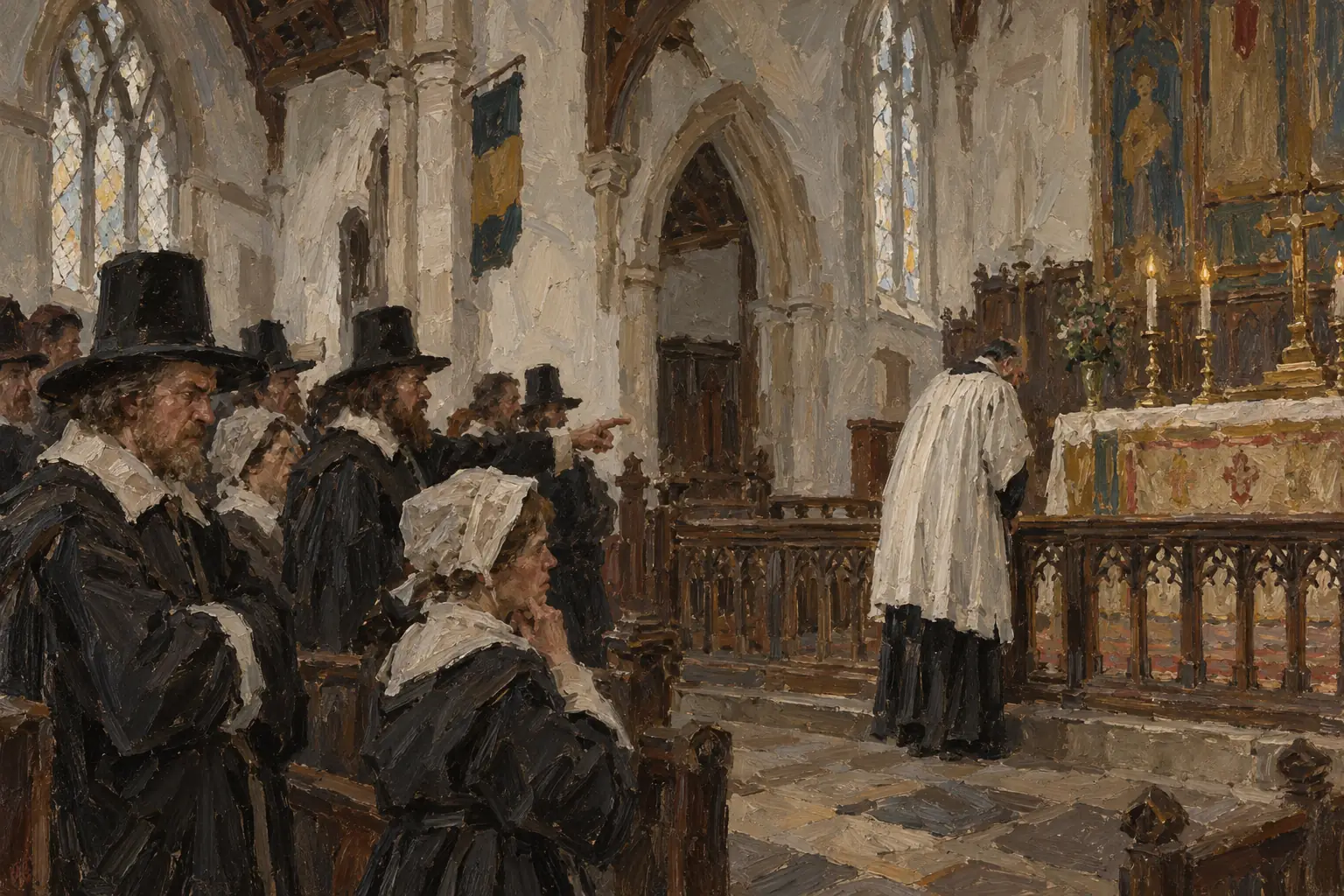
Religious disagreements played a central role in the lead-up to the English Civil War, as Charles I's policies alienated many Protestants who feared a return to Catholic practices. These fears were heightened by reforms introduced by key figures, creating widespread suspicion and division.
Key elements of religious tensions
- Laudian reforms - William Laud, appointed Archbishop of Canterbury in 1633, enforced changes to church practices, such as decorating altars with rails and promoting elaborate ceremonies, which many Puritans viewed as "popish" or too similar to Catholicism.
- Fears of 'popery' - Charles's marriage to a Catholic queen and his tolerance of Catholic influences at court fuelled paranoia among Protestants, who believed the king was undermining the Protestant Reformation and risking a Catholic resurgence.
- Impact on society - These divisions split families and regions; for instance, Puritan strongholds in East Anglia opposed the reforms, while more traditional areas like the north supported them, influencing how communities aligned in the coming conflict.
Financial and constitutional tensions
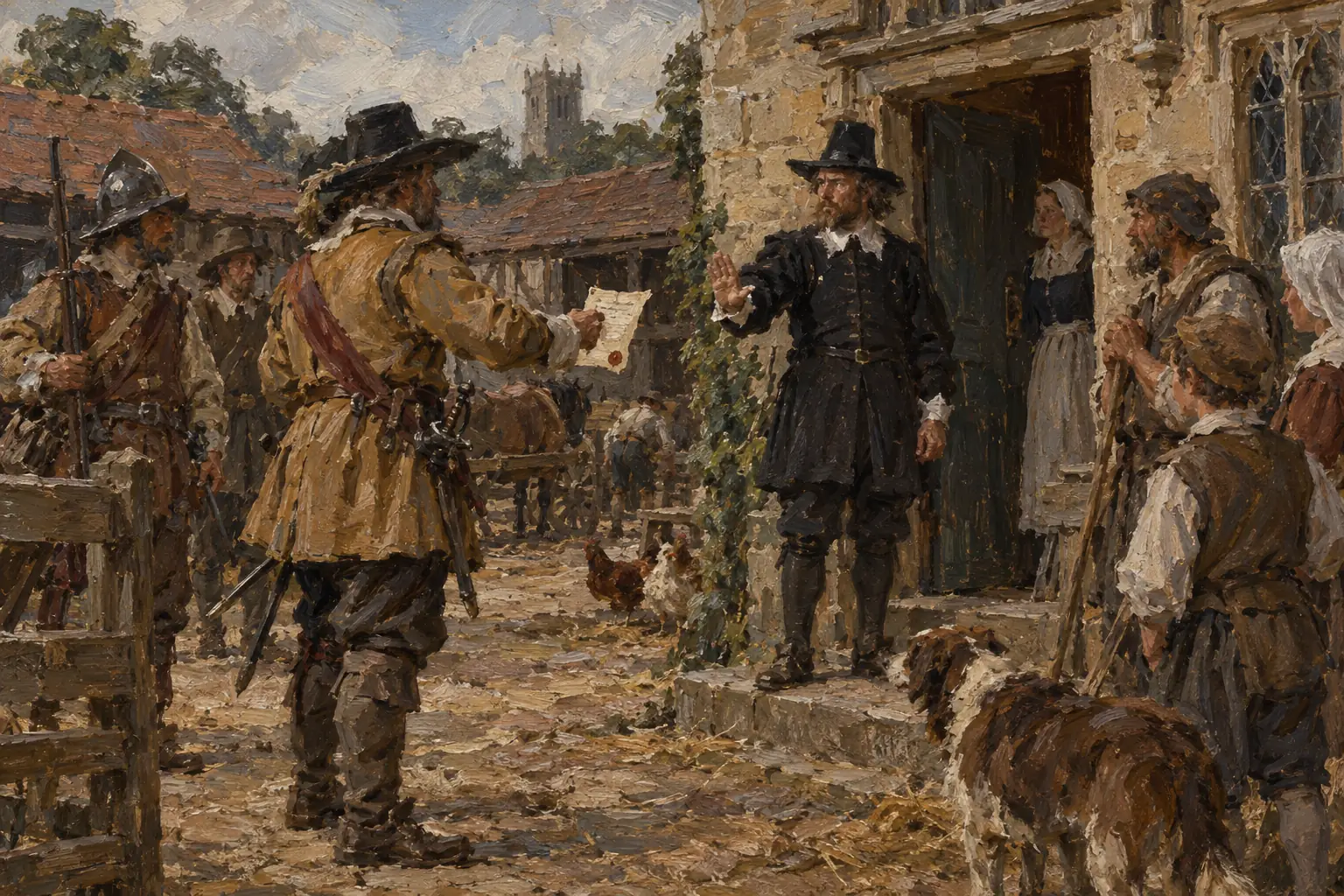
Charles I's efforts to raise money without parliamentary approval created deep resentment, clashing with traditional ideas about the king's powers and Parliament's role. This period highlighted growing constitutional conflicts over governance and authority.
Financial measures and their consequences
- Ship money - Introduced in 1634 as a tax to fund the navy, it was extended inland beyond coastal areas, seen as an illegal imposition without parliamentary consent, leading to legal challenges like John Hampden's refusal in 1637.
- Fiscal expedients - During the Personal Rule from 1629 to 1640, Charles used methods like forced loans and selling monopolies to generate revenue, bypassing Parliament and provoking accusations of tyranny.
- Roles of Strafford and Laud - Thomas Wentworth, Earl of Strafford, enforced strict policies in Ireland and advised Charles on absolutist rule, while Laud's religious controls intertwined with financial demands, alienating MPs and nobles who valued parliamentary traditions.
Constitutional implications
- These actions eroded trust, as they challenged the idea that the king should rule with parliamentary advice, fostering opposition among those who championed Magna Carta principles and the rule of law.
The Bishops' Wars and Scottish conflicts
Image 1 of 2: In July 1637 the first reading from the new Prayer Book in St Giles' Cathedral, Edinburgh, set off a riot
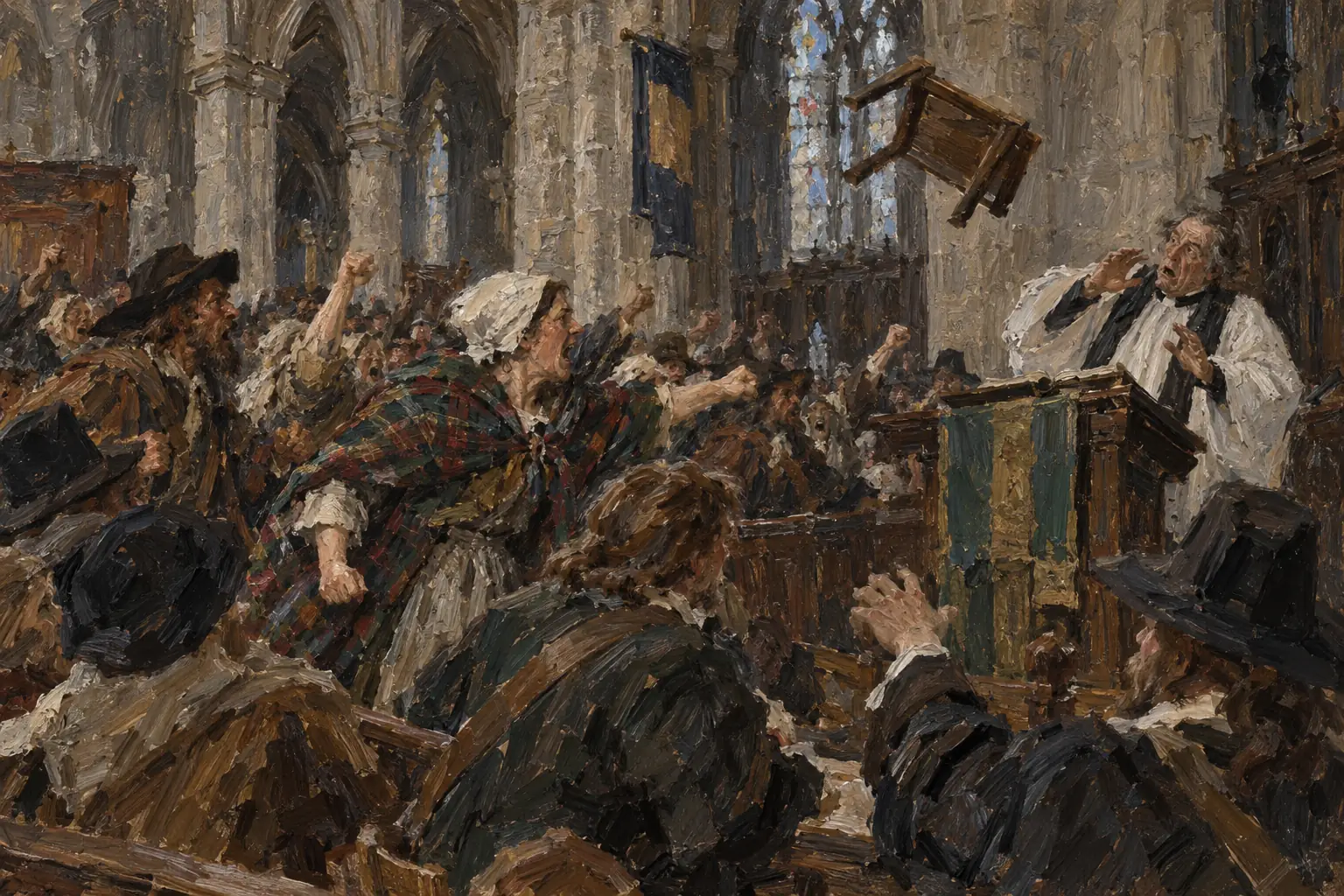
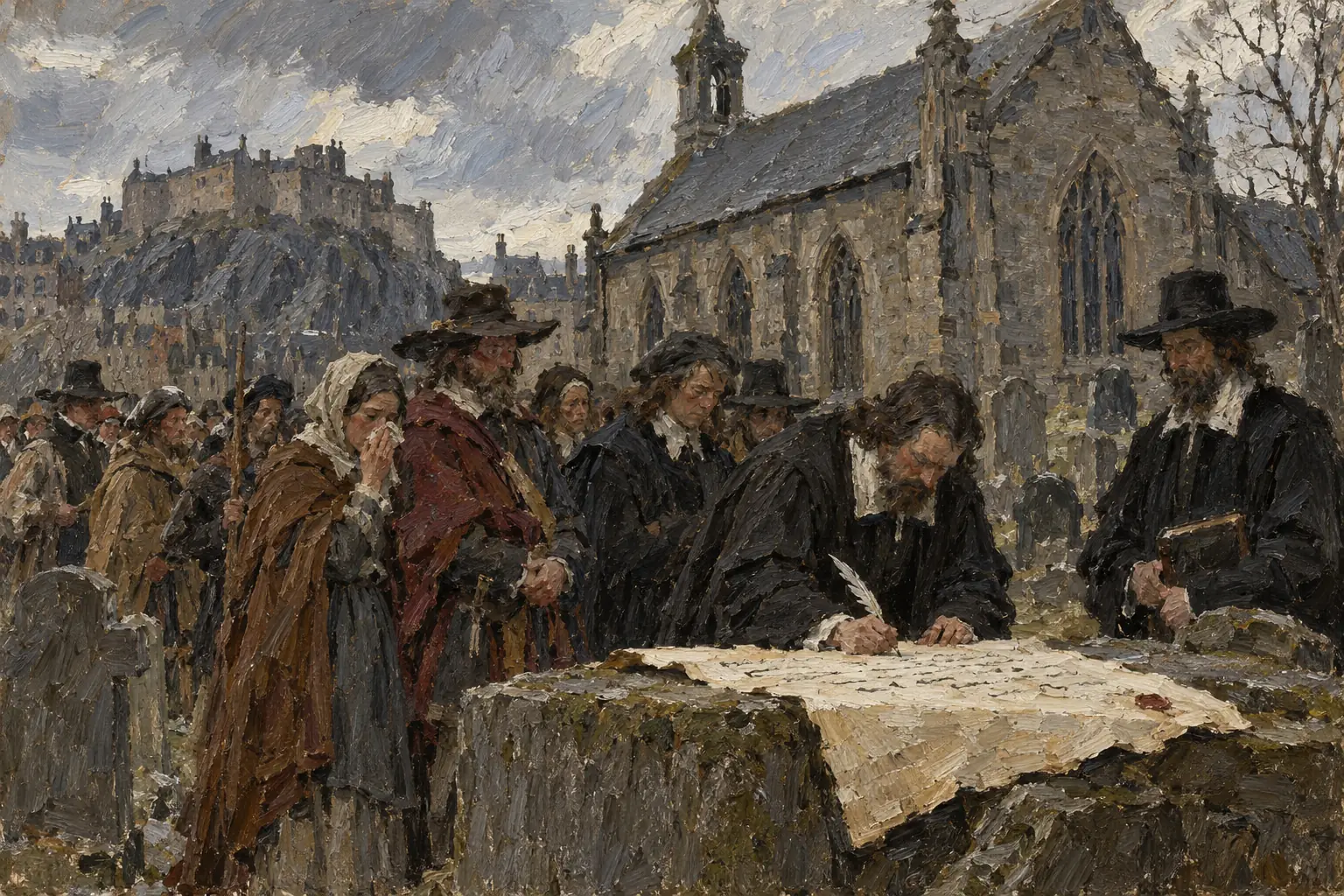
Conflicts with Scotland over religious imposition escalated financial and military pressures on Charles I, forcing him to confront parliamentary resistance. These wars stemmed from attempts to enforce religious uniformity across his kingdoms.
Causes and outcomes of the Bishops' Wars
- Imposition of the Prayer Book - In 1637, Charles and Laud tried to introduce a new Anglican-style Prayer Book in Scotland, sparking riots in Edinburgh and the signing of the National Covenant in 1638, where Scots pledged to defend Presbyterianism.
- Military campaigns - The First Bishops' War in 1639 ended in stalemate due to Charles's underfunded army; the Second in 1640 saw Scottish forces invade northern England, defeating royal troops and occupying Newcastle.
- Broader effects - These defeats humiliated Charles, draining his finances and compelling him to summon Parliament for support, which reopened debates on royal power and religion.
Events in Parliament and the Irish Rebellion
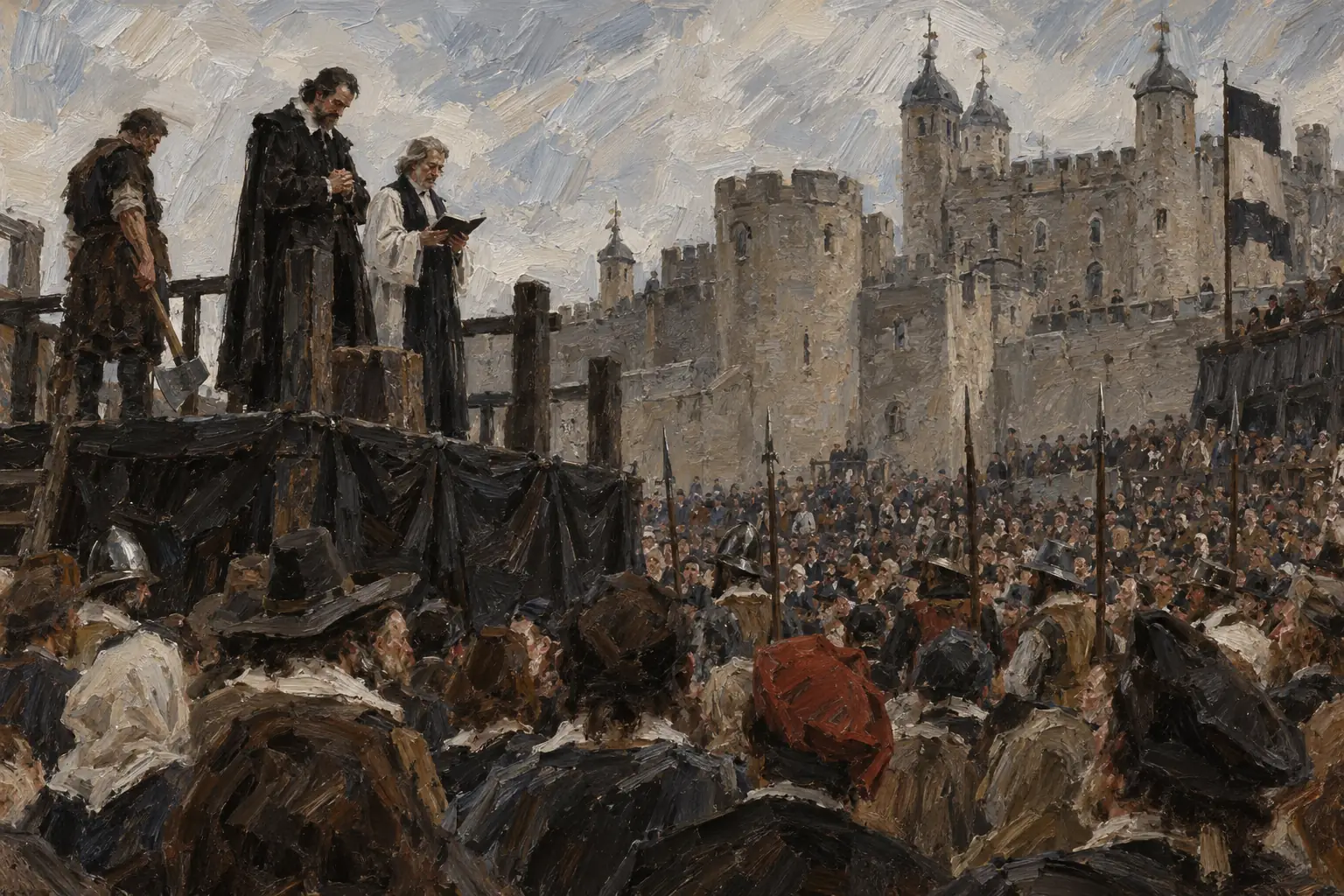
The reconvening of Parliament exposed irreconcilable differences between Charles and his critics, while the Irish Rebellion intensified fears and polarised opinions. These developments accelerated the slide towards civil war.
Key parliamentary events
- Short Parliament (1640) - Lasting only three weeks, it was dissolved when MPs demanded reforms before granting funds, reflecting deep mistrust of the king's intentions.
- Long Parliament (1640 onwards) - This body passed acts limiting royal power, such as abolishing ship money and impeaching Strafford and Laud, who were seen as architects of absolutism; Strafford was executed in 1641.
The Irish Rebellion
- In October 1641, Irish Catholics rebelled against Protestant settlers, with reports of massacres reaching England and stoking anti-Catholic hysteria; Parliament feared Charles might use an army raised to suppress it against them instead.
- This event deepened divisions, as MPs demanded control over military forces, clashing with Charles's assertion of divine right.
Escalation to war and social impacts
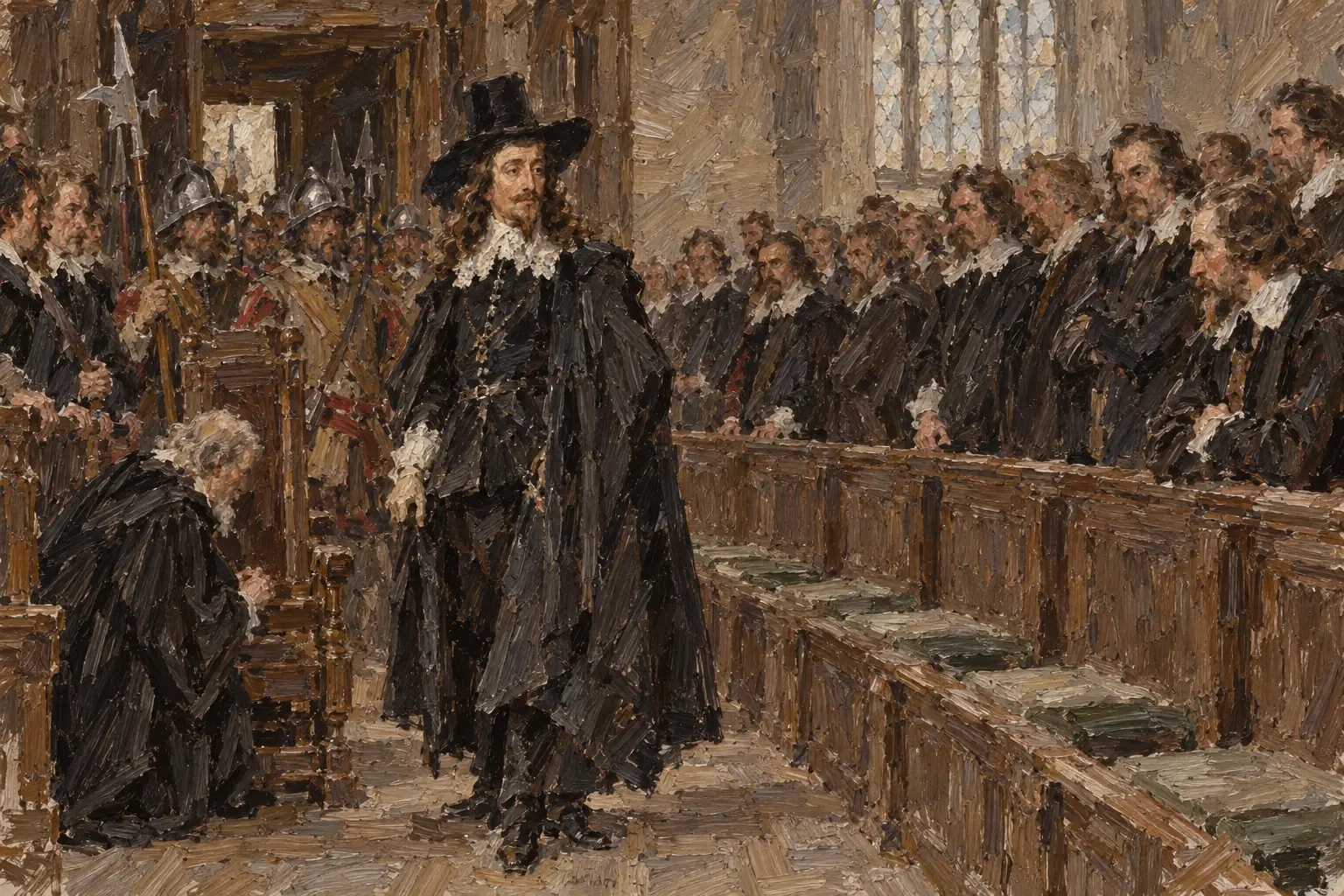
By 1642, tensions culminated in open confrontation, influenced by broader social factors including ideas about governance, communication of grievances, and the experiences of diverse groups. These elements shaped how society prepared for and chose sides in the conflict.
Final triggers to conflict
- Attempted arrest of the Five Members - In January 1642, Charles entered the House of Commons with soldiers to arrest five critical MPs, including John Pym, for treason; this violation of parliamentary privilege outraged many and led to London crowds protecting the members, forcing Charles to flee the capital.
Social and human dimensions
- Choosing sides - Families often divided, with brothers or fathers aligning differently based on religion or loyalty; regions like Puritan Essex supported Parliament, while rural royalist areas like Cornwall backed the king; occupations influenced choices, as merchants in trade-heavy cities favoured Parliament's economic policies.
- Presence of Africans in Britain - Small communities of Africans, often servants or traders in ports like London, navigated the growing unrest; some were drawn into the conflict through service in households that chose sides, reflecting the era's emerging global connections.
- Experiences of women and disabled people - Women, though excluded from formal politics, petitioned Parliament and managed estates during absences, with figures like Brilliana Harley defending her home; disabled individuals, such as wounded veterans from earlier wars, faced societal prejudices but contributed through local militias or craftsmanship, highlighting how war preparations affected marginalised groups.
- Role of ideas and communication - Pamphlets and sermons spread radical ideas about liberty and resistance, amplifying grievances and mobilising support across classes.