1.3 - Navy Laws & Weltpolitik
Key facts and dates
Weltpolitik represented Germany's aggressive pursuit of global influence during Wilhelm II's reign, intertwining foreign ambitions with domestic pressures. The Navy Laws drove rapid fleet expansion, heightening international tensions and internal divisions. This timeline captures the main developments in naval policy and its consequences.
Timeline of key events
- 1897 – Alfred von Tirpitz appointed State Secretary of the Navy, pushing for fleet expansion to support Weltpolitik.
- 1898 – First Navy Law passed, authorising construction of 19 battleships over six years.
- 1900 – Second Navy Law expands the fleet target to 38 battleships, intensifying rivalry with Britain.
- 1906–1912 – Further Navy Laws and amendments increase spending and fleet size amid growing budgetary strain.
- 1907 – Formation of the German Navy League peaks with over a million members, boosting nationalist sentiment.
- 1912 – Navy Law revision deepens political polarisation, with conservatives clashing against the SPD.
- 1914 – Outbreak of the First World War, partly fuelled by naval arms race and imperial rivalries.
Weltpolitik and its links to domestic politics
Weltpolitik was Germany's foreign policy strategy under Kaiser Wilhelm II, aimed at securing a prominent place among world powers through colonial expansion, economic dominance, and military strength. This approach went beyond traditional European diplomacy, seeking global prestige and influence.
Connections between Weltpolitik and internal affairs
- Boosting national unity - The policy appealed to conservative elites and the middle class, fostering patriotism to counter rising socialist influences and maintain social cohesion.
- Political manipulation - Leaders used Weltpolitik to divert attention from domestic issues like industrial unrest and class divisions, rallying support around imperial goals.
- Parliamentary dynamics - It required Reichstag approval for funding, creating alliances between conservatives and centrists while alienating left-wing groups opposed to militarism.
Details of the Navy Laws and their aims
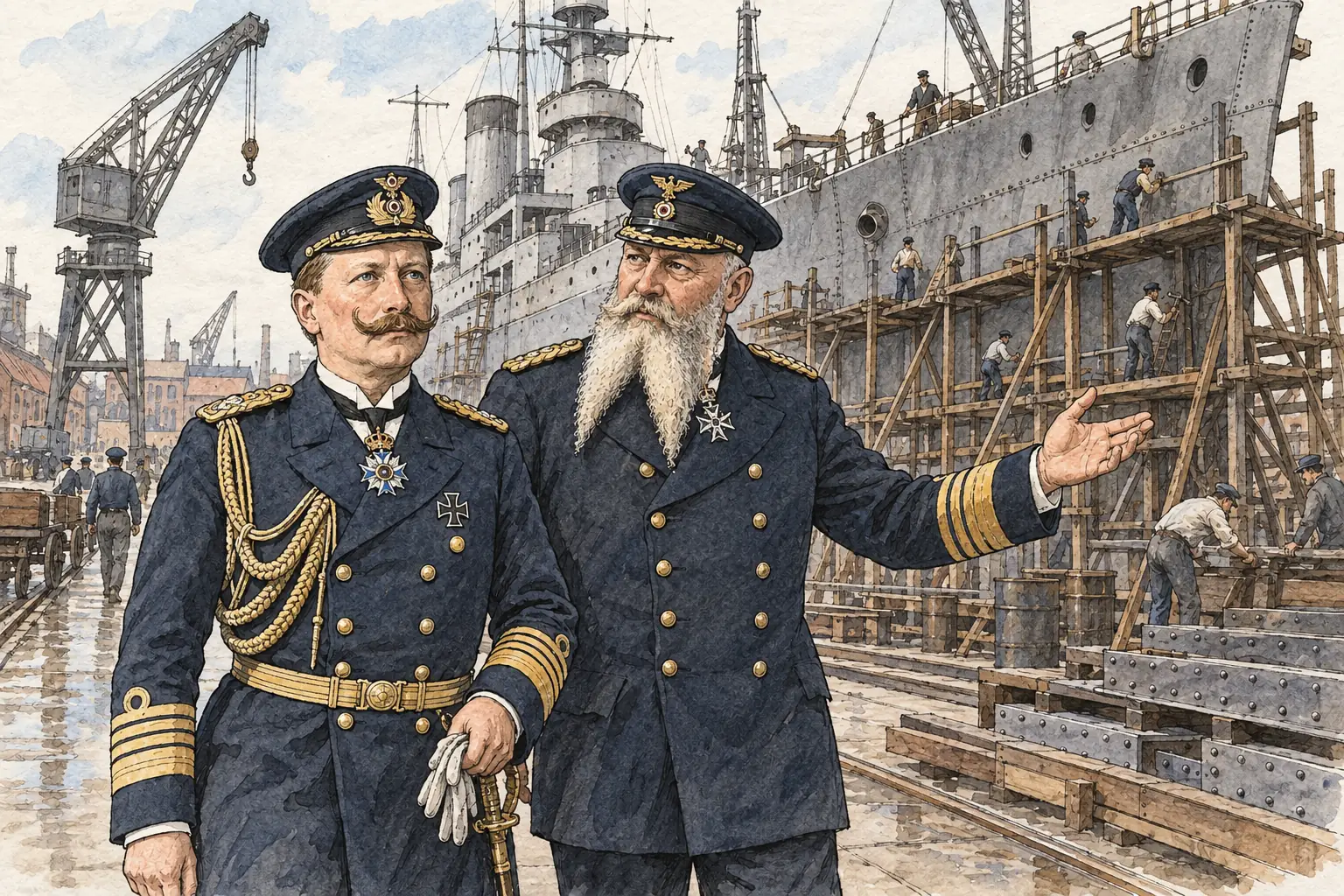
The Navy Laws were a series of legislative measures introduced from the late 1890s to build a powerful German fleet, masterminded by Admiral Alfred von Tirpitz. These laws reflected the ambitions of Weltpolitik, transforming Germany into a naval power capable of challenging established empires.
Key features of the Navy Laws
- Aims of expansion - The primary goal was to create a battle fleet strong enough to deter attacks and support overseas colonies, embodying the "risk theory" where a formidable navy would force Britain to avoid confrontation.
- Projected fleet size - The 1898 law targeted 19 battleships and numerous cruisers by 1904; the 1900 law raised this to 38 battleships; later revisions in 1906, 1908, and 1912 further increased numbers to include dreadnoughts and submarines.
- Costs involved - Initial estimates for the 1898 law were around 400 million marks, escalating to over 1 billion marks by 1912 due to technological advancements and arms race pressures.
- Political effects - The laws passed with support from conservative and liberal parties, but they heightened debates in the Reichstag, exposing divisions over taxation and priorities.
Naval expansion, rivalry and nationalist groups
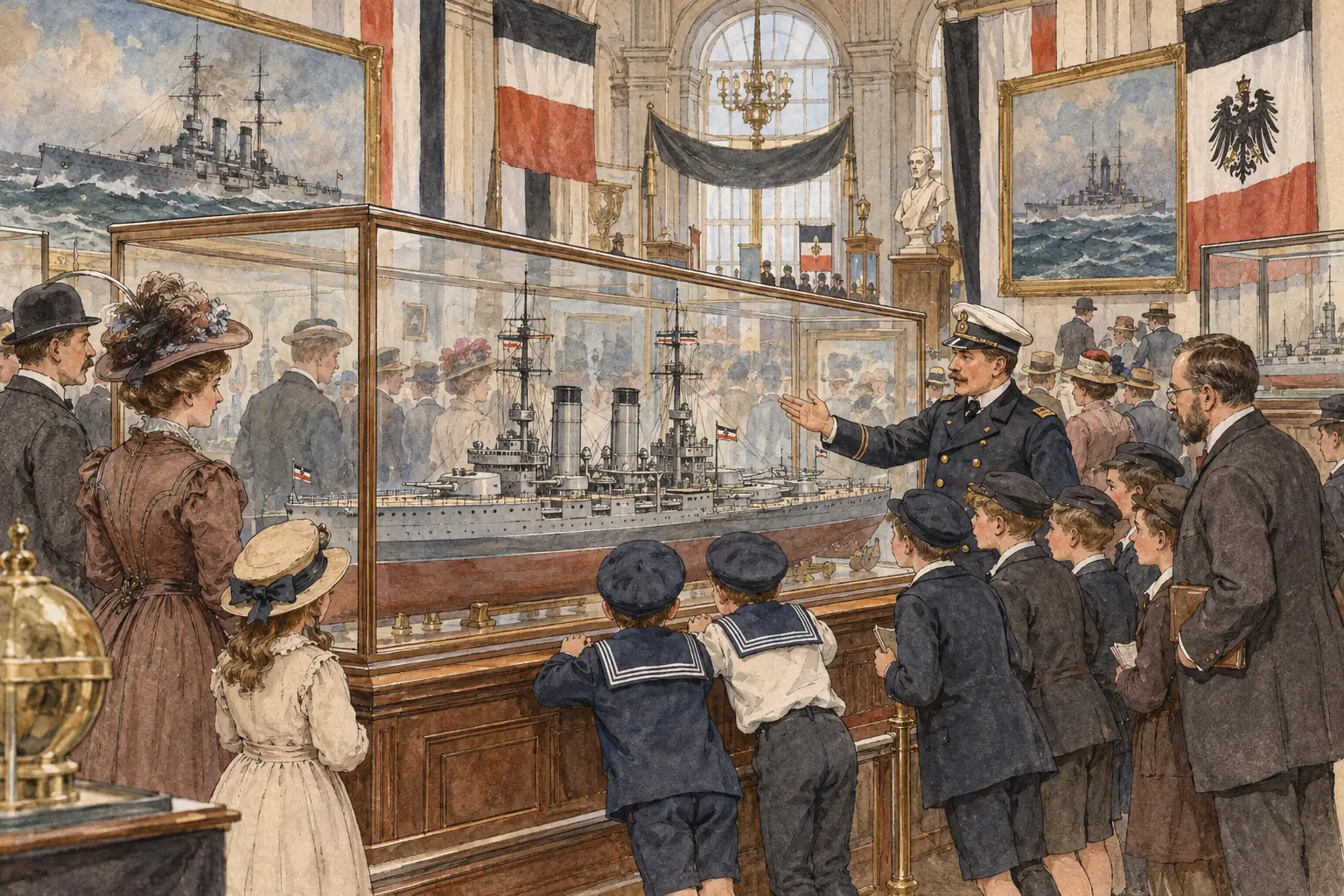
Germany's naval build-up under the Navy Laws directly escalated tensions with Britain, which viewed the growing fleet as a threat to its maritime supremacy. This rivalry contributed to the pre-war arms race and alliance formations.
Consequences for international relations and domestic nationalism
- Rivalry with Britain - The fleet's expansion prompted Britain's "two-power standard" policy, leading to the Anglo-German naval arms race and diplomatic incidents like the 1905 Moroccan Crisis.
- Strengthening of nationalist groups - Organisations such as the German Navy League grew rapidly, lobbying for more funding and promoting imperial pride through propaganda and public campaigns.
- Broader effects on society - Naval enthusiasm united right-wing elements, including industrialists and the military, while fostering a culture of militarism that influenced education and media.
Effects on budgets and political polarisation
The financial demands of the Navy Laws placed significant pressure on Germany's economy, requiring new taxes and reallocations that exacerbated political divisions. This strain highlighted the tensions between expansionist ambitions and fiscal responsibility.
Budgetary and political repercussions
- Strained budgets - Escalating costs led to higher taxes on goods like beer and tobacco, burdening the working class and causing public discontent over the prioritisation of military spending.
- Deepened party polarisation - Conservatives and nationalists supported the laws for their imperial benefits, while the Social Democratic Party (SPD) and centrists opposed them, arguing they neglected social welfare and provoked unnecessary conflicts.
- Economic trade-offs - Funds diverted to the navy reduced investments in infrastructure and education, contributing to internal debates about sustainable growth.
Influence of military and imperial ambitions
Military leaders and imperial advocates wielded considerable power in shaping German policy, often overriding parliamentary input. This dynamic prioritised aggressive expansion over diplomatic stability.
How military and imperial factors shaped governance
- Military influence - Figures like Tirpitz manipulated public opinion and the Kaiser to secure ongoing naval funding, embedding the armed forces deeply in decision-making processes.
- Imperial ambitions - The drive for colonies and global status justified policies that favoured conquest over cooperation, leading to incidents like the acquisition of Kiaochow in China.
- Undermining parliamentary cooperation - Reliance on military advice created unstable coalitions in the Reichstag, as parties clashed over funding, weakening democratic processes and fostering authoritarian tendencies.