4.1 - Women’s Rights: Suffrage, Pankhursts & Equality
Key facts and dates
The women's suffrage movement in Britain during the early 20th century involved peaceful and militant campaigns to secure voting rights, influenced by individual leaders, government policies, and events like the First World War. These efforts extended to broader equality issues, marking significant shifts in social and legal norms.
Timeline of key events
- 1897 – Formation of the National Union of Women's Suffrage Societies (NUWSS), led by Millicent Fawcett, focusing on peaceful methods.
- 1903 – Emmeline Pankhurst founds the Women's Social and Political Union (WSPU), adopting militant tactics.
- 1909 – Introduction of force-feeding for imprisoned suffragettes on hunger strikes.
- 1913 – Cat and Mouse Act passed; Emily Davison dies at the Epsom Derby protesting for suffrage.
- 1918 – Representation of the People Act grants voting rights to women over 30 who meet property qualifications.
- 1928 – Equal Franchise Act extends equal voting rights to women over 21.
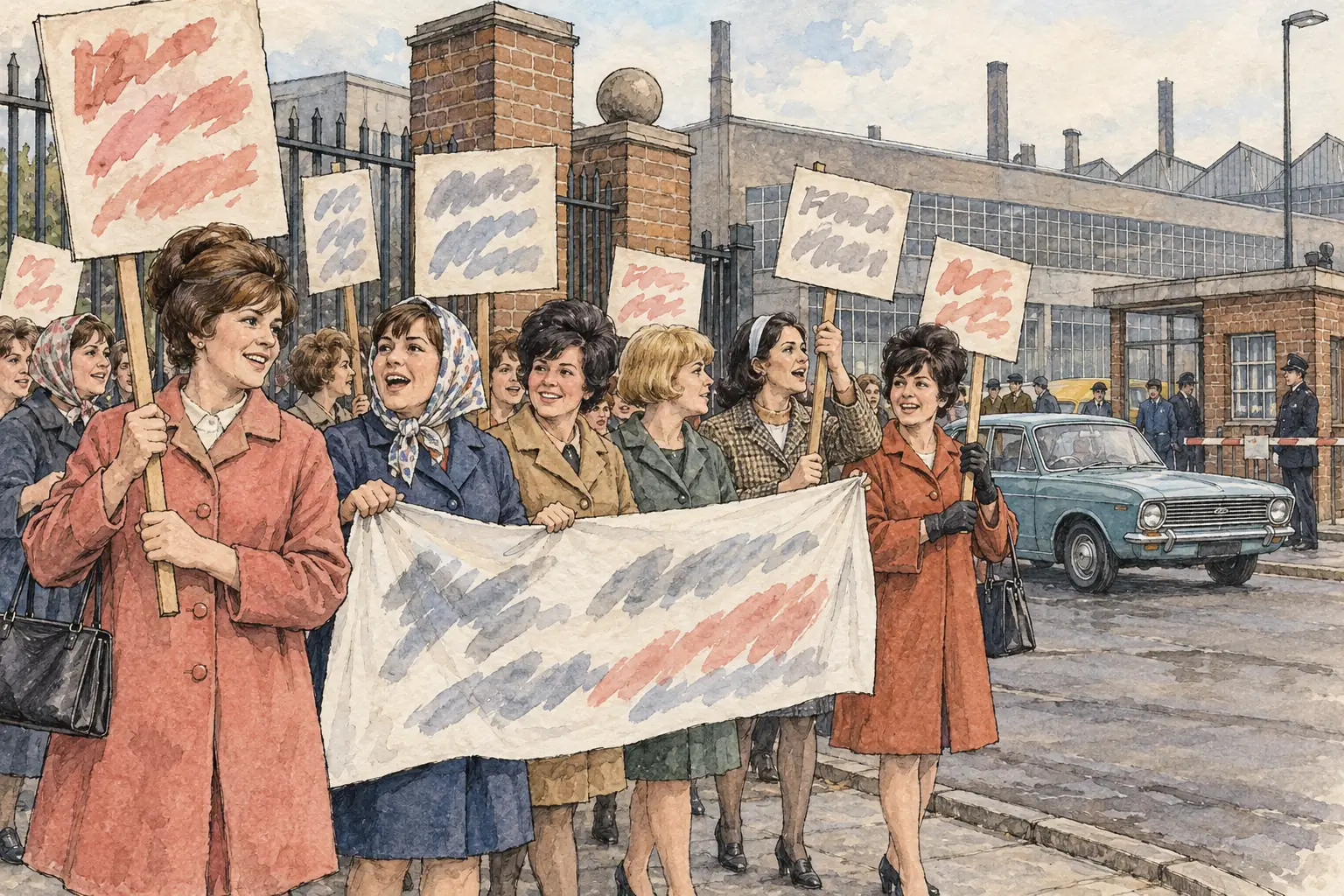
- 1968 – Dagenham strike by female workers leads to the Equal Pay Act 1970.
Comparison of suffragists and suffragettes
The campaign for women's voting rights in Britain featured two main groups: the suffragists, who pursued gradual reform through legal means, and the suffragettes, who used direct action to demand immediate change. Both shared the core aim of achieving suffrage but differed significantly in their approaches and organisational structures.
Key differences between suffragists and suffragettes
| Aspect | Suffragists (NUWSS) | Suffragettes (WSPU) |
|---|---|---|
| Leadership and formation | Led by Millicent Fawcett; established in 1897 as the National Union of Women's Suffrage Societies, uniting various groups for coordinated efforts. | Founded in 1903 by Emmeline Pankhurst; known as the Women's Social and Political Union, emphasising bold, attention-grabbing actions. |
| Aims | Sought voting rights as part of broader social reforms, viewing suffrage as a step towards legal equality in areas like education and property ownership. | Demanded immediate votes for women on equal terms with men, seeing it as essential for challenging wider inequalities in marriage, employment, and family law. |
| Methods | Relied on peaceful tactics such as petitions, lobbying politicians, public meetings, and organised marches to build public and parliamentary support. | Employed militant strategies including disruptions of political events, window-breaking, and arson to force government attention and highlight injustices. |
| Impact on public opinion | Gained respect through non-violent persistence, attracting cross-party alliances and gradual shifts in attitudes. | Generated widespread publicity but often faced criticism for extremism, which alienated some supporters while energising the core movement. |
Profiles of the Pankhursts and their tactics
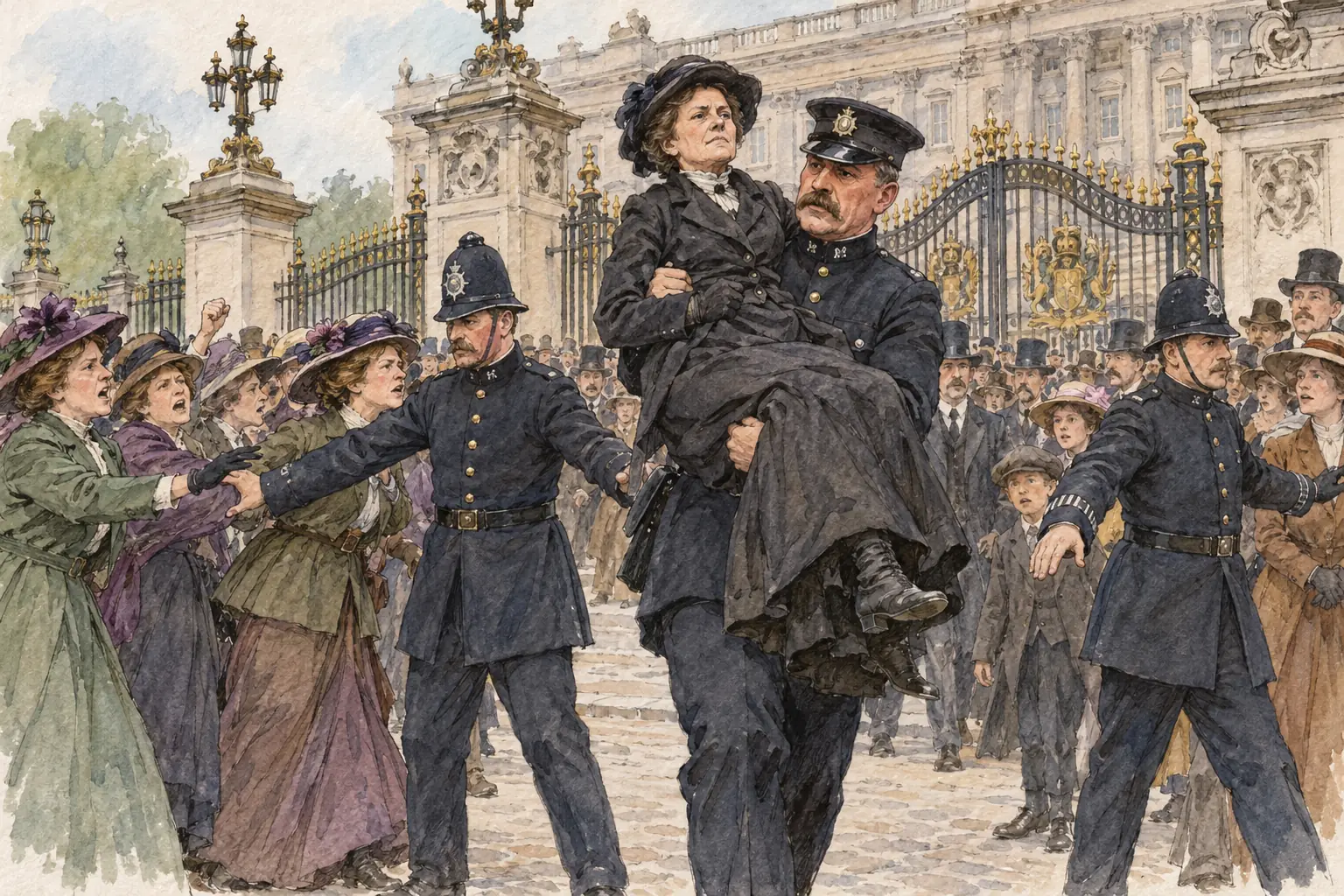
The Pankhurst family played a central role in the militant wing of the suffrage movement, with Emmeline, Christabel, and Sylvia each contributing distinct perspectives and leadership. Their tactics raised awareness but sparked debate over whether they advanced or obstructed the cause of women's rights.
Contributions of key Pankhurst figures
- Emmeline Pankhurst - Founded the WSPU in 1903, advocating "deeds, not words" to push for immediate suffrage; her charismatic speeches and willingness to endure arrests inspired many, but her focus on middle-class women limited broader appeal.
- Christabel Pankhurst - As WSPU chief organiser, she directed militant campaigns and edited the group's newspaper, emphasising strategic disruptions; her leadership during the First World War shifted to patriotic support, which divided the movement.
- Sylvia Pankhurst - Broke from the WSPU to form the East London Federation of Suffragettes, focusing on working-class women and socialist ideals; she opposed the war and continued advocating for social reforms beyond voting rights.
Debate on the impact of Pankhurst tactics
Militant actions like arson and hunger strikes drew global attention to women's disenfranchisement, pressuring politicians and highlighting gender inequalities. However, they provoked harsh government crackdowns and negative media coverage, potentially delaying reforms by associating the cause with disorder. Ultimately, these tactics complemented suffragist efforts, accelerating change when combined with wartime contributions, though some argue they hindered progress by alienating moderate allies.
Campaign methods and government responses
Image 1 of 3: In March 1912 suffragettes smashed shop windows across London's West End
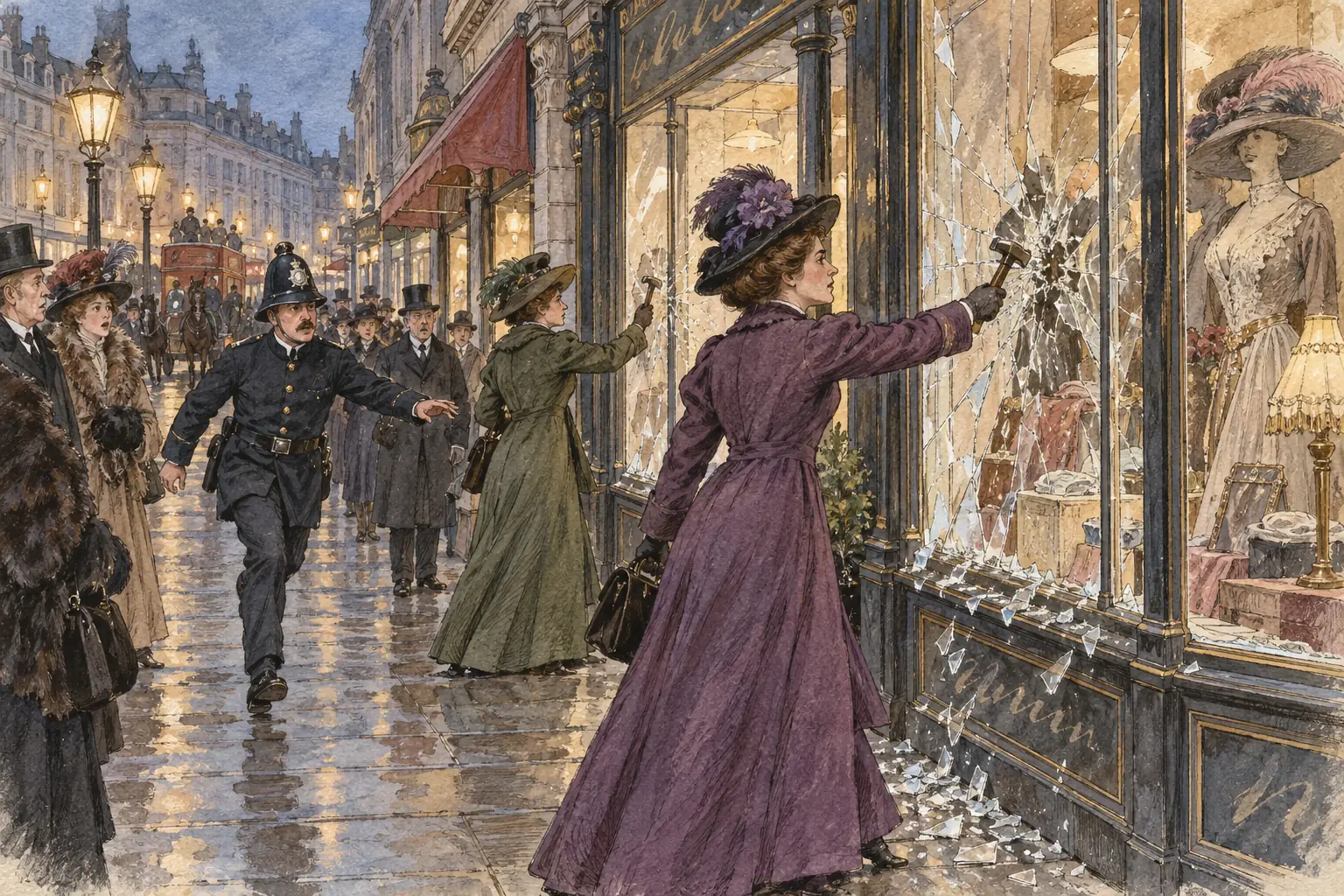
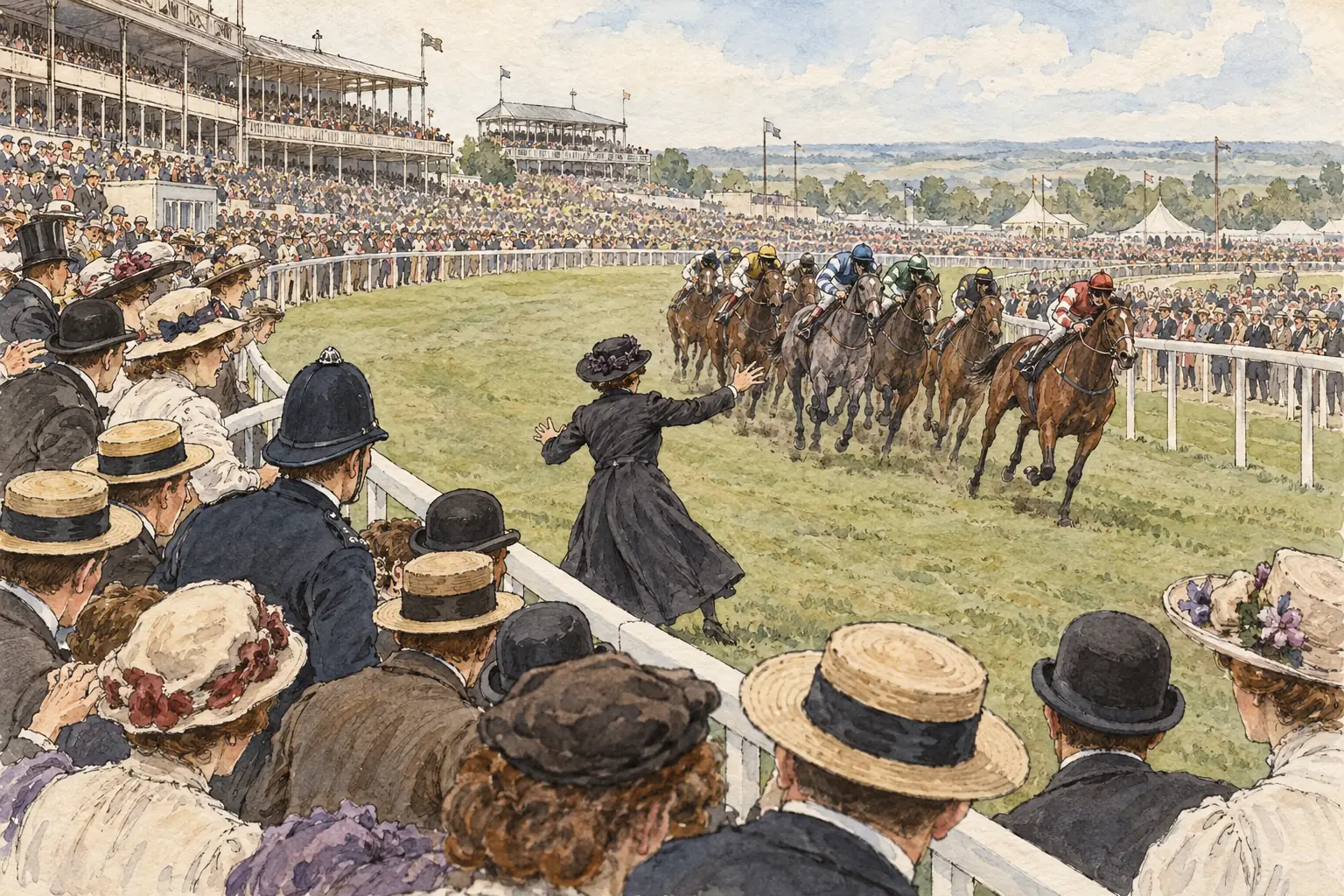
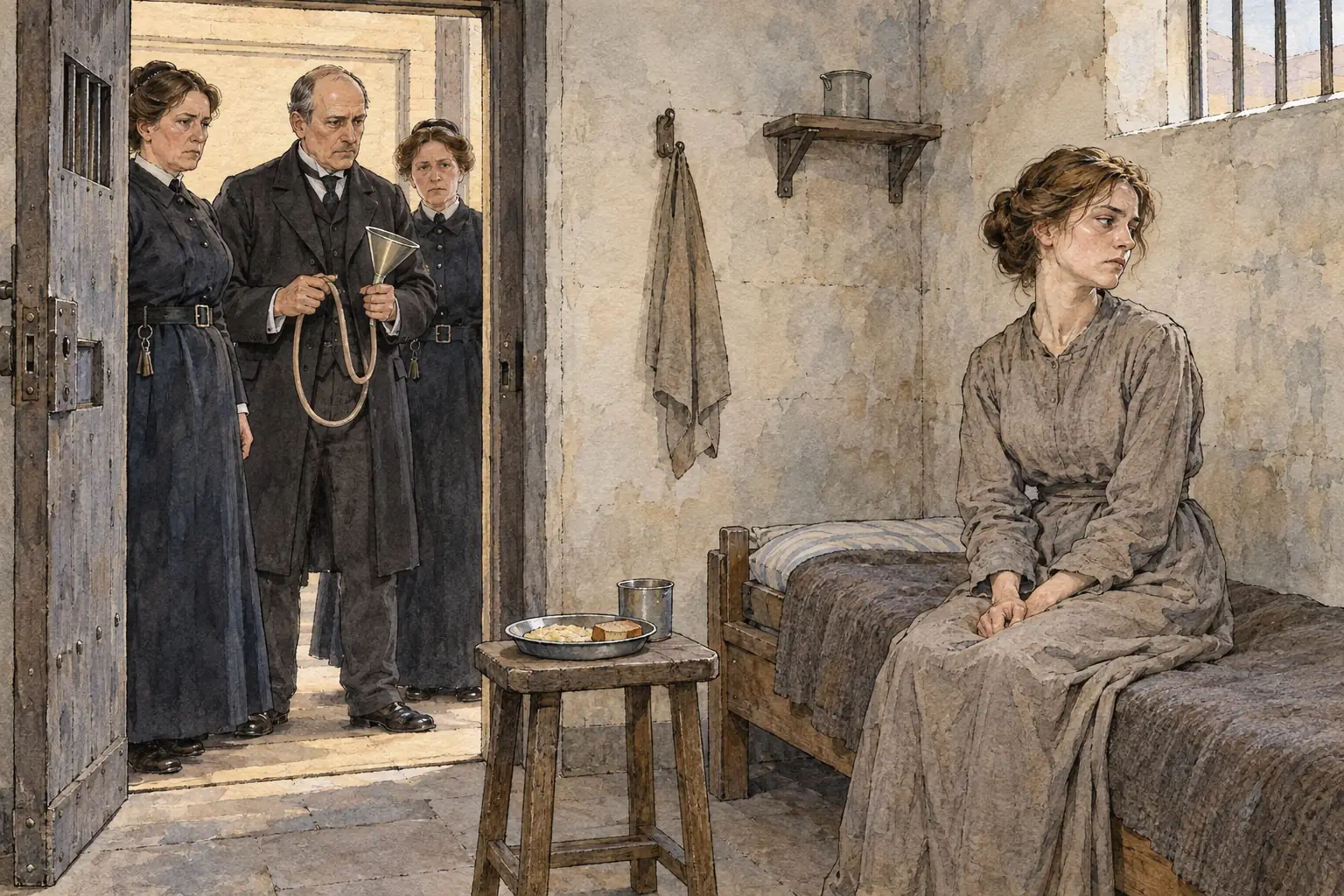
Suffrage activists employed a range of strategies to challenge the status quo, from peaceful demonstrations to acts of civil disobedience. The government responded with repressive measures, aiming to suppress militancy while maintaining public order.
Methods used in the suffrage campaign
- Peaceful approaches - Included large-scale marches, such as the 1908 NUWSS procession in London, and publications like pamphlets and newspapers to educate the public and lobby for change.
- Militant tactics - Encompassed civil disobedience, such as tax resistance and interrupting speeches; escalated to property damage like window-smashing and arson on unoccupied buildings.
- Hunger strikes and high-profile protests - Imprisoned activists refused food to protest their status as political prisoners; the 1913 'Suffragette Derby' saw Emily Davison step in front of the king's horse at Epsom, resulting in her death and widespread publicity.
Government responses to the campaign
- Force-feeding - Introduced in 1909, this involved forcibly feeding hunger-striking prisoners through tubes, often causing injury and drawing public outrage over its brutality.
- Cat and Mouse Act (1913) - Officially the Prisoners (Temporary Discharge for Ill-Health) Act, it allowed temporary release of weakened prisoners, only to rearrest them once recovered, prolonging their suffering without resolving underlying issues. These responses reflected government reluctance to grant reforms, but they also exposed the state's harsh treatment of women, garnering sympathy and support for the suffrage cause.
Achievement of voting rights and wider equality
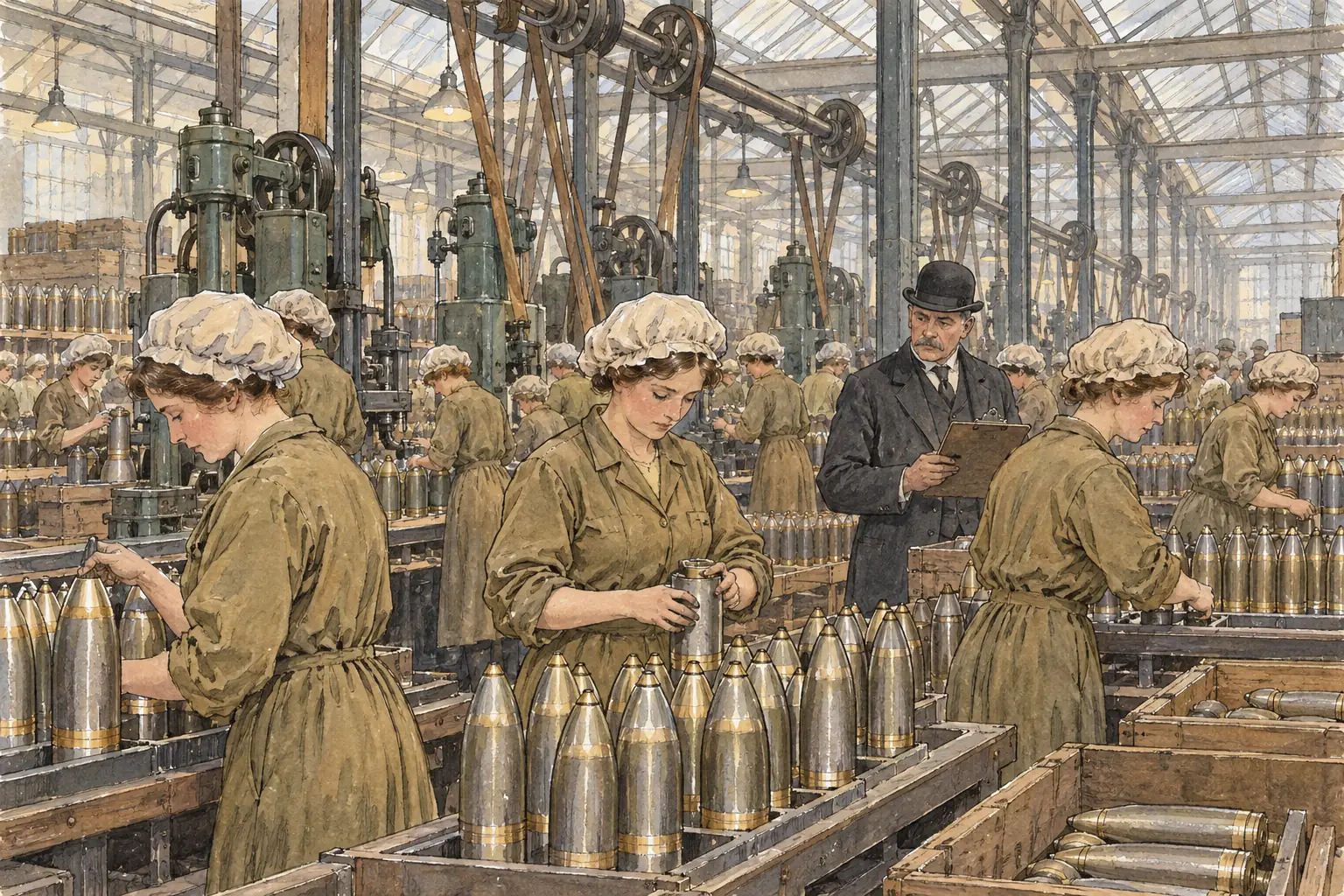
Image 1 of 2: Women's war work, such as making shells in munitions factories, helped win the vote in 1918 for women over 30 who met a property qualification
Securing the vote was seen not just as an end in itself but as a tool for broader legal and social transformations, enabling women to influence laws on issues like divorce and employment. Key legislation marked progress, though full equality required ongoing struggles.
Major legislative milestones
- Representation of the People Act (1918) - Granted voting rights to women over 30 who owned property or were married to property owners; influenced by women's wartime roles in factories and nursing, which demonstrated their capability and shifted public opinion.
- Equal Franchise Act (1928) - Extended equal voting rights to all women over 21, regardless of property, achieving parity with men and fulfilling a long-standing demand.
Later developments in equality
The suffrage victory paved the way for further advances, such as the 1968 Dagenham strike by female machinists at a car plant, protesting unequal pay. This action led to the Equal Pay Act 1970, which mandated equal wages for equal work, and influenced the Sex Discrimination Act 1975, banning bias in employment and education. These milestones addressed persistent inequalities, driven by evolving ideas, individual activism, and changing government policies.
Diverse figures in the women's rights movement
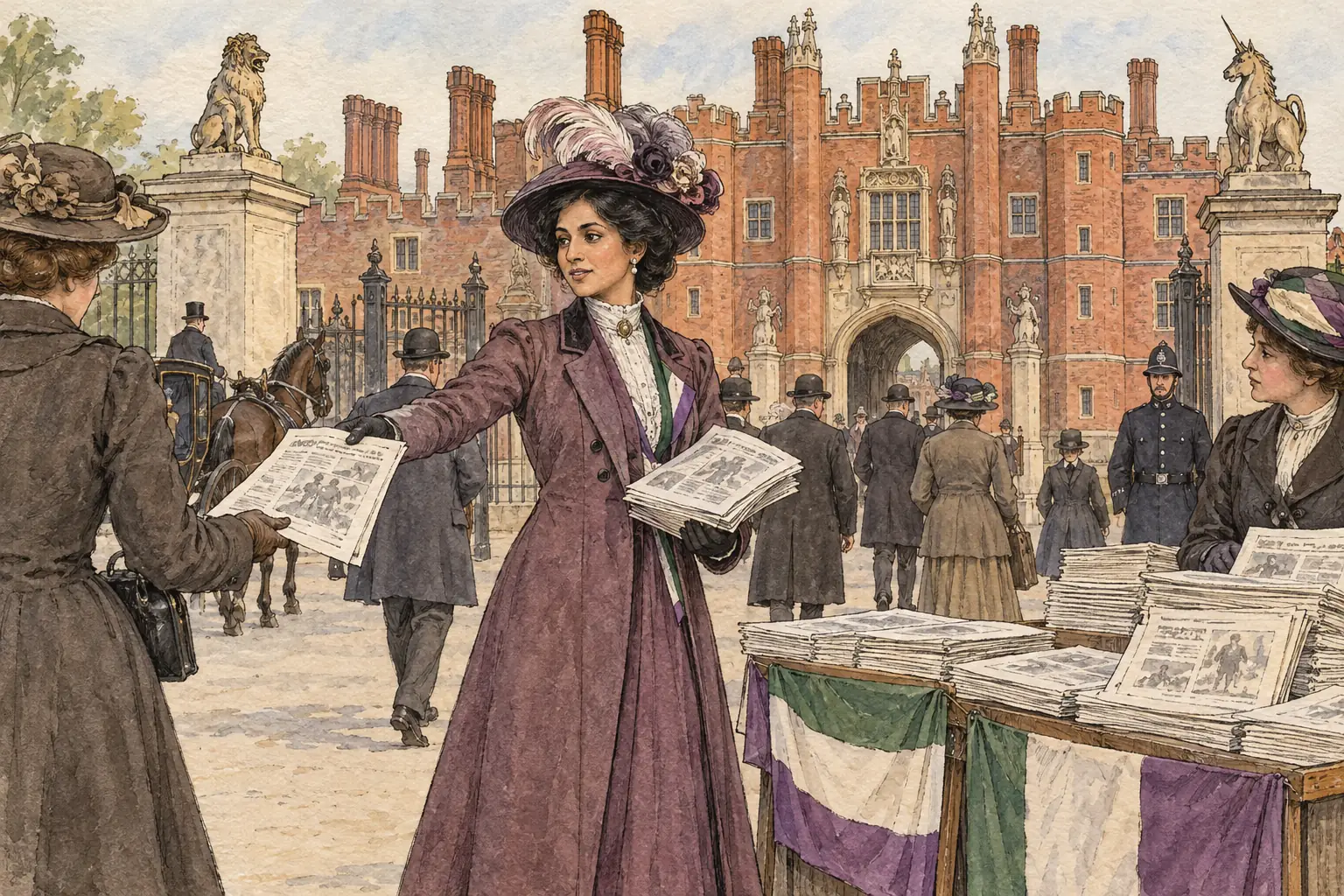
Image 1 of 2: Princess Sophia Duleep Singh sold the suffragette newspaper outside Hampton Court Palace, where she lived
Beyond the Pankhursts, the suffrage campaign drew strength from a wide array of women from varied backgrounds, whose contributions highlighted the movement's inclusivity and broadened its impact through innovative tactics and advocacy.
Key diverse contributors to the movement
- Millicent Fawcett - As NUWSS leader, she championed non-violent strategies, building alliances with politicians and emphasising education to change societal attitudes.
- Annie Kenney - A working-class mill worker turned WSPU organiser, she brought attention to class issues within the movement through her arrests and hunger strikes.
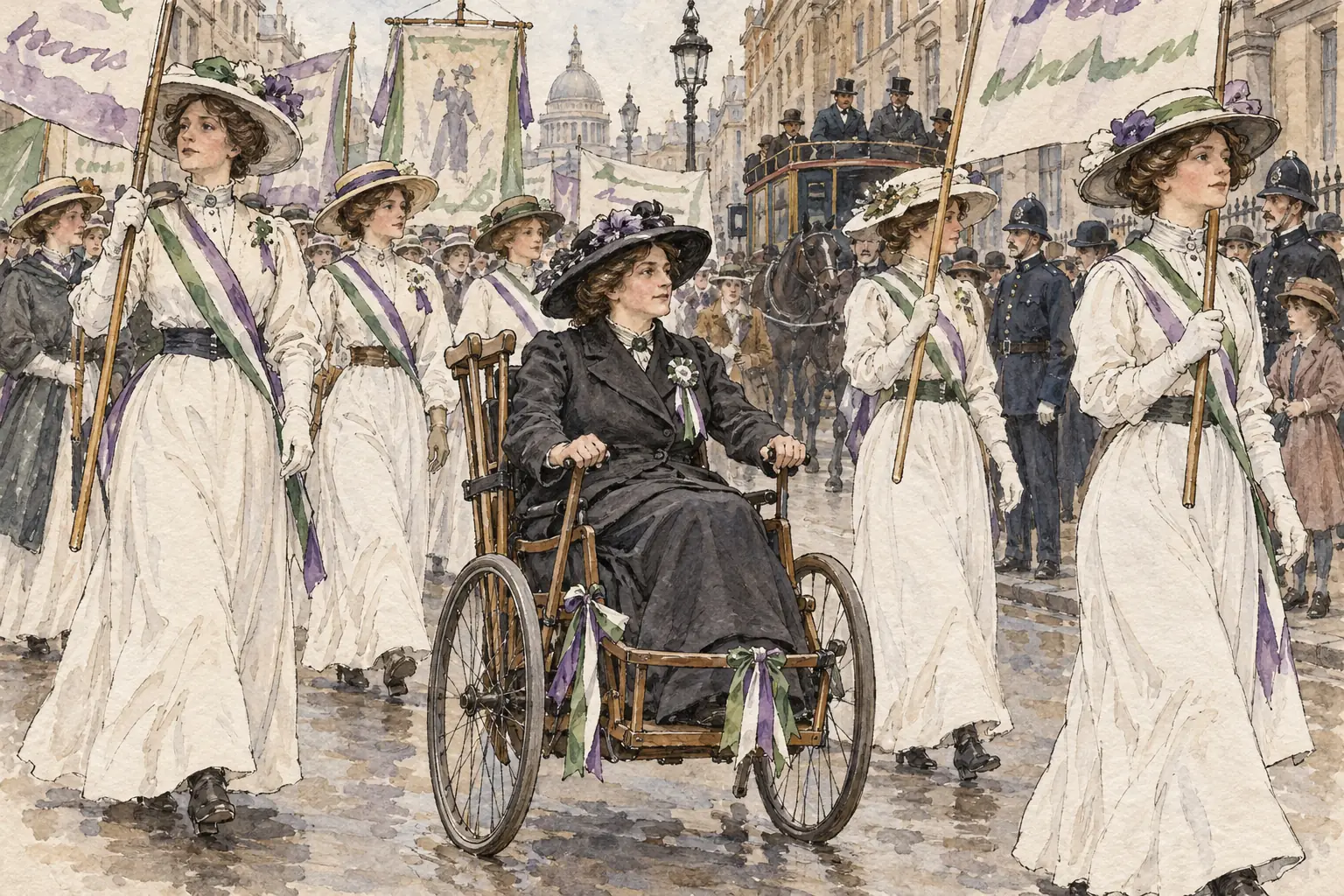
- Rosa Billinghurst - Known as the "cripple suffragette," she participated in protests using a tricycle despite her disability, symbolising resilience and challenging stereotypes.
- Kitty Marion - An actress and militant activist, she engaged in arson campaigns and endured force-feeding, using her public profile to amplify the cause.
- Adeline Knight - Focused on tax resistance and civil disobedience, representing middle-class women's push for financial independence.
- Sophia Duleep Singh - A princess of Indian heritage, she sold suffrage newspapers and refused to pay taxes, highlighting imperial connections and ethnic diversity in the movement.
These figures demonstrated how ideas, individual agency, government resistance, wartime opportunities, and improved communication through print media collectively drove the push for women's rights.. The course is GCSE History.